Mendoza, Argentina
Sip world‑class Malbec, explore the Andes, and wander through sun‑drenched vineyards in Mendoza, Argentina’s wine capital. Discover cultural highlights, outdoor adventures, and practical visitor information including entry fees, timings, and contacts. Plan your trip today and taste the best of Argentina’s wine country!
Introduction
The province of Mendoza in Argentina is home to some of the world’s most renowned wineries and vineyards. It is world-famous for its Malbec varietal, which is produced in the foothills of the Andes Mountains. Beyond outstanding Malbec, Mendoza wineries produce an array of fabulous reds and whites, including Cabernet Sauvignon, Syrah and Chardonnay. In addition, it is home to some of the world’s best sparkling wines, thanks to the unique combination of soil and climate. For those who wish to fully experience the offerings of this place, a trip to Wine Country is a must for its stunning landscape, endless wine tastings and incredible local winemakers.
Mendoza is one of South America’s major wine producing regions and has become a beloved destination for wine enthusiasts looking to explore Argentina’s renowned malbecs, bonardas, torrontés and more. Located in the majestic and breathtakingly beautiful Andean foothills, this region offers unparalleled scenery and wine experiences like no other.
Mendoza, Argentina, is a renowned wine-producing region nestled at the foothills of the majestic Andes Mountains. Known globally for its exceptional Malbec wines, Mendoza offers a blend of picturesque landscapes, rich cultural experiences, and world-class wine tourism.
Budget Travel $100
Mendoza, Argentina’s wine capital, can be explored on a $100 budget if you balance local food, transport, and affordable wine experiences. Public buses are the cheapest way to move around, costing less than $0.50 per ride, and they connect the city center with nearby wineries.
Many bodegas (wineries) offer budget-friendly tastings starting at $10–$15 USD, which include a guided tour and a few glasses of Malbec, the region’s signature wine. Meals can be kept affordable by dining at neighborhood parrillas (grill houses), where a plate of steak with sides costs about $7–$10, or by enjoying empanadas for $1–$2 each. Free attractions such as Parque General San Martín, with its expansive gardens and lake, or strolling through the city’s plazas, add cultural depth without extra cost.
Accommodation in Mendoza ranges from hostels at $20–$25 per night to mid-range hotels at $40–$50, so staying in a hostel leaves plenty of room in your $100 budget for food, transport, and wine tastings. A sample day could include $25 for lodging, $20 for meals, $10 for transport, and $15–$20 for winery visits, leaving enough for coffee at a local café or a small souvenir.
By combining budget lodging, local food, and affordable wine tours, you can enjoy Mendoza’s rich culture and landscapes without overspending. The key is to prioritize smaller, family-run bodegas and free city attractions rather than luxury wine resorts, which can quickly exceed budget limits.
Tips for American Travelers
For American travelers, visiting Mendoza requires both practical preparation and cultural awareness. Wine tours should be booked directly with wineries or through reputable agencies to avoid scams, and while credit cards are accepted in many places, carrying cash in Argentine pesos is essential for buses, small shops, and rural bodegas.
earning basic Spanish phrases such as “vino tinto” (red wine) or “entrada” (entrance) can make interactions smoother and show respect for locals. Mendoza is known for its relaxed pace, so embracing Argentina’s cultural rhythm will make your trip more enjoyable.
Health and safety are also important considerations. Tap water in Mendoza is generally safe, but bottled water is recommended when traveling outside the city. Petty theft can occur in crowded areas, so keeping valuables secure is wise. Americans should also be mindful of electrical outlet differences, as Argentina uses 220V outlets, making a universal adapter essential.
Finally, dressing appropriately for the climate is key—Mendoza has hot summers and cool winters, so layered clothing is useful. By combining cultural sensitivity with practical planning, American travelers can enjoy Mendoza not only as a wine destination but also as a cultural hub surrounded by the Andes, offering both relaxation and adventure.
Suggested Itinerary
- 8:00 AM – Breakfast in downtown Mendoza (fresh medialunas and coffee)
- 9:00 AM – 11:00 AM – Guided tour of local wineries (learn about Malbec and taste varietals)
- 11:30 AM – 1:00 PM – Cycle through vineyards in Maipú or Luján de Cuyo
- 1:00 PM – 2:00 PM – Lunch at a winery restaurant (pair regional dishes with wine)
- 2:30 PM – 4:30 PM – Visit the Andes foothills (short hike or scenic drive)
- 5:00 PM – 6:30 PM – Relax in Parque General San Martín (beautiful gardens and lake views)
- 7:00 PM – 9:00 PM – Dinner in Mendoza city (try empanadas mendocinas and local wines)
Attractions
The Wine Region
Location & Reputation
Argentina’s premier wine region is Mendoza, situated in western Argentina at the foothills of the Andes Mountains. The high-altitude vineyards (often between 800–1,500 meters above sea level) benefit from abundant sunshine, low rainfall, and snowmelt irrigation from the Andes. Mendoza produces about 70% of Argentina’s wine, with Malbec as its flagship grape, now internationally recognized for its bold flavors and smooth tannins.
Luján de Cuyo
- Climate: Semi-arid with warm days and cool nights, ideal for ripening grapes while preserving acidity.
- Specialty: Known as the “cradle of Malbec,” producing premium Malbecs with notes of plum, blackberry, and spice. Cabernet Sauvignon also thrives here.
- Rich Fact: Luján de Cuyo was the first Denomination of Origin (DOC) in Argentina, established in 1993, highlighting its prestige in Malbec production.
Uco Valley
- Climate: Cooler, with vineyards at some of the highest altitudes in Mendoza (up to 1,500 meters).
- Specialty: Produces complex, aromatic wines—high-end Malbecs, Sauvignon Blancs, and Chardonnay.
- Rich Fact: The valley’s diverse soils (alluvial, sandy, and limestone) create distinct terroirs, making it a hotspot for innovative winemaking and boutique wineries.
Maipú
- Climate: Similar to Luján de Cuyo, with warm days and cool nights.
- Specialty: Offers classic Malbecs with red fruit flavors, as well as innovative blends.
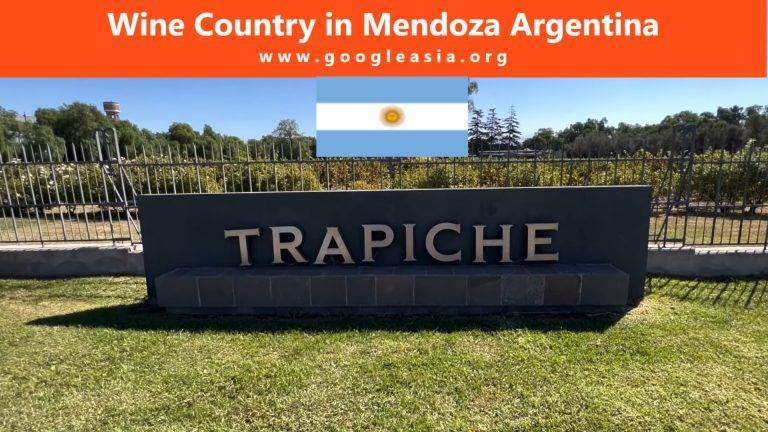
- Rich Fact: Maipú is considered the historic heart of Argentine winemaking, home to some of the country’s oldest wineries like Trapiche and Bodegas López. Its soils produce wines with refined tannins and subtle cedar notes.
Wine Tourism
Vineyard Tours
Visitors can tour wineries to learn about grape cultivation, fermentation, and aging. Many vineyards offer tastings paired with local cuisine, such as empanadas or asado.
Wine Tasting
- Varieties: Malbec dominates, but tastings also include Torrontés (a floral white grape native to Argentina), Cabernet Sauvignon, and Chardonnay.
- Events: Mendoza hosts the annual Fiesta Nacional de la Vendimia (National Harvest Festival) every March, celebrating the grape harvest with parades, music, and wine tastings.
Things to Do
Mendoza, Argentina’s premier wine region, is a destination that offers a rich blend of wine experiences, outdoor adventures, cultural exploration, and culinary delights. Here’s a guide to making the most of your visit to this beautiful region:
Visit a Vineyard
- Scale & Prestige: Mendoza is home to over 1,500 wineries, producing about 70% of Argentina’s wine output. It is globally recognized as the “Malbec capital of the world.”
- Altitude Advantage: Vineyards sit between 800–1,500 meters above sea level, where intense sunlight and cool nights create bold flavors with balanced acidity.
- Wine Tours: Catena Zapata, one of Mendoza’s most famous bodegas, pioneered high-altitude viticulture, proving that Malbec thrives at extreme elevations.
Eat at Local Restaurants
- Traditional Cuisine: Empanadas mendocinas are filled with beef, onions, and olives, baked in clay ovens. Asado (barbecue) reflects gaucho traditions, often paired with Malbec.
- Wine-Paired Menus: Upscale restaurants like Francis Mallmann’s 1884 Restaurante are internationally acclaimed, blending rustic Argentine cooking with fine wine pairings.
- Sweet Touch: Alfajores and dulce de leche desserts are staples, reflecting Argentina’s Spanish and Moorish culinary heritage.
Enjoy Nature and Outdoor Pursuits
- Hiking & Biking: Trails in the Andes foothills offer views of snow-capped peaks, including Aconcagua, the highest mountain in the Americas at 6,961 meters.
- Whitewater Rafting: The Mendoza River, fed by Andean snowmelt, provides Class III–IV rapids, popular among adventure seekers.
- Horseback Riding: Gaucho-style rides through vineyards connect visitors to Argentina’s ranching heritage.
Get Cultural
- Casa de Fader: Dedicated to painter Fernando Fader, showcasing regional art and history.
- Archaeological Museum: Exhibits pre-Columbian artifacts, highlighting indigenous cultures of the Cuyo region.
- Historical Sites: Remnants of the Túpac Inca Yupanqui wall link Mendoza to Inca trade routes.
Shop and Explore Downtown
- Arts & Crafts Market: The Sunday market features artisan goods, leatherwork, and handmade jewelry.
- Local Wines: Affordable bottles of Malbec and Torrontés are sold at market stalls, ideal for souvenirs.
- Urban Energy: Mendoza’s city center is known for sidewalk cafés and plazas shaded by sycamore trees, offering a laid-back yet vibrant atmosphere.
Taste Local Beers
- Craft Beer Scene: Mendoza’s younger generation has embraced craft brewing, with microbreweries offering IPAs, stouts, and wheat beers.
- Beer Bars: Local establishments provide tastings, adding diversity to Mendoza’s culinary landscape.
Foods
Mendoza, Argentina, renowned for its exquisite wines, also boasts a vibrant culinary scene. The region’s gastronomy reflects its rich cultural heritage and local ingredients. Here’s a guide to some of the best foods to try in Mendoza:
Empanadas
Empanadas are pastries introduced by Spanish colonists in the 16th century, later adapted with indigenous ingredients. They are baked or fried, filled with beef, pork, chicken, cheese, seafood, or vegetables.
- Regional Varieties:
- Salta & Tucumán: Spicy beef with potatoes and peppers.
- Buenos Aires: Ham and cheese or ground beef with olives.
- Cordoba: Sweet touches like raisins.
- Cultural Note: Empanadas are a staple at festivals and family gatherings, often baked in clay ovens, symbolizing Argentina’s regional diversity.
Asado (Argentine Barbecue)
Asado is more than food—it’s a social ritual rooted in gaucho (cowboy) culture. Families gather around the parrilla (grill) to cook beef ribs, chorizo, morcilla (blood sausage), lamb, and pork.
- Preparation: Slow cooking over wood or charcoal, seasoned simply with salt.
- Condiment: Always served with chimichurri sauce.
- Rich Fact: Argentina is one of the world’s top beef consumers, with asado central to national identity.
Humita
Humita is an Andean dish with indigenous roots, made from ground corn mixed with cheese, onions, and peppers.
- Preparation: Steamed or baked in corn husks, similar to tamales but creamier.
- Flavor Profile: Savory with a hint of sweetness, reflecting pre-Columbian culinary traditions.
Chivito
Though more associated with Uruguay, chivito is also popular in Argentina.
- Ingredients: Grilled beef topped with lettuce, tomato, cheese, bacon, and sometimes fried egg.
- Serving: Often accompanied by fries or salad.
- Cultural Note: Reflects shared Río de la Plata food culture between Argentina and Uruguay.
Chimichurri
Chimichurri is Argentina’s classic sauce, developed in the 19th century, possibly influenced by Basque immigrants.
- Ingredients: Parsley, garlic, vinegar, olive oil, oregano, chili flakes.
- Usage: A staple condiment for grilled meats, adding freshness and zest.
Locro
Locro is a hearty stew combining beef, pork, corn, beans, and squash.
- Cultural Significance: Traditionally eaten on May 25th, Argentina’s Independence Day, symbolizing national pride.
- Origins: Indigenous Andean dish adapted with Spanish meats.
Dulce de Leche
Dulce de leche is a caramelized milk spread, used in cakes, pastries, and alfajores.
- Cultural Note: Argentina is one of the world’s largest consumers of dulce de leche, with each region adding its own twist.
- Rich Fact: Alfajores filled with dulce de leche are sold in kiosks nationwide, making them Argentina’s most popular sweet snack.
Mendoza Sangria
A refreshing local drink made from Mendoza’s Malbec or Torrontés wines, mixed with fruit and juices.
- Serving: Chilled, perfect for warm afternoons in Argentina’s wine capital.
- Rich Fact: Mendoza produces about 70% of Argentina’s wine, making sangria a natural extension of its viticulture.
Pastel de Papas
Pastel de papas is a layered potato casserole with ground beef, onions, and spices.
- Cultural Note: Similar to shepherd’s pie, reflecting European influence in Argentine cuisine.
- Rich Fact: Often served in family homes as comfort food, especially in colder Andean regions.
Chipa
Chipa is a cheese bread with Guaraní indigenous origins, popular in northern Argentina and Paraguay.
- Ingredients: Cassava flour and cheese, giving it a chewy texture.
- Cultural Note: Often eaten during Holy Week and sold by street vendors.
Hotels
Mendoza, Argentina’s premier wine region, offers a range of accommodations that cater to different tastes and preferences. Whether you’re seeking luxury, comfort, or a unique experience, here are some of the best hotels to stay in while exploring Mendoza’s wine country:
Luxury Hotels
Park Hyatt Mendoza Hotel, Casino & Spa
A five-star hotel offering luxury, comfort, and convenience.
- Features: Includes a casino, full-service spa, and a range of dining options.
- Location: Situated in the heart of Mendoza, providing easy access to local attractions and vineyards.
Cavas Wine Lodge
An exclusive boutique hotel set amidst the vineyards.
- Features: Private villas with stunning vineyard views, a world-class wine cellar, and a relaxing spa.
- Location: Located in the Luján de Cuyo wine region, offering an immersive wine experience.
Finca Adalgisa Boutique & Spa
A charming boutique hotel with a focus on personalized service.
- Features: Cozy rooms, a small spa, and on-site wine tastings.
- Location: Nestled in the Uco Valley, providing a serene escape amidst the vineyards.
Mid-Range Hotels
Gral. San Martín Plaza Hotel & Suites
A well-appointed hotel offering comfort and convenience.
- Features: Comfortable rooms, an on-site restaurant, and conference facilities.
- Location: Centrally located in Mendoza city, ideal for exploring both the city and nearby wineries.
Gran Hotel Miravalle
A classic hotel with a focus on traditional Argentine hospitality.
- Features: Spacious rooms, a restaurant, and easy access to local attractions.
- Location: Positioned in Mendoza city, offering proximity to shopping and dining options.
Cavas Wine Hotel
A stylish hotel offering a blend of modern amenities and wine culture.
- Features: Beautifully designed rooms, a spa, and gourmet dining.
- Location: Located in the heart of wine country, perfect for vineyard visits and wine tasting.
Boutique and Unique Stays
Vinas de Garzón Hotel de Campo
A luxurious countryside retreat with a focus on wine and relaxation.
- Features: Elegant rooms, a winery on-site, and stunning vineyard views.
- Location: Situated in the nearby Garzón region, offering a unique wine experience.
Hotel & Suites La Cabaña
A charming and comfortable hotel with a home-like feel.
- Features: Cozy rooms and suites, a welcoming atmosphere, and a garden area.
- Location: Conveniently located for exploring both Mendoza city and surrounding vineyards.
Hotel Garden Salvador
A relaxed and friendly hotel offering good value for money.
- Features: Simple, comfortable accommodations and a garden area.
- Location: Centrally located in Mendoza, making it easy to explore the city and its attractions.
Eco-Friendly Options
EcoCamp Patagonia
A unique eco-friendly lodge offering a blend of comfort and sustainability.
- Features: Glamping tents with eco-friendly facilities and a focus on conservation.
- Location: While primarily located in Patagonia, it offers a different experience that can complement a wine country visit.
Conclusion
Mendoza is more than Argentina’s wine capital—it’s a lifestyle. Between sipping Malbec, exploring the Andes, and enjoying warm hospitality, every moment here feels rich and memorable. Whether you’re a wine lover, an adventurer, or simply someone seeking a slower rhythm, Mendoza delivers experiences that linger long after the last glass is poured.
Summary
- Attraction: Wine Country in Mendoza
- Continent: South America
- Capital Name: Buenos Aires
- Language: Spanish
- Currency: Argentine Peso
- Nationality: Argentinian
- Category: #Destination #SouthAmerica #Argentina
Contact Information
- Address: Mendoza, Mendoza Province, Argentina
- Telephone (Tourist Office): +54 (261) 449‑5800
- Website:
www.mendoza.tur.ar - E‑mail: info@mendoza.tur.ar
- Entry Fee: Winery tours range from ARS 5,000 – ARS 15,000 depending on experience; national parks may charge ARS 2,000 – ARS 6,000
- Business Hours: Wineries typically open daily, 10:00 AM – 6:00 PM; restaurants and nightlife extend late into the evening
Frequently Asked Questions
Where is Mendoza located?
Mendoza is located in the western part of Argentina, specifically in the region known as Cuyo. It is situated at the foothills of the Andes Mountains, approximately 1,100 kilometers (680 miles) west of Buenos Aires, the capital city of Argentina. Mendoza is known for its wine production, stunning landscapes, and outdoor recreational opportunities, making it a popular destination for travelers seeking natural beauty and wine tourism experiences.
How can one travel to Mendoza?
Traveling to Mendoza, Argentina, offers several convenient options depending on your starting point:
By Air:
- International Flights: Mendoza International Airport (Aeropuerto Internacional El Plumerillo – MDZ) is located approximately 11 kilometers northeast of Mendoza city center. It receives international flights primarily from neighboring South American countries like Chile and Brazil. Some airlines also operate direct flights from cities such as Santiago de Chile and São Paulo.
- Domestic Flights: From Buenos Aires, there are daily flights from Aeroparque Jorge Newbery (AEP) or Ministro Pistarini International Airport (EZE) to Mendoza International Airport. The flight duration is around 2 hours.
By Land:
- Bus: Long-distance buses depart from Retiro Bus Station (Terminal de Ómnibus de Retiro) in Buenos Aires to Mendoza. The journey takes approximately 12-14 hours. Mendoza is also well-connected by bus routes from other major Argentine cities like Córdoba, Rosario, and Salta.
- Car: Mendoza is accessible by car via National Route 7, which connects it to Buenos Aires and Santiago de Chile. This route offers scenic views of the Andes Mountains and vineyards.
Travel Tips:
- Visa Requirements: Check visa requirements for Argentina based on your nationality before traveling.
- Currency: The currency used in Argentina is the Argentine Peso (ARS). Exchange currency at the airport or in the city center.
- Weather: Mendoza has a semi-arid climate with hot summers and cold winters. Pack accordingly depending on the season of your visit.
- Accommodations: Mendoza offers a range of accommodations including budget hostels, luxury hotels, and vineyard resorts to suit different traveler preferences.
What’s the climate like in Mendoza?
Mendoza, located in western Argentina, experiences a semi-arid climate with distinct seasons. Here’s an overview of the climate in Mendoza:
- Summer (December to February):
- Summers in Mendoza are hot and dry.
- Average daytime temperatures range from 30°C to 35°C (86°F to 95°F), sometimes reaching higher.
- Nights are cooler, with temperatures dropping to around 15°C to 20°C (59°F to 68°F).
- Rainfall is minimal during this season, with occasional thunderstorms.
- Autumn (March to May):
- Autumn in Mendoza is mild and pleasant.
- Daytime temperatures gradually decrease from around 25°C to 30°C (77°F to 86°F) in March to 15°C to 20°C (59°F to 68°F) in May.
- Nights become cooler, ranging from 5°C to 15°C (41°F to 59°F).
- Rainfall increases slightly compared to summer, particularly in April and May.
- Winter (June to August):
- Winters in Mendoza are cool and dry.
- Daytime temperatures range from 15°C to 20°C (59°F to 68°F) but can drop lower, especially in June and July.
- Nights are cold, with temperatures often falling below freezing, ranging from 0°C to 5°C (32°F to 41°F).
- Snowfall is rare in the city of Mendoza but can occur in the higher elevations of the Andes Mountains.
- Spring (September to November):
- Spring in Mendoza is mild and transitional.
- Daytime temperatures gradually increase from around 20°C to 25°C (68°F to 77°F) in September to 25°C to 30°C (77°F to 86°F) in November.
- Nights become milder, ranging from 10°C to 15°C (50°F to 59°F).
- Rainfall decreases as spring progresses, with occasional showers.
What are Mendoza’s must-visit attractions or landmarks?
Mendoza, Argentina, offers a variety of attractions and landmarks that showcase its rich cultural heritage, stunning natural landscapes, and renowned wine industry. Here are some must-visit places and activities in Mendoza:
- Wine Tours and Vineyards:
- Wine Route (Ruta del Vino): Explore Mendoza’s world-class vineyards and wineries, known for producing Malbec and other varietals. Take guided tours, tastings, and learn about the wine-making process.
- Bodega La Rural: Visit this historic winery to learn about Mendoza’s wine history and sample award-winning wines.
- Aconcagua Provincial Park:
- Aconcagua Mountain: Trekking and climbing expeditions to Mount Aconcagua, the highest peak in the Americas, attract adventurers. The park also offers scenic hiking trails and stunning mountain views.
- Plaza Independencia:
- Plaza Independencia: Mendoza’s main square features lush gardens, fountains, and historical monuments. It’s a vibrant hub for locals and visitors alike, with cafes, restaurants, and cultural events.
- Cerro de la Gloria:
- Cerro de la Gloria: Reachable via Cerro de la Gloria Trail, this hilltop monument honors the Army of the Andes’ liberation efforts. Enjoy panoramic views of Mendoza and the surrounding Andes Mountains.
- San Martin Park:
- San Martin Park: One of Argentina’s largest urban parks, offering extensive green spaces, lakes, and recreational activities like biking, jogging, and picnicking.
- Museums and Cultural Sites:
- Museo Fundacional: Learn about Mendoza’s founding history and archaeological artifacts.
- Museo del Area Fundacional: Explore exhibits on local history and culture.
- Independence House (Casa de la Independencia): Historic site where Argentina’s independence movement was planned.
- Puente del Inca:
- Puente del Inca: A natural rock formation and thermal springs located in the Andes Mountains. It’s known for its vibrant colors and historical significance.
- Adventure Activities:
- Rafting and Kayaking: Experience thrilling water sports on the Mendoza River.
- Hiking and Horseback Riding: Explore scenic trails and landscapes in the Andes foothills.
- Cultural Events and Festivals:
- Fiesta Nacional de la Vendimia: Mendoza’s famous grape harvest festival celebrates wine culture with parades, music, and wine tastings.
- Cuisine and Dining:
- Asado: Enjoy traditional Argentine barbecue and local cuisine at restaurants and street food vendors.
Is Mendoza a suitable travel destination for solo adventurers, honeymooning couples, or those traveling with families?
Mendoza is a versatile travel destination that caters well to different types of travelers, including solo adventurers, honeymooning couples, and families. Here’s why Mendoza is suitable for each:
- Solo Adventurers:
- Adventure Activities: Mendoza offers a range of outdoor adventures such as trekking, hiking, mountain climbing (including Aconcagua), rafting, and horseback riding. Solo travelers can explore the natural beauty of the Andes Mountains and participate in thrilling activities.
- Wine Tours: Joining wine tours and visiting vineyards is a popular activity where solo travelers can meet fellow wine enthusiasts and learn about Mendoza’s renowned wine industry.
- Cultural Exploration: Exploring Mendoza’s museums, historical sites, and attending local events allows solo travelers to immerse themselves in the region’s rich cultural heritage.
- Honeymooning Couples:
- Romantic Vineyard Stays: Many vineyards and wineries offer charming accommodations with beautiful views of vineyards and the Andes, providing a perfect setting for a romantic getaway.
- Fine Dining: Mendoza boasts excellent restaurants serving Argentine cuisine and local wines, ideal for romantic dinners.
- Scenic Landscapes: Couples can enjoy scenic drives, horseback riding tours, or relaxing walks through picturesque parks and gardens like San Martin Park and Plaza Independencia.
- Families:
- Outdoor Activities: Families can engage in a variety of outdoor activities suitable for all ages, such as hiking in Aconcagua Provincial Park, visiting Puente del Inca, and enjoying recreational activities in San Martin Park.
- Cultural and Educational Opportunities: Mendoza’s museums, historical sites, and cultural events provide opportunities for families to learn about Argentine history and culture together.
- Family-Friendly Accommodations: There are family-friendly hotels and resorts offering amenities like swimming pools, play areas, and organized activities for children.
Why should you visit Mendoza?
There are several compelling reasons to visit Mendoza, making it a standout destination in Argentina:
- Wine Tourism: Mendoza is synonymous with wine, particularly its Malbec varietal. Visitors can explore numerous wineries, participate in tastings, and learn about the wine-making process in the stunning backdrop of vineyard-covered landscapes.
- Scenic Landscapes: Nestled at the foothills of the Andes Mountains, Mendoza offers breathtaking scenery. From snow-capped peaks to lush valleys and desert landscapes, the region is a paradise for nature lovers and outdoor enthusiasts.
- Outdoor Activities: Mendoza is a playground for adventure seekers. Activities include trekking in the Andes, climbing Aconcagua (the highest peak in the Americas), rafting in the Mendoza River, and horseback riding through vineyards and mountains.
- Cultural Riches: Explore Mendoza’s history and culture through its museums, historical sites, and vibrant festivals. Plaza Independencia and Cerro de la Gloria are notable landmarks showcasing the city’s heritage and artistic contributions.
- Relaxation and Spa Retreats: The region offers luxurious spa resorts where visitors can unwind with thermal baths, massages, and other rejuvenating treatments, often paired with scenic views of the Andes.
- Gastronomic Delights: Mendoza’s culinary scene is a fusion of Argentine flavors and international influences. Indulge in traditional Argentine asado (barbecue), paired with local wines, or dine in gourmet restaurants showcasing regional cuisine.
- Fiesta Nacional de la Vendimia: This annual grape harvest festival in March is a highlight for visitors, featuring parades, music, dance performances, and wine tastings celebrating Mendoza’s viticulture.
- Accessibility: Mendoza is easily accessible, with direct flights from Buenos Aires and other major cities, as well as well-maintained road networks for those driving or taking bus tours through the scenic routes.
- Hospitality and Accommodations: Whether you prefer luxury resorts, boutique hotels, or budget-friendly hostels, Mendoza offers a range of accommodations to suit different tastes and budgets.
- Unique Experiences: From hot air balloon rides over vineyards to stargazing in the clear Andean skies, Mendoza offers unique experiences that make every visit memorable and enriching.
Is it difficult to find halal food in Mendoza?
Finding halal food in Mendoza can be challenging, as Argentina, in general, does not have a large Muslim population, and halal options may be limited. However, with some effort and planning, it is possible to find halal food in Mendoza. Here are a few tips:
- International Restaurants: Some international restaurants in tourist areas may offer halal options or vegetarian dishes that align with halal dietary restrictions. It’s worth contacting restaurants in advance to inquire about their menu options.
- Ethnic Cuisine: Look for Middle Eastern or Mediterranean restaurants, as they may serve halal dishes like falafel, hummus, and salads. Again, confirming the halal status of the food with the restaurant staff is advisable.
- Self-Catering: If you have access to kitchen facilities, consider shopping at supermarkets and preparing your own meals using fresh fruits, vegetables, grains, and other ingredients that are inherently halal.
- Online Resources and Apps: Use halal food apps or websites that list halal-certified or halal-friendly restaurants. These resources can provide insights into where to find suitable dining options in Mendoza.
- Local Muslim Community: Reach out to the local Muslim community or Islamic centers in Mendoza, if available. They may be able to provide recommendations or guidance on where to find halal food.
- Special Requests: When dining out, don’t hesitate to ask restaurant staff about the ingredients used in dishes and whether they can accommodate special dietary requests to adhere to halal guidelines.