La Paz, Bolivia
La Paz is the political capital and largest city of Bolivia, offering visitors a mix of historical, cultural and educational attractions. From the iconic Maid of La Paz monument to the eclectic San Francisco Church and bustling Witches’ Market, La Paz has a wealth of cultural attractions and activities to explore. Adventurous travelers will be delighted to experience outdoor activities such as trekking in the Andean mountains, whitewater rafting, biking through the streets and valleys, and visiting the famous Lake Titicaca. La Paz is also home to a vibrant nightlife with a wide variety of bars, clubs, and restaurants to explore.
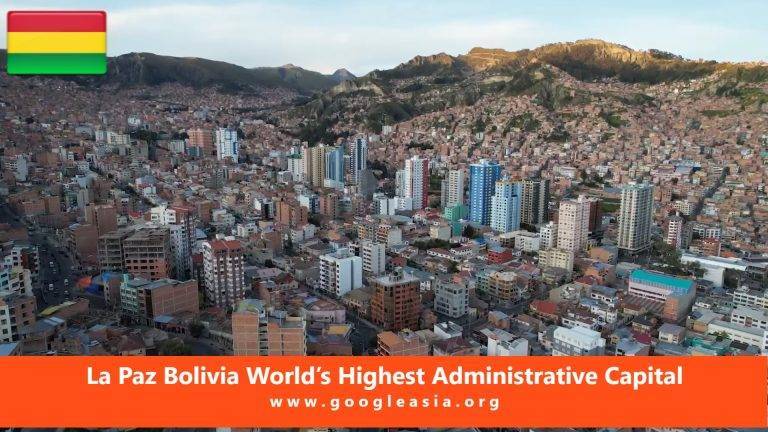
La Paz, Bolivia is an incredibly vibrant and diverse city, surrounded by snow-capped mountains. Tourists can experience a mix of Inca and Spanish colonial architecture, museums with ancient artifacts, and colorful markets selling everything from traditional deities to alpaca sweaters. Adventurous travelers can explore the rugged landscapes of the Altiplano and the breathtaking snow-capped peaks of the Andes mountains. Whether you’re looking for an adventure or a cultural experience, La Paz is a must-see destination.
Introduction
Location and Elevation
- Capital: La Paz, Bolivia
- Location: Western Bolivia, southern highlands
- Elevation: 3650 meters (11,975 feet)
- Nearby: Northeast of Lake Titicaca
Cultural and Administrative Hub
Administrative and Cultural Significance
- Administrative Capital: Highest in the world
- Cultural Center: Thriving cultural life with markets, clubs, festivals
- Sports: Home to the San Francisco football team
Attractions and Activities
Tourism and Outdoor Adventures
- Tourist Hotspot: Popular destination for tourists
- Mountaineering and Trekking: Opportunities in Cordillera Real Mountain range
- Connectivity: Well-connected by bus, train, and air
Cultural and Architectural Marvels
Architectural Highlights
- Colonial Architecture: Blend of traditional and modern influences
- Government Palace: Main cultural and administrative center
- Museums and Galleries: Abound in the city showcasing Bolivian history and art
Things to Do
Explore the Indigenous Market
- Vibrant Atmosphere: Experience the lively ambiance of La Paz’s Indigenous Market, bustling with traditional clothes, crafts, and local cuisine.
- Local Artisans: Meet local artisans showcasing their craftsmanship in jewelry and other indigenous items.
- Street Performers: Enjoy the colorful street performers and musicians adding to the market’s lively charm.
Take a Cable Car Ride
- Mi Teleférico: Ride the world’s largest and highest cable car system for stunning panoramic views of La Paz.
- Cityscape: Admire the city from above, gaining convenient access to various parts of La Paz.
Visit the Witches’ Market
- Traditional Healing: Explore the Witches’ Market renowned for items used in Bolivian spiritual and healing practices.
- Good Luck Charms: Discover items believed to bring good fortune, protect against bad luck, and aid in healing.
Explore Moon Valley
- Unique Landscape: Witness the moon-like formations of Moon Valley, a breathtaking natural wonder near La Paz.
- Rock Formations: Wander through unique rock formations, perfect for photography enthusiasts.
Shop at Sagarnaga Street
- Main Shopping Area: Visit La Paz’s bustling Sagarnaga Street for local stores, traditional markets, and diverse eateries.
- Cultural Exploration: Immerse yourself in the blend of modern and traditional Bolivian culture.
Visit the San Francisco Church
- Historic Church: Explore the San Francisco Church, renowned for its beautiful artworks and spiritual significance in La Paz.
- Cultural Heritage: Learn about the church’s historical and cultural importance to the local community.
Check out the Hanging Graves of Sajama
- Unique Sight: Visit Sajama National Park to see the hanging graves, intriguing burial sites suspended from towering cliffs.
- Cultural Significance: Discover the cultural and historical significance of these unique burial practices.
Visit the Valley of the Moon
- Symbolic Landscape: Explore the mystical Valley of the Moon, symbolizing indigenous culture and spirituality.
- Scenic Trails: Hike through the trails for breathtaking views and a deeper connection with nature.
Hike the Wall
- Challenging Hike: Challenge yourself with a hike along the iconic Wall, offering spectacular views of La Paz.
- Fitness and Adventure: Enjoy a rewarding trek amidst stunning natural surroundings.
Go Sandboarding
- Sand Dunes: Experience the thrill of sandboarding on the unique sand dunes near La Paz.
- Adventure Sport: Enjoy sandboarding with incredible panoramic views of the surrounding landscapes.
Foods
Salteñas
- Savory Delight: Enjoy Salteñas, a traditional Bolivian pastry filled with meat, vegetables, and a rich, flavorful broth.
- Popular Snack: Often enjoyed as a hearty snack or light meal, Salteñas are a staple in Bolivian cuisine.
- Variety: Find different fillings including chicken, beef, or pork, each with its own unique blend of spices.
Pastel de Lomo
- Satisfying Treat: Delight in Pastel de Lomo, an oven-baked pastry filled with diced steak, vegetables, and olives.
- Rich Flavor: The combination of tender steak and savory fillings makes it a favorite among locals and visitors alike.
- Perfect Pairing: Enjoy with a side of llajua, a spicy Bolivian sauce, for an extra kick of flavor.
Papas Rellenas
- Deep-Fried Goodness: Indulge in Papas Rellenas, deep-fried mashed potato balls filled with seasoned beef, egg, olives, and spices.
- Street Food Favorite: Often found in local markets and street stalls, perfect for a quick and satisfying snack.
- Comfort Food: Enjoy the crispy exterior contrasting with the flavorful, savory filling.
Salchipapas
- Tasty Combo: Experience Salchipapas, a beloved street snack featuring french fries topped with sliced hot dogs and various sauces.
- Popular Choice: Enjoyed by locals and tourists alike for its simple yet satisfying flavors and convenient preparation.
- Variety: Try different sauces ranging from mild to spicy, adding a unique twist to this classic street food.
Sajta de Pollo
- Flavorful Preparation: Savor Sajta de Pollo, a traditional Bolivian dish featuring sautéed chicken cooked with onions, tomatoes, and aromatic spices.
- Hearty Meal: Often served with rice and potatoes, offering a wholesome and filling dining experience.
- Authentic Taste: Enjoy the blend of fresh ingredients and bold spices, characteristic of Bolivian culinary traditions.
Carne Asada
- Grilled Perfection: Taste Carne Asada, grilled steak marinated with local spices, offering a flavorful and tender eating experience.
- Served with Llajua: Accompanied by llajua, a traditional Bolivian hot sauce made from tomatoes and locoto peppers, enhancing the dish’s flavor.
- Popular Dish: Enjoyed across Bolivia, especially during festive occasions and family gatherings.
Silpancho
- Hearty Dish: Try Silpancho, featuring a base of fried rice topped with breaded and fried beef, accompanied by eggs and potatoes.
- Texture and Flavor: Experience the combination of crispy beef, fluffy rice, and creamy eggs, creating a satisfying and comforting meal.
- Local Favorite: Celebrated for its simplicity and robust flavors, making it a staple in Bolivian cuisine.
Chicharrón
- Crispy Goodness: Indulge in Chicharrón, a popular dish made from fried pork skin, served with rice and salad for a balanced meal.
- Textural Contrast: Enjoy the crunchy texture of the chicharrón complemented by the tender meat and fresh salad.
- Rich Tradition: Appreciate its historical significance in Bolivian gastronomy, often enjoyed during festivals and celebrations.
Fricase
- Slow-Simmered Goodness: Delight in Fricase, a savory stew made with tender beef, potatoes, and a blend of aromatic spices.
- Slow Cooking: Enjoy the rich flavors developed through slow cooking, resulting in a hearty and comforting meal.
- Family Recipe: Passed down through generations, Fricase reflects Bolivian culinary heritage and regional variations.
Cuñapé
- Fried Yucca Dough: Try Cuñapé, small pieces of fried yucca dough mixed with cheese and eggs, offering a savory and satisfying snack.
- Cheesy Goodness: Experience the combination of crispy exterior and soft, cheesy interior, perfect for any time of the day.
- Local Flavor: Enjoyed across Bolivia, often served as a quick bite or appetizer during social gatherings and meals.
Hotels
Hotel Europa
- Location: Situated in the heart of La Paz, Hotel Europa offers convenient access to major attractions, shopping areas, and dining options.
- Amenities: Enjoy well-appointed rooms with modern amenities, including free Wi-Fi, restaurant, and bar.
- Convenience: Ideal for both business and leisure travelers seeking comfort and accessibility in La Paz.
Mercure La Paz Bardini
- Style: Known for its contemporary design and stylish interiors, Mercure La Paz Bardini offers a sophisticated ambiance.
- Location: Located in a prime area with stunning views of the city, the hotel provides easy access to cultural and business districts.
- Facilities: Features include spacious rooms, rooftop terrace, restaurant serving local and international cuisine, and fitness center.
Hotel Mamita
- Charming Boutique: Hotel Mamita offers a cozy and intimate atmosphere, perfect for travelers seeking personalized service.
- Unique Experience: Each room is uniquely decorated, reflecting Bolivian culture and artistry.
- Hospitality: Guests can enjoy a warm welcome, attentive staff, and a tranquil setting in the midst of La Paz.
Comfort Hotel
- Modern Design: Comfort Hotel boasts contemporary decor and furnishings, catering to the needs of discerning travelers.
- Facilities: Offers spacious rooms, business center, fitness facilities, and an on-site restaurant serving local and international cuisine.
- Accessibility: Located centrally, providing easy access to major landmarks, shopping areas, and transportation hubs.
Grand Hotel
- Historical Significance: Grand Hotel combines historic charm with modern comforts, offering a glimpse into La Paz’s rich heritage.
- Location: Centrally located near cultural sites and government buildings, ideal for history enthusiasts and business travelers.
- Amenities: Features include elegant rooms, dining options showcasing local flavors, and personalized service.
Hotel Boutique San Camilo
- Boutique Experience: Hotel Boutique San Camilo offers an intimate and luxurious stay with personalized service.
- Character: Known for its unique architecture and attention to detail, showcasing Bolivian craftsmanship.
- Relaxation: Guests can unwind in stylish rooms, enjoy gourmet dining, and explore nearby cultural attractions.
Novotel Hotel
- Upscale Comfort: Novotel Hotel provides a blend of modern luxury and Bolivian hospitality, catering to business and leisure travelers.
- Facilities: Offers spacious rooms, state-of-the-art meeting facilities, fitness center, and rooftop restaurant with panoramic views.
- Location: Conveniently situated for exploring La Paz’s attractions and vibrant nightlife.
Hotel Eureka
- Charming Setting: Hotel Eureka offers a quaint and peaceful retreat amidst the bustling city of La Paz.
- Hospitality: Known for its warm hospitality and personalized service, ensuring a comfortable stay for guests.
- Location: Centrally located with easy access to shopping, dining, and cultural sites, perfect for exploring the city on foot.
Hotel Urbano
- Urban Oasis: Hotel Urbano provides a contemporary urban retreat with sleek design and modern amenities.
- Comfort: Features spacious rooms, rooftop terrace with city views, and an on-site restaurant serving local and international cuisine.
- Convenience: Located in a vibrant neighborhood, offering proximity to cafes, art galleries, and entertainment venues.
Las Brisas Hotel
- Serene Atmosphere: Las Brisas Hotel offers a tranquil escape from the city hustle, surrounded by natural beauty.
- Scenic Views: Guests can enjoy breathtaking views of La Paz and the surrounding mountains from the hotel’s vantage points.
- Facilities: Provides comfortable rooms, garden areas, and a restaurant serving regional specialties, perfect for relaxation.
Conclusion
La Paz, Bolivia, offers a variety of accommodations ranging from luxurious hotels to charming boutique stays, each providing unique experiences and amenities. Whether you prefer historic charm, modern elegance, or boutique ambiance, these hotels cater to diverse tastes and ensure a memorable stay in one of South America’s most vibrant cities.
Summary
- Attraction: La Paz Bolivia
- Continent: South America
- Capital Name: La Paz, Sucre
- Language: Spanish
- Currency: Bolivian boliviano (BOB)
- Nationality: Bolivian
- Category: #Destination #SouthAmerica #BOLIVIA
Frequently Asked Questions
Where is La Paz located?
La Paz is located in Bolivia, South America. It is situated in the western part of the country, nestled in a valley surrounded by the Andes Mountains.
How can one travel to La Paz?
Traveling to La Paz, Bolivia, typically involves flying into El Alto International Airport (IATA: LPB), which serves as the main gateway to the city. Here are common ways to reach La Paz:
- By Air: Most international travelers arrive at El Alto International Airport, located about 13 kilometers (8 miles) southwest of La Paz city center. Airlines like Boliviana de Aviación, LATAM Airlines, and others operate flights to and from major cities in South America and beyond.
- By Bus: Long-distance buses are available from other cities in Bolivia and neighboring countries like Peru and Chile. Buses are a popular mode of travel within South America, offering various comfort levels from standard to luxury.
- By Car: For those traveling within Bolivia or from neighboring countries, driving to La Paz is an option. However, road conditions can vary, so it’s essential to check travel advisories and ensure your vehicle is suitable for mountainous terrain.
- By Train: While Bolivia’s train network is limited compared to other modes of transport, there are some routes available. The Ferroviaria Andina runs a scenic route called “Death Road” from La Paz to Coroico, known for its stunning views.
What’s the climate like in La Paz?
La Paz, Bolivia, experiences a subtropical highland climate, characterized by distinct dry and wet seasons. Here are some key features of the climate in La Paz:
- Dry Season: The dry season typically spans from May to October. During this time, the weather is cooler and drier, with clear skies and sunny days. Nights can be cold, especially at higher elevations.
- Wet Season: The wet season occurs from November to April. This period brings more precipitation, primarily in the form of afternoon thunderstorms. Rainfall is more frequent and temperatures can be slightly warmer compared to the dry season.
- Temperature: Due to its high elevation (approximately 3,650 meters or 11,975 feet above sea level), La Paz has relatively cool temperatures year-round. Average daily temperatures range from 5°C (41°F) to 15°C (59°F) during the day, and can drop below freezing at night, especially in the dry season.
- Altitude Effects: The high altitude of La Paz affects weather conditions significantly. Visitors may experience altitude-related effects such as decreased oxygen levels, cooler temperatures, and intense sunlight due to the thinner atmosphere.
- Microclimates: La Paz and its surroundings have varied microclimates due to its diverse geography, from the high plains (altiplano) to valleys and mountains. Temperatures and precipitation levels can vary notably between different areas within and around the city.
What are La Paz’s must-visit attractions or landmarks?
La Paz, Bolivia, offers a range of captivating attractions and landmarks that highlight its rich cultural heritage, stunning natural landscapes, and unique urban setting. Here are some must-visit places in La Paz:
- Witches’ Market (Mercado de las Brujas): A bustling market where traditional healers sell herbs, potions, and folk remedies. It’s also known for its colorful displays of llama fetuses and other ritual items.
- Plaza Murillo: The central square of La Paz, surrounded by important buildings such as the Presidential Palace, the National Congress, and the Cathedral. It’s a hub of political and cultural activity.
- Valley of the Moon (Valle de la Luna): A surreal geological formation just outside the city, resembling a lunar landscape with spiky rock formations and canyons. It’s popular for hiking and photography.
- Mi Teleférico: The cable car system that connects various parts of La Paz with El Alto. It offers stunning panoramic views of the city and surrounding mountains.
- Iglesia de San Francisco: A historic church dating back to the 16th century, known for its ornate Baroque architecture and impressive facade.
- Museo Nacional de Arte: The National Art Museum showcasing a rich collection of Bolivian art, including colonial religious art, contemporary paintings, and sculptures.
- Mirador Killi Killi: A viewpoint offering panoramic views of La Paz and the surrounding mountains. It’s a great spot for sunset views.
- La Paz Metropolitan Cathedral: Located in Plaza Murillo, this cathedral is a prominent example of colonial architecture and houses valuable religious artifacts.
- Calle Jaén: A picturesque colonial street lined with brightly colored buildings, housing several museums, including the Museum of Precious Metals and the Museo Costumbrista.
- Cholita Wrestling: Experience traditional Bolivian wrestling matches featuring cholitas (indigenous women) in colorful traditional attire. It’s a unique cultural experience.
Is La Paz a suitable travel destination for solo adventurers, honeymooning couples, or those traveling with families?
La Paz can be a suitable travel destination for various types of travelers:
- Solo Adventurers: La Paz offers plenty of opportunities for solo travelers to explore its unique culture, visit markets, museums, and enjoy outdoor activities like hiking in the nearby Valley of the Moon or taking cable car rides for panoramic views. Safety precautions, like being aware of your surroundings and using reputable transportation options, are advisable.
- Honeymooning Couples: For couples looking for a blend of adventure and romance, La Paz provides a vibrant atmosphere with historic sites, charming colonial architecture, and scenic viewpoints. Nearby attractions like Lake Titicaca or the surreal landscapes of Salar de Uyuni offer romantic settings for memorable experiences.
- Families: Traveling with families to La Paz can be rewarding, especially with older children who can appreciate cultural experiences and outdoor activities. The city’s markets, museums, and cable cars provide educational opportunities, while nearby natural wonders offer opportunities for family-friendly adventures. Families should be mindful of altitude sickness and take precautions accordingly, especially with young children.
Why should you visit La Paz?
There are several compelling reasons to visit La Paz:
- Unique Altitude and Landscape: La Paz is one of the highest cities in the world, offering a unique high-altitude experience. Its location amidst the Andes Mountains provides stunning vistas and access to nearby natural wonders like the Valley of the Moon and Lake Titicaca.
- Rich Cultural Heritage: The city boasts a vibrant cultural scene, with indigenous influences blending seamlessly with Spanish colonial architecture and traditions. Visitors can explore markets like the Witches’ Market (Mercado de las Brujas), museums, and historical sites that highlight Bolivia’s history and indigenous cultures.
- Adventure Opportunities: La Paz serves as a gateway to numerous outdoor adventures. From trekking and mountain biking in the surrounding mountains to exploring ancient ruins and participating in cultural festivals, there’s no shortage of activities for adventure enthusiasts.
- Culinary Delights: Bolivian cuisine, influenced by indigenous traditions and Spanish flavors, offers unique culinary experiences. Visitors can sample traditional dishes like salteñas (savory pastries), llama meat, and indigenous ingredients at local markets and restaurants.
- Colorful Markets and Festivals: The city’s markets, such as the Mercado Rodríguez and Mercado Lanza, are bustling hubs of activity where you can immerse yourself in local life and shop for artisanal crafts, textiles, and souvenirs. La Paz also hosts vibrant festivals throughout the year, celebrating everything from indigenous culture to religious traditions.
Is it difficult to find halal food in La Paz?
Finding halal food in La Paz can be challenging as Bolivia, like many South American countries, has a predominantly non-Muslim population. However, there are a few options available:
- International Hotels and Restaurants: Some international hotels in La Paz may offer halal options or can accommodate dietary restrictions upon request. Restaurants catering to a more diverse clientele might also have halal choices.
- Middle Eastern Restaurants: There are a few Middle Eastern restaurants in La Paz that may serve halal food. These restaurants typically offer dishes like falafel, hummus, and kebabs.
- Vegetarian and Seafood Options: In general, vegetarian dishes and seafood can often be found throughout the city, providing alternatives for those seeking halal-friendly meals.
- Local Markets: While not specifically halal-certified, fresh fruits, vegetables, and some grains can be purchased at local markets. It’s advisable to inquire about ingredients and cooking methods to ensure they meet halal standards.
- Advance Planning: For travelers adhering strictly to halal dietary guidelines, it’s recommended to research and plan ahead or contact hotels and restaurants directly to inquire about halal options.