La Guajira Peninsula, Colombia
Discover La Guajira Peninsula, Colombia—where desert dunes meet the Caribbean Sea and Wayuu culture thrives. Visit Cabo de la Vela, Punta Gallinas, and Manaure Salt Flats with our curated itinerary. Plan your La Guajira adventure today and explore Colombia’s northern frontier!
Introduction
La Guajira is Colombia’s wild northern frontier, a region of desert landscapes, turquoise waters, and rich Wayuu traditions. From the salt flats of Manaure to the remote cliffs of Punta Gallinas, this destination offers raw beauty and cultural depth. Whether you’re seeking adventure or cultural immersion, this guide provides a practical itinerary and essential visitor information to help you explore La Guajira with confidence.
Economic Significance
Natural Resources
La Guajira is one of Colombia’s most resource-rich regions. Its economy is shaped by:
- Coal Mining: The Cerrejón mine, located in La Guajira, is among the largest open-pit coal mines in the world. It produces tens of millions of tons annually, making Colombia one of the top coal exporters globally.
- Wind Energy: The peninsula’s strong trade winds have attracted major renewable energy projects. La Guajira is expected to become Colombia’s leading hub for wind power, with large-scale farms under construction.
- Agriculture: Despite its arid climate, crops such as cassava, maize, and bananas are cultivated, mainly for local consumption.
- Fishing: Coastal towns like Riohacha and Cabo de la Vela rely on artisanal fishing, providing both food security and income for local communities.
Economic Challenges
La Guajira faces significant hurdles:
- Water Scarcity: The desert climate and limited infrastructure make access to clean water a pressing issue.
- Indigenous Rights: The Wayuu people, Colombia’s largest indigenous group, often face displacement and resource inequities due to mining and energy projects.
- Balancing Growth and Conservation: Economic development must be weighed against environmental sustainability and cultural preservation.
Tourism and Activities
Cultural Exploration
La Guajira offers a unique cultural experience rooted in Wayuu traditions:
- Wayuu Festivals: Visitors can witness traditional dances, music, and rituals.
- Handicrafts: The Wayuu are renowned for their colorful woven mochilas (bags), hammocks, and hats.
- Riohacha: The capital city serves as a cultural gateway, with seaside promenades and artisan markets.
Natural Attractions
The peninsula’s landscapes are dramatic and diverse:
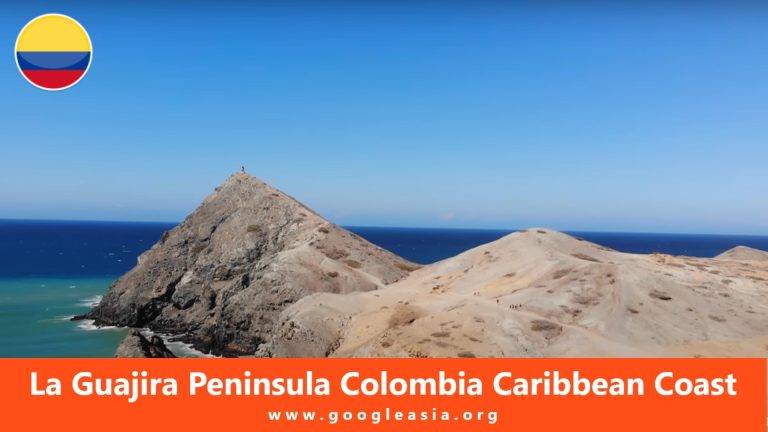
- Cabo de la Vela: Famous for kitesurfing, desert landscapes, and sacred Wayuu sites like Pilón de Azúcar.
- Punta Gallinas: The northernmost point of South America, featuring sand dunes, cliffs, and remote beaches.
- Los Flamencos Sanctuary: A protected reserve near Camarones where visitors can observe vibrant flocks of flamingos and other bird species.
Practical Information for Travelers
Getting There
- By Air: Flights connect Bogotá and Medellín to Riohacha, the capital of La Guajira.
- By Road: Long-distance buses and private tours link La Guajira with Santa Marta and other Caribbean destinations.
Accommodations
- Eco-Lodges: Cabo de la Vela and Punta Gallinas offer rustic lodges run by Wayuu families, providing authentic cultural immersion.
- Boutique Hotels: Riohacha features boutique stays with modern amenities.
- Rustic Options: In remote desert areas, accommodations are basic—often hammocks or simple huts—emphasizing adventure and authenticity.
Attractions
A Unique Geographical Landscape
Desert and Mountains
The La Guajira Peninsula, stretching across northeastern Colombia and northwestern Venezuela, is the northernmost point of South America. Covering about 25,000 km², it is a land of striking contrasts:
- Sparsely Populated Desert: Vast arid plains dominate much of the region, with dramatic dunes and unique geological formations shaped by strong winds.
- Sierra de La Macuira: Rising unexpectedly from the desert, this small mountain range creates a lush microclimate. Its cloud forests harbor tropical species not found elsewhere in the peninsula, making it a biodiversity hotspot.
Coastal Beauty
La Guajira’s Caribbean coastline is equally captivating:
- Pristine Beaches: Remote and less frequented, ideal for travelers seeking tranquility.
- Cabo de la Vela: A cultural and natural gem, known for its golden sunsets, kitesurfing opportunities, and sacred Wayuu sites such as Pilón de Azúcar.
- Punta Gallinas: The northernmost tip of South America, offering dramatic cliffs, dunes, and secluded beaches.
The Wayuu Indigenous People
Cultural Heritage
The Wayuu people, numbering over 400,000, are the largest indigenous group in Colombia. Their culture is deeply tied to the land:
- Traditional Craftsmanship: Wayuu artisans are famous for their vibrant woven mochilas (bags), hammocks, and beadwork, which are sold across Colombia and internationally.
- Festivals: Events like the Wayuu Carnival showcase traditional dances, music, and rituals, preserving ancestral heritage.
Wayuu Lifestyle
- Nomadic Heritage: Historically semi-nomadic, the Wayuu adapted to the harsh desert by herding goats and trading salt and fish.
- Community-Based Living: Their society is matrilineal, with clans organized around maternal lineage, reflecting strong communal bonds and cultural identity.
Flora and Fauna
Unique Ecosystems
Despite its arid climate, La Guajira hosts diverse ecosystems:
- Flora: Desert-adapted plants such as cacti and thorny shrubs dominate, while the Sierra de La Macuira supports tropical species like orchids and bromeliads.
- Fauna: The region is home to the endangered Guajira white-tailed deer, iguanas, and bird species such as the Vermilion cardinal and flamingos found in the Los Flamencos Sanctuary.
Conservation Efforts
Protected areas like Macuira National Natural Park and Los Flamencos Sanctuary safeguard fragile ecosystems and endangered species. These reserves also promote eco-tourism, balancing conservation with community development.
Things to Do
Take a Trip to Cabo de la Vela
Cabo de la Vela, located on Colombia’s La Guajira Peninsula, is a remote desert-meets-sea destination cherished for its natural beauty and cultural significance. This sacred site for the Wayuu people offers:
- Beaches: White sand and turquoise waters, far less crowded than Colombia’s Caribbean hotspots.
- Sailing and Boat Trips: Explore the coastline and nearby bays, often guided by local Wayuu families.
- Kitesurfing: Thanks to strong trade winds, Cabo de la Vela is one of South America’s premier kitesurfing destinations.
- Horseback Riding: Ride through desert dunes and coastal trails, experiencing the landscape in a traditional way.
Cabo de la Vela is also famous for Pilón de Azúcar, a sacred hill offering panoramic views and unforgettable sunsets.
Hike Through Macuira National Park
Macuira National Natural Park is a unique oasis in the desert, where the Sierra de La Macuira mountains rise to 864 meters. This microclimate supports lush cloud forests amid arid surroundings. Visitors can enjoy:
- Trekking: Trails lead through dry tropical forests, valleys, and rugged peaks.
- Wildlife Watching: Spot rare species such as the Scarlet Ibis, Vermilion cardinal, and endemic reptiles.
- Scenic Views: Panoramic vistas showcase the park’s contrast between desert and greenery.
Macuira is considered one of Colombia’s most ecologically diverse protected areas.
Enjoy Bird Watching at the Palomino Sanctuary
The Palomino area, located between La Guajira and Magdalena departments, is a hotspot for birdwatching:
- Bird Species: Over 40 species, including toucans, parrots, and migratory birds.
- Mangrove Forests: These ecosystems provide refuge for both birds and aquatic life.
- Eco-Tours: Guided tours highlight conservation efforts and the importance of mangroves in coastal protection.
Explore the Beautiful City of Riohacha
Riohacha, the capital of La Guajira, blends history, culture, and coastal charm:
- Cathedral of the Immaculate Conception: A colonial-era landmark in the city center.
- Wayuu Culture: The Haramba-Watri Museum and artisan markets showcase Wayuu traditions.
- Colonial Fortifications: Remnants of Spanish-era defenses reflect the region’s strategic importance.
- Shopping and Dining: Colorful shops sell Wayuu mochilas, while restaurants serve fresh seafood and traditional dishes.
Spend Some Time at Dune Huaraka
The Huaraka Dune, one of the largest in La Guajira, offers unique desert experiences:
- Stargazing: With minimal light pollution, it’s a prime location for observing constellations.
- Sunrise and Sunset Watching: The dune’s summit provides breathtaking views of the desert and Caribbean horizon.
- Exploration: Ideal for photography, nature walks, and appreciating the vast desert landscape.
Foods
Cazuela de Mariscos
Cazuela de Mariscos is a signature dish of Colombia’s Caribbean and Pacific coasts, especially popular in La Guajira.
- Fresh Seafood: Traditionally prepared with shrimp, crab, mussels, clams, squid, and firm white fish, reflecting the abundance of the Caribbean Sea.
- Flavorful Broth: Coconut milk is often used, giving the stew a creamy texture and tropical flavor. Spices like cumin, garlic, and cilantro enhance the natural seafood taste.
- Cultural Roots: The dish has Spanish origins, influenced by Catalonian seafood stews, but adapted with local Caribbean ingredients such as coconut and tropical herbs.
Pescaito Frito
Pescaito Frito is a coastal staple, often served in beach towns like Riohacha and Cabo de la Vela.
- Fish Selection: Mojarra or red snapper are commonly used, fried whole until crispy.
- Accompaniments: Served with patacones (fried plantains), coconut rice, and hogao (tomato-onion sauce).
- Cultural Significance: This dish embodies the simplicity of Caribbean cooking—fresh fish, fried to perfection, enjoyed seaside.
Sancocho de Pescado
Sancocho de Pescado is a traditional soup blending indigenous and Spanish culinary traditions.
- Ingredients: Firm fish, yucca, plantains, corn, tomatoes, and cilantro.
- Flavor Profile: Earthy cumin and garlic balance the sweetness of plantains and corn.
- Social Role: Often prepared for family gatherings and festivals, symbolizing community and abundance.
Patacones
Patacones are a beloved snack and side dish across Colombia.
- Preparation: Green plantains are sliced, fried, flattened, and fried again for crispiness.
- Serving Style: Accompanied by garlic sauce, hogao, or guacamole.
- Cultural Note: Patacones are a staple in La Guajira, eaten with seafood or as street food.
Arepas
Arepas are central to Colombian cuisine, with regional variations.
- Corn-Based Patties: Made from white or yellow corn flour.
- Fillings: Cheese, pork, chicken, or beef.
- Regional Twist: In La Guajira, arepas are often paired with seafood dishes, reflecting coastal influence.
Churrasco
Churrasco is a Latin American grilled beef dish, popular in La Guajira as a hearty alternative to seafood.
- Seasoning: Garlic, vinegar, and spices enhance the beef’s flavor.
- Sides: Typically served with potatoes, rice, or salad.
Pabellón Criollo
Pabellón Criollo highlights cross-border culinary exchange between La Guajira and Venezuela.
- Shredded Beef: Slow-cooked with spices.
- Black Beans and Corn: Add protein and texture.
- Plantains and Rice: Balance sweet and savory flavors.
Arroz con Coco
Arroz con Coco is a signature side dish of Colombia’s Caribbean coast.
- Preparation: Rice cooked with coconut milk and panela (unrefined cane sugar).
- Flavor Profile: Sweet, creamy, and aromatic.
- Pairings: Often served with fried fish or seafood stews.
Rajas con Queso
Though more common in Mexican cuisine, Rajas con Queso has been adopted in La Guajira’s culinary scene.
- Poblano Peppers: Stuffed with cheese and lightly fried.
- Cheese Filling: Melts into the pepper, creating a rich flavor.
Yuca
Yuca frita is a popular snack and side dish across Colombia.
- Preparation: Cassava root is cut into wedges and deep-fried until golden.
- Serving Style: Accompanied by hogao or garlic sauce.
- Nutritional Note: Yuca is a staple carbohydrate in La Guajira, valued for its versatility and energy content.
Hotels
Alojamiento en Cabo de la Vela
- Rating: 4.5/5 stars
- Location: Cabo de la Vela
- Highlights:
- Proximity to Beaches: Located near some of the most stunning beaches in the region.
- Comfortable Accommodations: Offers clean and comfortable rooms with essential amenities.
- Local Experience: Provides an authentic Wayuu cultural experience, with traditional decorations and local hospitality.
Posada El Refugio
- Rating: 4.2/5 stars
- Location: La Mojana
- Highlights:
- Warm Atmosphere: Known for its friendly service and homely feel.
- Convenient Location: Situated in a strategic spot to explore nearby attractions.
- Comfortable Rooms: Provides basic yet comfortable accommodations, ideal for relaxing after a day of exploring.
Hotel Caribe Villamaria
- Rating: 3.8/5 stars
- Location: La Guajira Province
- Highlights:
- Affordable Rates: Offers good value for money with comfortable rooms.
- Facilities: Includes essential amenities such as Wi-Fi and dining options.
- Central Location: Positioned conveniently for access to local sites and services.
Hotel Estación Lo de Ramos
- Rating: 3.5/5 stars
- Location: Lo de Ramos
- Highlights:
- Basic Amenities: Provides clean and functional accommodations with essential services.
- Accessibility: A good choice for travelers needing a straightforward place to stay while exploring the region.
- Friendly Staff: Known for helpful and accommodating service.
Hotel Estación Mirtoria
- Rating: 3.2/5 stars
- Location: Manaure
- Highlights:
- Economical Choice: Ideal for budget-conscious travelers seeking basic comforts.
- Basic Facilities: Offers the necessary amenities for a comfortable stay.
- Local Experience: Situated in a less touristy area, providing a more local and authentic experience.
Conclusion
La Guajira is a destination of untamed beauty and cultural richness. From the salt flats of Manaure to the remote cliffs of Punta Gallinas, every stop reveals a new facet of Colombia’s northern frontier. Follow this itinerary, immerse yourself in Wayuu traditions, and let La Guajira’s desert‑coast landscapes captivate your spirit.
Summary
- Attraction: La Guajira Peninsula
- Country: Colombia
- Continent: South America
- Capital Name: Bogotá
- Language: Spanish
- Currency: Colombian Peso
- Nationality: Colombians (Spanish: Colombianos)
- Category: #Destination #SouthAmerica #COLOMBIA
Contact Tourist Info – Riohacha
- Address: Carrera 7 #12-45, Riohacha, La Guajira, Colombia
- Telephone: +57 (605) 728 1234
- Website: www.laguajiraturismo.com
- Email: info@laguajiraturismo.com
- Entry Fee: Varies by attraction (Manaure free, Cabo de la Vela tours ~50,000–100,000 COP)
- Business Hours: Most attractions open daily, 8:00 AM – 6:00 PM