Kinderdijk, Netherlands
Discover Kinderdijk, a UNESCO World Heritage Site where 19 historic windmills stand as symbols of Dutch ingenuity. Stroll along canals, explore museums, and learn how the Netherlands mastered water management. Plan your visit today and experience the timeless beauty of Kinderdijk.
Introduction
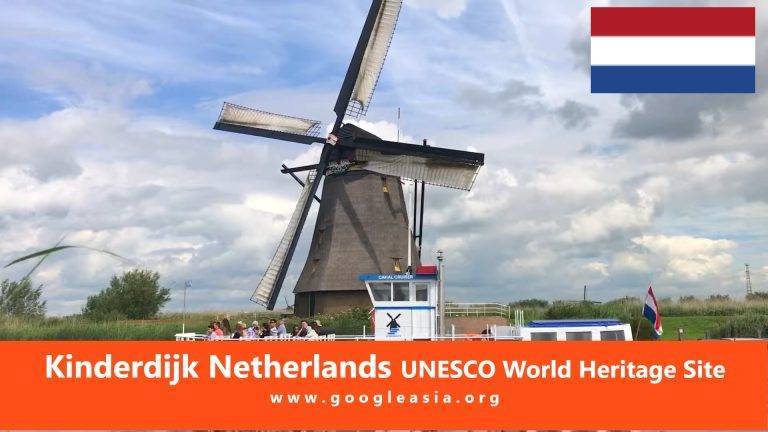
Kinderdijk is a village in the Netherlands, near the city of Rotterdam. It is known for its 19 windmills, which make it a popular tourist attraction, and a UNESCO World Heritage Site. The windmills date back to the 18th century and are still in full working order, grinding polder water and draining the surrounding land.
Cultural and Historical Significance
Kinderdijk is part of the “Alblasserwaard polder area,” recognized by UNESCO for its remarkable concentration of 19 working windmills, which have played a crucial role in managing water levels in the region for centuries.
Attractions
Museummolen
The Museummolen (Museum Mill) offers visitors a glimpse into the history and operation of windmills in Kinderdijk. It serves as an educational center and provides insights into traditional Dutch engineering.
Iconic Windmills
The village boasts 19 well-preserved windmills, each with its unique design and purpose. These windmills are strategically positioned along canals, showcasing an ingenious system of water management that dates back to the 18th century.
Windmill Kinderdijk
Among the notable windmills is the Windmill Kinderdijk, which stands as a symbol of Dutch innovation and craftsmanship. Visitors can explore its interior and learn about its role in controlling water levels in the region.
Canal Exploration
Visitors can take leisurely walks or boat tours along the village’s serene canals, offering panoramic views of the windmills and the surrounding landscape. It’s a perfect way to immerse oneself in the tranquility and beauty of rural Netherlands.
Traditional Architecture
Kinderdijk also features traditional wooden buildings that have been preserved and converted into museums, showcasing local customs, crafts, and daily life from centuries past.
Things to Do
Exploring the Windmills
Embark on a guided boat tour to explore the world’s largest concentration of traditional Dutch windmills. Learn about their historical significance and marvel at their iconic design.
- Guided tours available
- Scenic views from the water
- Educational insights provided by guides
Enjoying the Peace and Quiet
Stroll through the serene streets of Kinderdijk to soak in the tranquil atmosphere and admire the picturesque views of the windmills against the Dutch countryside.
- Serene ambiance
- Scenic views
- Perfect for relaxation and photography
Visiting the Museum
Delve into the history and functionality of the windmills at the Kinderdijk Windmill Museum. Discover artifacts and exhibits that showcase the engineering marvels and cultural heritage of Kinderdijk.
- Historical insights
- Interactive exhibits
- Educational for all ages
Cycling Tours
Explore Kinderdijk’s flat landscapes and cycling paths on a bike tour. Enjoy the freedom to discover the countryside and windmills at your own pace.
- Cycling routes available
- Suitable for all skill levels
- Scenic views along the way
Water Tours
Experience panoramic views of the windmills from the water with a relaxing canal cruise. Capture stunning photographs and learn about the region’s water management systems.
- Boat tours offered
- Informative commentary
- Photo opportunities
Exploring the Heritage
Walk along the dykes of the Kinderdijk-Elshout UNESCO World Heritage Site to appreciate its natural beauty and historical significance. Enjoy panoramic views of the windmills and surrounding landscapes.
- UNESCO World Heritage site
- Scenic viewpoints
- Educational signage
Culinary Experiences
Indulge in a delicious brunch at a local cafe with stunning views of the windmills. Enjoy traditional Dutch dishes while soaking in the ambiance of Kinderdijk.
- Cafe options available
- Scenic dining locations
- Local cuisine specialties
Cooking Classes
Immerse yourself in Dutch culture by taking a cooking class. Learn to prepare traditional dishes using local ingredients and techniques, providing a hands-on culinary experience.
- Hands-on cooking experience
- Local chef instruction
- Authentic Dutch recipes
Foods
When visiting Kinderdijk, Netherlands, exploring its culinary delights is a must to complement the cultural and scenic experiences. Here are some of the best foods to try:
Dutch Pancakes (Pannenkoeken)
Dutch pancakes, or Pannenkoeken, are a beloved specialty known for their large, thin size and versatility in toppings. Traditionally served with butter and syrup, they can also be enjoyed with savory toppings like bacon and apple slices.
- Thin and large pancakes
- Sweet or savory toppings
- Traditional Dutch comfort food
Stroopwafels
Stroopwafels are iconic Dutch treats consisting of two thin waffle cookies filled with caramel syrup. They are best enjoyed warm, often placed atop a hot beverage to soften the caramel filling.
- Waffle-like cookies
- Caramel syrup filling
- Popular snack or dessert
Stamppot Potatoes and Sausage
Stamppot is a hearty Dutch dish featuring mashed potatoes combined with vegetables such as kale, carrots, or sauerkraut, served alongside smoked sausage. It’s a comforting meal perfect for colder days.
- Mashed potatoes with vegetables
- Smoked sausage
- Hearty Dutch cuisine
Kibbeling
Kibbeling is a popular Dutch snack made from bite-sized pieces of white fish, typically cod, battered and deep-fried until golden brown. It’s commonly served with a garlic mayonnaise dip.
- Battered and fried white fish
- Crispy texture
- Served with dipping sauce
Dutch Cheese
Dutch cheeses, such as Gouda and Edam, are renowned globally for their firm texture and mild flavors. They are often enjoyed on their own as snacks, paired with bread, or incorporated into sandwiches.
- Gouda and Edam cheeses
- Firm texture
- Mild and versatile in dishes
Hotels
Hotel Restaurant Horn by Riadtea
Hotel Restaurant Horn by Riadtea offers comfortable accommodations with a focus on hospitality and local cuisine, making it a convenient choice for visitors exploring Kinderdijk.
- Comfortable accommodations
- Restaurant with local cuisine
- Hospitality-focused service
3 Sterren Hotel Wetering
3 Sterren Hotel Wetering provides cozy rooms and modern amenities, ensuring a pleasant stay near Kinderdijk’s attractions and natural surroundings.
- Cozy rooms
- Modern amenities
- Proximity to local attractions
Royal Guesthouse
Royal Guesthouse offers a boutique experience with personalized service and elegant rooms, ideal for travelers seeking comfort and style during their visit to Kinderdijk.
- Boutique hotel experience
- Elegant rooms
- Personalized service
Hostellerie De Betuwe
Hostellerie De Betuwe is known for its charming atmosphere and excellent hospitality, providing a peaceful retreat near Kinderdijk’s cultural and natural landmarks.
- Charming atmosphere
- Excellent hospitality
- Peaceful location
Duinblik
Duinblik offers modern accommodations with scenic views, perfect for travelers looking to relax and unwind after exploring Kinderdijk’s windmills and countryside.
- Modern accommodations
- Scenic views
- Relaxing ambiance
Hotel de Watertoren
Hotel de Watertoren features unique rooms set within a historic water tower, offering guests a memorable stay with panoramic views and distinctive architecture.
- Unique accommodations in a water tower
- Panoramic views
- Historic setting
Hotel Molenwaard
Hotel Molenwaard provides comfortable rooms and friendly service, situated conveniently for exploring Kinderdijk and its surrounding attractions.
- Comfortable rooms
- Friendly service
- Convenient location
Fletcher Hotel – Restaurant De Hamert, Krimpen aan den IJssel
Fletcher Hotel – Restaurant De Hamert offers a combination of comfortable accommodations and dining options, ensuring a pleasant stay near Kinderdijk.
- Comfortable accommodations
- Restaurant onsite
- Nearby dining options
Bed & Breakfast Bovenkamer, Rotterdam
Bed & Breakfast Bovenkamer offers cozy rooms and a welcoming atmosphere, located within a short distance from Kinderdijk for convenient access.
- Cozy rooms
- Welcoming atmosphere
- Convenient location
Anno 1476, Klaaswaal
Anno 1476 provides historic charm with modern comforts, offering guests a unique experience amidst the picturesque landscapes near Kinderdijk.
- Historic charm
- Modern comforts
- Picturesque surroundings
Conclusion
A visit to Kinderdijk is both scenic and educational. The windmills, still in working condition, stand as living monuments to Dutch resilience and innovation. Whether you enjoy a peaceful walk along the canals, a boat ride past the windmills, or a deeper dive into the history of water engineering, Kinderdijk offers an unforgettable glimpse into the Netherlands’ heritage. Plan your trip today and step into the story of how the Dutch shaped their land and protected their future.
Summary
- Category: #Destination #Europe #NETHERLANDS
- Attraction: Kinderdijk
- Country: Netherlands
- Continent: Europe
- Capital Name: Amsterdam
- Language: Dutch (official)
- Currency: Euro
- Nationality: Dutch
Frequently Asked Questions
What are Kinderdijk’s must-visit attractions or landmarks?
Kinderdijk, a UNESCO World Heritage Site in the Netherlands, is known for its iconic windmills and picturesque landscapes. While the main attraction is the impressive network of windmills, there are other points of interest in the area. Here are some must-visit attractions and landmarks in Kinderdijk:
- Windmill Complex: Explore the network of 19 historic windmills, each with its own unique design and purpose. Some windmills are open to the public, allowing visitors to see the interiors and learn about their functions.
- Visitor Center and Museum: The Kinderdijk Visitor Center provides information about the history of the windmills and water management in the region. The museum showcases exhibits related to the daily life of millers and the technology behind the windmills.
- Boat Tours: Take a boat tour along the canals to get a different perspective of the windmills. Boat tours offer a unique and scenic way to experience Kinderdijk.
- Walking and Biking Paths: Wander through the walking and biking paths that crisscross the area. These paths provide opportunities for a leisurely stroll or a bike ride, allowing visitors to enjoy the scenic beauty of the landscape.
- Nederwaard Mills: Visit the Nederwaard windmill complex, which includes several well-preserved windmills. Some of these windmills are open to the public, providing insights into their inner workings.
- Overwaard Mills: Explore the Overwaard windmills, which, along with the Nederwaard mills, contribute to the overall charm of Kinderdijk.
- Nature Reserve: Kinderdijk is situated in a natural reserve with diverse flora and fauna. Nature enthusiasts can enjoy birdwatching and appreciate the serene surroundings.
- Photography Spots: Capture stunning photographs of the windmills against the backdrop of the Dutch landscape. Sunrise and sunset are particularly picturesque times for photography.
- Bicycle Rental: Rent a bike to explore the area at your own pace. Biking is a popular activity, and rental services are available.
- Cafés and Shops: Visit the cafés and shops in Kinderdijk to enjoy local snacks, refreshments, and souvenirs.
What are Kinderdijk’s nearby must-visit attractions or landmarks?
Kinderdijk, a UNESCO World Heritage Site in the Netherlands, is known for its iconic windmills and picturesque landscapes. While the main attraction is the impressive network of windmills, there are other points of interest in the area. Here are some must-visit attractions and landmarks in Kinderdijk:
- Windmill Complex: Explore the network of 19 historic windmills, each with its own unique design and purpose. Some windmills are open to the public, allowing visitors to see the interiors and learn about their functions.
- Visitor Center and Museum: The Kinderdijk Visitor Center provides information about the history of the windmills and water management in the region. The museum showcases exhibits related to the daily life of millers and the technology behind the windmills.
- Boat Tours: Take a boat tour along the canals to get a different perspective of the windmills. Boat tours offer a unique and scenic way to experience Kinderdijk.
- Walking and Biking Paths: Wander through the walking and biking paths that crisscross the area. These paths provide opportunities for a leisurely stroll or a bike ride, allowing visitors to enjoy the scenic beauty of the landscape.
- Nederwaard Mills: Visit the Nederwaard windmill complex, which includes several well-preserved windmills. Some of these windmills are open to the public, providing insights into their inner workings.
- Overwaard Mills: Explore the Overwaard windmills, which, along with the Nederwaard mills, contribute to the overall charm of Kinderdijk.
- Nature Reserve: Kinderdijk is situated in a natural reserve with diverse flora and fauna. Nature enthusiasts can enjoy birdwatching and appreciate the serene surroundings.
- Photography Spots: Capture stunning photographs of the windmills against the backdrop of the Dutch landscape. Sunrise and sunset are particularly picturesque times for photography.
- Bicycle Rental: Rent a bike to explore the area at your own pace. Biking is a popular activity, and rental services are available.
- Cafés and Shops: Visit the cafés and shops in Kinderdijk to enjoy local snacks, refreshments, and souvenirs.
Why should you visit Kinderdijk?
Visiting Kinderdijk offers a unique and enriching experience for several reasons:
- Iconic Windmills: Kinderdijk is renowned for its impressive collection of 19 traditional Dutch windmills, which are UNESCO World Heritage Sites. These windmills stand as a symbol of Dutch water management and engineering.
- Historical Significance: The windmills at Kinderdijk were constructed in the 18th century to manage water levels in the low-lying polders. They represent a crucial aspect of Dutch history and efforts to control water in a land below sea level.
- UNESCO World Heritage Site: Kinderdijk is recognized as a UNESCO World Heritage Site, acknowledging its cultural and historical importance. It attracts visitors from around the world interested in exploring this unique piece of Dutch heritage.
- Engineering Marvels: The windmills at Kinderdijk showcase traditional Dutch water management techniques. Visitors can learn about the ingenious systems used to pump water from lower to higher levels, preventing flooding in the surrounding areas.
- Scenic Landscapes: The picturesque landscapes surrounding Kinderdijk, with windmills set against the backdrop of polders and canals, provide excellent photo opportunities. The area offers a serene and tranquil environment for visitors to enjoy.
- Bike and Walking Paths: Kinderdijk features well-maintained bike and walking paths, allowing visitors to explore the windmill complex and the scenic countryside at their own pace. Renting a bike is a popular way to navigate the area.
- Visitor Center and Museum: The Kinderdijk Visitor Center provides valuable information about the history of the windmills and water management. The on-site museum offers insights into the daily lives of millers and the technological advancements of the time.
- Boat Tours: Boat tours along the canals provide an alternative perspective of the windmills and the landscape. It’s a relaxing way to appreciate the engineering marvels and natural beauty of Kinderdijk.
- Cultural Heritage: Visiting Kinderdijk allows travelers to immerse themselves in Dutch culture and gain an understanding of the importance of water management in shaping the country’s identity.
- Family-Friendly Activities: Kinderdijk is family-friendly, with open spaces for picnics, playgrounds for children, and the opportunity for families to explore together. It offers a peaceful and educational outing for all ages.
How to go to Kinderdijk?
To reach Kinderdijk, you can follow these transportation options based on your starting location:
- From Amsterdam:
- Train and Bus: Take a train from Amsterdam Central Station to Rotterdam. From Rotterdam, take a train to the nearby town of Alblasserdam. Once in Alblasserdam, you can take a bus or a waterbus to Kinderdijk.
- From Rotterdam:
- Waterbus: The Waterbus is a scenic and direct way to reach Kinderdijk from Rotterdam. Take the Waterbus from Rotterdam Erasmusbrug or Rotterdam Krimpenveer to Kinderdijk. The journey offers beautiful views of the river and windmills.
- Bus: Alternatively, you can take a bus from Rotterdam Central Station to Kinderdijk. Buses operate regularly between these locations.
- From Utrecht:
- Train and Bus: Take a train from Utrecht Central Station to Rotterdam. Transfer to a train bound for Alblasserdam and then take a bus or waterbus to Kinderdijk.
- From The Hague:
- Train and Bus: Travel by train from The Hague Central Station to Rotterdam. From Rotterdam, take a train to Alblasserdam and then a bus or waterbus to Kinderdijk.
- By Car:
- If you prefer driving, you can rent a car and follow the road signs to Kinderdijk. The drive from major cities like Amsterdam, Rotterdam, Utrecht, or The Hague is approximately 1-1.5 hours, depending on traffic.
- Guided Tours:
- Joining a guided tour is a convenient option. Many tour operators offer day trips to Kinderdijk from major cities, providing transportation and guided tours of the windmill complex.
Note:
- If you plan to use public transportation, consider checking the current schedules and routes, as they may vary. The Waterbus, buses, and trains have regular services, but it’s advisable to check the latest information.
- Kinderdijk has various entrances, and you can choose to start your exploration from different points within the area.
- Be aware that weather conditions may affect transportation, especially during the winter months.
Is it difficult to find halal food in Kinderdijk?
Kinderdijk is a relatively small and rural area known for its historic windmills and picturesque landscapes. While it may not have a wide range of dining options compared to larger cities, finding halal food can still be possible, but it might require some planning. Here are some suggestions:
- Local Restaurants:
- Check with local restaurants or cafes in Kinderdijk to inquire about halal options. Some establishments may offer vegetarian or fish-based dishes that align with halal dietary requirements.
- Nearby Towns:
- Explore nearby towns like Alblasserdam, which is close to Kinderdijk. Larger towns or cities often have more diverse dining options, including restaurants that cater to specific dietary preferences, such as halal.
- Bring Your Own:
- Consider bringing your own halal snacks or meals, especially if you anticipate limited halal options in the immediate vicinity. This is particularly relevant for visitors who follow specific dietary restrictions.
- Research in Advance:
- Before your visit, conduct online research or contact local establishments to inquire about halal food options. Some restaurants may be willing to accommodate dietary preferences if they are informed in advance.
- Guided Tours:
- If you are joining a guided tour to Kinderdijk, check with the tour operator regarding meal options. They may be able to provide information on halal-friendly restaurants or make arrangements for your dietary needs.