Hiroshima Peace Memorial Park, Japan
Hiroshima Peace Memorial Park is a memorial park in Hiroshima, Japan, dedicated to the victims of the atomic bombing of Hiroshima on August 6, 1945. The park commemorates the suffering of the victims and serves to promote peace among all peoples. The park includes monuments, museums, and memorials honoring those who died, along with various sculptures, parks, and a pond surrounded by cherry trees.
Introduction
A Testament to Peace and Resilience
Hiroshima Peace Memorial Park, located in the heart of Hiroshima, Japan, stands as a powerful symbol of peace and a poignant reminder of the devastating impact of nuclear warfare. Established to commemorate the victims of the atomic bombing on August 6, 1945, the park serves as a place of reflection and hope for a nuclear-free world.
Attractions
Iconic Monuments and Memorials
- A-Bomb Dome The A-Bomb Dome, originally the Hiroshima Prefectural Industrial Promotion Hall, is one of the few structures left standing after the bomb explosion. Preserved in its ruined state, it has become a UNESCO World Heritage Site and a stark reminder of the bomb’s destructive power.
- Children’s Peace Monument Dedicated to the memory of Sadako Sasaki and the thousands of child victims, the Children’s Peace Monument is adorned with thousands of colorful paper cranes, symbolizing peace and hope.
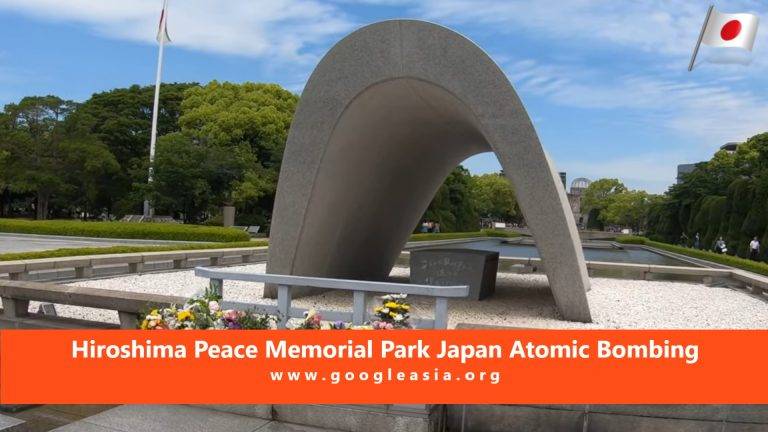
- Cenotaph for the A-Bomb Victims The Cenotaph for the A-Bomb Victims is an arched tomb containing a stone chest with a list of names of those who perished due to the bomb. The epitaph reads, “Let all the souls here rest in peace, for we shall not repeat the evil.”
Museums and Educational Centers
- Hiroshima Peace Memorial Museum The Hiroshima Peace Memorial Museum offers a comprehensive and harrowing account of the events leading up to, during, and after the atomic bombing. Exhibits include personal artifacts, photographs, and detailed narratives that convey the human suffering caused by the bomb.
- National Peace Memorial Hall for the Atomic Bomb Victims This hall serves as a space for mourning and remembrance, offering visitors an opportunity to listen to survivors’ testimonies, view photographs, and learn more about the lives lost and affected by the bomb.
Gardens and Outdoor Spaces
- Peace Bell Visitors are encouraged to ring the Peace Bell, inscribed with “Know Yourself,” as a gesture of hope and commitment to world peace.
- Peace Flame The Peace Flame has been burning continuously since it was lit in 1964. It will remain lit until all nuclear weapons on the planet are destroyed.
- Hiroshima National Peace Memorial Hall for the Atomic Bomb Victims The Hall of Remembrance, located underground, offers a quiet space for contemplation. It features a circular mosaic of Hiroshima before the bombing, composed of 140,000 tiles—each representing a life lost.
Annual Events and Ceremonies
Peace Memorial Ceremony
- August 6th Commemoration Every year on August 6th, a solemn ceremony is held to mark the anniversary of the bombing. The event includes speeches, the release of doves, and a moment of silence at 8:15 AM, the exact time the bomb was dropped.
Lantern Floating Ceremony
- Toro Nagashi In the evening of August 6th, the Toro Nagashi ceremony involves the release of paper lanterns on the Motoyasu River. Each lantern carries a message of peace and remembrance, creating a moving visual tribute to the victims.
Reflect at the Peace Memorials
Atomic Bomb Dome (Genbaku Dome)
- Historical Significance The Atomic Bomb Dome is one of the few structures that survived the bombing and remains in its ruined state as a symbol of hope and a call for world peace. It has been designated a UNESCO World Heritage Site.
- Photographic Opportunities Capture the haunting beauty of the dome, which stands as a silent witness to the devastation and a powerful reminder of the need for disarmament.
Peace Bells and Flame of Peace
- Peace Bells Ring the Peace Bells located throughout the park. Each ring serves as a prayer for peace and a call to eliminate nuclear weapons from the world.
- Flame of Peace The Flame of Peace has been burning continuously since 1964, symbolizing the hope for a world free of nuclear weapons. It will remain lit until all nuclear bombs on the planet are destroyed.
Participate in Peace Activities
Paper Crane Dedications
- Origami Cranes Join visitors from around the world in folding origami cranes as a tribute to Sadako Sasaki and a wish for global peace. These cranes are displayed at the Children’s Peace Monument.
- Dedication Ceremonies Participate in or observe dedication ceremonies where people present their paper cranes and share messages of peace and hope.
Attend Peace Memorial Ceremonies
- Annual Peace Memorial Ceremony Held every August 6th, this ceremony commemorates the anniversary of the atomic bombing. It includes speeches, a moment of silence, and the release of doves as symbols of peace.
- Lantern Floating Ceremony In the evening, attend the lantern floating ceremony, where thousands of paper lanterns are set afloat on the Motoyasu River, each carrying messages of peace and remembrance.
Foods
Discover the best foods to savor while visiting Hiroshima Peace Memorial Park, offering a taste of local flavors amidst its poignant historical significance.
Must-Try Dishes
Authentic Japanese Cuisine
- Okonomiyaki Enjoy Hiroshima-style Okonomiyaki, a savory pancake layered with cabbage, noodles, seafood or meat, and topped with a sweet and savory sauce.
- Hiroshima-style Tsukemen Indulge in Hiroshima-style Tsukemen, a dipping noodle dish featuring thick, chewy noodles served with a rich, flavorful broth and various toppings.
Local Street Food Delights
- Momiji Manju Try Momiji Manju, a maple leaf-shaped cake filled with sweet red bean paste or other fillings, popular as a souvenir and snack in Hiroshima.
- Oysters Sample fresh Hiroshima oysters, known for their plumpness and sweetness, served raw, grilled, or in various dishes throughout the city.
Regional Specialties
- Hiroshima-style Okonomi-mura Visit Okonomi-mura, a multi-story building dedicated to Okonomiyaki, offering a variety of styles and flavors to suit every palate.
- Hiroshima-style Ramen Taste Hiroshima-style Ramen, featuring a rich, pork-based broth and curly noodles, often topped with pork belly, green onions, and other toppings.
Sweet Treats and Refreshments
- Hiroshima Castella Indulge in Hiroshima Castella, a moist and fluffy sponge cake with a history dating back to the Portuguese traders in Nagasaki, now popular throughout Japan.
- Green Tea Ice Cream Cool off with Green Tea Ice Cream, a refreshing treat infused with the flavors of matcha, offering a delightful contrast to Hiroshima’s savory dishes.
Hotels
Discover the best hotels near Hiroshima Peace Memorial Park, offering tranquility and convenience for your visit to this historic and poignant site in Japan.
Luxury and Comfort in Hiroshima
- Sheraton Grand Hiroshima Hotel Experience luxury and elegance at Sheraton Grand Hiroshima Hotel, known for its spacious rooms, scenic views, and exceptional hospitality just minutes away from the Peace Memorial Park.
- ANA Crowne Plaza Hiroshima Indulge in comfort and style at ANA Crowne Plaza Hiroshima, offering modern amenities, gourmet dining options, and a relaxing ambiance within close proximity to the park.
- Rihga Royal Hotel Hiroshima Enjoy a blend of Japanese hospitality and international standards at Rihga Royal Hotel Hiroshima, featuring luxurious accommodations and impeccable service near the city center.
Contemporary Comforts
- Hotel Granvia Hiroshima Discover contemporary luxury at Hotel Granvia Hiroshima, offering sleek rooms, fine dining options, and easy access to Hiroshima Peace Memorial Park and other local attractions.
- Hotel Sunroute Hiroshima Experience convenience and comfort at Hotel Sunroute Hiroshima, known for its central location, cozy accommodations, and warm hospitality, ideal for travelers exploring the city.
Boutique and Unique Stays
- Mitsui Garden Hotel Hiroshima Stay at Mitsui Garden Hotel Hiroshima for a boutique experience, featuring stylish rooms, a tranquil garden, and thoughtful amenities near Peace Memorial Park.
- Ark Hotel Hiroshimaeki Minami Enjoy a cozy retreat at Ark Hotel Hiroshimaeki Minami, offering affordable accommodations, friendly service, and a peaceful atmosphere within walking distance of the park.
Budget-Friendly Options
- Capsule Hotel Cube Hiroshima Opt for a unique stay at Capsule Hotel Cube Hiroshima, providing compact yet comfortable capsules, communal facilities, and a convenient base for exploring Hiroshima.
- APA Hotel Hiroshima-Ekimae Ohashi Experience affordability and comfort at APA Hotel Hiroshima-Ekimae Ohashi, offering compact rooms, modern amenities, and a strategic location near public transport links.
Conclusion
Whether you prefer luxury, contemporary comforts, boutique stays, or budget-friendly options, the hotels near Hiroshima Peace Memorial Park cater to diverse preferences while providing easy access to this historic site. Each hotel offers a unique blend of comfort, convenience, and hospitality, ensuring a memorable and peaceful stay in Hiroshima. Choose your ideal accommodation and immerse yourself in the history, culture, and tranquility of Hiroshima Peace Memorial Park with ease.
Summary
- Attraction Name: Hiroshima Peace Memorial Park
- Country: Japan
- Continent: Asia
- Capital Name: Tokyo
- Language: Japanese
- Currency: Japanese Yen
- Nationality: Japanese
- Category: #Destination #Asia #JAPAN
Frequently Asked Questions
Where is Hiroshima Peace Memorial Park located?
Hiroshima Peace Memorial Park (広島平和記念公園) is located in Hiroshima, Japan. Specifically, its address is:
Hiroshima Peace Memorial Park
1-2 Nakajimacho, Naka Ward, Hiroshima, 730-0811, Japan
The park is situated in the center of Hiroshima City, near the hypocenter of the atomic bombing that occurred on August 6, 1945. It serves as a memorial to the victims of the bombing and promotes peace and nuclear disarmament globally.
How to go to Hiroshima Peace Memorial Park?
To reach Hiroshima Peace Memorial Park, you can follow these general directions depending on where you are traveling from within Japan:
From Tokyo or Osaka/Kyoto:
- By Shinkansen (Bullet Train):
- Take the JR Tokaido/Sanyo Shinkansen from Tokyo Station or Shin-Osaka Station to Hiroshima Station. The journey takes about 4 hours from Tokyo or 1.5 to 2 hours from Osaka.
- From Hiroshima Station, take the Hiroshima Electric Railway (Hiroden) tram line 2 or 6 to Genbaku Dome-mae (Atomic Bomb Dome) Station. The ride takes about 15 minutes.
- The Peace Memorial Park is a short walk from Genbaku Dome-mae Station.
- By Airplane:
- If traveling domestically, you can fly to Hiroshima Airport from major cities like Tokyo or Osaka.
- From Hiroshima Airport, take the limousine bus or a taxi to Hiroshima Station. Then, follow the tram directions as above to reach the Peace Memorial Park.
From Hiroshima Station:
- By Tram: From Hiroshima Station, take the Hiroshima Electric Railway (Hiroden) tram line 2 or 6 to Genbaku Dome-mae (Atomic Bomb Dome) Station. The journey takes about 15 minutes.
- The Peace Memorial Park is a short walk from Genbaku Dome-mae Station.
Tips:
- Tram Tickets: Purchase tram tickets at vending machines near tram stops or use a prepaid IC card like ICOCA, PASMO, or Suica for seamless travel.
- Walking Distance: The Peace Memorial Park is centrally located and can be easily accessed on foot from nearby tram stations.
What are Hiroshima Peace Memorial Park’s must-visit attractions or landmarks?
Hiroshima Peace Memorial Park is a poignant and historically significant site that offers several must-visit attractions and landmarks:
- Atomic Bomb Dome (Genbaku Dome): This iconic building, also known as the Atomic Bomb Dome, is the skeletal remains of the Hiroshima Prefectural Industrial Promotion Hall. It was one of the few structures left standing near the hypocenter of the atomic bombing on August 6, 1945. The dome serves as a powerful symbol of peace and a reminder of the devastation caused by nuclear weapons.
- Hiroshima Peace Memorial Museum: Located within the park, the Peace Memorial Museum provides a comprehensive overview of the atomic bombing, its aftermath, and the quest for peace. Exhibits include artifacts, photographs, and personal testimonies, offering visitors a profound insight into the impact of nuclear warfare and the importance of peace education.
- Cenotaph for the A-bomb Victims: The Cenotaph, designed by architect Kenzo Tange, houses the names of all known victims who died as a result of the atomic bombing. Its arched shape symbolizes a shelter for the souls of the victims and points towards the Atomic Bomb Dome, aligning with the Flame of Peace and the Peace Memorial Museum.
- Flame of Peace (Flame of Hiroshima and Nagasaki): Located near the Cenotaph, the Flame of Peace burns continuously since it was lit in 1964. It symbolizes the city’s commitment to nuclear disarmament and serves as a memorial for the victims of the atomic bombings of Hiroshima and Nagasaki.
- Children’s Peace Monument: Dedicated to Sadako Sasaki and other child victims of the atomic bombing, the monument features a statue of a girl holding a folded paper crane. It encourages visitors to reflect on the impact of war on innocent children and promotes a message of hope and peace.
- Memorial Hall for the Atomic Bomb Victims: This underground hall honors the memories of the atomic bomb victims through displays of personal belongings and photographs. It offers a quieter space for contemplation and remembrance.
- Peace Bell: Near the Children’s Peace Monument, the Peace Bell invites visitors to ring it as a symbol of their commitment to peace and reconciliation. The bell’s inscription reads, “Know the World; Never Again Hiroshima.”
Why should you visit Hiroshima Peace Memorial Park?
There are several compelling reasons to visit Hiroshima Peace Memorial Park:
- Historical Significance: Hiroshima Peace Memorial Park stands as a poignant reminder of the devastating impact of the atomic bombing on August 6, 1945. It commemorates the lives lost, promotes peace, and serves as a symbol of resilience and reconciliation.
- Atomic Bomb Dome: The park is home to the Atomic Bomb Dome (Genbaku Dome), an iconic structure that survived near the hypocenter of the bombing. It symbolizes the destructive power of nuclear weapons and the hope for a world free from such devastation.
- Educational Experience: The Peace Memorial Museum within the park provides a comprehensive overview of the atomic bombing, its aftermath, and the efforts towards nuclear disarmament. It offers educational exhibits, artifacts, and personal testimonies that deepen understanding of the event’s historical context and humanitarian impact.
- Promotion of Peace and Reconciliation: Hiroshima Peace Memorial Park promotes peace not only locally but globally. It serves as a platform for dialogue, reflection, and advocacy for nuclear disarmament and non-violence, fostering a commitment to prevent future tragedies.
- Cultural and Architectural Heritage: Visitors can appreciate the park’s architecture, including the Cenotaph for the A-bomb Victims and the Flame of Peace. These monuments and structures convey messages of remembrance, unity, and hope across generations.
- Symbol of Hope: The park’s symbolic monuments, such as the Children’s Peace Monument and the Peace Bell, inspire visitors to reflect on the resilience of humanity and the importance of preserving peace for future generations.
- Personal Reflection and Contemplation: Visiting Hiroshima Peace Memorial Park allows individuals to pay respects to the victims, contemplate the consequences of war, and reaffirm their commitment to promoting peace and reconciliation in their own lives and communities.
Is there any halal food available in the vicinity of the Hiroshima Peace Memorial Park?
Finding halal food in the vicinity of Hiroshima Peace Memorial Park can be quite challenging, as Hiroshima is not widely known for halal dining options. The city’s cuisine predominantly features seafood, Hiroshima-style okonomiyaki (a savory pancake), and other local specialties that may not necessarily adhere to halal dietary restrictions.
However, here are a few suggestions to consider:
- International Cuisine: Look for restaurants that serve international cuisine such as Middle Eastern or Indian food. These establishments may offer halal options or be willing to accommodate dietary preferences upon request.
- Halal Certification: Check with restaurants directly or look for halal-certified establishments in Hiroshima. While options may be limited, some places catering to international tourists or residents might provide halal dishes.
- Alternative Dining: If halal food is not readily available near the Peace Memorial Park, consider bringing along packaged halal meals or snacks. Convenience stores in Japan often carry a variety of food items that may meet halal standards.
- Nearby Cities: If halal dining is a priority, consider exploring larger nearby cities like Osaka or Kyoto, where more diverse international cuisines, including halal options, are typically available. These cities are accessible via the Shinkansen (bullet train) from Hiroshima.