Demilitarized Zone (DMZ), South Korea
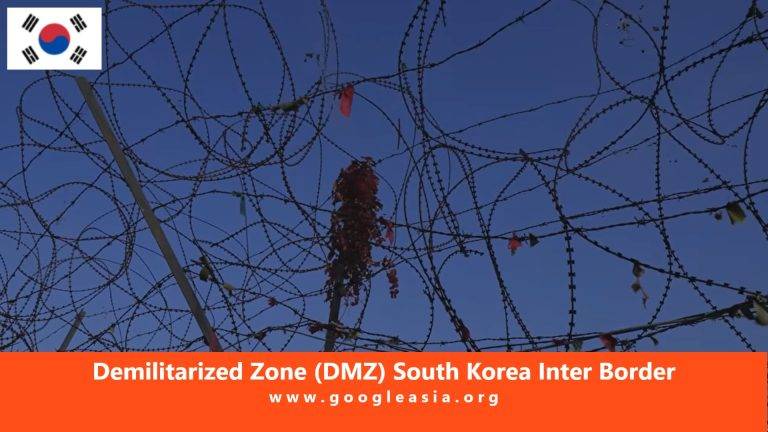
The Demilitarized Zone (DMZ) is a buffer between North and South Korea, established by the 1953 Armistice Agreement. It is a stretch of land 240 km long and 4 km wide, that acted as an inter-Korean border, separating North and South Korea. Both sides remain heavily armed in the area.
Introduction
The Demilitarized Zone (DMZ) of South Korea is a significant area of historical and geopolitical importance, serving as a buffer zone between North and South Korea. Here’s an in-depth look at what the DMZ encompasses and why it remains a focal point of international interest.
Definition
- Definition: The DMZ is a 2.5-mile-wide strip of land that has separated North and South Korea since the end of the Korean War in 1953.
- Purpose: Established as a buffer zone to prevent further military conflict and to facilitate peace talks between the two Koreas.
Historical Background
- Formation: The DMZ was created following the Korean Armistice Agreement signed on July 27, 1953, effectively ending active combat but not the state of war.
- Length and Borders: It stretches approximately 250 kilometers (160 miles) across the Korean Peninsula, from the East Sea (Sea of Japan) to the Yellow Sea.
Role in International Relations
Military Significance
- Fortifications: Known as one of the most heavily militarized borders globally, the DMZ is heavily fortified with mines, fences, and watchtowers.
- Security: It remains a focal point of military tension and is heavily monitored by both North and South Korean forces.
Peace and Diplomacy
- Negotiation Venue: The DMZ has hosted several landmark talks and summits, including the inter-Korean summits and discussions aimed at denuclearization.
- Symbol of Peace: Despite its history of conflict, the DMZ is increasingly viewed as a symbol of hope and a potential site for future peace-building efforts.
Visitor Information
Best Time to Visit
- Seasonal Considerations: The best time to visit is during spring and autumn when the weather is mild, and visibility is good.
- Tour Availability: Guided tours are available daily, providing educational insights and safe access to key sites within the DMZ.
Safety and Regulations
- Tour Guidelines: Visitors must adhere to strict guidelines, including staying with their tour group, not taking unauthorized photos, and respecting military zones.
- Documentation: Valid identification is required for all visitors to enter the DMZ area.
Attractions
Main Attractions
Joint Security Area (JSA)
- Description: The JSA is the only area within the DMZ where North and South Korean forces stand face-to-face. It includes the famous Panmunjom village.
- Highlights: The Freedom House, Conference Row, and the Military Demarcation Line (MDL) where visitors can cross into North Korea.
The Freedom Bridge
- Significance: Originally used by POWs to return to their homelands after the armistice agreement.
- Features: The bridge is a poignant reminder of the Korean War’s human toll and a symbol of hope for reunification.
Third Infiltration Tunnel
- Description: One of the four known tunnels dug by North Korea under the DMZ, discovered in 1978.
- Details: The tunnel is approximately 1.7 kilometers long, 2 meters high, and 2 meters wide, meant to facilitate a surprise attack on Seoul.
Tourist Attractions
DMZ Observatory
- Location: Situated at the Dora Observatory, offering a view of North Korea’s Gyeonggi Province.
- Experience: Visitors can look through binoculars to see the North Korean village of Kaesong and the mountainous landscape.
Dora Station
- Overview: A train station at the edge of the DMZ, serving as the northernmost railway station in South Korea.
- Significance: The station is part of the planned reconnection of the inter-Korean railway system.
Imjingak Park
- Features: This park includes the Memorial for the Reunification of the Korean Peninsula, the Freedom Bridge, and several monuments dedicated to peace.
- Activities: Visitors can explore the park’s historical markers and enjoy its scenic landscapes.
Things to Do
The Demilitarized Zone (DMZ) is a strip of land near the 38th Parallel on the Korean peninsula that serves as a buffer between North and South Korea. It is a fascinating area and visitors can experience a place few have experienced before.
Public Tour Program
One of the most popular activities for visitors to the DMZ is the Public Tour Program offered by the Republic of Korea Ministry of National Defense. The tour takes visitors to three main areas:
Third Infiltration Tunnel
The Third Infiltration Tunnel was an underground tunnel discovered by South Korea, created by the North Korean military to invade the South. Visitors can walk down the tunnel to the North Korean border, gaining insights into the tense history between the two Koreas.
Dorasan Observatory
At the Dorasan Observatory, visitors can view North Korea from a distance. This observation point offers panoramic views and provides an opportunity to imagine the lives of people living in the secluded country. It is also an excellent spot for capturing stunning photographs of the landscape.
Joint Security Area (JSA)
In the Joint Security Area, visitors can experience a truly unique encounter. Here, they may come face to face with North Korean soldiers who stand guard at the blue and silver buildings with roofs that cross the border. Visitors can also visit the iconic Bridge of No Return, where thousands of prisoners of war crossed during past conflicts.
Learning About Korean History and Culture
Visitors to the DMZ also have the opportunity to learn about Korean history and culture:
Optional Tour to Unification Museum
Located outside of the DMZ, the Unification Museum offers exhibitions about the Korean War, as well as insights into the history and culture of both North and South Korea. This optional tour provides deeper context to the geopolitical situation and the lives of people on both sides of the DMZ.
Foods
The Demilitarized Zone (DMZ) in South Korea, known for its historical significance and unique geopolitical status, also offers a culinary experience that reflects the richness of Korean cuisine. Here are some of the best foods to try while visiting the DMZ area.
Samgyetang (Ginseng Chicken Soup)
- Description: A nutritious soup made with whole young chicken stuffed with ginseng, garlic, rice, and jujube, simmered to perfection.
- Attributes: Nutritious, hearty, traditional Korean medicinal food.
Eo brood (Buckwheat Pancake)
- Description: Buckwheat pancakes typically filled with various ingredients such as vegetables, seafood, or kimchi, served crispy and flavorful.
- Attributes: Crispy, savory, ideal for snacking or as a side dish.
Goon mandu (Kimchi Dumplings)
- Description: Dumplings filled with spicy kimchi and pork or beef, steamed or fried to a delicious golden brown.
- Attributes: Spicy, savory, popular street food choice.
Bulgogi (Marinated Beef)
- Description: Thinly sliced beef marinated in a sweet and savory sauce made from soy sauce, sugar, sesame oil, and garlic, grilled or stir-fried.
- Attributes: Tender, flavorful, classic Korean barbecue dish.
Mandu Guksu (Korean-style Dumpling Soup)
- Description: Hand-cut wheat noodles served in a clear broth with hearty dumplings filled with meat and vegetables.
- Attributes: Comforting, filling, traditional Korean soup.
Bibimbap (Rice with Vegetables, Beef, and Chili Sauce)
- Description: A bowl of steamed rice topped with assorted vegetables, bulgogi (marinated beef), a fried egg, and spicy gochujang (chili pepper paste).
- Attributes: Colorful, balanced, iconic Korean mixed rice dish.
Dak Bal (Spicy Chicken Feet)
- Description: Chicken feet cooked in a spicy sauce made with soy sauce, garlic, ginger, and gochujang (chili paste), offering a unique texture and flavor.
- Attributes: Spicy, gelatinous, adventurous Korean dish.
Ojingeo Bokkeum (Stir-fried Spicy Squid)
- Description: Tender squid stir-fried with vegetables and a spicy sauce, typically served with rice or as a side dish.
- Attributes: Spicy, seafood-rich, popular Korean stir-fry.
Naengmyeon (Cold Buckwheat Noodles)
- Description: Chilled buckwheat noodles served in a tangy iced broth with slices of cucumber, pear, and a boiled egg.
- Attributes: Refreshing, cooling, perfect for hot summer days.
Hangwa (Traditional Korean Sweets)
- Description: Assorted traditional Korean sweets made from ingredients like honey, glutinous rice flour, and nuts, often served during special occasions.
- Attributes: Sweet, delicate, cultural Korean dessert.
Hotels
Planning a visit to the Demilitarized Zone (DMZ) in South Korea offers a unique opportunity to explore one of the world’s most heavily guarded borders. Whether you’re interested in historical tours, cultural experiences, or simply seeking a place to stay near the DMZ, several hotels cater to different preferences and budgets.
Dreamy Tourist Hotel & Resort, Paju
- Location: Paju
- Description: A luxurious resort-style hotel offering comfortable accommodations and scenic views.
- Highlights: Ideal for relaxation after a day of exploring the DMZ.
Unification Observatory Hotel, Imjingak
- Location: Imjingak
- Description: Located near the Unification Observatory, offering rooms with views of the DMZ.
- Highlights: Provides insights into the Korean War history and peaceful surroundings.
Railway Hotel, Paju
- Location: Paju
- Description: A modern hotel conveniently located near transportation hubs.
- Highlights: Perfect for travelers looking to explore nearby attractions and restaurants.
Korea Memories Hotel, Paju
- Location: Paju
- Description: Known for its cozy atmosphere and friendly service.
- Highlights: Close proximity to cultural sites and DMZ tour starting points.
Demilitarized Zone Tourist Hotel, Cheorwon
- Location: Cheorwon
- Description: Offers a unique experience with themed rooms related to the DMZ.
- Highlights: Direct access to historical sites and stunning natural landscapes.
Deokjeok Island Hotel, Ganghwa
- Location: Ganghwa
- Description: A tranquil retreat on Deokjeok Island, known for its peaceful environment.
- Highlights: Explore the island’s history and nearby attractions.
Myeongdong Top Guesthouse, Seoul
- Location: Seoul (near DMZ tour departure points)
- Description: Budget-friendly guesthouse with easy access to DMZ tours.
- Highlights: Vibrant neighborhood with shopping and dining options.
Edelweiss Hotel, Paju
- Location: Paju
- Description: Offers a blend of comfort and convenience, suitable for business and leisure travelers.
- Highlights: Close to cultural landmarks and shopping centers.
Harmony Hotel, Goseong
- Location: Goseong
- Description: A family-friendly hotel with spacious accommodations and scenic views.
- Highlights: Explore Goseong’s natural beauty and historical sites.
Dorasan Korea House, Paju
- Location: Paju
- Description: A unique hotel offering insights into Korean reunification efforts.
- Highlights: Adjacent to Dorasan Station, the northernmost railway station in South Korea.
Conclusion
Choosing the right hotel near the DMZ enhances your experience of exploring this historically significant area. Whether you prefer luxury resorts, budget-friendly guesthouses, or hotels with thematic ties to Korean history, these recommendations provide options to suit every traveler’s needs. Plan your stay accordingly to make the most of your visit to the Demilitarized Zone in South Korea.
Summary
- Attraction Name: Demilitarized Zone (DMZ)
- Country: South Korea
- Continent: Asia
- Capital Name: Seoul
- Language: Korean
- Currency: South Korean won
- Nationality: South Korean
- Category: #Destination #Asia #SOUTHKOREA
Frequently Asked Questions
Where is Demilitarized Zone (DMZ) located?
The Demilitarized Zone (DMZ) is located on the Korean Peninsula, separating North Korea and South Korea. It runs roughly along the 38th parallel north, stretching across the width of the peninsula for about 250 kilometers (160 miles). The DMZ serves as a buffer zone between the two Koreas, established following the Korean War armistice in 1953. It is one of the most heavily fortified borders in the world, symbolizing the division of Korea into two separate states with distinct political systems and ideologies.
How to go to Demilitarized Zone (DMZ)?
- Organized Tours:
- From Seoul: The most common way to visit the DMZ is through organized tours departing from Seoul. Many tour companies offer half-day or full-day tours that include transportation, guided visits to key DMZ sites such as the Joint Security Area (JSA), Third Tunnel of Aggression, and Dorasan Observatory, as well as commentary on the history and significance of the area.
- Booking: It’s recommended to book DMZ tours in advance, as they often include entry permits and can be popular among tourists.
- Public Transportation:
- By Train: Take a train from Seoul to Dorasan Station, the northernmost train station in South Korea. However, access to most DMZ sites requires joining a guided tour, even if arriving by train.
- By Bus: Some tours may include bus transportation directly to the DMZ area. Public buses from Seoul to nearby towns like Paju City or Yeoncheon may also be available, but transfers to specific DMZ sites are usually required.
- Private Transportation:
- By Car: If you have your own vehicle or rent a car, driving to the DMZ is possible. However, entry to certain areas within the DMZ is restricted, so guided tours are still recommended for accessing key sites.
- Tourist Information Centers:
- Visit tourist information centers in Seoul or nearby towns for updated information on tours, transportation options, and DMZ visiting regulations.
What’s the climate like in Demilitarized Zone (DMZ)?
The climate in the Demilitarized Zone (DMZ), which is located on the Korean Peninsula, is generally characterized as being in the humid continental climate zone. Here are some key features of the climate in the DMZ region:
- Seasonal Variations: Like the rest of South Korea, the DMZ experiences distinct seasons:
- Spring: Mild and usually pleasant, with cherry blossoms blooming in April.
- Summer: Warm to hot, with high humidity levels. July and August are the hottest months.
- Autumn: Cool and dry, known for beautiful foliage in October and November.
- Winter: Cold and dry, with occasional snowfall. December to February are the coldest months.
- Temperature Range: Temperatures vary significantly throughout the year:
- Summer highs can reach 30-35°C (86-95°F), while winter lows can drop to -10°C (14°F) or lower.
- Spring and autumn offer moderate temperatures, typically ranging from 10-20°C (50-68°F).
- Precipitation: The DMZ receives a moderate amount of rainfall throughout the year, with slightly higher precipitation levels in summer due to monsoon rains.
- Wind Patterns: The region can experience strong winds at times, influenced by its location between the Yellow Sea and the Sea of Japan (East Sea).
What are Demilitarized Zone (DMZ)’s must-visit attractions or landmarks?
The Demilitarized Zone (DMZ) offers several significant attractions and landmarks for visitors:
- Joint Security Area (JSA): Witness the tense atmosphere where North and South Korean soldiers stand face-to-face. Visitors can step into the blue conference rooms that straddle the Military Demarcation Line (MDL).
- Dorasan Observatory: Enjoy panoramic views into North Korea from this observation point, providing insights into the secretive country’s landscape and activities near the border.
- Third Tunnel of Aggression: Explore one of the tunnels dug by North Korea beneath the DMZ, discovered as part of their infiltration attempts into South Korea.
- Dorasan Station: Visit the northernmost train station in South Korea, symbolic of hopes for eventual reunification, with tracks that were once intended to connect through North Korea to the rest of Asia.
- Dora Observatory: Another viewpoint offering glimpses into North Korea, including the propaganda village of Kijŏng-dong and the North Korean city of Kaesong.
Is Demilitarized Zone (DMZ) a suitable travel destination for solo adventurers, honeymooning couples, or those traveling with families?
The DMZ offers different experiences that can appeal to various types of travelers:
- Solo Adventurers: Ideal for solo travelers interested in history, geopolitics, and cultural exploration. Visiting the DMZ provides a unique opportunity for introspection and learning about one of the world’s most significant geopolitical divides.
- Honeymooning Couples: While not traditionally romantic, couples interested in history and global affairs may find the DMZ a thought-provoking and memorable destination. It offers unique experiences and a chance to reflect on international relations.
- Families: Suitable for families with older children (depending on tour restrictions), especially those interested in history and educational experiences. Many tours offer insights into the Korean War and efforts for peace, which can be enriching for children and adults alike.
Why should you visit Demilitarized Zone (DMZ)?
The Demilitarized Zone (DMZ) between North and South Korea is a unique and historically significant area that attracts visitors for several reasons:
- Historical Significance: Experience a firsthand glimpse into the Cold War history and the division of Korea into North and South. The DMZ symbolizes the unresolved tensions and the lasting impact of the Korean War.
- Panmunjom (Joint Security Area): Visit the famous Joint Security Area (JSA) within the DMZ, where military negotiations between North and South Korea still take place. Witness the blue UN buildings and the border line between the two Koreas.
- Third Tunnel of Aggression: Explore one of the tunnels dug by North Korea beneath the DMZ, discovered as part of their attempted infiltration into South Korea.
- Dorasan Observatory: Enjoy panoramic views into North Korea from the Dorasan Observatory, offering a glimpse into the secretive nation and its border area.
- Cultural and Educational Experience: Learn about the ongoing efforts for peace and reconciliation between North and South Korea through museums and exhibitions in the DMZ area.
- Symbol of Hope: Witness efforts towards peace and reunification, with hopes of one day seeing the DMZ transformed from a symbol of division to a symbol of unity.
Is there any halal food available in the vicinity of the Demilitarized Zone (DMZ)?
Finding halal food in the immediate vicinity of the Demilitarized Zone (DMZ) can be challenging due to its location primarily within a military buffer zone. However, there are options available in nearby cities or towns that cater to halal dietary needs, such as Paju City or areas closer to Seoul. It’s advisable to plan ahead or consult with local guides or tour operators who may be able to provide more specific information on halal dining options near the DMZ area.
Can you see North Korea from the Demilitarized Zone (DMZ)?
Yes, you can see into North Korea from certain points within the Demilitarized Zone (DMZ), particularly from designated observation points like the Dorasan Observatory and the Joint Security Area (JSA). These locations offer visitors a glimpse across the DMZ into North Korea, allowing them to view landmarks such as the Kijŏng-dong propaganda village and other structures in the North Korean border area.
However, access to these observation points and visibility into North Korea can vary depending on security conditions and tour arrangements. Visiting these areas typically requires joining a guided tour that provides access to restricted zones and ensures safety protocols are followed.
Can we visit North Korea?
Visiting North Korea (Democratic People’s Republic of Korea, DPRK) as a tourist is highly restricted and controlled by the North Korean government. Here are some key points to consider:
- Tourist Access: Foreign tourists can visit North Korea, but only through approved tour operators authorized by the North Korean government. Independent travel is not permitted.
- Tour Arrangements: Tourists typically visit North Korea as part of organized group tours that are closely monitored by North Korean guides and authorities.
- Tourist Sites: Tourist itineraries in North Korea are usually limited to approved sites and attractions, such as monuments, museums, and controlled visits to designated areas.
- Restrictions: There are strict rules and regulations imposed on tourists, including limitations on photography, interactions with locals, and access to communication with the outside world.
- Political Situation: Travel to North Korea can be influenced by political tensions and international relations. It’s essential to stay informed about current travel advisories and restrictions.