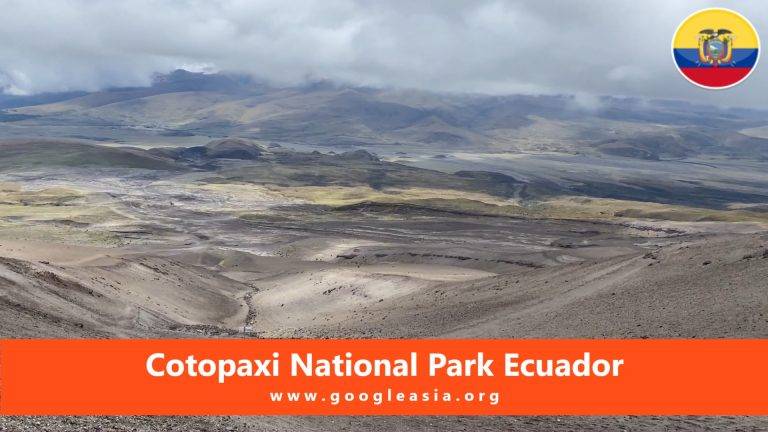
Cotopaxi National Park, Ecuador
Cotopaxi National Park is an unforgettable experience for adventurers. Located just south of Quito, this majestic national park offers glacier-capped volcanoes, diverse wildlife, and a variety of activities like trekking, horseback riding, and camping. Visitors can also explore its mysterious caves and lagoons, and witness its beautiful glaciers, lakes, and Andean landscape.
Introduction
Majestic Cotopaxi Volcano
Iconic Landmark
Cotopaxi National Park, nestled in the southern highlands of Ecuador, boasts the impressive Cotopaxi volcano as its centerpiece. Standing tall at 5,897 meters (19,347 feet), Cotopaxi is one of the highest active volcanoes globally, captivating visitors with its snow-capped peak and stunning crater.
Natural Diversity
Flora and Fauna
Encompassing approximately 33,000 hectares, the Cotopaxi National Park is a sanctuary for diverse flora and fauna. It is home to iconic species such as the puma, cougar, spectacled bear, and Andean bear. Bird enthusiasts can delight in spotting over 100 species of birds, adding to the park’s rich biodiversity.
Things to Do
Ascend to Cotopaxi Volcano and Explore Surroundings
Climbing the Majestic Peak
Ascending Cotopaxi Volcano, towering at 5,897 meters, is a highlight for adventurers. While strenuous, the trek offers panoramic views of the Andean landscape and the chance to conquer one of the world’s highest active volcanoes.
Hike to Jose Rivas Refuge
High Altitude Basecamp
Located at 5,000 meters, Jose Rivas Refuge serves as a crucial stop for climbers. The hike to the refuge is relatively easy, providing stunning vistas and a strategic starting point for summit attempts.
Visit Limpiopungo Lake
Tranquil Natural Beauty
Known as “the Emerald Lake,” Limpiopungo offers a serene setting for camping and wildlife observation. Spot Andean Condors, Spectacled Bears, and other species during quiet moments at sunrise or sunset.
Horseback Riding Adventure
Explore on Horseback
Embark on a guided horseback tour around Limpiopungo Lake, soaking in the park’s diverse landscapes and wildlife encounters. Riders of all levels can enjoy this immersive experience in the heart of nature.
Take a Safari Tour
Discover Park Highlights
Safari tours offer a comprehensive exploration of Cotopaxi National Park’s iconic sites. From guided visits to secluded spots to overnight stays in refuges or campsites, these tours provide insights into the park’s rich biodiversity and cultural heritage.
Foods
Traditional Hominy Dishes
Fanesca: A Lenten Tradition
Fanesca is a hearty soup made during Lent, featuring a blend of grains, beans, and pumpkin, enriched with bacalao (salted cod) and served with hard-boiled eggs. It’s a flavorful homage to Ecuadorian culinary traditions.
Local Fruits and Vegetables
Fresh and Vibrant Produce
Cotopaxi National Park showcases a variety of local fruits and vegetables. Guava, taxo (banana passionfruit), and tomate de árbol (tree tomato) are popular choices, each offering a burst of tropical flavors.
Savory Main Dishes
Hornado: Succulent Roast Pork
Hornado is a celebrated Ecuadorian dish featuring slow-roasted pork marinated in garlic, cumin, and achiote. Served with potatoes or mote (hominy corn), it’s a savory delight that captures the essence of Ecuadorian cuisine.
Locro de Papas: Hearty Potato Stew
Locro de papas is a comforting potato and cheese soup, flavored with onions, garlic, and a hint of cilantro. It’s a staple dish enjoyed throughout Ecuador, perfect for warming up after a day exploring the Cotopaxi National Park.
Caldo de Gallina: Nourishing Chicken Stew
Caldo de gallina is a chicken soup known for its rich broth, tender chicken pieces, and hearty portions of potatoes and vegetables. It’s a soul-soothing dish that satisfies both hunger and the senses.
Delicious Desserts
Sopa Borracha: Baked Fruit Pudding
Sopa borracha is a traditional Ecuadorian dessert made with layers of sponge cake soaked in rum and sweetened with raisins, prunes, and figs. It’s a decadent treat enjoyed during festive occasions.
Cuajada: Evaporated Milk Cake
Cuajada is a simple yet delightful dessert made from evaporated milk, sugar, and a touch of cinnamon. Its creamy texture and subtle sweetness make it a perfect ending to a traditional Ecuadorian meal.
Flavorful Snacks
Yahuarmas: Fried Plantains
Yahuarmas are crispy fried plantains, served as a savory snack or side dish. Their golden-brown exterior and tender interior offer a delightful contrast in texture and flavor.
Choclo: Corn Mote
Choclo refers to corn mote, a popular snack enjoyed throughout Ecuador. It’s boiled or roasted corn kernels, seasoned with salt and often served as a tasty and nutritious treat.
Longarones: Deep Fried Pork Skins
Longarones are deep-fried pork skins, crispy and flavorful, making them a savory indulgence that pairs well with local beverages or enjoyed on their own.
Hotels
La Cienega Lodge
Colonial Charm
La Cienega Lodge offers a glimpse into Ecuador’s colonial history with its elegant architecture and serene surroundings. Guests can enjoy comfortable accommodations and traditional hospitality amidst lush gardens.
Valle Hermoso Lodge
Scenic Retreat
Valle Hermoso Lodge provides a tranquil escape surrounded by picturesque landscapes. Its cozy cabins and personalized service ensure a peaceful stay in the heart of nature.
Cotopaxi Quito Jungle Lodge
Jungle Oasis
Cotopaxi Quito Jungle Lodge combines rustic charm with modern amenities, offering a unique jungle experience. Guests can explore nearby trails and immerse themselves in Ecuador’s natural beauty.
La Mirage Garden Hotel & Spa
Luxury and Relaxation
La Mirage Garden Hotel & Spa indulges guests with luxurious accommodations and rejuvenating spa treatments. Its lush gardens and fine dining options create an oasis of tranquility.
La Casa del Volcan
Mountain Views
La Casa del Volcan provides stunning views of Cotopaxi Volcano, offering cozy rooms and a warm ambiance. It’s an ideal base for exploring the park’s hiking trails and natural attractions.
Hosteria Quilotoa
Quaint Mountain Retreat
Hosteria Quilotoa offers rustic charm with comfortable rooms and scenic views of the surrounding mountains. Guests can enjoy local cuisine and explore nearby Quilotoa Lake.
Hacienda La Cienega
Historic Elegance
Hacienda La Cienega blends history and comfort, featuring colonial architecture and spacious rooms. It offers a glimpse into Ecuador’s past while providing modern amenities for a memorable stay.
Real Audiencia Hotel
Urban Comfort
Real Audiencia Hotel in Quito serves as a convenient base for exploring Cotopaxi National Park. Its central location, comfortable rooms, and friendly service cater to both leisure and business travelers.
Hotel La Ciénega Ortiz
Family-Friendly Atmosphere
Hotel La Ciénega Ortiz offers a welcoming atmosphere with cozy accommodations and personalized service. It’s an excellent choice for families looking to explore the park and its surroundings.
Quilotoa Lodge
Eco-Friendly Retreat
Quilotoa Lodge focuses on sustainability and offers comfortable lodgings near Quilotoa Lake. Guests can enjoy eco-friendly practices and breathtaking views of the Andean landscape.
Conclusion
Choosing a hotel in Cotopaxi National Park, Ecuador, offers a range of experiences from luxury and relaxation at La Mirage Garden Hotel & Spa to rustic charm at Hosteria Quilotoa. Whether seeking colonial elegance at La Cienega Lodge or a jungle adventure at Cotopaxi Quito Jungle Lodge, each accommodation provides a unique gateway to explore the park’s natural beauty and cultural heritage. Whether you prefer historic haciendas or eco-friendly lodges, there’s a perfect stay awaiting you in Cotopaxi National Park.
Summary
- Category: #Destination #SouthAmerica #EQUADOR
- Attraction: Cotopaxi National Park Ecuador
- Country: Ecuador
- Continent: South America
- Capital Name: Quito
- Language: Spanish
- Currency: the US Dollar
- Nationality: Ecuadorian
Frequently Asked Questions
Where is Cotopaxi National Park located?
Cotopaxi National Park is located in Ecuador, approximately 50 kilometers (31 miles) south of Quito, the capital city. It is situated in the Andean region of the country, encompassing parts of the Cotopaxi Province and Napo Province. The park is known for its stunning landscapes, including the Cotopaxi volcano, which is one of the highest active volcanoes in the world.
How to go to Cotopaxi National Park?
To visit Cotopaxi National Park from Quito, Ecuador, here are the general steps you can follow:
- Transportation: Start by traveling from Quito to the entrance of Cotopaxi National Park. You have a few options for transportation:
- Private Car: Renting a car or hiring a private driver gives you flexibility and allows you to explore the park at your own pace. The journey takes about 1.5 to 2 hours from Quito, depending on traffic and road conditions.
- Public Bus: Take a bus from Quito to Latacunga, the nearest major town to Cotopaxi National Park. From Latacunga, you can then take another bus or a taxi to the park entrance. Buses from Quito to Latacunga run frequently.
- Entrance and Permits: Upon arrival at Cotopaxi National Park, you may need to pay an entrance fee. Check current fees and requirements beforehand. If you plan to hike or explore deeper into the park, inquire about any additional permits needed.
- Activities: Inside the park, you can engage in various activities depending on your interests and physical abilities:
- Hiking: There are trails of varying difficulty levels, including hikes to the Cotopaxi volcano itself or around Limpiopungo Lake.
- Biking: Mountain biking is popular in the park, and you can rent bikes locally or bring your own.
- Wildlife Viewing: The park is home to Andean wildlife such as llamas, wild horses, and various bird species. Wildlife viewing can be done from designated viewpoints and trails.
- Safety and Preparation: Cotopaxi National Park is at high altitude, so be prepared for cooler temperatures, strong sunlight, and potential altitude effects. Bring appropriate clothing, sunscreen, water, and snacks.
- Guided Tours: If you prefer a guided experience, many tour companies offer day trips from Quito to Cotopaxi National Park. This option can provide transportation, a knowledgeable guide, and sometimes additional activities like horseback riding or visits to nearby attractions.
What are Cotopaxi National Park’s nearby must-visit attractions or landmarks?
In addition to exploring Cotopaxi National Park itself, there are several nearby attractions and landmarks that visitors often find worth exploring:
- Cotopaxi Volcano: The centerpiece of the national park, Cotopaxi Volcano is one of the world’s highest active volcanoes. Visitors can hike around its base, climb to the refuge hut (Refugio José Rivas) at around 4,800 meters (15,748 feet), or even attempt to summit the volcano with proper equipment and guides.
- Limpiopungo Lake: Located within Cotopaxi National Park, Limpiopungo Lake is a beautiful spot for wildlife viewing and photography. It’s surrounded by Andean páramo vegetation and offers views of Cotopaxi Volcano on clear days.
- Pasochoa Wildlife Refuge: This nearby ecological reserve is known for its diverse flora and fauna, including various bird species. It’s a great place for birdwatching and short hikes.
- Latacunga: The nearest major town to Cotopaxi National Park, Latacunga offers a glimpse into Ecuadorian highland culture. It’s known for its colonial architecture, markets, and local cuisine, such as chugchucaras and empanadas de viento.
- Quilotoa Crater Lake: While a bit farther (about 2-3 hours from Cotopaxi), Quilotoa Crater Lake is a stunning volcanic crater lake located in the Andes. It offers hiking trails, viewpoints, and the opportunity to see local indigenous communities.
- Pujilí: This small town near Cotopaxi is known for its traditional markets, where you can find handicrafts, textiles, and local produce. It’s a good place to experience indigenous culture and shop for souvenirs.
Is Cotopaxi National Park a suitable travel destination for solo adventurers, honeymooning couples, or those traveling with families?
Cotopaxi National Park in Ecuador can cater to a variety of travelers, but the suitability depends on what each group is looking for:
- Solo Adventurers: Cotopaxi National Park is a great destination for solo adventurers, especially those who enjoy hiking, outdoor activities, and exploring natural landscapes. Hiking trails vary in difficulty, offering options for both beginners and experienced hikers. Solo travelers can also join guided tours for added safety and local insights.
- Honeymooning Couples: Cotopaxi National Park can be a romantic destination for honeymooning couples who enjoy nature and adventure. Staying in a cozy lodge near the park and exploring the stunning scenery together, such as hiking to Cotopaxi Volcano or enjoying a peaceful day at Limpiopungo Lake, can create memorable experiences.
- Families: Families with children can also enjoy Cotopaxi National Park, although it’s essential to consider the altitude and physical activities involved. Short hikes around Limpiopungo Lake or visits to the visitor centers can be enjoyable for families. Some tour operators offer family-friendly excursions, including horseback riding and educational tours focused on wildlife and conservation.
Why should you visit Cotopaxi National Park?
Visiting Cotopaxi National Park in Ecuador offers a range of compelling reasons that make it a worthwhile destination:
- Natural Beauty: The park is renowned for its stunning landscapes, dominated by the majestic Cotopaxi Volcano, which stands as one of the highest active volcanoes in the world. The scenery includes Andean páramo grasslands, high-altitude lakes like Limpiopungo, and rugged terrain that attracts nature lovers and photographers alike.
- Outdoor Activities: Cotopaxi National Park provides numerous opportunities for outdoor recreation. Hiking trails cater to various skill levels, offering adventurers the chance to explore volcanic terrain and enjoy panoramic views. Activities such as mountain biking, horseback riding, and birdwatching are also popular within the park.
- Volcanic Exploration: Cotopaxi Volcano itself is a highlight, offering the possibility to hike to the refuge hut at 4,800 meters (15,748 feet) or even attempt a summit climb with proper preparation. The volcanic landscape and history provide an educational experience for those interested in geology and natural sciences.
- Wildlife Viewing: The park is home to diverse wildlife adapted to the high-altitude environment, including Andean condors, wild horses, deer, and various bird species. Observing these animals in their natural habitat adds to the park’s allure.
- Cultural Insights: Nearby towns and communities offer opportunities to learn about traditional Andean culture and cuisine. Visitors can experience local markets, sample authentic dishes, and interact with indigenous communities to gain a deeper understanding of Ecuadorian highland culture.
- Photography: Whether capturing the dramatic landscapes, wildlife encounters, or cultural scenes, Cotopaxi National Park presents abundant opportunities for photography enthusiasts to capture memorable moments and stunning vistas.
- Conservation and Sustainability: Visiting Cotopaxi National Park supports conservation efforts and sustainable tourism practices in the region. By exploring responsibly, visitors contribute to the preservation of this unique natural environment and its cultural heritage.
Is it difficult to find halal food in Cotopaxi National Park?
Finding halal food in Cotopaxi National Park itself can be challenging due to its remote location and the limited dining options typically available within or near the park. Here are some considerations:
- Preparation: If you follow a halal diet and plan to visit Cotopaxi National Park, it’s advisable to bring your own food or snacks that comply with your dietary requirements. Packaged and non-perishable halal items can be stored easily for day trips or longer stays.
- Local Options: Nearby towns like Latacunga, which is a hub for visitors to Cotopaxi, may have more dining options, including restaurants that could potentially offer vegetarian or seafood dishes that align with halal principles. However, specific halal-certified options might still be limited.
- Communication: When dining out or arranging meals, communicate your dietary restrictions clearly with restaurant staff or accommodations where you are staying. They may be able to accommodate your needs with advance notice.
- Flexibility: While finding strictly halal food can be challenging, staying flexible by opting for vegetarian meals or meals without meat can broaden your dining options in the area.