Colca Valley, Peru
Discover Peru’s Colca Valley, home to soaring condors, breathtaking canyons, and vibrant Andean villages. From hot springs to ancient terraces, this guide highlights the valley’s best attractions and essential visitor information. Plan your Colca Valley adventure today and experience nature at its grandest!
Introduction
The Colca Valley, located in Peru’s Arequipa region, is one of the world’s deepest canyons, with a stunning landscape of soaring volcanoes and dramatic Andean peaks. It is also home to a large number of endemic species, such as the wild vicuña, the Andean condor and the striking Andean flamingo. Visitors can explore its unique geology, towering mountains and biodiversity or take part in adventure activities such as river rafting and cycling. With its rich culture, fascinating historical sites and stunning nature, the Colca Valley is a must-visit destination for anyone looking for a unique and unforgettable experience.
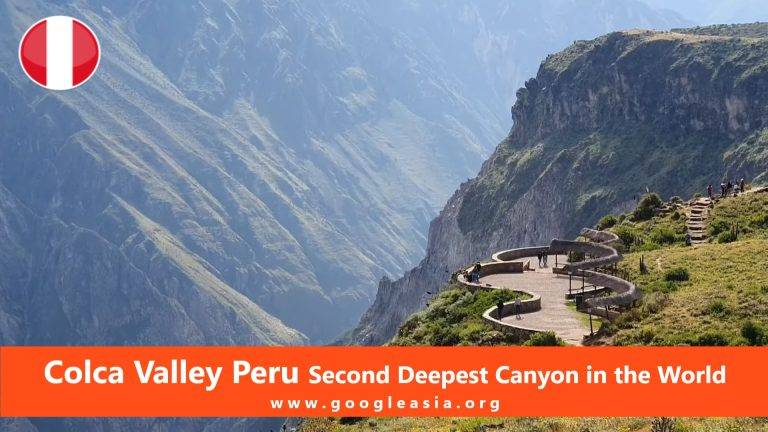
The Colca Valley in Peru is widely renowned for its beautiful landscapes and diverse cultural heritage. Located in the Peruvian Andes near Arequipa, it is home to the second deepest canyon in the world. Visitors can explore the lush green valleys below, spot condors sailing above, and learn about the Incan and local cultures of the area. Whether it’s hiking, exploring pre-Colombian ruins, or just relaxing in the valley’s pleasant climate, the Colca Valley is a memorable part of any Peru vacation.
Getting There
- Access: The Colca Valley is typically reached by road from Arequipa, which is the nearest major city. The drive takes approximately 3 to 4 hours and offers scenic views of the Andean landscape.
- Transportation: Private tours, guided trips, and local buses are available for transport to and within the valley.
Best Time to Visit
- High Season: The best time to visit is during the dry season, from April to October, when weather conditions are more favorable for hiking and outdoor activities.
- Low Season: The rainy season runs from November to March, which can make trekking more challenging but offers fewer crowds and lush landscapes.
Accommodations
- Chivay: The largest town in the valley with various hotels and guesthouses catering to different budgets.
- Yanque and Coporaque: Smaller villages offering a range of charming lodgings and guesthouses with traditional atmospheres.
1‑Day Itinerary
- 6:00 AM – Depart Arequipa for Colca Valley (scenic drive through Andean landscapes)
- 8:30 AM – Stop at Chivay town (breakfast and visit local market)
- 9:30 AM – Visit Cruz del Cóndor viewpoint (watch majestic condors soaring above the canyon)
- 12:00 PM – Lunch in Yanque village (taste traditional dishes like rocoto relleno)
- 1:30 PM – Explore pre‑Inca terraces and colonial churches in nearby villages
- 3:00 PM – Relax in La Calera hot springs (natural thermal baths with mountain views)
- 5:00 PM – Return to Arequipa or stay overnight in Chivay for extended exploration
Things to Do
The Colca Valley in Peru is a mesmerizing destination that combines dramatic landscapes with rich cultural experiences. From its towering mountains and lush valleys to its vibrant wildlife and traditional villages, Colca Valley offers a variety of activities that cater to all types of travelers. Whether you’re an adventurer seeking thrills or a visitor looking to relax and unwind, the Colca Valley has something special for everyone.
Trekking Adventures
Colca Canyon Trek
Colca Canyon, at over 3,270 meters (10,730 feet) deep, is one of the world’s deepest canyons—twice as deep as the Grand Canyon. The trek descends into the canyon and ascends to its rim, offering stunning vistas and encounters with unique flora such as ichu grass and fauna like vicuñas and Andean condors.
Cruz del Condor Hike
This shorter trek leads to the Cruz del Condor viewpoint, where visitors can watch the majestic Andean condors soaring on thermal currents. The condor is a sacred bird in Andean cosmology, symbolizing the upper world (Hanan Pacha).
Rim Trails
Trails along the canyon’s rim provide panoramic views of terraced fields and traditional villages such as Cabanaconde and Chivay, perfect for photography and cultural immersion.
Kayaking Thrills
Colca River
The Colca River winds through the canyon, offering kayaking opportunities with Class II–III rapids. Paddlers experience the canyon’s dramatic cliffs and may spot condors overhead.
River Conditions
River flow varies seasonally, with the best conditions between May and September during the dry season. Guided tours ensure safety and provide equipment suited to the terrain.
Soaking in Hot Springs
La Calera Hot Springs
Located near Chivay, La Calera’s thermal baths are rich in minerals and believed to have therapeutic properties. They offer relaxation with views of the surrounding Andean landscape.
Aguas Calientes
Secluded hot springs in the valley provide a tranquil alternative, ideal for unwinding after a day of trekking or kayaking.
Scenic Picnics
Picnic Spots
Hilltops and riverside areas in the Colca Valley make perfect picnic spots, with views of terraced fields and snow-capped peaks such as Ampato and Sabancaya volcanoes.
Local Delicacies
Enhance the experience with local foods like quinoa salad, roasted potatoes, and cheese from Arequipa, reflecting the valley’s agricultural heritage.
Agriculture Tours
Terraced Fields
The Colca Valley is home to thousands of pre-Inca and Inca terraces, still in use today. These terraces demonstrate ancient engineering that maximized crop yields in the highlands.
Local Markets
Markets in Chivay and Yanque showcase fresh produce, textiles, and crafts. Visitors can interact with local vendors and learn about traditional farming practices.
Fishing Excursions
Trout Fishing
Rainbow trout, introduced in the 20th century, thrive in lakes and rivers around Chivay and Coporaque. Fishing here combines sport with serene Andean scenery.
Fishing Spots
Local guides can recommend the best fishing areas and provide cultural context, often linking fishing to community traditions.
Pampering at Spas
Local Spas
Spas in the Colca Valley offer massages, thermal baths, and treatments using natural Andean ingredients like coca leaves and quinoa.
Spa Treatments
Many spas incorporate traditional Peruvian healing therapies, blending modern wellness with ancestral practices to rejuvenate travelers after their adventures.
Foods
The Colca Valley in Peru is not only renowned for its stunning landscapes and rich cultural heritage but also for its diverse and delicious cuisine. This region offers a variety of traditional dishes that reflect the flavors and ingredients of the Andes. Here’s a guide to some of the best foods you can savor while exploring the Colca Valley.
Alpaca Steak
Alpaca steak is a standout dish in the Colca Valley. Typically marinated with garlic, pepper, and cumin, this lean meat is known for its tender texture and rich flavor. It’s often grilled to perfection, making it a must-try for meat lovers.
Serving Suggestions
Alpaca steak is frequently served with traditional sides such as roasted potatoes or Andean corn. It pairs wonderfully with a glass of local red wine or a traditional Peruvian beverage.
Chicharrón
Chicharrón is a popular dish in the Colca Valley, featuring crispy fried pork. The meat is seasoned and deep-fried until golden and crunchy, making it a savory snack or main dish.
Accompaniments
This dish is often enjoyed with sides like fried plantains, spicy salsa, or fresh salads. It’s a flavorful option for those seeking a hearty meal.
Qheua Risotto
Qheua risotto is a unique fusion dish that combines classic Italian risotto with quinoa, a staple grain of the Andes. The creamy risotto is enriched with the nutty flavor of quinoa, along with local vegetables and herbs.
Serving Ideas
This dish can be served as a main course or as a side dish alongside grilled meats or vegetables.
Papa a la Huancaina
Papa a la Huancaina is a traditional Peruvian dish featuring boiled potatoes smothered in a creamy, spicy Huancaina sauce. The sauce is made from aji amarillo (yellow chili peppers), cheese, and milk, creating a vibrant and flavorful accompaniment to the potatoes.
Serving Suggestions
This dish is typically served cold as an appetizer or side dish. It pairs well with a variety of meat dishes or can be enjoyed on its own.
Caldo de Camarones
Caldo de Camarones is a hearty shrimp soup made with local ingredients. The broth is rich and flavorful, often spiced with herbs and vegetables to enhance its taste.
Serving Suggestions
This soup is commonly enjoyed as a main course, especially during cooler weather. It’s perfect for warming up after a day of exploring.
Cuy
Cuy, or roasted guinea pig, is a traditional Andean dish that is often served on special occasions. The guinea pig is seasoned and roasted until crispy, offering a unique taste of local cuisine.
Accompaniments
Cuy is typically served with potatoes, corn, and a variety of traditional sauces. It’s a flavorful and culturally significant dish in the Colca Valley.
Pachamanca
Pachamanca is a traditional Andean feast cooked in a pit oven. Various meats, including pork, chicken, and lamb, are seasoned and layered with potatoes and other vegetables, then cooked using hot stones.
Serving Suggestions
This dish is often enjoyed during festive gatherings and is served with a variety of sides. It’s a great way to experience traditional cooking methods and flavors.
Humitas
Humitas are traditional Andean tamales made from fresh corn. They are steamed in corn husks and can be filled with cheese, chili, or a mix of vegetables.
Serving Suggestions
Humitas are typically served as a snack or side dish. They pair well with a variety of main courses and are a delightful treat.
Aji de Gallina
Aji de Gallina is a spicy, creamy chicken stew made with shredded chicken, aji amarillo (yellow chili peppers), and a rich sauce. It’s a comforting and flavorful dish.
Serving Suggestions
This stew is commonly served with rice and boiled potatoes, making it a satisfying meal.
Rocoto Relleno
Rocoto Relleno features spicy peppers stuffed with a mixture of ground meat, onions, and raisins. The dish is baked until the peppers are tender and the stuffing is flavorful.
Serving Suggestions
Rocoto relleno is typically served as a main dish and can be accompanied by rice or potatoes.
Hotels
The Colca Valley, nestled in the Arequipa Region of Peru, is renowned for its breathtaking landscapes and rich cultural heritage. Whether you’re visiting to witness the majestic Colca Canyon or to explore the surrounding Andean villages, finding the perfect accommodation is essential for a memorable experience. Here are some of the best hotels to consider for your stay in Colca Valley:
Colca Lodge (Cabanaconde)
Colca Lodge is an ideal choice for those seeking a blend of luxury and nature. Located in Cabanaconde, this hotel offers stunning views of the canyon and the surrounding mountains.
Amenities
- Natural Hot Springs: Enjoy the natural hot springs on-site for a relaxing experience.
- Spacious Rooms: The rooms are well-appointed with modern comforts and traditional décor.
- Restaurant: The restaurant serves both local and international cuisine with a focus on fresh, organic ingredients.
Location
Situated at the edge of Colca Canyon, the lodge provides easy access to hiking trails and other outdoor activities.
Colca Valley Hotel (Maca)
Colca Valley Hotel, located in Maca, is known for its charming traditional architecture and warm hospitality.
Amenities
- Comfortable Accommodations: The rooms are cozy and designed to reflect local cultural elements.
- On-Site Dining: Enjoy Peruvian dishes prepared with locally sourced ingredients.
- Tour Services: The hotel offers guided tours to nearby attractions, including the Colca Canyon.
Location
Its central location in Maca allows guests to easily explore the village and nearby natural wonders.
The Mejorada Hotel (Cabanaconde)
The Mejorada Hotel in Cabanaconde is perfect for travelers looking for a tranquil retreat with personalized service.
Amenities
- Traditional Design: The hotel features traditional Peruvian design and décor.
- Friendly Staff: Known for its excellent service and hospitality.
- Free Breakfast: Enjoy a complimentary breakfast each morning during your stay.
Location
Located in Cabanaconde, it’s a convenient base for exploring the canyon and participating in outdoor adventures.
La Casa de Mamayacchi (Cabanaconde)
La Casa de Mamayacchi offers a unique and authentic experience in Cabanaconde, emphasizing local traditions and culture.
Amenities
- Cultural Immersion: Participate in workshops and cultural activities.
- Homely Atmosphere: Experience the warmth of a family-run establishment.
- Local Cuisine: Dine on traditional Peruvian dishes.
Location
Its location in Cabanaconde provides easy access to local sights and hiking trails.
Casa de la Gringa (Maca)
Casa de la Gringa in Maca is a welcoming guesthouse that combines comfort with a personal touch.
Amenities
- Homely Comfort: Enjoy a cozy and homelike environment.
- Personalized Service: The owners provide personalized recommendations and assistance.
- Scenic Views: Rooms offer beautiful views of the surrounding landscape.
Location
Located in Maca, it’s a great spot to explore both the village and nearby attractions.
Colca Cascade Hotel & Spa (Arequipa)
Colca Cascade Hotel & Spa offers a luxurious escape with comprehensive wellness services, situated just outside Colca Valley in Arequipa.
Amenities
- Spa Services: Indulge in a range of spa treatments and therapies.
- Fine Dining: Enjoy gourmet meals at the on-site restaurant.
- Outdoor Activities: The hotel provides access to various outdoor activities and excursions.
Location
While it’s located in Arequipa, it serves as a convenient base for trips to Colca Valley.
Yuraq Pueblo Hotel (Chivay)
Yuraq Pueblo Hotel in Chivay is a fantastic choice for those looking to stay in a charming Andean town with modern amenities.
Amenities
- Comfortable Rooms: Equipped with all necessary comforts for a relaxing stay.
- On-Site Restaurant: Features a menu with local and international dishes.
- Cultural Experiences: Offers opportunities to engage with local culture.
Location
Situated in Chivay, it provides easy access to the Colca Canyon and surrounding areas.
La Casa del Oso Andino (Chivay)
La Casa del Oso Andino offers a blend of rustic charm and modern convenience in Chivay.
Amenities
- Rustic Decor: The hotel features rustic Andean décor.
- Friendly Service: Known for its hospitable and attentive staff.
- Local Cuisine: Dine on traditional Peruvian food.
Location
Located in Chivay, it’s a great spot to explore the local culture and natural beauty.
San Miguel By Iskay Lodge (Chivay)
San Miguel By Iskay Lodge is a well-regarded option in Chivay, offering a comfortable and welcoming environment.
Amenities
- Well-Appointed Rooms: Enjoy modern amenities in a traditional setting.
- On-Site Amenities: Includes dining options and cultural activities.
- Scenic Views: Rooms offer scenic views of the valley.
Location
In Chivay, it’s well-positioned for exploring the Colca Canyon and nearby attractions.
La Casa de Don Carlos Roca (Maca)
La Casa de Don Carlos Roca provides a charming and authentic stay in Maca, emphasizing local hospitality.
Amenities
- Traditional Architecture: Features traditional Peruvian design elements.
- Personal Service: Known for its attentive and personalized service.
- Local Delicacies: Enjoy meals prepared with local ingredients.
Location
Located in Maca, it’s a central spot for exploring the Colca Valley and its surroundings.
Summary
- Attraction: Colca Valley Peru
- Country: Peru
- Continent: South America
- Capital Name: Lima
- Language: Spanish (official), English
- Currency: The Sol
- Nationality: Peruvian
- Category: #Destination #SouthAmerica #PERU
Contact Arequipa Tourism Office
- Address: Plaza de Armas, Arequipa, Peru
- Telephone: +51 54 211 700
- Website: peru.travel
- E-mail: info@peru.travel
- Entry Fee: Colca Valley tourist ticket approx. $20 (covers viewpoints and villages)
- Business Hours: Daily, 8:00 AM – 6:00 PM
Frequently Asked Questions
Where is Colca Valley located?
The Colca Valley is located in southern Peru, approximately 160 kilometers (100 miles) northwest of Arequipa, one of Peru’s major cities. It is situated in the Andes Mountains, specifically in the province of Caylloma in the Arequipa Region. The Colca Valley is renowned for its stunning landscapes, traditional Andean villages, terraced agriculture, and the deep Colca Canyon, which is one of the deepest canyons in the world. This area is also known for its rich cultural heritage, including the traditional lifestyle of the indigenous people who have inhabited the region for centuries.
How to go to Colca Valley?
To travel to the Colca Valley from Arequipa, Peru, you have a few options depending on your preference for transportation and time:
- By Tour: Many travelers opt to join a guided tour from Arequipa. These tours typically include transportation, guided visits to viewpoints along the Colca Canyon, visits to traditional villages like Chivay and Yanque, and sometimes include stops at natural hot springs. Tours can range from day trips to multi-day excursions.
- By Public Bus: Public buses run regularly between Arequipa and Chivay, the main town in the Colca Valley. The journey takes approximately 4-5 hours depending on road conditions and stops. From Chivay, you can explore the valley further by local transport or guided tours.
- By Private Car: Renting a car or hiring a private taxi from Arequipa allows you to have more flexibility in your schedule and stops along the way. The road to Chivay is paved and well-maintained, making it suitable for driving.
- By Trekking: For adventurous travelers, there are trekking options that start from Arequipa or nearby towns and lead into the Colca Valley and Canyon. This option requires proper planning, permits (if necessary), and physical fitness due to the high altitude and rugged terrain.
Here are some additional tips:
- Altitude: The Colca Valley is at a high altitude (Chivay is around 3,600 meters or 11,800 feet), so it’s important to acclimatize in Arequipa or other lower-altitude areas before heading to the valley.
- Accommodation: Chivay and nearby towns offer various accommodation options, from budget hostels to comfortable hotels. It’s advisable to book in advance, especially during peak tourist seasons.
- Weather: The weather in the Colca Valley can vary significantly. Days can be warm and sunny, but nights are often cold due to the altitude. Pack accordingly with layers and comfortable walking shoes for exploring.
What are Colca Valley’s must-visit attractions or landmarks?
The Colca Valley in Peru offers a wealth of natural beauty, cultural heritage, and unique experiences. Here are some of the must-visit attractions and landmarks in the Colca Valley:
- Colca Canyon: One of the deepest canyons in the world, Colca Canyon offers stunning views of rugged landscapes, terraced agriculture, and the Colca River below. Mirador Cruz del Condor is a popular viewpoint where you can spot Andean condors soaring on thermal currents.
- Miradores (Viewpoints): Besides Cruz del Condor, there are several other viewpoints along the canyon rim that offer breathtaking panoramas of the valley and surrounding peaks. Each offers a different perspective of the canyon’s vastness and beauty.
- Chivay: The main town in the Colca Valley, Chivay serves as a gateway for exploring the region. It features a lively market, colonial architecture, and hot springs where you can relax after a day of exploring.
- Hot Springs: Thermal baths such as La Calera and others near Chivay provide a relaxing experience amidst stunning natural surroundings. The waters are believed to have therapeutic properties and offer a chance to unwind.
- Traditional Villages: Explore charming villages like Yanque, Maca, and Coporaque, where you can experience traditional Andean culture, visit colonial churches, and see locals dressed in colorful traditional attire.
- Pre-Inca Terraces: Throughout the valley, you’ll find ancient agricultural terraces built by the Collagua and Cabana cultures, which are still in use today. These terraces showcase ancient engineering and agricultural practices.
- Adventure Activities: For those seeking adventure, the Colca Valley offers opportunities for hiking, trekking, and mountain biking. You can explore trails that lead through stunning landscapes, along rivers, and up to high viewpoints.
- Local Cuisine: Sample traditional Peruvian and Andean dishes such as rocoto relleno (stuffed spicy pepper), alpaca steak, and trout fresh from the Colca River. Local markets offer a taste of regional flavors and ingredients.
Is Colca Valley a suitable travel destination for solo adventurers, honeymooning couples, or those traveling with families?
Yes, the Colca Valley is a suitable travel destination for a variety of travelers, including solo adventurers, honeymooning couples, and families. Here’s why:
- Solo Adventurers: Solo travelers can enjoy the freedom to explore at their own pace, take on hiking trails, and immerse themselves in local culture. Guided tours provide opportunities to meet fellow travelers and locals.
- Honeymooning Couples: The breathtaking landscapes, romantic viewpoints, and relaxing hot springs make Colca Valley a perfect destination for couples seeking a romantic getaway. The serene environment and luxurious accommodations in Chivay offer a peaceful retreat.
- Families: Families can appreciate the educational aspects of visiting traditional villages, experiencing local markets, and witnessing condors in flight at Cruz del Condor. Many activities in the area are suitable for children, such as easy hikes and visits to hot springs.
- Adventure Seekers: For those seeking adventure, Colca Valley offers hiking, trekking, and mountain biking opportunities amidst stunning natural scenery. The region’s diverse terrain provides a playground for outdoor enthusiasts.
- Cultural Enthusiasts: Travelers interested in cultural experiences will find plenty to explore in the Colca Valley’s traditional villages, colonial churches, and ancient terraces. Local festivals and markets provide insights into Andean culture and traditions.
- Relaxation: The hot springs around Chivay offer a relaxing break from activities, perfect for families and couples alike. Accommodations in the area cater to different preferences, from luxury resorts to cozy guesthouses.
Why should you visit Colca Valley?
Visiting Colca Valley in Peru offers a rich tapestry of experiences and attractions that make it a compelling destination:
- Colca Canyon: Explore one of the world’s deepest canyons, more than twice as deep as the Grand Canyon in the United States. The canyon offers stunning viewpoints, opportunities for hiking, and chances to spot the majestic Andean condor soaring overhead.
- Natural Beauty: Immerse yourself in the breathtaking landscapes of the Andes Mountains, characterized by terraced fields, snow-capped peaks, and lush green valleys. The scenery is ideal for outdoor enthusiasts, photographers, and nature lovers alike.
- Cultural Immersion: Encounter the rich cultural heritage of the region by visiting traditional Andean villages such as Chivay, Yanque, and Maca. Experience local customs, folklore, and traditional festivals that highlight the unique way of life in the high Andes.
- Adventure Activities: Engage in various outdoor activities, including trekking, hiking, mountain biking, and horseback riding. The diverse terrain offers both challenging routes and leisurely trails, catering to adventurers of all levels.
- Hot Springs: Relax and rejuvenate in natural hot springs like La Calera, renowned for their therapeutic properties and stunning surroundings. Soaking in these thermal waters provides a soothing break after a day of exploration.
- Wildlife Viewing: Discover diverse flora and fauna endemic to the Andean highlands, including llamas, alpacas, vicuñas, and unique bird species. Birdwatchers can spot Andean condors and other avian species in their natural habitats.
- Historical Sites: Visit ancient agricultural terraces and archaeological sites that showcase the engineering prowess of pre-Inca civilizations. Learn about their agricultural techniques and the historical significance of the terraced landscapes.
- Local Cuisine: Delight in authentic Peruvian and Andean cuisine, featuring dishes such as rocoto relleno (stuffed spicy pepper), alpaca meat, and fresh trout from the Colca River. Local markets provide an opportunity to taste regional flavors and ingredients.
- Photography Opportunities: Capture stunning vistas of the Colca Canyon, terraced fields, and traditional villages against the backdrop of the Andes Mountains. The valley’s natural beauty offers endless opportunities for memorable photographs.
Is it difficult to find halal food in Colca Valley?
Finding halal food in Colca Valley can be challenging due to the region’s predominantly non-Muslim population and limited availability of halal-certified restaurants or specific halal food options. Most local cuisine in the area revolves around Peruvian and Andean dishes, which typically include meats like alpaca, trout, and pork, among others.
If you adhere to halal dietary restrictions, it’s advisable to plan ahead or communicate your dietary needs clearly with accommodations or local restaurants. Some larger hotels or accommodations in tourist areas like Chivay may offer more flexibility and could potentially accommodate dietary preferences with advance notice. However, it’s always best to inquire directly or make arrangements in advance to ensure your dietary needs are met during your stay in Colca Valley.