Category: South Korea

South Korea

  • Visiting Ewha Womans University, South Korea: Travel Guide

    Visiting Ewha Womans University, South Korea: Travel Guide

    Ewha Womans University, South Korea: Must-Visit Destination

    Discover why Ewha Womans University stands as a global leader in education. Established in 1886 in Seoul, South Korea, Ewha boasts a sprawling campus encompassing Deoksoo-dong and Ewhayeodae-gil. Renowned for its stunning architecture and state-of-the-art facilities, including a prestigious library, the university offers a student-centered environment ideal for academic excellence. With over 22,000 students, Ewha Womans University continues to excel in research and education, maintaining its reputation as a premier institution committed to empowering women through knowledge and innovation. Explore Ewha’s legacy and academic prowess firsthand.


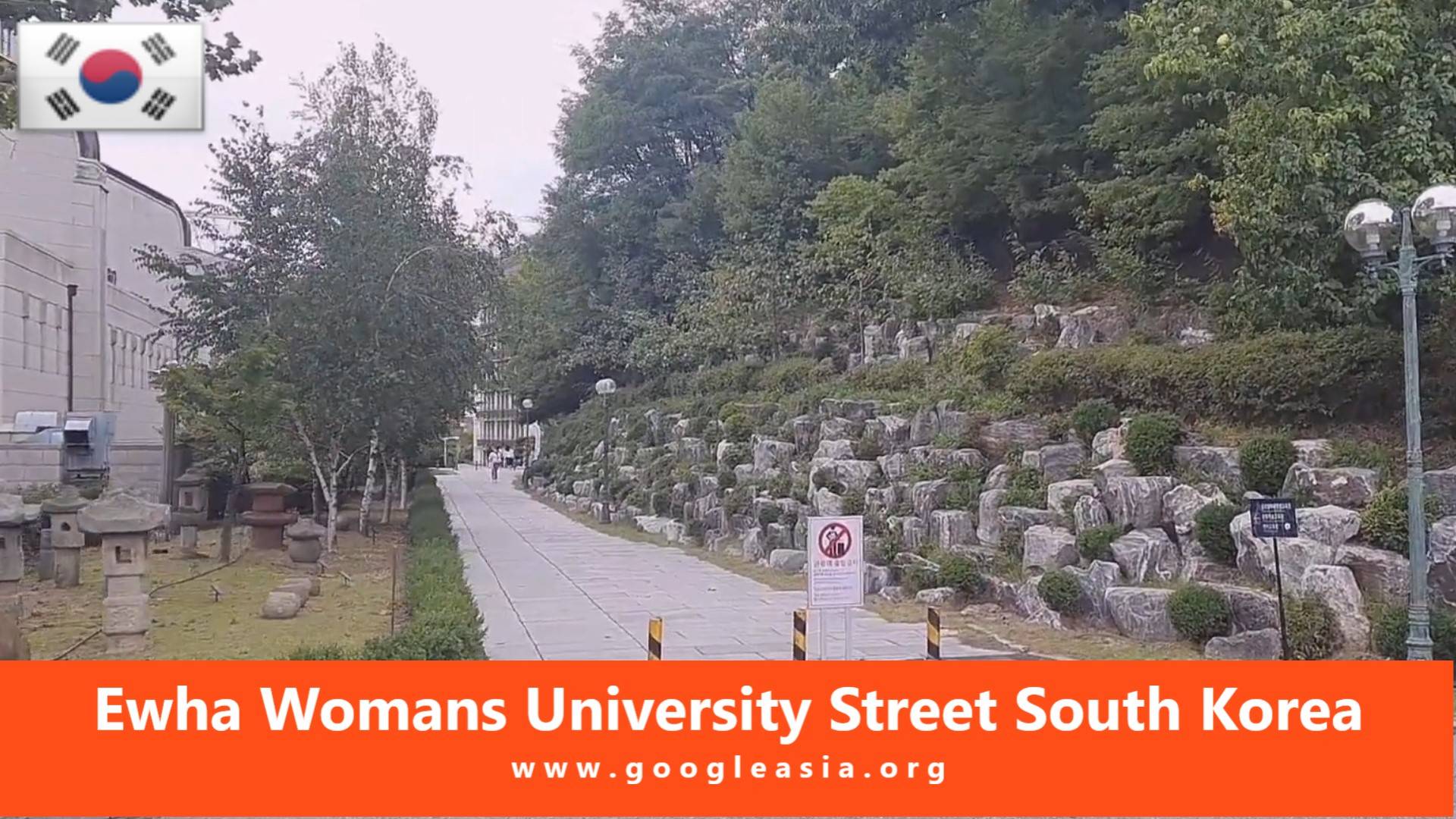
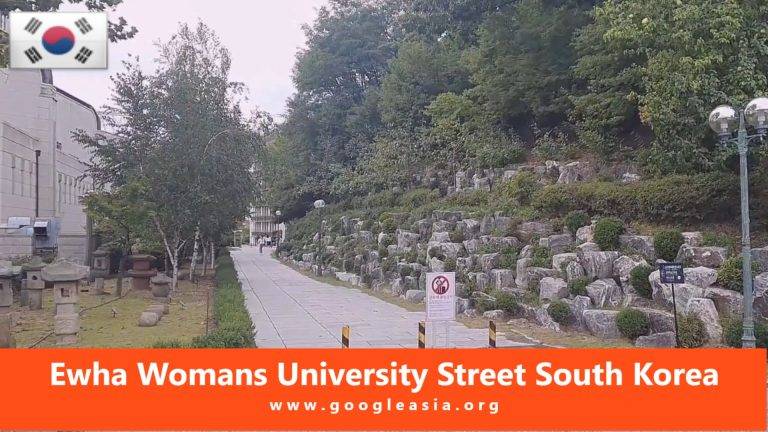
    Ewha Womans University Street South Korea

    Ewha Womans University, South Korea: The Summary

    • Attraction Name: Ewha Womans University Street
    • Country: South Korea
    • Continent: Asia
    • Capital Name: Seoul
    • Language: Korean
    • Currency: South Korean won
    • Nationality: South Korean
    • Category:  #Destination #Asia #SOUTHKOREA 


    Tell Us About Ewha Womans University, South Korea

    Ewha Womans University, located in Seoul, South Korea, is not only a prestigious institution of higher education but also a hub of vibrant cultural and social activity. A significant aspect of its charm is the bustling Ewha Womans University Street, commonly referred to as Ewha Street. This area is renowned for its shopping and beauty culture, attracting students, young professionals, and tourists alike.

    Ewha Womans University Street

    Shopping and Fashion

    Ewha Womans University Street is a paradise for shopping enthusiasts. The street is lined with numerous stores that cater to the university’s student population, offering a variety of affordable “student” clothing, cosmetics, and accessories.

    • Popular Brands: The stores on Ewha Street carry popular Korean labels such as Who A.U and J.Chung, along with imported European and American brands like Zara and H&M.
    • Affordability: Many stores focus on budget-friendly options, making it an ideal shopping destination for students and young professionals looking for trendy yet affordable fashion.

    Beauty and Cosmetics

    Beauty culture is a significant aspect of Ewha Street, with a plethora of beauty stores targeting teenage and young adult women. These stores offer a wide range of cosmetics, skincare products, and beauty services.

    • Cosmetics and Skincare: Shoppers can find a variety of Korean beauty products, known for their high quality and innovative ingredients.
    • Beauty Services: Services such as eyebrow reshaping and eyelash extensions are readily available, catering to the beauty needs of visitors.

    Dining and Entertainment

    Restaurants and Cafes

    Ewha Street is home to a diverse array of dining options, attracting a customer base of all ages including locals, students, and travelers.

    • Cafes: Numerous cafes offer a perfect spot for studying or relaxing, with a wide selection of coffee, teas, and pastries.
    • Restaurants: The area boasts a variety of restaurants serving both local Korean cuisine and international dishes, ensuring there is something to suit every palate.

    Bars and Nightlife

    In addition to shopping and dining, Ewha Street has a vibrant nightlife with several bars and entertainment venues.

    • Bars: Trendy bars and pubs attract young adults looking to unwind and socialize after a long day.
    • Entertainment: Live music and other entertainment options are also available, making Ewha Street a lively destination even after the sun sets.

    Conclusion

    Ewha Womans University Street is a dynamic and lively area that reflects the youthful energy of its student population. From affordable fashion and beauty services to diverse dining and vibrant nightlife, it offers a unique blend of cultural and social experiences. Whether you are a student, a young professional, or a tourist, Ewha Street is a must-visit destination in Seoul, South Korea.


    What are the Things to Do in Ewha Womans University, South Korea?

    Ewha Womans University Street, near the historic Ewha Womans University founded in 1886, is one of the most vibrant and lively parts of Seoul. The area is bustling with activity, particularly at night. Here are some of the top things to do in and around Ewha Womans University:

    Explore the Campus

    Wander through Ewha Campus Complex

    • Description: The Ewha Campus Complex is an iconic spot on Ewha Womans University Street, featuring beautiful buildings and architecture.
    • Activities: Take a stroll, admire the architecture, visit the agricultural museum, and explore the botanical garden to learn about local plants and animals.

    Shopping and Fashion

    Shop Till You Drop

    • Description: Ewha Womans University Street is renowned for its extensive shopping options.
    • Highlights: Discover unique street fashion, the latest electronics, and a variety of stalls, restaurants, cafés, and food stalls.

    K-Pop Culture

    Check Out the Latest K-Pop Trends

    • Description: A hot spot for K-Pop fans, the area offers numerous opportunities to engage with the latest trends.
    • Activities: Attend concerts, music shows, celebrity appearances, and live broadcasts.

    Traditional Markets

    Explore Traditional Markets

    • Description: Traditional markets are tucked away in the alleys of Ewha Womans University Street.
    • Highlights: Shop for souvenirs, traditional artifacts, and experience authentic Korean culture.

    Korean Cuisine

    Try Korean Cuisine

    • Description: The area is a fantastic location to sample traditional Korean dishes.
    • Highlights: Enjoy local dishes at traditional restaurants for an authentic flavor of Korea.

    Nightlife

    Enjoy Nightlife

    • Description: Ewha Womans University Street is famous for its vibrant nightlife.
    • Activities: Visit beer gardens, food markets, and enjoy live bands that create a lively atmosphere.

    Cultural Experiences

    Learn Korean Culture

    • Description: Cultural centers in the area offer insights into Korean culture.
    • Highlights: Visit the Ewha Museum, Seoul Museum of Art, and other nearby attractions to learn more about Korea’s heritage.

    Entertainment

    Catch a Film

    • Description: Experience Korean culture by watching a film at a local cinema.
    • Highlights: Ewha Womans University Street has luxurious and modern movie theaters that provide an excellent movie-going experience.

    Conclusion

    Ewha Womans University Street is a vibrant area offering a mix of modern attractions, cultural experiences, and traditional charm. Whether you’re interested in shopping, enjoying local cuisine, exploring cultural sites, or diving into the K-Pop scene, there’s something for everyone to enjoy in this lively part of Seoul.

    What are the Best Foods at Ewha Womans University, South Korea?

    Located in the vibrant neighborhood surrounding Ewha Womans University, there is no shortage of delicious street food options catering to diverse tastes. Whether you’re a student rushing between classes or a visitor exploring the area, here’s a guide to some of the best foods you can find near Ewha Womans University:

    Traditional Korean Eats

    Tteokbokki (Spicy Korean Rice Cakes)

    • Description: A popular Korean street food made with chewy rice cakes cooked in a spicy gochujang (red chili paste) sauce.
    • Where to Find: Numerous vendors along the streets near Ewha Womans University offer freshly made tteokbokki.

    Dak-kochi (Spicy Stir-Fried Chicken Skewers)

    • Description: Skewers of spicy marinated chicken pieces grilled to perfection.
    • Where to Find: Look for food stalls specializing in skewered meats, offering dak-kochi with a spicy kick.

    Gamja-tang (Korean Potato Stew)

    • Description: A hearty stew made with pork bones, potatoes, and vegetables in a flavorful broth.
    • Where to Find: Local restaurants and eateries in the vicinity serve gamja-tang, perfect for a filling meal.

    Unique and Specialty Foods

    Bingsu (Korean Shaved Ice)

    • Description: Sodam, a local favorite, offers various flavors of bingsu topped with sweetened condensed milk, fruit, and other toppings.
    • Where to Find: Sodam restaurant near Ewha Womans University is renowned for its refreshing bingsu desserts.

    Jinjja Gul-bbang (Traditional Chinese Steamed Buns)

    • Description: Yeonpo serves these piping hot steamed buns filled with various savory or sweet fillings, a delightful snack option.
    • Where to Find: Visit Yeonpo for a taste of these traditional steamed buns with a Korean twist.

    Street Food Delights

    • Kimchi Ramen: Spicy and flavorful ramen noodles infused with kimchi, a staple Korean dish.
    • Twisted Potato Chips: Crispy spiral-cut potatoes on skewers, seasoned with various flavors like cheese or barbecue.
    • Deep-Fried Squid: Crispy battered squid rings served hot and fresh from street vendors.
    • Donuts, Waffles, and Sundaes: Sweet treats available at dessert stalls offering indulgent options like freshly made donuts, crispy waffles, and creamy sundaes.

    Conclusion

    Ewha Womans University Street is a haven for food enthusiasts, offering a wide array of street food options that are both delicious and affordable. Whether you crave traditional Korean flavors like tteokbokki and dak-kochi, are in the mood for a refreshing bingsu dessert, or want to explore unique snacks like twisted potato chips and jinjja gul-bbang, there’s something to satisfy every palate near this bustling university campus. Enjoy exploring the vibrant food scene around Ewha Womans University for a taste of authentic Korean street food culture.

    What are the Best Hotels to Stay in Ewha Womans University, South Korea?

    Ewha Womans University, located in Seoul, South Korea, is not only renowned for its academic excellence but also for its vibrant surroundings. Here’s a guide to some of the best hotels to stay in and around Ewha Womans University Street:

    Accommodations in Ewha Womans University Street

    Ewha Womans University Guesthouse

    • Description: Located within the university campus, offering convenient access to campus facilities.
    • Amenities: Basic accommodations, shared facilities, ideal for budget-conscious travelers and students.
    • Ideal For: Students, academic visitors, and travelers seeking proximity to the university.

    The Six Seoul

    • Description: A boutique hotel near Ewha Womans University known for its stylish interiors and personalized service.
    • Amenities: Comfortable rooms, rooftop terrace, restaurant, business center.
    • Ideal For: Business travelers, couples, and tourists exploring the university district.

    Nearby Accommodations

    Namo Guesthouse Myeongdong Dormitory

    • Description: A dormitory-style guesthouse offering budget-friendly accommodations in nearby Myeongdong.
    • Amenities: Dormitory rooms, shared facilities, communal areas.
    • Ideal For: Budget travelers, backpackers, and groups looking for affordable stays.

    Gogung DMZ Myeongdong Hostel

    • Description: A cozy hostel in Myeongdong, providing easy access to shopping and dining options.
    • Amenities: Dormitory and private rooms, free Wi-Fi, lounge area.
    • Ideal For: Solo travelers, backpackers, and visitors exploring the university and city attractions.

    Central Seoul Hotels

    Hope Pension

    • Description: A charming pension offering cozy rooms and a homely atmosphere in central Seoul.
    • Amenities: Private rooms, garden, terrace, breakfast options.
    • Ideal For: Couples, families, and travelers seeking a quieter stay in the bustling city.

    Jam Inn Myeongdong

    • Description: A budget-friendly inn located in the heart of Myeongdong, known for its shopping and nightlife.
    • Amenities: Affordable rooms, shared facilities, convenient location.
    • Ideal For: Budget-conscious travelers, shoppers, and tourists exploring Seoul.

    Luxury Stays

    New Ambassador Hotel

    • Description: A luxurious hotel offering elegant rooms and upscale amenities in Gangnam.
    • Amenities: Spa, fitness center, multiple dining options, business facilities.
    • Ideal For: Business travelers, luxury seekers, and those wanting to explore Gangnam district.

    Oakwood Premier Coex Center

    • Description: A premier serviced apartment hotel near COEX Convention and Exhibition Center.
    • Amenities: Spacious apartments, kitchen facilities, swimming pool, and wellness center.
    • Ideal For: Long-term stays, families, and travelers wanting luxury and convenience.

    Grand InterContinental Seoul Parnas

    • Description: An iconic hotel in Gangnam offering luxurious accommodations and excellent service.
    • Amenities: Spa, fine dining restaurants, rooftop pool, meeting facilities.
    • Ideal For: Luxury travelers, corporate clients, and those attending events at COEX.

    Sonata Hotel Myeong-dong

    • Description: A modern hotel in Myeongdong offering comfortable rooms and city views.
    • Amenities: Restaurant, bar, fitness center, business services.
    • Ideal For: Tourists, shoppers, and travelers wanting easy access to shopping and entertainment in Myeongdong.

    Conclusion

    Whether you prefer budget-friendly accommodations near Ewha Womans University or luxurious stays in central Seoul, these hotels offer diverse options to suit every traveler’s needs. From convenient guesthouses within the university campus to luxurious hotels in bustling districts like Gangnam and Myeongdong, you can find the perfect place to stay while exploring Seoul and its vibrant surroundings.
    Frequently Asked Questions About Ewha Womans University, South Korea: Your Ultimate Guide

    Explore the latest destination attraction with ease through our comprehensive Frequently Asked Questions guide. Discover insightful answers to common queries, providing a seamless experience. Your journey begins with clarity and confidence as we address uncertainties and offer essential information. Let this guide enhance your adventure, ensuring you make the most of the latest destination attraction, leaving no question unanswered.

    Where is Ewha Womans University located?

    Ewha Womans University is located in Seoul, South Korea. The address is 52, Ewhayeodae-gil, Seodaemun-gu, Seoul 03760, South Korea.

    How to go to Ewha Womans University?

    By Subway:

    1. Line 2 (Green Line):
      • Take Seoul Subway Line 2 to Ewha Womans University Station (이대역).
      • Use Exit 2 or Exit 3.
      • The main entrance of the university is about a 5-minute walk from the station.

    By Bus:

    1. Blue Buses:

      • Bus Numbers: 163, 170, 171, 270, 271, 370, 470, 601, 602, 603, 671, 672, 673, 674, 676
      • Get off at the Ewha Womans University Bus Stop.
    2. Green Buses:

      • Bus Numbers: 5712, 5714, 6712, 7017, 7018
      • Get off at the Ewha Womans University Bus Stop.

    From Incheon International Airport:

    1. Airport Railroad (AREX) & Subway:

      • Take the AREX to Hongik University Station (홍대입구역).
      • Transfer to Line 2 (Green Line) and go to Ewha Womans University Station (이대역).
      • Use Exit 2 or Exit 3.
    2. Airport Limousine Bus:

      • Take the airport limousine bus to Ewha Womans University.
      • Buses are available at the airport and will drop you off near the university.

    By Taxi:

    • Provide the driver with the destination: 이화여자대학교 (Ewha Womans University).
    • Taxis are available throughout Seoul and can be a convenient option, especially if you have heavy luggage.

    What are Ewha Womans University’s must-visit attractions or landmarks?

    Ewha Womans University is renowned for its beautiful campus and historical landmarks. Here are some must-visit attractions:

    1. Ewha Campus Complex (ECC):
      • This modern architectural marvel, designed by Dominique Perrault, serves as the university’s hub. It features a variety of facilities including lecture halls, a library, cafes, and study spaces, all integrated into a striking underground structure.
    2. Ewha Centennial Museum:
      • The museum offers a glimpse into the university’s rich history and its role in advancing women’s education in Korea. It also hosts rotating exhibitions featuring art and cultural artifacts.
    3. Ewha’s Main Gate and Pfeiffer Hall:
      • The iconic main gate and Pfeiffer Hall are symbols of the university. Pfeiffer Hall, with its Gothic architecture, is a popular spot for photos and a representation of Ewha’s historic legacy.
    4. The Ewha Womans University Church:
      • This serene and beautiful church, with its stained glass windows and tranquil atmosphere, provides a peaceful retreat on campus.
    5. Ewha Woman’s University Museum:
      • This museum showcases traditional Korean art, including ceramics, textiles, and paintings, providing cultural insights and artistic inspiration.
    6. Hanwoori Hall:
      • This hall is an important site for student activities and events, offering a glimpse into the vibrant student life at Ewha.
    7. Ewha Womans University’s Front Garden:
      • A beautifully landscaped area perfect for a leisurely stroll or a quiet study session outdoors, particularly vibrant during the spring when the cherry blossoms are in full bloom.
    8. Alumni Memorial Hall:
      • This hall honors the achievements of Ewha’s distinguished alumni and serves as a reminder of the university’s significant impact on society.

    Visitors to Ewha Womans University can enjoy a blend of historical and modern experiences, making it a must-see destination in Seoul.

    What are Ewha Womans University’s nearby must-visit attractions or landmarks?

    1. Sinchon Area: Just a short walk from Ewha Womans University, Sinchon is a bustling area filled with shops, cafes, restaurants, and nightlife. It’s a great place to experience the youthful and vibrant atmosphere of Seoul.
    2. Hongdae (Hongik University Street): Located a few stops away on the subway, Hongdae is famous for its indie music scene, street performances, unique cafes, and trendy shops. It’s a cultural hotspot that’s popular with young people and tourists alike.
    3. Gyeongui Line Forest Park: This urban park stretches from Hongdae to Yongsan and offers a green escape within the city. It’s perfect for a leisurely stroll or a relaxing picnic.
    4. Seoul World Cup Stadium: Located nearby in Sangam-dong, this stadium is a significant landmark built for the 2002 FIFA World Cup. You can take a tour of the stadium or enjoy the surrounding parks and eco-park.
    5. Yeonsei University: Just adjacent to Ewha, Yeonsei University is another prestigious university with a beautiful campus worth exploring. It’s also a great place to experience university culture in Korea.
    6. Seodaemun Prison History Hall: A short distance from Ewha, this historical site offers a deep dive into Korea’s history during the Japanese occupation. It’s a sobering but important place to visit for those interested in history.
    7. Ewha Womans University Fashion Street: Right outside the university’s main gate, this street is lined with trendy shops, affordable boutiques, and beauty stores. It’s a popular spot for fashion enthusiasts and students.
    8. Dongnimmun Independence Gate and Park: Located in the Seodaemun area, this historical landmark commemorates Korea’s independence movement. The nearby Seodaemun Independence Park is a pleasant place to walk and learn about Korean history.

    These attractions and landmarks offer a mix of cultural, historical, and modern experiences, making them must-visit spots when you’re near Ewha Womans University.

    Why should you visit Ewha Womans University?

    Visiting Ewha Womans University offers a unique and enriching experience for several reasons:

    1. Historic Significance: As the world’s largest female educational institution and one of the oldest universities in Korea, Ewha Womans University has a rich history dating back to 1886.
    2. Architectural Beauty: The campus is renowned for its stunning architecture, blending modern and traditional designs. Notable structures include the Ewha Campus Complex (ECC) designed by Dominique Perrault and the beautiful, historical Pfeiffer Hall.
    3. Scenic Campus: The campus is beautifully landscaped, with lush greenery, picturesque walking paths, and tranquil spots perfect for relaxation and reflection.
    4. Cultural and Academic Hub: Ewha hosts numerous cultural events, exhibitions, and academic conferences, making it a vibrant place to experience Korean culture and academic excellence.
    5. Shopping and Dining: The surrounding area, Ewha Womans University Fashion Street, is famous for its trendy boutiques, cafes, and restaurants, offering a lively atmosphere and a great place for shopping and dining.
    6. Art and Museums: The campus houses the Ewha Womans University Museum, which showcases a collection of Korean art, historical artifacts, and rotating exhibitions.
    7. Accessibility: Located in the heart of Seoul, Ewha Womans University is easily accessible by public transportation, making it a convenient stop for tourists exploring the city.

    Visiting Ewha Womans University provides a blend of historical insight, cultural enrichment, and a pleasant environment, making it a must-see destination in Seoul.

    How accessible is halal food in Ewha Womans University?

    Halal food options at Ewha Womans University are somewhat limited, but there are ways to access halal meals. Here are some tips:

    1. On-Campus Options: The university campus itself may not have dedicated halal-certified restaurants. However, you can find vegetarian or seafood dishes in campus cafeterias that can be suitable for halal diets.
    2. Nearby Halal Restaurants: There are several halal restaurants and eateries near Ewha Womans University. Popular areas like Itaewon, which is a short subway ride away, have a variety of halal-certified restaurants offering diverse cuisines.
    3. Grocery Stores and Halal Ingredients: For those who prefer to cook their own meals, halal ingredients can be purchased from supermarkets and halal grocery stores in Seoul, particularly in Itaewon.
    4. Student Support and Groups: The university may have student groups or associations that can provide information and support for Muslim students, including organizing events with halal catering.
    5. Mobile Apps and Websites: Using mobile apps and websites dedicated to locating halal food can help you find nearby halal restaurants and stores.
    If you need further assistance, it’s a good idea to reach out to the university’s international student office or student groups for more detailed and personalized information.

    Web Directories

    Welcome to our comprehensive web directories! Explore a world of information and resources tailored to your interests and needs. From travel adventures to financial solutions, hobbies, reviews, and more, our curated collection of links offers something for everyone. Click on the above links to start your journey towards discovering new experiences and expanding your horizons. Your next destination awaits!

    1. https://asiaworldtour.com: “Asia World Tour: Your Gateway to Asian and World Adventures”
    2. https://personalfinancingloan.com: “Personal Financing Loan: Your Path to Financial Freedom”
    3. https://hobbyforte.com: “HobbyForte: Discover Your Car Passion, Explore Your Interests”
    4. https://reviewsanything.com: “ReviewsAnything: Your Trusted Source for Honest Gadget Reviews”
    5. https://rumahmampumilik.com: “Rumah Mampu Milik: Your Affordable Homeownership Journey Begins Here”
    6. https://malaysiadigit.com: “MalaysiaDigit: Your Digital Destination for News and Insights”
    7. https://vipmalaysia.com: “VIP Malaysia: Elevate Your Experience in Malaysia”
    8. https://nordiyana.com: “Indulge in Elegance at Nordiyana: Latest Recipe and Culinary Inspirations”
    9. https://e-penyatagaji.com: “E-Penyata Gaji: Simplifying Payroll Management for You”
    10. https://googleasia.org: “Google Asia: Explore the World and Asia’s Wonders with Google Asia”
    11. https://malaysiafit.com: “Malaysia Fit: Your Partner in Health and Wellness”
    12. https://koperasi.info: “Koperasi: Building Communities, Empowering Lives”
    13. https://recipeinside.com: “RecipeInside: Unveiling Culinary Creations, Your Guide to Delicious Dishes”
    14. https://asiahealthcenter.com: “Asia Health Center: Your Source for Holistic Wellness Solutions”
    15. https://nationalhealthcenters.com: “National Health Centers: Your Source for Vital Health Information and Community Care”
    16. https://malaysiabit.com: “MalaysiaBit: Stay Informed, Stay Connected”
    17. https://epenyatagaji.com: “E-Penyata Gaji: Your Digital Payslip Solution”
    18. https://koperasi.work: “Koperasi Work: Collaborate, Innovate, Succeed”
    19. https://koperasi.business: “Koperasi Business: Driving Entrepreneurship, Fostering Growth
  • Visiting Cheonggyecheon Stream, South Korea: Travel Guide

    Visiting Cheonggyecheon Stream, South Korea: Travel Guide

    Cheonggyecheon Stream, South Korea: Popular Tourist Attraction

    Cheonggyecheon Stream, a remarkable urban revitalization effort in Seoul, South Korea, offers a serene escape amidst the bustling cityscape. Spanning 10.9 km, this restored waterway once concealed under a highway now teems with life, boasting cascading waters, scenic walkways, and cultural landmarks like bronze sculptures and a streamside stage. Visitors can stroll along paved paths, enjoying the revitalized ecosystem and its educational displays. The stream’s perennial flow, sourced from a nearby river, adds to its allure, making it a must-visit destination for anyone seeking nature, culture, and relaxation in the heart of Seoul.


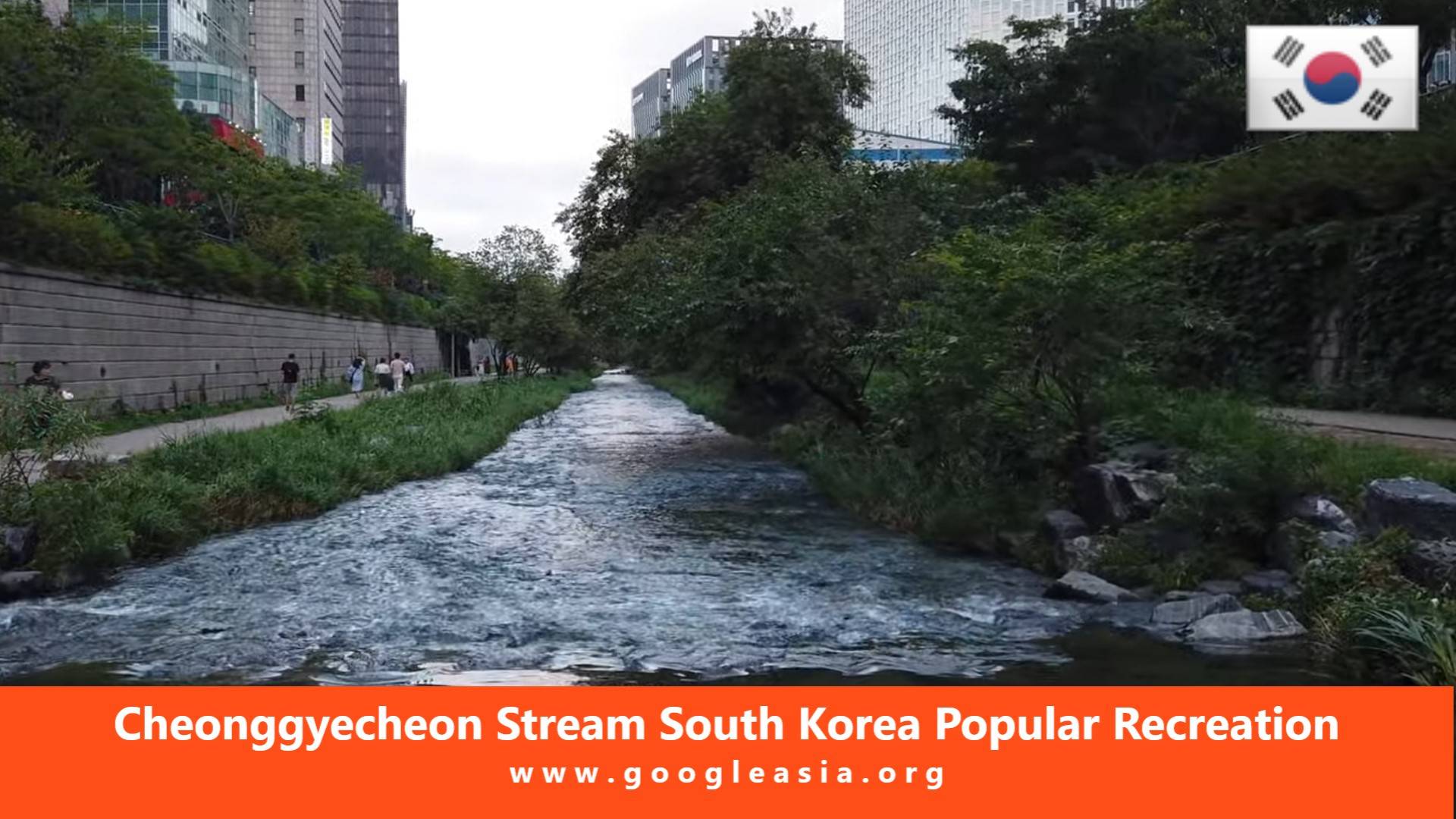
    Cheonggyecheon Stream South Korea Popular Recreation

    Cheonggyecheon Stream, South Korea: The Summary

    • Attraction Name: Cheonggyecheon Stream
    • Country: South Korea
    • Continent: Asia
    • Capital Name: Seoul
    • Language: Korean
    • Currency: South Korean won
    • Nationality: South Korean
    • Category:  #Destination #Asia #SOUTHKOREA 


    Discover Cheonggyecheon Stream, South Korea

    Cheonggyecheon Stream is a prominent urban waterway located in downtown Seoul, spanning 11.1 kilometers from Cheonggye Plaza to the Hangang River. Once marred by elevated highways and neglected areas, it underwent a transformative restoration in 2003, becoming a centerpiece of urban renewal in the city.

    Overview

    History and Restoration

    • Transformation: Originally plagued by urban blight, including highways and illegal structures, Cheonggyecheon was revitalized through a significant urban renewal initiative.
    • Natural Setting: Today, the stream flows naturally through Seoul, enhanced with trails, green spaces, and public art installations.

    Attractions and Features

    • Natural Beauty: Surrounded by lush greenery and scenic landscapes, offering a serene escape from the bustling city.
    • Public Art: Various art installations and sculptures line the stream, adding cultural richness to the urban environment.
    • Recreational Space: Popular among families, friends, joggers, and tourists for leisurely walks and recreational activities.

    Cultural Significance

    Historical Monuments

    • Seonjeongneung Royal Tombs: Nearby ancient burial grounds of Joseon Dynasty kings and queens, providing a glimpse into Korea’s royal history.
    • Changdeokgung Palace: A UNESCO World Heritage site adjacent to the stream, renowned for its historical architecture and tranquil gardens.

    Modern Urban Oasis

    • Local Community: Integral to local community life, hosting festivals, events, and cultural celebrations throughout the year.
    • Environmental Impact: Contributing to improved air quality and urban biodiversity, serving as an ecological sanctuary amidst Seoul’s urban landscape.

    Conclusion

    Cheonggyecheon Stream exemplifies Seoul’s successful integration of urban development with natural preservation and cultural heritage. Offering a blend of modern amenities, historical significance, and natural beauty, it remains a cherished destination for both locals and visitors seeking relaxation, recreation, and cultural exploration in the heart of South Korea’s capital.


    Things to Do in Cheonggyecheon Stream, South Korea

    Cheonggyecheon Stream, spanning 10.84 kilometers through downtown Seoul, South Korea, is a modern public recreation space rich in history, culture, and contemporary art. Starting from Cheonggye Plaza, it flows westward and then northward until it meets the Hangang River. Here’s a guide to exploring this vibrant urban oasis:

    Enjoy a Leisurely Stroll

    Description:

    Take a leisurely stroll along the Cheonggyecheon Stream to immerse yourself in its serene beauty. The stream is adorned with sculptures, art installations, cafes, restaurants, and shops, making it an ideal spot for a relaxing afternoon.

    Highlights:

    • Scenic Views: Enjoy picturesque views of the stream and the surrounding urban landscape.
    • Art Installations: Discover various sculptures and art pieces along the stream’s path.
    • Cultural Experience: Experience the blend of modernity and tradition in Seoul’s city center.

    Visit Cheonggyecheon Museum

    Description:

    Explore the Cheonggyecheon Museum to delve into the stream’s history and its transformation over time. The museum features a reconstructed version of the stream prior to its 2003 restoration, along with engaging exhibitions on related topics.

    Highlights:

    • Historical Insights: Learn about the stream’s significance in Seoul’s history and urban development.
    • Educational Exhibits: Explore interactive displays and artifacts that illustrate the evolution of Cheonggyecheon.
    • Architectural Features: Appreciate the museum’s architecture, designed to complement its surroundings.

    Enjoy Art Performances

    Description:

    During summer, Cheonggyecheon hosts outdoor art performances, including music concerts and dance shows. These cultural events are free to attend and offer a unique opportunity to witness Seoul’s vibrant arts scene.

    Highlights:

    • Cultural Festivities: Experience live performances against the backdrop of the stream.
    • Community Engagement: Engage with local artists and performers showcasing their talents.
    • Seasonal Delights: Enjoy the lively atmosphere and warm summer evenings by the water.

    Admire Hanji Crafts

    Description:

    Visit the “Hanji and Craft” market along Cheonggyecheon to explore and purchase handmade traditional Korean crafts. Hanji, a type of Korean paper, is used to create intricate artworks including paper crafts, sketches, and paintings.

    Highlights:

    • Artisanal Creations: Browse a diverse array of locally crafted Hanji products.
    • Unique Souvenirs: Purchase one-of-a-kind gifts and keepsakes reflecting Korean cultural heritage.
    • Support Local Artists: Interact with artisans and learn about their craft techniques.

    Sample Street Food

    Description:

    Indulge in South Korea’s renowned street food culture at Cheonggyecheon Stream. From savory hotteok (Korean pancakes) to spicy tteokbokki (rice cakes), the streamside vendors offer a tantalizing array of flavors.

    Highlights:

    • Culinary Delights: Taste authentic Korean snacks and dishes prepared fresh by local vendors.
    • Local Favorites: Discover popular street food items unique to Seoul’s bustling food scene.
    • Social Atmosphere: Enjoy foodie adventures amidst the lively ambiance of the stream.

    Attend Festivals

    Description:

    Throughout the year, Cheonggyecheon hosts vibrant festivals celebrating Korean culture and arts. Events like the Cheonggyecheon Traditional Culture Festival, Light Music Festival, and International Festival showcase diverse performances and activities.

    Highlights:

    • Cultural Celebrations: Participate in traditional dances, music performances, and cultural demonstrations.
    • Family-Friendly Activities: Engage in festival games, workshops, and interactive displays for all ages.
    • Community Spirit: Join locals and visitors alike in celebrating Seoul’s cultural heritage.

    Cheonggyecheon Stream promises a dynamic blend of relaxation, cultural exploration, and culinary delights in the heart of Seoul. Whether you’re admiring art installations, savoring street food, or enjoying festive events, each visit offers a memorable experience of this iconic urban waterway.

    Best Foods at Cheonggyecheon Stream, South Korea

    Cheonggyecheon Stream in Seoul not only offers scenic beauty but also a delightful culinary experience with a variety of Korean dishes and street foods. Here’s a guide to some of the best foods to enjoy along the stream:

    Traditional Korean Dishes

    Bul Go Gi (Thin Sliced Marinated Beef BBQ)

    • Description: Tender beef slices marinated in a savory blend of soy sauce, sesame oil, and spices, grilled to perfection.
    • Where to Find: Look for local restaurants or food stalls near Cheonggyecheon offering this popular Korean barbecue dish.

    Dduk Bok Gi (Spicy Stir-Fried Rice Cakes)

    • Description: Chewy rice cakes stir-fried in a spicy, gochujang-based sauce with vegetables and sometimes fish cakes.
    • Where to Find: Available at street food vendors along Cheonggyecheon, offering a flavorful and satisfying snack.

    Street Snacks

    Sundae (Korean Sausage)

    • Description: Korean blood sausage stuffed with glass noodles, barley, and seasoned pork, often served with spicy mustard.
    • Where to Find: Look for food carts or vendors offering this traditional street snack along the stream.

    Ho Myeon Tteokbokki (Stir Fried Rice Cakes with Vegetables)

    • Description: Rice cakes stir-fried with vegetables like cabbage and carrots in a spicy sauce.
    • Where to Find: Popular among street food vendors, offering a hearty and spicy snack option.

    Desserts

    Pat Bingsu (Shaved Ice Bowl)

    • Description: Shaved ice topped with sweet red beans, condensed milk, fruit toppings like strawberries, and a scoop of ice cream.
    • Where to Find: Dessert cafes along Cheonggyecheon offer this refreshing treat, perfect for cooling down on warm days.

    Chun-cheon Ban Ban Bingsu (Chun-cheon Marinated Cone Ice Shave)

    • Description: Shaved ice dessert originating from Chun-cheon, flavored with marinated red bean paste and condensed milk.
    • Where to Find: Look for specialty dessert shops along the stream for this unique variation of bingsu.

    Beverages

    Taegu-daechu Maeul Makgeolli (Concentrate Rice Wine)

    • Description: Traditional Korean rice wine with a sweet and slightly tangy flavor, often enjoyed with savory dishes.
    • Where to Find: Available at local bars or makgeolli houses near Cheonggyecheon, offering a taste of authentic Korean drinking culture.

    Conclusion

    Cheonggyecheon Stream is not just a picturesque spot in Seoul but also a culinary haven offering a wide range of Korean delights. Whether you’re craving traditional dishes like bul go gi and dduk bok gi, indulging in street snacks such as sundae and ho myeon tteokbokki, enjoying refreshing desserts like pat bingsu and chun-cheon ban ban bingsu, or sipping on Taegu-daechu maeul makgeolli, the stream’s food offerings promise to satisfy every palate.

    What are the Best Hotels to Stay in Cheonggyecheon Stream, South Korea?

    Cheonggyecheon Stream, located in the heart of Seoul, South Korea, offers a vibrant urban oasis with a range of accommodation options nearby. Here are some of the best hotels to consider for a stay near Cheonggyecheon Stream:

    Luxury Hotels

    Fraser Place Central Seoul

    • Description: A luxurious hotel offering spacious suites and upscale amenities.
    • Amenities: Fitness center, sauna, rooftop terrace, restaurant.
    • Ideal For: Business travelers and families seeking luxury and comfort.

    Courtyard by Marriott Seoul Times Square

    • Description: A modern hotel connected to a shopping mall with convenient access to entertainment and dining.
    • Amenities: Indoor pool, fitness center, dining options, business facilities.
    • Ideal For: Travelers looking for convenience and upscale accommodations.

    Mercure Seoul Ambassador Gangnam Sodowe

    • Description: A stylish hotel located in the Gangnam area, known for its vibrant nightlife and shopping.
    • Amenities: Rooftop bar, fitness center, restaurant, meeting rooms.
    • Ideal For: Guests wanting to experience Gangnam’s dynamic atmosphere.

    Mid-Range Hotels

    Hotel Yaja Mapo

    • Description: A comfortable hotel with modern amenities and convenient location.
    • Amenities: Free Wi-Fi, breakfast, business services, 24-hour front desk.
    • Ideal For: Budget-conscious travelers and those looking for a central location.

    Fraser Suites Seoul

    • Description: A serviced apartment hotel offering spacious rooms and long-stay options.
    • Amenities: Spa, fitness center, rooftop pool, restaurant.
    • Ideal For: Families, long-term travelers, and those seeking home-like comforts.

    ibis Styles Ambassador Seoul Yongsan

    • Description: A contemporary hotel known for its unique design and vibrant atmosphere.
    • Amenities: Buffet breakfast, free Wi-Fi, business corner, fitness center.
    • Ideal For: Travelers looking for stylish accommodations with easy access to transportation.

    Budget Hotels

    Euljiro Co-op Residence

    • Description: A budget-friendly residence offering apartment-style accommodations.
    • Amenities: Kitchenette, laundry facilities, free Wi-Fi, 24-hour front desk.
    • Ideal For: Extended stays, budget travelers, and families.

    Hotel URANO Seoul

    • Description: A cozy hotel with comfortable rooms and friendly service.
    • Amenities: Breakfast buffet, free Wi-Fi, parking, cafe.
    • Ideal For: Solo travelers, backpackers, and those looking for affordable lodging.

    Hotel MJ

    • Description: A budget hotel offering simple rooms and basic amenities.
    • Amenities: Free breakfast, Wi-Fi, 24-hour front desk, tour assistance.
    • Ideal For: Budget-conscious travelers and backpackers exploring Seoul.

    Hotel Seoul Lalitcheon

    • Description: A budget hotel with clean accommodations and convenient facilities.
    • Amenities: Free Wi-Fi, parking, breakfast, 24-hour front desk.
    • Ideal For: Budget travelers and those seeking affordable lodging near Cheonggyecheon Stream.

    Conclusion

    Whether you prefer luxury, mid-range comfort, or budget-friendly stays, the hotels near Cheonggyecheon Stream offer diverse options to suit various preferences and travel needs. Enjoy the convenience of staying near Seoul’s iconic urban waterway while exploring the city’s cultural attractions, dining scene, and vibrant nightlife.

    Frequently Asked Questions About Cheonggyecheon Stream, South Korea: Your Ultimate Guide

    Explore the latest destination attraction with ease through our comprehensive Frequently Asked Questions guide. Discover insightful answers to common queries, providing a seamless experience. Your journey begins with clarity and confidence as we address uncertainties and offer essential information. Let this guide enhance your adventure, ensuring you make the most of the latest destination attraction, leaving no question unanswered.

    Where is Cheonggyecheon Stream located?

    Cheonggyecheon Stream is located in Seoul, South Korea. It runs through the heart of Seoul, starting from Cheonggye Plaza near Insadong and flowing towards the Han River. The stream is a popular urban renewal project that has transformed a once neglected waterway into a vibrant public space.

    How to go to Cheonggyecheon Stream?

    To reach Cheonggyecheon Stream, you can use public transportation or walk from nearby areas in Seoul, South Korea. The stream runs through the heart of the city, making it easily accessible by subway or bus:

    • By Subway: Take Seoul Subway Line 1 or Line 2 to City Hall Station (시청역) or Jonggak Station (종각역). From City Hall Station, it’s a short walk west towards the stream. From Jonggak Station, head east.

    • By Bus: Many buses stop near Cheonggyecheon Stream. Look for buses that pass through areas like Gwanghwamun or Jongno.

    • On Foot: If you’re in the central area of Seoul, such as Myeongdong or Gwanghwamun, you can walk to Cheonggyecheon Stream. It’s a pleasant stroll through the bustling streets of Seoul.

    For specific entry points or more detailed directions based on your starting location, refer to local maps or transportation apps for the most accurate information.

    What are Cheonggyecheon Stream’s must-visit attractions or landmarks?

    Cheonggyecheon Stream itself is the main attraction, offering a serene oasis in the heart of Seoul. However, some key landmarks and features along the stream that you shouldn’t miss include:

    1. Cheonggye Plaza: Located at the stream’s starting point, it’s a great spot for events and performances.
    2. Palseokdam (Eight Scenic Views): These are designated viewpoints along the stream that offer picturesque perspectives of the surroundings.
    3. Jongno Bridge: One of the many bridges spanning the stream, offering a scenic view both upstream and downstream.
    4. Samilgyo Bridge: A beautiful spot where the stream passes under the bridge, often lit up with colorful lights at night.
    5. Stone Pillars of Past Bridges: These historic remnants scattered along the stream add a cultural touch to the natural landscape.
    6. Waterfalls and Ponds: Various artificial waterfalls and ponds that enhance the stream’s natural beauty and tranquility.

    Visiting these landmarks along Cheonggyecheon Stream provides a rich cultural and scenic experience, perfect for both locals and tourists exploring Seoul.

    Is Cheonggyecheon Stream a suitable travel destination for solo adventurers, honeymooning couples, or those traveling with families?

    Cheonggyecheon Stream in Seoul, South Korea, is a versatile destination suitable for various types of travelers:

    • Solo Adventurers: It’s great for solo travelers seeking peaceful strolls amidst nature in the heart of Seoul.
    • Honeymooning Couples: Offers romantic walks along the stream, especially enchanting in the evenings with its lighting and ambiance.
    • Families: Provides a family-friendly environment with wide walkways, bridges, and occasional cultural events.

    Each group can find enjoyment at Cheonggyecheon Stream, making it a recommended spot for a diverse range of travelers.

    Why should you visit Cheonggyecheon Stream?

    Cheonggyecheon Stream offers a unique blend of natural beauty and urban charm, making it a must-visit destination for several reasons:

    1. Historical Significance:
      • The stream has a rich history, having been restored from a neglected waterway to a beautiful urban oasis. It reflects Seoul’s dedication to urban renewal and environmental preservation.
    2. Scenic Beauty:
      • The stream spans 11 kilometers through downtown Seoul, offering picturesque views, tranquil water features, and beautifully landscaped surroundings.
    3. Recreational Activities:
      • Visitors can enjoy leisurely walks, picnics, and even cultural performances along the stream. There are also several bridges and pathways perfect for a relaxing stroll.
    4. Cultural Landmarks:
      • Along the stream, you’ll find various cultural and historical landmarks, including traditional Korean pavilions, sculptures, and murals that tell the story of Seoul’s past and present.
    5. Seasonal Attractions:
      • Cheonggyecheon Stream is especially popular during festivals and events. The Lantern Festival in November is a highlight, with stunning light displays and artistic installations.
    6. Eco-Friendly Design:
      • The stream’s restoration project is an excellent example of sustainable urban development. It has improved the local ecosystem, providing a habitat for various plants and wildlife.
    7. Accessibility:
      • Located in the heart of Seoul, Cheonggyecheon Stream is easily accessible by public transportation, making it a convenient stop for both tourists and locals.
    8. Photographic Opportunities:
      • The stream provides numerous opportunities for photography, with its picturesque settings, especially at night when the area is beautifully illuminated.

    Whether you’re interested in history, nature, or simply a peaceful escape from the bustling city, Cheonggyecheon Stream offers something for everyone.

    Is it difficult to find halal food in Cheonggyecheon Stream?

    While finding halal food near Cheonggyecheon Stream may require a bit of effort, it is certainly possible. Seoul is becoming increasingly accommodating to Muslim travelers, and there are several halal restaurants and eateries within a short distance of Cheonggyecheon Stream. Here are some tips to help you find halal food in the area:

    1. Use Halal Restaurant Apps: Apps like Zomato, Halal Navi, and HappyCow can help you locate halal-friendly restaurants nearby.
    2. Look for Muslim-Friendly Areas: Itaewon is known for its diverse food scene, including many halal options. It’s a short subway ride from Cheonggyecheon Stream.
    3. Check for Halal Certification: Some restaurants display halal certification or use halal ingredients. Look for these signs or ask the staff directly.
    4. International Chains: Some international fast-food chains have halal options. It’s always best to ask at the counter to confirm.
    5. Visit Nearby Mosques: Mosques often have information about nearby halal eateries. The Seoul Central Mosque in Itaewon is a good resource.

    By using these resources and tips, you can enjoy a variety of halal dining options while visiting Cheonggyecheon Stream.

    Web Directories

    Welcome to our comprehensive web directories! Explore a world of information and resources tailored to your interests and needs. From travel adventures to financial solutions, hobbies, reviews, and more, our curated collection of links offers something for everyone. Click on the above links to start your journey towards discovering new experiences and expanding your horizons. Your next destination awaits!

    1. https://asiaworldtour.com: “Asia World Tour: Your Gateway to Asian and World Adventures”
    2. https://personalfinancingloan.com: “Personal Financing Loan: Your Path to Financial Freedom”
    3. https://hobbyforte.com: “HobbyForte: Discover Your Car Passion, Explore Your Interests”
    4. https://reviewsanything.com: “ReviewsAnything: Your Trusted Source for Honest Gadget Reviews”
    5. https://rumahmampumilik.com: “Rumah Mampu Milik: Your Affordable Homeownership Journey Begins Here”
    6. https://malaysiadigit.com: “MalaysiaDigit: Your Digital Destination for News and Insights”
    7. https://vipmalaysia.com: “VIP Malaysia: Elevate Your Experience in Malaysia”
    8. https://nordiyana.com: “Indulge in Elegance at Nordiyana: Latest Recipe and Culinary Inspirations”
    9. https://e-penyatagaji.com: “E-Penyata Gaji: Simplifying Payroll Management for You”
    10. https://googleasia.org: “Google Asia: Explore the World and Asia’s Wonders with Google Asia”
    11. https://malaysiafit.com: “Malaysia Fit: Your Partner in Health and Wellness”
    12. https://koperasi.info: “Koperasi: Building Communities, Empowering Lives”
    13. https://recipeinside.com: “RecipeInside: Unveiling Culinary Creations, Your Guide to Delicious Dishes”
    14. https://asiahealthcenter.com: “Asia Health Center: Your Source for Holistic Wellness Solutions”
    15. https://nationalhealthcenters.com: “National Health Centers: Your Source for Vital Health Information and Community Care”
    16. https://malaysiabit.com: “MalaysiaBit: Stay Informed, Stay Connected”
    17. https://epenyatagaji.com: “E-Penyata Gaji: Your Digital Payslip Solution”
    18. https://koperasi.work: “Koperasi Work: Collaborate, Innovate, Succeed”
    19. https://koperasi.business: “Koperasi Business: Driving Entrepreneurship, Fostering Growth
  • Visiting Seongsan Ilchulbong, South Korea: Travel Guide

    Visiting Seongsan Ilchulbong, South Korea: Travel Guide

    Seongsan Ilchulbong, South Korea: Must-Visit Destination

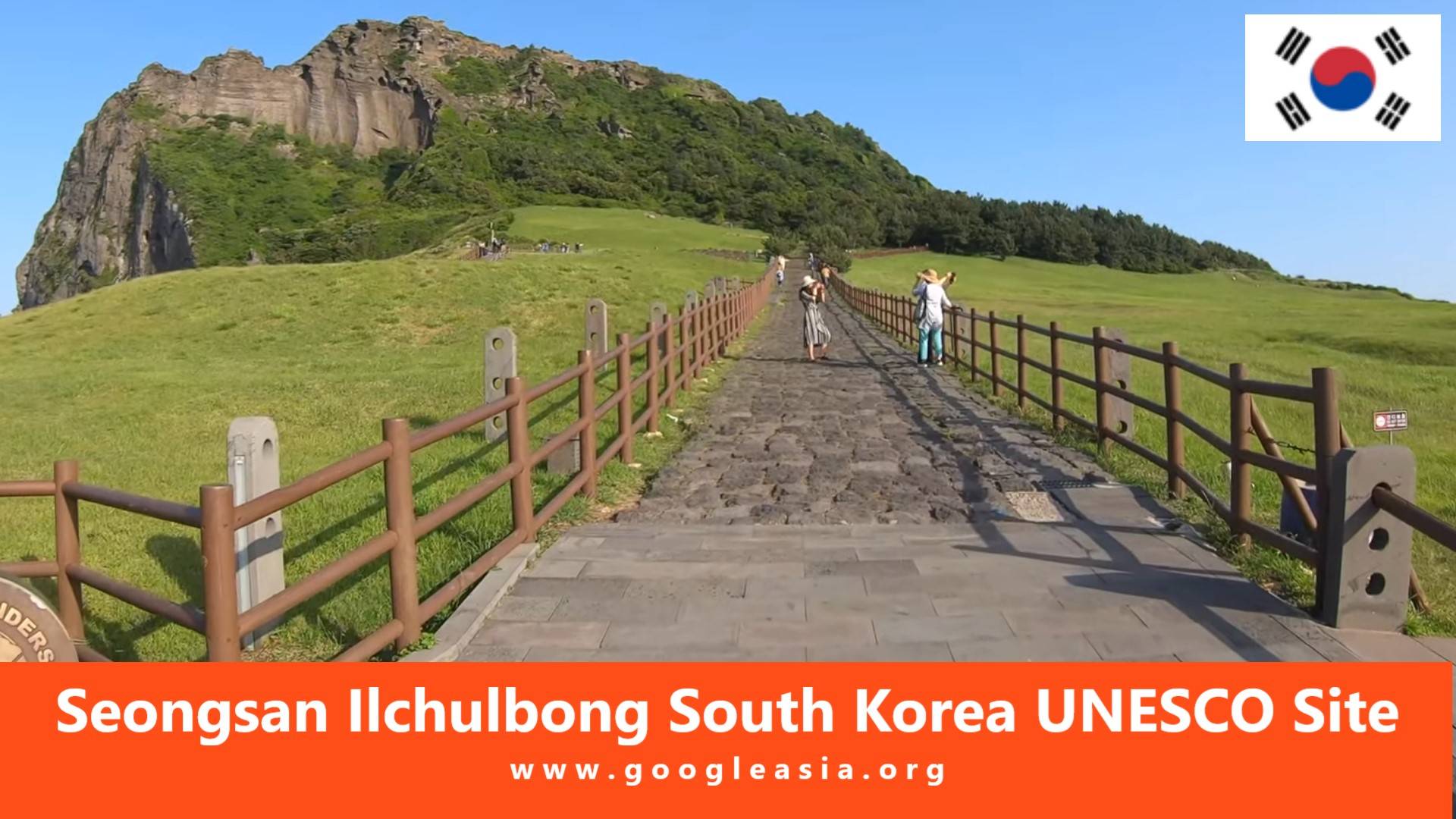
    Seongsan Ilchulbong, a UNESCO World Heritage Site on Seongsan Island, South Korea, stands as a stunning testament to nature’s artistry. Formed over 5,000 years ago by hydrovolcanic eruptions, this tuff cone offers breathtaking sunrise vistas from its 180-meter-high rim. The 1.5 km circumference of its crater provides panoramic views of Jeju Island, the East China Sea, and Ulleungdo Island. Visitors marvel at its geological marvels, hike up well-maintained trails, and witness the spectacle of sunrise illuminating the coastal landscape. Seongsan Ilchulbong is a must-visit for its natural beauty and historical significance, capturing the essence of Jeju’s volcanic heritage.


    Seongsan Ilchulbong South Korea UNESCO Site

    Seongsan Ilchulbong, South Korea: Summary

    • Attraction Name: Seongsan Ilchulbong
    • Country: South Korea
    • Continent: Asia
    • Capital Name: Seoul
    • Language: Korean
    • Currency: South Korean won
    • Nationality: South Korean
    • Category:  #Destination #Asia #SOUTHKOREA 


    Seongsan Ilchulbong: A Natural Wonder of South Korea

    Overview of Seongsan Ilchulbong

    Seongsan Ilchulbong, also known as Sunrise Peak, stands as a majestic volcanic tuff cone on Jeju Island, South Korea. This iconic natural formation is celebrated for its unique geological structure and breathtaking panoramic views.

    Geological Features

    • Location: Situated on Jeju Island, off the southern coast of South Korea.
    • Height: The main peak rises approximately 180 meters above sea level.
    • Composition: Composed of layers of volcanic lava and ash deposits, surrounded by cliffs and natural caves.
    • Crater: At its summit lies a crater filled with water, forming a picturesque natural stone pool.

    Cultural and Natural Significance

    Seongsan Ilchulbong holds significant cultural and natural importance in South Korea:

    • Sunrise Views: Renowned for offering one of the most spectacular sunrise views in the country. Watching the sunrise from the peak is a popular activity among visitors.
    • Tourist Attractions: Draws thousands of tourists annually who are captivated by the scenic ocean views and engaging in various outdoor activities.

    Activities and Attractions

    • Hiking: The well-maintained trail leading to the summit provides hikers with an exhilarating experience and rewards them with stunning vistas.
    • Paragliding: Adventurous visitors can take part in paragliding activities, soaring above the peak and enjoying bird’s-eye views of Jeju Island.
    • Rock Climbing: Enthusiasts can explore the cliffs and rock formations around Seongsan Ilchulbong, engaging in rock climbing adventures.

    Visitor Information

    • Accessibility: Accessible by public transportation or car from various points on Jeju Island.
    • Facilities: Amenities include visitor centers, hiking trails, and viewing platforms offering information and panoramic views.
    • Timing: Best visited during early morning hours to witness the sunrise and avoid crowds, especially during peak tourist seasons.

    Conservation Efforts

    • Preservation: Efforts are underway to conserve the natural beauty and biodiversity of Seongsan Ilchulbong, ensuring sustainable tourism practices.
    • Education: Educational programs and initiatives promote environmental awareness among visitors to protect the fragile ecosystem.

    Conclusion

    Seongsan Ilchulbong, or Sunrise Peak, stands as a testament to the geological wonders of Jeju Island and offers a profound cultural and natural experience for visitors. Whether hiking to the summit, witnessing the sunrise, or engaging in adventurous activities like paragliding and rock climbing, this iconic landmark continues to inspire awe and appreciation among all who visit.


    Things to Do in Seongsan Ilchulbong, South Korea

    Overview

    Seongsan Ilchulbong, located in Jeju Island, is a must-see destination in South Korea, renowned for its breathtaking volcanic crater known as ‘Sunrise Peak’. Offering panoramic views of the Pacific Ocean and the surrounding landscape, this natural wonder attracts visitors seeking to explore the beauty of South Korea’s unique geological formations.

    Hiking and Exploration

    Hiking the Crater

    • Description: Embark on a moderate uphill hike that takes approximately 1.5 hours to reach the summit of Seongsan Ilchulbong.
    • Highlights: Enjoy stunning vistas from various lookout points and witness spectacular sunrise views over the crater.
    • Terrain: Rugged terrain with diverse flora and fauna, providing opportunities for nature enthusiasts and photographers.

    Seongsan Village Exploration

    Cultural Experience

    • Seongsan Village: Immerse yourself in the local culture and traditions of this charming village.
    • Activities: Sample local cuisine, experience traditional Korean music performances, and visit cultural landmarks like the Seopseom Lighthouse.
    • Historical Significance: Explore the rich history of the area, including visits to historic sites and museums showcasing Jeju’s volcanic heritage.

    Water Activities at Haegeumgang River

    Outdoor Adventures

    • Haegeumgang River: Engage in water sports such as rafting, kayaking, and swimming in the scenic surroundings.
    • Natural Beauty: Enjoy the peaceful ambiance and scenic beauty of the valley behind Seongsan Ilchulbong.

    Cultural Attractions

    Jeju Volcano Museum

    • Educational Experience: Learn about the geological history, wildlife, and cultural significance of Jeju Island.
    • Interactive Exhibits: Participate in educational activities, documentaries, and lectures presented by local experts.
    • Visitor Experience: Gain insights into the island’s volcanic landscapes and the conservation efforts in place.

    Conclusion

    A visit to Seongsan Ilchulbong offers a blend of natural beauty, cultural exploration, and outdoor activities that cater to diverse interests. Whether you’re hiking to witness the sunrise from ‘Sunrise Peak’, exploring Seongsan Village’s cultural offerings, enjoying water sports at Haegeumgang River, or learning at the Jeju Volcano Museum, this destination promises an unforgettable experience of South Korea’s vibrant culture and stunning landscapes.

    What are the Best Foods at Seongsan Ilchulbong, South Korea?

    Seongsan Ilchulbong, also known as Sunrise Peak, is renowned not only for its breathtaking natural beauty but also for its delicious local cuisine, especially fresh seafood. Here’s a guide to some of the best foods to savor at this iconic peak:

    Local Delicacies

    Abalone Porridge

    • Description: A comforting porridge made with tender abalone pieces and savory broth.
    • Attributes: Nutritious, comforting, seafood-based.

    Steamed Abalone

    • Description: Fresh abalone steamed to perfection, highlighting its natural flavors.
    • Attributes: Tender, delicate, seafood specialty.

    Abalone Pancakes

    • Description: Crispy pancakes filled with chopped abalone and vegetables, served with dipping sauce.
    • Attributes: Crispy, savory, local favorite.

    Spicy Raw Sea Snails

    • Description: Sea snails served raw with spicy seasoning, offering a unique culinary experience.
    • Attributes: Spicy, exotic, seafood delicacy.

    Hairtail Fish Soup

    • Description: A hearty soup made with hairtail fish, vegetables, and savory broth.
    • Attributes: Nourishing, flavorful, local comfort food.

    Popular Dishes

    Rice Topped with Abalone and Sesame Leaves

    • Description: Steamed rice topped with slices of abalone and fragrant sesame leaves.
    • Attributes: Aromatic, wholesome, traditional Korean dish.

    Raw Oyster Bibimbap

    • Description: Bibimbap topped with fresh raw oysters, mixed with rice and assorted vegetables.
    • Attributes: Fresh, vibrant, fusion of flavors.

    Grilled Fish

    • Description: Fresh fish grilled to perfection, showcasing the natural flavors of the sea.
    • Attributes: Smoky, succulent, classic Korean seafood dish.

    Conclusion

    Exploring Seongsan Ilchulbong isn’t just about enjoying the stunning views—it’s also an opportunity to indulge in the region’s delectable seafood offerings. From abalone specialties to fresh seafood soups and unique local dishes, the culinary delights at Seongsan Ilchulbong promise to enhance your visit with unforgettable flavors and a taste of authentic Korean cuisine.

    What are the Best Hotels to Stay in Seongsan Ilchulbong, South Korea?

    Seongsan Ilchulbong, known for its iconic volcanic crater and beautiful landscapes, offers a range of accommodation options for visitors. Whether you’re looking for luxury, mid-range comfort, or budget-friendly stays, here are some of the best hotels to consider:

    Luxury Hotels

    Heukgwawon Hotel

    • Description: A luxurious hotel offering elegant rooms and impeccable service.
    • Amenities: Spa, fine dining restaurants, indoor and outdoor pools.
    • Ideal For: Luxury travelers, honeymooners, and those seeking a pampering experience.

    Yonghwa Hillside Hotel

    • Description: Nestled in a scenic location with panoramic views of Seongsan Ilchulbong.
    • Amenities: Private balconies, gourmet dining, wellness spa.
    • Ideal For: Couples, families, and nature enthusiasts looking for luxury amidst natural beauty.

    Cheonjiyeon Hotel

    • Description: A prestigious hotel with modern amenities and convenient access to local attractions.
    • Amenities: Rooftop terrace, fitness center, restaurant with sea views.
    • Ideal For: Business travelers, families, and travelers looking for comfort and convenience.

    Mid-Range Hotels

    Ilchulbong Guest House

    • Description: A cozy guest house offering comfortable rooms and personalized service.
    • Amenities: Shared kitchen, common lounge area, bicycle rental.
    • Ideal For: Budget-conscious travelers, backpackers, and those looking for a local experience.

    Seongsan Ilchulbong Aqua Bed and Breakfast

    • Description: A charming bed and breakfast with a focus on eco-friendly practices.
    • Amenities: Organic breakfast, sea-view rooms, outdoor activities.
    • Ideal For: Eco-conscious travelers, couples, and families seeking a serene stay.

    Gomadang Pension

    • Description: A family-run pension offering homely accommodations and warm hospitality.
    • Amenities: Garden, barbecue facilities, free Wi-Fi.
    • Ideal For: Families, groups, and travelers looking for a relaxed atmosphere.

    Budget Hotels

    Sunrise Yacht

    • Description: Unique accommodations aboard a yacht with stunning views of the sunrise.
    • Amenities: Deck lounge, breakfast included, sailing excursions.
    • Ideal For: Adventurous travelers, couples, and those looking for a memorable stay on the water.

    Seongsan Ilchulbong Jungmok Hotel

    • Description: A budget-friendly hotel with basic amenities and convenient location.
    • Amenities: Free parking, Wi-Fi, breakfast options.
    • Ideal For: Budget travelers, solo adventurers, and backpackers exploring the area.

    Hotel Pondong

    • Description: A cozy hotel offering affordable rooms and friendly service.
    • Amenities: On-site restaurant, comfortable beds, city views.
    • Ideal For: Budget-conscious travelers and visitors looking for simplicity and value.

    Conclusion

    Seongsan Ilchulbong offers a variety of accommodation options that cater to different preferences and budgets. Whether you prefer luxury, mid-range comfort, or budget-friendly stays, these hotels provide excellent choices for a memorable visit to this scenic and iconic destination in South Korea.

    Frequently Asked Questions About Seongsan Ilchulbong, South Korea: Your Ultimate Guide

    Explore the latest destination attraction with ease through our comprehensive Frequently Asked Questions guide. Discover insightful answers to common queries, providing a seamless experience. Your journey begins with clarity and confidence as we address uncertainties and offer essential information. Let this guide enhance your adventure, ensuring you make the most of the latest destination attraction, leaving no question unanswered.

    Where is Seongsan Ilchulbong located?

    Seongsan Ilchulbong, also known as Sunrise Peak, is located on the eastern coast of Jeju Island in South Korea. It specifically lies in Seongsan-eup (Seongsan Township), which is part of Seogwipo City, Jeju Special Self-Governing Province. The peak is notable for its distinctive crater and is a UNESCO World Heritage site due to its geological significance and natural beauty.

    How to go to Seongsan Ilchulbong?

    1. From Jeju City:
      • By Bus: Take an intercity bus from Jeju City to Seongsan-eup (Seongsan Township). Buses are available from Jeju Intercity Bus Terminal.
      • By Car: Drive east from Jeju City, following signs towards Seongsan Ilchulbong. The journey takes approximately 1.5 to 2 hours, depending on traffic and route.
    2. From Seogwipo City:
      • By Bus: Take an intercity bus from Seogwipo Intercity Bus Terminal to Seongsan-eup.
      • By Car: Drive north from Seogwipo City, following signs towards Seongsan Ilchulbong. The drive typically takes around 1.5 hours.
    3. Local Transport:
      • Taxis and rental cars are available from major cities like Jeju and Seogwipo. Taxis can be hired for a more direct and flexible journey.
    4. On Foot:
      • For those staying nearby, it’s possible to walk to Seongsan Ilchulbong from accommodations in Seongsan-eup, though it can be a longer walk depending on your exact location.

    Seongsan Ilchulbong is well-connected by roads and accessible by both public and private transportation, making it relatively easy to reach from various points on Jeju Island.

    What are Seongsan Ilchulbong’s must-visit attractions or landmarks?

    1. Sunrise and Sunset Views: Experience the breathtaking beauty of sunrise or sunset from the peak, offering panoramic views of the crater and surrounding coastline.
    2. Seongsan Crater: Explore the volcanic crater itself, a UNESCO World Heritage site known for its unique formation and ecological diversity.
    3. Hiking Trails: Enjoy scenic hiking trails that lead to the summit, providing opportunities to discover diverse flora and fauna native to Jeju Island.
    4. Visitor Center: Visit the Seongsan Ilchulbong Visitor Center to learn about the geological history of the area and its cultural significance.
    5. Cultural Performances: During peak tourist seasons, you may encounter cultural performances or demonstrations that showcase local traditions and practices.
    6. Photography Spots: Capture memorable photos of the iconic peak and its surroundings, including views of the sea and nearby islands.

    Each of these attractions offers a unique perspective on Seongsan Ilchulbong’s natural beauty and cultural significance, making it a must-visit destination for travelers to Jeju Island.

    Is Seongsan Ilchulbong a suitable travel destination for solo adventurers, honeymooning couples, or those traveling with families?

    Seongsan Ilchulbong offers something for every type of traveler:

    1. Solo Adventurers: Ideal for solo travelers seeking adventure and solitude. Hiking trails provide opportunities for exploration, and the stunning views from the summit offer a serene experience.
    2. Honeymooning Couples: Perfect for couples looking to create memorable experiences together. Watching the sunrise or sunset from Seongsan Ilchulbong’s peak is a romantic activity, and the picturesque setting provides a backdrop for romantic moments.
    3. Families: Suitable for families with children who enjoy outdoor activities. The moderate hiking trails are manageable for most ages, and the educational aspect of exploring a UNESCO World Heritage site adds to the experience.

    Whether you’re seeking adventure, romance, or family-friendly activities, Seongsan Ilchulbong caters to diverse interests, making it a recommended destination for various types of travelers.

    Why should you visit Seongsan Ilchulbong?

    Seongsan Ilchulbong, also known as Sunrise Peak, offers a breathtaking natural spectacle that draws visitors from around the world. Here’s why it’s worth a visit:

    1. Stunning Views: Witness a spectacular sunrise or sunset from the summit, with panoramic views of the surrounding ocean and rugged coastline.
    2. Unique Geological Formation: Explore the volcanic crater, which is listed as a UNESCO World Heritage site for its geological significance and beauty.
    3. Hiking Trails: Enjoy scenic hiking trails that lead to the peak, offering opportunities to discover diverse flora and fauna along the way.
    4. Cultural Significance: Learn about local legends and cultural stories associated with Seongsan Ilchulbong, enriching your understanding of Jeju Island’s heritage.
    5. Photography Opportunities: Capture unforgettable moments against the backdrop of this iconic natural landmark, perfect for photography enthusiasts.

    Visiting Seongsan Ilchulbong promises a memorable experience blending natural beauty, adventure, and cultural exploration.

    Is there any halal food available in the vicinity of the Seongsan Ilchulbong?

    Yes, there are several halal food options available in the vicinity of Seongsan Ilchulbong (Sunrise Peak) on Jeju Island, South Korea. Many restaurants and cafes in the area cater to tourists, including those who prefer halal meals. It’s a good idea to look for restaurants that explicitly advertise halal food or inquire at local eateries to ensure your dietary preferences are accommodated. If you’re staying at a hotel, they might also be able to recommend nearby halal dining options.

    Web Directories

    Welcome to our comprehensive web directories! Explore a world of information and resources tailored to your interests and needs. From travel adventures to financial solutions, hobbies, reviews, and more, our curated collection of links offers something for everyone. Click on the above links to start your journey towards discovering new experiences and expanding your horizons. Your next destination awaits!

    1. https://asiaworldtour.com: “Asia World Tour: Your Gateway to Asian and World Adventures”
    2. https://personalfinancingloan.com: “Personal Financing Loan: Your Path to Financial Freedom”
    3. https://hobbyforte.com: “HobbyForte: Discover Your Car Passion, Explore Your Interests”
    4. https://reviewsanything.com: “ReviewsAnything: Your Trusted Source for Honest Gadget Reviews”
    5. https://rumahmampumilik.com: “Rumah Mampu Milik: Your Affordable Homeownership Journey Begins Here”
    6. https://malaysiadigit.com: “MalaysiaDigit: Your Digital Destination for News and Insights”
    7. https://vipmalaysia.com: “VIP Malaysia: Elevate Your Experience in Malaysia”
    8. https://nordiyana.com: “Indulge in Elegance at Nordiyana: Latest Recipe and Culinary Inspirations”
    9. https://e-penyatagaji.com: “E-Penyata Gaji: Simplifying Payroll Management for You”
    10. https://googleasia.org: “Google Asia: Explore the World and Asia’s Wonders with Google Asia”
    11. https://malaysiafit.com: “Malaysia Fit: Your Partner in Health and Wellness”
    12. https://koperasi.info: “Koperasi: Building Communities, Empowering Lives”
    13. https://recipeinside.com: “RecipeInside: Unveiling Culinary Creations, Your Guide to Delicious Dishes”
    14. https://asiahealthcenter.com: “Asia Health Center: Your Source for Holistic Wellness Solutions”
    15. https://nationalhealthcenters.com: “National Health Centers: Your Source for Vital Health Information and Community Care”
    16. https://malaysiabit.com: “MalaysiaBit: Stay Informed, Stay Connected”
    17. https://epenyatagaji.com: “E-Penyata Gaji: Your Digital Payslip Solution”
    18. https://koperasi.work: “Koperasi Work: Collaborate, Innovate, Succeed”
    19. https://koperasi.business: “Koperasi Business: Driving Entrepreneurship, Fostering Growth
  • Visiting Bukchon Hanok Village, South Korea: Travel Guide

    Visiting Bukchon Hanok Village, South Korea: Travel Guide

    Bukchon Hanok Village, South Korea: Must-Visit Destination

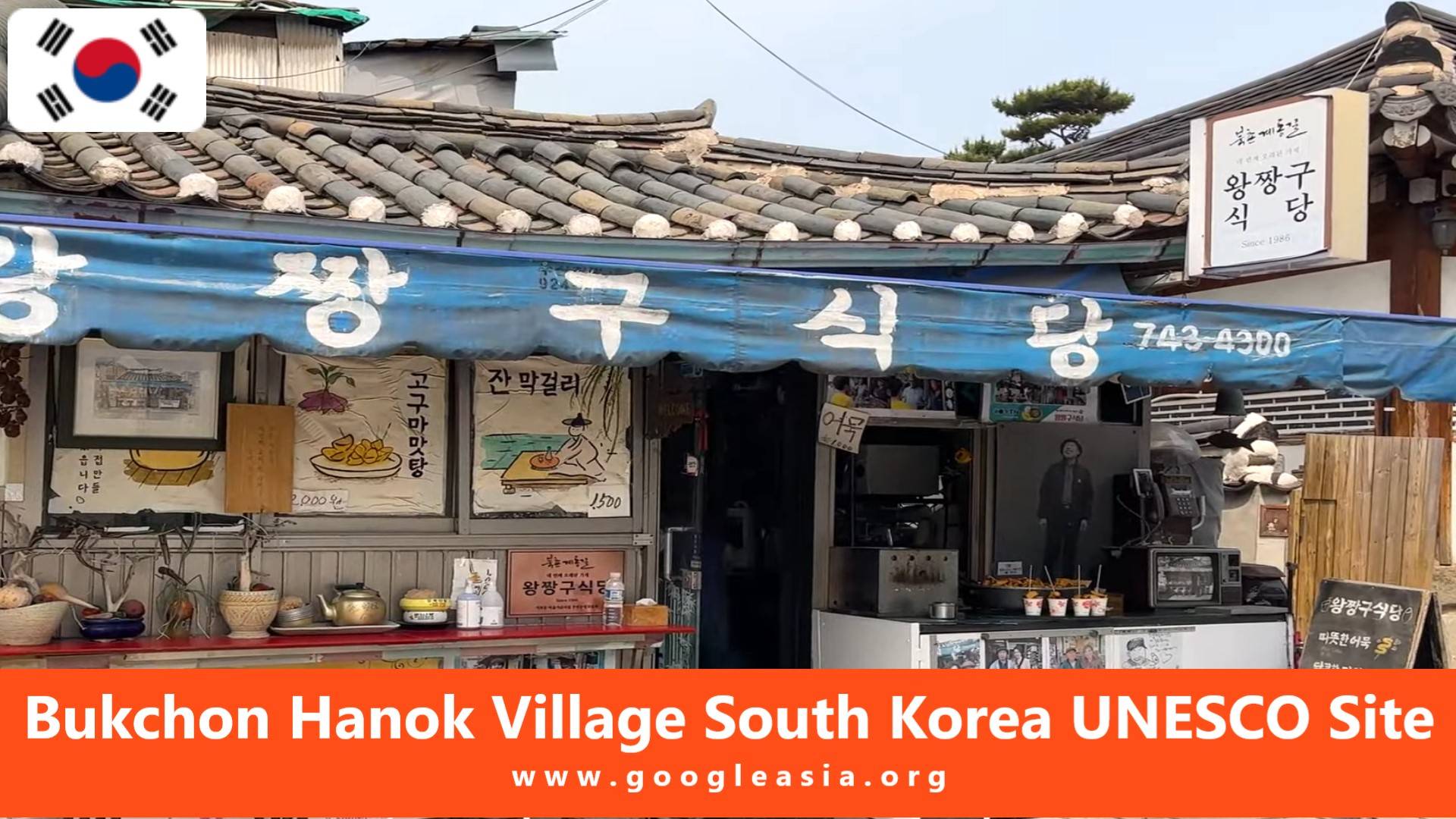
    Immerse yourself in the historic ambiance of Bukchon Hanok Village, where winding alleyways lead to beautifully preserved hanok homes dating back 600 years. This cultural enclave offers a glimpse into traditional Korean life during the Joseon Dynasty, amidst the backdrop of Changdeokgung Palace’s serene landscapes. Wander through artisan shops, cozy cafes, and art galleries nestled among these architectural treasures. Whether you’re captivated by the intricate designs of hanok roofs or the tranquil courtyards, Bukchon Hanok Village promises a journey back in time, enriched by Seoul’s vibrant cultural heritage.


    Bukchon Hanok Village South Korea UNESCO Site

    Bukchon Hanok Village, South Korea: Summary

    • Attraction Name: Bukchon Hanok Village
    • Country: South Korea
    • Continent: Asia
    • Capital Name: Seoul
    • Language: Korean
    • Currency: South Korean won
    • Nationality: South Korean
    • Category:  #Destination #Asia #SOUTHKOREA 


    Explore Bukchon Hanok Village, South Korea

    Discovering Traditional Korean Heritage

    Bukchon Hanok Village, nestled in the heart of Seoul, South Korea, is a captivating glimpse into the country’s rich cultural heritage dating back to the Joseon Dynasty. Here’s everything you need to know about this historical gem:

    Historical Significance and Architecture

    • Location: Situated centrally in Seoul, Bukchon Hanok Village showcases well-preserved Hanok houses, traditional Korean wooden dwellings that were prevalent during the Joseon period.
    • Architectural Charm: The village’s narrow alleys and streets are lined with classic mud walls and tiled roofs, offering a nostalgic ambiance that transports visitors back in time.

    Cultural and Artistic Enclave

    • Visitor Experience: Many of the Hanok houses are open to the public, inviting exploration and providing insights into traditional Korean lifestyles.
    • Artisan Workshops: The area is home to various artisan workshops where visitors can witness traditional crafts such as pottery and weaving firsthand.
    • Traditional Stores and Restaurants: Explore quaint shops offering Korean handicrafts and dine at traditional restaurants serving authentic Korean cuisine.

    Festivals and Cultural Activities

    • Cultural Attractions: Bukchon Hanok Village hosts cultural attractions like museums and galleries, showcasing artifacts and artworks reflecting Korea’s cultural legacy.
    • Annual Festivals: Experience vibrant festivals that celebrate Korean traditions, including performances, traditional music, and dance.

    Planning Your Visit

    • Best Time to Visit: Spring and autumn offer pleasant weather, ideal for exploring outdoor attractions.
    • Getting There: Easily accessible by public transportation from major Seoul landmarks.
    • Visitor Tips: Wear comfortable shoes for walking along the village’s hilly terrain and be respectful of residents and cultural sites.

    Conclusion

    Bukchon Hanok Village is more than just a collection of historic homes; it’s a living testament to Korea’s cultural roots and architectural legacy. Whether you’re strolling through its charming streets, admiring traditional crafts, or participating in cultural festivities, Bukchon Hanok Village promises an enriching and memorable experience for all visitors interested in exploring Korea’s traditional way of life.


    Things to Do in Bukchon Hanok Village, South Korea

    Bukchon Hanok Village, nestled between Gyeongbokgung Palace and Changdeokgung Palace in Seoul, offers a glimpse into traditional Korean life with its well-preserved hanoks (traditional Korean homes). Here’s a guide to exploring this historic village:

    Exploring the Village

    Guided or Self-Guided Tours

    • Description: Begin your visit with a guided tour to understand the village’s layout and history.
    • Activities: Walk through narrow alleys lined with cafes, shops selling Korean goods, and galleries showcasing local art.

    Traditional Architecture

    Hanok Exploration

    • Description: Explore traditional houses from the Joseon dynasty.
    • Highlights: Admire the architectural details and learn about ancient Korean building techniques.
    • Unique Features: Some hanoks offer insights into daily life and historical practices.

    Hanji Craft Shops

    • Description: Discover shops selling hanji, traditional Korean paper used for crafts and art.
    • Activities: Purchase authentic hanji items as souvenirs or gifts.

    Culinary Delights

    Local Cuisine

    • Description: Enjoy Korean delicacies at village cafes and restaurants.
    • Must-Try Dishes: Sample Bibimbap, a savory rice bowl with vegetables, beef, and egg.
    • Sweet Treats: Try Patbingsu, shaved ice dessert with sweet toppings, perfect for hot summer days.

    Cultural Experiences

    Traditional Performances

    • Description: Attend performances of Korean music and dance.
    • Activities: Immerse yourself in the vibrant cultural heritage of Korea.

    Workshops and Classes

    • Description: Participate in cooking classes or traditional crafts workshops.
    • Hands-On Activities: Learn silk-making techniques or create your own Korean handicrafts.

    Souvenir Shopping

    Traditional Items

    • Description: Visit souvenir shops offering a variety of traditional Korean goods.
    • Recommendation: Purchase unique items to remember your visit to Bukchon Hanok Village.

    Conclusion

    Bukchon Hanok Village is not just a historic site but a vibrant cultural hub where visitors can engage in guided tours, explore traditional architecture, indulge in local cuisine, and participate in cultural activities. Whether you’re interested in history, art, food, or immersive cultural experiences, this village offers a rich tapestry of Korean heritage waiting to be explored.

    What are the Best Foods at Bukchon Hanok Village, South Korea?

    Bukchon Hanok Village, nestled in the heart of Seoul, offers not only a glimpse into traditional Korean architecture but also a delightful array of local culinary delights. Here’s a guide to some of the must-try foods in this historic neighborhood:

    Local Delicacies

    Sujeong Mandu

    • Description: Known for its handmade mandu (dumplings) filled with various savory ingredients.
    • Must-Try: Classic pork or kimchi mandu, served steamed or fried.
    • Location: Sujeong Mandu restaurant, renowned for its authentic flavors and cozy atmosphere.

    Tteokbokki Dakgangjeong

    • Description: Spicy tteokbokki (rice cake stew) paired with crispy dakgangjeong (fried chicken).
    • Must-Try: Enjoy the fiery kick of tteokbokki and the crunchy goodness of dakgangjeong.
    • Location: Tteokbokki Dakgangjeong eatery, a popular spot for locals and tourists alike.

    Itaewon Dubu

    • Description: Dubu-jeongol, a hearty tofu hot pot filled with tofu, vegetables, and a flavorful broth.
    • Must-Try: Savor the delicate flavors of soft tofu combined with fresh vegetables.
    • Location: Itaewon Dubu restaurant, known for its traditional Korean stews and comforting dishes.

    Traditional Favorites

    Oh-seon

    • Description: Hanchi-gukbap, a satisfying set meal of rice and soup typically featuring pork or beef.
    • Must-Try: Experience the wholesome flavors of Korean rice and soup combinations.
    • Location: Oh-seon dining spot, offering a cozy dining experience with a focus on local ingredients.

    Jeonbok Soondae

    • Description: Soondae, Korean blood sausage filled with noodles, barley, and pork blood.
    • Must-Try: Sample this unique Korean delicacy known for its rich flavors and chewy texture.
    • Location: Jeonbok Soondae specialty shop, celebrated for its fresh and flavorful offerings.

    Hanok Kalguksu

    • Description: Kalguksu, hand-cut noodle soup featuring thick, chewy noodles in a savory broth.
    • Must-Try: Enjoy the simplicity and heartiness of Korean noodle soup.
    • Location: Hanok Kalguksu eatery, serving up steaming bowls of comfort in a traditional setting.

    Culinary Highlights

    Jenny’s Galbi Jjim

    • Description: Galbi jjim, Korean braised short-ribs marinated in a savory sauce with vegetables.
    • Must-Try: Indulge in tender, flavorful meat simmered to perfection.
    • Location: Jenny’s Galbi Jjim restaurant, renowned for its tender braised dishes and warm ambiance.

    Conclusion

    Bukchon Hanok Village not only offers a glimpse into Seoul’s historical charm but also serves as a vibrant culinary hub where traditional Korean flavors come alive. From steaming bowls of kalguksu to savory bites of mandu and indulgent galbi jjim, these local favorites promise a memorable dining experience amidst traditional hanok architecture.

    What are the Best Foods at Bukchon Hanok Village, South Korea?

    Bukchon Hanok Village, nestled in the heart of Seoul, offers not only a glimpse into traditional Korean architecture but also a delightful array of culinary delights. Here’s a guide to some of the must-try foods in this charming neighborhood:

    Local Delicacies and Must-Try Dishes

    Sujeong Mandu (Dumplings) from Sujeong Mandu

    • Description: Handmade dumplings filled with savory ingredients.
    • Specialty: Known for their delicate skins and flavorful fillings.
    • Ideal For: Snacking while exploring the village’s narrow alleys and historic hanok houses.

    Tteokbokki (Rice Cake Stew) from Tteokbokki Dakgangjeong

    • Description: Spicy and chewy rice cakes simmered in a rich gochujang (red chili paste) sauce.
    • Specialty: Offers a perfect balance of sweet, spicy, and savory flavors.
    • Ideal For: Warm and comforting street food experience during chilly days.

    Dubu-Jeongol (Tofu Hot Pot) from Itaewon Dubu

    • Description: A hearty hot pot featuring soft tofu and fresh vegetables in a savory broth.
    • Specialty: Provides a wholesome and nutritious meal with a mild yet satisfying taste.
    • Ideal For: Sharing with friends or family after a day of exploring Bukchon Hanok Village.

    Hanchi-Gukbap (Rice and Soup Set) from Oh-seon

    • Description: A traditional set meal featuring rice served with a flavorful soup and various side dishes.
    • Specialty: Reflects authentic Korean home-cooked flavors and local culinary traditions.
    • Ideal For: Those seeking a fulfilling and authentic dining experience in a cozy setting.

    Soondae (Blood Sausage) from Jeonbok Soondae

    • Description: Korean blood sausage made with a mixture of pork blood, sweet potato noodles, and seasoning.
    • Specialty: Served with kimchi and dipping sauces, offering a unique blend of textures and flavors.
    • Ideal For: Adventurous eaters looking to taste traditional Korean street food.

    Kalguksu (Hand-Cut Noodle Soup) from Hanok Kalguksu

    • Description: Freshly made wheat noodles served in a hearty broth with vegetables and sometimes seafood or chicken.
    • Specialty: Known for its simplicity and comforting qualities, often enjoyed year-round.
    • Ideal For: Noodle enthusiasts seeking a wholesome and satisfying meal.

    Galbi Jjim (Korean Braised Short-Ribs) from Jenny’s Galbi Jjim

    • Description: Tender short ribs marinated and slow-cooked in a savory sauce with vegetables.
    • Specialty: Offers a taste of Korean braising techniques and flavors.
    • Ideal For: Those craving a savory and tender meat dish with a touch of sweetness.

    Exploring Bukchon Hanok Village Through Its Cuisine

    Bukchon Hanok Village not only offers a picturesque backdrop of traditional Korean architecture but also a rich tapestry of culinary delights. Whether you’re strolling through its quaint streets or exploring its historical sites, these local foods promise to enhance your visit with authentic flavors and cultural experiences.

    Frequently Asked Questions About Bukchon Hanok Village, South Korea: Your Ultimate Guide

    Explore the latest destination attraction with ease through our comprehensive Frequently Asked Questions guide. Discover insightful answers to common queries, providing a seamless experience. Your journey begins with clarity and confidence as we address uncertainties and offer essential information. Let this guide enhance your adventure, ensuring you make the most of the latest destination attraction, leaving no question unanswered.

    Where is Bukchon Hanok Village located?

    Bukchon Hanok Village is located in the heart of Seoul, South Korea. Specifically, it spans across the neighborhoods of Gahoe-dong, Wonseo-dong, and Jae-dong in Jongno-gu district. This area is known for its well-preserved traditional Korean hanok houses, nestled amidst the bustling urban landscape of Seoul. It is situated close to major landmarks such as Gyeongbokgung Palace and Insadong, making it a popular cultural destination in the city.

    How to go to Bukchon Hanok Village?

    1. By Subway:
      • Take Seoul Metro Line 3 (Orange Line) to Anguk Station (Exit 2). Bukchon Hanok Village is a short walk from the station.
    2. By Bus:
      • Take a bus to either Anguk Station or Gyeongbokgung Palace. From Anguk Station, Bukchon Hanok Village is within walking distance (Exit 2). From Gyeongbokgung Palace, it’s a short walk to Bukchon Hanok Village’s northern entrance.
    3. By Taxi:
      • Taxis are readily available in Seoul and can drop you off near Bukchon Hanok Village’s entrances. It’s convenient if you prefer direct transportation.
    4. On Foot:
      • Depending on your location in central Seoul, Bukchon Hanok Village is accessible on foot from nearby areas such as Insadong or Gyeongbokgung Palace. Use maps or navigation apps for guidance.

    Bukchon Hanok Village is centrally located in Seoul and easily accessible via public transportation, making it convenient to visit for tourists and locals alike.

    What are Bukchon Hanok Village’s must-visit attractions or landmarks?

    1. Hanok Houses: Explore the well-preserved traditional Korean houses (hanok) dating back to the Joseon Dynasty, showcasing exquisite architecture and cultural heritage.
    2. Bukchon Cultural Center: Visit this center to learn about the history and significance of Bukchon Hanok Village through exhibitions, workshops, and cultural performances.
    3. Gahoe Museum: Discover traditional Korean artifacts and artworks related to daily life, crafts, and culture of the Joseon period.
    4. Bukchon Observatory: Climb to this viewpoint for panoramic views of the hanok village, Seoul’s skyline, and nearby landmarks like N Seoul Tower.
    5. Samcheong-dong: Adjacent to Bukchon Hanok Village, this neighborhood offers trendy cafes, boutiques, and art galleries, blending contemporary culture with historical charm.
    6. Hanbok Experience Centers: Rent traditional Korean attire (hanbok) and explore the village while dressed in colorful garments, enhancing your cultural immersion.
    7. Cafes and Restaurants: Enjoy Korean tea houses, traditional eateries, and modern cafes nestled within the village’s alleys, offering a taste of both local and international cuisines.

    Visiting these attractions allows you to experience the rich cultural heritage and scenic beauty of Bukchon Hanok Village, making it a memorable destination in Seoul for history enthusiasts, culture seekers, and anyone interested in exploring traditional Korean architecture and lifestyle.

    Is Bukchon Hanok Village a suitable travel destination for solo adventurers, honeymooning couples, or those traveling with families?

    Bukchon Hanok Village offers something unique for various types of travelers:

    1. Solo Adventurers: Ideal for solo travelers interested in history, culture, and photography. Exploring the narrow alleyways and traditional hanok houses provides a tranquil and introspective experience.
    2. Honeymooning Couples: Perfect for couples seeking a romantic and cultural getaway. Strolling hand-in-hand through the village’s picturesque streets and enjoying traditional Korean activities like tea ceremonies create memorable moments.
    3. Families: Suitable for families with children interested in cultural exploration. Children can engage in hands-on activities such as making traditional crafts or trying on hanbok, fostering a deeper understanding of Korean traditions.

    Whether you’re seeking cultural immersion, relaxation, or educational experiences, Bukchon Hanok Village caters to a diverse range of interests, making it a recommended destination for travelers of all kinds.

    Why should you visit Bukchon Hanok Village?

    Bukchon Hanok Village offers a unique glimpse into traditional Korean architecture and culture, making it a must-visit destination for several reasons:

    1. Historical Significance: Explore well-preserved hanok houses dating back to the Joseon Dynasty, providing insight into Korean traditional lifestyle and architecture.

    2. Scenic Views: Enjoy picturesque views of Seoul’s cityscape juxtaposed with the traditional rooftops and narrow alleys of hanok houses, offering excellent photo opportunities.

    3. Cultural Experience: Participate in cultural activities such as tea ceremonies, traditional craft workshops, and hanbok (traditional Korean attire) rentals, immersing yourself in Korean heritage.

    4. Art and Galleries: Discover art galleries, museums, and cultural centers within the village that showcase Korean art, history, and contemporary culture.

    5. Panoramic Views: Climb nearby hills like Bukchon Observatory or Samcheong Park for panoramic views of Bukchon Hanok Village and its surroundings.

    Visiting Bukchon Hanok Village provides a serene escape into Korea’s past while offering opportunities to appreciate its present cultural vibrancy within the heart of Seoul.

    How accessible is halal food in Bukchon Hanok Village?

    Finding halal food directly within Bukchon Hanok Village itself may be challenging, as it primarily consists of traditional Korean hanok houses and cultural attractions rather than restaurants. However, you can find halal dining options in nearby areas like Insadong or Itaewon in Seoul, which are easily accessible from Bukchon Hanok Village. These areas have a variety of restaurants catering to halal dietary requirements, including Korean, Middle Eastern, and international cuisines. It’s advisable to plan your dining options ahead or use mobile apps that list halal-certified restaurants in Seoul for convenience.

    Web Directories

    Welcome to our comprehensive web directories! Explore a world of information and resources tailored to your interests and needs. From travel adventures to financial solutions, hobbies, reviews, and more, our curated collection of links offers something for everyone. Click on the above links to start your journey towards discovering new experiences and expanding your horizons. Your next destination awaits!

    1. https://asiaworldtour.com: “Asia World Tour: Your Gateway to Asian and World Adventures”
    2. https://personalfinancingloan.com: “Personal Financing Loan: Your Path to Financial Freedom”
    3. https://hobbyforte.com: “HobbyForte: Discover Your Car Passion, Explore Your Interests”
    4. https://reviewsanything.com: “ReviewsAnything: Your Trusted Source for Honest Gadget Reviews”
    5. https://rumahmampumilik.com: “Rumah Mampu Milik: Your Affordable Homeownership Journey Begins Here”
    6. https://malaysiadigit.com: “MalaysiaDigit: Your Digital Destination for News and Insights”
    7. https://vipmalaysia.com: “VIP Malaysia: Elevate Your Experience in Malaysia”
    8. https://nordiyana.com: “Indulge in Elegance at Nordiyana: Latest Recipe and Culinary Inspirations”
    9. https://e-penyatagaji.com: “E-Penyata Gaji: Simplifying Payroll Management for You”
    10. https://googleasia.org: “Google Asia: Explore the World and Asia’s Wonders with Google Asia”
    11. https://malaysiafit.com: “Malaysia Fit: Your Partner in Health and Wellness”
    12. https://koperasi.info: “Koperasi: Building Communities, Empowering Lives”
    13. https://recipeinside.com: “RecipeInside: Unveiling Culinary Creations, Your Guide to Delicious Dishes”
    14. https://asiahealthcenter.com: “Asia Health Center: Your Source for Holistic Wellness Solutions”
    15. https://nationalhealthcenters.com: “National Health Centers: Your Source for Vital Health Information and Community Care”
    16. https://malaysiabit.com: “MalaysiaBit: Stay Informed, Stay Connected”
    17. https://epenyatagaji.com: “E-Penyata Gaji: Your Digital Payslip Solution”
    18. https://koperasi.work: “Koperasi Work: Collaborate, Innovate, Succeed”
    19. https://koperasi.business: “Koperasi Business: Driving Entrepreneurship, Fostering Growth
  • Visiting The Demilitarized Zone (DMZ), South Korea: Travel Guide

    Visiting The Demilitarized Zone (DMZ), South Korea: Travel Guide

    Demilitarized Zone (DMZ), South Korea: Must-Visit Destination

    The Demilitarized Zone (DMZ) is a buffer between North and South Korea, established by the 1953 Armistice Agreement. It is a stretch of land 240 km long and 4 km wide, that acted as an inter-Korean border, separating North and South Korea. Both sides remain heavily armed in the area.


    Demilitarized Zone (DMZ) South Korea Inter Border

    Demilitarized Zone (DMZ): Summary

    • Attraction Name: Demilitarized Zone (DMZ)
    • Country: South Korea
    • Continent: Asia
    • Capital Name: Seoul
    • Language: Korean
    • Currency: South Korean won
    • Nationality: South Korean
    • Category:  #Destination #Asia #SOUTHKOREA 


    Tell Us About Demilitarized Zone (DMZ), South Korea

    The Demilitarized Zone (DMZ) of South Korea is a significant area of historical and geopolitical importance, serving as a buffer zone between North and South Korea. Here’s an in-depth look at what the DMZ encompasses and why it remains a focal point of international interest.

    Overview of the DMZ

    What is the Demilitarized Zone (DMZ)?

    • Definition: The DMZ is a 2.5-mile-wide strip of land that has separated North and South Korea since the end of the Korean War in 1953.
    • Purpose: Established as a buffer zone to prevent further military conflict and to facilitate peace talks between the two Koreas.

    Historical Background

    • Formation: The DMZ was created following the Korean Armistice Agreement signed on July 27, 1953, effectively ending active combat but not the state of war.
    • Length and Borders: It stretches approximately 250 kilometers (160 miles) across the Korean Peninsula, from the East Sea (Sea of Japan) to the Yellow Sea.

    Key Attractions and Sites in the DMZ

    Joint Security Area (JSA)

    • Description: The JSA is the only area within the DMZ where North and South Korean forces stand face-to-face. It includes the famous Panmunjom village.
    • Highlights: The Freedom House, Conference Row, and the Military Demarcation Line (MDL) where visitors can cross into North Korea.

    The Freedom Bridge

    • Significance: Originally used by POWs to return to their homelands after the armistice agreement.
    • Features: The bridge is a poignant reminder of the Korean War’s human toll and a symbol of hope for reunification.

    Third Infiltration Tunnel

    • Description: One of the four known tunnels dug by North Korea under the DMZ, discovered in 1978.
    • Details: The tunnel is approximately 1.7 kilometers long, 2 meters high, and 2 meters wide, meant to facilitate a surprise attack on Seoul.

    Tourist Attractions and Activities

    DMZ Observatory

    • Location: Situated at the Dora Observatory, offering a view of North Korea’s Gyeonggi Province.
    • Experience: Visitors can look through binoculars to see the North Korean village of Kaesong and the mountainous landscape.

    Dora Station

    • Overview: A train station at the edge of the DMZ, serving as the northernmost railway station in South Korea.
    • Significance: The station is part of the planned reconnection of the inter-Korean railway system.

    Imjingak Park

    • Features: This park includes the Memorial for the Reunification of the Korean Peninsula, the Freedom Bridge, and several monuments dedicated to peace.
    • Activities: Visitors can explore the park’s historical markers and enjoy its scenic landscapes.

    The DMZ’s Role in International Relations

    Military Significance

    • Fortifications: Known as one of the most heavily militarized borders globally, the DMZ is heavily fortified with mines, fences, and watchtowers.
    • Security: It remains a focal point of military tension and is heavily monitored by both North and South Korean forces.

    Peace and Diplomacy

    • Negotiation Venue: The DMZ has hosted several landmark talks and summits, including the inter-Korean summits and discussions aimed at denuclearization.
    • Symbol of Peace: Despite its history of conflict, the DMZ is increasingly viewed as a symbol of hope and a potential site for future peace-building efforts.

    Visiting the DMZ

    Best Time to Visit

    • Seasonal Considerations: The best time to visit is during spring and autumn when the weather is mild, and visibility is good.
    • Tour Availability: Guided tours are available daily, providing educational insights and safe access to key sites within the DMZ.

    Safety and Regulations

    • Tour Guidelines: Visitors must adhere to strict guidelines, including staying with their tour group, not taking unauthorized photos, and respecting military zones.
    • Documentation: Valid identification is required for all visitors to enter the DMZ area.

    Conclusion

    The Demilitarized Zone (DMZ) of South Korea is a profound symbol of the Korean conflict and a critical area for international peace efforts. It offers visitors a unique opportunity to witness one of the world’s most significant geopolitical boundaries while exploring historical landmarks and engaging in reflections on peace and reunification. Whether you’re a history enthusiast, a peace advocate, or a curious traveler, the DMZ provides an unforgettable and thought-provoking experience.


    Things to Do in Demilitarized Zone (DMZ), South Korea

    Overview

    The Demilitarized Zone (DMZ) is a strip of land near the 38th Parallel on the Korean peninsula that serves as a buffer between North and South Korea. It is a fascinating area and visitors can experience a place few have experienced before.

    Public Tour Program

    One of the most popular activities for visitors to the DMZ is the Public Tour Program offered by the Republic of Korea Ministry of National Defense. The tour takes visitors to three main areas:

    Third Infiltration Tunnel

    The Third Infiltration Tunnel was an underground tunnel discovered by South Korea, created by the North Korean military to invade the South. Visitors can walk down the tunnel to the North Korean border, gaining insights into the tense history between the two Koreas.

    Dorasan Observatory

    At the Dorasan Observatory, visitors can view North Korea from a distance. This observation point offers panoramic views and provides an opportunity to imagine the lives of people living in the secluded country. It is also an excellent spot for capturing stunning photographs of the landscape.

    Joint Security Area (JSA)

    In the Joint Security Area, visitors can experience a truly unique encounter. Here, they may come face to face with North Korean soldiers who stand guard at the blue and silver buildings with roofs that cross the border. Visitors can also visit the iconic Bridge of No Return, where thousands of prisoners of war crossed during past conflicts.

    Learning About Korean History and Culture

    Visitors to the DMZ also have the opportunity to learn about Korean history and culture:

    Optional Tour to Unification Museum

    Located outside of the DMZ, the Unification Museum offers exhibitions about the Korean War, as well as insights into the history and culture of both North and South Korea. This optional tour provides deeper context to the geopolitical situation and the lives of people on both sides of the DMZ.

    Conclusion

    The DMZ experience offers visitors a rare and insightful opportunity to visit and learn about a place that remains divided. It allows visitors to understand the history, culture, and people of one of the most volatile places in the world. Exploring the DMZ is not only educational but also a way to witness firsthand the ongoing legacy of the Korean War and the hopes for future reunification.

    Best Foods at Demilitarized Zone (DMZ), South Korea

    Introduction

    The Demilitarized Zone (DMZ) in South Korea, known for its historical significance and unique geopolitical status, also offers a culinary experience that reflects the richness of Korean cuisine. Here are some of the best foods to try while visiting the DMZ area.

    Best Foods to Try

    Samgyetang (Ginseng Chicken Soup)

    • Description: A nutritious soup made with whole young chicken stuffed with ginseng, garlic, rice, and jujube, simmered to perfection.
    • Attributes: Nutritious, hearty, traditional Korean medicinal food.

    Eo brood (Buckwheat Pancake)

    • Description: Buckwheat pancakes typically filled with various ingredients such as vegetables, seafood, or kimchi, served crispy and flavorful.
    • Attributes: Crispy, savory, ideal for snacking or as a side dish.

    Goon mandu (Kimchi Dumplings)

    • Description: Dumplings filled with spicy kimchi and pork or beef, steamed or fried to a delicious golden brown.
    • Attributes: Spicy, savory, popular street food choice.

    Bulgogi (Marinated Beef)

    • Description: Thinly sliced beef marinated in a sweet and savory sauce made from soy sauce, sugar, sesame oil, and garlic, grilled or stir-fried.
    • Attributes: Tender, flavorful, classic Korean barbecue dish.

    Mandu guksu (Korean-style Dumpling Soup)

    • Description: Hand-cut wheat noodles served in a clear broth with hearty dumplings filled with meat and vegetables.
    • Attributes: Comforting, filling, traditional Korean soup.

    Bibimbap (Rice With Vegetables, Beef, and Chili Sauce)

    • Description: A bowl of steamed rice topped with assorted vegetables, bulgogi (marinated beef), a fried egg, and spicy gochujang (chili pepper paste).
    • Attributes: Colorful, balanced, iconic Korean mixed rice dish.

    Dak bal (Spicy Chicken Feet)

    • Description: Chicken feet cooked in a spicy sauce made with soy sauce, garlic, ginger, and gochujang (chili paste), offering a unique texture and flavor.
    • Attributes: Spicy, gelatinous, adventurous Korean dish.

    Ojingeo bokkeum (Stir-fried Spicy Squid)

    • Description: Tender squid stir-fried with vegetables and a spicy sauce, typically served with rice or as a side dish.
    • Attributes: Spicy, seafood-rich, popular Korean stir-fry.

    Naengmyeon (Cold Buckwheat Noodles)

    • Description: Chilled buckwheat noodles served in a tangy iced broth with slices of cucumber, pear, and a boiled egg.
    • Attributes: Refreshing, cooling, perfect for hot summer days.

    Hangwa (Traditional Korean Sweets)

    • Description: Assorted traditional Korean sweets made from ingredients like honey, glutinous rice flour, and nuts, often served during special occasions.
    • Attributes: Sweet, delicate, cultural Korean dessert.

    Conclusion

    Exploring the Demilitarized Zone (DMZ) in South Korea offers not only a glimpse into history but also an opportunity to savor some of the best dishes that Korean cuisine has to offer. Whether you’re enjoying a hearty bowl of samgyetang or indulging in spicy dak bal, these foods reflect the flavors and traditions of South Korea, making your visit to the DMZ a truly memorable culinary experience.

    Best Hotels near the Demilitarized Zone (DMZ), South Korea

    Overview

    Planning a visit to the Demilitarized Zone (DMZ) in South Korea offers a unique opportunity to explore one of the world’s most heavily guarded borders. Whether you’re interested in historical tours, cultural experiences, or simply seeking a place to stay near the DMZ, several hotels cater to different preferences and budgets.

    Recommended Hotels

    Dreamy Tourist Hotel & Resort, Paju

    • Location: Paju
    • Description: A luxurious resort-style hotel offering comfortable accommodations and scenic views.
    • Highlights: Ideal for relaxation after a day of exploring the DMZ.

    Unification Observatory Hotel, Imjingak

    • Location: Imjingak
    • Description: Located near the Unification Observatory, offering rooms with views of the DMZ.
    • Highlights: Provides insights into the Korean War history and peaceful surroundings.

    Railway Hotel, Paju

    • Location: Paju
    • Description: A modern hotel conveniently located near transportation hubs.
    • Highlights: Perfect for travelers looking to explore nearby attractions and restaurants.

    Korea Memories Hotel, Paju

    • Location: Paju
    • Description: Known for its cozy atmosphere and friendly service.
    • Highlights: Close proximity to cultural sites and DMZ tour starting points.

    Demilitarized Zone Tourist Hotel, Cheorwon

    • Location: Cheorwon
    • Description: Offers a unique experience with themed rooms related to the DMZ.
    • Highlights: Direct access to historical sites and stunning natural landscapes.

    Deokjeok Island Hotel, Ganghwa

    • Location: Ganghwa
    • Description: A tranquil retreat on Deokjeok Island, known for its peaceful environment.
    • Highlights: Explore the island’s history and nearby attractions.

    Myeongdong Top Guesthouse, Seoul

    • Location: Seoul (near DMZ tour departure points)
    • Description: Budget-friendly guesthouse with easy access to DMZ tours.
    • Highlights: Vibrant neighborhood with shopping and dining options.

    Edelweiss Hotel, Paju

    • Location: Paju
    • Description: Offers a blend of comfort and convenience, suitable for business and leisure travelers.
    • Highlights: Close to cultural landmarks and shopping centers.

    Harmony Hotel, Goseong

    • Location: Goseong
    • Description: A family-friendly hotel with spacious accommodations and scenic views.
    • Highlights: Explore Goseong’s natural beauty and historical sites.

    Dorasan Korea House, Paju

    • Location: Paju
    • Description: A unique hotel offering insights into Korean reunification efforts.
    • Highlights: Adjacent to Dorasan Station, the northernmost railway station in South Korea.

    Conclusion

    Choosing the right hotel near the DMZ enhances your experience of exploring this historically significant area. Whether you prefer luxury resorts, budget-friendly guesthouses, or hotels with thematic ties to Korean history, these recommendations provide options to suit every traveler’s needs. Plan your stay accordingly to make the most of your visit to the Demilitarized Zone in South Korea.

    Frequently Asked Questions About Demilitarized Zone (DMZ), South Korea: Your Ultimate Guide

    Explore the latest destination attraction with ease through our comprehensive Frequently Asked Questions guide. Discover insightful answers to common queries, providing a seamless experience. Your journey begins with clarity and confidence as we address uncertainties and offer essential information. Let this guide enhance your adventure, ensuring you make the most of the latest destination attraction, leaving no question unanswered.

    Where is Demilitarized Zone (DMZ) located?

    The Demilitarized Zone (DMZ) is located on the Korean Peninsula, separating North Korea and South Korea. It runs roughly along the 38th parallel north, stretching across the width of the peninsula for about 250 kilometers (160 miles). The DMZ serves as a buffer zone between the two Koreas, established following the Korean War armistice in 1953. It is one of the most heavily fortified borders in the world, symbolizing the division of Korea into two separate states with distinct political systems and ideologies.

    How to go to Demilitarized Zone (DMZ)?

    How to Go to the Demilitarized Zone (DMZ):

    1. Organized Tours:

      • From Seoul: The most common way to visit the DMZ is through organized tours departing from Seoul. Many tour companies offer half-day or full-day tours that include transportation, guided visits to key DMZ sites such as the Joint Security Area (JSA), Third Tunnel of Aggression, and Dorasan Observatory, as well as commentary on the history and significance of the area.
      • Booking: It’s recommended to book DMZ tours in advance, as they often include entry permits and can be popular among tourists.
    2. Public Transportation:

      • By Train: Take a train from Seoul to Dorasan Station, the northernmost train station in South Korea. However, access to most DMZ sites requires joining a guided tour, even if arriving by train.
      • By Bus: Some tours may include bus transportation directly to the DMZ area. Public buses from Seoul to nearby towns like Paju City or Yeoncheon may also be available, but transfers to specific DMZ sites are usually required.
    3. Private Transportation:

      • By Car: If you have your own vehicle or rent a car, driving to the DMZ is possible. However, entry to certain areas within the DMZ is restricted, so guided tours are still recommended for accessing key sites.
    4. Tourist Information Centers:

      • Visit tourist information centers in Seoul or nearby towns for updated information on tours, transportation options, and DMZ visiting regulations.

    Visiting the DMZ requires careful planning due to its sensitive military nature and restricted access to certain areas. Most visitors opt for guided tours from Seoul to ensure a comprehensive and safe experience.

    What’s the climate like in Demilitarized Zone (DMZ)?

    The climate in the Demilitarized Zone (DMZ), which is located on the Korean Peninsula, is generally characterized as being in the humid continental climate zone. Here are some key features of the climate in the DMZ region:

    1. Seasonal Variations: Like the rest of South Korea, the DMZ experiences distinct seasons:

      • Spring: Mild and usually pleasant, with cherry blossoms blooming in April.
      • Summer: Warm to hot, with high humidity levels. July and August are the hottest months.
      • Autumn: Cool and dry, known for beautiful foliage in October and November.
      • Winter: Cold and dry, with occasional snowfall. December to February are the coldest months.
    2. Temperature Range: Temperatures vary significantly throughout the year:

      • Summer highs can reach 30-35°C (86-95°F), while winter lows can drop to -10°C (14°F) or lower.
      • Spring and autumn offer moderate temperatures, typically ranging from 10-20°C (50-68°F).
    3. Precipitation: The DMZ receives a moderate amount of rainfall throughout the year, with slightly higher precipitation levels in summer due to monsoon rains.

    4. Wind Patterns: The region can experience strong winds at times, influenced by its location between the Yellow Sea and the Sea of Japan (East Sea).

    When visiting the DMZ, it’s advisable to check the current weather conditions and pack accordingly, especially if planning outdoor activities or tours that involve visiting various sites within the area.

    What are Demilitarized Zone (DMZ)’s must-visit attractions or landmarks?

    The Demilitarized Zone (DMZ) offers several significant attractions and landmarks for visitors:

    1. Joint Security Area (JSA): Witness the tense atmosphere where North and South Korean soldiers stand face-to-face. Visitors can step into the blue conference rooms that straddle the Military Demarcation Line (MDL).
    2. Dorasan Observatory: Enjoy panoramic views into North Korea from this observation point, providing insights into the secretive country’s landscape and activities near the border.
    3. Third Tunnel of Aggression: Explore one of the tunnels dug by North Korea beneath the DMZ, discovered as part of their infiltration attempts into South Korea.
    4. Dorasan Station: Visit the northernmost train station in South Korea, symbolic of hopes for eventual reunification, with tracks that were once intended to connect through North Korea to the rest of Asia.
    5. Dora Observatory: Another viewpoint offering glimpses into North Korea, including the propaganda village of Kijŏng-dong and the North Korean city of Kaesong.

    Visiting these landmarks within the DMZ provides a unique opportunity to understand the history, tensions, and efforts for peace on the Korean Peninsula, making it a memorable and educational experience for visitors.

    Is Demilitarized Zone (DMZ) a suitable travel destination for solo adventurers, honeymooning couples, or those traveling with families?

    The DMZ offers different experiences that can appeal to various types of travelers:

    1. Solo Adventurers: Ideal for solo travelers interested in history, geopolitics, and cultural exploration. Visiting the DMZ provides a unique opportunity for introspection and learning about one of the world’s most significant geopolitical divides.
    2. Honeymooning Couples: While not traditionally romantic, couples interested in history and global affairs may find the DMZ a thought-provoking and memorable destination. It offers unique experiences and a chance to reflect on international relations.
    3. Families: Suitable for families with older children (depending on tour restrictions), especially those interested in history and educational experiences. Many tours offer insights into the Korean War and efforts for peace, which can be enriching for children and adults alike.

    Overall, while the DMZ may not be a typical leisure destination, it provides a meaningful and educational experience for travelers interested in history, geopolitics, and the Korean Peninsula’s ongoing story of division and reconciliation.

    Why should you visit Demilitarized Zone (DMZ)?

    The Demilitarized Zone (DMZ) between North and South Korea is a unique and historically significant area that attracts visitors for several reasons:

    1. Historical Significance: Experience a firsthand glimpse into the Cold War history and the division of Korea into North and South. The DMZ symbolizes the unresolved tensions and the lasting impact of the Korean War.
    2. Panmunjom (Joint Security Area): Visit the famous Joint Security Area (JSA) within the DMZ, where military negotiations between North and South Korea still take place. Witness the blue UN buildings and the border line between the two Koreas.
    3. Third Tunnel of Aggression: Explore one of the tunnels dug by North Korea beneath the DMZ, discovered as part of their attempted infiltration into South Korea.
    4. Dorasan Observatory: Enjoy panoramic views into North Korea from the Dorasan Observatory, offering a glimpse into the secretive nation and its border area.
    5. Cultural and Educational Experience: Learn about the ongoing efforts for peace and reconciliation between North and South Korea through museums and exhibitions in the DMZ area.
    6. Symbol of Hope: Witness efforts towards peace and reunification, with hopes of one day seeing the DMZ transformed from a symbol of division to a symbol of unity.

    Visiting the DMZ offers a profound and educational experience, providing insights into geopolitics, history, and the human impact of divided nations, making it a compelling destination for travelers interested in global affairs and Korean history.

    Is there any halal food available in the vicinity of the Demilitarized Zone (DMZ)?

    Finding halal food in the immediate vicinity of the Demilitarized Zone (DMZ) can be challenging due to its location primarily within a military buffer zone. However, there are options available in nearby cities or towns that cater to halal dietary needs, such as Paju City or areas closer to Seoul. It’s advisable to plan ahead or consult with local guides or tour operators who may be able to provide more specific information on halal dining options near the DMZ area.

    Can you see North Korea from the Demilitarized Zone (DMZ)?

    Yes, you can see into North Korea from certain points within the Demilitarized Zone (DMZ), particularly from designated observation points like the Dorasan Observatory and the Joint Security Area (JSA). These locations offer visitors a glimpse across the DMZ into North Korea, allowing them to view landmarks such as the Kijŏng-dong propaganda village and other structures in the North Korean border area.

    However, access to these observation points and visibility into North Korea can vary depending on security conditions and tour arrangements. Visiting these areas typically requires joining a guided tour that provides access to restricted zones and ensures safety protocols are followed.

    Can we visit North Korea?

    Visiting North Korea (Democratic People’s Republic of Korea, DPRK) as a tourist is highly restricted and controlled by the North Korean government. Here are some key points to consider:

    1. Tourist Access: Foreign tourists can visit North Korea, but only through approved tour operators authorized by the North Korean government. Independent travel is not permitted.

    2. Tour Arrangements: Tourists typically visit North Korea as part of organized group tours that are closely monitored by North Korean guides and authorities.

    3. Tourist Sites: Tourist itineraries in North Korea are usually limited to approved sites and attractions, such as monuments, museums, and controlled visits to designated areas.

    4. Restrictions: There are strict rules and regulations imposed on tourists, including limitations on photography, interactions with locals, and access to communication with the outside world.

    5. Political Situation: Travel to North Korea can be influenced by political tensions and international relations. It’s essential to stay informed about current travel advisories and restrictions.

    Due to these factors, visiting North Korea is considered challenging, and travelers must carefully consider the risks and implications associated with visiting a highly controlled and isolated country.

    Web Directories

    Welcome to our comprehensive web directories! Explore a world of information and resources tailored to your interests and needs. From travel adventures to financial solutions, hobbies, reviews, and more, our curated collection of links offers something for everyone. Click on the above links to start your journey towards discovering new experiences and expanding your horizons. Your next destination awaits!

    1. https://asiaworldtour.com: “Asia World Tour: Your Gateway to Asian and World Adventures”
    2. https://personalfinancingloan.com: “Personal Financing Loan: Your Path to Financial Freedom”
    3. https://hobbyforte.com: “HobbyForte: Discover Your Car Passion, Explore Your Interests”
    4. https://reviewsanything.com: “ReviewsAnything: Your Trusted Source for Honest Gadget Reviews”
    5. https://rumahmampumilik.com: “Rumah Mampu Milik: Your Affordable Homeownership Journey Begins Here”
    6. https://malaysiadigit.com: “MalaysiaDigit: Your Digital Destination for News and Insights”
    7. https://vipmalaysia.com: “VIP Malaysia: Elevate Your Experience in Malaysia”
    8. https://nordiyana.com: “Indulge in Elegance at Nordiyana: Latest Recipe and Culinary Inspirations”
    9. https://e-penyatagaji.com: “E-Penyata Gaji: Simplifying Payroll Management for You”
    10. https://googleasia.org: “Google Asia: Explore the World and Asia’s Wonders with Google Asia”
    11. https://malaysiafit.com: “Malaysia Fit: Your Partner in Health and Wellness”
    12. https://koperasi.info: “Koperasi: Building Communities, Empowering Lives”
    13. https://recipeinside.com: “RecipeInside: Unveiling Culinary Creations, Your Guide to Delicious Dishes”
    14. https://asiahealthcenter.com: “Asia Health Center: Your Source for Holistic Wellness Solutions”
    15. https://nationalhealthcenters.com: “National Health Centers: Your Source for Vital Health Information and Community Care”
    16. https://malaysiabit.com: “MalaysiaBit: Stay Informed, Stay Connected”
    17. https://epenyatagaji.com: “E-Penyata Gaji: Your Digital Payslip Solution”
    18. https://koperasi.work: “Koperasi Work: Collaborate, Innovate, Succeed”
    19. https://koperasi.business: “Koperasi Business: Driving Entrepreneurship, Fostering Growth
  • Visiting Haeundae Beach, South Korea: Travel Guide

    Visiting Haeundae Beach, South Korea: Travel Guide

    Haeundae Beach, South Korea: Must-Visit Destination

    Haeundae Beach, located in the city of Busan, is one of the most popular and iconic beaches in South Korea. Its stunning coastline, fine white sand, and crystal-clear waters make it a must-visit destination year-round. The beach is also packed with attractions, nature-filled parks and gardens, shopping, bars, and restaurants, giving travelers plenty of reasons to visit. From its annual beachside music festivals to its amazing seafood, Haeundae Beach has something for everyone and is the perfect place to soak up the sun and local culture.


    Haeundae Beach South Korea Most Popular Beaches

    Haeundae Beach, South Korea: Summary

    • Attraction Name: Haeundae Beach
    • Country: South Korea
    • Continent: Asia
    • Capital Name: Seoul
    • Language: Korean
    • Currency: South Korean won
    • Nationality: South Korean
    • Category: #Destination #Asia #SOUTHKOREA 

    Discover Haeundae Beach, South Korea

    Overview

    Haeundae Beach is a renowned coastal destination situated in Busan, South Korea. Known for its scenic beauty and vibrant atmosphere, this beach draws both locals and tourists alike with its expansive shoreline and diverse range of activities.

    Location and Features

    Located in the southeastern part of Busan, Haeundae Beach spans over a mile and is celebrated for its fine white sand and clear, pristine waters. The beach offers an ideal setting for sunbathing, swimming, and enjoying various water sports activities.

    Attractions and Activities

    Haeundae Beach is not only a hub for relaxation but also a playground for adventure enthusiasts. Visitors can indulge in activities such as kayaking, parasailing, and snorkeling, taking advantage of the beach’s inviting waters and ample recreational facilities.

    Dining and Shopping

    The area surrounding Haeundae Beach is teeming with culinary delights and shopping opportunities. Numerous restaurants, bars, and cafes offer a variety of local and international cuisines, making it easy to refuel after a day in the sun. Additionally, nearby markets provide a chance to browse for souvenirs and unique gifts, adding to the beachside experience.

    Conclusion

    Haeundae Beach stands as a quintessential South Korean coastal destination, blending natural beauty with recreational opportunities and vibrant cultural experiences. Whether you seek relaxation on the sand or adventure on the water, Haeundae Beach promises a memorable getaway for all types of travelers.

    Things to Do in Haeundae Beach, South Korea

    Introduction to Haeundae Beach

    Haeundae Beach, nestled in the northeastern city of Busan, South Korea, is renowned as one of the country’s most popular seaside destinations. Offering a blend of serene landscapes and vibrant activities, Haeundae Beach caters to visitors seeking both relaxation and adventure.

    Activities and Attractions

    Yoga and Tai Chi

    The expansive shores of Haeundae Beach provide an ideal setting for practicing yoga and tai chi. Engage in these calming exercises amidst the soothing sounds of the ocean waves.

    Cruise Tours

    Embark on a scenic cruise tour along Haeundae’s coastline. Revel in panoramic views of the sea, the city skyline, and the picturesque sunrise or sunset.

    Water Sports

    For thrill-seekers, Haeundae Beach offers a plethora of water sports activities including parasailing, windsurfing, kayaking, and scuba diving. Dive into the exhilarating waters and explore the vibrant marine life.

    Sunrise Watching

    Witness the breathtaking sunrise over the horizon from Haeundae Beach. Experience the tranquility of dawn as the sun casts its golden hues across the tranquil waters.

    Sunbathing

    Relax and unwind on the soft sands of Haeundae Beach. Bask in the warmth of the sun and soak in the rejuvenating energy of the seaside atmosphere.

    Picnic

    Pack a delightful picnic and enjoy a leisurely meal against the backdrop of Haeundae’s scenic beauty. Indulge in delicious food while soaking up the sights and sounds of the beach.

    Fish Market Exploration

    Visit the bustling Haeundae Fish Market and sample a variety of fresh seafood delights. Enjoy a culinary adventure with ocean-fresh delicacies complemented by the beachside ambiance.

    Shopping and Nightlife

    Explore the vibrant array of restaurants, cafes, bars, and shops dotted around Haeundae Beach. Discover unique souvenirs, savor local cuisine, or unwind with lively nightlife options.

    Conclusion

    Haeundae Beach is a dynamic destination that caters to diverse interests, whether you seek relaxation, adventure, or culinary delights. Plan your visit to Haeundae Beach to experience its scenic beauty and array of activities, making it a memorable part of your South Korean travel itinerary.

    Best Foods at Haeundae Beach, South Korea

    Introduction

    Haeundae Beach in Busan, South Korea, not only offers stunning views of the sea but also boasts a vibrant culinary scene. From savory street foods to fresh seafood delicacies, there’s something to tantalize every palate.

    Best Foods to Try

    Korean Street Food

    Enjoy the bustling street stalls that line Haeundae Beach, offering a variety of Korean snacks such as:

    • Odeng (Fish Cake): A popular skewered fish cake soaked in a savory broth.
    • Tteokbokki: Spicy rice cakes that pack a flavorful punch.
    • Bungeoppang: Fish-shaped pastries filled with sweet red bean paste or custard.

    Fresh Seafood

    Indulge in the abundance of freshly caught seafood dishes, including:

    • Hoe (Raw Fish): Savor slices of raw fish served with soy sauce and spicy dipping sauces.
    • Doenjang Jjigae: A hearty soybean paste stew often filled with clams or other seafood.
    • Haemul Pajeon: Crispy seafood pancakes dotted with green onions, perfect for sharing.

    Iced Coffee

    Cool down with a refreshing iced coffee from one of the beachfront cafes, offering a relaxing break from the sun and sand.

    Ramen

    Discover gourmet ramen joints that specialize in hearty noodle bowls, ideal for satisfying hunger after a day of beach activities.

    Local Cuisine

    Experience Busan’s local flavors with dishes like:

    • Jjimdak: Braised chicken simmered with vegetables in a savory soy sauce-based broth.
    • Dwaeji Gukbap: A comforting pork and rice soup seasoned with various spices and herbs.

    Conclusion

    Exploring the culinary delights of Haeundae Beach is a must-do for any visitor to Busan. Whether you’re sampling street food favorites or enjoying a seafood feast with ocean views, the beach offers a delicious journey into Korean cuisine.

    This structure should help you create a comprehensive and engaging article about the best foods at Haeundae Beach, South Korea.

    Best Hotels to Stay in Haeundae Beach, South Korea

    Introduction to Haeundae Beach

    Haeundae Beach, located in Busan, South Korea, is one of the most popular and vibrant beach destinations in the country. Known for its golden sands, clear waters, and vibrant atmosphere, Haeundae attracts both locals and tourists seeking a relaxing beach getaway with plenty of amenities and attractions nearby.

    Best Hotels in Haeundae Beach

    Hotel Nongshim, Haeundae

    • Location: Conveniently situated near Haeundae Beach, offering easy access to the beach and local attractions.
    • Amenities: Modern rooms, on-site dining options, spa facilities, and more.
    • Why Stay: Ideal for travelers looking for comfort and proximity to the beach.

    Ramada Haeundae Busan

    • Location: Close to Haeundae Beach and other attractions such as Dongbaek Island and Nurimaru APEC House.
    • Amenities: Comfortable accommodations, rooftop terrace, restaurant, and business facilities.
    • Why Stay: Perfect for both leisure and business travelers seeking convenience and comfort.

    The Westin Chosun Beach Hotel Busan

    • Location: Prime beachfront location with stunning ocean views.
    • Amenities: Luxury rooms, multiple dining options, spa, fitness center, and more.
    • Why Stay: Offers a luxurious stay with unparalleled beach access and top-notch amenities.

    The Conrad Seoul

    • Location: Not directly at Haeundae Beach but offers luxurious accommodations and facilities.
    • Amenities: Elegant rooms, fine dining, spa, swimming pool, and excellent service.
    • Why Stay: Ideal for travelers preferring a luxurious stay with easy access to urban amenities.

    Paradise Hotel Busan

    • Location: Beachfront location with beautiful views of Haeundae Beach.
    • Amenities: Spacious rooms, multiple dining options, outdoor pools, and recreational activities.
    • Why Stay: Perfect for families and leisure travelers looking for a comprehensive resort experience.

    Haeundae Grand Hotel

    • Location: Centrally located near Haeundae Beach and popular attractions.
    • Amenities: Comfortable rooms, on-site restaurants, spa, and fitness center.
    • Why Stay: Offers convenience and comfort with proximity to both beach and city attractions.

    Lotte Hotel Busan

    • Location: Near Haeundae Beach and close to shopping and entertainment areas.
    • Amenities: Luxurious rooms, gourmet dining, spa, indoor pool, and event spaces.
    • Why Stay: Known for its luxury and excellent service, ideal for both leisure and business travelers.

    Grand Hotel Haeundae

    • Location: Overlooking Haeundae Beach, providing scenic views and easy beach access.
    • Amenities: Comfortable accommodations, dining options, spa services, and event venues.
    • Why Stay: Offers a classic seaside hotel experience with modern conveniences.

    Novotel Ambassador Busan Haeundae

    • Location: Close to Haeundae Beach and nearby shopping and dining options.
    • Amenities: Contemporary rooms, rooftop bar, restaurant, fitness center, and meeting facilities.
    • Why Stay: Perfect for travelers seeking modern comforts and proximity to beach activities.

    Renaissance Busan Hotel

    • Location: Conveniently located near Haeundae Beach and local attractions.
    • Amenities: Stylish rooms, rooftop pool, dining options, spa, and event spaces.
    • Why Stay: Offers a blend of luxury and convenience for both leisure and business travelers.

    Conclusion

    Whether you’re visiting Haeundae Beach for a relaxing vacation or a business trip, these hotels provide excellent accommodations, amenities, and proximity to the beach and other attractions, ensuring a memorable stay in Busan.

    Frequently Asked Questions About Haeundae Beach: Your Ultimate Guide

    Explore the latest destination attraction with ease through our comprehensive Frequently Asked Questions guide. Discover insightful answers to common queries, providing a seamless experience. Your journey begins with clarity and confidence as we address uncertainties and offer essential information. Let this guide enhance your adventure, ensuring you make the most of the latest destination attraction, leaving no question unanswered.

    Where is Haeundae Beach located?

    Haeundae Beach is located in the Haeundae District of Busan, South Korea. It stretches along the southeastern coast of Busan, facing the Korea Strait. The beach is situated near several notable landmarks such as Dongbaekseom Island and Nurimaru APEC House, making it a prominent coastal destination in the city.

    How to go to Haeundae Beach?

    How to go to Haeundae Beach:

    1. By Subway:
      • Take Busan Metro Line 2 (Green Line) to Haeundae Station (Exit 3 or 5). From there, it’s about a 10-15 minute walk to Haeundae Beach. Follow the signs or ask for directions to the beach area.
    2. By Bus:
      • Various bus routes connect different parts of Busan to Haeundae Beach. Look for buses heading towards Haeundae or Haeundae Beach (해운대 or 해운대해수욕장 in Korean) and disembark at the Haeundae Beach stop.
    3. By Taxi:
      • Taxis are readily available throughout Busan and can drop you off directly at Haeundae Beach. It’s a convenient option if you prefer direct transportation.
    4. On Foot:
      • Depending on your location in Haeundae or nearby areas, you can walk to Haeundae Beach. The beach area is easily accessible from Haeundae Station and surrounding neighborhoods.

    Haeundae Beach is one of the most popular and accessible beaches in South Korea, with well-developed transportation options making it convenient for visitors to reach from various parts of Busan.

    What’s the climate like in Haeundae Beach?

    The climate at Haeundae Beach, located in Busan, South Korea, is influenced by its coastal location and experiences distinct seasonal variations:

    1. Spring (March to May): Mild temperatures gradually warm up, with average highs ranging from 15°C to 20°C (59°F to 68°F). Spring is characterized by blooming flowers, including cherry blossoms in late March to early April.

    2. Summer (June to August): Hot and humid, with average highs ranging from 25°C to 30°C (77°F to 86°F). July and August are the warmest months, occasionally reaching temperatures above 30°C (86°F). Summer is the peak season for beachgoers and water activities at Haeundae Beach.

    3. Autumn (September to November): Mild and pleasant, with temperatures gradually cooling down. Average highs range from 20°C to 25°C (68°F to 77°F). Autumn is known for clear skies and comfortable weather, making it an ideal time to visit Haeundae Beach.

    4. Winter (December to February): Cold and dry, with average highs ranging from 5°C to 10°C (41°F to 50°F). Winter temperatures can drop below freezing at night, and occasional snowfall may occur. Winter is the least popular time for beach activities but still offers a quieter atmosphere.

    5. Precipitation: Rainfall is relatively evenly distributed throughout the year, with slightly higher precipitation in summer due to monsoon rains. Winter tends to be the driest season.

    6. Wind: Haeundae Beach can experience breezy conditions, especially during the summer months when sea breezes provide some relief from the heat.

    Overall, the climate at Haeundae Beach varies with the seasons, offering different experiences and activities throughout the year, from sunbathing in summer to enjoying scenic walks in spring and autumn.

    What are Haeundae Beach’s must-visit attractions or landmarks?

    1. Haeundae Beach: The main attraction itself, offering a wide stretch of sandy shore for sunbathing, swimming, and beach activities. It’s particularly vibrant during the summer months.
    2. Dongbaekseom Island: Connected to Haeundae Beach, this small island features scenic walking trails, coastal views, and the Dongbaekseom Island Lighthouse.
    3. Nurimaru APEC House: Located on Dongbaekseom Island, this architectural landmark was built for the 2005 APEC Summit and offers panoramic views of Haeundae Beach and the surrounding area.
    4. Busan Aquarium (SEA LIFE Busan): A popular attraction for families and marine enthusiasts, showcasing a variety of aquatic life through interactive exhibits and educational displays.
    5. Haeundae Traditional Market: Explore this bustling market near the beach, offering a variety of local street food, fresh seafood, souvenirs, and traditional Korean goods.
    6. Bay 101: A waterfront complex featuring restaurants, cafes, and shops with views of Haeundae Marina. It’s a great spot for dining, shopping, and enjoying the city’s nightlife.
    7. Haeundae Dalmaji-gil Road: A scenic coastal road known for its cherry blossoms in spring and stunning views year-round. It’s a popular spot for leisurely walks and photography.

    Visiting these attractions allows you to experience the natural beauty, cultural richness, and vibrant atmosphere that Haeundae Beach has to offer, making it a memorable destination in Busan, South Korea.

    What are Haeundae Beach’s nearby must-visit attractions or landmarks?

    1. Dongbaekseom Island: Explore this small island known for its scenic walking trails, beautiful views of the sea, and the Dongbaekseom Island Lighthouse.
    2. Nurimaru APEC House: Visit this iconic building located on Dongbaekseom Island, originally constructed for the 2005 APEC Summit. It offers panoramic views of Haeundae Beach and the surrounding coastline.
    3. Busan Aquarium (SEA LIFE Busan): Discover marine life from around the world at this modern aquarium, featuring various exhibits, interactive displays, and opportunities for hands-on experiences.
    4. Busan Museum of Art: Located near Haeundae Beach, this museum showcases contemporary art exhibitions and collections, offering insights into Korean and international artistic trends.
    5. Bay 101: Enjoy dining, shopping, and nightlife at Bay 101, a trendy waterfront complex with restaurants, cafes, and bars offering views of Haeundae Marina and the city skyline.
    6. Haedong Yonggungsa Temple: While not directly next to Haeundae Beach, this seaside temple is a short drive away and is famous for its stunning coastal views and cultural significance.

    Visiting these attractions near Haeundae Beach allows you to explore both natural beauty and cultural richness, enhancing your experience in Busan, South Korea.

    Is Haeundae Beach a suitable travel destination for solo adventurers, honeymooning couples, or those traveling with families?

    Haeundae Beach caters to a wide range of travelers, offering diverse experiences:

    1. Solo Adventurers: Ideal for solo travelers looking to relax by the sea, explore local cuisine, and engage in water sports activities. The lively atmosphere and cultural attractions nearby make it a vibrant destination.
    2. Honeymooning Couples: Perfect for couples seeking a romantic getaway. Haeundae Beach’s scenic views, sunset walks along the shore, and opportunities for intimate dining experiences create memorable moments.
    3. Families: Suitable for families with children. The beach provides safe swimming areas and water sports suitable for all ages, along with nearby attractions like aquariums and cultural sites that offer educational and entertaining experiences.

    Whether you’re looking for relaxation, adventure, cultural exploration, or family-friendly activities, Haeundae Beach in Busan offers a versatile and enjoyable destination for all types of travelers.

    Why should you visit Haeundae Beach?

    Haeundae Beach in Busan, South Korea, is a popular destination known for several compelling reasons:

    1. Scenic Beauty: Enjoy a picturesque stretch of golden sand and clear waters along the southeastern coast of South Korea, making it a perfect spot for relaxation and beach activities.
    2. Cultural Vibrancy: Experience the vibrant atmosphere of Busan’s most famous beach, bustling with locals and tourists alike, especially during peak seasons like summer.
    3. Water Sports: Engage in various water sports and activities such as swimming, jet skiing, parasailing, and banana boat rides, offered by local vendors along the beach.
    4. Local Cuisine: Explore nearby restaurants and cafes offering delicious seafood dishes, reflecting Busan’s reputation as a culinary hub for fresh seafood.
    5. Festivals and Events: Attend cultural festivals and events held at Haeundae Beach throughout the year, including the Haeundae Sand Festival, which showcases impressive sand sculptures and artistic creations.
    6. Attractions Nearby: Visit nearby attractions such as Dongbaekseom Island, Nurimaru APEC House, and Busan Aquarium, all within walking distance from Haeundae Beach.

    Whether you’re seeking relaxation by the sea, adventure in the water, cultural experiences, or culinary delights, Haeundae Beach offers something for every traveler, making it a must-visit destination in Busan.

    Is there any halal food available in the vicinity of the Haeundae Beach?

    Finding halal food near Haeundae Beach in Busan, South Korea, can be challenging, as the area primarily caters to Korean cuisine and seafood. However, there are some options available:

    1. Halal Restaurants: Look for halal-certified restaurants in Busan, which may offer a variety of international cuisines including Middle Eastern, Indian, or Southeast Asian dishes.
    2. Muslim-Friendly Establishments: Some restaurants near tourist areas like Haeundae Beach may offer vegetarian or seafood options that could be suitable for halal-conscious travelers. It’s advisable to inquire about ingredients and preparation methods to ensure they meet your dietary preferences.
    3. Nearby Areas: Consider exploring other parts of Busan, such as the central districts or neighborhoods with larger international communities, where you may have better luck finding halal dining options.

    To ensure you have suitable dining choices, especially if halal food is a strict dietary requirement, it’s recommended to plan ahead or consult local guides or resources that specialize in halal dining in Busan.

    Web Directories

    Welcome to our comprehensive web directories! Explore a world of information and resources tailored to your interests and needs. From travel adventures to financial solutions, hobbies, reviews, and more, our curated collection of links offers something for everyone. Click on the above links to start your journey towards discovering new experiences and expanding your horizons. Your next destination awaits!

    1. https://asiaworldtour.com: “Asia World Tour: Your Gateway to Asian and World Adventures”
    2. https://personalfinancingloan.com: “Personal Financing Loan: Your Path to Financial Freedom”
    3. https://hobbyforte.com: “HobbyForte: Discover Your Car Passion, Explore Your Interests”
    4. https://reviewsanything.com: “ReviewsAnything: Your Trusted Source for Honest Gadget Reviews”
    5. https://rumahmampumilik.com: “Rumah Mampu Milik: Your Affordable Homeownership Journey Begins Here”
    6. https://malaysiadigit.com: “MalaysiaDigit: Your Digital Destination for News and Insights”
    7. https://vipmalaysia.com: “VIP Malaysia: Elevate Your Experience in Malaysia”
    8. https://nordiyana.com: “Indulge in Elegance at Nordiyana: Latest Recipe and Culinary Inspirations”
    9. https://e-penyatagaji.com: “E-Penyata Gaji: Simplifying Payroll Management for You”
    10. https://googleasia.org: “Google Asia: Explore the World and Asia’s Wonders with Google Asia”
    11. https://malaysiafit.com: “Malaysia Fit: Your Partner in Health and Wellness”
    12. https://koperasi.info: “Koperasi: Building Communities, Empowering Lives”
    13. https://recipeinside.com: “RecipeInside: Unveiling Culinary Creations, Your Guide to Delicious Dishes”
    14. https://asiahealthcenter.com: “Asia Health Center: Your Source for Holistic Wellness Solutions”
    15. https://nationalhealthcenters.com: “National Health Centers: Your Source for Vital Health Information and Community Care”
    16. https://malaysiabit.com: “MalaysiaBit: Stay Informed, Stay Connected”
    17. https://epenyatagaji.com: “E-Penyata Gaji: Your Digital Payslip Solution”
    18. https://koperasi.work: “Koperasi Work: Collaborate, Innovate, Succeed”
    19. https://koperasi.business: “Koperasi Business: Driving Entrepreneurship, Fostering Growth
  • Visiting Seoraksan National Park, South Korea: Travel Guide

    Visiting Seoraksan National Park, South Korea: Travel Guide

    Seoraksan National Park, South Korea: Must-Visit Destination

    Seoraksan National Park is South Korea’s most beautiful national park. Located in the northeast of the country, it features stunning landscapes, such as jagged peaks, towering waterfalls, and lush valleys. With its diverse range of habitats and species, it is popular among hikers and nature lovers alike, allowing visitors to explore and experience its unique beauty.


    Seoraksan National Park South Korea Unique Beauty

    Seoraksan National Park, South Korea: Summary

    • Attraction Name: Seoraksan National Park
    • Country: South Korea
    • Continent: Asia
    • Capital Name: Seoul
    • Language: Korean
    • Currency: South Korean won
    • Nationality: South Korean
    • Category:  #Destination #Asia #SOUTHKOREA 

    Seoraksan National Park, South Korea

    Overview

    Seoraksan National Park is a renowned natural gem nestled in South Korea’s Gangwon Province. It boasts towering peaks, lush alpine forests, and cascading waterfalls, making it a favored spot among nature enthusiasts and adventurers alike.

    Key Attractions

    Daecheongbong Peak

    Daecheongbong, the Seoraksan Main Peak, stands as the third highest mountain in South Korea, offering spectacular panoramic views and challenging hiking opportunities.

    Scenic Trails and Observation Points

    Explore a network of picturesque trails and scenic viewpoints that showcase the park’s diverse landscapes, from serene valleys to rugged cliffs.

    Outdoor Activities

    Seoraksan offers a variety of outdoor activities including hiking, climbing, and camping, catering to both seasoned hikers and casual nature lovers.

    Exploring Seoraksan National Park, South Korea

    Discovering Nature’s Majesty in Kangwon-do

    Seoraksan National Park stands as a crown jewel among South Korea’s natural wonders, spanning Kangwon-do province with its vast 400 square kilometers. It boasts a rich biodiversity, housing rare species of animals, plants, and fungi amidst its stunning landscapes.

    Embracing the Mountains and Trails

    The park’s allure lies in its expansive mountain ranges and diverse trails, offering sanctuary to those seeking respite from urban life. Trails cater to all levels, from leisurely strolls to challenging treks, each promising breathtaking views of Seoraksan’s peaks.

    Unveiling Cultural Heritage: Gwongeumseong Fortress

    A journey through Seoraksan’s natural history is incomplete without visiting Gwongeumseong Fortress. Constructed during the Joseon Dynasty, this fortress not only preserves historical relics but also provides cultural insights into the park’s storied past.

    Thrilling Outdoor Adventures

    Adventure enthusiasts find ample opportunities in Seoraksan, with activities like kayaking, rock climbing, and abseiling drawing thrill-seekers year-round. For a gentler pace, fishing and cycling along serene paths offer a closer communion with nature.

    Temples and Monuments: Cultural Encounters

    Immerse yourself in Seoraksan’s spiritual offerings through its temples and monuments. Bongjeongam Temple captivates with its architectural splendor, while Sinheungsa Temple invites exploration of Buddhist teachings amidst tranquil surroundings.

    Enchanting Nightscapes

    As daylight fades, Seoraksan transforms into a nocturnal wonderland, inviting visitors to revel in its mesmerizing night views. A leisurely nighttime stroll unveils a different facet of the park, where nature’s beauty is illuminated under the starlit sky.

    Seoraksan National Park beckons travelers of all interests, promising an unforgettable journey of natural marvels, cultural discoveries, and exhilarating adventures. Whether seeking solitude, adventure, or enlightenment, Seoraksan offers an enriching experience amidst South Korea’s pristine wilderness.

    Best Foods at Seoraksan National Park, South Korea

    Introduction

    Seoraksan National Park not only boasts stunning natural landscapes but also offers a delightful array of local culinary delights. Here’s a guide to the must-try foods when visiting this scenic park.

    Local Mountain Vegetables

    One of the highlights of dining in Seoraksan National Park is the use of local mountain vegetables. Dishes featuring fresh fern-bracken, wild ginseng, edible wild plants, acorns, and bamboo sprouts showcase the park’s natural bounty and offer a unique taste of regional flavors.

    Beoseot Deopbap

    Beoseot Deopbap, a traditional Korean dish, combines savory mushrooms with steamed rice, creating a comforting and flavorful meal. It’s a popular choice among visitors looking to enjoy a hearty yet wholesome dish amid the park’s serene surroundings.

    Dakgangjeong

    For those craving a bit of crunch and spice, Dakgangjeong is a must-try. This dish features crispy fried chicken pieces coated in a sweet and spicy sauce, offering a satisfying blend of textures and flavors that perfectly complement a day of exploration in Seoraksan.

    Hangwa

    Experience a taste of Korean tradition with Hangwa, traditional Korean cookies that are popular snacks in Seoraksan National Park. These sweet treats are crafted with care and offer a delightful way to indulge while immersing yourself in the park’s cultural ambiance.

    Seorak Makgeolli

    No culinary journey through Seoraksan National Park would be complete without trying Seorak Makgeolli. This traditional Korean rice wine is beloved for its refreshing taste and is a perfect beverage to enjoy alongside local dishes or as a relaxing end to a day of adventure.

    Discovering the best foods at Seoraksan National Park isn’t just about satisfying your taste buds but also about experiencing the rich culinary heritage intertwined with the park’s natural beauty.

    Best Hotels to Stay in Seoraksan National Park, South Korea

    Introduction

    Nestled amidst the breathtaking landscapes of Seoraksan National Park in South Korea, a range of accommodations cater to travelers seeking comfort and convenience while exploring this natural wonder. From luxurious retreats to cozy stays, here are some top picks for where to stay in Seoraksan National Park.

    The Best Hotels in Seoraksan National Park

    Hotel Shilla Seorak

    Located at the foothills of Seoraksan, Hotel Shilla Seorak offers a blend of elegance and tranquility, perfect for both relaxation and adventure seekers.

    Hotel Bo Under the Sea

    An unconventional yet charming option, Hotel Bo Under the Sea provides unique underwater-themed accommodations, ideal for a memorable stay near Seoraksan.

    Baltina Hotel Sokcho

    Situated in nearby Sokcho, Baltina Hotel Sokcho offers modern amenities and stunning views of the surrounding mountains, making it a favorite among visitors.

    Silla Hotel Seorak

    Silla Hotel Seorak combines traditional Korean hospitality with contemporary comforts, ensuring a pleasant stay near the park’s hiking trails and attractions.

    HM1 Hotel Seoraksan

    HM1 Hotel Seoraksan provides cozy lodging options with easy access to Seoraksan’s trails, making it a convenient choice for nature enthusiasts.

    Nang Rima Hotel

    With its proximity to the park’s main entrances, Nang Rima Hotel offers comfortable accommodations and easy access to Seoraksan’s natural beauty.

    Hotel Chaenyi

    Hotel Chaenyi boasts picturesque views and a serene atmosphere, making it an ideal retreat for travelers looking to unwind after exploring Seoraksan.

    Gloria Seorak Hotel

    Gloria Seorak Hotel features spacious rooms and comprehensive amenities, perfect for families and groups visiting Seoraksan National Park.

    Hotel Prince Seorak

    Hotel Prince Seorak offers a blend of comfort and convenience, with facilities catering to both leisure and business travelers exploring the park.

    Shinshin Seorak Hotel

    Nestled amidst nature, Shinshin Seorak Hotel provides a peaceful retreat and easy access to Seoraksan’s hiking trails and scenic spots.

    Conclusion

    Whether you prefer luxury accommodations or budget-friendly options, these hotels in Seoraksan National Park ensure a memorable stay surrounded by the park’s natural splendor. Choose your ideal lodging to experience the best of what Seoraksan has to offer.

    Frequently Asked Questions About Seoraksan National Park, South Korea: Your Ultimate Guide

    Explore the latest destination attraction with ease through our comprehensive Frequently Asked Questions guide. Discover insightful answers to common queries, providing a seamless experience. Your journey begins with clarity and confidence as we address uncertainties and offer essential information. Let this guide enhance your adventure, ensuring you make the most of the latest destination attraction, leaving no question unanswered.

    Where is Seoraksan National Park located?

    Seoraksan National Park is located in the northeastern part of South Korea, near the city of Sokcho in Gangwon Province. It is part of the Taebaek mountain range and lies along the eastern coast of the Korean Peninsula, facing the East Sea (Sea of Japan). The park encompasses a diverse landscape of rugged peaks, deep valleys, dense forests, and numerous streams, making it a prominent natural attraction in the region.

    How to go to Seoraksan National Park?

    1. From Seoul:
      • By Train: Take a train from Seoul Station to Sokcho Station. From Sokcho, you can take a bus or taxi to Seoraksan National Park.
      • By Bus: Direct intercity buses run from Seoul Express Bus Terminal or Dong Seoul Bus Terminal to Sokcho Intercity Bus Terminal. From Sokcho, take a local bus or taxi to the park.
    2. From Sokcho City:
      • By Bus: Local buses (No. 7 or 7-1) run frequently from Sokcho Intercity Bus Terminal to Seoraksan National Park (Sogongwon Bus Stop), taking about 30-40 minutes.
      • By Taxi: Taxis are available from Sokcho to the park entrance (Sogongwon area). It’s a convenient option for those preferring direct transportation.
    3. By Car:
      • If driving, take National Route 7 (Seohae Expressway) towards Sokcho. Follow signs for Seoraksan National Park, which is well-marked along the route. Parking is available near the park entrance.
    4. From Yangyang Airport:
      • Yangyang Airport is the nearest airport to Seoraksan National Park. Taxis and rental cars are available from the airport to the park, typically taking about 30 minutes by car.

    Once at Seoraksan National Park, explore various trails, visitor centers, and scenic spots within the park using the well-marked pathways and facilities provided for visitors.

    What are Seoraksan National Park’s must-visit attractions or landmarks?

    Seoraksan National Park in South Korea is a must-see for anyone looking to explore the country’s stunning landscapes. The park is loaded with lush vegetation and picturesque valleys, and its highest peak, Daecheongbong, reaches an altitude of 1,708 meters. The park is home to a variety of wildlife, including Korean black bears, musk deer, and Korean goral. Additionally, the park has some impressive Buddhist temples, including Sinheungsa and Baekdamsa. This is a perfect destination for hikers and nature lovers alike and offers an unforgettable experience.

    1. Biseondae Rock: Known for its scenic beauty and legends, this area features clear streams, rock formations, and lush forests, perfect for a leisurely hike or picnic.
    2. Ulsanbawi Rock: A famous rock formation offering panoramic views of the park. The hike to Ulsanbawi is challenging but rewarding, providing stunning vistas of the surrounding mountains and valleys.
    3. Biryong Falls: One of the park’s most iconic waterfalls, cascading down a series of cliffs amidst a tranquil forest setting. The hike to Biryong Falls showcases the park’s natural beauty and serenity.
    4. Shinheungsa Temple: A historic Buddhist temple within the park, known for its scenic location and the large bronze Buddha statue. It’s a peaceful place to explore traditional Korean architecture and cultural heritage.
    5. Seorak Gwanchoksa Temple: Another notable temple in the park, offering a serene setting for visitors to experience Buddhist rituals and enjoy the tranquil atmosphere surrounded by nature.
    6. Daecheongbong Peak: The highest peak in the Taebaek Mountain range and South Korea’s third-highest peak. It’s a challenging hike but offers breathtaking views from the summit on clear days.
    7. Seoraksan Cable Car: Take a cable car ride to Gwongeumseong Fortress for panoramic views of Seoraksan and the surrounding landscapes. It’s a popular attraction for visitors seeking stunning aerial views.

    Visiting these must-see attractions allows you to fully appreciate the natural beauty, cultural heritage, and diverse landscapes that Seoraksan National Park has to offer. Each site provides a unique experience, whether you’re hiking, sightseeing, or immersing yourself in Korean history and spirituality.


    What are Seoraksan National Park’s nearby must-visit attractions or landmarks?

    1. Sinheungsa Temple: Located within the park, this historic Buddhist temple houses the towering bronze Buddha statue, offering cultural insights and peaceful surroundings for visitors.
    2. Seoraksan Cable Car: Experience panoramic views of Seoraksan National Park by taking the cable car up to Gwongeumseong Fortress, providing stunning vistas of the surrounding mountains and valleys.
    3. Seoraksan Hot Springs: Relax in natural hot springs (Oncheon) known for their therapeutic properties, offering rejuvenation after a day of hiking or sightseeing in the park.
    4. Sokcho: Explore the nearby coastal city of Sokcho, known for its bustling fish market, Sokcho Beach, and proximity to Seoraksan National Park, offering additional dining and accommodation options.
    5. Naksansa Temple: A short drive from Seoraksan, Naksansa is a seaside temple known for its beautiful architecture, scenic views of the East Sea, and tranquil gardens.
    6. Sokcho Expo Tower: Enjoy panoramic views of Sokcho and the surrounding area from the observation deck of this tower, offering a bird’s-eye view of the city and its coastline.

    Visiting these nearby attractions enhances the experience of exploring Seoraksan National Park, providing cultural, scenic, and recreational opportunities that complement the park’s natural beauty and outdoor activities.

    Is Seoraksan National Park a suitable travel destination for solo adventurers, honeymooning couples, or those traveling with families?

    Yes, Seoraksan National Park is indeed a suitable travel destination for a variety of travelers:

    1. Solo Adventurers: Ideal for solo adventurers interested in outdoor activities such as hiking, photography, and exploring nature trails. The park’s well-maintained hiking paths and scenic viewpoints provide opportunities for solitude and exploration.
    2. Honeymooning Couples: Perfect for couples seeking a romantic getaway amidst breathtaking natural scenery. Enjoy romantic hikes, serene temples, and relaxing in hot springs, creating memorable experiences together.
    3. Families: Suitable for families with children who enjoy outdoor adventures and nature exploration. The park offers family-friendly hiking trails, educational opportunities to learn about wildlife and plants, and spots for picnics amidst beautiful natural surroundings.

    Seoraksan National Park’s diversity of experiences, from outdoor adventures to cultural immersion, ensures that it caters to the interests and preferences of solo adventurers, honeymooning couples, and families alike.

    Why should you visit Seoraksan National Park?

    Seoraksan National Park, located in South Korea’s northeastern region, is renowned for its breathtaking natural beauty and diverse attractions, making it a must-visit destination for nature enthusiasts and outdoor adventurers. Here are compelling reasons to visit:

    1. Scenic Landscapes: Explore stunning landscapes characterized by rugged peaks, deep valleys, pristine streams, and dense forests, particularly captivating during autumn when foliage turns vibrant shades of red and yellow.
    2. Mount Seorak (Seoraksan): Hike trails leading to Mount Seorak, the park’s tallest peak, offering panoramic views of the surrounding mountains and the East Sea (Sea of Japan).
    3. Biodiversity: Discover a rich diversity of flora and fauna, including rare plant species and wildlife such as Korean goral and Siberian flying squirrels, making it a haven for nature lovers and photographers.
    4. Cultural Sites: Visit Buddhist temples like Sinheungsa Temple, nestled amidst the mountains and home to the impressive bronze Buddha statue, providing insights into Korea’s religious heritage and cultural traditions.
    5. Outdoor Activities: Engage in various activities such as hiking, rock climbing, and wildlife spotting, catering to adventurers seeking outdoor challenges and exploration.
    6. Hot Springs: Relax in natural hot springs (Oncheon) known for their therapeutic properties, offering rejuvenation after a day of hiking or sightseeing.
    7. Four Seasons: Experience the park’s beauty year-round, from vibrant spring blossoms to refreshing summer greenery, colorful autumn foliage, and serene winter landscapes.

    Visiting Seoraksan National Park provides a memorable opportunity to immerse yourself in nature’s wonders, offering a blend of scenic beauty, cultural richness, and outdoor adventure experiences in South Korea.

    How accessible is halal food in Seoraksan National Park?

    Finding halal food in Seoraksan National Park can be challenging, as the area is predominantly known for its natural beauty and hiking trails rather than having a variety of dining options. However, here are some considerations:

    1. Limited Options: Halal food availability within Seoraksan National Park itself is limited. The park focuses more on outdoor activities and sightseeing, with fewer facilities for dining.
    2. Nearby Towns: Your best bet for halal food would be to visit nearby towns or cities outside the park, such as Sokcho. Sokcho has a more diverse culinary scene and may have restaurants offering halal options, particularly seafood or vegetarian dishes.
    3. Plan Ahead: If halal food is a dietary requirement, it’s advisable to plan your meals in advance or bring your own food/snacks to ensure you have suitable options during your visit to Seoraksan National Park.
    4. Local Advice: Consider asking locals or your accommodation hosts for recommendations on where to find halal food nearby. They may be able to provide specific information based on current offerings and availability.

    While enjoying the natural beauty of Seoraksan National Park, preparing for dietary needs like halal food in advance can enhance your overall experience and comfort during your visit.

    Web Directories

    Welcome to our comprehensive web directories! Explore a world of information and resources tailored to your interests and needs. From travel adventures to financial solutions, hobbies, reviews, and more, our curated collection of links offers something for everyone. Click on the above links to start your journey towards discovering new experiences and expanding your horizons. Your next destination awaits!

    1. https://asiaworldtour.com: “Asia World Tour: Your Gateway to Asian and World Adventures”
    2. https://personalfinancingloan.com: “Personal Financing Loan: Your Path to Financial Freedom”
    3. https://hobbyforte.com: “HobbyForte: Discover Your Car Passion, Explore Your Interests”
    4. https://reviewsanything.com: “ReviewsAnything: Your Trusted Source for Honest Gadget Reviews”
    5. https://rumahmampumilik.com: “Rumah Mampu Milik: Your Affordable Homeownership Journey Begins Here”
    6. https://malaysiadigit.com: “MalaysiaDigit: Your Digital Destination for News and Insights”
    7. https://vipmalaysia.com: “VIP Malaysia: Elevate Your Experience in Malaysia”
    8. https://nordiyana.com: “Indulge in Elegance at Nordiyana: Latest Recipe and Culinary Inspirations”
    9. https://e-penyatagaji.com: “E-Penyata Gaji: Simplifying Payroll Management for You”
    10. https://googleasia.org: “Google Asia: Explore the World and Asia’s Wonders with Google Asia”
    11. https://malaysiafit.com: “Malaysia Fit: Your Partner in Health and Wellness”
    12. https://koperasi.info: “Koperasi: Building Communities, Empowering Lives”
    13. https://recipeinside.com: “RecipeInside: Unveiling Culinary Creations, Your Guide to Delicious Dishes”
    14. https://asiahealthcenter.com: “Asia Health Center: Your Source for Holistic Wellness Solutions”
    15. https://nationalhealthcenters.com: “National Health Centers: Your Source for Vital Health Information and Community Care”
    16. https://malaysiabit.com: “MalaysiaBit: Stay Informed, Stay Connected”
    17. https://epenyatagaji.com: “E-Penyata Gaji: Your Digital Payslip Solution”
    18. https://koperasi.work: “Koperasi Work: Collaborate, Innovate, Succeed”
    19. https://koperasi.business: “Koperasi Business: Driving Entrepreneurship, Fostering Growth
  • Visiting Jeju Island, South Korea: Your Ultimate Travel Guide

    Visiting Jeju Island, South Korea: Your Ultimate Travel Guide

    Jeju Island, South Korea: Must-Visit Destination

    Jeju Island is renowned for its natural scenery, including breathtaking beaches and mountains. It is South Korea’s most popular island destination, with iconic landmarks such as Mount Hallasan, the country’s highest peak, and Seongsan Ilchulbong Peak, a stunning volcanic cone. Visitors can explore several national parks, sample the fresh local seafood, and soak up Jeju’s unique culture. There are also plenty of opportunities to enjoy the island’s rich cultural heritage, such as museums and art galleries, and explore its unique cuisine, featuring unique dishes such as wild boar and Hallasan salted mackerel. All in all, Jeju Island is an ideal destination for a memorable holiday.


    Jeju Island South Korea Unique Volcanic Heritage

    Jeju Island, South Korea: Summary

    • Attraction Name: Jeju Island
    • Country: South Korea
    • Continent: Asia
    • Capital Name: Seoul
    • Language: Korean
    • Currency: South Korean won
    • Nationality: South Korean
    • Category:  #Destination #Asia #SOUTHKOREA 


    Discover Jeju Island, South Korea

    Overview

    Jeju Island, located off the coast of South Korea, is renowned as a top tourist destination, attracting visitors globally. Known for its stunning natural beauty and rich cultural heritage, Jeju offers a diverse range of activities and sights that appeal to travelers of all interests.

    Activities and Landmarks

    Natural Attractions

    Jeju Island boasts an array of natural wonders, from pristine beaches to picturesque waterfalls and volcanic landscapes. Notable sights include:

    • Beaches: Enjoy sun-soaked shores like Hyeopjae Beach and Jungmun Beach, perfect for relaxation and water sports.
    • Waterfalls: Discover majestic waterfalls such as Cheonjiyeon Falls and Jeongbang Waterfall, surrounded by lush greenery.
    • Volcanic Landscapes: Explore volcanic cones like Hallasan, South Korea’s highest peak, and Seongsan Ilchulbong, a UNESCO World Heritage site known for its sunrise views.

    Cultural Highlights

    Immerse yourself in Jeju’s vibrant culture, characterized by:

    • Local Cuisine: Indulge in Jeju’s unique culinary delights, featuring fresh seafood, aromatic teas, and specialties crafted from local produce.
    • Traditional Activities: Experience cultural traditions through activities like horseback riding, fishing, and visiting local markets.
    • Hot Springs: Relax and rejuvenate in natural hot springs renowned for their therapeutic properties, such as those at the Jeju Hot Spring Tourist Complex.

    Visitor Experiences

    Ideal for…

    Jeju Island caters to diverse traveler interests:

    • Hikers: Navigate scenic trails on Hallasan or explore the Olle Trails network.
    • Golfers: Tee off at world-class golf courses boasting panoramic views.
    • Adventurers: Engage in thrilling outdoor pursuits like cave exploring and submarine tours.
    • Peaceful Retreat Seekers: Find tranquility amidst serene landscapes ideal for relaxation and wellness.

    This structured approach covers the key attractions and experiences that make Jeju Island a must-visit destination, appealing to a wide range of travelers seeking both adventure and cultural immersion.


    Things to Do in Jeju Island, South Korea

    Jeju Island offers a diverse range of activities and experiences, catering to every traveler’s interests. Whether you’re seeking adventure, cultural exploration, or relaxation, Jeju has something for everyone.

    Explore Jeju’s Natural Beauty

    Beach Exploration

    Jeju’s coastline boasts some of South Korea’s most stunning beaches:

    • Hyeopjae Beach: Famous for its clear waters and white sands, ideal for sunbathing and water sports.
    • Jungmun Beach: Surrounded by cliffs and lush forests, offering picturesque views and tranquility.
    • Sehwa Beach: Known for its unique black volcanic sand, a striking contrast against the blue sea.

    Volcanic Landscapes and Lava Tubes

    • Hallasan National Park: Trek up South Korea’s highest peak, Mt. Halla, to explore diverse ecosystems and volcanic terrain.
    • Seongsan Ilchulbong: Witness breathtaking sunrise views from this UNESCO World Heritage site, featuring a volcanic crater and panoramic vistas.
    • Manjanggul Cave: Discover the world’s longest lava tube, showcasing unique geological formations and lava stalactites.

    Cultural and Culinary Delights

    Cultural Exploration

    • Jeju Folk Village Museum: Step back in time to traditional Jeju life with preserved houses, artifacts, and cultural performances.
    • Jeju Stone Park: Explore sculptures and artworks carved from volcanic stone, reflecting Jeju’s artistic heritage.

    Culinary Experiences

    • Jeju’s Local Cuisine: Sample Jeju’s specialties such as fresh seafood, Jeju black pork, and diverse dishes incorporating local ingredients like Hallabong (a type of citrus fruit).
    • Street Food Markets: Visit Dongmun Market and Seogwipo Maeil Olle Market for a taste of local street food delicacies.

    Relaxation and Wellness

    Hot Springs and Spas

    • Jeju Hot Springs: Experience the healing properties of natural hot spring waters at places like Jeju Water World and Sanbangsan Hot Springs.
    • Spa Treatments: Indulge in rejuvenating spa treatments using natural ingredients like volcanic ash and green tea.

    Shopping and Entertainment

    Shopping Excursions

    • Lee Jung Seop Street: Browse art galleries and shops featuring works by local artists and craftsmen.
    • Jeju Shopping Malls: Explore modern shopping centers like Lotte Duty Free and Jeju Shinhwa World for luxury brands and entertainment options.

    Conclusion

    Whether you’re hiking up volcanic peaks, sampling local delicacies, or relaxing in natural hot springs, Jeju Island promises an unforgettable experience blending natural beauty, cultural richness, and modern amenities. Plan your visit to Jeju to discover why it’s a cherished destination for travelers worldwide.

    Best Foods at Jeju Island, South Korea

    Culinary Delights of Jeju Island

    Jeju Island’s cuisine is celebrated for its unique flavors and fresh ingredients, influenced by the island’s rich cultural and geographical diversity.

    Popular Dishes to Try

    Signature Dishes

    • Jjimdak (찜닭): A savory chicken dish braised in a flavorful soy sauce with vegetables, potatoes, and glass noodles.
    • Jogaetang (조개탕): A hearty stew made with clams, vegetables, and often tofu, seasoned with spicy chili paste or soybean paste.
    • Bibimbap (비빔밥): A colorful rice dish topped with assorted vegetables, beef, a fried egg, and served with spicy gochujang (red chili paste) for mixing.

    Local Treats

    • Tangerine Cakes: Soft cakes infused with the citrusy flavor of Jeju’s famous Hallabong tangerines, often found in local bakeries.
    • Abalone Porridge (전복죽): A soothing porridge made with rice and tender abalone, known for its delicate flavor and health benefits.
    • Seafood Pancakes (해물파전): Crispy pancakes filled with a variety of fresh seafood like shrimp, squid, and green onions.
    • Raw Beef Seasonings (육회): A delicacy of raw beef seasoned with sesame oil, garlic, soy sauce, and served with pear and pine nuts.
    • Grilled Jeju Pork Belly (제주 흑돼지 구이): Succulent pork belly from Jeju’s native black pigs, grilled to perfection for a smoky flavor.
    • Haemul Pajeon (해물파전): A savory pancake filled with a medley of seafood and green onions, fried to a crisp golden brown.
    • Nureungji (누릉지): Crispy rice crust scraped from the bottom of a stone pot after cooking rice, often enjoyed as a snack or dessert.

    Culinary Experience on Jeju Island

    From savory stews to delicate seafood dishes and delightful desserts, Jeju Island offers a culinary journey that reflects its natural beauty and cultural heritage. Whether you’re exploring local markets or dining in cozy cafes, these dishes promise to tantalize your taste buds and leave you craving more of Jeju’s delicious offerings.

    Best Hotels to Stay in Jeju Island, South Korea

    Jeju Island offers a variety of accommodations ranging from luxurious resorts to cozy boutique hotels, each offering unique experiences and breathtaking views.

    Luxury Retreats

    Shilla Hotels & Resorts Jeju

    • Location: Nestled on the serene south hillside of Mt. Halla.
    • Highlights: Spectacular sea views, luxurious amenities, and tranquil surroundings.
    • Features: Spacious rooms, fine dining restaurants, spa facilities, and outdoor pools.

    Hyatt Regency Jeju Shilla

    • Distinctive Features: Architecturally unique design with a private beach.
    • Facilities: Elegant rooms with ocean views, multiple dining options, spa services, and recreational activities.
    • Ideal For: Relaxing retreats and indulgent getaways.

    Central Island Comfort

    Lotte Hotel Jeju

    • Location: Central location capturing the essence of Jeju’s beauty.
    • Ambiance: Modern design blending with lush gardens and scenic landscapes.
    • Facilities: Large garden, multiple dining venues, wellness center, and family-friendly amenities.

    Seogwipo Charm

    Seogwipo KAL Hotel

    • Location: Offers views of surrounding mountains and ocean.
    • Accommodation: Comfortable rooms with modern amenities and scenic vistas.
    • Attractions: Proximity to local attractions and outdoor activities.

    Artistic Experience

    Hotel the Art Jeju

    • Theme: Art-centric hotel showcasing exquisite interiors and a sculpture park.
    • Unique Features: Contemporary design, artistic ambiance, and cultural experiences.
    • Appeal: Ideal for art enthusiasts and those seeking a creative atmosphere.

    Conclusion

    Whether you prefer luxury, scenic views, or artistic ambiance, Jeju Island’s diverse range of hotels ensures a memorable stay. From serene retreats nestled in nature to chic urban escapes, these hotels not only offer comfort and convenience but also enhance your experience of this enchanting island paradise.

    Frequently Asked Questions About Jeju Island, South Korea: Your Ultimate Guide

    Explore the latest destination attraction with ease through our comprehensive Frequently Asked Questions guide. Discover insightful answers to common queries, providing a seamless experience. Your journey begins with clarity and confidence as we address uncertainties and offer essential information. Let this guide enhance your adventure, ensuring you make the most of the latest destination attraction, leaving no question unanswered.

    Where is Jeju Island located?

    Jeju Island is located off the southern coast of South Korea, in the Korea Strait. It lies approximately 85 kilometers (53 miles) south of the Korean Peninsula. Geographically, it is situated between 33° and 34° north latitude and 126° and 127° east longitude. Jeju Island is the largest island in South Korea and is known for its volcanic landscape, beaches, and natural beauty, making it a popular tourist destination.

    How to go to Jeju Island?

    1. By Air:
      • From Seoul: The most common way to reach Jeju Island is by flying from Seoul. Both Incheon International Airport (ICN) and Gimpo International Airport (GMP) in Seoul offer numerous daily flights to Jeju International Airport (CJU). Flight duration is approximately 1 hour.
      • From Other Cities: Major cities in South Korea, such as Busan and Daegu, also have direct flights to Jeju International Airport.
    2. By Ferry:
      • From Wando or Mokpo: Ferries operate from Wando and Mokpo on the mainland to Jeju Island. The ferry journey takes several hours, and schedules may vary depending on the season.
      • From other nearby islands: There are also ferries connecting Jeju Island with nearby islands like Udo Island and Marado.
    3. Travel Tips:
      • Flight Booking: Book flights in advance, especially during peak seasons like summer and holidays, to secure seats and possibly get better rates.
      • Ferry Reservations: If traveling by ferry, it’s advisable to check schedules and make reservations ahead of time, particularly during busy travel periods.
      • Local Transport: Upon arrival at Jeju International Airport or the ferry terminal, taxis, buses, and rental cars are available for transportation to various destinations on the island.

    Jeju Island is a popular tourist destination known for its natural beauty and cultural attractions, offering a range of activities and sights to explore for travelers arriving by air or sea.

    What’s the climate like in Jeju Island?

    The climate of Jeju Island is generally mild and subtropical, influenced by its geographical location off the southern coast of South Korea. Here’s an overview of the climate throughout the year:

    1. Spring (March to May): Spring on Jeju Island is mild and pleasant, with temperatures gradually warming up. Average highs range from 15°C to 20°C (59°F to 68°F), making it a comfortable season for outdoor activities and enjoying the blooming cherry blossoms.
    2. Summer (June to August): Summer in Jeju Island is warm, humid, and occasionally rainy due to the East Asian monsoon. Average highs range from 25°C to 30°C (77°F to 86°F), with July and August being the warmest months. It’s a popular time for beachgoers and water sports enthusiasts.
    3. Autumn (September to November): Autumn is one of the best times to visit Jeju Island, with mild temperatures and lower humidity. Average highs range from 20°C to 25°C (68°F to 77°F). The island’s foliage turns vibrant shades of red and yellow, creating picturesque landscapes.
    4. Winter (December to February): Winter on Jeju Island is relatively mild compared to mainland South Korea, but temperatures can still be chilly. Average highs range from 5°C to 10°C (41°F to 50°F), with occasional cold spells. It’s the least busy tourist season, but a good time to enjoy hot springs and indoor attractions.
    5. Precipitation: Jeju Island receives moderate precipitation throughout the year, with slightly higher rainfall in summer due to the monsoon season. Winter tends to be drier, while spring and autumn can bring light to moderate showers.
    6. Wind: The island can experience breezy conditions, especially along the coast. Wind patterns are influenced by the surrounding seas and mountains, contributing to its moderate climate.

    Overall, Jeju Island’s climate makes it a pleasant destination year-round, with each season offering unique experiences and attractions for visitors to enjoy.

    What are Jeju Island’s must-visit attractions or landmarks?

    1. Hallasan National Park: Explore South Korea’s highest mountain, Hallasan, with its diverse ecosystems, crater lake, and scenic hiking trails offering stunning views.
    2. Seongsan Ilchulbong (Sunrise Peak): A UNESCO World Heritage site known for its dramatic volcanic crater and stunning views, especially popular for sunrise hikes.
    3. Jeju Folklore and Natural History Museum: Learn about Jeju’s culture, history, and natural environment through exhibits on traditional life, local flora and fauna, and volcanic formations.
    4. Manjanggul Cave: One of the world’s longest lava tubes, featuring impressive stalactites and stalagmites formed by volcanic activity, offering guided tours underground.
    5. Seopjikoji: A picturesque coastal area known for its scenic walking trails, coastal views, and the filming location for several Korean dramas and movies.
    6. Loveland: A quirky sculpture park featuring over 140 sculptures and artworks depicting various aspects of love, making it a unique and playful attraction.
    7. Cheonjiyeon Waterfall: Enjoy the sight and sound of this beautiful waterfall surrounded by lush vegetation and accessible via well-maintained walking paths.
    8. Osulloc Tea Museum and Plantation: Learn about Jeju’s tea culture, sample a variety of teas, and explore the picturesque tea fields at this educational and scenic destination.
    9. Sangumburi Crater: An extinct volcanic crater featuring a lush green basin and walking trails offering panoramic views of the surrounding countryside.
    10. Jeju Olle Trails: Explore the island’s coastal beauty and rural landscapes by hiking along these well-marked trails, which offer a peaceful way to discover hidden gems.

    Visiting these must-see attractions allows you to experience the natural beauty, cultural heritage, and unique geological formations that make Jeju Island a captivating destination in South Korea.

    What are Jeju Island’s nearby must-visit attractions or landmarks?

    1. Hallasan National Park: Explore South Korea’s highest peak, Hallasan, surrounded by lush forests, crater lakes, and diverse flora. Hiking trails cater to various skill levels, offering breathtaking views from the summit.
    2. Seongsan Ilchulbong (Sunrise Peak): A UNESCO World Heritage site featuring a dramatic volcanic crater with panoramic views of the surrounding sea and coastline. It’s especially popular for sunrise hikes.
    3. Jeju Folklore and Natural History Museum: Discover Jeju’s cultural heritage through exhibits on traditional life, local flora and fauna, and the island’s volcanic origins.
    4. Jeju Loveland: A unique sculpture park celebrating the theme of love and sensuality through colorful and whimsical artworks, making it a quirky and memorable attraction.
    5. Manjanggul Cave: One of the longest lava tubes in the world, offering guided tours through its eerie underground passages and formations created by volcanic activity.
    6. Seongeup Folk Village: Step back in time at this well-preserved traditional village, showcasing Jeju’s rural life with thatched-roof houses, stone walls, and cultural performances.
    7. Jeongbang Waterfall: Enjoy the sight and sound of Jeju’s iconic waterfall cascading directly into the sea, providing a picturesque setting for photography and relaxation.
    8. Udo Island: Accessible by ferry from Jeju, Udo Island offers stunning beaches, coastal scenery, and biking trails, perfect for a day trip from the main island.

    These nearby attractions around Jeju Island showcase its natural beauty, cultural heritage, and unique geological features, providing visitors with a diverse range of experiences to explore and enjoy.

    Is Jeju Island a suitable travel destination for solo adventurers, honeymooning couples, or those traveling with families?

    Yes, Jeju Island is a highly suitable travel destination for various types of travelers:

    1. Solo Adventurers: Ideal for solo travelers interested in outdoor activities such as hiking, cycling, and exploring nature. Jeju’s diverse landscapes, including volcanic terrain and coastal paths, offer plenty of opportunities for exploration and adventure.
    2. Honeymooning Couples: Perfect for couples seeking a romantic getaway amidst stunning natural scenery and tranquil surroundings. Jeju Island’s beaches, picturesque waterfalls, and luxurious resorts provide a romantic atmosphere for honeymooners.
    3. Families: Suitable for families with children interested in outdoor adventures, cultural experiences, and leisure activities. Jeju offers family-friendly attractions such as theme parks, museums, and scenic spots like beaches and caves that cater to all ages.

    Whether you’re looking for adventure, relaxation, cultural immersion, or quality time with loved ones, Jeju Island offers a diverse range of attractions and activities that appeal to solo adventurers, honeymooning couples, and families alike.

    Why should you visit Jeju Island?

    1. Natural Beauty: Jeju Island is renowned for its stunning natural landscapes, including volcanic peaks (such as Hallasan), pristine beaches, waterfalls (like Cheonjiyeon and Jeongbang), and lava tubes (Manjanggul Cave). The island’s UNESCO-listed Geopark highlights its geological significance.
    2. Unique Culture: Experience Jeju’s distinct culture, including traditional haenyeo (female divers), folk villages (like Seongeup), and local cuisine known for its seafood, black pork, and citrus fruits.
    3. Outdoor Activities: Enjoy diverse outdoor activities such as hiking, biking, horseback riding, and water sports like snorkeling, diving, and surfing, taking advantage of the island’s natural beauty.
    4. Historical Sites: Explore historical sites such as Jeju Folklore and Natural History Museum, Yakcheonsa Temple, and Jeju Stone Park, offering insights into the island’s history and culture.
    5. Art and Museums: Visit art galleries, museums (such as Jeju National Museum and Teddy Bear Museum), and exhibitions showcasing contemporary and traditional Korean art.
    6. Relaxation and Wellness: Unwind at luxury resorts, spas, and hot springs, or enjoy leisurely walks along coastal paths and gardens like Hallim Park and Spirited Garden.
    7. Island Attractions: Discover unique attractions like Loveland, a quirky sculpture park, and Mount Hallasan, South Korea’s highest peak offering panoramic views from its summit.

    Jeju Island’s combination of natural beauty, cultural richness, and recreational activities makes it a captivating destination for travelers seeking both relaxation and adventure.


    Is there any halal food available in the vicinity of the Jeju Island?

    Finding halal food on Jeju Island can be somewhat challenging, as the island is known more for its seafood and local Korean cuisine. However, there are a few options you can explore:

    1. Halal Restaurants: Look for halal-certified or Muslim-friendly restaurants in major tourist areas like Jeju City or Seogwipo. These restaurants may offer Middle Eastern, Indian, or other international cuisines that cater to halal dietary restrictions.
    2. Vegetarian/Vegan Options: Some restaurants on Jeju Island offer vegetarian or vegan dishes, which may be suitable if you avoid meat but not necessarily halal-certified.
    3. Hotel Dining: Some hotels on Jeju Island may offer halal-friendly options upon request, especially if you inform them in advance of your dietary needs.
    4. International Cuisine: Look for restaurants serving international cuisine that may have halal options, such as seafood restaurants or cafes offering vegetarian dishes.

    To ensure you have suitable dining options, especially if halal food is a strict requirement, it’s advisable to plan ahead, check online resources, or ask locals for recommendations upon arrival.

    Web Directories

    Welcome to our comprehensive web directories! Explore a world of information and resources tailored to your interests and needs. From travel adventures to financial solutions, hobbies, reviews, and more, our curated collection of links offers something for everyone. Click on the above links to start your journey towards discovering new experiences and expanding your horizons. Your next destination awaits!

    1. https://asiaworldtour.com: “Asia World Tour: Your Gateway to Asian and World Adventures”
    2. https://personalfinancingloan.com: “Personal Financing Loan: Your Path to Financial Freedom”
    3. https://hobbyforte.com: “HobbyForte: Discover Your Car Passion, Explore Your Interests”
    4. https://reviewsanything.com: “ReviewsAnything: Your Trusted Source for Honest Gadget Reviews”
    5. https://rumahmampumilik.com: “Rumah Mampu Milik: Your Affordable Homeownership Journey Begins Here”
    6. https://malaysiadigit.com: “MalaysiaDigit: Your Digital Destination for News and Insights”
    7. https://vipmalaysia.com: “VIP Malaysia: Elevate Your Experience in Malaysia”
    8. https://nordiyana.com: “Indulge in Elegance at Nordiyana: Latest Recipe and Culinary Inspirations”
    9. https://e-penyatagaji.com: “E-Penyata Gaji: Simplifying Payroll Management for You”
    10. https://googleasia.org: “Google Asia: Explore the World and Asia’s Wonders with Google Asia”
    11. https://malaysiafit.com: “Malaysia Fit: Your Partner in Health and Wellness”
    12. https://koperasi.info: “Koperasi: Building Communities, Empowering Lives”
    13. https://recipeinside.com: “RecipeInside: Unveiling Culinary Creations, Your Guide to Delicious Dishes”
    14. https://asiahealthcenter.com: “Asia Health Center: Your Source for Holistic Wellness Solutions”
    15. https://nationalhealthcenters.com: “National Health Centers: Your Source for Vital Health Information and Community Care”
    16. https://malaysiabit.com: “MalaysiaBit: Stay Informed, Stay Connected”
    17. https://epenyatagaji.com: “E-Penyata Gaji: Your Digital Payslip Solution”
    18. https://koperasi.work: “Koperasi Work: Collaborate, Innovate, Succeed”
    19. https://koperasi.business: “Koperasi Business: Driving Entrepreneurship, Fostering Growth
  • N Seoul Tower: Best Destination to Visit in South Korea

    N Seoul Tower: Best Destination to Visit in South Korea


    N Seoul Tower: A Must-Visit Landmark in South Korea

    If you’re planning a trip to South Korea, N Seoul Tower should be at the top of your list. With its incredible views of the city, rich history, and romantic vibe, it’s the perfect spot for both tourists and locals. Whether you’re here to take in the stunning scenery, learn about the tower’s fascinating past, or enjoy some delicious Korean food, a visit to N Seoul Tower offers something special for everyone. It’s an experience you’ll remember long after you leave.

    Experience the Best Views of Seoul at N Seoul Tower

    N Seoul Tower, one of the most iconic landmarks in South Korea, offers visitors breathtaking panoramic views of Seoul’s skyline and beyond. Located atop Namsan Mountain, this tower has transformed from a simple telecommunications structure into a vibrant cultural destination, offering not only amazing views but also a variety of engaging activities for visitors of all kinds.

    Historical Significance of N Seoul Tower

    From Broadcast Tower to Tourist Hotspot

    Originally built in 1969 as a broadcast tower, N Seoul Tower now stands as a symbol of Seoul’s growth and modernity. Standing at an impressive 236 meters tall, it dominates the city’s skyline, offering spectacular views of the urban landscape and surrounding nature. Over time, the tower, also known as Seoul N Tower, Namsan Tower, or simply N Tower, has evolved into a popular tourist destination.

    Things to Do at N Seoul Tower

    Observation Decks and Panoramic Views

    One of the main highlights of N Seoul Tower is its observation deck. Visitors can enjoy 360-degree views of Seoul’s sprawling cityscape, with landmarks such as the Han River and the majestic mountains in the distance. For an even better experience, head to the Sky Terrace, an outdoor viewing platform perfect for taking in the fresh air and expansive views.

    Revolving Restaurant: Dining with a View

    For a truly unique experience, dine at the Revolving Restaurant located at the top of the tower. As you enjoy a delicious meal, the restaurant slowly rotates, offering you a continuously changing view of the vibrant city below.

    Accessing N Seoul Tower

    How to Reach the Tower

    Getting to N Seoul Tower is an adventure in itself. For a scenic route, take the cable car ride up Namsan Mountain, offering fantastic views of the city along the way. Alternatively, visitors can opt for a more active approach by hiking up the footpath that leads to the tower’s base, passing through lush green landscapes.

    The Tower’s Evening Charm

    After the sun sets, N Seoul Tower becomes even more spectacular. It’s illuminated with thousands of LED lights, creating a magical atmosphere that can be seen from miles away. The light shows that take place after dusk make the tower a must-see at night, adding another layer of enchantment to your visit.

    Things to Do Around N Seoul Tower

    Round Cloud Cafe and Souvenir Shopping

    Located on the first floor of the tower, the Round Cloud Cafe offers visitors a cozy place to enjoy a hot beverage while soaking in panoramic views of Seoul. Don’t forget to stop by the souvenir shop where you can purchase unique mementos, from traditional Korean crafts to modern gifts.

    Multimedia Exhibitions and Interactive Experiences

    For those interested in learning about the tower’s history, there’s a multimedia exhibition showcasing its journey from a simple telecommunications tower to one of Seoul’s most visited attractions. The exhibition also provides insight into the city’s development and modernization.

    Nature and Adventure at N Seoul Tower

    Namsan Nature Experience Zone

    Located near the base of the tower, the Namsan Nature Experience Zone offers visitors a chance to explore the flora and fauna of the region. Interactive activities allow you to learn more about the local ecosystem, making it an educational experience for nature lovers.

    Romantic Experiences at N Seoul Tower

    N Seoul Tower is also a popular destination for couples. In addition to the beautiful views, the tower offers romantic evening packages that allow couples to enjoy a private, unforgettable experience. Visit the famous Love Locks Wall, where couples lock a padlock to symbolize their eternal love, and capture romantic moments at the Lovers Bridge, a picture-perfect spot overlooking Seoul.

    Culinary Delights at N Seoul Tower

    Taste Traditional Korean Flavors

    At N Seoul Tower, food lovers will find a wide variety of Korean dishes that capture the essence of local cuisine. Popular dishes include:

    • Bulgogi: Marinated beef grilled to perfection.
    • Kimchi Fried Rice: A spicy and tangy dish made with fermented kimchi and fried rice.
    • Hotteok: Sweet pancakes filled with brown sugar and nuts, perfect for dessert.
    • Samgyeopsal: Grilled pork belly served with a variety of side dishes.

    Snacks and Street Foods

    For a quick bite, try popular street foods like Tteokbokki (spicy stir-fried rice cakes) or Rice Cake Skewers, a savory snack loved by locals and visitors alike.

    Make N Seoul Tower a Part of Your South Korean Adventure

    N Seoul Tower is a place where history, nature, food, and romance come together. Whether you’re visiting for the stunning panoramic views, the romantic atmosphere, or the chance to taste delicious local dishes, this iconic landmark has something for everyone. Take in the beauty of Seoul from above and enjoy one of the city’s most unforgettable spots. A visit to N Seoul Tower offers breathtaking scenery, rich history, and an experience you won’t forget.

    Book Your Visit Today and Explore the Beauty of Seoul!

    Ready to witness the stunning views from N Seoul Tower? Whether you’re looking for a relaxing evening or a thrilling adventure, this landmark has something for everyone. Book your tickets now and start planning your visit to N Seoul Tower – the heart of Seoul awaits!


    N Seoul Tower South Korea Must-See Attraction

    Seoul Tower: Summary

    • Attraction Name: N Seoul Tower
    • Country: South Korea
    • Continent: Asia
    • Capital Name: Seoul
    • Language: Korean
    • Currency: South Korean won
    • Nationality: South Korean
    • Category: #Destination #Asia #SOUTHKOREA 

    Discover the Top 10 Must-See Destinations in South Korea

    Discover the rich culture, breathtaking landscapes, and vibrant cities of South Korea. Explore its must-see destinations, each offering unique experiences that will make your South Korea adventure truly special.


    South Korea

    Web Directories

    Explore a wide range of information and resources tailored to your interests. Whether you’re looking for travel inspiration, financial tips, hobby ideas, product reviews, or more, our carefully selected links have something for everyone. Click the links above to start your journey toward discovering new experiences and expanding your horizons. Your next adventure is just a click away!

    1. https://asiaworldtour.com: “Asia World Tour: Your Gateway to Asian and World Adventures”
    2. https://personalfinancingloan.com: “Personal Financing Loan: Your Path to Financial Freedom”
    3. https://hobbyforte.com: “HobbyForte: Discover Your Car Passion, Explore Your Interests”
    4. https://reviewsanything.com: “ReviewsAnything: Your Trusted Source for Honest Gadget Reviews”
    5. https://rumahmampumilik.com: “Rumah Mampu Milik: Your Affordable Homeownership Journey Begins Here”
    6. https://malaysiadigit.com: “MalaysiaDigit: Your Digital Destination for News and Insights”
    7. https://vipmalaysia.com: “VIP Malaysia: Elevate Your Experience in Malaysia”
    8. https://nordiyana.com: “Indulge in Elegance at Nordiyana: Latest Recipe and Culinary Inspirations”
    9. https://e-penyatagaji.com: “E-Penyata Gaji: Simplifying Payroll Management for You”
    10. https://googleasia.org: “Google Asia: Explore the World and Asia’s Wonders with Google Asia”
    11. https://malaysiafit.com: “Malaysia Fit: Your Partner in Health and Wellness”
    12. https://koperasi.info: “Koperasi: Building Communities, Empowering Lives”
    13. https://recipeinside.com: “RecipeInside: Unveiling Culinary Creations, Your Guide to Delicious Dishes”
    14. https://asiahealthcenter.com: “Asia Health Center: Your Source for Holistic Wellness Solutions”
    15. https://nationalhealthcenters.com: “National Health Centers: Your Source for Vital Health Information and Community Care”
    16. https://malaysiabit.com: “MalaysiaBit: Stay Informed, Stay Connected”
    17. https://epenyatagaji.com: “E-Penyata Gaji: Your Digital Payslip Solution”
    18. https://koperasi.work: “Koperasi Work: Collaborate, Innovate, Succeed”
    19. https://koperasi.business: “Koperasi Business: Driving Entrepreneurship, Fostering Growth

    Frequently Asked Questions About Seoul Tower: Your Ultimate Travel Guide

    Planning a trip to Seoul Tower? Our FAQ guide has you covered with all the answers to your most common questions. From essential travel tips to the best things to do, we’ll help you get ready for your adventure. Get the info you need to explore Seoul Tower with confidence and make the most of your visit.

    Where is N Seoul Tower located?

    N Seoul Tower is located atop Namsan Mountain (Mount Namsan) in central Seoul, South Korea. It stands at an elevation of 236 meters (774 feet) above sea level. The exact address of N Seoul Tower is:

    Namsan Park, 105 Namsangongwon-gil, Yongsan-gu, Seoul, South Korea

    Visitors can access the tower via various transportation methods, including subway, bus, taxi, and the Namsan Cable Car, enjoying panoramic views of Seoul from its observation decks.

    How can one travel to N Seoul Tower?

    1. By Subway:
      • Take Seoul Subway Line 4 (Light Blue Line) to Myeongdong Station (Exit 3).
      • From Myeongdong Station, you can walk to N Seoul Tower. It’s about a 15-20 minute walk uphill. Follow signs or use navigation apps for directions.
    2. By Bus:
      • Various city buses stop near N Seoul Tower. Buses 02, 03, and 05 operate from Chungmuro Station (Subway Line 3 and 4) and Dongguk University Station (Subway Line 3).
    3. By Taxi:
      • Taxis are readily available throughout Seoul. Simply tell the driver “N Seoul Tower” (or in Korean: “N서울타워”) and they will take you to the base of the tower. It’s a convenient option if you prefer direct transportation.
    4. By Cable Car:
      • For a unique experience, take the Namsan Cable Car from the base of Namsan (near Myeongdong) to N Seoul Tower. The cable car offers scenic views as it ascends the mountain.
    5. On Foot:
      • If you enjoy walking and are in the vicinity of Myeongdong or Namdaemun, you can walk to N Seoul Tower. Follow signs for Namsan Park and the tower, which is a pleasant walk uphill through the park.

    N Seoul Tower is located atop Namsan Mountain, offering visitors various transportation options to reach the tower’s base and begin their ascent to enjoy the panoramic views and attractions it offers.

    What are N Seoul Tower’s must-visit attractions or landmarks?

    Observation Decks: Experience panoramic views of Seoul from the tower’s observation decks, including the main observation deck and the Sky Terrace. These viewpoints offer stunning vistas of the city and its landmarks.

    1. Digital Observatory: Explore the state-of-the-art Digital Observatory, which provides interactive displays and information about Seoul’s history, culture, and landmarks through digital technology.
    2. Love Locks: Visit the area around N Seoul Tower known for its “love locks,” where couples attach padlocks with their names or messages as a symbol of their love. It’s a popular spot for romantic gestures and photography.
    3. Namsan Seoul Tower Plaza: Explore the plaza surrounding the tower, which features shops, cafes, and cultural exhibitions. It’s a vibrant area where you can relax, shop for souvenirs, and enjoy local snacks.
    4. Teddy Bear Museum: Located near N Seoul Tower, this museum showcases a collection of teddy bears from around the world, offering a whimsical and family-friendly attraction for visitors of all ages.
    5. Sky Restroom: Experience one of the unique features of N Seoul Tower by visiting the Sky Restroom, which offers restroom facilities with panoramic views of Seoul, creating a memorable bathroom break.

    These attractions at N Seoul Tower offer a blend of cultural experiences, scenic views, and interactive exhibits that cater to visitors of all interests, making it a must-visit destination in Seoul.

    Is N Seoul Tower a suitable travel destination for solo adventurers, honeymooning couples, or those traveling with families?

    Yes, N Seoul Tower is a versatile travel destination suitable for various types of travelers:

    1. Solo Adventurers: Solo travelers can enjoy visiting N Seoul Tower for its panoramic views of the city, cultural exhibitions, and opportunities for photography. It’s a peaceful spot to reflect and take in the cityscape from above.
    2. Honeymooning Couples: N Seoul Tower is famously romantic, making it an ideal spot for honeymooning couples. Enjoy breathtaking views together, share a meal at one of the tower’s restaurants, and create memorable moments amidst the city lights.
    3. Families: Families traveling with children can also find N Seoul Tower enjoyable. The tower offers family-friendly attractions such as observation decks, interactive exhibitions, and outdoor skywalks that provide entertainment and educational opportunities for kids.

    Whether you’re seeking adventure, romance, or family fun, N Seoul Tower’s iconic status and scenic vistas make it a worthwhile destination to visit while exploring Seoul.

    Why should you visit N Seoul Tower?

    N Seoul Tower, located atop Namsan Mountain in South Korea, is a must-see attraction for anyone visiting Seoul. Standing at a height of 237 meters, N Seoul Tower offers spectacular views of the city from its observatory deck, as well as a host of other attractions such as restaurants, cafes, and a digital observatory. The vibrant colors of N Seoul Tower light up the skyline at night and make for a stunning sight.

    1. Panoramic Views: Enjoy breathtaking panoramic views of Seoul and its surrounding areas from the observation decks of N Seoul Tower. It’s one of the best vantage points in the city, offering stunning day and night views.
    2. Romantic Atmosphere: N Seoul Tower is famously known as a romantic spot, attracting couples who visit to enjoy the beautiful views together, especially at sunset or when the city lights up at night.
    3. Cultural Icon: As a symbol of Seoul, N Seoul Tower represents the city’s modernity and charm. It’s a popular landmark for both locals and tourists, offering cultural insights through its exhibitions and events.
    4. Cafes and Restaurants: The tower features various cafes and restaurants where you can dine while enjoying the panoramic views. It’s a great place to relax, have a meal, and take in the scenery.
    5. Observatory and Skywalk: Explore the tower’s observatory deck and outdoor skywalk, which provide additional viewpoints and unique perspectives of Seoul’s skyline and landmarks.
    6. Family-Friendly: N Seoul Tower offers attractions for all ages, including interactive exhibitions, photo spots, and souvenir shops, making it a family-friendly destination in Seoul.

    Visiting N Seoul Tower allows you to experience not only incredible views of Seoul but also immerse yourself in the city’s culture and atmosphere, whether you’re enjoying a romantic evening, exploring with family, or simply appreciating the cityscape from above.

    Are there any halal food options near the N Seoul Tower?

    Finding halal food options near N Seoul Tower can be challenging, as the area around the tower primarily caters to tourists with a variety of dining options that may not specifically cater to halal dietary requirements. However, you can consider a few options:

    1. Seoul’s Muslim Quarter (Itaewon): Itaewon is known for its diverse international cuisine, including halal restaurants. While it’s not directly near N Seoul Tower, it’s accessible by subway or taxi and offers a range of halal-certified or Muslim-friendly dining options.
    2. Hanok Villages and Traditional Markets: Some traditional markets or cultural villages may have vendors selling vegetarian or seafood-based meals that could be suitable, though not specifically halal-certified.
    3. International Hotels: Nearby international hotels or chain restaurants may offer halal options upon request, especially if you inform them in advance of your dietary needs.
    4. Online Resources: Use online resources or apps that list halal restaurants in Seoul, which may include options that are accessible from the N Seoul Tower area.

    To ensure you have suitable dining options, especially if halal food is a strict requirement, it’s advisable to plan ahead, check online resources, or ask locals for recommendations upon arrival in Seoul.

  • Gyeongbokgung Palace: Best Destination in South Korea

    Gyeongbokgung Palace: Best Destination in South Korea


    Gyeongbokgung Palace, Must-Visit Historical Landmarks in South Korea

    Why Gyeongbokgung Palace Should Be Your Next Destination in South Korea

    Gyeongbokgung Palace is one of the most iconic historical landmarks in South Korea. Situated at the heart of Seoul, this magnificent palace takes visitors on a journey through the country’s royal past. Built in 1395 during the Joseon Dynasty, it stands as a symbol of Korea’s rich culture and heritage. Whether you’re an architecture lover, history enthusiast, or cultural explorer, Gyeongbokgung offers an unforgettable experience for everyone.

    Overview of Gyeongbokgung Palace

    Architectural Splendor and Historical Significance

    Covering over 270,000 square meters, Gyeongbokgung is a true marvel of traditional Korean architecture. The palace consists of over 500 structures, including courtyards, halls, gates, and pavilions. As the main royal residence during the Joseon Dynasty, it played a central role in the kingdom’s administration and culture.

    Historical Significance: Gyeongbokgung was constructed as the primary palace of the Joseon Dynasty in 1395. It’s not only a beautiful structure but also a living testament to Korea’s rich history.

    Exploring the Grounds of Gyeongbokgung Palace

    Key Structures to Visit

    Among the palace’s most notable features are its grand gates and peaceful gardens. Be sure to visit:

    • Gwanghwamun Gate: The main entrance to the palace, where you can witness the traditional Changing of the Guard ceremony.
    • Geoncheonggung Palace: Once the king’s private living quarters, this area showcases exquisite architecture.
    • National Folk Museum: This museum located within the palace grounds offers a deeper understanding of Korean history and folk culture.
    • Hyangwonjeong Pavilion: A serene, picturesque pavilion nestled beside a peaceful pond, perfect for relaxation and photography.

    Beautiful Gardens and Scenic Views

    The palace grounds are not only home to stunning buildings but also beautifully landscaped gardens that enhance the peaceful atmosphere. Don’t miss out on the Hyangwonji Pond, which adds to the tranquility of the place, with views framed by the majestic Bukhansan Mountain in the background.

    Unique Experiences at Gyeongbokgung Palace

    Changing of the Guard Ceremony

    A must-see event at Gyeongbokgung Palace is the Changing of the Guard Ceremony, held twice a day at the Gwanghwamun Gate. Witnessing this colorful and ceremonial event is like stepping back in time, offering a vivid display of royal customs and Korean heritage.

    Guided Tours and Special Events

    Enhance your visit with a guided tour to dive deeper into the history and architecture of Gyeongbokgung. For a truly magical experience, consider joining the Lantern Tour at night when the palace is illuminated with LED lights, casting a glow over its historic structures.

    Discover Korean Culture at Gyeongbokgung Palace

    National Palace Museum of Korea

    The National Palace Museum located within the palace grounds houses thousands of cultural artifacts, providing an immersive experience into Korea’s royal past. From royal attire to historical paintings, the exhibits offer a comprehensive view of Korea’s cultural heritage.

    Traditional Performances and Cultural Insights

    While at the palace, make sure to catch a traditional Korean performance, which could include folk dances, plays, or music. These live shows offer an engaging way to connect with the rich artistic traditions of Korea.

    A Culinary Journey at Gyeongbokgung Palace

    Traditional Korean Dishes

    Food is an essential part of the cultural experience at Gyeongbokgung. The Traditional Culture Experience Center offers a variety of delicious Korean dishes, including:

    • Bibimbap: A colorful and flavorful dish with rice, vegetables, and savory beef topped with spicy gochujang (chili paste).
    • Japchae: Stir-fried glass noodles with vegetables and savory seasonings.
    • Bulgogi: Marinated and grilled beef, known for its sweet and savory flavor.

    Street-style Snacks and Desserts

    For a quick snack, try Tteokbokki (spicy rice cakes) or Sweet Rice Cake, a traditional dessert filled with sweet bean paste. For something savory, Seasoned Fried Chicken is a must-try dish that combines crispy skin with Korean spices.

    Visitor Tips and Recommendations

    When to Visit Gyeongbokgung Palace

    The best time to visit Gyeongbokgung is during the spring or fall, when the weather is mild and the gardens are at their most beautiful. However, the changing of the guard ceremony is particularly vibrant during the summer months when the guards wear traditional colorful attire.

    What to Bring

    Don’t forget your camera! Gyeongbokgung’s stunning architecture and lush gardens provide endless photo opportunities. Additionally, comfortable shoes are essential as you’ll be walking through expansive grounds.

    How to Get There

    Located in central Seoul, Gyeongbokgung is easily accessible by subway. The Gyeongbokgung Station (Line 3) is just a short walk from the main entrance, making it convenient for tourists to visit.

    Immerse Yourself in Korea’s Royal Heritage

    Gyeongbokgung Palace is more than just a historical site; it’s a gateway to understanding Korea’s royal past, its rich cultural heritage, and its architectural brilliance. Whether you’re exploring the stunning grounds, witnessing the Changing of the Guard ceremony, or savoring traditional Korean dishes, there’s something for everyone at this majestic palace.

    Don’t miss the chance to experience one of South Korea’s most iconic landmarks. Plan your visit to Gyeongbokgung Palace today and step back in time to discover Korea’s regal beauty!

    Plan Your Visit Now!

    Ready to explore the history, beauty, and culture of Gyeongbokgung Palace? Book your tickets, join a guided tour, and make memories that will last a lifetime. Experience Korea’s royal legacy today!


    Gyeongbokgung Palace South Korea Iconic Landmarks

    Gyeongbokgung Palace: Summary

    • Attraction Name: Gyeongbokgung Palace
    • Country: South Korea
    • Continent: Asia
    • Capital Name: Seoul
    • Language: Korean
    • Currency: South Korean won
    • Nationality: South Korean
    • Category: #Destination #Asia #SOUTHKOREA 

    Discover the Top 10 Must-See Destinations in South Korea

    Discover the rich culture, breathtaking landscapes, and vibrant cities of South Korea. Explore its must-see destinations, each offering unique experiences that will make your South Korea adventure truly special.


    South Korea

    Web Directories

    Explore a wide range of information and resources tailored to your interests. Whether you’re looking for travel inspiration, financial tips, hobby ideas, product reviews, or more, our carefully selected links have something for everyone. Click the links above to start your journey toward discovering new experiences and expanding your horizons. Your next adventure is just a click away!

    1. https://asiaworldtour.com: “Asia World Tour: Your Gateway to Asian and World Adventures”
    2. https://personalfinancingloan.com: “Personal Financing Loan: Your Path to Financial Freedom”
    3. https://hobbyforte.com: “HobbyForte: Discover Your Car Passion, Explore Your Interests”
    4. https://reviewsanything.com: “ReviewsAnything: Your Trusted Source for Honest Gadget Reviews”
    5. https://rumahmampumilik.com: “Rumah Mampu Milik: Your Affordable Homeownership Journey Begins Here”
    6. https://malaysiadigit.com: “MalaysiaDigit: Your Digital Destination for News and Insights”
    7. https://vipmalaysia.com: “VIP Malaysia: Elevate Your Experience in Malaysia”
    8. https://nordiyana.com: “Indulge in Elegance at Nordiyana: Latest Recipe and Culinary Inspirations”
    9. https://e-penyatagaji.com: “E-Penyata Gaji: Simplifying Payroll Management for You”
    10. https://googleasia.org: “Google Asia: Explore the World and Asia’s Wonders with Google Asia”
    11. https://malaysiafit.com: “Malaysia Fit: Your Partner in Health and Wellness”
    12. https://koperasi.info: “Koperasi: Building Communities, Empowering Lives”
    13. https://recipeinside.com: “RecipeInside: Unveiling Culinary Creations, Your Guide to Delicious Dishes”
    14. https://asiahealthcenter.com: “Asia Health Center: Your Source for Holistic Wellness Solutions”
    15. https://nationalhealthcenters.com: “National Health Centers: Your Source for Vital Health Information and Community Care”
    16. https://malaysiabit.com: “MalaysiaBit: Stay Informed, Stay Connected”
    17. https://epenyatagaji.com: “E-Penyata Gaji: Your Digital Payslip Solution”
    18. https://koperasi.work: “Koperasi Work: Collaborate, Innovate, Succeed”
    19. https://koperasi.business: “Koperasi Business: Driving Entrepreneurship, Fostering Growth

    Frequently Asked Questions About Gyeongbokgung Palace: Your Ultimate Travel Guide

    Planning a trip to Gyeongbokgung Palace? Our FAQ guide has you covered with all the answers to your most common questions. From essential travel tips to the best things to do, we’ll help you get ready for your adventure. Get the info you need to explore Gyeongbokgung Palace with confidence and make the most of your visit.

    Where is Gyeongbokgung Palace located?

    Gyeongbokgung Palace is located in the northern part of Seoul, South Korea. Specifically, its address is:

    161 Sajik-ro, Jongno-gu, Seoul, South Korea

    The palace is situated near the heart of Seoul’s historic district, with nearby attractions including Bukchon Hanok Village, Changdeokgung Palace, and Insadong. Its central location makes it easily accessible by various transportation methods, allowing visitors to explore its grand architecture and rich history within the bustling cityscape of Seoul.

    How to go to Gyeongbokgung Palace?

    1. By Subway:
      • Take Seoul Subway Line 3 to Gyeongbokgung Station (Exit 5). From there, it’s about a 5-minute walk to the palace’s main entrance, Gwanghwamun Gate.
    2. By Bus:
      • Numerous buses stop near Gyeongbokgung Palace. Depending on your starting point, you can take buses such as 1020, 1711, or 7022 to Gyeongbokgung Station or Gwanghwamun Station.
    3. By Taxi:
      • Taxis are widely available throughout Seoul and can drop you off directly at the entrance of Gyeongbokgung Palace. Simply tell the driver “Gyeongbokgung” (경복궁) and they will know the way.
    4. On Foot:
      • If you’re staying nearby or exploring the area, Gyeongbokgung Palace is accessible on foot from popular neighborhoods like Insadong or Bukchon Hanok Village. Follow directional signs or use a navigation app for guidance.
    5. Cultural Tours:
      • Consider joining a guided cultural tour of Gyeongbokgung Palace, which may provide additional historical insights and access to exclusive areas within the palace complex.

    Gyeongbokgung Palace is centrally located in Seoul, making it easily accessible via public transportation or private vehicle. Plan your visit to explore this iconic symbol of Korean history and culture.

    What are Gyeongbokgung Palace’s must-visit attractions or landmarks?

    1. Geunjeongjeon Hall: The main throne hall of the palace, notable for its imposing architecture and historical significance as the center of royal ceremonies and governance.
    2. Gyeonghoeru Pavilion: A picturesque pavilion set on an artificial island in Hyangwonji Pond, used for royal banquets and offering stunning views of the palace grounds.
    3. Gwanghwamun Gate: The main entrance to Gyeongbokgung Palace, adorned with impressive wooden doors and guards during the day. It’s a symbolic gateway to Korea’s royal history.
    4. National Palace Museum of Korea: Located within the palace grounds, this museum houses a vast collection of artifacts, artworks, and historical relics related to Korean royalty and palace life.
    5. Hyangwonjeong Pavilion: A serene pavilion surrounded by Hyangwonji Pond, offering a tranquil setting for reflection and photography amidst the palace’s architectural beauty.
    6. Changing of the Guard Ceremony: Witness the colorful and ceremonial Changing of the Guard Ceremony at Gwanghwamun Gate, showcasing traditional uniforms and procedures dating back to the Joseon Dynasty.
    7. Jagyeongjeon Hall: Explore the queen’s residence, featuring elegant architecture and furnishings that offer insights into the daily life of Joseon queens.
    8. Sujeongjeon Hall: The king’s study hall, known for its unique layout and historical artifacts, providing a glimpse into the scholarly pursuits of Joseon kings.
    9. Hyeopgildang Hall: A historic structure used for various royal functions and ceremonies, displaying intricate architectural details and cultural significance.

    Visiting these must-see attractions at Gyeongbokgung Palace allows you to delve into Korea’s royal heritage, architectural splendor, and cultural richness within the heart of Seoul.

    Is Gyeongbokgung Palace a suitable travel destination for solo adventurers, honeymooning couples, or those traveling with families?

    Yes, Gyeongbokgung Palace is a suitable travel destination for various types of travelers:

    1. Solo Adventurers: Solo travelers can explore the expansive grounds of Gyeongbokgung Palace at their own pace, soaking in the historical ambiance, architecture, and serene surroundings. It offers opportunities for photography, cultural exploration, and learning about Korea’s royal history.
    2. Honeymooning Couples: Gyeongbokgung Palace is a romantic destination for couples, offering picturesque settings for walks amidst traditional Korean architecture, gardens, and ponds. It’s also a cultural experience that can be enjoyed together, with opportunities for dressing in hanbok (traditional Korean attire) for memorable photos.
    3. Families: Families with children can visit Gyeongbokgung Palace to learn about Korean history through interactive exhibits at the National Palace Museum of Korea. The palace grounds provide ample space for kids to explore and enjoy cultural performances, such as the Changing of the Guard Ceremony, which can be educational and entertaining.

    Overall, Gyeongbokgung Palace caters to a wide range of interests and ages, making it a versatile and enriching destination for solo adventurers, honeymooning couples, and families alike.

    Why should you visit Gyeongbokgung Palace?

    1. Historical Significance: Gyeongbokgung Palace is the largest and most iconic of Seoul’s Five Grand Palaces, offering a glimpse into Korea’s rich history and royal heritage. It served as the main royal palace during the Joseon Dynasty.
    2. Architectural Beauty: Explore the palace’s impressive architecture, characterized by intricate painted wooden structures, beautiful gardens, pavilions, and ornate gates such as Gwanghwamun Gate, which is the main entrance.
    3. Changing of the Guard Ceremony: Witness the colorful Changing of the Guard Ceremony, which takes place at Gwanghwamun Gate several times a day. It showcases traditional attire and customs dating back to the Joseon era.
    4. Royal Museum: Visit the National Palace Museum of Korea within the palace grounds, which houses artifacts, royal treasures, and exhibits that offer deeper insights into Korean royal life and history.
    5. Scenic Surroundings: Enjoy strolling through the palace gardens, including Hyangwonjeong Pavilion and the tranquil Hyangwonji Pond, which offer serene settings for relaxation and photography.
    6. Cultural Experience: Participate in cultural programs such as traditional Korean performances, tea ceremonies, and dressing up in hanbok (Korean traditional attire), offering immersive experiences in Korean culture.
    7. Central Location: Gyeongbokgung Palace is centrally located in Seoul, making it easily accessible and a convenient starting point for exploring other nearby attractions and neighborhoods.

    Visiting Gyeongbokgung Palace allows you to step back in time and experience the grandeur of Korea’s royal history, architectural splendor, and cultural traditions in the heart of Seoul.

    Is there any halal food available in the vicinity of the Gyeongbokgung Palace?

    Finding halal food near Gyeongbokgung Palace can be challenging as the immediate vicinity is primarily focused on traditional Korean cuisine. However, you may consider these options:

    1. Seoul’s Muslim Quarter (Itaewon): Itaewon, known for its international cuisine, including halal restaurants, is accessible by subway or taxi from Gyeongbokgung Palace. It offers a variety of dining options that cater to halal dietary restrictions.
    2. International Hotels: Some international hotels near Gyeongbokgung Palace may offer halal-certified or Muslim-friendly dining options. It’s advisable to inquire in advance or check their restaurant offerings.
    3. Vegetarian/Vegan Restaurants: While not halal-certified, some vegetarian or vegan restaurants in Seoul may offer dishes that are suitable for those avoiding meat products.
    4. Online Resources: Use online resources or apps that list halal restaurants in Seoul to find options that are accessible from Gyeongbokgung Palace.

    To ensure you have suitable dining options, especially if halal food is a strict requirement, planning ahead or exploring nearby areas like Itaewon would be beneficial.

error: Content is protected !!