Kruger National Park, South Africa
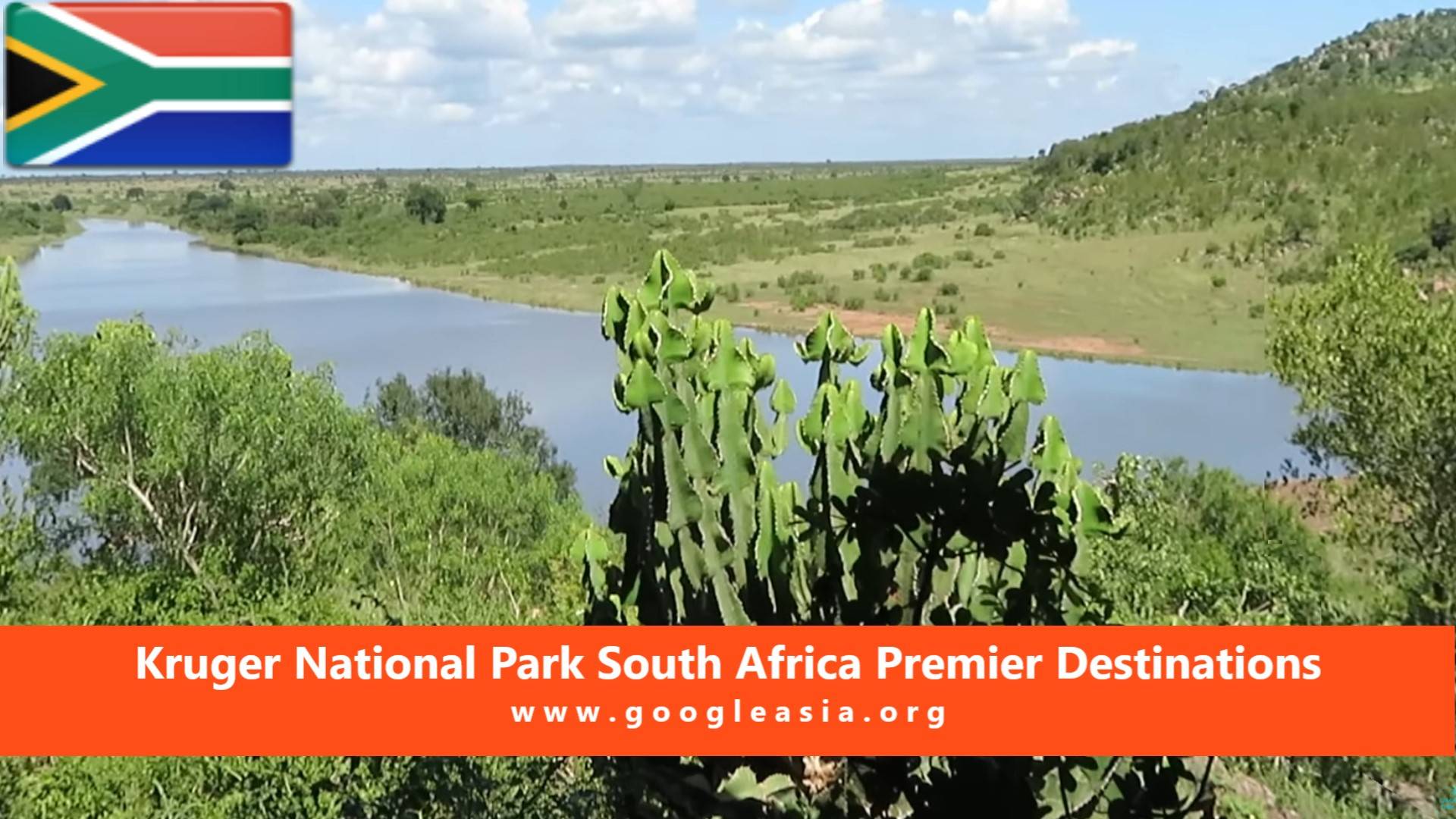
Kruger National Park is one of South Africa’s premier wildlife destinations. The park spans nearly two million hectares of diverse wildlife habitat, home to an abundance of species including the Big 5: leopard, elephant, rhinoceros, lion, and buffalo. Kruger is a paradise for safari-goers, offering unparalleled wildlife viewing opportunities, stunning landscapes, a variety of accommodation options and plenty of activities for the whole family.
Introduction
Kruger National Park stands as a testament to Africa’s raw and majestic beauty, sprawling over 19,000 square kilometers in northeastern South Africa. Established in 1898, this iconic game reserve is renowned worldwide for its unrivaled biodiversity and unparalleled wildlife encounters, making it a bucket-list destination for nature enthusiasts and safari aficionados alike.
A Haven for Wildlife
Kruger National Park is celebrated for its rich tapestry of flora and fauna, boasting an astonishing array of species. At the heart of its allure are the renowned Big Five: lion, leopard, buffalo, elephant, and rhinoceros. Beyond these iconic giants, the park teems with diverse wildlife including antelope, zebra, giraffe, hippopotamus, crocodile, and an astounding variety of bird species.
Accommodations and Facilities
Kruger National Park caters to a range of preferences with its diverse accommodation options, from luxury lodges and private camps to rustic bushveld campsites. Each offers a unique experience, whether you prefer to immerse yourself in the tranquility of nature or indulge in creature comforts after a day of exploration.
- Rest Camps: Spread throughout the park, these camps provide essential amenities such as accommodation, restaurants, shops, and information centers, ensuring a comfortable stay amidst the wilderness.
- Cultural Experiences: Delve into the rich cultural heritage of the region with visits to local communities and heritage sites, offering insights into the traditions and history that shape life around Kruger National Park.
Planning Your Visit
- Access: The park is accessible via well-maintained roads from major cities like Johannesburg and Nelspruit, with several entrance gates providing access to different regions of the park.
- Accommodations: Choose from a variety of lodging options within the park, including rest camps, luxury lodges, and bushveld campsites, each offering unique experiences amidst the wilderness.
- Best Time to Visit: Wildlife viewing is optimal during the dry winter months (May to September), when animals congregate around water sources. The wet summer season (October to April) brings lush vegetation and migratory bird species.
Things to Do
Kruger National Park, nestled in the Limpopo and Mpumalanga provinces of South Africa, stands as a beacon of biodiversity and natural splendor. Spanning over 19,000 square kilometers, this vast game reserve is celebrated globally for its rich wildlife diversity and spectacular landscapes, offering an unparalleled safari experience for wildlife enthusiasts and adventurers alike.
Wildlife Spotting
Kruger National Park is renowned for its incredible wildlife diversity, including the iconic Big Five—lion, leopard, elephant, rhinoceros, and Cape buffalo. Beyond these majestic animals, visitors can also encounter giraffes, hippos, antelopes, baboons, cheetahs, hyenas, and a myriad of bird species. Safaris conducted by experienced guides provide opportunities for close encounters with these animals in their natural habitat.
Game Drives
Embark on thrilling game drives across the park’s varied ecosystems, from expansive savannahs to dense bushveld. Early morning and night drives offer prime opportunities to witness wildlife activity, including predator hunts and nocturnal species on the move.
Bird Watching
With over 530 bird species recorded within its boundaries, Kruger National Park is a paradise for bird watchers. From majestic raptors to vibrant waterfowl and melodious songbirds, the park’s diverse habitats provide ample opportunities for birding enthusiasts to observe and photograph an array of avian species.
Night Safaris
Experience the enchanting world of nocturnal wildlife on a night safari, where you can witness elusive creatures such as leopards, owls, and bushbabies in their nocturnal habitats. Guided by knowledgeable rangers, these excursions offer a unique perspective on the park’s diverse ecosystem after sunset.
Conservation and Education
Explore Kruger National Park’s commitment to conservation through visits to its rehabilitation centers and engaging with conservationists. Learn about the park’s efforts in wildlife rehabilitation, anti-poaching initiatives, and sustainable practices aimed at preserving this natural heritage for future generations.
Photographic Safaris
Capture stunning wildlife moments with guided photographic safaris designed for enthusiasts seeking the perfect shot amidst breathtaking scenery.
Additional Activities
Beyond wildlife encounters, Kruger National Park offers a range of activities to enrich your visit. Engage in guided nature walks to discover the park’s smaller inhabitants and medicinal plants, embark on cultural tours to learn about local traditions and communities, or indulge in a bush dinner under the starlit African sky.
Foods
Kruger National Park, South Africa’s premier wildlife sanctuary, not only offers unparalleled wildlife experiences but also boasts a diverse culinary scene that reflects the region’s rich cultural heritage and natural abundance.
Savory Delights
- Juicy Hamburgers and Steak: Indulge in hearty servings of juicy hamburgers and tender steak, grilled to perfection amidst the park’s serene surroundings.
- Freshly Oven-Roasted Chicken: Enjoy the aroma and flavor of freshly oven-roasted chicken, a comforting dish after a day of safari adventures.
- Succulent Pork Dishes: Sample succulent pork dishes, prepared with local flavors and served with traditional sides.
- Traditional Potjies: Delight in the flavors of traditional South African potjies, slow-cooked stews simmered in cast-iron pots over open flames, ensuring tender meats and robust flavors.
- Bobotie: Experience South Africa’s beloved bobotie, a fragrant dish of spiced minced meat baked with an egg-based topping, offering a taste of the country’s diverse culinary heritage.
- Boerewors Rolls: Savor boerewors rolls, featuring traditional South African sausage made from spiced minced meat, grilled to perfection and served in a soft roll.
Exotic African Specialties
- Mopane Worms: For the adventurous palate, try mopane worms, a traditional African delicacy known for its unique texture and rich flavor.
- Ostrich Steaks: Delight in ostrich steaks, a lean and flavorful alternative to traditional meats, showcasing the diversity of South Africa’s culinary offerings.
- Warthog Chops: Taste warthog chops, offering a unique blend of flavors and textures, prepared with care and served with local accompaniments.
Vegetarian Options
- Grilled Vegetables: Enjoy a selection of grilled vegetables, highlighting the freshness and flavors of locally sourced produce.
- Salads: Choose from a variety of salads featuring crisp greens, vibrant fruits, and wholesome grains, perfect for a refreshing meal amidst the wilderness.
- Omelets: Relish omelets made with farm-fresh eggs and a medley of vegetables, herbs, and cheeses, offering a satisfying and nutritious option.
Sweet Temptations
- Desserts: Indulge in decadent desserts such as custards, crumbles, and traditional South African sweets, offering a delightful end to a memorable meal.
Beverages
- Refreshments: Stay hydrated with a range of refreshing beverages, including freshly squeezed juices and flavored waters.
- Alcoholic Beverages: Enjoy a selection of locally brewed beers, wines, and spirits, perfect for relaxing after a day of exploration.
Hotels
Kruger National Park, one of South Africa’s premier wildlife destinations, offers visitors an unparalleled safari experience in the heart of the African bush. Spanning nearly 20,000 square kilometers, it is home to diverse wildlife, including the Big Five (lion, leopard, elephant, buffalo, rhino), making it a top choice for travelers seeking a safari adventure.
When planning your visit to Kruger National Park, selecting the right accommodation enhances your experience. Here are some of the best hotels and lodges to consider:
Sanbona Wildlife Reserve
- Location: Near Kruger National Park’s southern border.
- Accommodation: Luxury lodges and suites offering stunning views and modern amenities.
- Highlights: Guided game drives, walking safaris, spa facilities, and gourmet dining.
- Why Stay: Exclusive access to a private reserve with abundant wildlife and breathtaking landscapes.
Singita Kruger National Park
- Location: Adjacent to Kruger National Park’s eastern boundary.
- Accommodation: Elegant lodges featuring contemporary design and private plunge pools.
- Highlights: Exceptional game viewing, including rare species, guided bush walks, wellness experiences, and fine dining.
- Why Stay: Combine luxury with conservation efforts in a pristine wilderness setting.
Lion Sands Game Reserve
- Location: Southern part of Kruger National Park, bordering the Sabi Sand Game Reserve.
- Accommodation: Luxurious treehouses and lodges overlooking the Sabie River.
- Highlights: Big Five game drives, birdwatching, bush dinners, spa treatments, and starlit safaris.
- Why Stay: Unmatched game viewing opportunities with expert guides in a private concession.
Musina Nature Reserve
- Location: Northern region of Kruger National Park.
- Accommodation: Rustic yet comfortable lodges blending into the natural environment.
- Highlights: Game drives, birding excursions, cultural experiences, and traditional cuisine.
- Why Stay: Authentic bush experience with a focus on conservation and community engagement.
Ngala Safari Lodge
- Location: Western boundary of Kruger National Park.
- Accommodation: Classic safari tents and suites with modern amenities and panoramic views.
- Highlights: Big Five sightings, walking safaris, photographic safaris, wellness retreats, and gourmet dining.
- Why Stay: A blend of adventure and relaxation in a private game reserve with superb wildlife encounters.
Rhulani Safari Lodge
- Location: Northern Kruger National Park, near the Pafuri Gate.
- Accommodation: Spacious chalets with private decks offering views of the Luvuvhu River.
- Highlights: Guided game drives, birdwatching, bush walks, cultural tours, and authentic South African hospitality.
- Why Stay: Remote location with diverse landscapes and abundant wildlife, ideal for nature enthusiasts.
Tintswalo Safari Lodge
- Location: Southern Kruger National Park, near the Numbi Gate.
- Accommodation: Luxury suites and villas blending colonial charm with modern comforts.
- Highlights: Game drives, bush walks, starlit dinners, spa treatments, and personalized service.
- Why Stay: Exclusive access to a private concession with high chances of spotting the Big Five in a tranquil setting.
Dulini Private Game Reserve
- Location: Sabi Sand Game Reserve, adjacent to Kruger National Park.
- Accommodation: Intimate lodges and suites featuring contemporary African design.
- Highlights: Superb game viewing, walking safaris, stargazing, bush breakfasts, and gourmet cuisine.
- Why Stay: Secluded luxury amidst pristine wilderness, offering a memorable safari experience.
Simbambili Game Lodge
- Location: Northern Sabi Sand Game Reserve, bordering Kruger National Park.
- Accommodation: Stylish suites with private plunge pools and panoramic views of the savannah.
- Highlights: Guided game drives, nature walks, birdwatching, wellness treatments, and fine dining experiences.
- Why Stay: Exclusive safari experience with a focus on luxury and wildlife conservation.
Chitwa Chitwa Safari Lodge
- Location: Sabi Sand Game Reserve, near the western boundary of Kruger National Park.
- Accommodation: Chic suites with private decks overlooking a lake frequented by wildlife.
- Highlights: Big Five safaris, bush walks, boat cruises, spa therapies, and gourmet cuisine.
- Why Stay: Blend of luxury and adventure in a prime location for wildlife enthusiasts and photographers.
Conclusion
Kruger National Park epitomizes the essence of Africa’s untamed wilderness, offering an unparalleled safari experience amidst breathtaking landscapes and diverse wildlife. Whether you seek close encounters with the Big Five, tranquil moments in nature, or cultural immersion, a journey to Kruger promises unforgettable memories and a deep appreciation for the natural world.
Summary
- Attraction Name: Kruger National Park
- Country: South Africa
- Continent: African
- Capital Name: Pretoria, Cape Town, Bloemfontein
- Language: English, Afrikaans, Zulu, Xhosa, Sepedi, Tswana, Southern Sotho, Tsonga, Swazi, Venda, Southern Ndebele, Khoekhoegowab
- Currency: South African Rand
- Nationality: South African
- Category: #Destination #Africa #SOUTHAFRICA
Frequently Asked Questions
What are Kruger National Park’s nearby must-visit attractions or landmarks?
Kruger National Park is surrounded by various attractions and landmarks that enhance the overall experience of visitors. Here are some must-visit places near Kruger National Park:
- Blyde River Canyon: Located to the west of Kruger National Park, Blyde River Canyon is one of the largest canyons in Africa. The panoramic views, unique rock formations, and lush vegetation make it a captivating destination.
- God’s Window: This viewpoint, situated on the Drakensberg escarpment, offers breathtaking vistas of the Lowveld and the distant Lebombo Mountains. On a clear day, the view seemingly stretches to infinity.
- Pilgrim’s Rest: A historic town dating back to the gold rush era, Pilgrim’s Rest provides a glimpse into South Africa’s gold mining history. The town has preserved its 19th-century architecture, and visitors can explore museums and historic sites.
- Three Rondavels: Also known as the Three Sisters, these three round mountain tops offer stunning views over the Blyde River Canyon. The site is easily accessible from the Panorama Route.
- Mac-Mac Falls: A beautiful waterfall located near Sabie, Mac-Mac Falls is surrounded by lush vegetation. Visitors can enjoy the scenery and take short walks in the area.
- Lone Creek Falls: Another impressive waterfall near Sabie, Lone Creek Falls cascades down a rock face and is easily accessible by a short walk from the parking area.
- Graskop Gorge Lift Company: This attraction offers a unique experience with a glass elevator that descends into the gorge. Visitors can explore the forested trails and suspension bridge at the bottom.
- Sabi Sands Game Reserve: Adjacent to Kruger National Park, Sabi Sands is a private game reserve known for its high-quality safari experiences. Visitors can encounter wildlife in a more exclusive setting.
- Letaba Elephant Hall: Situated within Kruger National Park, this educational center provides information about elephants. Exhibits include skulls, tusks, and interesting facts about these majestic creatures.
- Shangana Cultural Village: Located near Hazyview, this cultural village offers insights into the traditions and customs of the Shangaan people. Visitors can enjoy traditional dance performances and guided tours.
Is Kruger National Park a suitable travel destination for solo adventurers, honeymooning couples, or those traveling with families?
Kruger National Park is a versatile destination that caters to a wide range of travelers, making it suitable for solo adventurers, honeymooning couples, and those traveling with families.
- Solo Adventurers: Solo adventurers can have a thrilling experience in Kruger National Park. The park offers self-drive options, guided safaris, and various accommodation choices, allowing solo travelers to explore the wildlife at their own pace or join group activities for a shared experience.
- Honeymooning Couples: Kruger National Park provides a romantic and adventurous setting for honeymooning couples. Luxury lodges and private game reserves offer intimate accommodations, candlelit dinners, and special safari experiences. The park’s stunning landscapes and wildlife sightings create a memorable backdrop for a romantic getaway.
- Families: Families can enjoy a memorable and educational experience in Kruger National Park. The park is family-friendly, with accommodations ranging from campsites to family suites in lodges. Children can learn about wildlife and conservation, and the park offers activities suitable for all ages, including guided family safaris.
Why should you visit Kruger National Park?
Visiting Kruger National Park offers a multitude of compelling reasons, making it a must-visit destination for nature enthusiasts and wildlife lovers. Here are some key reasons to explore Kruger National Park:
- Abundant Wildlife: Kruger National Park is renowned for its diverse and abundant wildlife. Visitors have the opportunity to see the “Big Five” (lion, elephant, buffalo, leopard, and rhinoceros) along with a vast array of other species, including giraffes, zebras, hippos, crocodiles, and numerous bird species.
- Scenic Landscapes: The park features diverse landscapes, including savannahs, woodlands, and river ecosystems. The picturesque scenery enhances the overall safari experience and provides a stunning backdrop for wildlife sightings.
- Rich Biodiversity: Kruger National Park boasts an impressive biodiversity, with a wide variety of plant and animal species. The park’s ecosystems support an intricate web of life, contributing to its significance as a UNESCO International Man and Biosphere Reserve.
- Photographic Opportunities: The abundance of wildlife and varied landscapes make Kruger National Park a paradise for photographers. Capture breathtaking moments of animals in their natural habitats, stunning sunsets, and unique flora.
- Cultural Heritage: In addition to its natural wonders, Kruger National Park holds cultural significance. The park is home to archaeological sites and rock art, providing insights into the region’s rich cultural history.
- Guided Safaris: Guided safaris led by knowledgeable rangers offer an educational and immersive experience. These experts provide insights into animal behavior, local flora, and the park’s conservation efforts.
- Conservation Efforts: Kruger National Park is committed to conservation and plays a crucial role in protecting endangered species. Visitors can learn about ongoing conservation initiatives and contribute to the park’s efforts by supporting responsible tourism.
- Accommodation Options: The park offers a range of accommodation options, from rustic campsites to luxurious lodges. Whether you prefer camping under the stars or staying in comfort, Kruger National Park accommodates various preferences and budgets.
- Accessibility: Kruger National Park is easily accessible, with multiple entrance gates and well-maintained roads. Visitors can choose to self-drive or join guided tours to explore the park.
- Adventure and Relaxation: Whether you seek adrenaline-pumping game drives or serene moments immersed in nature, Kruger National Park provides a balance of adventure and relaxation, catering to diverse preferences. In summary, Kruger National Park offers a unique and unforgettable safari experience, combining remarkable wildlife encounters with stunning landscapes and a commitment to conservation. It remains a top destination for those seeking an authentic and immersive African safari.
How to go to Kruger National Park?
Getting to Kruger National Park depends on your starting location and mode of transportation. Here are general guidelines:
By Air:
- Fly to Kruger Mpumalanga International Airport (MQP): The closest airport to Kruger National Park is Kruger Mpumalanga International Airport (MQP). Once you land, you can rent a car or arrange for a shuttle service to take you to the park.
- Fly to O.R. Tambo International Airport (JNB) in Johannesburg: O.R. Tambo International Airport is a major international airport in Johannesburg. From Johannesburg, you can either drive to Kruger National Park (approximately a 4 to 5-hour drive) or take a connecting flight to Kruger Mpumalanga International Airport.
By Car:
- Self-Drive from Johannesburg: Kruger National Park is accessible by road from Johannesburg. The journey takes about 4 to 5 hours, depending on the specific gate you plan to enter.
- Car Rental: Renting a car is a popular option for visitors who prefer to explore the park at their own pace. Numerous car rental agencies operate at major airports, including O.R. Tambo International Airport.
By Bus or Shuttle:
- Shuttle Services: Various shuttle services operate between major cities and Kruger National Park. These services can provide a comfortable and convenient option for those who prefer not to drive.
- Intercape Mainliner Bus: Intercape offers long-distance bus services in South Africa. You can check if they have routes to towns near Kruger National Park.
Guided Tours:
- Guided Safaris: Many tour operators offer guided safaris that include transportation from major cities to Kruger National Park. These tours often provide a comprehensive experience with knowledgeable guides.
- Fly-In Safaris: Some operators offer fly-in safaris where you take a small plane directly to a private game lodge within or near the park. Before planning your trip, consider which gate you want to enter, as Kruger National Park has multiple entrances
Are there any halal food options around the Kruger National Park?
Finding strictly halal food options within the Kruger National Park itself may be challenging, as the park primarily offers dining facilities that cater to a diverse range of visitors. However, there are some strategies you can consider:
- Self-Catering: Many rest camps within Kruger National Park have self-catering facilities. You can bring your own halal food supplies and prepare meals. Check with the camp you’re staying at regarding their facilities.
- Adjacent Towns and Restaurants: Some towns surrounding Kruger National Park may have restaurants or grocery stores offering halal food options. Nelspruit and Phalaborwa are two such towns with amenities close to the park entrances.
- Communicate Dietary Requirements: When booking accommodations or joining guided tours, communicate your dietary preferences, including halal requirements. Some lodges and hotels may be able to accommodate your needs or provide information on nearby options.
- Halal-Friendly Establishments: Explore the nearby towns for halal-friendly restaurants or establishments. Some restaurants in the surrounding areas may offer halal dishes or be willing to cater to specific dietary requirements.
- Pre-packaged Halal Meals: Consider bringing pre-packaged halal meals or snacks that do not require extensive preparation. This can be a convenient option for ensuring you have halal food during your stay.