Category: Malaysia

Malaysia

  • Bako National Park: Best Destination to Visit in Malaysia

    Bako National Park: Best Destination to Visit in Malaysia

    Bako National Park, Malaysia

    Bako National Park is one of those places that feels like a hidden treasure. Tucked away in Sarawak, Malaysia, this park has so much to offer—whether you’re into wildlife, hiking, or simply soaking in some breathtaking scenery. Not only is Bako the oldest national park in Malaysia, but it’s also a perfect spot to reconnect with nature and experience a bit of everything, from lush rainforests to stunning beaches. Trust me, you don’t want to miss out on this natural wonder!

    Introduction

    Bako National Park is kind of like a nature lover’s dream come true. It spans just under 27 square kilometers, but the variety of landscapes within that space is pretty mind-blowing. From thick rainforests to serene beaches, it’s hard to imagine a better place to disconnect from the hustle and bustle of everyday life.

    The Diverse Ecosystems

    What really makes Bako stand out is its diverse ecosystems. Within this compact area, you’ll find everything from rainforests to mangrove swamps and coastal cliffs. It’s like nature’s little playground, with a variety of habitats that are home to all sorts of incredible wildlife.

    Tropical Rainforests

    The rainforests of Bako are lush, dense, and full of life. You’ll be hiking through tall trees, alongside vibrant plants, and, if you’re lucky, you might even catch a glimpse of one of Bako’s most famous residents, the proboscis monkeys. These creatures are known for their comical noses and are a real highlight for wildlife enthusiasts.

    Coastal Beauty

    Bako’s coastline is just as impressive as its rainforests. Here, you’ll find tranquil beaches, impressive cliffs, and mangrove forests. If you’re someone who loves being near the water, this is the perfect place to relax and take in some of Malaysia’s most beautiful coastal views.

    Things to Do

    If you’re wondering what you can do in Bako, the answer is: plenty! Whether you’re up for an adventurous hike, a peaceful walk through the jungle, or just some downtime on the beach, Bako has something for everyone.

    Hike the Trails and Explore the Rainforests

    One of the best ways to explore Bako is by taking one of the many hiking trails. There’s something for every level—whether you want a quick stroll through the forest or a more challenging trek that takes you deep into the jungle. As you walk, you’ll get the chance to spot wildlife, enjoy hidden waterfalls, and take in the lush surroundings.

    Don’t Miss the Canopy Walkway

    If you’re looking for a bit of excitement, make sure to check out the canopy walkway. Elevated above the forest floor, it gives you a bird’s-eye view of the rainforest and offers a perfect opportunity for spotting wildlife and taking amazing photos.

    Wildlife Watching

    Bako is a prime spot for wildlife watching, and it’s one of the things that makes this park so special. While hiking, you might encounter the famous proboscis monkeys, silvered leaf monkeys, and even the elusive bearded pigs. There’s also an array of birds to spot, from vibrant kingfishers to migratory species that call Bako home.

    Experience the Magic of Night Walks

    Want to see a whole new side of Bako? Then you’ll want to try the night walks. As the sun sets, the park comes alive with nocturnal creatures like spiders, frogs, and centipedes. It’s an eerie yet fascinating experience that will definitely make your visit memorable.

    Visit the Lighthouse and Enjoy Coastal Views

    The lighthouse at Bako offers stunning panoramic views of the coastline and is a great spot for photos. Afterward, head down to one of the beaches to enjoy some quiet time, do a bit of beachcombing, or just relax by the water. Don’t forget to keep an eye out for wildlife like herons and macaques!

    Foods

    When you’re exploring the park, you’re bound to work up an appetite. Luckily, Bako has some fantastic local food options that will make your taste buds do a happy dance.

    Must-Try Local Dishes

    • Barbecued Fish: Freshly grilled over an open flame, seasoned with local spices, and served with rice—this dish is a must-try after a day of hiking.
    • Grilled Chicken: For those who love their protein, this perfectly marinated chicken is a go-to choice.
    • Jungle Vegetables: Try the unique flavors of Sarawakian jungle vegetables, often cooked in traditional stews or stir-fries. These are locally sourced and delicious!

    Refreshing Snacks and Beverages

    If you need something light, grab some fresh tropical fruits like mangoes or pineapples, or enjoy some locally made crackers and nuts. And for that much-needed pick-me-up after a day in the park, sip on a hot cup of freshly brewed Sarawakian coffee or tea.

    Conclusion

    Bako National Park is a place where nature truly shines. Whether you’re looking to hike through the rainforest, relax on a beach, or experience the local culture, this park has everything you could want from an outdoor adventure. Plan your trip to Bako National Park today, and experience the natural beauty of Sarawak firsthand.

    Ready to experience Bako National Park? Book your adventure today and uncover the wonders of Sarawak’s oldest national park!

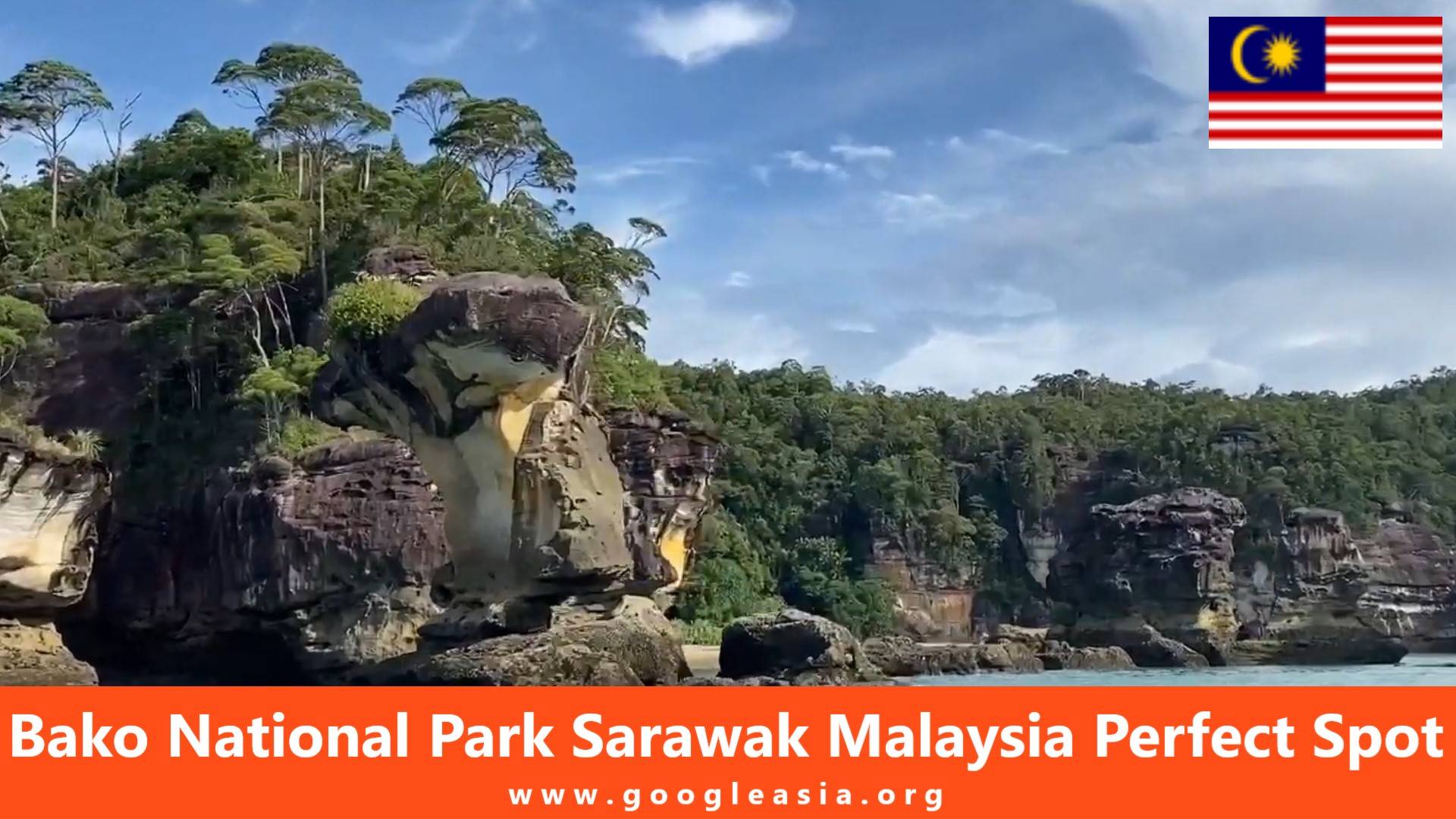
    Bako National Park Sarawak Malaysia Perfect Spot

    Summary

    • Attraction Name: Bako National Park
    • Country: Malaysia
    • Continent: Asia
    • Capital Name: Kuala Lumpur
    • Language: Bahasa Melayu (Official), English, Mandarin, Tamil
    • Currency: Malaysian Ringgit (MYR)
    • Nationality: Malaysian
    • Category: #Destination #Asia #MALAYSIA 

    Frequently Asked Questions

    Where is Bako National Park located?

    Bako National Park is located on the island of Borneo in the state of Sarawak, Malaysia. Specifically, it is situated along the coast of the Muara Tebas Peninsula, approximately 37 kilometers (23 miles) northeast of Kuching, the capital city of Sarawak.

    Here are the key details about Bako National Park’s location:

    • State: Sarawak
    • Country: Malaysia
    • Island: Borneo
    • Latitude: Approximately 1.7333° N
    • Longitude: Approximately 110.4000° E

    How to go to Bako National Park?

    Getting to Bako National Park involves a combination of land and water transportation, as the park is located on the coast of Borneo in Sarawak, Malaysia. Here’s a step-by-step guide on how to reach Bako National Park from Kuching, the capital city of Sarawak:

    From Kuching to Bako National Park:

    1. Travel to Bako Village (Kampung Bako):
      • Step 1: From Kuching to Bako Bazaar: Start by taking a taxi or Grab car from your accommodation in Kuching to Bako Bazaar, which is about a 30 to 45-minute drive depending on traffic.
      • Step 2: Boat Transfer from Bako Bazaar to Bako National Park: At Bako Bazaar, you’ll find boat operators offering transfers to Bako National Park. The boat ride takes approximately 20-30 minutes, depending on sea conditions.
    2. Boat Schedule and Cost:
      • Boat Departure Times: Boats typically depart from Bako Bazaar to Bako National Park in the morning, usually starting around 8:00 AM. It’s recommended to arrive early to secure a spot.
      • Boat Return Times: Boats from Bako National Park back to Bako Bazaar usually operate until mid-afternoon, with the last boat departing around 3:00 PM. Be sure to confirm the return schedule with the boat operator.
    3. Fees:
      • Park Entrance Fee: Visitors need to pay an entrance fee to Bako National Park upon arrival. The fee varies for Malaysian citizens, international tourists, and children.
      • Boat Fee: There is also a fee for the boat transfer, which is payable directly to the boat operator at Bako Bazaar.

    Tips for Visitors:

    • Pack Essentials: Bring essentials such as sunscreen, insect repellent, a hat, comfortable walking shoes, and sufficient drinking water for hiking and exploring the park.
    • Accommodation: Bako National Park offers basic accommodation options including lodges and chalets. It’s advisable to book in advance, especially during peak seasons.
    • Guided Tours: Consider joining guided tours offered by local operators or hiring a guide at the park entrance to enhance your experience and learn about the park’s flora, fauna, and trails.

    Additional Information:

    • Location: Bako National Park is located approximately 37 kilometers (about 23 miles) from Kuching, making it a convenient day trip or overnight stay destination.
    • Accessibility: The journey from Kuching to Bako National Park involves road travel followed by a short boat ride, providing a scenic approach to the park’s coastal entrance.

    What are Bako National Park’s must-visit attractions or landmarks?

    Bako National Park, located in Sarawak, Malaysia, offers several must-visit attractions and landmarks that highlight its natural beauty, biodiversity, and cultural significance. Here are the key highlights and must-visit attractions in Bako National Park:

    1. Tanjung Sapi (Proboscis Monkey Boardwalk):
      • This boardwalk is one of the best places to observe proboscis monkeys, a unique species endemic to Borneo. It’s an elevated walkway through mangrove forest where visitors can spot these distinctive monkeys in their natural habitat.
    2. Telok Paku Trail:
      • A popular trail that leads through various habitats including mangrove swamps and dipterocarp forests. It offers scenic viewpoints and leads to a secluded beach where visitors can relax and enjoy the coastal scenery.
    3. Telok Delima Trail:
      • This trail passes through dense rainforest and leads to a small cove with a beach. It’s known for its lush vegetation and occasional wildlife sightings along the way.
    4. Limestone Pinnacles (Paku Trail):
      • For more adventurous hikers, the Paku Trail leads to the Limestone Pinnacles, towering rock formations that offer stunning views of the surrounding landscape. This trail requires a longer hike and is best undertaken with a guide.
    5. Bako Cliffs and Sea Stacks:
      • Bako is known for its dramatic coastline featuring sea stacks, rocky cliffs, and caves eroded by the sea. The cliffs offer picturesque views and are accessible via some of the park’s trails.
    6. Pitcher Plant Trail:
      • Ideal for botany enthusiasts, this trail showcases various species of pitcher plants and other unique flora native to Bako National Park. It’s a short and informative hike that provides insights into the park’s plant diversity.
    7. Wildlife Spotting:
      • Apart from proboscis monkeys, Bako is home to a diverse array of wildlife including macaques, monitor lizards, flying lemurs (colugos), and numerous bird species. Wildlife watching is a highlight of any visit to the park.
    8. Pantai Pandan Kecil:
      • This small beach is accessible via the Telok Pandan Kecil trail and offers a serene setting for relaxation. It’s less frequented than other beaches in the park, providing a quieter experience.

    Tips for Visitors:

    • Guided Tours: Consider joining guided tours or hiring a guide to maximize your experience and learn about the park’s flora, fauna, and cultural significance.
    • Safety: Some trails can be challenging, so it’s essential to wear suitable footwear, carry sufficient water, and be aware of wildlife safety precautions.
    • Photography: Bako National Park offers fantastic opportunities for photography, especially of wildlife and scenic landscapes. Bring a camera with a zoom lens for wildlife shots and capture the park’s natural beauty.

    Is Bako National Park a suitable travel destination for solo adventurers, honeymooning couples, or those traveling with families?

    Bako National Park can indeed be a suitable travel destination for various types of travelers, including solo adventurers, honeymooning couples, and families. Here’s how it caters to each group:

    1. Solo Adventurers:
      • Adventure Opportunities: Bako offers numerous hiking trails ranging from easy walks to more challenging treks. Solo adventurers can explore the park’s diverse landscapes, encounter wildlife, and enjoy the solitude of nature.
      • Wildlife and Nature Photography: Solo travelers can take their time to capture the park’s rich biodiversity and stunning landscapes without the distractions of larger groups.
    2. Honeymooning Couples:
      • Romantic Seclusion: Bako’s secluded beaches and scenic viewpoints provide a romantic setting for couples to explore together.
      • Nature and Wildlife: Couples can enjoy leisurely hikes, birdwatching, and wildlife spotting, enhancing their honeymoon experience with unique natural encounters.
    3. Families:
      • Educational Experience: Bako offers opportunities for children to learn about nature, wildlife, and conservation through guided tours and nature trails.
      • Family-Friendly Activities: Shorter, easier trails like the Telok Paku and Telok Delima trails are suitable for families with children. These trails lead to beaches where kids can safely play and explore.
      • Accommodation Options: The park has basic accommodation facilities, including chalets and lodges, which can accommodate families comfortably.

    Considerations for All Travelers:

    • Safety: Some trails in Bako can be challenging, so it’s essential to follow park regulations and be prepared with appropriate footwear, water, and snacks.
    • Wildlife Awareness: Visitors should respect wildlife and follow guidelines for observing animals from a safe distance.
    • Climate: Bako experiences a tropical climate, so it’s advisable to pack sunscreen, insect repellent, and lightweight clothing suitable for hiking.

    Why should you visit Bako National Park?

    Visiting Bako National Park offers a unique and rewarding experience due to several compelling reasons:

    1. Rich Biodiversity: Bako National Park is renowned for its incredibly diverse ecosystem, including rainforests, mangrove swamps, dipterocarp forests, and coastal landscapes. It’s home to a wide variety of wildlife, including proboscis monkeys, long-tailed macaques, bearded pigs, and numerous bird species.
    2. Scenic Landscapes: The park features stunning natural scenery with rugged coastline, rocky headlands, secluded beaches, and picturesque hiking trails. Visitors can explore unique geological formations such as sea stacks and cliffs.
    3. Hiking and Nature Trails: Bako offers a network of well-maintained trails that cater to different fitness levels and interests. Hiking through the park allows you to discover diverse flora and fauna, encounter wildlife in their natural habitat, and enjoy breathtaking viewpoints.
    4. Wildlife Watching: Bako is one of the best places in Sarawak to observe wildlife up close. Apart from proboscis monkeys and macaques, visitors may spot monitor lizards, flying lemurs (colugos), and various species of birds. The park is also home to pitcher plants and other unique plant species.
    5. Birdwatching: With over 150 species of birds recorded in the park, Bako offers excellent opportunities for birdwatching. Species include hornbills, kingfishers, and various migratory birds.
    6. Cultural Experience: Bako National Park is located within the traditional lands of the indigenous Bidayuh people. Visitors can learn about their culture and way of life through guided tours or interactions with local communities.
    7. Accessibility: Despite its remote location, Bako National Park is easily accessible from Kuching, the capital of Sarawak. It’s a short drive followed by a boat ride from Kampung Bako, making it a feasible day trip or overnight stay.
    8. Environmental Conservation: As a protected area, visiting Bako National Park supports conservation efforts aimed at preserving Sarawak’s biodiversity and natural heritage. The park plays a crucial role in research and education on tropical ecosystems.

    Are there any halal food options near the Bako National Park?

    Finding halal food options near Bako National Park can be challenging due to the park’s location and the predominantly non-Muslim population in the area. Bako National Park is located on the island of Borneo in Sarawak, Malaysia. Here are some considerations:

    1. Local Eateries: There may be local eateries or warungs in nearby villages that serve seafood and vegetarian dishes, which are often halal by default. However, it’s essential to inquire about the ingredients and cooking methods to ensure they meet halal standards.
    2. BYO (Bring Your Own): Consider bringing your own halal snacks or meals if you prefer to have guaranteed halal food options. This is especially practical if you have dietary restrictions or preferences.
    3. Kuching City: If you’re staying in Kuching, the capital city of Sarawak, you’ll find more diverse dining options including halal-certified restaurants and eateries that cater to Muslim dietary requirements. Kuching is approximately 37 kilometers away from Bako National Park and is accessible by road and boat.
    4. Communication: When inquiring about food options in local eateries or accommodations near Bako National Park, clearly communicate your dietary preferences and ask if they can accommodate halal requirements.
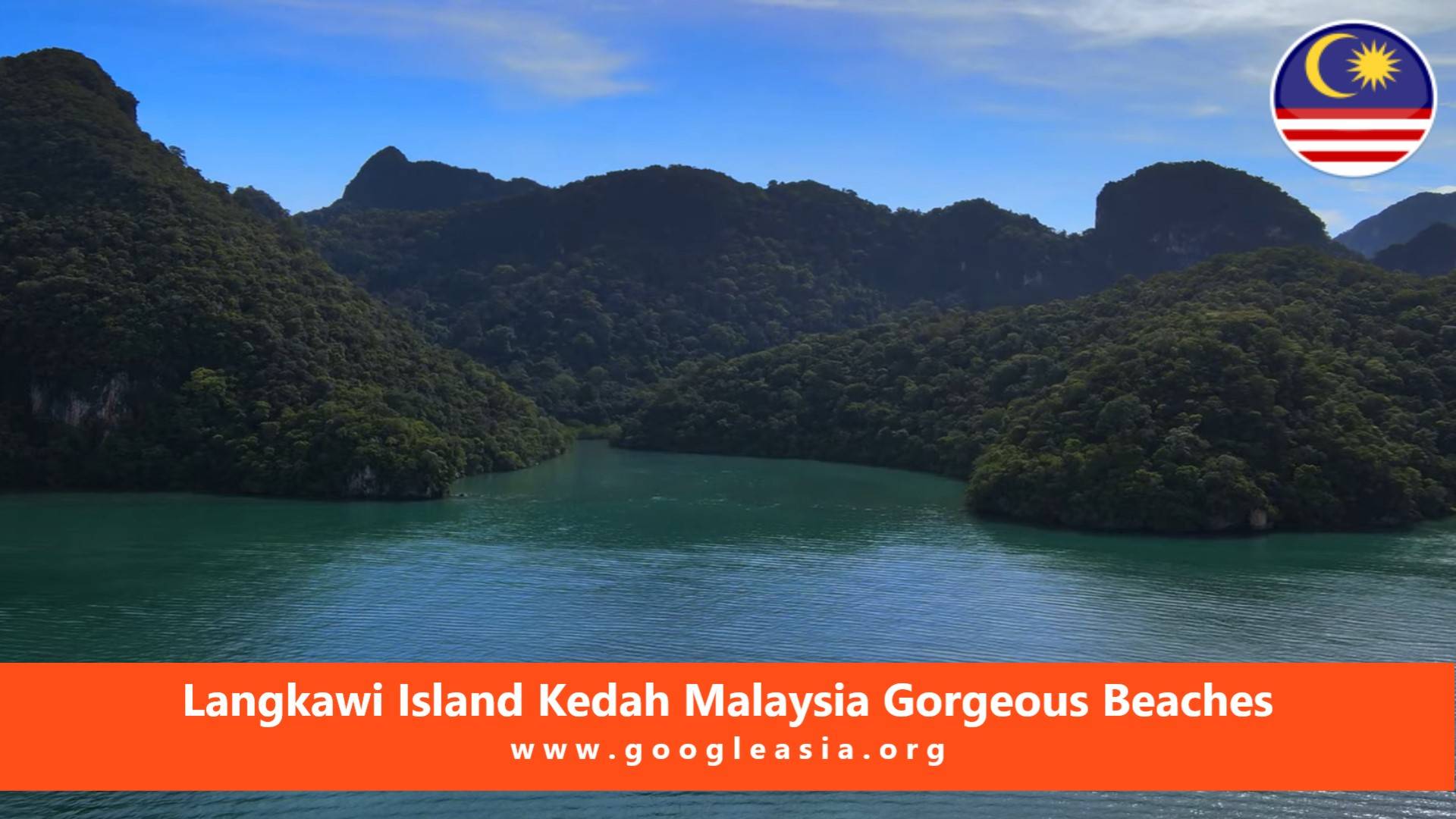
  • Langkawi Island: Best Destination to Visit in Malaysia

    Langkawi Island: Best Destination to Visit in Malaysia

    Langkawi Island, Malaysia

    If you’re looking for a dreamy escape, Langkawi Island should definitely be on your list. Nestled off the northwestern coast of Malaysia, this picturesque archipelago of 99 islands is a perfect blend of natural beauty, adventure, and culture. From pristine beaches to lush jungles and rich local heritage, Langkawi offers something for everyone.

    Introduction

    Langkawi Island is a hidden gem located off the northwest coast of Malaysia, in Kedah. It is an archipelago of 99 islands, with the main island offering visitors a chance to explore beautiful beaches, lush tropical rainforests, exciting adventure activities, and rich cultural experiences. Whether you’re looking for an adrenaline-packed adventure or a peaceful getaway, Langkawi has something for everyone. Let’s dive into what makes Langkawi so special.

    Unmatched Natural Beauty

    Langkawi’s landscape is simply stunning. The island’s UNESCO Global Geopark status speaks volumes about the unique natural wonders you’ll find here. Picture yourself gazing over the rainforest-covered mountains or wandering along the shore with the sound of gentle waves in the background.

    Majestic Peaks and Dense Rainforests

    Langkawi’s Gunung Raya and Gunung Machinchang mountains provide a perfect escape for nature lovers. You can take a hike through the rainforests or opt for something a little more thrilling, like a cable car ride that takes you up high above the island. Trust me, the view from the top is something you’ll never forget.

    Marine Exploration: Dive Into Adventure

    Langkawi is also famous for its crystal-clear waters, making it ideal for snorkeling and scuba diving. But if you’re not into diving, there’s still so much to explore, like sailing or windsurfing. The water is warm and inviting, so no matter your skill level, you’ll find a way to enjoy it.

    Cultural Wonders

    The beauty of Langkawi doesn’t just lie in its landscapes; it’s also in its vibrant culture. From the island’s unique festivals to the rich local traditions, there’s a lot to soak in.

    Traditional Festivals

    One event you absolutely can’t miss is the Langkawi International Music Festival. It brings together a wide variety of musicians from around the world, and the atmosphere is just electric. And if you visit during the Torch-Light Procession, you’ll get to experience a cultural celebration that’s rich in local traditions.

    Enjoying the Local Vibe

    Strolling through the local markets, you’ll find fresh produce, handmade goods, and traditional crafts that make perfect souvenirs. And don’t forget to try the food—it’s not just delicious but a true reflection of Langkawi’s multicultural heritage.

    Things to Do

    Take a Ride on the Langkawi Cable Car

    You haven’t fully experienced Langkawi until you’ve been on the world’s longest free-span cable car ride. It takes you up to Mount Machinchang, where you’ll enjoy panoramic views of the island’s beaches, forests, and neighboring islands. The view is absolutely breathtaking, and I can’t recommend it enough.

    Explore Langkawi’s Waterfalls

    Langkawi’s waterfalls, like Temurun and Seven Wells, are beautiful and tranquil spots where you can take a swim and relax in nature. The hiking trails around these waterfalls are just as stunning, offering a chance to immerse yourself in the island’s natural beauty.

    Birdwatching and Nature Walks

    Langkawi is a paradise for birdwatchers, with over 150 species of birds. Whether you’re an expert or just someone who enjoys spotting wildlife, the island’s diverse ecosystems provide an ideal setting for birdwatching tours.

    Explore Langkawi’s Nature Reserves

    Langkawi has some incredible nature reserves where you can hike, learn about local flora and fauna, and support sustainable tourism. The island’s focus on conservation means that it’s a great place to visit if you want to help preserve the environment while enjoying the beauty of nature.

    Shop Till You Drop—Duty-Free Shopping

    Langkawi is a duty-free shopping paradise. Whether you’re looking for chocolates, alcohol, or even local handicrafts, you’ll find it here at a fraction of the price you would pay elsewhere in Malaysia.

    Foods

    Langkawi’s food scene is another reason to visit. The local dishes are flavorful and packed with spices, offering a unique taste of the island’s culture.

    Must-Try Dishes

    • Satay: These grilled skewers of meat are a popular street food served with a rich peanut sauce that’s absolutely mouth-watering.
    • Nasi Dagang: A fragrant rice dish cooked with coconut milk, paired with a spicy fish curry—a true comfort food.
    • Laksa: A hearty and spicy noodle soup made with seafood or chicken, perfect for cooling off after a day of exploring.

    Sweet Treats and Refreshing Desserts

    After your meal, indulge in a sweet treat like Cendol, a refreshing dessert with shaved ice, coconut milk, and palm sugar syrup. It’s the perfect end to a day of exploring, especially when you’re relaxing by the beach.

    Hotels

    Accommodation Options for Every Budget

    From luxury resorts with stunning sea views to more affordable options that still offer great amenities, Langkawi has accommodations for all types of travelers. Many hotels offer spas, swimming pools, and restaurants with a focus on local ingredients.

    Conclusion

    Langkawi isn’t just a place to visit; it’s a place to experience and fall in love with. Whether you’re lounging on the beach, exploring waterfalls, or sampling delicious local food, there’s no shortage of adventures waiting for you. So, what are you waiting for? Book your trip to Langkawi today and discover the island of your dreams.

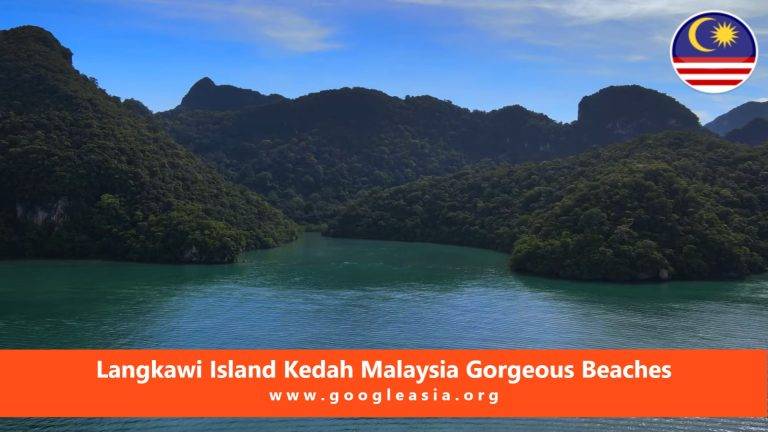
    Langkawi Island Kedah Malaysia Gorgeous Beaches

    Summary

    • Attraction Name: Langkawi Island
    • Country: Malaysia
    • Continent: Asia
    • Capital Name: Kuala Lumpur
    • Language: Bahasa Melayu (Official), English, Mandarin, Tamil
    • Currency: Malaysian Ringgit (MYR)
    • Nationality: Malaysian
    • Category: #Destination #Asia #MALAYSIA 

    Frequently Asked Questions

    Where is Langkawi Island located?

    Langkawi Island is located in the state of Kedah, Malaysia, on the northwest coast of Peninsular Malaysia. It is part of the Langkawi archipelago, which consists of about 99 islands in the Andaman Sea. Here are the key details about Langkawi Island’s location:

    • Country: Malaysia
    • State: Kedah
    • Region: Northwest coast of Peninsular Malaysia
    • Geographic Coordinates: Approximately 6.35° North latitude and 99.84° East longitude

    Langkawi Island is situated close to the border with Thailand and is renowned for its natural beauty, sandy beaches, lush rainforests, and geological formations. The main town and arrival point for visitors is Kuah, where the main ferry terminal and Langkawi International Airport are located. Langkawi’s strategic location in the Andaman Sea also makes it a popular destination for island hopping, marine activities, and exploring the diverse ecosystems of Malaysia’s west coast.

    How to go to Langkawi Island?

    Getting to Langkawi Island involves several transportation options due to its popularity as a tourist destination in Malaysia. Here’s a guide on how to reach Langkawi Island from various starting points:

    By Air:

    1. From Kuala Lumpur (KLIA or KLIA2):
      • Direct Flights: Several airlines operate direct flights from Kuala Lumpur International Airport (KLIA) or Kuala Lumpur International Airport 2 (KLIA2) to Langkawi International Airport (LGK). Flight duration is approximately 1.5 to 2 hours.
      • Airlines: Airlines such as Malaysia Airlines, AirAsia, and Malindo Air offer frequent flights to Langkawi.
    2. From Penang:
      • Direct Flights: Direct flights are available from Penang International Airport (PEN) to Langkawi International Airport (LGK). Flight duration is around 35 to 45 minutes.
    3. From Singapore:
      • Direct Flights: SilkAir (a subsidiary of Singapore Airlines) operates direct flights from Singapore Changi Airport (SIN) to Langkawi International Airport (LGK). Flight duration is approximately 1.5 to 2 hours.

    By Ferry:

    1. From Kuala Kedah or Kuala Perlis (Mainland):
      • Ferry Service: Regular ferry services operate from Kuala Kedah Jetty or Kuala Perlis Jetty on the mainland to Langkawi Jetty (Kuah Jetty) on Langkawi Island.
      • Ferry Operators: Ferry operators include Langkawi Ferry Services and Eagle Ferry. The journey takes approximately 1.5 to 2 hours.
    2. From Penang (Georgetown):
      • Ferry Service: Ferry services are available from Penang Island (Sultan Abdul Halim Ferry Terminal) to Langkawi Island (Kuah Jetty). The ferry journey takes around 2.5 to 3 hours.

    Travel Tips:

    • Booking: It’s advisable to book flights or ferry tickets in advance, especially during peak tourist seasons or holidays.
    • Transportation on Langkawi: Upon arrival at Langkawi International Airport or Kuah Jetty, taxis, rental cars, and hotel shuttles are available for transportation to your accommodation or around the island.
    • Entry Requirements: Ensure you have necessary travel documents and check visa requirements based on your nationality before traveling to Langkawi.

    What’s the climate like in Langkawi Island?

    Langkawi Island, located in Malaysia, experiences a tropical monsoon climate characterized by warm temperatures throughout the year and distinct wet and dry seasons. Here are the key features of Langkawi’s climate:

    1. Temperature: Langkawi has consistently warm temperatures year-round, with little variation between seasons. Average temperatures range from 24°C (75°F) to 34°C (93°F) during the day.
    2. Wet Season: The wet season typically occurs from September to October and May to August. During these months, Langkawi experiences higher rainfall, often in the form of short, intense showers or thunderstorms. Humidity levels are generally higher during the wet season.
    3. Dry Season: The dry season spans from November to April. This period is characterized by lower humidity levels and less frequent rainfall. December to February are considered the driest months, making them popular for tourism.
    4. Monsoon Influence: Langkawi is affected by the northeast monsoon, which brings heavier rainfall and rougher seas to the west coast of Peninsular Malaysia and islands like Langkawi from September to November. However, Langkawi’s location sheltered by the mainland reduces the severity of monsoonal effects compared to other areas.
    5. Sea Conditions: The sea around Langkawi remains warm and pleasant for swimming and water activities throughout the year. Sea conditions are generally calmer during the dry season, making it ideal for boat tours and island hopping.
    6. Best Time to Visit: The best time to visit Langkawi for sunny weather and outdoor activities is typically during the dry season from November to April. However, the island’s lush greenery and natural beauty can be appreciated year-round, with each season offering unique experiences.
    7. Humidity: Langkawi experiences high humidity levels, especially during the wet season, which can make the heat feel more intense. Visitors are advised to stay hydrated and wear light, breathable clothing.

    What are Langkawi Island’s must-visit destinations?

    Langkawi Island offers a variety of must-visit destinations that highlight its natural beauty, cultural heritage, and recreational opportunities. Here are some of the top destinations you should consider exploring when visiting Langkawi:

    1. Langkawi Sky Bridge and Cable Car:
      • The Langkawi Sky Bridge, accessible via the Langkawi Cable Car, offers stunning panoramic views of the rainforest canopy, mountains, and Andaman Sea. It’s a must-visit for its unique engineering and breathtaking vistas.
    2. Pulau Payar Marine Park:
      • A designated marine park known for its crystal-clear waters, Pulau Payar is ideal for snorkeling and diving. Explore vibrant coral reefs, marine life, and enjoy activities like swimming and sunbathing on the island.
    3. Seven Wells Waterfall (Telaga Tujuh):
      • This natural attraction features a series of cascading waterfalls amidst lush rainforest. Visitors can hike to the top to enjoy panoramic views or swim in the natural pools below the falls.
    4. Eagle Square (Dataran Lang):
      • Located in Kuah Town, Eagle Square is a prominent landmark featuring a large sculpture of an eagle in flight. It offers scenic views of the waterfront and is a popular spot for photos and leisurely walks.
    5. Langkawi Wildlife Park and Bird Paradise:
      • This park is home to a variety of exotic birds, reptiles, and mammals in naturalistic habitats. Visitors can interact with animals, attend feeding sessions, and learn about conservation efforts.
    6. Mangrove Tour at Kilim Karst Geoforest Park:
      • Explore the unique mangrove ecosystems and limestone formations of Kilim Karst Geoforest Park on a boat tour. Spot wildlife such as eagles, monkeys, and monitor lizards while learning about the area’s geological significance.
    7. Underwater World Langkawi:
      • One of Malaysia’s largest aquariums, Underwater World Langkawi showcases diverse marine life including sharks, stingrays, and colorful fish. It features an underwater tunnel for an immersive experience.
    8. Tanjung Rhu Beach:
      • Known for its tranquil atmosphere and scenic beauty, Tanjung Rhu Beach offers soft sands and clear waters. It’s perfect for relaxing, enjoying sunset views, and water sports like kayaking.
    9. Langkawi Art in Paradise 3D Museum:
      • This interactive museum features optical illusion artworks where visitors can pose and interact with the exhibits, creating fun and memorable photo opportunities.
    10. Mahsuri’s Tomb (Makam Mahsuri):
      • A historical site surrounded by gardens and a cultural complex, Mahsuri’s Tomb commemorates the legend of Mahsuri, a local maiden wrongfully accused of adultery. It’s a place of historical and cultural interest.

    Tips for Visitors:

    • Timing: Plan your visits to popular attractions early in the day to avoid crowds, especially during peak tourist seasons.
    • Transportation: Renting a car or hiring a taxi can provide flexibility for exploring the island’s attractions at your own pace.
    • Local Cuisine: Sample traditional Malay dishes and seafood at local eateries and night markets for an authentic culinary experience.

    What are Langkawi Island’s must-visit attractions or landmarks?

    Langkawi Island boasts a variety of must-visit attractions and landmarks that showcase its natural beauty, cultural heritage, and recreational opportunities. Here are some of the top attractions you should consider visiting when in Langkawi:

    1. Langkawi Sky Bridge:
      • Suspended high above Gunung Mat Cincang, the Langkawi Sky Bridge offers breathtaking views of the rainforest canopy, mountains, and Andaman Sea. Accessible via the Langkawi Cable Car, this iconic bridge is a must-visit for its panoramic vistas.
    2. Langkawi Cable Car and Oriental Village:
      • The Langkawi Cable Car takes visitors on a scenic ride up Gunung Mat Cincang, passing over lush rainforest and offering stunning views of the surrounding islands. The Oriental Village at the base of the cable car has shops, restaurants, and cultural performances.
    3. Pulau Payar Marine Park:
      • A popular destination for snorkeling and diving enthusiasts, Pulau Payar Marine Park offers crystal-clear waters teeming with marine life. Explore vibrant coral reefs and encounter tropical fish in their natural habitat.
    4. Seven Wells Waterfall (Telaga Tujuh):
      • Located near the Langkawi Cable Car, Telaga Tujuh consists of a series of cascading waterfalls amidst lush greenery. Visitors can hike to the top to enjoy panoramic views or swim in the natural pools.
    5. Eagle Square (Dataran Lang):
      • Eagle Square is a prominent landmark in Kuah Town, featuring a large sculpture of an eagle poised for flight. It offers scenic views of the waterfront and is a popular spot for photos and leisurely strolls.
    6. Underwater World Langkawi:
      • One of Malaysia’s largest aquariums, Underwater World Langkawi showcases a diverse range of marine life, including sharks, stingrays, and colorful fish. It includes an underwater tunnel for an immersive experience.
    7. Mangrove Tour and Kilim Karst Geoforest Park:
      • Explore the unique mangrove ecosystems and limestone formations of Kilim Karst Geoforest Park on a boat tour. Spot wildlife such as eagles, macaques, and monitor lizards while learning about the area’s geological significance.
    8. Langkawi Wildlife Park and Bird Paradise:
      • Ideal for families, this park houses a variety of exotic birds, reptiles, and mammals in naturalistic habitats. Visitors can interact with animals, watch feeding sessions, and enjoy educational presentations.
    9. Mahsuri’s Tomb (Makam Mahsuri):
      • Legend has it that Mahsuri, a local maiden wrongfully accused of adultery, cursed Langkawi for seven generations. Her tomb, surrounded by gardens and a cultural complex, commemorates her story and is a site of historical interest.
    10. Tanjung Rhu Beach:
      • Known for its tranquil atmosphere and pristine sands, Tanjung Rhu Beach is perfect for relaxation and enjoying sunset views. It’s less crowded compared to other beaches, making it ideal for couples and families.

    Tips for Visitors:

    • Transportation: Renting a car or hiring a taxi is recommended for exploring Langkawi’s attractions, especially those outside the main tourist areas.
    • Timing: Plan visits to popular attractions early in the day to avoid crowds and maximize your experience.
    • Local Cuisine: Sample traditional Malay dishes and seafood at local eateries and night markets for an authentic culinary experience.

    Is Langkawi Island a suitable travel destination for solo adventurers, honeymooning couples, or those traveling with families?

    Langkawi Island is indeed a versatile destination that caters well to solo adventurers, honeymooning couples, and families alike. Here’s why Langkawi is suitable for each type of traveler:

    Solo Adventurers:

    1. Adventure Activities: Solo adventurers can indulge in various outdoor activities such as jungle trekking, ziplining, ATV rides, and water sports like snorkeling and diving.
    2. Exploration: Langkawi’s geopark and natural attractions offer opportunities for solo exploration, whether hiking to waterfalls, exploring caves, or visiting secluded beaches.
    3. Cultural Experience: Solo travelers can immerse themselves in local culture by visiting historical sites, attending cultural shows, and exploring traditional villages.
    4. Nightlife and Dining: The island offers a range of dining options and vibrant nightlife spots, where solo travelers can socialize and meet other visitors.

    Honeymooning Couples:

    1. Romantic Beaches: Langkawi’s pristine beaches such as Pantai Cenang and Datai Bay provide a picturesque setting for romantic walks, sunsets, and private moments.
    2. Luxury Resorts: The island boasts luxurious resorts and villas with private pools, spa services, and fine dining options, ideal for honeymooners seeking relaxation and intimacy.
    3. Island Hopping and Cruises: Couples can enjoy private island hopping tours, sunset cruises, and snorkeling trips to explore the surrounding islands and marine life together.
    4. Cultural Experiences: Langkawi offers cultural shows, romantic dinners by the beach, and opportunities to learn about local traditions and crafts, enhancing the honeymoon experience.

    Families:

    1. Family-Friendly Activities: Langkawi has attractions suitable for all ages, including wildlife parks, aquariums, and family-friendly beaches with calm waters for swimming and water sports.
    2. Educational Opportunities: Families can visit educational centers like the Langkawi Underwater World and Bird Paradise to learn about marine life and bird species.
    3. Adventure Parks: Kids and teens can enjoy activities at adventure parks offering zip-lining, rope courses, and ATV rides, ensuring fun-filled days for the whole family.
    4. Accommodation Options: Family-friendly resorts and hotels provide spacious accommodations, kids’ clubs, and amenities such as pools and playgrounds to cater to families’ needs.

    Overall Considerations:

    • Accessibility: Langkawi’s accessibility by direct flights from major cities and its infrastructure cater to diverse traveler preferences, ensuring convenience and comfort.
    • Safety: The island is generally safe for tourists, with a welcoming atmosphere and friendly locals, making it suitable for families and solo travelers alike.

    Why should you visit Langkawi Island?

    Visiting Langkawi Island offers a compelling array of reasons that appeal to various interests and preferences, making it a popular destination in Malaysia. Here are several reasons why you should consider visiting Langkawi Island:

    1. Natural Beauty and Beaches: Langkawi is renowned for its stunning beaches with clear waters and soft sands. Pantai Cenang, Pantai Tengah, and Datai Bay are among the most popular beaches where visitors can relax, swim, and enjoy water sports.
    2. Duty-Free Shopping: Langkawi is a duty-free island, making it a shopping haven for travelers looking to purchase alcohol, chocolates, perfumes, and other goods at attractive prices.
    3. Island Hopping and Water Activities: The island offers opportunities for island hopping tours, where you can explore nearby islands like Pulau Payar Marine Park and Pulau Dayang Bunting. Water activities such as snorkeling, diving, and boat tours are popular among visitors.
    4. Geopark and Natural Wonders: Langkawi is designated as a UNESCO Global Geopark due to its unique geological formations and diverse ecosystems. Visitors can explore attractions like the Langkawi Sky Bridge, Seven Wells Waterfall, and Kilim Karst Geoforest Park.
    5. Cultural and Historical Sites: Langkawi has cultural attractions such as Mahsuri’s Tomb, which tells the legend of Mahsuri, and local villages where visitors can experience traditional Malay culture and crafts.
    6. Cable Car and Sky Bridge: The Langkawi Cable Car takes visitors to the peak of Gunung Mat Cincang, offering panoramic views of the island and the Andaman Sea. The Sky Bridge, accessible from the cable car, provides thrilling views from a suspended bridge.
    7. Wildlife and Nature: Langkawi is home to diverse flora and fauna, including unique bird species and wildlife like monkeys and monitor lizards. Visitors can explore nature reserves and bird sanctuaries such as the Langkawi Wildlife Park and Bird Paradise.
    8. Luxurious Resorts and Spas: Langkawi boasts luxurious resorts and spa facilities, offering relaxation and rejuvenation amidst beautiful surroundings.
    9. Adventure and Outdoor Activities: Beyond beaches and water activities, Langkawi offers opportunities for jungle trekking, ATV rides, ziplining, and cycling, catering to adventure enthusiasts.
    10. Accessibility: Langkawi is easily accessible via direct flights from major cities in Malaysia and neighboring countries, making it a convenient destination for both short getaways and extended vacations.

    Is it difficult to find halal food in Langkawi Island?

    Finding halal food in Langkawi Island is generally not difficult, as the island caters to a diverse range of tourists, including Muslim travelers. Here are several reasons why:

    1. Muslim-Friendly Destination: Langkawi is a popular destination among Malaysian and international Muslim tourists. As such, many restaurants and eateries on the island serve halal-certified or Muslim-friendly food.
    2. Halal Certification: Several restaurants in Langkawi have obtained halal certification from Malaysian authorities, ensuring that their food preparation and ingredients comply with Islamic dietary laws.
    3. Local Cuisine: Malaysian cuisine, which is prevalent in Langkawi, often includes dishes that are naturally halal, such as nasi lemak, roti canai, satay, and various seafood dishes.
    4. Hotel Dining: Most hotels and resorts in Langkawi offer halal options in their dining outlets. They often provide a variety of cuisines, including Malaysian, Arabic, and international dishes that cater to halal dietary requirements.
    5. Local Markets and Street Food: Even in local markets and street food stalls, it’s possible to find halal options, especially those selling fruits, snacks, and traditional Malay delicacies.
    6. Clear Labeling: Many restaurants and eateries in Langkawi clearly label their food as halal or Muslim-friendly, providing transparency for Muslim travelers.
    7. Mosques and Muslim-Friendly Amenities: Langkawi has mosques where travelers can perform prayers, and some hotels offer prayer facilities as well, enhancing the overall Muslim-friendly experience.
  • Gunung Mulu National Park: Must-Visit Natural Wonder in Malaysia

    Gunung Mulu National Park: Must-Visit Natural Wonder in Malaysia

    Gunung Mulu National Park, Malaysia

    Gunung Mulu National Park, tucked away in Sarawak, Malaysia, is a true gem that deserves a spot on every travel bucket list. It’s a UNESCO World Heritage site that offers something for everyone—from awe-inspiring caves and lush rainforests to exciting adventures and rare wildlife. Whether you’re a nature lover, an adventure seeker, or someone looking to escape into nature, Mulu is the place to be.

    Introduction

    A World of Natural Wonders

    Gunung Mulu National Park is famous for its jaw-dropping limestone karsts, cave systems, and biodiversity. It’s home to some of the world’s most intricate caves, where you can find stalactites and stalagmites that have been growing for thousands of years. There are also rainforests teeming with wildlife and plant species that you won’t find anywhere else.

    Stunning Cave Systems

    Gunung Mulu is home to Southeast Asia’s largest limestone caves, including Clearwater Cave and Wind Cave. If you’re a fan of underground wonders, you’re going to love this! Clearwater Cave even has an underground river running through it.

    Unique Flora and Fauna

    The park also boasts diverse wildlife, including rare species like the proboscis monkey and the Bornean orangutan. For birdwatchers, it’s a paradise, with over 250 species of birds to spot. Whether you’re walking through the jungle or relaxing by a river, there’s always something to see and hear.

    Travel Tips

    • Best Time to Visit: The dry season (from March to September) is the best time to explore the park and enjoy the activities.
    • What to Bring: Comfortable shoes for trekking, a good camera, binoculars for birdwatching, and a sense of adventure!
    • Permits: Make sure to book your permits for cave exploration and trekking in advance, as these can get busy.

    Things to Do

    Jungle Trekking and Nature Walks

    One of the best ways to explore Gunung Mulu is by trekking through its dense rainforest. You can take guided tours or go at your own pace on various trails. Don’t miss the Headhunters’ Trail, a 3-day trek that will have you crossing rivers, trekking through forests, and discovering caves along the way.

    Cave Exploration

    If you’re a fan of caving, Mulu will blow you away. Wind Cave and Clearwater Cave are just the tip of the iceberg. Join a guided tour to see some of the world’s most beautiful rock formations, like columns, cave pearls, and flowstones. The caves are not just about the beauty but also the unique ecosystems that exist inside, with animals that thrive in these dark, cool environments.

    River Rafting and Water Fun

    If you love water sports, river rafting along the park’s rivers is an adventure you won’t forget. The winding rivers cut through the jungle and give you a whole new perspective of the park. Plus, you might spot some wildlife along the way!

    Rock Climbing

    For the adrenaline junkies, Mulu also offers rock climbing. Whether you’re a beginner or an experienced climber, there are routes for everyone. The views from the top are absolutely stunning!

    Explore the Wildlife

    Don’t forget your binoculars because Mulu is a birdwatcher’s paradise. Head out early in the morning to catch glimpses of rare species. If you’re lucky, you might spot the hornbills, kingfishers, or even the Bornean ground cuckoo!

    Relax and Unwind

    After your adventures, take some time to relax. The park offers peaceful spots for wildlife watching, stargazing, and even camping. Set up camp and fall asleep under the stars, with the sounds of nature all around you.

    Foods

    Local Food to Try

    No trip to Mulu is complete without sampling the local cuisine. Whether you’re enjoying a hearty breakfast before your trek or cooling off with a cold drink, here are some dishes you can’t miss:

    • Nasi Lemak: Coconut rice with a spicy sambal, fried anchovies, and peanuts. It’s a Malaysian classic!
    • Laksa: A flavorful noodle soup that’s creamy and tangy—perfect after a long day of exploring.
    • Ayam Percik: Grilled chicken marinated in spicy coconut milk, served with rice or noodles.
    • Mee Jawa: A savory noodle dish served in a sweet, tangy gravy.

    Casual Dining with a View

    Whether you’re at a local eatery or a restaurant inside the park, you’ll enjoy stunning views of the surrounding rainforests and mountains while you eat. There’s nothing like relaxing with a delicious meal and taking in the beauty of the natural world.

    Conclusion

    Gunung Mulu National Park is one of those places that truly takes your breath away. With its stunning landscapes, rich wildlife, and countless outdoor activities, there’s something for every kind of adventurer. Whether you’re trekking through the jungle, exploring caves, or just soaking in the peaceful atmosphere, you’re sure to have a memorable experience.

    So what are you waiting for? Plan your trip to Gunung Mulu National Park today and discover the wonders of this amazing destination.

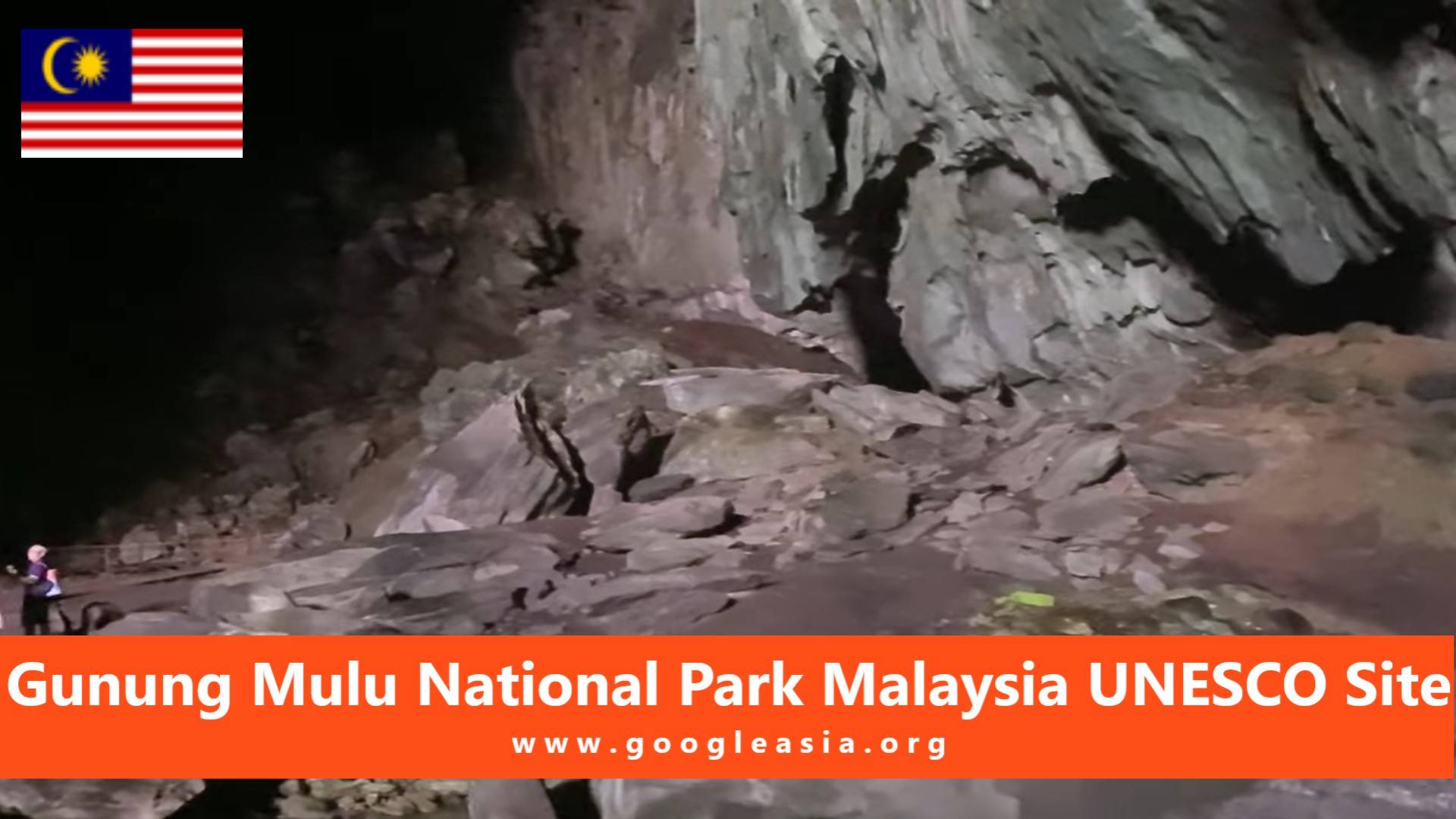
    Gunung Mulu National Park Malaysia UNESCO Site

    Summary

    • Attraction Name: Gunung Mulu National Park
    • Country: Malaysia
    • Continent: Asia
    • Capital Name: Kuala Lumpur
    • Language: Bahasa Melayu (Official), English, Mandarin, Tamil
    • Currency: Malaysian Ringgit (MYR)
    • Nationality: Malaysian
    • Category: #Destination #Asia #MALAYSIA 

    Frequently Asked Questions

    Where is Gunung Mulu National Park located?

    Gunung Mulu National Park is located in the Malaysian state of Sarawak, on the island of Borneo. Specifically, it is situated in the northeastern part of Sarawak, near the border with Brunei. Here are the geographic coordinates for Gunung Mulu National Park:

    • Country: Malaysia
    • State: Sarawak
    • Region: Borneo Island
    • Latitude: Approximately 4.0600° North
    • Longitude: Approximately 114.8200° East

    How to go to Gunung Mulu National Park?

    Getting to Gunung Mulu National Park involves a combination of flights and river transfers due to its remote location in Malaysian Borneo. Here’s a guide on how to reach Gunung Mulu National Park:

    By Air:

    1. From Kuala Lumpur (KLIA or KLIA2):
      • Fly from Kuala Lumpur International Airport (KLIA) or Kuala Lumpur International Airport 2 (KLIA2) to Miri Airport (MYY). Several airlines operate flights between KLIA/KLIA2 and Miri, including Malaysia Airlines, AirAsia, and Malindo Air.
      • Flight duration is approximately 1.5 to 2 hours.
    2. From Miri to Mulu:
      • From Miri Airport, take a connecting flight to Mulu Airport (MZV). Mulu Airport is the nearest airport to Gunung Mulu National Park and serves as the gateway for visitors.
      • Flight duration from Miri to Mulu is around 30 to 45 minutes. Flights are operated by MASwings, a regional subsidiary of Malaysia Airlines.

    By River and Land Transfer:

    1. From Mulu Airport to Park Headquarters:
      • Upon arrival at Mulu Airport, visitors are transferred to Park Headquarters by pre-arranged shuttle or transport provided by accommodations.
      • Park Headquarters is the starting point for many activities within Gunung Mulu National Park.
    2. River Transfers:
      • Some accommodations in Mulu may require river transfers via longboats along the Melinau River to reach lodges or resorts located deeper within the park.
      • River transfers are typically arranged by accommodations and provide a scenic journey through the rainforest.

    Travel Tips:

    • Booking Flights: It’s recommended to book flights to Miri and Mulu in advance, especially during peak tourist seasons, to secure seats as flights can be limited.
    • Accommodations: There are several lodges and resorts within and near Gunung Mulu National Park. Accommodations range from basic lodges to more comfortable resorts, providing options for different preferences and budgets.
    • Weather Considerations: Be prepared for tropical weather conditions, including humidity and occasional rain showers, especially if you plan outdoor activities like trekking and cave exploration.
    • Permits and Guides: Some activities within the park, such as trekking to the Pinnacles or guided cave tours, require permits and local guides. It’s advisable to check and arrange these in advance through accommodations or tour operators.

    What are Gunung Mulu National Park’s must-visit attractions or landmarks?

    Gunung Mulu National Park, a UNESCO World Heritage Site in Malaysian Borneo, boasts several must-visit attractions and landmarks that showcase its natural beauty, geological wonders, and biodiversity. Here are some of the top attractions you should explore when visiting Gunung Mulu National Park:

    1. Caves and Cave Systems:
      • Deer Cave: One of the largest cave passages in the world, home to millions of bats and a spectacular sight during the bat exodus at dusk.
      • Clearwater Cave: Known for its crystal-clear pools and fascinating calcite formations, accessed via a scenic boat ride up the Melinau River.
      • Wind Cave: Features impressive stalactites and stalagmites, accessible via a wooden plank walkway that leads through the cave chambers.
    2. The Pinnacles:
      • These dramatic limestone formations are one of the park’s most iconic sights. A challenging trek leads to viewpoints where visitors can marvel at the towering, jagged peaks rising from the surrounding rainforest.
    3. Canopy Walkway:
      • Experience the rainforest from above on the Canopy Walkway, one of the world’s longest tree-based walkways. It offers stunning views and a chance to observe canopy-dwelling flora and fauna.
    4. Mulu Summit Trek:
      • A trek to the summit of Gunung Mulu (Mount Mulu) offers panoramic views of the park and surrounding landscapes. This trek is more challenging and requires permits and a guide.
    5. Bat Exodus at Deer Cave:
      • Witness millions of bats emerging from Deer Cave at dusk in search of food, a spectacular natural phenomenon that attracts visitors from around the world.
    6. Lang’s Cave:
      • Known for its beautiful limestone formations, stalactites, and stalagmites, Lang’s Cave is accessible via a boardwalk and offers a glimpse into the intricate natural artistry of the caves.
    7. Mulu Discovery Centre:
      • Provides educational exhibits and information about the park’s biodiversity, conservation efforts, and cultural heritage. It’s a great starting point to learn more about the park before exploring its wonders.
    8. Adventure Caving:
      • For more adventurous visitors, guided caving expeditions allow exploration of lesser-known caves and passages, offering a deeper insight into the park’s underground world.
    9. River Cruises and Waterfalls:
      • Enjoy leisurely cruises along the Melinau River, surrounded by lush rainforest and occasional wildlife sightings. Some cruises include stops at natural pools and waterfalls for swimming and relaxation.
    10. Local Culture and Communities:
      • Engage with the local indigenous communities such as the Penan and Berawan tribes, learning about their traditional lifestyles, crafts, and cultural heritage.

    Tips for Visitors:

    • Guided Tours: Many attractions in Gunung Mulu National Park require guided tours for access and safety reasons. It’s advisable to book tours in advance, especially during peak seasons.
    • Weather and Preparation: Be prepared for tropical weather conditions, including rain showers and humidity. Wear suitable clothing and footwear for trekking and outdoor activities.
    • Conservation Awareness: Respect park rules and guidelines to minimize impact on the environment and support conservation efforts.

    Is Gunung Mulu National Park a suitable travel destination for solo adventurers, honeymooning couples, or those traveling with families?

    Gunung Mulu National Park is a versatile travel destination that can cater to a variety of travelers, including solo adventurers, honeymooning couples, and families. Here’s why it is suitable for each:

    Solo Adventurers:

    • Adventure Activities: The park offers thrilling activities such as caving expeditions to explore some of the world’s largest cave systems. Solo adventurers can join guided tours to discover Deer Cave, Clearwater Cave, and more.
    • Trekking and Nature Exploration: Solo travelers can embark on jungle treks to the Pinnacles, a challenging but rewarding experience with breathtaking views. There are also opportunities for birdwatching, exploring waterfalls, and wildlife spotting.
    • Educational Opportunities: The park’s rich biodiversity and geological features provide opportunities for learning and self-discovery amidst pristine rainforest environments.

    Honeymooning Couples:

    • Romantic Setting: Gunung Mulu offers a secluded and tranquil environment, ideal for couples seeking a romantic getaway surrounded by nature’s beauty.
    • Unique Experiences: Couples can enjoy memorable experiences like watching sunset at the Pinnacles viewpoint, exploring cave formations hand in hand, or taking leisurely walks through lush rainforests.
    • Luxury Accommodations: While accommodations are generally rustic, there are options for comfortable stays in lodges or nearby resorts that provide privacy and relaxation after adventurous outings.

    Families:

    • Educational and Fun Activities: Gunung Mulu National Park offers educational tours suitable for children, such as cave explorations and nature walks led by knowledgeable guides.
    • Safety and Facilities: The park is equipped with visitor centers, ranger stations, and basic amenities that cater to families. It’s a safe environment for children to learn about nature and conservation.
    • Outdoor Adventures: Families can bond over outdoor activities like river cruises, canopy walks, and swimming in natural pools, providing both fun and educational experiences.

    Considerations:

    • Accessibility: While accessible by flights to Mulu Airport, the park’s remote location means travelers should be prepared for limited amenities and rustic accommodations.
    • Weather: Be mindful of the weather conditions, especially during the wet season (September to February), which may affect outdoor activities and trekking.

    Why should you visit Gunung Mulu National Park?

    Gunung Mulu National Park, located in Malaysian Borneo, is a UNESCO World Heritage Site renowned for its exceptional natural beauty, diverse ecosystems, and unique geological features. Here are compelling reasons why you should visit Gunung Mulu National Park:

    1. Cave Systems: Gunung Mulu is famous for its extensive network of limestone caves, including some of the largest and most spectacular in the world. The Deer Cave, Clearwater Cave, and Wind Cave are notable for their immense chambers, underground rivers, and impressive formations like stalactites and stalagmites.
    2. World’s Largest Cave Chamber: The Sarawak Chamber in Gunung Mulu National Park is the largest known cave chamber in the world by area, capable of fitting several Boeing 747 aircraft inside. It’s a remarkable natural wonder and a highlight for caving enthusiasts.
    3. Pinnacles: The Pinnacles are distinctive limestone spikes that tower over the surrounding rainforest. A challenging trek leads to viewpoints where visitors can witness these dramatic formations, especially striking during sunrise or sunset.
    4. Biodiversity: The park is home to a rich diversity of flora and fauna, including rare and endemic species. It supports diverse habitats ranging from rainforests to limestone karst formations, making it a haven for wildlife enthusiasts and researchers.
    5. Adventure Activities: Gunung Mulu offers a range of outdoor adventures such as guided caving tours, jungle trekking, canopy walks, and river cruises. These activities allow visitors to immerse themselves in the park’s natural environment and explore its hidden treasures.
    6. Cultural Heritage: The indigenous communities around Gunung Mulu National Park, such as the Penan and Berawan tribes, have cultural ties to the land and offer insights into traditional lifestyles and practices.
    7. Scenic Beauty: Beyond caves and pinnacles, the park’s landscapes feature majestic rainforests, winding rivers, and panoramic views from elevated viewpoints. It’s a paradise for photography enthusiasts and nature lovers alike.
    8. World Heritage Status: As a UNESCO World Heritage Site, Gunung Mulu National Park is recognized for its outstanding universal value, contributing to global efforts in conservation and sustainable tourism.
    9. Accessibility: While remote, the park is accessible via flights from major Malaysian cities to Mulu Airport. Accommodations range from lodges within the park to nearby guesthouses, offering various options for staying close to the natural attractions.
    10. Conservation Efforts: Visiting Gunung Mulu National Park supports conservation initiatives aimed at preserving its fragile ecosystems and promoting responsible tourism practices in the region.

    How accessible is halal food in Gunung Mulu National Park?

    Finding halal food in Gunung Mulu National Park can be challenging due to its remote location and limited dining options within the park itself. Here’s an overview of the accessibility of halal food in and around Gunung Mulu National Park:

    1. Within the Park:
      • Gunung Mulu National Park is a remote rainforest area in Malaysian Borneo, known for its caves and biodiversity. The park primarily caters to tourists interested in nature and adventure.
      • The dining options within the park are limited and generally cater to basic meals that may not specifically cater to halal dietary requirements.
      • It is advisable for Muslim travelers to bring along suitable food or snacks that comply with their dietary restrictions, especially if strict adherence to halal food is required.
    2. Nearby Accommodations:
      • There are a few lodges and accommodations near Gunung Mulu National Park that may provide dining options, but availability of halal food can vary.
      • It’s recommended to inquire with your accommodation in advance about halal food availability or to request special arrangements if needed.
    3. Local Surroundings:
      • The nearest town with more dining options, including potential halal food choices, is Miri, which is accessible by flight or boat from Mulu. Miri offers a broader range of restaurants and eateries that may cater to various dietary preferences, including halal options.
    4. Preparation and Planning:
      • Due to the limited availability of halal food options directly within the park, Muslim travelers should consider bringing along sufficient snacks or ready-to-eat meals that align with their dietary needs.
      • It’s advisable to plan meals in advance and communicate dietary requirements clearly with accommodations or tour operators if arranging meals outside the park.
  • Kinabalu Park: A Must-Visit UNESCO Site in Malaysia

    Kinabalu Park: A Must-Visit UNESCO Site in Malaysia

    Kinabalu Park, Malaysia

    If you’re looking for a destination that offers stunning natural beauty, cultural richness, and a bit of adventure, Kinabalu Park in Sabah, Malaysia, should be on your radar. Recognized as a UNESCO World Heritage Site since 2000, this park is home to the awe-inspiring Mount Kinabalu, the highest peak in Malaysia, and a treasure trove of biodiversity. Whether you’re into hiking, wildlife spotting, or just soaking in the scenery, Kinabalu Park has something for everyone.

    Introduction

    Nestled in the foothills of Mount Kinabalu, this 754-square-kilometer park is not just any national park. It’s a true natural wonder, offering visitors a mix of tropical rainforests, alpine meadows, and stunning mountain views. Let’s dive into what makes this park so special.

    The Majestic Kinabalu Mountain

    Malaysia’s Tallest Peak

    At the heart of Kinabalu Park is Mount Kinabalu, towering at 4,095 meters above sea level. It’s not only the highest peak in Malaysia but also one of Southeast Asia’s most popular climbing destinations.

    • Climbing the Summit: The trek to the top is a challenging yet rewarding experience. With a climbing permit, you can enjoy the panoramic views from the summit, which offers a stunning 360-degree view of the surrounding mountains and valleys.
    • Amazing Views: If you’re up for the challenge, reaching the summit offers a sense of accomplishment like no other. The views of the sunrise from the top are absolutely unforgettable!

    Rich Biodiversity

    A Paradise for Nature Lovers

    What makes Kinabalu Park even more unique is its incredible biodiversity. With over 4,500 species of plants and over 300 bird species, it’s a true paradise for nature enthusiasts.

    • Wildlife Galore: On your visit, you might spot wild boars, orangutans, and maybe even the elusive clouded leopard! You’re surrounded by nature’s most fascinating creatures at every turn.
    • Endemic Plants: Some of the plants here, like certain orchids and rhododendrons, are found nowhere else in the world.

    Cultural Experiences

    Traditional Dusun Culture

    Kinabalu Park is home to the Dusun people, an indigenous group with a rich cultural heritage. You can learn about their traditional lifestyles, try your hand at weaving, or even taste local dishes prepared the old-fashioned way.

    • Cultural Activities: Participate in local rituals, observe traditional dance performances, and experience the daily life of the Dusun people.
    • The Best Way to Learn: The best way to understand the culture is to talk to the locals. You’ll get firsthand insight into their history and way of life.

    Attractions

    Hot Springs and Caves

    Need a break from all the hiking? Kinabalu Park offers some relaxing options too.

    • Poring Hot Springs: These natural hot springs are the perfect place to unwind after a long day of hiking. The mineral-rich waters are believed to have therapeutic properties, so soak away your stress and enjoy the peaceful surroundings.
    • Explore the Caves: Several caves within the park are open for exploration. It’s a great way to experience the park’s geological wonders up close.

    Hiking Trails and Climbing Routes

    Trails for Every Adventurer

    Whether you’re looking for a light stroll through the park or an adrenaline-pumping adventure up Mount Kinabalu, there are plenty of trails for everyone.

    • The Silau-Silau Trail: A gentle walk through the rainforest, ideal for spotting wildlife and taking in the rich biodiversity.
    • The Pandanus Trail: A little more challenging, this trail rewards you with spectacular views of the park’s lush landscapes.

    Climbing Mount Kinabalu

    If you’re feeling adventurous, why not take on the climb to the summit of Mount Kinabalu? The journey isn’t easy—it takes about 5-6 days—but it’s one that’s worth every step.

    • Preparation is Key: Make sure you’re physically prepared and book your climbing permits ahead of time. Guides are available to make the climb safer and more enjoyable.

    Things to Do

    Hiking and Trekking Adventures

    Trek to the Summit of Mount Kinabalu

    The climb to the summit is challenging, but the rewards are incredible. From stunning sunrise views to a variety of ecological zones, the trek offers an unforgettable experience.

    • Diverse Ecological Zones: As you ascend, you’ll pass through different ecosystems, each more beautiful than the last.
    • Spectacular Views: Imagine watching the sun rise over the park from a height of 4,095 meters—it’s nothing short of magical!

    Nature Walks and Scenic Trails

    If you’re more into leisurely hikes, you’ll find plenty of trails that lead you through lush rainforests and give you the chance to discover the local wildlife.

    • Silau-Silau Trail: A great option for families and casual hikers, this trail offers a close-up view of the park’s flora and fauna.

    Relaxation and Wellness

    Poring Hot Springs

    After a day of hiking, nothing beats a relaxing soak in the Poring Hot Springs. The warm, mineral-rich waters are believed to have healing properties, and the setting couldn’t be more serene.

    • Canopy Walkways: Don’t forget to check out the canopy walk, where you can get a bird’s-eye view of the rainforest below. It’s an experience you won’t want to miss.

    Thrilling Outdoor Activities

    Canyoneering in the River

    If you’re craving an adrenaline rush, try canyoneering in the nearby rivers. Explore rockslides, waterfalls, and rapids for a fun and thrilling adventure.

    • Perfect for Adventurers: If you’re into water sports, this is the perfect activity for you.

    Biking and Camping

    If hiking and climbing aren’t your thing, how about camping or mountain biking instead? Kinabalu Park has designated camping sites where you can set up your tent and experience the wilderness up close.

    • Mountain Biking: There are also plenty of biking trails that suit all skill levels, making it easy to enjoy the park’s stunning landscapes.

    Foods

    Savory Delights

    • Laksa Sabah: A local version of the famous laksa, this dish is made with a rich coconut broth, seafood, and fresh herbs. It’s spicy, creamy, and delicious.
    • Mee Goreng Mamak: A stir-fried noodle dish with shrimp, tofu, and vegetables that’s savory and slightly spicy.

    Traditional Dishes You Can’t Miss

    • Ayam Percik: Barbecued chicken marinated in a spicy coconut milk sauce, smoky and perfectly charred.
    • Roti Canai: A crispy flatbread served with a side of curry for dipping—simple, but utterly satisfying.

    Sweet Treats

    • Cendol: This refreshing dessert is made from shaved ice, palm sugar syrup, and green rice flour jelly. It’s the perfect cool treat on a hot day.
    • Ice Cream with Gula Melaka: Creamy, sweet ice cream topped with palm sugar syrup for an extra caramel-like kick.

    Conclusion

    Kinabalu Park is truly one of Malaysia’s natural gems, offering something for everyone—whether it’s an exhilarating climb, a nature walk, or simply soaking in the beauty of the landscape. With its diverse ecosystems, rich cultural heritage, and breathtaking views, a trip to Kinabalu Park will leave you with memories that last a lifetime.

    Ready to Plan Your Visit?

    Don’t wait—Kinabalu Park is waiting for you! Whether you’re seeking adventure, relaxation, or a bit of both, there’s no better time than now to start planning your journey to one of the world’s most beautiful and ecologically rich parks.

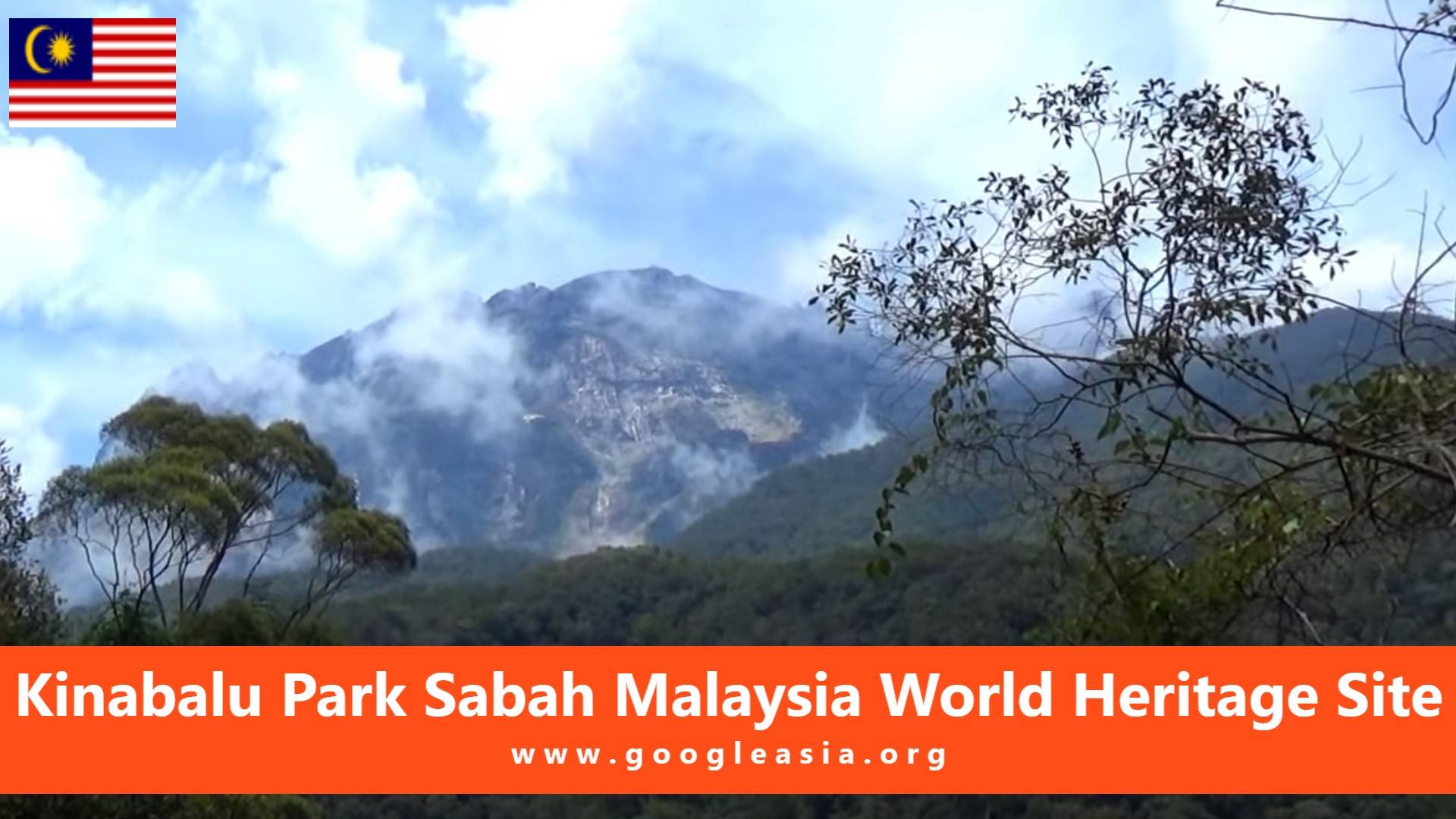
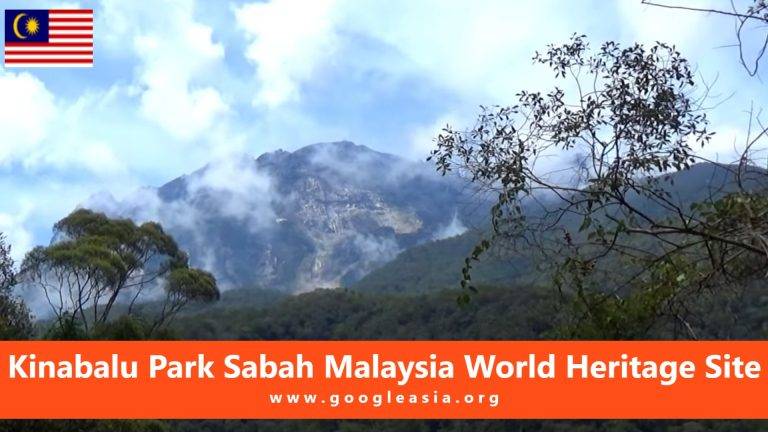
    Kinabalu Park Sabah Malaysia World Heritage Site

    Summary

    • Attraction Name: Kinabalu Park
    • Country: Malaysia
    • Continent: Asia
    • Capital Name: Kuala Lumpur
    • Language: Bahasa Melayu (Official), English, Mandarin, Tamil
    • Currency: Malaysian Ringgit (MYR)
    • Nationality: Malaysian
    • Category: #Destination #Asia #MALAYSIA 

    Frequently Asked Questions

    Where is Kinabalu Park located?

    Kinabalu Park is located in the state of Sabah, Malaysia, on the island of Borneo. Specifically, it is situated in the northern part of Sabah, near the town of Kundasang and the district of Ranau. Here are the geographic coordinates for Kinabalu Park:

    • Country: Malaysia
    • State: Sabah
    • Island: Borneo
    • Latitude: Approximately 6.0752° North
    • Longitude: Approximately 116.5585° East

    Kinabalu Park is renowned for its biodiversity, encompassing a range of ecosystems from lowland rainforests to alpine meadows. It is home to Mount Kinabalu, Southeast Asia’s highest peak, standing at 4,095 meters (13,435 feet) above sea level. The park’s diverse flora and fauna, as well as its cultural significance, have earned it UNESCO World Heritage status, making it a popular destination for nature lovers, hikers, and those interested in exploring Malaysia’s natural heritage.

    How to go to Kinabalu Park?

    Getting to Kinabalu Park in Sabah, Malaysia, involves traveling to the town of Kundasang, which is near the park entrance. Here’s a guide on how to reach Kinabalu Park:

    By Air:

    1. Fly to Kota Kinabalu International Airport (BKI):
      • Kota Kinabalu is the capital city of Sabah and home to the main international airport, Kota Kinabalu International Airport (BKI).
      • Numerous airlines operate flights to Kota Kinabalu from major cities in Malaysia (such as Kuala Lumpur, Penang) and international destinations.
    2. From Kota Kinabalu to Kinabalu Park:
      • By Road: The most common way to travel from Kota Kinabalu to Kinabalu Park is by road. The journey takes approximately 1.5 to 2 hours, depending on traffic and road conditions.
      • Private Transfer: Arrange a private transfer directly to your accommodation near Kinabalu Park. Many hotels and lodges offer shuttle services or can arrange transfers for guests.
      • Rental Car: Renting a car gives you flexibility to explore the area at your own pace. The route from Kota Kinabalu to Kinabalu Park is well-marked and offers scenic views along the way.
      • Public Transport: Alternatively, you can take a bus or shared taxi (locally known as “van”) from Kota Kinabalu to Ranau or Kundasang town. From there, you can arrange further transport to Kinabalu Park.

    By Road:

    • From Kota Kinabalu: Head northeast on the Kota Kinabalu-Ranau Highway (Highway A4) towards Ranau town. Kinabalu Park is located approximately 90 kilometers from Kota Kinabalu.
    • From Ranau or Kundasang: Kinabalu Park is accessible via a short drive from either Ranau or Kundasang towns. Both towns offer various accommodations and amenities for travelers.

    Travel Tips:

    • Permits for Climbing Mount Kinabalu: If you plan to climb Mount Kinabalu, ensure you have obtained the necessary permits in advance. Permits are required and can be arranged through licensed tour operators.
    • Accommodations: There are several lodges, resorts, and guesthouses in Kundasang and nearby areas that cater to visitors exploring Kinabalu Park. It’s advisable to book accommodations in advance, especially during peak seasons.
    • Weather Considerations: Pack accordingly for varying weather conditions, especially if you plan to hike or engage in outdoor activities. Temperatures can be cooler at higher elevations, so bring layers of clothing.
    • Local Guidance: Seek advice from your accommodation or local tourism offices for the latest information on road conditions, weather updates, and recommended activities in Kinabalu Park.

    What are Kinabalu Park’s must-visit attractions or landmarks?

    Kinabalu Park, located in Sabah, Malaysia, offers a variety of must-visit attractions and landmarks that showcase its natural beauty, biodiversity, and cultural richness. Here are some of the top attractions you should explore when visiting Kinabalu Park:

    1. Mount Kinabalu:
      • Summit Climb: Mount Kinabalu is the highest peak in Southeast Asia and a prominent feature of the park. Climbing to the summit (Low’s Peak) is a major highlight, offering panoramic views and a challenging trekking experience.
      • Base Camps: Explore the base camps along the summit trail, including Timpohon Gate and Laban Rata, which provide rest stops and accommodation for climbers.
    2. Poring Hot Springs:
      • Hot Springs: Relax in natural hot springs surrounded by lush rainforest at Poring Hot Springs. The hot springs are known for their therapeutic properties and offer a refreshing experience after trekking or exploring the park.
    3. Botanical Gardens:
      • Kinabalu Park Botanical Garden: Discover diverse plant species, including orchids, rhododendrons, and carnivorous plants, in the park’s botanical gardens. It’s an educational and scenic spot for nature enthusiasts.
    4. Waterfalls:
      • Langanan Waterfall: Located near Poring Hot Springs, Langanan Waterfall is a picturesque cascade surrounded by tropical foliage. It’s a popular spot for picnicking and swimming in natural pools.
      • Other Waterfalls: Explore other waterfalls within the park, such as Kipungit Waterfall and Kipungit Falls, each offering unique natural settings and opportunities for relaxation.
    5. Nature Trails:
      • Various Trails: Kinabalu Park features several hiking trails of varying lengths and difficulty levels, suitable for both casual strolls and adventurous treks.
      • Silau-Silau Trail: This trail is known for its diverse flora and fauna, providing opportunities to spot birds, butterflies, and endemic plant species.
    6. Cultural Experiences:
      • Local Communities: Encounter the indigenous Dusun people, who have cultural ties to the land and offer insights into their traditional lifestyles and practices.
      • Ethnobotanical Tours: Learn about the traditional uses of plants by local communities through guided tours and exhibits in the park’s visitor center.
    7. Viewpoints and Scenic Spots:
      • Nabalu Viewpoint: Stop at Nabalu Town viewpoint on your way to or from Kinabalu Park for panoramic views of Mount Kinabalu and the surrounding landscapes.
      • Sunset Views: Experience breathtaking sunset views from strategic viewpoints within the park, offering stunning vistas of the mountains and valleys.
    8. Wildlife Viewing:
      • Birdwatching: Kinabalu Park is a haven for birdwatchers, with over 300 bird species recorded, including many endemics and rare species.
      • Small Mammals: Keep an eye out for small mammals such as squirrels, civets, and possibly the elusive Bornean ferret-badger.
    9. UNESCO World Heritage Site:
      • As a UNESCO World Heritage Site, Kinabalu Park is recognized for its outstanding universal value in terms of biodiversity, geological significance, and cultural heritage.

    Tips for Visitors:

    • Permits and Guides: Climbing Mount Kinabalu requires permits and is typically guided. It’s advisable to book well in advance, especially during peak seasons.
    • Weather Preparedness: Be prepared for varying weather conditions, especially at higher elevations. Pack suitable clothing, rain gear, and sun protection.
    • Respect for Nature and Culture: Follow park rules and guidelines, respect local communities, and contribute to conservation efforts during your visit.

    Is Kinabalu Park a suitable travel destination for solo adventurers, honeymooning couples, or those traveling with families?

    Kinabalu Park in Sabah, Malaysia, is a versatile travel destination that caters well to a variety of travelers, including solo adventurers, honeymooning couples, and families. Here’s why Kinabalu Park is suitable for each type of traveler:

    Solo Adventurers:

    • Hiking and Trekking: Mount Kinabalu offers challenging trekking routes, allowing solo adventurers to test their limits while enjoying stunning mountain views and diverse landscapes.
    • Nature Exploration: The park’s numerous trails through lush rainforests and diverse ecosystems provide opportunities for solo exploration and wildlife spotting.
    • Adventure Activities: Activities like canopy walks, exploring waterfalls, and visiting hot springs offer adventurous experiences for solo travelers seeking outdoor activities.

    Honeymooning Couples:

    • Romantic Setting: Kinabalu Park’s serene and picturesque environment, surrounded by mountains and lush vegetation, creates a romantic atmosphere ideal for couples.
    • Mount Kinabalu Views: Couples can enjoy scenic viewpoints and serene moments together amidst breathtaking mountain vistas.
    • Relaxation and Wellness: Poring Hot Springs provide a relaxing experience, perfect for unwinding and enjoying quality time together.

    Families:

    • Educational Opportunities: Kinabalu Park offers educational experiences for families, including learning about local flora and fauna, traditional uses of plants, and conservation efforts.
    • Adventure for All Ages: While climbing Mount Kinabalu may be challenging for young children, the park offers plenty of family-friendly activities such as nature walks, canopy walks, and visits to the botanical gardens.
    • Cultural Experiences: Families can interact with indigenous communities and learn about their culture and heritage, enriching the travel experience for children.

    Considerations:

    • Altitude and Fitness: Climbing Mount Kinabalu requires a reasonable level of fitness and acclimatization. Families with children should consider the altitude and physical demands before planning the ascent.
    • Accommodations: There are accommodations within and around Kinabalu Park that cater to different preferences and budgets, including lodges, resorts, and homestays.
    • Weather: Be prepared for changing weather conditions, especially at higher elevations. Pack suitable clothing and gear for both warm and cooler temperatures.

    Why should you visit Kinabalu Park?

    Kinabalu Park, located in the Malaysian state of Sabah on the island of Borneo, is a UNESCO World Heritage Site and one of Malaysia’s most iconic natural treasures. Here are compelling reasons why you should visit Kinabalu Park:

    1. Mount Kinabalu:
      • Iconic Peak: Mount Kinabalu is Southeast Asia’s highest peak and a prominent feature of the park. Climbing Mount Kinabalu is a popular activity for adventurers and nature enthusiasts, offering stunning views and a challenging yet rewarding trekking experience.
      • Biodiversity: The mountain is a hotspot for biodiversity, with thousands of plant species, including the rare and endemic Kinabalu pitcher plant and orchids, thriving in its diverse habitats.
    2. Natural Beauty:
      • Lush Rainforests: Kinabalu Park is renowned for its rich biodiversity and pristine rainforests. Explore lush trails that lead through ancient forests, mossy forests, and montane ecosystems.
      • Waterfalls and Rivers: Discover picturesque waterfalls such as Langanan Waterfall and Poring Hot Springs, where you can relax in natural hot springs surrounded by the park’s tranquil beauty.
    3. Flora and Fauna:
      • Endemic Species: The park is home to numerous endemic species of plants and animals, including the Kinabalu giant red leech and various species of birds, frogs, and mammals. It offers opportunities for wildlife spotting and birdwatching.
    4. Cultural Heritage:
      • Local Communities: Encounter the indigenous communities, such as the Dusun people, who have cultural ties to the land and offer insights into traditional lifestyles and practices.
      • Ethnobotanical Gardens: Visit the park’s botanical gardens to learn about the traditional uses of plants by local communities and their cultural significance.
    5. Adventure Activities:
      • Hiking and Trekking: Besides Mount Kinabalu, the park offers numerous hiking trails of varying difficulty levels, suitable for both casual hikers and experienced trekkers.
      • Canopy Walkways: Experience the rainforest canopy from elevated walkways at Poring Hot Springs, providing unique views and opportunities to observe canopy-dwelling flora and fauna.
    6. Educational Opportunities:
      • Research and Conservation: Kinabalu Park is a hub for scientific research and conservation efforts, contributing to the understanding and preservation of Borneo’s unique ecosystems.
      • Visitor Centers: Learn about the park’s geology, ecology, and conservation initiatives at its visitor centers, which provide educational exhibits and information.
    7. Photography and Nature Appreciation:
      • Scenic Views: Capture breathtaking landscapes, mountain vistas, and vibrant flora and fauna that make Kinabalu Park a paradise for photographers and nature enthusiasts.
    8. UNESCO World Heritage Status:
      • Kinabalu Park’s designation as a UNESCO World Heritage Site recognizes its exceptional natural beauty, geological significance, and biodiversity conservation efforts, making it a globally recognized destination.

    Is it difficult to find halal food in Kinabalu Park?

    Finding halal food in Kinabalu Park can be challenging due to its remote location and limited dining options within and near the park. Here’s an overview of the accessibility of halal food in Kinabalu Park:

    1. Within the Park:
      • Kinabalu Park, located in Sabah, Malaysia, primarily caters to visitors interested in hiking Mount Kinabalu and exploring its surrounding biodiversity.
      • The dining options within the park are limited and may not specifically cater to halal dietary requirements. Most restaurants and cafes offer a mix of Malaysian and international cuisines, but halal certification or specific halal menus may not be readily available.
    2. Nearby Accommodations:
      • There are lodges and accommodations near Kinabalu Park that may provide dining options, but availability of halal food can vary.
      • It’s advisable to inquire with your accommodation in advance about halal food availability or to request special arrangements if needed.
    3. Local Surroundings:
      • The nearest town with more dining options, including potential halal food choices, is Kundasang. Kundasang is located about 5 kilometers from the park entrance and offers a range of eateries, local markets, and roadside stalls where halal food options may be available.
    4. Preparation and Planning:
      • Due to the limited availability of halal food options directly within Kinabalu Park, Muslim travelers should consider bringing along suitable food or snacks that comply with their dietary restrictions.
      • It’s recommended to plan meals in advance and communicate dietary requirements clearly with accommodations or tour operators if arranging meals outside the park.
  • Penang: Best Destination to Visit in Malaysia

    Penang: Best Destination to Visit in Malaysia

    Penang, Malaysia

    Penang is one of Malaysia’s top travel destinations, offering a mix of rich history, vibrant culture, and stunning landscapes. From the UNESCO-listed George Town with its colonial architecture to the beautiful beaches and world-famous street food, Penang provides an unforgettable experience for every traveler. Whether you’re exploring temples, enjoying local cuisine, or relaxing by the sea, Penang is a must-visit destination in Malaysia.

    Introduction

    Often referred to as the “Pearl of the Orient,” Penang is one of Malaysia’s most captivating travel destinations. This vibrant island blends a rich tapestry of history, culture, and natural beauty, offering something for every kind of traveler. Whether you’re a history buff, a foodie, or an adventure seeker, Penang promises an unforgettable experience.

    Penang, located on the northwest coast of Malaysia, is a dynamic mix of old-world charm and modern sophistication. Famous for its cultural heritage, stunning beaches, and world-renowned street food, Penang provides an eclectic mix of experiences. Whether you’re here to relax, explore, or indulge, this island has it all.

    Cultural and Historical Richness

    George Town

    As a UNESCO World Heritage site, George Town is the heart of Penang. Its colonial architecture and multicultural heritage create a timeless atmosphere. Notable attractions include the Pinang Peranakan Mansion, Khoo Kongsi Clan House, and Cheong Fatt Tze Mansion. These landmarks reflect Penang’s complex history, where the influence of Chinese, Malay, and European cultures has left an indelible mark.

    Street Art

    Penang’s streets are a canvas for vibrant murals and interactive art installations. The Penang Street Art project, particularly the works of Lithuanian artist Ernest Zacharevic, has turned the city into a dynamic art gallery, where the walls tell stories of Penang’s past and present.

    Annual Festivals and Events

    George Town Festival

    This annual event is a celebration of arts, culture, and heritage. With performances, exhibitions, and workshops, the George Town Festival attracts artists and visitors from all over the world, providing a unique glimpse into Penang’s vibrant cultural scene.

    Thaipusam

    The Thaipusam festival is a significant Hindu celebration in Penang, marked by a grand procession at the Arulmigu Balathandayuthapani Temple. The colorful rituals and cultural activities offer visitors a chance to experience Penang’s deep spiritual traditions.

    Attractions

    Beaches and Rainforests

    Batu Ferringhi

    Known for its golden sandy beaches, Batu Ferringhi offers plenty of water sports, including jet skiing, parasailing, and windsurfing. After a day of sun and sea, the night market is a great spot to buy local souvenirs and enjoy street food.

    Penang National Park

    Penang’s National Park is a haven for nature lovers. With lush tropical rainforests, diverse wildlife, and pristine beaches, this park is ideal for hiking and exploration. Monkey Beach, accessible by boat or hiking, is a popular spot for beach lovers and wildlife enthusiasts alike.

    Penang Hill

    For panoramic views of the island, take a ride on the Penang Hill funicular railway. The hill offers cool temperatures and breathtaking vistas, making it an ideal spot for a day trip. Don’t miss out on The Habitat Penang Hill, a nature park offering treetop walks and gardens, or enjoy a relaxing meal at David Brown’s Restaurant at the summit.

    Recreational Spots

    Gurney Drive

    If you’re in the mood for shopping and dining by the sea, Gurney Drive is the place to be. The promenade is lined with hawker food stalls, offering everything from local delicacies to international cuisine. Gurney Plaza and Gurney Paragon Mall cater to those seeking a more upscale shopping experience.

    Little India and Chinatown

    Explore Penang’s Little India and Chinatown, where vibrant markets offer traditional Indian fabrics, Chinese herbs, and unique antiques. These areas are also home to historical landmarks that showcase Penang’s diverse cultural heritage.

    Things to Do

    Penang offers something for everyone, whether you’re looking to immerse yourself in local culture, relax by the beach, or dive into thrilling outdoor adventures.

    Cultural and Historical Experiences

    Visit the Clan Jetties

    Penang’s Clan Jetties are stilt houses built over the water, each belonging to a different Chinese clan. Take a boat ride to explore the jetties, where you can learn about the traditional lifestyles of the families who have lived here for generations.

    Experience the Temples

    Penang boasts some stunning temples, such as Kek Lok Si, the largest Buddhist temple in Malaysia, and the Snake Temple, home to live pit vipers. Explore these sacred spaces, participate in local rituals, and admire the beautiful architecture.

    Outdoor Adventures and Nature

    Explore Penang Hill

    Penang Hill is one of the island’s top attractions. Whether you choose to hike up the hill or ride the funicular railway, you’ll be rewarded with stunning views of the island.

    Visit the Beaches

    Penang is home to some of Malaysia’s best beaches. Batu Ferringhi is perfect for beach activities, while Monkey Beach offers a more secluded experience.

    Head Out on a Dolphin Watching Tour

    Penang is also a great place to see wild dolphins. Take a dolphin-watching tour to see these magnificent creatures in their natural habitat.

    Relaxation and Leisure

    Luxury Resorts and Boutique Hotels

    Penang offers a wide range of accommodations, from luxury beachfront resorts to charming boutique hotels. Whether you choose the opulent Eastern & Oriental Hotel or the laid-back Lone Pine Hotel, you’re guaranteed a comfortable stay.

    Spas and Wellness Centers

    After a day of sightseeing, unwind with a rejuvenating treatment at one of Penang’s top spas. Danai Spa and Chi, The Spa at Shangri-La’s Rasa Sayang Resort offer traditional and international treatments, perfect for relaxing after a long day of exploring.

    Foods

    Try Some Street Food

    Penang is a food lover’s paradise. Sample iconic dishes like Char Kway Teow, Assam Laksa, and Nasi Kandar at the local hawker centers, where food stalls serve up mouthwatering local delights.

    Head to the Markets

    The vibrant markets of Little India and Armenian Street are the perfect places to buy traditional goods and sample local snacks. Explore Georgetown’s markets for Malaysian souvenirs and crafts.

    Diverse and Renowned Cuisine

    Penang Laksa

    One of Penang’s most iconic dishes is Laksa, a tangy, fish-based soup served with rice noodles and topped with fresh herbs and prawn paste. This spicy and sour dish is a must-try, often found in roadside stalls and local eateries across the island.

    Char Kway Teow

    This stir-fried flat rice noodle dish is a favorite in Penang. Cooked with prawns, cockles, eggs, bean sprouts, and Chinese chives, Char Kway Teow has a smoky flavor that comes from the high-heat stir-fry, making it an unforgettable experience for food lovers.

    Nasi Kandar
    Another famous local dish is Nasi Kandar, a hearty meal consisting of steamed rice paired with a variety of curries and side dishes. Some of the best Nasi Kandar restaurants, like Line Clear and Nasi Kandar Pelita, are famous for their unique and flavorful offerings.

    Conclusion

    Penang is a perfect blend of history, culture, natural beauty, and culinary delights, making it a top travel destination in Malaysia. Whether you’re exploring its historical sites, enjoying its incredible food, or soaking up the sun on its beautiful beaches, Penang promises a memorable experience for all types of travelers.

    Ready to explore Penang’s beauty? Pack your bags and get ready for an unforgettable journey to this captivating Malaysian gem.

    Penang Malaysia Beaches Rainforest Night Life

    Summary

    • Attraction Name: Penang
    • Country: Malaysia
    • Continent: Asia
    • Capital Name: Kuala Lumpur
    • Language: Bahasa Melayu (Official), English, Mandarin, Tamil
    • Currency: Malaysian Ringgit (MYR)
    • Nationality: Malaysian
    • Category: #Destination #Asia #MALAYSIA 

    Frequently Asked Questions

    Where is Penang located?

    Penang is an island state located on the northwest coast of Peninsular Malaysia. It consists of Penang Island, where the capital city of Georgetown is situated, and Seberang Perai on the mainland, which is connected to the island by the Penang Bridge and the Sultan Abdul Halim Muadzam Shah Bridge (Penang Second Bridge).

    Here are the geographical coordinates for Penang Island:

    • Latitude: Approximately 5.4164° N
    • Longitude: Approximately 100.3327° E

    Penang Island is bordered by the Strait of Malacca to the west and north, and it is separated from the mainland by the Penang Strait. The state of Penang is known for its rich cultural heritage, diverse cuisine, historical landmarks, and beautiful beaches, making it a popular tourist destination in Malaysia.

    How can one travel to Penang?

    Traveling to Penang, an island state in Malaysia, is relatively straightforward due to its well-developed transportation infrastructure. Here are the common ways to travel to Penang:

    By Air:

    1. Penang International Airport (PEN):
      • International and Domestic Flights: Penang International Airport is well-connected with direct flights from major cities in Southeast Asia such as Singapore, Bangkok, Jakarta, and Hong Kong, as well as domestic flights from Kuala Lumpur and other Malaysian cities.
      • Airlines: Several airlines operate regular flights to Penang, including Malaysia Airlines, AirAsia, Firefly, and Malindo Air.
      • Travel Time: Flight durations vary depending on the origin, with flights from Kuala Lumpur taking about 1 hour.

    By Land:

    1. From Kuala Lumpur (KL):
      • Road: The most common route is via the North-South Expressway (E1/AH2), connecting Kuala Lumpur to Penang. The journey by car or bus typically takes around 4-5 hours, depending on traffic conditions.
      • Bus: Numerous bus operators provide daily services from Kuala Lumpur to Penang, departing from major bus terminals like TBS (Terminal Bersepadu Selatan) and Pudu Sentral.
      • Train: KTMB (Keretapi Tanah Melayu Berhad) operates train services from KL Sentral to Butterworth, where you can transfer to a ferry or bus to reach Penang Island.
    2. From Other Malaysian Cities:
      • Bus: Various bus companies offer routes to Penang from cities such as Ipoh, Malacca, Johor Bahru, and more.
      • Train: KTMB also operates train services from other parts of Malaysia, with connections to Butterworth for onward travel to Penang Island.

    By Sea:

    1. Ferry from Mainland (Butterworth):
      • Ferry Service: Rapid Ferry operates frequent ferry services between Butterworth (mainland) and George Town (Penang Island). The ferry terminal in Butterworth is easily accessible from various parts of Malaysia via train or bus.
      • Travel Time: The ferry ride takes about 15-20 minutes to cross the Penang Strait.

    Local Transportation:

    • Taxi and Ride-Sharing: Taxis are readily available in Penang, and ride-sharing services like Grab operate on the island.
    • Public Buses: Rapid Penang bus services cover most parts of Penang Island, offering an affordable way to get around.
    • Car Rental: Rental cars are available at Penang International Airport and in major towns for travelers who prefer self-driving.

    Tips for Travel:

    • Booking in Advance: For flights and accommodations, especially during peak seasons or festivals like Chinese New Year and Hari Raya, it’s advisable to book in advance.
    • Currency: Malaysian Ringgit (MYR) is the official currency used in Penang. Ensure you have local currency for taxis, buses, and smaller purchases.
    • Local Customs: Respect local customs and traditions, especially when visiting religious sites and during festivals.

    What’s the climate like in Penang?

    Penang experiences a tropical rainforest climate, characterized by high humidity, warm temperatures throughout the year, and abundant rainfall. Here are the key features of Penang’s climate:

    1. Temperature:
      • Consistently Warm: Penang enjoys warm temperatures year-round, with average highs ranging from 30°C to 32°C (86°F to 90°F) and lows from 23°C to 25°C (73°F to 77°F).
      • Little Seasonal Variation: There is minimal variation in temperature between seasons due to its proximity to the equator.
    2. Rainfall:
      • High Rainfall: Penang receives significant rainfall throughout the year, with the wettest months typically occurring from April to November.
      • Monsoon Influence: The island experiences two main monsoon seasons:
        • Southwest Monsoon (April to October): Brings heavy rains, particularly from May to September, with occasional thunderstorms.
        • Northeast Monsoon (November to March): Brings occasional showers, but less intense compared to the southwest monsoon.
    3. Humidity:
      • High Humidity Levels: Penang’s climate is characterized by high humidity levels, often exceeding 80%.
      • Moderating Influence: The surrounding sea helps moderate temperatures but also contributes to humidity.
    4. Sunshine:
      • Variable Sunshine: Despite frequent rain showers, Penang still experiences periods of sunshine throughout the year.

    Best Time to Visit:

    • December to February: These months generally offer drier and cooler weather due to the northeast monsoon, making it a popular time for tourists.
    • Avoiding Peak Rainfall: If planning outdoor activities or beach visits, it’s advisable to avoid the wettest months (April to November) when heavy rain and thunderstorms are more frequent.

    Packing Tips:

    • Light Clothing: Lightweight, breathable clothing is suitable year-round due to the warm temperatures.
    • Rain Gear: Carry an umbrella or raincoat, especially if visiting during the wetter months.
    • Sun Protection: Sunscreen, sunglasses, and hats are recommended to protect against strong tropical sun rays.

    What are Penang’s must-visit cities?

    Penang, as an island state, doesn’t have distinct cities in the traditional sense like mainland areas. Instead, it comprises Georgetown as the capital and main urban center, surrounded by various towns and areas of interest. Here are some key destinations within Penang that are worth visiting:

    1. Georgetown:
      • UNESCO World Heritage Site: Known for its historic colonial architecture, multicultural influences, and vibrant street art.
      • Attractions: Khoo Kongsi clan house, Cheong Fatt Tze Mansion (The Blue Mansion), Kapitan Keling Mosque, Penang State Museum, and various temples and churches.
    2. Batu Ferringhi:
      • Beach Resort Area: Famous for its long stretch of beach, water sports activities, resorts, and the lively Batu Ferringhi Night Market.
    3. Tanjung Bungah:
      • Seaside Town: Located between Georgetown and Batu Ferringhi, known for its residential areas, beaches, and the Penang Floating Mosque.
    4. Balik Pulau:
      • Rural and Agricultural Area: Situated on the western side of Penang Island, known for its traditional Malay villages, fruit orchards, and countryside charm.
    5. Air Itam:
      • Suburban Area: Home to the Kek Lok Si Temple, Penang Hill Funicular Railway, and the Penang Hill area offering panoramic views of the island.
    6. Bayan Lepas:
      • Industrial and Residential Area: Located southeast of Georgetown, known for the Penang International Airport, industrial zones, and residential developments.

    What are Penang’s must-visit destinations?

    Penang, an island state in Malaysia, offers a variety of must-visit destinations that highlight its rich cultural heritage, vibrant culinary scene, and natural beauty. Whether you’re interested in exploring historical landmarks, relaxing on beautiful beaches, or indulging in delicious street food, here are some of the top destinations to visit in Penang:

    1. Georgetown:
      • UNESCO World Heritage Site: Explore Georgetown’s historic streets, colonial architecture, and multicultural atmosphere.
      • Street Art: Wander through alleys adorned with vibrant murals and street art installations by local and international artists.
      • Khoo Kongsi: Visit this elaborate Chinese clan house known for its intricate architecture and cultural significance.
      • Cheong Fatt Tze Mansion (The Blue Mansion): Tour this iconic 19th-century mansion with its distinctive blue façade and rich history.
    2. Penang Hill (Bukit Bendera):
      • Funicular Railway: Take a ride on the Penang Hill Funicular Railway for panoramic views of Georgetown and the surrounding area.
      • Nature Trails: Explore the hilltop’s cool climate and lush greenery with various walking trails and viewpoints.
    3. Kek Lok Si Temple:
      • Largest Buddhist Temple: Visit Southeast Asia’s largest Buddhist temple complex, featuring stunning architecture, pagodas, and a giant statue of the Goddess of Mercy (Kuan Yin).
      • Pagoda of Ten Thousand Buddhas: Climb the pagoda for breathtaking views and to see thousands of Buddha statues.
    4. Batu Ferringhi Beach:
      • Sun, Sand, and Sea: Relax on Penang’s most famous beach, known for its golden sands, water sports activities, and beachfront resorts.
      • Night Market: Explore the Batu Ferringhi Night Market, where you can shop for souvenirs, handicrafts, and enjoy delicious street food.
    5. Penang National Park:
      • Natural Beauty: Discover Malaysia’s smallest national park, home to diverse ecosystems, mangrove forests, hiking trails, and secluded beaches.
      • Canopy Walkway: Experience the rainforest from above on the park’s canopy walkway, offering stunning views and opportunities to spot wildlife.
    6. Penang Street Food:
      • Hawker Centers: Indulge in Penang’s renowned street food at hawker centers such as Gurney Drive Hawker Centre and New Lane Hawker Centre.
      • Must-Try Dishes: Sample local favorites like char kway teow, laksa, rojak, hokkien mee, and nasi kandar from street vendors and food stalls.
    7. Clan Jetties of Penang:
      • Historical Waterfront Settlements: Explore the Clan Jetties, traditional wooden stilt houses built by Chinese immigrants, each representing a different clan.
    8. Penang Botanical Gardens (Waterfall Gardens):
      • Botanical Diversity: Visit the Penang Botanical Gardens to see a variety of tropical plants, orchids, and the famous giant rain tree.
    9. Penang Museum and Art Gallery:
      • Cultural Exhibits: Learn about Penang’s history, heritage, and diverse cultural influences through exhibits, artifacts, and art collections.
    10. Penang Hill Railway Station:
    • Historic Railway Station: Explore the historic Penang Hill Railway Station, showcasing colonial-era architecture and heritage.

    Tips for Visitors:

    • Transportation: Use Grab (ride-hailing app), taxis, or public buses to get around Penang, especially if you’re not renting a car.
    • Timing: Check opening hours and plan your itinerary accordingly to make the most of your visit to each destination.
    • Local Insights: Engage with locals or hire a guide to gain deeper insights into Penang’s history, culture, and culinary traditions.

    What are Penang’s must-visit attractions or landmarks?

    Penang, known for its rich cultural heritage, vibrant culinary scene, and scenic landscapes, offers a variety of must-visit attractions and landmarks that showcase its diverse appeal. Here are some of the top attractions to explore when visiting Penang:

    1. Georgetown UNESCO World Heritage Site:
      • Street Art: Wander through Georgetown’s streets adorned with vibrant murals and street art installations, including famous works by local and international artists.
      • Khoo Kongsi: Visit this ornate Chinese clan house, known for its intricate architecture and historical significance.
      • Cheong Fatt Tze Mansion (The Blue Mansion): Tour this iconic 19th-century mansion, famed for its indigo-blue façade and unique architectural features.
    2. Penang Hill (Bukit Bendera):
      • Funicular Railway: Take a ride on the Penang Hill Funicular Railway for stunning panoramic views of Georgetown and the surrounding area.
      • Nature Trails: Explore the hilltop’s cool climate and lush greenery with various walking trails and viewpoints.
    3. Kek Lok Si Temple:
      • Largest Buddhist Temple: Visit Southeast Asia’s largest Buddhist temple complex, known for its intricate architecture, pagodas, and beautiful gardens.
      • Giant Buddha Statue: Marvel at the towering statue of the Goddess of Mercy (Kuan Yin), which overlooks the temple grounds.
    4. Penang National Park:
      • Nature and Wildlife: Explore Malaysia’s smallest national park, offering diverse ecosystems, mangrove forests, pristine beaches, and hiking trails.
      • Canopy Walkway: Experience the thrill of walking among the treetops on the park’s canopy walkway, offering panoramic views of the rainforest.
    5. Batu Ferringhi Beach:
      • Water Sports and Recreation: Relax on the sandy shores of Penang’s most popular beach, known for its water sports activities, beachfront resorts, and lively night markets.
      • Penang Butterfly Farm: Visit the nearby Penang Butterfly Farm to witness a variety of colorful butterflies and tropical insects in a natural setting.
    6. Penang Street Food:
      • Hawker Centers: Indulge in Penang’s world-renowned street food at hawker centers such as Gurney Drive Hawker Centre and New Lane Hawker Centre.
      • Must-Try Dishes: Sample local favorites like char kway teow, laksa, rojak, hokkien mee, and nasi kandar from street vendors and food stalls.
    7. Clan Jetties of Penang:
      • Historical Waterfront Settlements: Explore the traditional wooden stilt houses of the Clan Jetties, home to different Chinese clans with distinct cultural practices and traditions.
    8. Penang Museum and Art Gallery:
      • Cultural Exhibits: Discover Penang’s history, heritage, and cultural diversity through artifacts, exhibits, and art collections housed in the museum.
    9. Botanical Gardens (Waterfall Gardens):
      • Tropical Flora: Visit the Penang Botanical Gardens to admire a variety of tropical plants, orchids, and the iconic giant rain tree. It’s a peaceful retreat for nature lovers.
    10. Penang Hill Railway Station:
    • Historic Railway Station: Explore the historic Penang Hill Railway Station, which dates back to the late 19th century and showcases colonial-era architecture and heritage.

    Tips for Visitors:

    • Transportation: Consider using Grab (ride-hailing app), taxis, or public buses to navigate between attractions, especially if you’re not renting a car.
    • Timing: Some attractions may have specific opening hours or days. Plan your itinerary accordingly to maximize your visit.
    • Local Guidance: Engage with locals or hire a guide to gain deeper insights into Penang’s history, culture, and culinary traditions.

    Is Penang a suitable travel destination for solo adventurers, honeymooning couples, or those traveling with families?

    Penang is an exceptionally suitable travel destination for a wide range of travelers, including solo adventurers, honeymooning couples, and families. Here’s why Penang caters well to each type of traveler:

    Solo Adventurers:

    • Exploration Opportunities: Georgetown, Penang’s capital, offers a mix of cultural exploration and urban adventure. Solo travelers can wander through historic streets adorned with street art, visit temples and museums, and explore local markets and hawker centers.
    • Food Paradise: Penang is renowned for its street food, making it perfect for solo adventurers who want to sample diverse dishes like char kway teow, nasi kandar, and laksa from food stalls and hawker centers.
    • Safety and Accessibility: The island is generally safe for solo travelers, with well-connected public transport and English widely spoken, making it easy to navigate and communicate.

    Honeymooning Couples:

    • Romantic Settings: Penang offers plenty of romantic experiences, from sunset strolls along Batu Ferringhi Beach to intimate dinners at seaside restaurants.
    • Heritage and Culture: Explore Georgetown’s UNESCO-listed heritage sites, enjoy a visit to the Blue Mansion or the Penang Hill, and savor Nyonya cuisine in atmospheric settings.
    • Luxurious Accommodations: There are numerous luxurious resorts and boutique hotels in Penang, offering privacy and exceptional amenities for honeymooners.

    Families:

    • Family-Friendly Attractions: Penang has attractions suitable for all ages, such as Penang Hill, where you can take a funicular train ride and enjoy panoramic views, and the Penang Butterfly Farm, which is educational and entertaining for children.
    • Beaches and Recreation: Batu Ferringhi Beach is ideal for families, offering water sports, beachside activities, and plenty of dining options.
    • Cultural Immersion: Families can visit temples, explore Penang’s diverse neighborhoods, and participate in cultural festivals and events that showcase the island’s multicultural heritage.

    Considerations:

    • Weather: Penang experiences tropical weather, so check for the best times to visit to avoid heavy rainfall or excessive heat, especially if planning outdoor activities.
    • Accommodation Choices: Depending on your preferences, choose accommodations that suit your family size, budget, and desired location. From beach resorts to heritage hotels, Penang offers a range of options.
    • Local Etiquette: Respect local customs and traditions, particularly when visiting religious sites or participating in cultural events.

    Why should you visit Penang?

    There are numerous compelling reasons to visit Penang, an island state in Malaysia that blends rich cultural heritage with stunning natural landscapes and vibrant culinary scenes. Here are some of the top reasons why Penang is a must-visit destination:

    1. Cultural Diversity:
      • Historic Georgetown: Penang’s capital, Georgetown, is a UNESCO World Heritage Site renowned for its well-preserved colonial architecture, vibrant street art, and multicultural atmosphere.
      • Religious Diversity: Explore various temples, mosques, and churches that reflect the diverse religious practices of Penang’s communities, including the famous Kek Lok Si Temple and Kapitan Keling Mosque.
    2. Culinary Delights:
      • Street Food Capital: Penang is hailed as one of Asia’s best street food destinations. Indulge in dishes like char kway teow, nasi kandar, laksa, and rojak at bustling hawker centers and food stalls across the island.
      • Nyonya Cuisine: Experience the unique flavors of Peranakan or Nyonya cuisine, a fusion of Chinese and Malay influences, which you can savor in local restaurants and heritage homes.
    3. Historical Landmarks:
      • Fort Cornwallis: Visit this historic fort, built by the British East India Company in the late 18th century, which played a significant role in Penang’s colonial history.
      • Cheong Fatt Tze Mansion (Blue Mansion): Tour this iconic heritage mansion, famous for its indigo-blue façade and exquisite architectural details, offering insights into Penang’s wealthy past.
    4. Natural Beauty:
      • Penang Hill: Take a funicular train ride to the top of Penang Hill for panoramic views of the island and mainland. Enjoy cooler temperatures and explore nature trails amidst lush greenery.
      • Botanic Gardens: Visit the Penang Botanic Gardens (also known as the “Waterfall Gardens”) to admire tropical flora, including the rare orchids and the giant rain tree.
    5. Art and Culture:
      • Street Art: Discover Penang’s vibrant street art scene, with murals and installations by local and international artists scattered throughout Georgetown’s alleys and walls.
      • Cultural Festivals: Experience lively cultural festivals such as Chinese New Year, Thaipusam, and Hari Raya Aidilfitri, which showcase Penang’s multicultural traditions and celebrations.
    6. Beaches and Recreation:
      • Batu Ferringhi: Relax on the sandy beaches of Batu Ferringhi, where you can indulge in water sports, sunbathe, or enjoy fresh seafood at beachside restaurants.
      • Water Activities: Explore marine life with snorkeling or diving trips to nearby islands such as Pulau Payar Marine Park or take a leisurely cruise around Penang’s coastal waters.
    7. Shopping and Entertainment:
      • Malls and Markets: Shop for souvenirs, local crafts, and designer goods at malls like Gurney Plaza and Queensbay Mall, or bargain hunt at markets such as Batu Ferringhi Night Market and Lorong Kulit Flea Market.
      • Cultural Shows: Attend traditional cultural performances or music concerts that highlight Penang’s diverse artistic talents and entertainment scene.

    How accessible is halal food in Penang?

    Penang, known as one of Malaysia’s culinary capitals, offers a wide range of halal food options due to its diverse population and vibrant food culture. Here’s an overview of how accessible halal food is in Penang:

    Halal Food Availability:

    1. Diverse Cuisine: Penang is famous for its street food and diverse culinary offerings, many of which are halal. You can find traditional Malay, Indian, and Chinese-Muslim (often called “Nonya” or Peranakan) dishes throughout the island.
    2. Halal Certification: Many eateries in Penang prominently display halal certification from local Islamic authorities. This ensures that the food preparation and ingredients meet Islamic dietary guidelines.
    3. Street Food: Penang’s hawker centers and street food stalls are abundant with halal options. Look for popular dishes like nasi kandar, roti canai, char kway teow, and laksa, which are typically available with halal variations.
    4. Restaurants and Cafés: There are numerous halal-certified restaurants and cafés across Penang, ranging from budget-friendly eateries to upscale dining establishments. These cater to various tastes and preferences, including local Malay cuisine, Middle Eastern fare, and international dishes.
    5. Shopping Malls: Major shopping malls in Penang usually have food courts or restaurants that serve halal food. This includes popular malls like Gurney Plaza, Queensbay Mall, and Prangin Mall, where you can find a variety of halal options.
    6. Local Markets and Bazaars: Visit local markets and bazaars such as Pasar Malam (night markets) and Pasar Ramadan (Ramadan bazaars) during the fasting month, where vendors sell a wide array of halal street food and traditional Malay dishes.

    Considerations:

    • Variety and Quality: Penang’s reputation for food diversity means that halal options are plentiful and of high quality. You can enjoy authentic Malay, Indian-Muslim, and fusion cuisines.
    • Local Insights: Engage with locals or consult travel guides and apps to discover recommended halal eateries and hidden gems known for their delicious offerings.
    • Language: English and Malay are widely spoken in Penang, making it easier to communicate dietary preferences and inquire about halal certification at restaurants and food stalls.
  • Melaka, Must-Visit Historic State in Malaysia

    Melaka, Must-Visit Historic State in Malaysia

    Melaka, Malaysia

    Melaka is a charming city in Malaysia, known for its rich history, vibrant culture, and beautiful architecture. With its mix of colonial buildings, ancient temples, and bustling streets, Melaka offers a unique blend of old and new. Whether you’re exploring historical sites, enjoying delicious local cuisine, or simply strolling through its picturesque streets, Melaka is a must-visit destination for travelers.

    Introduction

    If you haven’t already heard about Melaka, it’s time to put this charming city on your radar. Nestled on Malaysia’s west coast, Melaka is a place that feels like it’s steeped in history yet buzzes with modern energy. It’s that perfect mix of old-world charm and contemporary vibes, making it a destination you’ll fall in love with the moment you step foot in it.

    Melaka is one of those cities where you’ll find yourself constantly in awe. From its colonial buildings and bustling streets to the delicious local food, there’s so much to explore. But what makes this city truly special is the way it blends its rich past with a lively present. It’s a place where the old and the new dance together in harmony.

    Often referred to as the “historic state,” Melaka has played a key role in Malaysia’s colonial past. Once a major port along the 16th-century spice trade routes, the city became a battleground for European powers vying for control. This history is still very much alive in the streets of Melaka, where the blend of cultures creates a unique and inviting atmosphere.

    A Walk-Through History

    Let’s start with the historical significance of Melaka. This city was once a key trading hub in Southeast Asia, thanks to its strategic location along the spice trade routes. Over the centuries, it’s been home to many cultures, from the Portuguese to the Dutch, leaving behind a fascinating legacy.

    What You’ll Find

    You can’t miss A’Famosa Fortress, one of the oldest European structures in Southeast Asia. This fortress was built by the Portuguese in the 1500s to protect their newly conquered territory. Walking around here feels like stepping back in time.

    Then there’s Jonker Street, where the city really comes alive at night. This bustling market is full of food stalls, street performers, and all sorts of quirky finds. If you love a good bargain, it’s the place to be.

    Attractions

    It’s not just the historical sites that make Melaka a top destination. The city also has a modern side that’s equally charming. You’ll find cozy cafes, hip art galleries, and trendy shops that give Melaka a youthful energy.

    Café Culture

    One thing that stands out in Melaka is the café culture. Whether you’re a coffee enthusiast or a lover of Instagram-worthy spots, you’ll find something to suit your style. Check out places like The Daily Fix Café for a cozy atmosphere and delicious local treats. And don’t forget to try the cendol—it’s a refreshing dessert made with shaved ice, coconut milk, and palm sugar syrup that will cool you off in no time.

    Shopping

    If shopping is your thing, you’re in luck! Melaka is full of malls like Dataran Pahlawan and Mahkota Parade, where you can find everything from local boutiques to international brands. But for the ultimate shopping experience, head to Jonker Street. Here, you’ll find handmade crafts, batik textiles, and vintage items that are perfect for souvenirs.

    Festivals and Celebrations

    Melaka is also known for its festivals. Whether it’s the Melaka River Festival or the celebrations for Chinese New Year, you’ll find yourself immersed in a melting pot of cultures. These events offer a glimpse into the lives and traditions of the people who have shaped Melaka.

    Local Art and Museums

    If you’re into art, you’ll love the Straits Chinese Jewellery Museum, which showcases stunning Peranakan jewelry. You can also check out the Baba & Nyonya Heritage Museum to learn about the unique Peranakan culture, a fusion of Malay and Chinese heritage.

    Things to Do

    Now, let’s talk about the fun stuff—what to actually do when you’re in Melaka. Here are some of the top things you can’t miss:

    Take a River Cruise

    A Melaka River Cruise is the perfect way to see the city from a different perspective. As you float along the river, you’ll pass by historic buildings, colorful houses, and lush greenery. It’s a relaxing way to take in the sights and learn a bit about the city’s history along the way.

    Explore the Historical Sites

    There are plenty of historical landmarks to check out. The St. Paul’s Church offers a fantastic view of the city, while the Porta de Santiago lets you step back into Melaka’s Portuguese roots. And if you’re really into history, don’t miss the Melaka Sultanate Palace Museum—it’s a replica of the original palace and provides a fascinating glimpse into the Sultanate era.

    Foods

    Alright, now let’s talk food, because Melaka is a foodie’s paradise. From the famous Nyonya cuisine to local street food, you’ll definitely want to bring your appetite.

    Nyonya Delights

    One of the highlights of Melaka’s food scene is its Nyonya (Peranakan) cuisine. The mix of Chinese and Malay flavors creates something truly unique. Ayam Pongteh, a savory chicken dish, and Itik Tim, a tangy duck soup, are just a couple of the must-try dishes. Pair them with cendol, a cool dessert made of shaved ice, coconut milk, and palm sugar syrup, and you’ve got the perfect meal.

    Street Food You’ll Love

    For street food lovers, you can’t miss Satay Celup—skewers of meat, seafood, and veggies dipped in a deliciously spicy peanut sauce. And then there’s Laksa Melaka, a noodle soup with a rich coconut milk base, full of shrimp and herbs. It’s a comforting dish that will warm you up after a day of sightseeing.

    Conclusion

    There’s so much more to Melaka than just its historical landmarks or great food—it’s a place where culture, history, and modernity come together in the most beautiful way. Whether you’re exploring ancient ruins, sipping coffee in a cozy café, or just soaking up the vibrant atmosphere, Melaka has a little something for everyone.

    Ready to discover Melaka for yourself? Pack your bags and get ready for an unforgettable adventure in one of Malaysia’s most enchanting cities.

    Melaka Malaysia Historical Sites Perfect Destination

    Summary

    • Attraction Name: Melaka
    • Country: Malaysia
    • Continent: Asia
    • Capital Name: Kuala Lumpur
    • Language: Bahasa Melayu (Official), English, Mandarin, Tamil
    • Currency: Malaysian Ringgit (MYR)
    • Nationality: Malaysian
    • Category: #Destination #Asia #MALAYSIA 

    Frequently Asked Questions

    Where is Melaka located?

    Melaka, also known as Malacca, is located on the southwest coast of Peninsular Malaysia, facing the Straits of Malacca. It is situated about 148 kilometers (92 miles) south of Kuala Lumpur, the capital city of Malaysia, and approximately 245 kilometers (152 miles) north of Johor Bahru, near the southern tip of the peninsula. Melaka is renowned for its rich historical heritage, diverse cultural influences, and vibrant tourism scene, making it a significant and popular destination in Malaysia.

    How to go to Melaka?

    There are several ways to travel to Melaka (Malacca) from various locations. Here are the most common options:

    By Car:

    • From Kuala Lumpur:
      • Take the North-South Expressway (E2) heading south towards Johor. Exit at the Ayer Keroh interchange, which leads directly into Melaka. The drive typically takes around 1.5 to 2 hours, depending on traffic.

    By Bus:

    • From Kuala Lumpur:
      • Buses to Melaka operate from several major bus terminals including TBS (Terminal Bersepadu Selatan) and Pudu Sentral. Major bus companies such as Transnasional, KKKL, and Mayang Sari provide frequent services. The bus journey takes approximately 2 to 2.5 hours.
    • From Singapore:
      • Several bus companies, including 707 Travel Group and Delima Express, offer direct services to Melaka. The trip takes about 4 to 5 hours, depending on the traffic at the border crossing.

    By Train:

    • From Kuala Lumpur:
      • Take the KTM Intercity train to Tampin/Pulau Sebang station, which is the nearest railway station to Melaka. From Tampin, you can take a taxi or a local bus to reach Melaka, which is about 30-45 minutes away.

    By Air:

    • Melaka International Airport (MKZ):
      • There are limited domestic flights to Melaka International Airport, primarily from Penang and Pekanbaru (Indonesia). From the airport, you can take a taxi or a ride-sharing service to reach the city center.

    Local Transportation:

    • Within Melaka:
      • Once in Melaka, you can use taxis, ride-sharing services like Grab, or the local Melaka Panorama buses to get around. The city center is also quite walkable, especially within the historical areas like Jonker Street and the Dutch Square.

    Tips for Travelers:

    • Booking in Advance: For bus and train travel, especially during weekends and holidays, it’s advisable to book tickets in advance.
    • Travel Time Considerations: Plan your trip to avoid peak traffic times, especially when traveling by road from Kuala Lumpur.
    • Local Currency: Ensure you have Malaysian Ringgit (MYR) for transportation and purchases.

    What are Melaka’s must-visit attractions or landmarks?

    Melaka (Malacca) is a historic state in Malaysia renowned for its rich cultural heritage and well-preserved colonial architecture. Here are some must-visit attractions and landmarks in Melaka:

    1. A Famosa
      • Description: This Portuguese fortress, built in the early 16th century, is one of the oldest surviving European architectural remains in Southeast Asia.
      • Highlights: The Porta de Santiago gate, which is the only remaining part of the fortress.
    2. St. Paul’s Hill (Bukit St. Paul)
      • Description: This hill offers a panoramic view of Melaka and is home to the ruins of St. Paul’s Church, originally built by the Portuguese.
      • Highlights: Historical ruins, ancient tombstones, and the statue of St. Francis Xavier.
    3. Christ Church Melaka
      • Description: This iconic red-brick church was built by the Dutch in the 18th century and is one of the oldest functioning Protestant churches in Malaysia.
      • Highlights: Distinctive Dutch colonial architecture and historical interior features.
    4. Jonker Street (Jalan Hang Jebat)
      • Description: A bustling street in the heart of Melaka’s Chinatown, known for its vibrant night market and diverse food offerings.
      • Highlights: Antique shops, local delicacies, and cultural performances during the weekend night market.
    5. The Stadthuys
      • Description: This large, red building served as the official residence of the Dutch governors and is now a museum complex showcasing Melaka’s history.
      • Highlights: The Museum of History and Ethnography, and the Governor’s Museum.
    6. Melaka Sultanate Palace Museum
      • Description: A wooden replica of the 15th-century palace of the Melaka Sultanate, showcasing the region’s royal history and cultural heritage.
      • Highlights: Traditional Malay architecture and historical exhibits.
    7. Baba & Nyonya Heritage Museum
      • Description: A private museum that offers insight into the Peranakan (Straits Chinese) culture and lifestyle in Melaka.
      • Highlights: Authentic Peranakan artifacts, furniture, and traditional attire.
    8. Maritime Museum (Flor de la Mar)
      • Description: Housed in a replica of the Portuguese ship Flor de la Mar, this museum chronicles Melaka’s maritime history.
      • Highlights: Exhibits on maritime trade, ship models, and historical artifacts.
    9. Melaka River Cruise
      • Description: A relaxing boat ride along the Melaka River, offering scenic views of the city’s historical buildings and vibrant murals.
      • Highlights: Night cruises with illuminated views and commentary on Melaka’s history.
    10. Cheng Hoon Teng Temple
      • Description: The oldest functioning Chinese temple in Malaysia, dedicated to the Taoist, Confucian, and Buddhist traditions.
      • Highlights: Intricate carvings, historical plaques, and a serene atmosphere.

    Is Melaka a suitable travel destination for solo adventurers, honeymooning couples, or those traveling with families?

    Yes, Melaka is a suitable travel destination for solo adventurers, honeymooning couples, and those traveling with families. Here’s why:

    • Solo Adventurers:
      • Historical Exploration: Solo travelers can delve into Melaka’s rich history by visiting sites like the A Famosa fort, St. Paul’s Hill, and the Melaka Sultanate Palace Museum.
      • Cultural Immersion: The city offers ample opportunities for solo travelers to immerse themselves in local culture, including exploring Jonker Street’s vibrant night market, trying out local cuisine, and visiting the Baba & Nyonya Heritage Museum.
      • Safe and Friendly: Melaka is generally safe, and its compact size makes it easy for solo adventurers to navigate and explore on their own.
    • Honeymooning Couples:
      • Romantic Atmosphere: With its charming colonial architecture, scenic riverside, and beautiful heritage buildings, Melaka provides a romantic backdrop for couples.
      • Leisurely Activities: Couples can enjoy a leisurely river cruise, take a trishaw ride around the historical sites, or dine at one of the many cozy restaurants offering a mix of local and international cuisine.
      • Unique Accommodations: There are plenty of boutique hotels and heritage stays that offer a romantic and intimate setting for honeymooners.
    • Families:
      • Educational Attractions: Families can explore a range of educational and entertaining attractions such as the Melaka Maritime Museum, the Melaka Planetarium, and the Taming Sari Tower.
      • Interactive Experiences: Kid-friendly activities include visiting the Melaka Zoo, exploring the Upside Down House, and enjoying the rides at A’Famosa Resort.
      • Family-Friendly Environment: The city’s parks, playgrounds, and numerous family-oriented events and festivals make it an enjoyable destination for all ages.

    Why should you visit Melaka?

    Melaka, also known as Malacca, is a must-visit destination for several compelling reasons:

    1. Rich Historical Heritage:
      • UNESCO World Heritage Site: Melaka’s historic city center, along with George Town in Penang, is recognized as a UNESCO World Heritage Site due to its well-preserved colonial architecture and multicultural heritage.
      • Historical Landmarks: Visit landmarks like A Famosa fortress, St. Paul’s Hill, Christ Church, and the Stadthuys to explore the remnants of Portuguese, Dutch, and British colonial eras.
    2. Cultural Diversity:
      • Multicultural Influences: Melaka is a melting pot of Malay, Chinese, Indian, Portuguese, and Dutch cultures. This diversity is reflected in its festivals, architecture, and daily life.
      • Peranakan Culture: Discover the unique Peranakan or Baba-Nyonya culture, a blend of Chinese and Malay traditions, especially evident in local cuisine and traditional attire.
    3. Delicious Food:
      • Nyonya Cuisine: Savor the distinctive flavors of Nyonya cuisine, which combines Chinese ingredients with Malay spices and cooking techniques. Signature dishes include laksa, ayam pongteh, and cendol.
      • Street Food: Enjoy Melaka’s vibrant street food scene, with popular treats like chicken rice balls, satay celup, and various local snacks available at the Jonker Street Night Market.
    4. Charming Streets and Markets:
      • Jonker Street: Stroll along Jonker Street, famous for its antique shops, cafes, and night market. It’s an excellent place for shopping, dining, and soaking in the local atmosphere.
      • Heeren Street: Explore Heeren Street, known for its beautifully preserved heritage buildings and boutique accommodations.
    5. Unique Attractions:
      • Melaka River Cruise: Take a scenic boat ride along the Melaka River to see the city’s historic sites and colorful murals from a different perspective.
      • Maritime Museum: Learn about Melaka’s maritime history and its role as a trading port at the Maritime Museum, housed in a replica of the Portuguese ship Flor de la Mar.
    6. Accessible Location:
      • Proximity to Major Cities: Melaka is conveniently located about 150 km from Kuala Lumpur and 240 km from Singapore, making it easily accessible for a day trip or weekend getaway.
    7. Festivals and Events:
      • Cultural Festivals: Experience vibrant cultural festivals such as the Melaka River Fiesta, Melaka International Tourism Show, and various religious celebrations that highlight the city’s diverse cultural tapestry.

    Tips for Visitors:

    • Best Time to Visit: The best time to visit Melaka is during the dry season from April to October when the weather is more favorable for sightseeing.
    • Local Etiquette: Respect local customs, especially when visiting religious sites. Dress modestly and remove shoes when entering temples and mosques.
    • Getting Around: Melaka is a walkable city, but you can also use trishaws, taxis, or rental bikes to explore.

    How accessible is halal food in Melaka?

    Halal food is very accessible in Melaka (also spelled Malacca), Malaysia, due to its significant Muslim population and the country’s commitment to catering to halal dietary requirements. Here are some key points about the accessibility of halal food in Melaka:

    Availability

    1. Wide Range of Options: Halal food is widely available across Melaka in various forms, including street food, restaurants, cafes, and hotel dining.
    2. Certification: Many eateries in Melaka are certified halal by the Department of Islamic Development Malaysia (JAKIM), ensuring adherence to halal standards.

    Popular Halal Eateries

    1. Local Malay Cuisine: Restaurants and stalls serving traditional Malay dishes like nasi lemak, satay, rendang, and asam pedas are plentiful.
    2. Nyonya Cuisine: There are halal-certified Nyonya (Peranakan) restaurants offering unique and flavorful dishes blending Chinese and Malay influences.
    3. Indian-Muslim Cuisine: Mamak stalls and restaurants serving roti canai, nasi kandar, and mee goreng are common.
    4. International Cuisine: Many international restaurants in Melaka also offer halal options, catering to a diverse range of tastes.

    Notable Halal Food Destinations

    1. Jonker Street Night Market: While not all vendors are halal, many stalls offer halal-certified food, providing a variety of snacks and dishes.
    2. Medan Selera: These food courts have multiple halal food stalls serving local favorites.
    3. Halal Buffets and Fine Dining: Many hotels and upscale restaurants in Melaka offer halal buffets and fine dining experiences.

    Tips for Finding Halal Food

    1. Halal Certification: Look for the halal certification logo from JAKIM or local religious authorities displayed in restaurants and food stalls.
    2. Online Resources: Use apps and websites dedicated to finding halal food, such as Halal Navi and Zomato, which list halal-certified eateries.
    3. Ask Locals: Locals, especially those working in tourism, are usually knowledgeable about the best halal food spots.

    Examples of Popular Halal Restaurants

    • Restoran Selvam: Known for its banana leaf rice and South Indian cuisine.
    • Klebang Original Coconut Shake: Famous for its refreshing coconut shakes and halal snacks.
    • Pak Putra Tandoori & Naan Restaurant: Renowned for its delicious tandoori chicken and naan bread.
  • Unleash Your Adventurous Spirit in Taman Negara Malaysia

    Unleash Your Adventurous Spirit in Taman Negara Malaysia

    Taman Negara, Malaysia

    Taman Negara is Malaysia’s wild heart, offering an unforgettable experience in one of the world’s oldest rainforests. From spotting wildlife to taking scenic canopy walks and river cruises, it’s a nature lover’s dream. Whether you’re hiking through dense jungle or just soaking in the peace of the surroundings, Taman Negara is the perfect place to escape and explore Malaysia’s natural beauty. If you’re heading to Malaysia, this stunning national park is a must-see!

    Introduction

    Taman Negara, Malaysia’s oldest and largest national park, is a true gem for anyone who loves nature. Stretching over 4,300 square kilometers of untouched rainforest, this park is home to some of the world’s rarest wildlife and lush, vibrant landscapes. If you’re into outdoor adventures, wildlife spotting, or simply soaking in the beauty of a pristine rainforest, Taman Negara will exceed your expectations.

    The Heart of Nature

    Flora and Fauna Like No Other

    Taman Negara is a biodiversity hotspot, and it’s not hard to see why. The park is home to a wide range of wildlife, including the Asian Elephant, Sumatran Tiger, Malayan Tapir, and even the elusive Malayan Sun Bear. It’s also a birdwatcher’s dream with hundreds of bird species soaring through the dense foliage. Whether you’re spotting gibbons swinging from tree to tree or catching a glimpse of a giant flower blooming, Taman Negara will leave you in awe of its natural beauty.

    Conservation Efforts

    Taman Negara plays a key role in conserving Malaysia’s rich natural heritage. The park’s conservation programs focus on preserving endangered species and ensuring that the rainforest remains as vibrant and diverse as it’s always been. A visit here isn’t just about sightseeing—it’s also a chance to learn about ongoing efforts to protect the environment and its creatures.

    Things to Do

    Explore the Jungle Trails

    One of the best ways to experience Taman Negara is by hiking its jungle trails. Whether you’re a seasoned trekker or just looking for a leisurely walk, there are trails for everyone. The Tahan Hide Trail offers stunning views and the chance to spot wildlife in their natural habitat, while the Jungle Trekking trails provide an immersive experience into the heart of the rainforest. If you’re looking to go deeper, try the Gunung Tahan Trek, which is Malaysia’s toughest hike but rewards you with panoramic views that make every step worth it.

    Canopy Walk

    For something a little different, don’t miss the Canopy Walkway—a series of hanging bridges that give you an unparalleled view of the rainforest from above. Suspended high in the trees, this unique experience allows you to see monkeys, birds, and other wildlife from a whole new perspective. It’s a must-do for anyone visiting Taman Negara!

    River Adventures

    For a bit of adrenaline, hop on a boat for a thrilling ride down the Tembeling River. Known for its rapids, this boat trip will get your heart racing as you navigate the rough waters. For something a bit calmer, enjoy a peaceful river cruise through the park, taking in the sights and sounds of the rainforest along the way.

    Meet the Orang Asli

    Experience the Local Tribes

    Taman Negara isn’t just about nature—it’s also about experiencing the rich culture of the people who’ve lived here for centuries. A visit to the Orang Asli settlements gives you the chance to learn about the indigenous tribes of Malaysia. You’ll get to see their traditional way of life, including hunting techniques and their deep connection with the jungle that surrounds them.

    A Photographer’s Paradise

    Capture the Beauty of the Rainforest

    If you love photography, Taman Negara is your canvas. With its lush landscapes, rare wildlife, and stunning natural formations, this park offers endless photo opportunities. Bring a telephoto lens for up-close shots of elusive animals like the Malayan Tiger or the Sun Bear. The park’s diverse ecosystems, from dense jungle to riverbanks, provide a wide range of subjects for your camera.

    Night Photography

    The beauty of Taman Negara doesn’t end when the sun goes down. The night safari opens up a whole new world for photographers—capture nocturnal animals like bats and owls, or experiment with long-exposure shots of the stars above the jungle.

    Foods

    Local Flavors You Have to Try

    After a day of exploring, you’ll definitely work up an appetite. Fortunately, Taman Negara offers a delicious range of local dishes that are sure to satisfy.

    • Nasi Lemak: A Malaysian classic, coconut rice paired with spicy sambal, crispy anchovies, and a boiled egg. It’s comfort food at its finest.
    • Satay: Tender grilled chicken or beef skewers served with a rich peanut sauce—perfect for snacking after your jungle adventure.
    • Mee Rebus: A hearty noodle dish served in a savory-sweet gravy made with sweet potato and shrimp paste, and topped with boiled eggs, tofu, and bean sprouts.

    You’ll also find local specialties like Curry Laksa (a coconut milk-based noodle soup) and Ikan Bakar (grilled fish wrapped in banana leaves), which are perfect for those looking to dive deeper into Malaysian cuisine.

    Fresh Produce Straight from the Jungle

    Taman Negara is surrounded by nature, so it’s no surprise that the area has some of the freshest produce in the country. At local markets, you’ll find a bounty of tropical fruits like durian, mango, and rambutan, as well as vibrant leafy greens and vegetables. The local food stalls often serve up dishes made from the very produce grown in the park’s fertile soil, adding a layer of freshness to everything you try.

    Conclusion

    Taman Negara is a treasure trove of natural wonders, cultural heritage, and unforgettable experiences. From its diverse wildlife and thrilling adventures to its rich history and delicious cuisine, there’s no shortage of things to see and do. Whether you’re hiking through the rainforest, relaxing by the river, or tasting local dishes, Taman Negara offers something for everyone.

    Ready to explore Malaysia’s wild side? Plan your adventure in Taman Negara today and experience the magic for yourself.

    Taman Negara Pahang Malaysia Must-See Destination

    Summary

    • Attraction Name: Taman Negara
    • Country: Malaysia
    • Continent: Asia
    • Capital Name: Kuala Lumpur
    • Language: Bahasa Melayu (Official), English, Mandarin, Tamil
    • Currency: Malaysian Ringgit (MYR)
    • Nationality: Malaysian
    • Category: #Destination #Asia #MALAYSIA 

    Frequently Asked Questions

    Where is Taman Negara located?

    Taman Negara is located in Malaysia, specifically in the state of Pahang. It covers an area of approximately 4,343 square kilometers (1,677 square miles) and is considered one of the oldest rainforests in the world. Taman Negara is situated in the central region of Peninsular Malaysia, spanning across three states: Pahang, Terengganu, and Kelantan. The main access point to Taman Negara is through the town of Kuala Tahan, which serves as the gateway to the national park.

    How to go to Taman Negara?

    1. By Road:
      • From Kuala Lumpur: Take a bus or drive northeast towards Jerantut or Kuala Tembeling, the main gateways to Taman Negara. From Kuala Tembeling, board a boat for a scenic journey up the Tembeling River to Kuala Tahan, the entry point to Taman Negara.
      • From Kuala Lumpur International Airport (KLIA): Travel by taxi or bus to Kuala Lumpur, then proceed as above.
    2. By Train and Boat:
      • From Kuala Lumpur: Take a train to Jerantut or Kuala Lipis, then transfer to Kuala Tembeling by taxi or local transport. From there, take a boat up the Tembeling River to Kuala Tahan.
    3. By Tour Package:
      • Organized Tours: Many tour operators offer packages from Kuala Lumpur or other cities, including transportation, accommodation, and guided activities within Taman Negara.
    4. By Air:
      • To Kuala Lumpur: Fly to Kuala Lumpur International Airport (KLIA), then proceed by road or train as above.
    5. Travel Tips:
      • Permits: Check if you need entry permits or licenses for certain activities in Taman Negara.
      • Weather: Be prepared for tropical conditions, with rain and humidity common throughout the year.
      • Accommodation: Book in advance, especially during peak seasons, to secure lodging within or near Taman Negara.

    What are Taman Negara’s must-visit attractions or landmarks?

    Taman Negara, Malaysia’s premier national park, offers a wealth of natural and cultural attractions that captivate visitors. Here are some must-visit landmarks and attractions within Taman Negara:

    1. Canopy Walkway: Experience the world’s longest canopy walkway, suspended high above the lush rainforest floor. It provides breathtaking views and a unique perspective of the jungle ecosystem.
    2. Bukit Teresek: Hike to the top of Bukit Teresek for panoramic views of the rainforest and the winding Tahan River. It’s a moderate trek suitable for most visitors and offers stunning photo opportunities.
    3. Lata Berkoh: Visit this scenic waterfall and natural swimming pool, accessible via boat along the Tembeling River. It’s a refreshing spot to cool off and admire the surrounding rainforest.
    4. Taman Negara River: Explore the Taman Negara River by boat, ideal for wildlife spotting and enjoying the serene beauty of the jungle. Look out for diverse bird species, monkeys, and possibly even larger wildlife like elephants.
    5. Orang Asli Village: Gain insights into the traditional lifestyle of Malaysia’s indigenous people, the Orang Asli. Visit their village within the park to learn about their customs, crafts, and survival skills.
    6. Gunung Tahan: For adventurous trekkers, embark on a challenging multi-day trek to Mount Tahan, Peninsular Malaysia’s highest peak. It offers a rewarding journey through diverse landscapes and pristine wilderness.
    7. Night Jungle Walk: Join a guided night jungle walk to discover nocturnal creatures and learn about their behaviors. It’s a fascinating experience to witness the rainforest come alive after dark.

    Is Taman Negara a suitable travel destination for solo adventurers, honeymooning couples, or those traveling with families?

    Taman Negara is a versatile travel destination that caters to a wide range of travelers:

    • Solo Adventurers: Taman Negara offers exciting opportunities for solo adventurers to explore one of the world’s oldest rainforests. Activities such as jungle trekking, wildlife spotting, and canopy walks provide adventurous experiences amidst pristine nature.
    • Honeymooning Couples: For couples seeking a romantic getaway, Taman Negara provides secluded accommodations in the heart of the rainforest, along with serene river cruises and candle-lit dinners amidst nature’s backdrop.
    • Families: Taman Negara is suitable for families looking to immerse themselves in nature and enjoy outdoor activities together. The rainforest offers educational experiences like wildlife safaris, river tubing, and visiting indigenous villages, making it an enriching destination for children and adults alike.

    Why should you visit Taman Negara?

    Taman Negara, Malaysia’s premier national park, offers a captivating blend of pristine rainforests, diverse wildlife, and thrilling outdoor activities. Here are compelling reasons to visit:

    1. Ancient Rainforest: Explore one of the world’s oldest rainforests, estimated to be over 130 million years old, providing a rare glimpse into untouched biodiversity.
    2. Wildlife Encounters: Encounter a variety of wildlife, including Asian elephants, tigers, tapirs, and a myriad of bird species. Night safaris offer a chance to spot nocturnal creatures.
    3. Canopy Walkway: Experience the rainforest from a different perspective on the canopy walkway, suspended high above the forest floor, offering panoramic views.
    4. Adventure Activities: Engage in adrenaline-pumping activities such as jungle trekking, river cruises, rapid shooting, and fishing expeditions along the Tembeling and Tahan rivers.
    5. Cultural Immersion: Learn about the indigenous Orang Asli tribes’ traditional lifestyle and culture through guided tours and interactions within the park.
    6. Conservation Efforts: Support conservation initiatives aimed at preserving Taman Negara’s unique ecosystems and promoting sustainable tourism practices.

    How accessible is halal food in Taman Negara?

    Yes, finding halal food in Taman Negara is relatively easy. Here are some details to help you:

    1. Resorts and Hotels: Most accommodations in and around Taman Negara, such as Mutiara Taman Negara Resort, offer halal food options in their restaurants. They cater to Muslim guests and ensure that the food served complies with halal standards.
    2. Local Restaurants: In the nearby towns, especially in Kuala Tahan, there are several local eateries and food stalls that serve halal food. These establishments often cater to both locals and tourists, providing a range of Malaysian dishes.
    3. Certifications and Labels: Look for halal certification or signs indicating that the food is halal when dining out. This is common in many restaurants and food stalls in the area.
    4. Self-Catering: If you prefer to prepare your own meals, you can buy halal ingredients from local grocery stores and markets. Ensure that you check for halal labels on packaged products.
    5. Advance Planning: If you have specific dietary needs, it’s a good idea to inform your accommodation in advance. Many resorts and guesthouses are willing to accommodate special requests and ensure that halal food is available.
  • Cameron Highlands: Your Perfect Getaway Awaits

    Cameron Highlands: Your Perfect Getaway Awaits

    Cameron Highlands, Malaysia

    Cameron Highlands is a hidden gem in Malaysia, offering a peaceful escape with its cool climate, rolling tea plantations, and stunning mountain views. It’s the perfect destination for anyone looking to unwind in nature. Whether you’re hiking through lush trails, exploring local markets, or simply enjoying a cup of fresh tea, Cameron Highlands has something special for everyone. If you’re planning a trip to Malaysia, this tranquil retreat is a must-visit!

    Introduction

    Nestled in the lush hills of Pahang, Malaysia, Cameron Highlands is a refreshing escape from the bustling city life. This charming hill station offers a cool climate, breathtaking landscapes, and a variety of activities that cater to both nature lovers and adventure enthusiasts. Whether you’re seeking a peaceful retreat or a chance to explore the outdoors, Cameron Highlands has something special for everyone.

    Natural Beauty

    Rolling Hills and Tea Plantations

    Cameron Highlands is famous for its expansive tea plantations, and for a good reason. The sight of rolling hills dotted with neatly arranged tea bushes is something you’ll want to experience in person. Visit the renowned Boh Tea Plantation, where you can take a guided tour through the estate, sample freshly brewed tea, and enjoy the stunning views that stretch out before you.

    A Unique Blend of Nature and Culture

    Cameron Highlands is more than just a hill station; it’s a place where you can connect with nature and experience the local culture. Whether you’re here for the scenic views, the delicious food, or the outdoor adventures, you’re sure to leave with unforgettable memories.

    Things to Do

    Enjoy the Cooler Climate

    If you’re seeking a break from Malaysia’s tropical heat, Cameron Highlands offers a perfect respite with its cooler temperatures. The mild climate makes it an ideal destination for hiking, exploring tea plantations, or simply relaxing in a serene environment.

    Outdoor Activities and Eco-Tourism

    Camping in the Highlands

    If you’re someone who loves the great outdoors, camping in the lush forests of Cameron Highlands is a must. Several campsites around the area offer you the chance to sleep under the stars and wake up to the sounds of nature. The cooler climate adds a refreshing touch to your camping experience, making it a perfect getaway for nature lovers.

    Eco-Tours for the Whole Family

    For families, guided eco-tours provide a fascinating look into the local flora and fauna. You’ll have a chance to spot unique wildlife, such as rare birds and insects, all while learning about the conservation efforts being made in the region.

    Relaxation and Wellness

    Hot Springs and Spa Retreats

    After a day of exploration, why not indulge in a bit of relaxation? Cameron Highlands has several hot springs known for their healing properties. Dip into the therapeutic waters for a rejuvenating experience. Alternatively, you can unwind with a soothing spa treatment at one of the area’s wellness resorts, surrounded by tranquil nature.

    Explore the Local Flavors

    Strawberry Farms and Local Treats

    One of the highlights of visiting Cameron Highlands is the chance to pick your own fresh strawberries. Head to one of the many strawberry farms scattered across the region and pluck ripe, juicy berries straight from the vine. Don’t forget to sample delicious strawberry milkshakes, cakes, and jams that use these berries as the star ingredient.

    Taste the Local Delights

    Cameron Highlands is also known for its honey, tea, and fresh vegetables. Visit the local markets to discover the region’s farm-to-table offerings, including fresh cabbages, tomatoes, and carrots. The local eateries serve up hearty, comforting dishes, perfect after a day of exploring.

    Uncover the Region’s Rich Cultural Heritage

    Religious Sites and Festivals

    Cameron Highlands is home to various religious sites, including Buddhist temples, Hindu monasteries, and mosques. The peaceful atmosphere in these places provides a great opportunity to reflect and appreciate the diverse cultural heritage of the region.

    Local Museums and Cultural Experiences

    For a deeper dive into the area’s history, visit the local museums where you can learn about the cultural evolution of Cameron Highlands. If you’re lucky, you might even coincide your visit with one of the many cultural festivals held throughout the year, giving you a taste of traditional music, dances, and rituals.

    Shopping for Souvenirs

    Cameron Highlands is also known for its markets, where you can find local handicrafts, souvenirs, and fresh produce. Whether you’re picking up unique gifts or just enjoying the atmosphere, these markets are a wonderful way to experience the local culture.

    Foods

    Cafes and Local Restaurants

    From casual eateries serving hearty local meals to cozy cafes offering freshly brewed tea and cakes, the dining scene in Cameron Highlands is diverse and delightful. A favorite among tourists is the local steamboat, where diners cook their own ingredients in a bubbling broth—a fun, interactive meal for friends and families alike.

    Conclusion

    Cameron Highlands is a must-visit destination for anyone looking to escape the city and embrace nature’s beauty. With its lush tea plantations, fresh strawberries, vibrant markets, and outdoor adventures, it offers an experience that’s both relaxing and thrilling. Whether you’re a nature lover, foodie, or history enthusiast, there’s something here for you.

    Plan your visit to Cameron Highlands today and discover a world of natural beauty and cultural richness waiting for you!

    Cameron Highlands Pahang Malaysia Cool Climate

    Summary

    • Attraction Name: Cameron Highlands
    • Country: Malaysia
    • Continent: Asia
    • Capital Name: Kuala Lumpur
    • Language: Bahasa Melayu (Official), English, Mandarin, Tamil
    • Currency: Malaysian Ringgit (MYR)
    • Nationality: Malaysian
    • Category: #Destination #Asia #MALAYSIA 

    Frequently Asked Questions

    Where is Cameron Highlands located?

    Cameron Highlands is located in the state of Pahang, Malaysia. It is situated in the Titiwangsa Mountains, approximately 150 kilometers (about 93 miles) north of Kuala Lumpur, the capital city of Malaysia. The highlands are known for their cool climate, lush tea plantations, strawberry farms, and scenic landscapes, making them a popular destination for both local and international tourists seeking respite from the tropical heat and exploring Malaysia’s natural beauty.

    How to go to Cameron Highlands?

    Getting to Cameron Highlands typically involves several options depending on your starting point:

    1. By Car: You can drive to Cameron Highlands from major cities like Kuala Lumpur or Penang. The journey takes approximately 3-4 hours from Kuala Lumpur and around 5 hours from Penang, depending on traffic and weather conditions.
    2. By Bus: There are regular bus services from Kuala Lumpur, Ipoh, and Penang to Cameron Highlands. Several bus companies operate daily services, and you can check schedules and book tickets online or at bus terminals.
    3. By Tour Package: Many travel agencies offer tour packages to Cameron Highlands from Kuala Lumpur and other major cities. These packages often include transportation, accommodation, and guided tours of the area.
    4. By Taxi or Grab: Taxis and ride-sharing services like Grab are available, although they can be more expensive than buses or driving yourself.
    5. By Train and Bus Combo: You can take a train from Kuala Lumpur to Ipoh and then transfer to a bus heading to Cameron Highlands. This option provides a scenic train ride followed by a bus journey through the mountains.

    Note: Roads to Cameron Highlands are winding and narrow in some parts, so if you’re driving, exercise caution, especially during rainy or foggy weather.

    What’s the climate like in Cameron Highlands?

    Cameron Highlands enjoys a cool and temperate climate due to its high elevation in Malaysia’s Pahang state. Daytime temperatures typically range between 15°C to 25°C (59°F to 77°F), making it significantly cooler than the surrounding lowlands. The region experiences moderate rainfall throughout the year, with the wettest months usually from October to November and April to May.

    What are Cameron Highlands’s must-visit destinations?

    Here are some must-visit destinations in Cameron Highlands:

    1. Boh Tea Plantation: Famous for its scenic views and tea tasting sessions.
    2. Strawberry Farms: Where you can pick fresh strawberries and enjoy various strawberry products.
    3. Cameron Lavender Garden: A beautiful garden with lavender fields and other floral displays.
    4. Cactus Valley: Featuring a wide variety of cacti and succulents to explore and purchase.
    5. Mossy Forest: A unique cloud forest experience with diverse flora and fauna, accessible via guided tours.
    6. Bharat Tea Plantation: Another picturesque tea plantation offering tours and tea sampling.
    7. Kea Farm Market: Known for fresh vegetables, fruits, and local produce. Great for sampling local snacks and buying souvenirs.

    What are Cameron Highlands’s must-visit attractions or landmarks?

    Here are some must-visit attractions and landmarks in Cameron Highlands:

    1. BOH Tea Plantation: A scenic spot where you can learn about tea production and enjoy breathtaking views of lush greenery.
    2. Strawberry Farms: Explore farms where you can pick fresh strawberries or indulge in strawberry-themed treats.
    3. Cameron Lavender Garden: A beautiful garden with various types of lavender and other flowers, perfect for a leisurely stroll.
    4. Cactus Valley: A unique garden with a wide variety of cacti and succulents, offering a different kind of botanical experience.
    5. Mossy Forest: A mystical forest with moss-covered trees and unique flora, great for nature lovers and hikers.
    6. Sam Poh Temple: A serene Buddhist temple with intricate architecture and scenic surroundings.
    7. Rafflesia Forest Reserve: Home to the largest flower in the world, the Rafflesia. It’s a rare sight and requires a guided tour.
    8. Night Markets (Pasar Malam): Experience the vibrant atmosphere and indulge in local street food, fruits, and souvenirs.
    9. Rose Centre: A place where you can admire various species of roses and learn about their cultivation.
    10. Butterfly Garden: A small but charming garden where you can observe colorful butterflies in a natural habitat.

    Is Cameron Highlands a suitable travel destination for solo adventurers, honeymooning couples, or those traveling with families?

    Cameron Highlands is renowned for its cool climate, breathtaking scenery, and vibrant agricultural landscapes. Visitors are drawn to its lush tea plantations, strawberry farms, and scenic hiking trails that offer stunning panoramic views. It’s an ideal destination for nature lovers, adventure seekers, and those looking to escape the heat of lower altitudes. Additionally, the area boasts a rich cultural heritage and offers opportunities to experience local traditions and cuisine. Whether you’re interested in outdoor activities, relaxation, or exploring local culture, Cameron Highlands provides a refreshing retreat amidst Malaysia’s natural beauty.

    Why should you visit Cameron Highlands?

    Cameron Highlands is renowned for its cool climate, breathtaking scenery, and vibrant agricultural landscapes. Visitors are drawn to its lush tea plantations, strawberry farms, and scenic hiking trails that offer stunning panoramic views. It’s an ideal destination for nature lovers, adventure seekers, and those looking to escape the heat of lower altitudes. Additionally, the area boasts a rich cultural heritage and offers opportunities to experience local traditions and cuisine. Whether you’re interested in outdoor activities, relaxation, or exploring local culture, Cameron Highlands provides a refreshing retreat amidst Malaysia’s natural beauty.

    How accessible is halal food in Cameron Highlands?

    In Cameron Highlands, you can find halal food options quite easily. Many restaurants and food stalls cater to Muslim dietary requirements, offering a variety of halal dishes ranging from local Malaysian cuisine to international fare. It’s advisable to check with specific eateries or look for halal-certified establishments to ensure adherence to halal standards.

  • Kota Kinabalu, Must-Visit Natural Wonders in Malaysia

    Kota Kinabalu, Must-Visit Natural Wonders in Malaysia

    Kota Kinabalu, Malaysia

    Kota Kinabalu, located on Borneo Island, is a hidden gem in Malaysia that offers the perfect mix of nature, adventure, and culture. From the towering Mount Kinabalu to the pristine beaches and lush rainforests, it’s an ideal place for anyone who loves the outdoors. Whether you’re hiking, relaxing by the sea, or exploring local markets, Kota Kinabalu has something special to offer. If you’re looking for an unforgettable Malaysian experience, this is the place to be.

    Introduction

    Nestled on the northwest coast of Borneo, Kota Kinabalu is the vibrant capital of Sabah, Malaysia. This dynamic city, known for its rich cultural heritage and stunning natural beauty, has quickly become a favorite destination for both tourists and locals alike. With a mix of modern amenities and a deep-rooted history, Kota Kinabalu is a must-visit for anyone looking to experience the heart of Malaysia’s Borneo.

    Attractions

    Tanjung Aru Beach

    If you’re looking for a beach day in Kota Kinabalu, head to Tanjung Aru Beach. This picturesque beach is famous for its stunning sunsets and is a great spot to enjoy activities like swimming, beachcombing, and enjoying local seafood at one of the nearby beachside cafes.

    What You’ll Love

    • Stunning sunsets perfect for a relaxing evening.
    • Recreational activities like beach sports and swimming.
    • Cultural performances and evening markets that bring the beach to life.

    Tunku Abdul Rahman Marine Park

    Just a short boat ride from the city, Tunku Abdul Rahman Marine Park consists of five pristine islands. It’s a top destination for snorkeling, diving, and island hopping. The crystal-clear waters and vibrant coral reefs make this park one of the top attractions in the region.

    Why Visit?

    • Marine biodiversity and clear waters for unforgettable diving.
    • Island hopping to explore untouched beaches.
    • Nature walks through tropical vegetation.

    Mount Kinabalu

    For adventure seekers, Mount Kinabalu is an essential experience. At over 4,000 meters, it’s the highest peak in Southeast Asia, and the hiking trails take you through lush rainforests to a breathtaking summit with panoramic views.

    Key Tips for Hiking

    • Prepare for challenging climbs with varying terrain.
    • Book a guided trek for safety and the best experience.
    • Enjoy breathtaking views of the surrounding rainforests and landscapes.

    Gaya Street Sunday Market

    The Gaya Street Sunday Market is a must-visit for anyone looking to explore local life in Kota Kinabalu. You can find everything from fresh produce to handcrafted souvenirs, all while sampling local street food.

    What to Look for at Gaya Street:

    • Unique crafts and local souvenirs.
    • Street food vendors offering authentic Malaysian snacks.

    Bajau Water Villages

    The Bajau water villages are a fascinating insight into traditional life on the water. The stilt houses and the vibrant culture of the Bajau people offer visitors a unique glimpse into Malaysia’s heritage.

    What You’ll Learn:

    • Interact with local communities and learn about their way of life.
    • Explore the history and daily activities of the Bajau people.

    Things to Do

    Trekking in the Rainforest Jungles

    For eco-tourism enthusiasts, Kota Kinabalu offers some of the best rainforest treks in Malaysia. Explore the dense forests, spot unique wildlife, and immerse yourself in the natural beauty of the region. Don’t forget to visit the orangutan sanctuaries and hot springs along the way.

    Top Eco-Tourism Spots:

    • Orangutan sanctuaries to see these incredible primates.
    • Canopy walks for a bird’s-eye view of the rainforest.
    • Indigenous villages to learn about local cultures.

    Experience Sabah’s Festivals

    The local festivals in Kota Kinabalu celebrate the rich cultural diversity of Sabah. The Pesta Kaamatan (Harvest Festival) and Sabah Fest are not to be missed for a truly immersive experience.

    Festivals You Can’t Miss:

    • Pesta Kaamatan – A celebration of indigenous culture with traditional dances, music, and food.
    • Sabah Fest – A showcase of the state’s diverse cultural heritage through performances and exhibitions.

    Island Hopping

    Island hopping is one of the best ways to explore the natural beauty around Kota Kinabalu. The islands offer pristine beaches, clear waters, and the opportunity to explore vibrant marine life.

    Highlight

    • Visit Selingan Turtle Island to observe endangered green turtles nesting.
    • Support conservation efforts while experiencing this natural wonder.

    Manukan Island Tour

    Manukan Island offers an idyllic retreat with its white sandy beaches and rich marine life. Whether you’re into snorkeling, swimming, or simply relaxing, this island is perfect for a day trip.

    Activities

    • Snorkeling and swimming in crystal-clear waters.
    • Jungle trekking to discover the island’s diverse ecosystem.

    Foods

    One of the best parts of visiting Kota Kinabalu is sampling its local cuisine. Influenced by indigenous cultures, the city’s food scene features fresh seafood, unique dishes, and fusion flavors.

    Must-Try Sabahan Dishes:

    • Hinava – A traditional raw fish salad with a tangy twist.
    • Bambangan – A wild mango dish with a tangy, aromatic flavor.
    • Seafood – Fresh catches prepared in both traditional and modern styles.

    Mamak Cuisine

    Another popular option is Mamak Cuisine, a fusion of Indian and Malay flavors. The dishes are aromatic and flavorful, perfect for those who enjoy a spicy kick.

    Popular Mamak Dishes

    • Nasi Lemak – Coconut rice served with anchovies, peanuts, boiled egg, and spicy sambal.
    • Roti Canai – Flaky flatbread served with dhal or curry.
    • Murtabak – A stuffed roti filled with minced meat, onions, and egg, all served with curry sauce.

    Sweet Treats and Local Desserts

    If you have a sweet tooth, Kota Kinabalu has you covered with its local desserts. Don’t miss out on bubble tea, pandan cake, or the traditional durian ice cream for a truly local experience.

    Sweet Endings to Try

    • Pandan Cake – A fragrant sponge cake flavored with pandan leaves.
    • Chinese Mooncakes – A traditional pastry with lotus seed paste filling.
    • Durian Ice Cream – A creamy treat made with the distinctive durian fruit.

    Conclusion

    Kota Kinabalu is a destination that blends natural wonders, rich culture, and delicious cuisine into one unforgettable experience. Whether you’re looking to hike Mount Kinabalu, snorkel in the Tunku Abdul Rahman Marine Park, or indulge in local dishes, this city has something for everyone.

    With its breathtaking landscapes and vibrant local culture, Kota Kinabalu is truly one of Malaysia’s best-kept secrets. Don’t miss out on the opportunity to explore this beautiful region of Borneo!

    Ready to Discover?

    Plan your visit to Kota Kinabalu today! From outdoor adventures to cultural experiences and mouthwatering cuisine, there’s no better place to experience the beauty of Borneo. Click here to book your trip now and make memories that will last a lifetime!

    Kota Kinabalu Sabah Malaysia Attractive Destination

    Summary

    • Attraction Name: Kota Kinabalu
    • Country: Malaysia
    • Continent: Asia
    • Capital Name: Kuala Lumpur
    • Language: Bahasa Melayu (Official), English, Mandarin, Tamil
    • Currency: Malaysian Ringgit (MYR)
    • Nationality: Malaysian
    • Category: #Destination #Asia #MALAYSIA 

    Frequently Asked Questions

    Where is Kota Kinabalu located?

    Kota Kinabalu is located on the northwest coast of the island of Borneo, in the state of Sabah, Malaysia. It is the capital city of Sabah and serves as a major gateway for tourists visiting the region due to its proximity to Mount Kinabalu and the surrounding natural attractions.

    How to go to Kota Kinabalu?

    To travel to Kota Kinabalu, you have several options:

    1. By Air: The most common and convenient way to reach Kota Kinabalu is by flying into Kota Kinabalu International Airport (BKI). This airport is well-connected with domestic flights from major cities in Malaysia and international flights from neighboring countries like Singapore, Hong Kong, and South Korea.
    2. From Kuala Lumpur: If you’re traveling from Kuala Lumpur, Malaysia’s capital, you can take a direct flight to Kota Kinabalu, which typically takes around 2.5 hours.
    3. From Other Malaysian Cities: There are also direct flights from other Malaysian cities like Penang and Johor Bahru.
    4. International Flights: If you’re coming from outside Malaysia, you can find direct flights to Kota Kinabalu from various cities in Asia.
    5. By Sea: While less common, there are ferry services available from Labuan (an island off the coast of Sabah) to Kota Kinabalu, which can be a scenic option if you’re already in that region.

    What are Kota Kinabalu’s must-visit attractions or landmarks?

    Kota Kinabalu, located in Sabah, Malaysia, offers a variety of attractions that cater to different interests. Some of the must-visit landmarks and places include:

    1. Mount Kinabalu: A UNESCO World Heritage site known for its biodiversity and stunning views. It’s a popular destination for hikers and nature enthusiasts.
    2. Tanjung Aru Beach: Famous for its beautiful sunsets, this beach is perfect for relaxing and enjoying the coastal scenery.
    3. Marius Night Market: A vibrant market offering fresh seafood and local delicacies, ideal for trying out Sabahan cuisine.
    4. Kota Kinabalu City Mosque: Also known as the Floating Mosque, it’s a beautiful example of Islamic architecture and a tranquil place for visitors.
    5. Sabah State Museum: Offers insights into Sabah’s history, culture, and natural heritage through its exhibits and collections.
    6. Island Hopping: Explore nearby islands like Manukan Island, Sapi Island, and Mamutik Island for snorkeling, diving, or simply lounging on pristine beaches.
    7. Gaya Street Sunday Market: A bustling market where you can find local crafts, souvenirs, and street food, held every Sunday morning.

    Is Kota Kinabalu a suitable travel destination for solo adventurers, honeymooning couples, or those traveling with families?

    Kota Kinabalu offers something for various types of travelers:

    1. Solo Adventurers: Kota Kinabalu is great for solo travelers interested in outdoor activities like hiking, diving, and exploring nature reserves. There are also cultural experiences to enjoy, such as visiting markets and historical sites.
    2. Honeymooning Couples: For couples, Kota Kinabalu provides a blend of romantic experiences. Sunset cruises, luxurious resorts, and secluded beaches offer ideal settings for relaxation and intimacy.
    3. Families: Families can enjoy a range of activities suitable for all ages. From wildlife encounters at the Lok Kawi Wildlife Park to island hopping and water sports, Kota Kinabalu offers opportunities for bonding and adventure.

    Why should you visit Kota Kinabalu?

    Kota Kinabalu, the vibrant capital of Sabah in Malaysia, offers a myriad of reasons to visit. From its stunning natural beauty to its rich cultural heritage, Kota Kinabalu has something for every traveler:

    1. Breathtaking Landscapes: Explore the majestic Mount Kinabalu, Southeast Asia’s tallest peak, or relax on the pristine beaches of nearby islands like Manukan and Sapi.
    2. Cultural Diversity: Immerse yourself in the diverse cultures of Sabah by visiting markets, trying local cuisine, and experiencing traditional dances and music.
    3. Adventure Activities: Whether you’re into diving, snorkeling, hiking, or wildlife spotting, Kota Kinabalu is a gateway to exciting outdoor adventures.
    4. Gateway to Borneo: Use Kota Kinabalu as a starting point to explore the wider region of Borneo, known for its rainforests, wildlife, and indigenous tribes.
    5. Warm Hospitality: Experience the warm hospitality of the locals, known for their friendliness and welcoming nature.
    6. Delicious Cuisine: Indulge in fresh seafood, traditional Malaysian dishes, and unique flavors influenced by the region’s cultural diversity.
    7. Modern Amenities: Despite its natural beauty and cultural heritage, Kota Kinabalu also offers modern amenities, making it a comfortable destination for travelers.

    Is it difficult to find halal food in Kota Kinabalu?

    Finding halal food in Kota Kinabalu is generally not difficult. The city offers a variety of halal dining options ranging from local Malay and Indonesian cuisines to international dishes. Many restaurants and food stalls prominently display halal certifications, making it easier for Muslim travelers to identify suitable places to eat. Additionally, major hotels and shopping malls in Kota Kinabalu typically have halal food options available. It’s advisable to check for halal certification or ask restaurant staff if you have specific dietary requirements or preferences.

  • Petronas Twin Towers: Best Destination to Visit in Malaysia

    Petronas Twin Towers: Best Destination to Visit in Malaysia

    Petronas Twin Towers, Kuala Lumpur

    The Petronas Twin Towers are an iconic symbol of Malaysia and a must-visit destination in Kuala Lumpur. Standing tall at 452 meters, these stunning towers offer breathtaking views of the city from the Skybridge and observation deck. Whether you’re admiring the architectural beauty, shopping at the Suria KLCC mall, or exploring the surrounding park, the Petronas Twin Towers promise an unforgettable experience. Don’t miss the chance to visit this world-famous landmark and see Kuala Lumpur from new heights.

    Introduction

    If you’re planning a trip to Kuala Lumpur, there’s one spot that you absolutely can’t miss—the Petronas Twin Towers. These towering beauties stand at an impressive 452 meters, and are not just the tallest twin towers in the world, but also a symbol of Malaysia’s growth and ambition. With their sleek, modern design and cultural significance, the Petronas Twin Towers will leave you in awe the moment you set eyes on them.

    The Architecture

    César Pelli’s Masterpiece

    The Petronas Twin Towers were designed by the renowned architect César Pelli, and their design is a stunning blend of Islamic influences and Postmodern architecture. You can spot the Islamic motifs woven into the building’s structure, giving the towers a unique cultural vibe that sets them apart from any other skyscraper. It’s no wonder they’ve become an iconic symbol for the city and Malaysia as a whole.

    What Makes the Towers Stand Out?

    The towers are made up of two individual structures, linked together by a skybridge on the 41st and 42nd floors. The skybridge itself is pretty special—it’s not just a way to get from one tower to the other, but also gives you a jaw-dropping panoramic view of Kuala Lumpur below. It’s one of the coolest things to do in the city, hands down.

    A Piece of History

    When the Petronas Twin Towers were completed back in 1996, they were the tallest buildings in the world. While they no longer hold that title (thanks to the Burj Khalifa in Dubai), they still claim the title of the tallest twin buildings on Earth.

    Things to Do

    Get a Bird’s Eye View on the 86th Floor

    One of the main reasons people visit the Petronas Twin Towers is the observation deck on the 86th floor. Whether you visit during the day or in the evening, the view of Kuala Lumpur’s skyline is breathtaking. The city lights at night? Absolutely mesmerizing. It’s the perfect spot to grab some photos and take in the beauty of the city.

    Pro Tips:

    • Visit during sunset for the best view.
    • Don’t forget your camera!

    Explore Suria KLCC Mall

    Located right at the base of the towers, Suria KLCC is more than just a shopping mall. Sure, it has luxury brands and cool boutiques, but there’s so much more to explore. The mall houses a rainforest nursery with over 200 species of plants and animals—talk about a nature oasis in the middle of a bustling city!

    What You’ll Love:

    • Shopping for luxury brands and local finds.
    • Taking a peaceful stroll through the rainforest park beneath the towers.

    A Cultural Touch at the Petronas Gallery

    If you’re into art, make sure to check out the Petronas Gallery. It features both local and international art—everything from modern sculptures to traditional paintings. Whether you’re an art connoisseur or just looking for something interesting to do, it’s a great stop.

    Dive into the Deep at Aquaria KLCC

    For an entirely different experience, head downstairs to Aquaria KLCC, an underwater aquarium filled with thousands of marine species. If you love sea life or have kids with you, this is a must-see. It’s one of the largest aquariums in the region and offers a chance to walk through glass tunnels surrounded by sea creatures, including sharks and stingrays.

    Highlights:

    • Get up close to over 5,000 aquatic species.
    • Walk through underwater tunnels—feels like you’re in the ocean!

    Watch the Musical Fountain Show

    If you’re visiting on a Sunday evening, don’t miss the Musical Fountain Show. It’s a colorful display of water, music, and lights that perfectly captures the spirit of Malaysia. It’s free to watch and offers a fun, cultural experience for everyone.

    Visit the Skybridge at Sunset

    If there’s one thing I recommend above all, it’s taking a trip to the Skybridge at sunset. The views of the city at that time are just stunning. You get to see the city transition from daylight to night, with the buildings lighting up in a beautiful array of colors.

    Foods

    No visit to the Petronas Twin Towers is complete without indulging in some local and international cuisine. The towers are home to several restaurants that offer a variety of flavors, so you’re in for a treat.

    Spice Restaurant

    If you’re a fan of Indian food, make sure to stop by Spice Restaurant. You’ll find an incredible array of dishes—rich curries, tandoori, and spiced vindaloo. It’s a great spot to fuel up after a busy day of sightseeing.

    Sky 360 Café

    Craving something different? Sky 360 Café offers an amazing mix of Asian favorites and local dishes, all with a view that’s hard to beat. It’s the perfect place for a meal while soaking in the sights of Kuala Lumpur.

    Seri Melayu Gallery

    Seafood lovers will feel right at home at Seri Melayu Gallery. Whether you’re after fresh lobster, prawns, or traditional Malaysian seafood dishes, this restaurant has it all.

    Don’t Miss These Dishes:

    • Beef rendang at Nasi Lemak Corner – a must-try for anyone who wants to taste traditional Malaysian flavors.
    • Satay at SkyBar – these skewers are served with a delicious peanut sauce.
    • Chocolate fondue at ChocolateBar by Ritz-Carlton – because why not indulge in something sweet after your sightseeing?

    Conclusion

    The Petronas Twin Towers are more than just a famous landmark in Kuala Lumpur—they’re an experience you won’t forget. Whether you’re captivated by the incredible design, the view from the observation deck, the shopping, or the delicious food, there’s so much to see and do at these iconic towers. It’s an absolute must-see on your trip to Malaysia!

    Ready to Explore?

    Don’t wait—plan your visit to the Petronas Twin Towers today! Whether you’re heading up to the observation deck or shopping in Suria KLCC, you’re in for an unforgettable experience.

    Petronas Twin Towers Kuala Lumpur Malaysia

    Summary

    • Attraction Name: Petronas Twin Towers
    • Country: Malaysia
    • Continent: Asia
    • Capital Name: Kuala Lumpur
    • Language: Bahasa Melayu (Official), English, Mandarin, Tamil
    • Currency: Malaysian Ringgit (MYR)
    • Nationality: Malaysian
    • Category: #Destination #Asia #MALAYSIA 

    Frequently Asked Questions

    Where is Petronas Twin Towers located?

    The Petronas Twin Towers are located in Kuala Lumpur, Malaysia. They are iconic skyscrapers that have become a symbol of Malaysia’s modernity and economic prowess.

    How to go to Petronas Twin Towers?

    To get to the Petronas Twin Towers in Kuala Lumpur, Malaysia, you have several transportation options:

    1. By Train (LRT): Take the Kelana Jaya Line (LRT) and alight at KLCC Station. This station directly connects to the Suria KLCC shopping mall, which is located at the base of the Petronas Towers.
    2. By Monorail: Take the KL Monorail and disembark at Bukit Nanas Station. From there, it’s a short walk to the nearest LRT station (Dang Wangi) where you can transfer to the Kelana Jaya Line to reach KLCC Station.
    3. By Bus: Several buses serve the KLCC area. Look for buses that mention “KLCC” or “Petronas Twin Towers” as part of their route. Use Google Maps or local transportation apps for specific bus routes and schedules.
    4. By Taxi or Ride-Sharing Services: Taxis and ride-sharing services are widely available in Kuala Lumpur. Ensure the driver knows you want to go to the Petronas Twin Towers or KLCC to avoid any confusion.
    5. On Foot: Depending on where you are in Kuala Lumpur, you can walk to the Petronas Towers if you are staying nearby. Follow signs towards KLCC or ask locals for directions.

    What are Petronas Twin Towers’s must-visit attractions or landmarks?

    When visiting the Petronas Twin Towers in Kuala Lumpur, Malaysia, there are several highlights you shouldn’t miss:

    1. Skybridge: Explore the iconic double-decker skybridge that connects the two towers at the 41st and 42nd floors. It offers panoramic views of the city and is a prime photo spot.
    2. Observation Deck: Ascend to the 86th floor for breathtaking views from the observation deck. It’s a perfect vantage point to admire Kuala Lumpur’s skyline and landmarks.
    3. Suria KLCC: This expansive shopping mall at the base of the towers offers a wide range of retail, dining, and entertainment options. It’s a great place to relax and shop after your tower visit.
    4. KLCC Park: Adjacent to the towers, this beautifully landscaped park provides greenery amidst the urban environment. It’s ideal for a leisurely stroll or for enjoying the dancing fountain show in the evening.
    5. Aquaria KLCC: Located beneath the convention center near the towers, Aquaria KLCC is an impressive aquarium showcasing a diverse array of marine life, including sharks, stingrays, and tropical fish.

    Is Petronas Twin Towers a suitable travel destination for solo adventurers, honeymooning couples, or those traveling with families?

    The Petronas Twin Towers in Kuala Lumpur, Malaysia, offers a diverse experience for various types of travelers:

    • Solo Adventurers: Solo travelers can enjoy exploring the towers and surrounding areas at their own pace. The observation deck provides breathtaking views, and the nearby KLCC Park offers a tranquil escape amidst the bustling city.
    • Honeymooning Couples: The Twin Towers’ iconic skyline views and romantic ambiance make it a popular choice for honeymooners. The luxurious hotels and fine dining options in the vicinity provide a perfect setting for a memorable stay.
    • Families: Families traveling with children can visit the Petrosains Discovery Centre and the Aquaria KLCC, located within the Twin Towers complex. These attractions offer interactive exhibits and marine life experiences that are both educational and entertaining for all ages.

    Why should you visit Petronas Twin Towers?

    Visiting the Petronas Twin Towers offers a unique and breathtaking experience for several reasons. These iconic towers, once the tallest buildings in the world, provide panoramic views of Kuala Lumpur from their observation deck, Skybridge, and even higher up in the towers themselves. Beyond the stunning architecture and impressive height, the towers symbolize Malaysia’s modernity and economic prowess. Whether you’re interested in architecture, city views, or simply want to experience a cultural landmark, the Petronas Twin Towers are a must-visit destination in Kuala Lumpur.

    Is there any halal food available in the vicinity of the Petronas Twin Towers?

    Yes, there are several options for halal food near the Petronas Twin Towers. You can find a variety of restaurants offering halal-certified dishes within walking distance or a short drive away. Malaysian cuisine often includes halal options, and there are also international restaurants nearby that cater to halal dietary requirements. It’s advisable to check with the restaurant or refer to online reviews for specific halal options and recommendations based on your preferences.

error: Content is protected !!