Penang, Malaysia
Penang is one of Malaysia’s top travel destinations, offering a mix of rich history, vibrant culture, and stunning landscapes. From the UNESCO-listed George Town with its colonial architecture to the beautiful beaches and world-famous street food, Penang provides an unforgettable experience for every traveler. Whether you’re exploring temples, enjoying local cuisine, or relaxing by the sea, Penang is a must-visit destination in Malaysia.
Introduction
Often referred to as the “Pearl of the Orient,” Penang is one of Malaysia’s most captivating travel destinations. This vibrant island blends a rich tapestry of history, culture, and natural beauty, offering something for every kind of traveler. Whether you’re a history buff, a foodie, or an adventure seeker, Penang promises an unforgettable experience.
Penang, located on the northwest coast of Malaysia, is a dynamic mix of old-world charm and modern sophistication. Famous for its cultural heritage, stunning beaches, and world-renowned street food, Penang provides an eclectic mix of experiences. Whether you’re here to relax, explore, or indulge, this island has it all.
Cultural and Historical Richness
George Town
As a UNESCO World Heritage site, George Town is the heart of Penang. Its colonial architecture and multicultural heritage create a timeless atmosphere. Notable attractions include the Pinang Peranakan Mansion, Khoo Kongsi Clan House, and Cheong Fatt Tze Mansion. These landmarks reflect Penang’s complex history, where the influence of Chinese, Malay, and European cultures has left an indelible mark.
Street Art
Penang’s streets are a canvas for vibrant murals and interactive art installations. The Penang Street Art project, particularly the works of Lithuanian artist Ernest Zacharevic, has turned the city into a dynamic art gallery, where the walls tell stories of Penang’s past and present.
Annual Festivals and Events
George Town Festival
This annual event is a celebration of arts, culture, and heritage. With performances, exhibitions, and workshops, the George Town Festival attracts artists and visitors from all over the world, providing a unique glimpse into Penang’s vibrant cultural scene.
Thaipusam
The Thaipusam festival is a significant Hindu celebration in Penang, marked by a grand procession at the Arulmigu Balathandayuthapani Temple. The colorful rituals and cultural activities offer visitors a chance to experience Penang’s deep spiritual traditions.
Attractions
Beaches and Rainforests
Batu Ferringhi
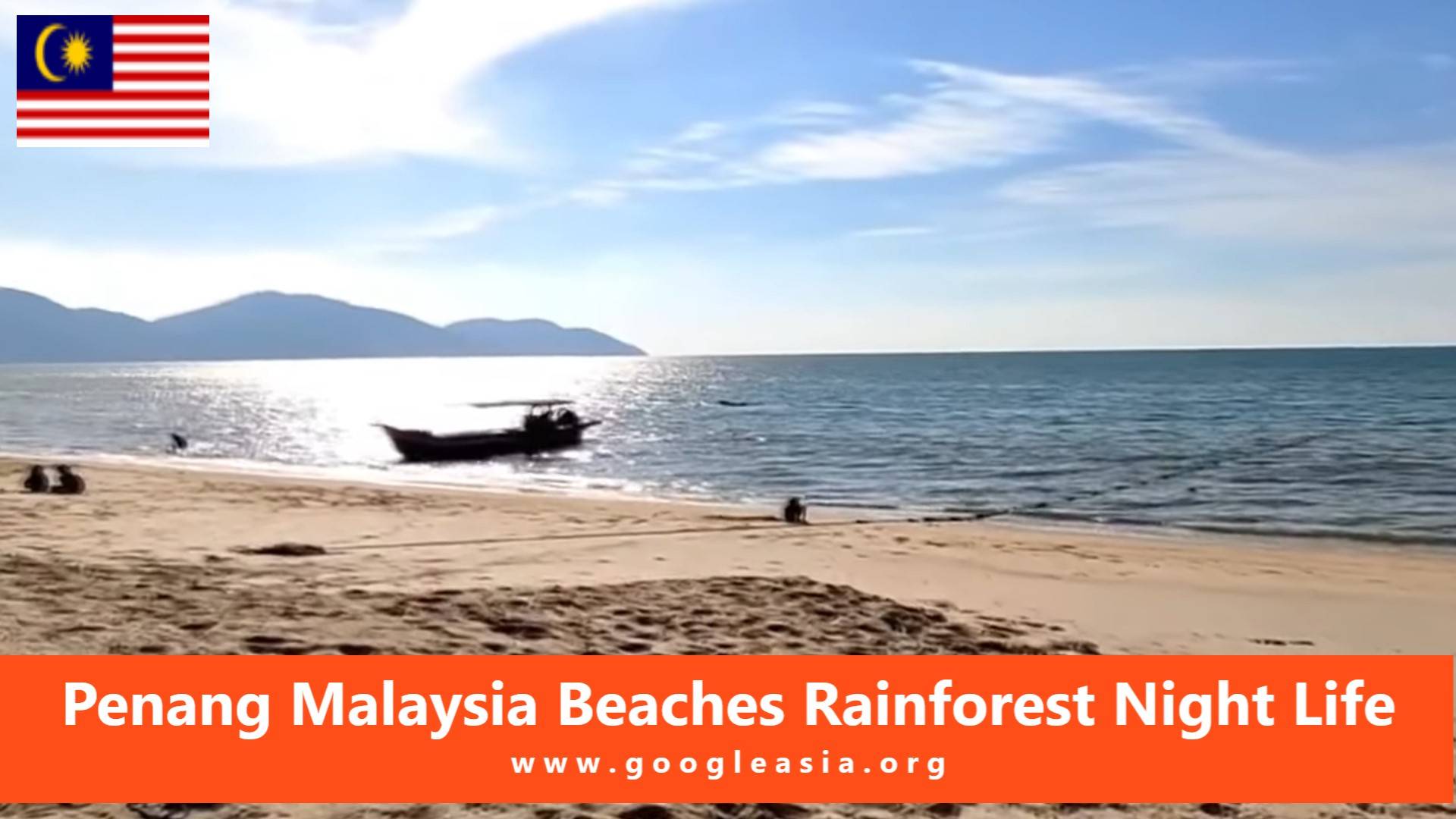
Known for its golden sandy beaches, Batu Ferringhi offers plenty of water sports, including jet skiing, parasailing, and windsurfing. After a day of sun and sea, the night market is a great spot to buy local souvenirs and enjoy street food.
Penang National Park
Penang’s National Park is a haven for nature lovers. With lush tropical rainforests, diverse wildlife, and pristine beaches, this park is ideal for hiking and exploration. Monkey Beach, accessible by boat or hiking, is a popular spot for beach lovers and wildlife enthusiasts alike.
Penang Hill
For panoramic views of the island, take a ride on the Penang Hill funicular railway. The hill offers cool temperatures and breathtaking vistas, making it an ideal spot for a day trip. Don’t miss out on The Habitat Penang Hill, a nature park offering treetop walks and gardens, or enjoy a relaxing meal at David Brown’s Restaurant at the summit.
Recreational Spots
Gurney Drive
If you’re in the mood for shopping and dining by the sea, Gurney Drive is the place to be. The promenade is lined with hawker food stalls, offering everything from local delicacies to international cuisine. Gurney Plaza and Gurney Paragon Mall cater to those seeking a more upscale shopping experience.
Little India and Chinatown
Explore Penang’s Little India and Chinatown, where vibrant markets offer traditional Indian fabrics, Chinese herbs, and unique antiques. These areas are also home to historical landmarks that showcase Penang’s diverse cultural heritage.
Things to Do
Penang offers something for everyone, whether you’re looking to immerse yourself in local culture, relax by the beach, or dive into thrilling outdoor adventures.
Cultural and Historical Experiences
Visit the Clan Jetties
Penang’s Clan Jetties are stilt houses built over the water, each belonging to a different Chinese clan. Take a boat ride to explore the jetties, where you can learn about the traditional lifestyles of the families who have lived here for generations.
Experience the Temples
Penang boasts some stunning temples, such as Kek Lok Si, the largest Buddhist temple in Malaysia, and the Snake Temple, home to live pit vipers. Explore these sacred spaces, participate in local rituals, and admire the beautiful architecture.
Outdoor Adventures and Nature
Explore Penang Hill
Penang Hill is one of the island’s top attractions. Whether you choose to hike up the hill or ride the funicular railway, you’ll be rewarded with stunning views of the island.
Visit the Beaches
Penang is home to some of Malaysia’s best beaches. Batu Ferringhi is perfect for beach activities, while Monkey Beach offers a more secluded experience.
Head Out on a Dolphin Watching Tour
Penang is also a great place to see wild dolphins. Take a dolphin-watching tour to see these magnificent creatures in their natural habitat.
Relaxation and Leisure
Luxury Resorts and Boutique Hotels
Penang offers a wide range of accommodations, from luxury beachfront resorts to charming boutique hotels. Whether you choose the opulent Eastern & Oriental Hotel or the laid-back Lone Pine Hotel, you’re guaranteed a comfortable stay.
Spas and Wellness Centers
After a day of sightseeing, unwind with a rejuvenating treatment at one of Penang’s top spas. Danai Spa and Chi, The Spa at Shangri-La’s Rasa Sayang Resort offer traditional and international treatments, perfect for relaxing after a long day of exploring.
Foods
Try Some Street Food
Penang is a food lover’s paradise. Sample iconic dishes like Char Kway Teow, Assam Laksa, and Nasi Kandar at the local hawker centers, where food stalls serve up mouthwatering local delights.
Head to the Markets
The vibrant markets of Little India and Armenian Street are the perfect places to buy traditional goods and sample local snacks. Explore Georgetown’s markets for Malaysian souvenirs and crafts.
Diverse and Renowned Cuisine
Penang Laksa
One of Penang’s most iconic dishes is Laksa, a tangy, fish-based soup served with rice noodles and topped with fresh herbs and prawn paste. This spicy and sour dish is a must-try, often found in roadside stalls and local eateries across the island.
Char Kway Teow
This stir-fried flat rice noodle dish is a favorite in Penang. Cooked with prawns, cockles, eggs, bean sprouts, and Chinese chives, Char Kway Teow has a smoky flavor that comes from the high-heat stir-fry, making it an unforgettable experience for food lovers.
Nasi Kandar
Another famous local dish is Nasi Kandar, a hearty meal consisting of steamed rice paired with a variety of curries and side dishes. Some of the best Nasi Kandar restaurants, like Line Clear and Nasi Kandar Pelita, are famous for their unique and flavorful offerings.
Conclusion
Penang is a perfect blend of history, culture, natural beauty, and culinary delights, making it a top travel destination in Malaysia. Whether you’re exploring its historical sites, enjoying its incredible food, or soaking up the sun on its beautiful beaches, Penang promises a memorable experience for all types of travelers.
Ready to explore Penang’s beauty? Pack your bags and get ready for an unforgettable journey to this captivating Malaysian gem.

Summary
- Attraction Name: Penang
- Country: Malaysia
- Continent: Asia
- Capital Name: Kuala Lumpur
- Language: Bahasa Melayu (Official), English, Mandarin, Tamil
- Currency: Malaysian Ringgit (MYR)
- Nationality: Malaysian
- Category: #Destination #Asia #MALAYSIA
Frequently Asked Questions
Where is Penang located?
Penang is an island state located on the northwest coast of Peninsular Malaysia. It consists of Penang Island, where the capital city of Georgetown is situated, and Seberang Perai on the mainland, which is connected to the island by the Penang Bridge and the Sultan Abdul Halim Muadzam Shah Bridge (Penang Second Bridge).
Here are the geographical coordinates for Penang Island:
- Latitude: Approximately 5.4164° N
- Longitude: Approximately 100.3327° E
Penang Island is bordered by the Strait of Malacca to the west and north, and it is separated from the mainland by the Penang Strait. The state of Penang is known for its rich cultural heritage, diverse cuisine, historical landmarks, and beautiful beaches, making it a popular tourist destination in Malaysia.
How can one travel to Penang?
Traveling to Penang, an island state in Malaysia, is relatively straightforward due to its well-developed transportation infrastructure. Here are the common ways to travel to Penang:
By Air:
- Penang International Airport (PEN):
- International and Domestic Flights: Penang International Airport is well-connected with direct flights from major cities in Southeast Asia such as Singapore, Bangkok, Jakarta, and Hong Kong, as well as domestic flights from Kuala Lumpur and other Malaysian cities.
- Airlines: Several airlines operate regular flights to Penang, including Malaysia Airlines, AirAsia, Firefly, and Malindo Air.
- Travel Time: Flight durations vary depending on the origin, with flights from Kuala Lumpur taking about 1 hour.
By Land:
- From Kuala Lumpur (KL):
- Road: The most common route is via the North-South Expressway (E1/AH2), connecting Kuala Lumpur to Penang. The journey by car or bus typically takes around 4-5 hours, depending on traffic conditions.
- Bus: Numerous bus operators provide daily services from Kuala Lumpur to Penang, departing from major bus terminals like TBS (Terminal Bersepadu Selatan) and Pudu Sentral.
- Train: KTMB (Keretapi Tanah Melayu Berhad) operates train services from KL Sentral to Butterworth, where you can transfer to a ferry or bus to reach Penang Island.
- From Other Malaysian Cities:
- Bus: Various bus companies offer routes to Penang from cities such as Ipoh, Malacca, Johor Bahru, and more.
- Train: KTMB also operates train services from other parts of Malaysia, with connections to Butterworth for onward travel to Penang Island.
By Sea:
- Ferry from Mainland (Butterworth):
- Ferry Service: Rapid Ferry operates frequent ferry services between Butterworth (mainland) and George Town (Penang Island). The ferry terminal in Butterworth is easily accessible from various parts of Malaysia via train or bus.
- Travel Time: The ferry ride takes about 15-20 minutes to cross the Penang Strait.
Local Transportation:
- Taxi and Ride-Sharing: Taxis are readily available in Penang, and ride-sharing services like Grab operate on the island.
- Public Buses: Rapid Penang bus services cover most parts of Penang Island, offering an affordable way to get around.
- Car Rental: Rental cars are available at Penang International Airport and in major towns for travelers who prefer self-driving.
Tips for Travel:
- Booking in Advance: For flights and accommodations, especially during peak seasons or festivals like Chinese New Year and Hari Raya, it’s advisable to book in advance.
- Currency: Malaysian Ringgit (MYR) is the official currency used in Penang. Ensure you have local currency for taxis, buses, and smaller purchases.
- Local Customs: Respect local customs and traditions, especially when visiting religious sites and during festivals.
What’s the climate like in Penang?
Penang experiences a tropical rainforest climate, characterized by high humidity, warm temperatures throughout the year, and abundant rainfall. Here are the key features of Penang’s climate:
- Temperature:
- Consistently Warm: Penang enjoys warm temperatures year-round, with average highs ranging from 30°C to 32°C (86°F to 90°F) and lows from 23°C to 25°C (73°F to 77°F).
- Little Seasonal Variation: There is minimal variation in temperature between seasons due to its proximity to the equator.
- Rainfall:
- High Rainfall: Penang receives significant rainfall throughout the year, with the wettest months typically occurring from April to November.
- Monsoon Influence: The island experiences two main monsoon seasons:
- Southwest Monsoon (April to October): Brings heavy rains, particularly from May to September, with occasional thunderstorms.
- Northeast Monsoon (November to March): Brings occasional showers, but less intense compared to the southwest monsoon.
- Humidity:
- High Humidity Levels: Penang’s climate is characterized by high humidity levels, often exceeding 80%.
- Moderating Influence: The surrounding sea helps moderate temperatures but also contributes to humidity.
- Sunshine:
- Variable Sunshine: Despite frequent rain showers, Penang still experiences periods of sunshine throughout the year.
Best Time to Visit:
- December to February: These months generally offer drier and cooler weather due to the northeast monsoon, making it a popular time for tourists.
- Avoiding Peak Rainfall: If planning outdoor activities or beach visits, it’s advisable to avoid the wettest months (April to November) when heavy rain and thunderstorms are more frequent.
Packing Tips:
- Light Clothing: Lightweight, breathable clothing is suitable year-round due to the warm temperatures.
- Rain Gear: Carry an umbrella or raincoat, especially if visiting during the wetter months.
- Sun Protection: Sunscreen, sunglasses, and hats are recommended to protect against strong tropical sun rays.
What are Penang’s must-visit cities?
Penang, as an island state, doesn’t have distinct cities in the traditional sense like mainland areas. Instead, it comprises Georgetown as the capital and main urban center, surrounded by various towns and areas of interest. Here are some key destinations within Penang that are worth visiting:
- Georgetown:
- UNESCO World Heritage Site: Known for its historic colonial architecture, multicultural influences, and vibrant street art.
- Attractions: Khoo Kongsi clan house, Cheong Fatt Tze Mansion (The Blue Mansion), Kapitan Keling Mosque, Penang State Museum, and various temples and churches.
- Batu Ferringhi:
- Beach Resort Area: Famous for its long stretch of beach, water sports activities, resorts, and the lively Batu Ferringhi Night Market.
- Tanjung Bungah:
- Seaside Town: Located between Georgetown and Batu Ferringhi, known for its residential areas, beaches, and the Penang Floating Mosque.
- Balik Pulau:
- Rural and Agricultural Area: Situated on the western side of Penang Island, known for its traditional Malay villages, fruit orchards, and countryside charm.
- Air Itam:
- Suburban Area: Home to the Kek Lok Si Temple, Penang Hill Funicular Railway, and the Penang Hill area offering panoramic views of the island.
- Bayan Lepas:
- Industrial and Residential Area: Located southeast of Georgetown, known for the Penang International Airport, industrial zones, and residential developments.
What are Penang’s must-visit destinations?
Penang, an island state in Malaysia, offers a variety of must-visit destinations that highlight its rich cultural heritage, vibrant culinary scene, and natural beauty. Whether you’re interested in exploring historical landmarks, relaxing on beautiful beaches, or indulging in delicious street food, here are some of the top destinations to visit in Penang:
- Georgetown:
- UNESCO World Heritage Site: Explore Georgetown’s historic streets, colonial architecture, and multicultural atmosphere.
- Street Art: Wander through alleys adorned with vibrant murals and street art installations by local and international artists.
- Khoo Kongsi: Visit this elaborate Chinese clan house known for its intricate architecture and cultural significance.
- Cheong Fatt Tze Mansion (The Blue Mansion): Tour this iconic 19th-century mansion with its distinctive blue façade and rich history.
- Penang Hill (Bukit Bendera):
- Funicular Railway: Take a ride on the Penang Hill Funicular Railway for panoramic views of Georgetown and the surrounding area.
- Nature Trails: Explore the hilltop’s cool climate and lush greenery with various walking trails and viewpoints.
- Kek Lok Si Temple:
- Largest Buddhist Temple: Visit Southeast Asia’s largest Buddhist temple complex, featuring stunning architecture, pagodas, and a giant statue of the Goddess of Mercy (Kuan Yin).
- Pagoda of Ten Thousand Buddhas: Climb the pagoda for breathtaking views and to see thousands of Buddha statues.
- Batu Ferringhi Beach:
- Sun, Sand, and Sea: Relax on Penang’s most famous beach, known for its golden sands, water sports activities, and beachfront resorts.
- Night Market: Explore the Batu Ferringhi Night Market, where you can shop for souvenirs, handicrafts, and enjoy delicious street food.
- Penang National Park:
- Natural Beauty: Discover Malaysia’s smallest national park, home to diverse ecosystems, mangrove forests, hiking trails, and secluded beaches.
- Canopy Walkway: Experience the rainforest from above on the park’s canopy walkway, offering stunning views and opportunities to spot wildlife.
- Penang Street Food:
- Hawker Centers: Indulge in Penang’s renowned street food at hawker centers such as Gurney Drive Hawker Centre and New Lane Hawker Centre.
- Must-Try Dishes: Sample local favorites like char kway teow, laksa, rojak, hokkien mee, and nasi kandar from street vendors and food stalls.
- Clan Jetties of Penang:
- Historical Waterfront Settlements: Explore the Clan Jetties, traditional wooden stilt houses built by Chinese immigrants, each representing a different clan.
- Penang Botanical Gardens (Waterfall Gardens):
- Botanical Diversity: Visit the Penang Botanical Gardens to see a variety of tropical plants, orchids, and the famous giant rain tree.
- Penang Museum and Art Gallery:
- Cultural Exhibits: Learn about Penang’s history, heritage, and diverse cultural influences through exhibits, artifacts, and art collections.
- Penang Hill Railway Station:
- Historic Railway Station: Explore the historic Penang Hill Railway Station, showcasing colonial-era architecture and heritage.
Tips for Visitors:
- Transportation: Use Grab (ride-hailing app), taxis, or public buses to get around Penang, especially if you’re not renting a car.
- Timing: Check opening hours and plan your itinerary accordingly to make the most of your visit to each destination.
- Local Insights: Engage with locals or hire a guide to gain deeper insights into Penang’s history, culture, and culinary traditions.
What are Penang’s must-visit attractions or landmarks?
Penang, known for its rich cultural heritage, vibrant culinary scene, and scenic landscapes, offers a variety of must-visit attractions and landmarks that showcase its diverse appeal. Here are some of the top attractions to explore when visiting Penang:
- Georgetown UNESCO World Heritage Site:
- Street Art: Wander through Georgetown’s streets adorned with vibrant murals and street art installations, including famous works by local and international artists.
- Khoo Kongsi: Visit this ornate Chinese clan house, known for its intricate architecture and historical significance.
- Cheong Fatt Tze Mansion (The Blue Mansion): Tour this iconic 19th-century mansion, famed for its indigo-blue façade and unique architectural features.
- Penang Hill (Bukit Bendera):
- Funicular Railway: Take a ride on the Penang Hill Funicular Railway for stunning panoramic views of Georgetown and the surrounding area.
- Nature Trails: Explore the hilltop’s cool climate and lush greenery with various walking trails and viewpoints.
- Kek Lok Si Temple:
- Largest Buddhist Temple: Visit Southeast Asia’s largest Buddhist temple complex, known for its intricate architecture, pagodas, and beautiful gardens.
- Giant Buddha Statue: Marvel at the towering statue of the Goddess of Mercy (Kuan Yin), which overlooks the temple grounds.
- Penang National Park:
- Nature and Wildlife: Explore Malaysia’s smallest national park, offering diverse ecosystems, mangrove forests, pristine beaches, and hiking trails.
- Canopy Walkway: Experience the thrill of walking among the treetops on the park’s canopy walkway, offering panoramic views of the rainforest.
- Batu Ferringhi Beach:
- Water Sports and Recreation: Relax on the sandy shores of Penang’s most popular beach, known for its water sports activities, beachfront resorts, and lively night markets.
- Penang Butterfly Farm: Visit the nearby Penang Butterfly Farm to witness a variety of colorful butterflies and tropical insects in a natural setting.
- Penang Street Food:
- Hawker Centers: Indulge in Penang’s world-renowned street food at hawker centers such as Gurney Drive Hawker Centre and New Lane Hawker Centre.
- Must-Try Dishes: Sample local favorites like char kway teow, laksa, rojak, hokkien mee, and nasi kandar from street vendors and food stalls.
- Clan Jetties of Penang:
- Historical Waterfront Settlements: Explore the traditional wooden stilt houses of the Clan Jetties, home to different Chinese clans with distinct cultural practices and traditions.
- Penang Museum and Art Gallery:
- Cultural Exhibits: Discover Penang’s history, heritage, and cultural diversity through artifacts, exhibits, and art collections housed in the museum.
- Botanical Gardens (Waterfall Gardens):
- Tropical Flora: Visit the Penang Botanical Gardens to admire a variety of tropical plants, orchids, and the iconic giant rain tree. It’s a peaceful retreat for nature lovers.
- Penang Hill Railway Station:
- Historic Railway Station: Explore the historic Penang Hill Railway Station, which dates back to the late 19th century and showcases colonial-era architecture and heritage.
Tips for Visitors:
- Transportation: Consider using Grab (ride-hailing app), taxis, or public buses to navigate between attractions, especially if you’re not renting a car.
- Timing: Some attractions may have specific opening hours or days. Plan your itinerary accordingly to maximize your visit.
- Local Guidance: Engage with locals or hire a guide to gain deeper insights into Penang’s history, culture, and culinary traditions.
Is Penang a suitable travel destination for solo adventurers, honeymooning couples, or those traveling with families?
Penang is an exceptionally suitable travel destination for a wide range of travelers, including solo adventurers, honeymooning couples, and families. Here’s why Penang caters well to each type of traveler:
Solo Adventurers:
- Exploration Opportunities: Georgetown, Penang’s capital, offers a mix of cultural exploration and urban adventure. Solo travelers can wander through historic streets adorned with street art, visit temples and museums, and explore local markets and hawker centers.
- Food Paradise: Penang is renowned for its street food, making it perfect for solo adventurers who want to sample diverse dishes like char kway teow, nasi kandar, and laksa from food stalls and hawker centers.
- Safety and Accessibility: The island is generally safe for solo travelers, with well-connected public transport and English widely spoken, making it easy to navigate and communicate.
Honeymooning Couples:
- Romantic Settings: Penang offers plenty of romantic experiences, from sunset strolls along Batu Ferringhi Beach to intimate dinners at seaside restaurants.
- Heritage and Culture: Explore Georgetown’s UNESCO-listed heritage sites, enjoy a visit to the Blue Mansion or the Penang Hill, and savor Nyonya cuisine in atmospheric settings.
- Luxurious Accommodations: There are numerous luxurious resorts and boutique hotels in Penang, offering privacy and exceptional amenities for honeymooners.
Families:
- Family-Friendly Attractions: Penang has attractions suitable for all ages, such as Penang Hill, where you can take a funicular train ride and enjoy panoramic views, and the Penang Butterfly Farm, which is educational and entertaining for children.
- Beaches and Recreation: Batu Ferringhi Beach is ideal for families, offering water sports, beachside activities, and plenty of dining options.
- Cultural Immersion: Families can visit temples, explore Penang’s diverse neighborhoods, and participate in cultural festivals and events that showcase the island’s multicultural heritage.
Considerations:
- Weather: Penang experiences tropical weather, so check for the best times to visit to avoid heavy rainfall or excessive heat, especially if planning outdoor activities.
- Accommodation Choices: Depending on your preferences, choose accommodations that suit your family size, budget, and desired location. From beach resorts to heritage hotels, Penang offers a range of options.
- Local Etiquette: Respect local customs and traditions, particularly when visiting religious sites or participating in cultural events.
Why should you visit Penang?
There are numerous compelling reasons to visit Penang, an island state in Malaysia that blends rich cultural heritage with stunning natural landscapes and vibrant culinary scenes. Here are some of the top reasons why Penang is a must-visit destination:
- Cultural Diversity:
- Historic Georgetown: Penang’s capital, Georgetown, is a UNESCO World Heritage Site renowned for its well-preserved colonial architecture, vibrant street art, and multicultural atmosphere.
- Religious Diversity: Explore various temples, mosques, and churches that reflect the diverse religious practices of Penang’s communities, including the famous Kek Lok Si Temple and Kapitan Keling Mosque.
- Culinary Delights:
- Street Food Capital: Penang is hailed as one of Asia’s best street food destinations. Indulge in dishes like char kway teow, nasi kandar, laksa, and rojak at bustling hawker centers and food stalls across the island.
- Nyonya Cuisine: Experience the unique flavors of Peranakan or Nyonya cuisine, a fusion of Chinese and Malay influences, which you can savor in local restaurants and heritage homes.
- Historical Landmarks:
- Fort Cornwallis: Visit this historic fort, built by the British East India Company in the late 18th century, which played a significant role in Penang’s colonial history.
- Cheong Fatt Tze Mansion (Blue Mansion): Tour this iconic heritage mansion, famous for its indigo-blue façade and exquisite architectural details, offering insights into Penang’s wealthy past.
- Natural Beauty:
- Penang Hill: Take a funicular train ride to the top of Penang Hill for panoramic views of the island and mainland. Enjoy cooler temperatures and explore nature trails amidst lush greenery.
- Botanic Gardens: Visit the Penang Botanic Gardens (also known as the “Waterfall Gardens”) to admire tropical flora, including the rare orchids and the giant rain tree.
- Art and Culture:
- Street Art: Discover Penang’s vibrant street art scene, with murals and installations by local and international artists scattered throughout Georgetown’s alleys and walls.
- Cultural Festivals: Experience lively cultural festivals such as Chinese New Year, Thaipusam, and Hari Raya Aidilfitri, which showcase Penang’s multicultural traditions and celebrations.
- Beaches and Recreation:
- Batu Ferringhi: Relax on the sandy beaches of Batu Ferringhi, where you can indulge in water sports, sunbathe, or enjoy fresh seafood at beachside restaurants.
- Water Activities: Explore marine life with snorkeling or diving trips to nearby islands such as Pulau Payar Marine Park or take a leisurely cruise around Penang’s coastal waters.
- Shopping and Entertainment:
- Malls and Markets: Shop for souvenirs, local crafts, and designer goods at malls like Gurney Plaza and Queensbay Mall, or bargain hunt at markets such as Batu Ferringhi Night Market and Lorong Kulit Flea Market.
- Cultural Shows: Attend traditional cultural performances or music concerts that highlight Penang’s diverse artistic talents and entertainment scene.
How accessible is halal food in Penang?
Penang, known as one of Malaysia’s culinary capitals, offers a wide range of halal food options due to its diverse population and vibrant food culture. Here’s an overview of how accessible halal food is in Penang:
Halal Food Availability:
- Diverse Cuisine: Penang is famous for its street food and diverse culinary offerings, many of which are halal. You can find traditional Malay, Indian, and Chinese-Muslim (often called “Nonya” or Peranakan) dishes throughout the island.
- Halal Certification: Many eateries in Penang prominently display halal certification from local Islamic authorities. This ensures that the food preparation and ingredients meet Islamic dietary guidelines.
- Street Food: Penang’s hawker centers and street food stalls are abundant with halal options. Look for popular dishes like nasi kandar, roti canai, char kway teow, and laksa, which are typically available with halal variations.
- Restaurants and Cafés: There are numerous halal-certified restaurants and cafés across Penang, ranging from budget-friendly eateries to upscale dining establishments. These cater to various tastes and preferences, including local Malay cuisine, Middle Eastern fare, and international dishes.
- Shopping Malls: Major shopping malls in Penang usually have food courts or restaurants that serve halal food. This includes popular malls like Gurney Plaza, Queensbay Mall, and Prangin Mall, where you can find a variety of halal options.
- Local Markets and Bazaars: Visit local markets and bazaars such as Pasar Malam (night markets) and Pasar Ramadan (Ramadan bazaars) during the fasting month, where vendors sell a wide array of halal street food and traditional Malay dishes.
Considerations:
- Variety and Quality: Penang’s reputation for food diversity means that halal options are plentiful and of high quality. You can enjoy authentic Malay, Indian-Muslim, and fusion cuisines.
- Local Insights: Engage with locals or consult travel guides and apps to discover recommended halal eateries and hidden gems known for their delicious offerings.
- Language: English and Malay are widely spoken in Penang, making it easier to communicate dietary preferences and inquire about halal certification at restaurants and food stalls.