Cartagena de Indias, Colombia
Explore Cartagena de Indias, Colombia’s Caribbean jewel of cobblestone streets, colorful balconies, and lively plazas. From historic fortresses to island escapes, this guide highlights the city’s best attractions and essential visitor information. Plan your Cartagena adventure today and step into a world of history and sunshine!
Introduction
Cartagena de Indias Colombia is a beautiful and historic port city that has a wealth of historic sites, natural wonders and vibrant colors of Caribbean culture. Due to its walled colonial center and stunning Caribbean beaches, Cartagena is a prime destination for travelers from all over the world.
Aside from its captivating history, visitors to the city can explore its cobblestoned streets, take a stroll along its waterfront, see the colorful Barrio Getsemani district and learn about Colombian culture through its many interesting museums. From its seafood-filled marketplaces to its wonderful shopping opportunities, Cartagena de Indias Colombia is definitely a must-visit destination.
Cartagena de Indias is a beautiful walled city on the Caribbean coast of Colombia. It is known for its colorful colonial-era buildings, cobblestone streets, and stunning beaches. It is one of the most popular tourist destinations in the country, offering a wide range of activities, including sightseeing, shopping, and delicious Caribbean cuisine.
Cartagena de Indias, often simply called Cartagena, is a vibrant city located on the northern coast of Colombia, along the Caribbean Sea. Renowned for its colorful colonial architecture, rich history, and lively cultural scene, Cartagena is one of Colombia’s most celebrated tourist destinations. Here’s an in-depth look at what makes Cartagena de Indias a must-visit location:
Historical Charm and Colonial Architecture
The Walled City
Cartagena’s Walled City (Ciudad Amurallada) is a UNESCO World Heritage site, recognized for having the most extensive and best-preserved fortifications in South America. Built beginning in the 16th century, the walls and bastions were designed to protect the city from pirate raids and colonial conflicts. The city is divided into three historic neighborhoods:
- San Pedro: Home to the cathedral and Andalusian-style palaces.
- San Diego: Traditionally inhabited by merchants and the middle class.
- Getsemaní: The “popular quarter,” known for its vibrant street life and cultural heritage.
Walking through the cobblestone streets, visitors encounter colorful colonial houses, flower-filled balconies, and lively plazas that reflect Cartagena’s blend of Spanish and Caribbean influences.
Budget Travel $100
Cartagena is one of Colombia’s most vibrant destinations, blending colonial architecture with Caribbean beaches. It is more expensive than cities like Medellín, but still manageable for budget travelers. According to recent travel cost data, daily budgets range from $43 to $60 per person for food, transport, and basic lodging, meaning $100 can cover about two days of travel if managed carefully. Food varies widely: street vendors sell arepas, empanadas, and fresh juices for $2–$4, while local restaurants offer set lunches for $5–$7.
Dining in the historic Walled City is pricier, with meals averaging $15–$25, but the Getsemaní neighborhood provides cheaper, authentic options. Public transport is affordable, with local buses costing less than $1 per ride, and taxis averaging $2–$5 for short trips.
For entrance fees and tickets, many attractions are free, such as exploring the colonial streets, plazas, and waterfront. Paid sites include Castillo San Felipe de Barajas, with an entrance fee of about $5–$7, and museums charging $2–$4. Island excursions to places like Islas del Rosario require boat transport and dock taxes, often costing $25–$40, which would exceed a $100 budget if combined with meals and lodging. With careful planning—choosing budget food options, hostels, and free attractions—$100 can comfortably cover two days in Cartagena.
Tips for American Travelers
For American travelers, Cartagena is welcoming but requires some key considerations. The local currency is the Colombian peso (COP), and while U.S. dollars are accepted in some tourist areas, pesos are essential for buses, markets, and small shops. Safety is generally good in tourist zones, but practicing common-sense precautions—such as avoiding isolated streets at night and being cautious with valuables—is important. The city is divided into distinct areas: the historic Walled City (expensive but iconic), Bocagrande (modern and resort-like), and Getsemaní (cheaper, more local, and popular with backpackers).
Language is another factor: Spanish dominates daily life, though English is spoken in tourist hubs. Public transport is reliable but crowded, so taxis or ride-hailing apps are often more convenient. Cartagena’s climate is hot and humid year-round, with average temperatures around 30°C, so sunscreen, light clothing, and hydration are essential. Travelers should also be aware of seasonal price changes, as costs rise during holidays and festivals.
By blending cultural awareness with practical planning, Americans can enjoy Cartagena’s colonial charm, Caribbean beaches, and lively culture while staying within a $100 budget.
1‑Day Itinerary
- 8:00 AM – Breakfast in Getsemaní (try fresh tropical fruit and Colombian coffee)
- 9:00 AM – Walk through the Old Town (visit Plaza Santo Domingo, Cathedral of Cartagena)
- 11:00 AM – Explore Castillo San Felipe de Barajas (massive fortress with panoramic views)
- 1:00 PM – Lunch at a local restaurant (taste arepas de huevo or seafood stew)
- 2:30 PM – Stroll along the city walls and admire colorful colonial houses
- 4:00 PM – Visit Bocagrande beach (relax or enjoy water sports)
- 6:00 PM – Sunset at Café del Mar (iconic spot overlooking the Caribbean)
- 8:00 PM – Dinner and salsa dancing in Getsemaní (Cartagena’s bohemian district)
Attractions
Castillo San Felipe de Barajas
The Castillo San Felipe de Barajas, built between 1639 and 1767, is the largest fortress constructed by the Spanish on mainland South America. Strategically located on the Hill of San Lázaro, it dominated approaches to the city by land and sea. The fortress played a crucial role in defending Cartagena during the Battle of Cartagena de Indias in 1741, when Spanish forces repelled a massive British attack. Today, visitors can explore its tunnels, ramparts, and enjoy panoramic views of the city.
Palacio de la Inquisición
Located in Plaza de Bolívar, the Palacio de la Inquisición is one of Cartagena’s most striking colonial buildings. Constructed in the 18th century, it housed the tribunal of the Spanish Inquisition, which operated in Cartagena from 1610 until the early 19th century. Today, it functions as a museum, showcasing artifacts from colonial times and offering insights into the city’s complex past, including its role in religious persecution and colonial governance.
Things to Do
Cartagena de Indias is a vibrant city that offers a rich blend of history, culture, and natural beauty. Whether you’re wandering through its historical sites, enjoying its lively nightlife, or relaxing on its beautiful beaches, there’s something for everyone in this Caribbean gem. Here’s a comprehensive guide to the top things to do in Cartagena de Indias:
Visit the Walled City
Cartagena’s Walled City (Ciudad Amurallada) is a UNESCO World Heritage site, recognized for its remarkably preserved colonial architecture. Built beginning in the 16th century, the walls and bastions were designed to defend against pirate raids and foreign invasions. The cobblestone streets are lined with colorful colonial buildings, flower-filled balconies, and lively plazas.
Visitors can explore charming boutiques, artisan shops, and enjoy local cuisine at restaurants and cafés. The historic center is divided into neighborhoods such as San Pedro, with its cathedral and palaces, and Getsemaní, known for vibrant street life and murals.
Visit the Palace of the Inquisition
Located in Plaza de Bolívar, the Palacio de la Inquisición is one of Cartagena’s most striking colonial buildings. Constructed in the 18th century, it housed the tribunal of the Spanish Inquisition, which operated in Cartagena from 1610 until the early 19th century. Today, it functions as a museum, displaying artifacts from colonial times and offering insights into religious persecution and governance. Its beautiful courtyard provides a serene space amidst the historical exhibits.
Walk Along Las Bóvedas
Built in the late 18th century, Las Bóvedas are a series of vaults integrated into the city’s fortifications. Originally used as storage and later as prisons, they now house artisan shops selling local crafts and souvenirs. Walking along Las Bóvedas offers panoramic views of the Caribbean coastline and the city’s historic skyline.
Take a Boat Tour
Cartagena’s location on the Caribbean Sea makes boat tours a popular way to experience the city. Scenic cruises provide views of the colonial skyline and modern districts like Bocagrande. Many tours include excursions to the Rosario Islands, a protected marine park known for coral reefs, snorkeling, and diving.
Visit Castillo San Felipe de Barajas
The Castillo San Felipe de Barajas, built between 1639 and 1767, is the largest fortress constructed by the Spanish in South America. Strategically located on the Hill of San Lázaro, it played a crucial role in defending Cartagena during the Battle of Cartagena de Indias in 1741, when Spanish forces repelled a massive British attack. Visitors can explore its tunnels, ramparts, and enjoy panoramic views of the city.
Explore the Street Art
In the neighborhood of Getsemaní, vibrant murals and graffiti showcase Cartagena’s dynamic street art scene. These works reflect cultural identity, social issues, and community pride. The area has transformed from a working-class district into a hub of creativity, offering countless photography opportunities.
Enjoy a Sunset Cruise
Cartagena’s bay is the perfect setting for a sunset cruise. As the sun dips below the horizon, the colonial skyline glows against the Caribbean waters. Many cruises offer cocktails and music, creating a romantic and scenic experience.
Sample Local Food
Cartagena’s cuisine blends Caribbean and Colombian flavors. Traditional dishes include:
- Sancocho: A hearty stew of meat, yuca, and plantains.
- Arepas: Corn cakes stuffed with cheese or meat.
- Fresh Seafood: Snapper, shrimp, and ceviche are staples along the coast.
Food tours provide opportunities to sample street food and learn about culinary traditions.
Enjoy the Nightlife
Cartagena’s nightlife is vibrant, with salsa clubs, rooftop bars, and live music venues. The Centro Histórico and Getsemaní are popular areas for evening entertainment, offering everything from reggaeton beats to traditional vallenato.
Visit the Gold Museum
The Museo del Oro Zenú showcases pre-Columbian gold artifacts and shipwreck treasures. Exhibits highlight the role of gold in indigenous cultures and colonial trade. Interactive displays bring Cartagena’s history to life.
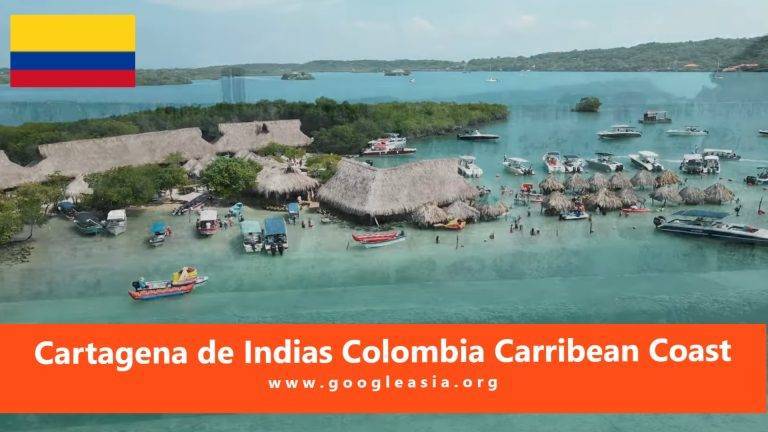
Stunning Caribbean Coastline
- Bocagrande: A bustling beach district with high-rise hotels, shopping, and dining.
- Playa Blanca (Isla Barú): Famous for its white sand and turquoise waters, ideal for swimming and relaxation.
- Rosario Islands: A marine park with coral reefs, mangroves, and diverse marine life, perfect for snorkeling and eco-tours.
Foods
Cartagena de Indias is a culinary paradise with a rich blend of Caribbean and Colombian flavors. From fresh seafood to traditional stews, the city offers a variety of delectable dishes that reflect its vibrant culture and coastal location. Here’s a guide to some of the best foods you should try when visiting Cartagena:
Fried Fish
Cartagena’s coastal location makes fried fish one of its most iconic dishes. Whole red snapper (pargo rojo) is often served crispy on the outside and tender inside, accompanied by patacones (fried plantains), coconut rice, and salad. This preparation reflects Afro-Caribbean influences and is a staple at beachside restaurants.
- Fish Empanadas: A popular street food, empanadas are filled with seasoned white fish, fried until golden, and served with ají (spicy salsa). They are a quick snack that highlights Cartagena’s seafood abundance.
Ceviche
Cartagena’s hot climate makes ceviche a perfect dish. Traditionally, it is prepared with fresh fish marinated in lime juice, mixed with onions, tomatoes, and cilantro.
- Variations: Shrimp ceviche and mixed seafood ceviche are also common, often served with crispy corn chips or plantain slices. Cartagena’s ceviche tradition is influenced by Peruvian styles but adapted with Caribbean flavors, making it distinctively local.
Sancocho
Sancocho is a rich stew considered a national dish of Colombia. In Cartagena, seafood versions are popular, though chicken and beef are also used. The stew includes yuca (cassava), plantains, corn on the cob, and potatoes, simmered together to create a comforting, flavorful broth.
It is often served with arepas and coconut rice, making it a filling meal that reflects both indigenous and Afro-Caribbean culinary traditions.
Caribbean Rice
Arroz con coco (coconut rice) is a hallmark of Cartagena’s cuisine. Cooked with coconut milk, it has a creamy texture and slightly sweet flavor. Traditionally, it is paired with fried fish or salted beef, creating a balance of savory and sweet. This dish is a staple at coastal gatherings and is deeply tied to Afro-Caribbean heritage.
Arepas
Arepas are cornmeal cakes dating back to pre-Columbian times. In Cartagena, they are often stuffed with cheese, eggs, or meats.
- Breakfast or Lunch: Arepas de huevo (egg-filled arepas) are especially popular in the Caribbean region, fried until crispy with a whole egg inside. They are a beloved street food and a must-try for visitors.
Seafood
Cartagena’s seafood offerings are diverse and abundant:
- Grilled Shrimp: Often served with garlic sauce, reflecting Caribbean spice traditions.
- Seafood Soup (Sopa de Mariscos): A rich soup made with shrimp, clams, squid, and fish, simmered with vegetables and spices.
- Seafood Tacos: Fried fish or shrimp tacos are popular for a quick, flavorful meal, often paired with tropical salsas.
Exotic Fruits & Juices – Tropical Delights
Cartagena’s tropical climate produces an array of exotic fruits:
- Lulo: A tart fruit used to make refreshing juice.
- Maracuyá (Passion Fruit): Popular in juices and desserts.
- Mango: Enjoyed fresh or as mango biche (green mango with lime and salt), a traditional coastal snack.
Fresh juices are widely available at street stalls, offering hydration and flavor during Cartagena’s warm days.
Hotels
Cartagena de Indias offers a range of accommodations that cater to different tastes and preferences. From luxurious beachfront resorts to charming boutique hotels in the historic center, here are some of the best hotels to stay in Cartagena de Indias:
Hotel Casa del Coliseo
Housed in a restored 17th-century colonial mansion, Hotel Casa del Coliseo sits in the heart of Cartagena’s historic center. Its architecture preserves original stone walls and wooden balconies, while interiors blend colonial elegance with modern amenities.
- Amenities: Swimming pool, spa, restaurant, and free Wi-Fi.
- Unique Features: Authentic colonial design, with courtyards and arches that reflect Cartagena’s heritage. Guests are steps away from landmarks like Plaza Santo Domingo and the Cathedral of Cartagena.
Hotel Tequendama Cartagena
Located in Getsemaní, once a working-class district and now Cartagena’s cultural hub, Hotel Tequendama offers a stylish stay surrounded by vibrant street art and nightlife. Getsemaní is historically significant as the neighborhood where independence movements gained momentum in the 19th century.
- Amenities: Pool, restaurant, and free Wi-Fi.
- Unique Features: Modern eclectic design paired with proximity to Calle del Arsenal, a hotspot for live music and salsa clubs.
Movich Hotel Cartagena de Indias
The Movich Hotel, a 10-story property near the Walled City, is known for its rooftop pool and terrace, offering panoramic views of the colonial skyline, Bocagrande’s modern towers, and the Caribbean Sea.
- Amenities: Rooftop swimming pool, 24-hour fitness center, restaurant, and free Wi-Fi.
- Unique Features: The rooftop terrace is considered one of Cartagena’s premier sunset spots, often featured in travel magazines. Its central location makes it ideal for exploring both the historic center and modern districts.
Hotel Casa San Agustin
Casa San Agustin is a boutique hotel formed from three restored colonial houses within the Walled City. It incorporates original features such as a 300-year-old aqueduct arch spanning its courtyard, handpicked Colombian antiques, and frescoes.
- Amenities: Outdoor pool, spa (Aurum Spa), restaurant (Alma), and free Wi-Fi.
- Unique Features: With only 20 rooms and 11 suites, it offers intimate luxury. Alma Restaurant is renowned for coastal Colombian flavors like octopus carpaccio and coconut rice. Casa San Agustin is a member of The Leading Hotels of the World and in 2025 received a Michelin Key award for excellence.
Hilton Cartagena
The Hilton Cartagena is located on the El Laguito Peninsula, offering direct beach access and panoramic Caribbean views. Unlike boutique hotels in the Walled City, the Hilton provides a full resort-style experience.
- Amenities: Spa, multiple swimming pools, rooftop bars, gym, and several restaurants.
- Unique Features: Its location on a private peninsula makes it one of Cartagena’s most expansive properties. It is a popular choice for conferences and family vacations, combining resort facilities with proximity to Bocagrande’s shopping and nightlife.
Conclusion
Cartagena is more than a city—it’s a living canvas of history, culture, and Caribbean energy. From its colonial streets to its island escapes, every moment is unforgettable. Start planning your Cartagena journey today and let Colombia’s coastal charm inspire you.
Summary
- Attraction: Cartagena de Indias
- Country: Colombia
- Continent: South America
- Capital Name: Bogotá
- Language: Spanish
- Currency: Colombian Peso
- Nationality: Colombians (Spanish: Colombianos)
- Category: #Destination #SouthAmerica #COLOMBIA
Contact Cartagena Tourist Information Center
- Address: Plaza de la Aduana, Cartagena de Indias, Colombia
- Telephone: +57 5 664 7600
- Website: colombia.travel
- E-mail: info@colombia.travel
- Entry Fee: Free access to tourist information services; site entry fees vary (e.g., Castillo San Felipe approx. $5–$10)
- Business Hours: Monday–Saturday, 9:00 AM – 6:00 PM
Frequently Asked Questions
Where is Cartagena de Indias located?
Cartagena de Indias is located on the northern coast of Colombia, along the Caribbean Sea. It is situated in the Bolívar Department of Colombia and is one of the country’s most popular tourist destinations due to its rich history, well-preserved colonial architecture, and vibrant culture.
How to go to Cartagena de Indias?
To travel to Cartagena de Indias, you have several options depending on your starting point:
- By Air:
- International Flights: Cartagena’s Rafael Núñez International Airport (CTG) receives flights from major cities in North America, Central America, South America, and Europe.
- Domestic Flights: If you’re already in Colombia, you can take domestic flights to Cartagena from cities like Bogotá, Medellín, Cali, and others.
- By Land:
- Bus: Cartagena is well-connected by bus to major cities in Colombia. Buses are available from cities like Bogotá, Medellín, Barranquilla, and Santa Marta. The journey durations vary depending on the starting point.
- Car: You can drive to Cartagena from nearby cities and regions. The main highways leading to Cartagena are well-maintained and provide scenic views of the Colombian countryside.
- By Sea:
- Cruise Ships: Cartagena is a popular port of call for many Caribbean cruises. Cruise ships dock at the port, allowing passengers to explore the city and its attractions.
What are Cartagena de Indias’s must-visit attractions or landmarks?
Cartagena de Indias, with its rich history and stunning colonial architecture, offers a variety of must-visit attractions and landmarks that showcase its cultural heritage and natural beauty. Here are some of the top highlights:
- Walled City (Ciudad Amurallada):
- The historic center of Cartagena is a UNESCO World Heritage site, known for its well-preserved colonial architecture, colorful buildings, and charming cobblestone streets.
- Attractions: Plaza de Bolívar, Cathedral of Cartagena, Palace of the Inquisition, and numerous colonial-era churches.
- San Felipe de Barajas Castle (Castillo San Felipe de Barajas):
- This impressive fortress is one of the largest Spanish colonial fortresses in the Americas, strategically located on a hill overlooking the city and the Caribbean Sea.
- Attractions: Explore the tunnels, battlements, and panoramic views of Cartagena from the castle’s ramparts.
- Getsemaní Neighborhood:
- Located just outside the walled city, Getsemaní is a vibrant neighborhood known for its street art, lively atmosphere, and local culture.
- Attractions: Plaza de la Trinidad, vibrant street murals, and local cafes and restaurants.
- Rosario Islands (Islas del Rosario):
- A short boat ride from Cartagena takes you to the Rosario Islands, a group of picturesque islands known for their coral reefs, white-sand beaches, and crystal-clear waters.
- Attractions: Snorkeling, diving, and relaxing on beaches such as Playa Blanca.
- Cartagena Gold Museum (Museo de Oro y Arqueología de Cartagena):
- Located in the walled city, this museum houses a collection of pre-Columbian gold artifacts and archaeological finds from indigenous cultures of Colombia’s Caribbean coast.
- Attractions: Gold jewelry, pottery, and artifacts that provide insights into ancient indigenous civilizations.
- Las Bóvedas:
- Originally a series of dungeons and storage vaults within the city walls, Las Bóvedas is now a marketplace selling local handicrafts, art, and souvenirs.
- Attractions: Browse and shop for traditional Colombian crafts and artwork.
- Palace of the Inquisition (Palacio de la Inquisición):
- Located in the walled city, this historic building once served as the headquarters for the Spanish Inquisition in Cartagena. It now houses a museum showcasing colonial-era artifacts and history.
- Attractions: Displays on the Inquisition’s history, torture devices, and exhibitions on colonial life.
- La Popa Monastery (Convento de la Popa):
- Perched atop a hill overlooking Cartagena, La Popa Monastery offers panoramic views of the city and the Caribbean Sea. It is still an active monastery.
- Attractions: Courtyard garden, chapel, and stunning vistas of Cartagena’s skyline.
Is Cartagena de Indias a suitable travel destination for solo adventurers, honeymooning couples, or those traveling with families?
Cartagena de Indias is a highly versatile travel destination that caters well to different types of travelers:
- Solo Adventurers:
- Exploration: The city’s historic center and surrounding neighborhoods like Getsemaní offer plenty of opportunities for solo exploration, from wandering through colorful streets to discovering hidden gems.
- Safety: Cartagena is generally considered safe for solo travelers, especially within the tourist areas. As with any destination, exercising basic precautions is advisable.
- Honeymooning Couples:
- Romantic Atmosphere: Cartagena’s picturesque colonial architecture, sunset views over the Caribbean Sea, and romantic ambiance make it an ideal destination for couples seeking a romantic getaway.
- Luxury Accommodations: There are numerous boutique hotels and luxury resorts offering intimate settings, spas, and fine dining experiences.
- Families:
- Cultural Exploration: Families can explore Cartagena’s rich history together, visiting attractions like the Castillo San Felipe de Barajas, museums, and historic squares.
- Outdoor Activities: Day trips to nearby beaches and the Rosario Islands provide opportunities for family-friendly activities such as snorkeling, swimming, and boat rides.
- Accommodations: Family-friendly hotels and vacation rentals are available, offering amenities like swimming pools and proximity to attractions suitable for children.
Why should you visit Cartagena de Indias?
There are several compelling reasons to visit Cartagena de Indias, making it a standout destination in Colombia and the Caribbean region:
- Rich History and Culture:
- Cartagena de Indias boasts a fascinating history as a major port city during the Spanish colonial era. Its well-preserved colonial architecture, fortified walls, and historic landmarks offer a glimpse into its storied past.
- The city’s UNESCO World Heritage-listed walled city (Ciudad Amurallada) is a treasure trove of colonial architecture, cobblestone streets, and colorful buildings that evoke the charm of bygone eras.
- Stunning Architecture and Landmarks:
- Explore iconic landmarks such as the Castillo San Felipe de Barajas, a massive fortress offering panoramic views of the city and Caribbean Sea. The Palace of the Inquisition and the Cathedral of Cartagena are also notable historical sites.
- Vibrant Culture and Atmosphere:
- Cartagena exudes a lively Caribbean vibe with music, dance, and street performances adding to its festive atmosphere. The nearby Getsemaní neighborhood is known for its street art, local markets, and nightlife, offering a glimpse into contemporary Colombian culture.
- Caribbean Beaches and Islands:
- Just off the coast of Cartagena lie the beautiful Rosario Islands (Islas del Rosario), a popular destination for beach lovers and snorkelers. These islands boast white-sand beaches, crystal-clear waters, and vibrant coral reefs.
- Culinary Delights:
- Sample delicious Colombian and Caribbean cuisine in Cartagena, from seafood dishes like ceviche and fried fish to local specialties such as arepas and empanadas. The city’s culinary scene includes upscale restaurants, casual eateries, and street food stalls.
- Colorful Festivals and Events:
- Experience vibrant festivals such as the Cartagena International Film Festival (FICCI), the Hay Festival (literature and arts), and the Independence Day celebrations in November, featuring parades, music, and traditional dances.
- Shopping and Handicrafts:
- Browse local markets and boutiques in Cartagena for handmade crafts, jewelry, and artwork. Las Bóvedas, originally dungeons in the historic walls, now house shops selling artisanal goods and souvenirs.
- Hospitality and Luxury:
- Cartagena offers a range of accommodations, from boutique hotels in colonial mansions to luxury resorts with spa facilities. Many properties provide stunning views of the Caribbean Sea or the historic city center.
How accessible is halal food in Cartagena de Indias?
Finding halal food in Cartagena de Indias can be challenging as the city primarily caters to traditional Colombian and Caribbean cuisine, which often includes non-halal meats and ingredients. Here are some considerations:
- Limited Availability: Halal food options are not widely available in Cartagena, especially in local restaurants and eateries. Most establishments serve typical Colombian dishes, which may include pork and other non-halal ingredients.
- International Hotels and Restaurants: Some upscale hotels and international restaurants in Cartagena may offer halal food options upon request, especially if they cater to a diverse clientele or have Muslim-friendly services.
- Self-Catering Options: Travelers adhering to halal dietary restrictions may consider self-catering or preparing their meals if staying in accommodations with kitchen facilities. This allows greater control over ingredients and food preparation methods.
- Communication Challenges: Communicating specific dietary requirements, such as halal food preferences, may be challenging due to language barriers and cultural differences. It’s helpful to learn basic Spanish phrases related to dietary needs or to carry a translation card explaining halal requirements.
- Urban Centers and Diverse Areas: In larger cities like Bogotá or Medellín, there are more options for halal food due to a more diverse population and international culinary influences. Travelers may find it easier to locate halal restaurants or specialty stores in these urban centers compared to Cartagena.