Canaima National Park, Venezuela
Explore Canaima National Park, Venezuela’s UNESCO World Heritage Site. Home to majestic tepui plateaus, the world’s tallest waterfall Angel Falls, and breathtaking lagoons, this vast wilderness offers adventure, culture, and natural beauty. Plan your trip today and experience Venezuela’s most iconic national park!
Introduction
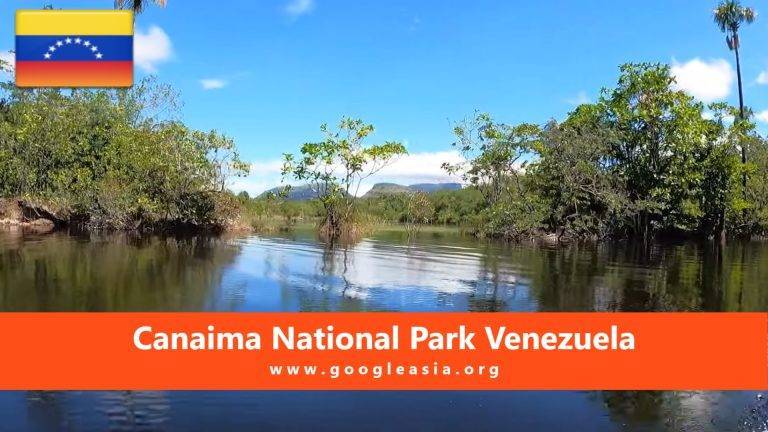
Canaima National Park, Venezuela is home to some of the most remarkable natural wonders in the world and should not be missed by any avid traveler or nature lover. It features lush vegetation, towering waterfalls, and some of the world’s most spectacular landscapes, including the Gran Sabana, Angel Falls (the world’s highest waterfall), and the enchanting Canaima Lagoon. Guests can also enjoy activities such as trekking, swimming, canoeing, fishing, and observing the diverse wildlife that inhabits this unique park. It is truly a breathtaking experience.
Canaima National Park is located in the southeast corner of Venezuela, on the border with Brazil and Guyana. It is home to some of the world’s most spectacular waterfalls, including Angel Falls, the tallest waterfall on Earth. It is also home to rare and exotic plants, animals, and indigenous communities. Canaima also has a rich cultural history, with rock art and petroglyphs dating back thousands of years.
Location and Size
Canaima National Park sits in southeastern Venezuela’s Bolívar state, reaching the borders with Brazil and Guyana and encompassing a vast wilderness that covers about 30,000 km² (roughly 3 million hectares).
One of the World’s Largest Protected Areas
Established as a national park in 1962, Canaima protects headwaters and extensive upland plateaus and plays a strategic role in regional hydrology, including safeguarding the Caroní River basin that supplies Venezuela’s major hydroelectric infrastructure.
Natural and Cultural Heritage
UNESCO World Heritage Recognition
Canaima was inscribed as a UNESCO World Heritage Site in 1994 for its outstanding geological formations, spectacular waterfalls, and exceptional biodiversity.
Diverse Ecosystems and Endemism
The park’s landscape is dominated by tepuis—tabletop sandstone plateaus—that cover roughly 65 percent of the protected area, creating isolated ecological islands that harbor high levels of endemic plants and animals and unique microhabitats found nowhere else on Earth.
Cultural Immersion
Indigenous Pemon Communities
Canaima is home to indigenous Pemon communities whose traditional knowledge, crafts, and place names (including local names for tepuis and waterfalls) are integral to the park’s cultural landscape; guided village visits offer insight into sustainable practices and oral histories tied to the tepuis.
Living Traditions and Park Stewardship
Local communities participate in tourism and conservation activities, helping to interpret the park’s natural features while maintaining cultural traditions that enrich visitor experiences and support long‑term stewardship of this globally significant protected area.
Attractions
Angel Falls and the Tepui Scenery
Angel Falls, the world’s highest uninterrupted waterfall at about 979 meters (3,212 feet), plunges from the Auyán-tepui plateau and is the park’s most famous landmark, set within a broader network of cliffs, mesas, and cascading rivers that form a dramatic, otherworldly landscape.
A Landscape of Waterfalls and Sandstone Mesas
Beyond Angel Falls, the park contains numerous other waterfalls, deep canyons, and sheer sandstone mesas whose geological and scenic value contributed to the site’s international protection and scientific interest.
Budget Travel $100
Canaima National Park, covering over 30,000 square kilometers, is home to dramatic tepuis (table-top mountains), lagoons, and waterfalls—including Angel Falls, the tallest in the world. Traveling here on a strict $100 budget is challenging because access requires flights from Ciudad Bolívar or Puerto Ordaz to Canaima, which typically cost several hundred dollars.
However, once inside the park, daily expenses can be managed affordably. The park entrance fee is modest, usually under $10, and meals at local lodges or camps average $8–12, with lighter options such as arepas or empanadas available for $3–5. Guided boat trips to waterfalls or hikes around the lagoon often cost $20–30, but many scenic walks and viewpoints are free.
With $100, a traveler could cover meals, entrance fees, and small excursions for two days once already inside Canaima. For example, allocating $30 for meals, $10 for park fees, $20 for a short boat trip, and $10 for snacks leaves $30 for souvenirs or a special dinner. The real highlight—the landscapes of tepuis, lagoons, and waterfalls—are included in the park experience, making it possible to enjoy world-class scenery at minimal daily cost once the initial transport is covered.
Tips for American Travelers
For Americans visiting Canaima National Park, planning logistics carefully is essential. The only way to reach the park is by small aircraft, and tours must be booked in advance. Independent travel is not possible, as most excursions to Angel Falls or other remote sites require organized boat rides and guided treks. The local currency is the Venezuelan bolívar (VES), but due to inflation, U.S. dollars are widely accepted, and carrying cash is strongly recommended since card payments are limited. While English may be spoken in some tour services, basic Spanish phrases are very helpful when interacting with locals.
Safety within Canaima is generally good, but travelers should be prepared for rustic conditions—limited electricity, basic lodging, and unpredictable weather are part of the experience. Americans should also prepare for the tropical climate by bringing insect repellent, waterproof gear, and sturdy shoes for jungle treks. The best time to visit is during the rainy season (June–November), when waterfalls are at their fullest, though the dry season offers clearer skies and easier access.
Finally, Canaima is not only about Angel Falls; exploring the lagoon, smaller waterfalls, and the unique tepui landscapes provides a deeper appreciation of Venezuela’s natural heritage.
1‑Day Itinerary
Morning (8:00 AM – 11:00 AM)
- Begin at Canaima Lagoon, surrounded by waterfalls like Hacha and Golondrina.
- Take a boat ride across the lagoon for stunning views.
- Breakfast at a local lodge or camp.
Midday (11:30 AM – 2:00 PM)
- Guided hike to nearby waterfalls and jungle trails.
- Visit indigenous Pemón communities and learn about local culture.
- Picnic lunch by the lagoon.
Afternoon (2:30 PM – 5:00 PM)
- Optional excursion by canoe along the Carrao River.
- Trek to viewpoints overlooking tepuis such as Auyán‑tepui.
- Relax at the lagoon’s sandy beach.
Evening (6:00 PM – 8:00 PM)
- Watch the sunset over the tepuis.
- Dinner at the lodge with traditional Venezuelan cuisine.
Highlights:
- Canaima Lagoon and waterfalls
- Indigenous Pemón culture
- Tepui mountain views
- Jungle hikes and river excursions
- Sunset over the plateau
Things to Do
Trekking to Angel Falls
Trek to Angel Falls for a once-in-a-lifetime encounter with the world’s highest uninterrupted waterfall, a journey commonly organized as a three-day expedition that combines flights to Canaima village, boat travel along jungle rivers, and guided hikes to the base pools and viewpoints.
Gazing at Angel Falls by Boat or Plane
For dramatic perspectives, visitors can view Angel Falls from tour boats that navigate the Carrao and Churún rivers or opt for scenic light-aircraft flights that reveal the scale of the tepuis and the waterfall’s full 979-meter drop from above.
Hiking the Savannas and Tepui Plateaus
Explore the park’s mosaic of savannas, tepui plateaus, and sandstone formations on guided hikes that reveal endemic plants, unique rock formations, and sweeping vistas across the Gran Sabana; many short treks are accessible from Canaima camp and nearby airstrips.
Visiting Kamarata and Indigenous Villages
Include a cultural visit to Kamarata and other Pemón villages to learn about indigenous traditions, crafts, and local knowledge of the tepuis; guided village visits provide context on how communities interact with the park’s landscapes.
Kayaking and River Excursions
Paddle the park’s rivers and lagoons for close-up views of waterfalls and rainforest edges; kayaking and panga boat trips let you approach cascades like Sapo Falls and smaller cataracts that feed the Canaima lagoon system.
Exploring the Gran Sabana
Extend your itinerary into the Gran Sabana to traverse vast grasslands, tepui-fringed horizons, and seasonal waterfalls, where day trips from Santa Elena or combined air-and-road routes showcase the region’s geological and cultural highlights.
Camping and Night Skies
Opt for overnight camping beside lagoons or in designated wilderness areas to experience the park’s remote night skies and the ambient sounds of the rainforest, often arranged as part of multi-day tours that include meals and local guides.
Fishing and Wildlife Spotting
Try freshwater fishing for local species in rivers and lagoons and watch for wildlife along riverbanks and savanna edges; guided excursions increase chances of spotting native birds, reptiles, and amphibians while respecting park regulations.
Off-the-Beaten-Path Adventures
For experienced travelers, arrange custom treks, rafting on the Carrao River, or extended tepui explorations with licensed guides to discover lesser-visited waterfalls, hidden pools, and remote viewpoints beyond the standard circuits.
Foods
Fresh Tropical Fruits
Fresh tropical fruits are abundant across Venezuela’s markets and roadside stalls, with mango, papaya, pineapple, and passion fruit among the most common and flavorful choices. These fruits are typically harvested at peak ripeness and sold within hours, giving them intense aroma and sweetness that define the region’s fruit-forward cuisine. Sampling seasonal fruit from local vendors is one of the simplest ways to taste Venezuela’s agricultural diversity and to refresh after outdoor excursions in coastal or lowland areas.
Arepa
Arepas are a cornerstone of Venezuelan eating culture, made from pre-cooked cornmeal dough that is grilled, baked, or fried and then split and stuffed with fillings like cheese, shredded beef, black beans, or avocado. Eaten at any time of day, arepas are versatile, portable, and regionally varied, with street vendors and home cooks offering countless local takes that reflect family traditions and ingredient availability.
Cachapa
Cachapas are thick, sweet corn pancakes made from fresh ground corn batter and traditionally served folded around soft white cheese or with ham; their texture is tender and slightly grainy, celebrating the natural sweetness of fresh corn. Cachapas are especially popular in western Venezuela and at coastal markets, where fresh corn is plentiful and the dish is often enjoyed for breakfast or as a hearty snack.
Tequeño
Tequeños are beloved Venezuelan finger food consisting of sticks of white cheese wrapped in a slightly sweet dough and fried until golden, producing a crisp exterior and molten interior. Common at parties and as bar snacks, tequeños are a ubiquitous appetizer across the country and a reliable comfort food for visitors seeking a simple, cheesy treat.
Empanadas
Venezuelan empanadas are made from corn dough (masa) that is filled, folded, and fried, with popular fillings including shredded beef, chicken, cheese, black beans, and seafood near coastal towns. Empanadas are a staple of street food culture, sold at morning markets and roadside stands and prized for their portability and bold, savory flavors.
Sweet Plantains
Sweet plantains, served as tajadas or maduros, are ripe plantains sliced and fried until caramelized, offering a soft, sweet counterpoint to savory mains. They commonly accompany rice-and-bean plates and are an essential component of traditional meals, adding texture and natural sweetness that balances salty or spicy elements.
Fish Dishes
Coastal regions and islands showcase the freshest seafood, with fried pompano (pargo), grilled snapper, and ceviche-style preparations among the most popular ways to enjoy local catches. Many seaside restaurants and posadas source fish daily from artisanal fishers, so ordering the catch of the day is the best way to experience regional flavors and sustainable small-scale fisheries.
Pabellón Criollo
Pabellón Criollo is widely recognized as Venezuela’s national dish, composed of shredded stewed beef (carne mechada), black beans (caraotas negras), white rice, and fried plantains (tajadas). The plate symbolizes the country’s cultural fusion—indigenous, African, and Spanish influences—and is served in homes and restaurants as a hearty, emblematic meal.
Cassava Yuca
Cassava, known locally as yuca, is a starchy root used across Venezuelan cuisine and prepared boiled, fried, mashed, or made into casabe flatbreads, offering a gluten-free carbohydrate staple with a dense, slightly nutty texture. Yuca’s versatility makes it a common accompaniment to stews, grilled meats, and fish dishes throughout the country.
Surumí
Surumí refers to smoked or dried meats and fish preserved by traditional methods, often used in rural and indigenous culinary practices to extend shelf life and concentrate flavor. These preserved proteins add a smoky, umami depth to soups, stews, and rice dishes and reflect long-standing preservation techniques in Venezuela’s interior regions.
Vegetarian and Vegan Options
Venezuelan cuisine includes many plant-forward dishes such as bean stews, grilled or roasted plantains, cassava preparations, and fresh salads using local produce, making it accessible for vegetarian and vegan diets. Street food vendors and restaurants increasingly offer meat-free arepas and empanadas filled with beans, cheese alternatives, or roasted vegetables, ensuring flavorful options for plant-based travelers.
Tropical Refreshments
To complement meals, try fresh fruit juices, coconut water, and rum-based cocktails that highlight local ingredients; coastal eateries often serve chilled tropical blends that pair naturally with seafood and fried specialties. Sampling regional beverages alongside dishes like ceviche or cachapa enhances the sensory experience of Venezuelan coastal and market cuisine.
Hotels
Posada Yevanys Jarrillo Del Refugio
Nestled near the lagoon and trails around Canaima, Posada Yevanys offers a tranquil retreat with simple, comfortable rooms and easy access to nearby viewpoints, making it a good base for short hikes and boat excursions to waterfalls. The posada typically emphasizes local hospitality and proximity to natural attractions, and guests often choose it for its serene setting and straightforward amenities that suit travelers seeking relaxation after a day of exploration.
Hotel El Tutuy
Located within reach of Canaima village services, Hotel El Tutuy provides well-equipped rooms and practical amenities for visitors who want convenience and comfort while exploring the park, with easy coordination for guided tours and river transfers. Its central location makes it a sensible choice for travelers who prefer quick access to boat departures and local tour operators.
Pemon Lodge
Designed to highlight sustainable practices and cultural connection, Pemon Lodge focuses on eco-friendly accommodations and offers guided cultural and nature tours led by local guides, giving guests an immersive experience in Pemón traditions and the park’s biodiversity. Many lodges in the area partner with indigenous communities to provide authentic cultural programming and low-impact tourism options.
Posh Laime Lodge Kavac
Set in the Kavac area, Posh Laime Lodge blends rustic wilderness charm with modern comforts, offering guests a remote, adventurous stay close to tepui trails and river routes, ideal for travelers seeking off-the-beaten-path experiences. Lodges in this zone often arrange multi-day treks and river excursions to waterfalls and tepui viewpoints.
La Hacienda de Canaima
Reflecting local architecture and hospitality, La Hacienda de Canaima emphasizes cultural ambiance and personalized service, positioning guests near key attractions like the Canaima lagoon and nearby trails, which makes it convenient for cultural visits and short excursions. Properties with this character typically showcase regional decor and local cuisine.
Canaima Camp
As an adventure-oriented option, Canaima Camp offers tented or cabin-style accommodations and functions as a hub for guided treks, boat trips, and camping under the stars, appealing to travelers who want a more immersive wilderness experience. Camps in the park commonly include organized excursions to waterfalls and tepui viewpoints.
Paraiso Canaima Kavac
Perched to take advantage of sweeping landscapes, Paraiso Canaima provides panoramic views and comfortable lodging with easy access to local trails and river activities, making it a practical choice for visitors who want scenic vistas without sacrificing basic comforts. Such properties often serve as staging points for day trips into the park.
Eco Hotel Los Caimanes
Committed to sustainability, Eco Hotel Los Caimanes emphasizes eco-conscious practices and supports educational eco-tourism activities, offering cozy rooms and interpretive experiences that highlight the park’s ecosystems. Eco-focused hotels in Canaima frequently collaborate with guides to promote conservation-minded excursions.
Auyantepui Hotel
Situated near riverfront access, Auyantepui Hotel provides river-facing rooms and easy coordination for boat transfers, making it convenient for guests planning early departures to waterfalls and tepui hikes, while offering restful amenities after long days of exploration. Riverfront lodging is popular for its direct access to panga launches and scenic views.
Ucaima Ecolodge
Blending cultural immersion with natural harmony, Ucaima Ecolodge offers traditional-style lodges, cultural programming with indigenous hosts, and proximity to key natural sites, appealing to travelers who want both comfort and meaningful engagement with local communities. Ecolodges in the region often prioritize low-impact design and guided cultural experiences.
Conclusion
A visit to Canaima National Park is a journey into Venezuela’s natural and cultural heart. With its tepuis, waterfalls, and indigenous heritage, the park offers travelers a rare chance to experience untouched wilderness. Plan your adventure now and discover the magic of Canaima.
Summary
- Attraction: Canaima National Park
- Country: Venezuela
- Continent: South America
- Capital Name: Caracas
- Language: Spanish
- Currency: Venezuelan Bolívares VEF
- Nationality: Venezuelan
- Category: #Destination #SouthAmerica #VENEZUELA
Visitor Information
- Address: Canaima National Park, Bolívar State, Venezuela
- Telephone: +58 212 576 4320 (INPARQUES – Venezuelan National Parks Institute)
- Website: https://www.inparques.gob.ve
- Email: info@inparques.gob.ve
- Entry Fee: Approx. 10–20 USD (park entrance; guided tours additional)
- Business Hours: Daily, 8:00 AM – 6:00 PM (guided tours vary by operator)
Frequently Asked Questions
Where is Canaima National Park located?
Location:
- Country: Venezuela
- State: Bolívar
- Region: Gran Sabana
Geographical Coordinates:
- Latitude: Approximately 6.2359° N
- Longitude: Approximately 62.8141° W
Accessibility:
- Air Travel: The most common way to reach Canaima National Park is by air. Visitors typically fly into Canaima Airport from major Venezuelan cities such as Caracas or Ciudad Bolívar. From Canaima Airport, guided tours and excursions into the park can be arranged.
- River and Road: Access to the park’s remote areas, including Angel Falls, often involves a combination of boat trips and hiking, typically arranged through guided tours.
How to go to Canaima National Park?1. By Air:
- Flights to Canaima: The most efficient and popular way to reach Canaima National Park is by air. Flights to Canaima Airport (CAJ) are available from major Venezuelan cities such as Caracas and Ciudad Bolívar.
- Airlines: Domestic airlines like Conviasa and Rutaca Airlines often operate flights to Canaima. These flights typically offer stunning aerial views of the park’s unique landscape.
- Flight Duration: A direct flight from Caracas to Canaima usually takes about 1.5 to 2 hours.
By Tour Packages:
- Guided Tours: Many visitors opt for guided tour packages that include flights, accommodation, and guided excursions within the park. These packages can be arranged through travel agencies specializing in Venezuelan tourism.
- All-Inclusive Options: Some tour operators offer all-inclusive packages that cover meals, guided tours to major attractions like Angel Falls, and other activities within the park.
By River and Road:
- Boat Trips: For those who seek adventure, it’s possible to reach parts of the park by boat from Ciudad Bolívar or Puerto Ordaz. This route involves navigating the Carrao River and its tributaries.
- Hiking: Once within the park, access to remote areas like Angel Falls often requires a combination of boat trips and hiking, which can be physically demanding and time-consuming.
- Local Guides: It is recommended to hire local guides for these journeys to ensure safety and to navigate the challenging terrain effectively.
Alternative Routes:
- From Ciudad Bolívar or Puerto Ordaz: Travel to these cities first, then take a domestic flight to Canaima Airport. Both cities serve as common starting points for trips into the park.
Travel Tips:
- Plan Ahead: Due to the remote location and limited access, it is essential to plan your trip in advance. Book flights and accommodations early, especially during peak tourist seasons.
- Pack Appropriately: Bring necessary gear for outdoor activities, such as comfortable hiking shoes, insect repellent, and waterproof clothing.
- Health Precautions: Ensure you have necessary vaccinations and take precautions against mosquito-borne diseases like malaria.
- Local Regulations: Follow park regulations and guidelines to protect the natural environment and ensure a safe visit.
What are Canaima National Park’s must-visit attractions or landmarks?
- Angel Falls (Salto Ángel):
- World’s Highest Waterfall: Standing at 979 meters (3,212 feet), Angel Falls is the tallest uninterrupted waterfall in the world.
- Spectacular Views: The falls are best viewed from a boat tour followed by a hike to the base, offering breathtaking views and photo opportunities.
- Roraima Tepui:
- Tabletop Mountain: One of the park’s most iconic tepuis (tabletop mountains), Roraima is known for its unique flat summit.
- Adventure Trekking: A challenging multi-day trek to the summit rewards hikers with stunning landscapes, unique flora and fauna, and panoramic views.
- Laguna de Canaima:
- Scenic Lagoon: This beautiful lagoon is surrounded by lush vegetation and small waterfalls.
- Boat Tours and Swimming: Visitors can take boat tours around the lagoon, visit nearby waterfalls such as Salto Hacha and Salto El Sapo, and swim in the refreshing waters.
- Kavak Gorge:
- Stunning Gorge: A narrow gorge featuring crystal-clear water and small waterfalls.
- Adventure Activities: Visitors can swim, hike, and explore the gorge’s stunning rock formations and natural pools.
- Auyán-Tepui:
- Massive Tepui: One of the largest and most famous tepuis in the park, known for its imposing presence and as the source of Angel Falls.
- Hiking and Helicopter Tours: While challenging to hike, helicopter tours provide an aerial view of this impressive geological formation.
- Canaima Village:
- Cultural Experience: The village serves as a gateway to the park and offers insights into the indigenous Pemon culture.
- Local Crafts and Cuisine: Visitors can explore local markets, purchase handmade crafts, and try traditional Venezuelan and indigenous dishes.
- Sapo Falls (Salto El Sapo):
- Unique Waterfall: Known for the thrilling experience of walking behind the curtain of water.
- Close Encounter: Get up close to the waterfall and feel its powerful spray, an unforgettable experience.
- Jasper Creek (Quebrada de Jaspe):
- Colorful Creek: A small riverbed lined with vibrant red jasper rocks.
- Natural Beauty: A picturesque spot perfect for photography and appreciating the park’s geological diversity.
- Ucaima Port:
- Starting Point for Tours: Many boat tours to various attractions in the park start from this port.
- Scenic Views: Enjoy views of the Carrao River and the surrounding tepuis.
- Mayupa Rapids:
- Exciting Rapids: Located along the Carrao River, these rapids offer an exhilarating experience for adventure seekers.
- Scenic Boat Rides: Boat rides through the rapids provide an exciting way to explore the river’s natural beauty.
Is Canaima National Park a suitable travel destination for solo adventurers, honeymooning couples, or those traveling with families?
1. Solo Adventurers:
- Adventure Opportunities: Canaima National Park is ideal for solo adventurers seeking outdoor activities such as hiking, trekking, and exploring remote wilderness areas.
- Guided Tours: Joining guided tours allows solo travelers to safely navigate the park’s challenging terrain and discover its natural wonders like Angel Falls and tepuis.
2. Honeymooning Couples:
- Romantic Settings: The park’s stunning landscapes, including Angel Falls and scenic lagoons, provide a romantic backdrop for couples.
- Private Tours: Couples can enjoy private tours and experiences, such as boat rides to secluded spots and sunset views over the tepuis.
3. Families:
- Educational Experiences: Canaima National Park offers educational opportunities for families to learn about indigenous cultures, flora, and fauna.
- Boat Tours: Family-friendly boat tours to attractions like Laguna de Canaima and Sapo Falls allow for enjoyable and safe exploration of the park.
General Tips:
- Safety Precautions: Due to the park’s remote location and challenging terrain, travelers should follow safety guidelines and consider hiring local guides for certain activities.
- Accommodations: Choose accommodations that cater to your travel needs, whether it’s family-friendly lodges or romantic retreats for couples.
- Weather Considerations: Be prepared for varying weather conditions, as the park experiences tropical climates with rainy seasons.
Why should you visit Canaima National Park?
- Natural Wonders:
- Angel Falls: Experience the awe-inspiring beauty of Angel Falls, the world’s highest uninterrupted waterfall, plunging from Auyán-Tepui into the dense rainforest below.
- Tepuis (Tabletop Mountains): Explore the park’s unique landscape dotted with towering tepuis, ancient flat-topped mountains that inspired Sir Arthur Conan Doyle’s “The Lost World.”
- Adventure Activities:
- Trekking and Hiking: Embark on adventurous hikes to viewpoints like Roraima Tepui or along challenging trails that lead to hidden waterfalls and pristine rivers.
- Boat Tours: Navigate the park’s waterways on boat tours that take you to picturesque lagoons, including Laguna de Canaima and Kavak Gorge.
- Cultural Immersion:
- Indigenous Culture: Interact with the indigenous Pemon communities and learn about their traditions, crafts, and way of life in villages like Canaima.
- Local Cuisine: Taste traditional Venezuelan dishes and indigenous foods, often prepared with locally sourced ingredients.
- Breathtaking Scenery:
- Scenic Lagoons and Waterfalls: Discover hidden gems such as Sapo Falls, where you can walk behind cascading water curtains, and Jasper Creek with its colorful jasper rocks.
- Sunset Views: Witness spectacular sunsets over the tepuis and reflect on the natural beauty of this UNESCO World Heritage Site.
- Photography Opportunities:
- Capture Unique Landscapes: Photograph the park’s diverse flora and fauna, from exotic orchids and bromeliads to colorful bird species like macaws and toucans.
- Aerial Views: Take scenic flights over the park to capture aerial perspectives of Angel Falls and the vast wilderness below.
- Conservation and Sustainability:
- Preservation Efforts: Support conservation initiatives aimed at protecting Canaima’s fragile ecosystems and biodiversity, ensuring its natural beauty for future generations.
- Environmental Awareness: Gain insights into the importance of sustainable tourism practices that minimize impact on the park’s delicate environment.
Are there any halal food options near the Canaima National Park?
As Canaima National Park is located in a remote area of Venezuela, finding dedicated halal food options nearby can be challenging. The park itself is primarily visited for its natural beauty and adventure activities rather than for extensive dining facilities. Here are some considerations:
- Local Cuisine: While traditional Venezuelan cuisine may not typically cater specifically to halal dietary requirements, it often includes dishes like arepas (corn cakes), plantains, and fresh seafood that may align with halal principles depending on individual preferences.
- Self-Catering: Many accommodations and tours within the park may offer meal options that can be customized or prepared to accommodate dietary preferences if arranged in advance. Bringing along non-perishable halal snacks and foods may also be a practical option.
- Preparation and Communication: When visiting local restaurants or accommodations, it’s advisable to communicate dietary restrictions clearly and inquire about ingredients and preparation methods to ensure they meet halal standards as closely as possible.
- Alternative Options: If halal food availability is a priority, considering larger cities in Venezuela like Caracas or Puerto Ordaz before or after visiting Canaima National Park may offer more diverse dining options.