Canaima Lagoon, Venezuela
Discover the stunning Canaima Lagoon, Venezuela’s gateway to Angel Falls and the majestic tepuis. Surrounded by breathtaking waterfalls and lush jungle, this destination offers unforgettable boat rides, hikes, and cultural encounters. Plan your trip today and book your adventure—explore Canaima, swim in natural pools, and witness Venezuela’s natural wonder!
Introduction
Canaima Lagoon is a must-see destination in Venezuela. It is a breathtakingly beautiful lagoon located in the heart of the Gran Sabana region of Venezuela. This lagoon is world-famous for its turquoise waters and majestic Angel Falls- one of the world’s highest waterfalls. The surrounding pristine rainforest provides a home to a variety of exotic plants and wildlife, making it a spectacular area for bird-watching, photography, and sight-seeing.
Canaima Lagoon is also the entrance to the mystical Canaima National Park, where visitors can explore the secrets of this ancient tropical rainforest. Additionally, visitors can take a tour of the lagoon by boat or have an experience of a lifetime by camping beneath the stars. No matter what you choose to do, the unique and beautiful landscape of Canaima Lagoon will leave you spellbound.
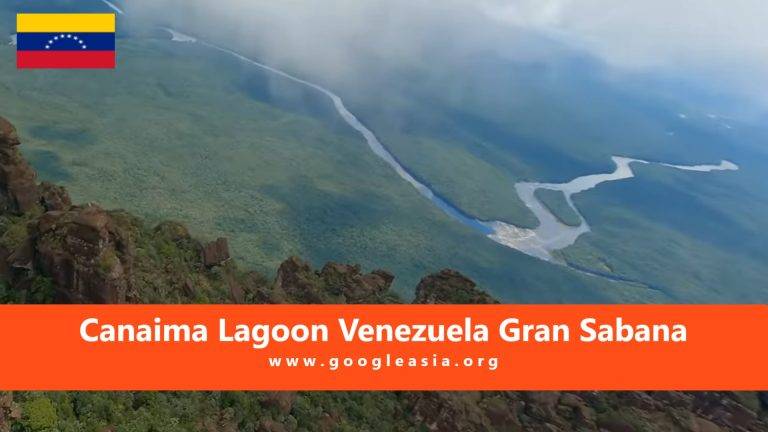
Canaima Lagoon is a serene oasis located in the heart of Venezuela’s Gran Sabana, bordered by majestic tepuis and lush, vibrant jungle. Framed by sweeping waterfalls and flowing rapids, the lagoon is a hidden paradise of crystal-clear waters, vibrant wildlife, and unique natural beauty.
Canaima Lagoon, nestled in the southeastern part of Venezuela, is a captivating natural wonder within the Canaima National Park.
Location and Landscape
Canaima Lagoon sits at the base of Auyán‑tepui, one of the largest tepuis in the Guiana Highlands, and forms part of the dramatic rainforest‑tepui interface that feeds the park’s rivers and lagoons; the surrounding Canaima National Park covers roughly 30,000 km² and is a UNESCO World Heritage Site recognized for its surreal table‑mountains and outstanding natural features.
Tropical Rainforest Setting
The lagoon is embedded in dense tropical rainforest that channels water off the tepui plateaus, producing spectacular waterfalls and mist‑filled canyons; Angel Falls, which plunges from Auyán‑tepui, is the world’s tallest uninterrupted waterfall at about 979 meters (3,212 feet) and dominates the hydrology and scenic character of the area.
Natural Features
The landscape around the lagoon is defined by towering tepuis—ancient, flat‑topped sandstone mesas whose sheer cliffs rise abruptly from the jungle—creating isolated plateaus, endemic habitats, and the vertical relief that generates the park’s major waterfalls; these Precambrian formations shape local geology, microclimates, and unique ecological niches.
Wildlife Diversity
Fauna and Flora
Canaima and the Gran Sabana support exceptional biodiversity across rainforest, savanna, and tepui summits, with hundreds of plant species including many endemics and specialized tepui flora such as orchids and carnivorous plants adapted to nutrient‑poor sandstone soils.
Birdwatching
The lagoon’s riparian corridors and forest edges are prime birding habitat where visitors can encounter toucans, macaws, kingfishers, and specialized tepui endemics, making early‑morning river excursions and forest walks especially rewarding for birdwatchers.
Mammals
Terrestrial and riparian mammals inhabit the park’s forests and waterways, and while sightings are often elusive, the region is home to large predators and rare species such as jaguars and pumas, as well as aquatic specialists like the giant otter, all of which reflect the area’s intact riverine and forest ecosystems.
Reptiles and Amphibians
The Guiana Shield’s long isolation has produced a rich herpetofauna of lizards, frogs, and riverine reptiles such as caimans, with many species adapted to the mosaic of tepui plateaus, gallery forests, and floodplain habitats that surround the lagoon.
Budget Travel $100
Canaima Lagoon, located within Canaima National Park, is one of Venezuela’s most iconic natural attractions, framed by pink-sand beaches and surrounded by waterfalls such as El Sapo and El Hacha. The lagoon itself is fed by the Carrao River and offers surreal views of tepuis rising in the distance. Traveling here on a $100 budget is possible once inside Canaima, though reaching the park requires flights from Ciudad Bolívar or Puerto Ordaz that typically cost several hundred dollars. Within the lagoon area, however, daily expenses are modest. Meals at local lodges average $8–12, while lighter options such as arepas or empanadas cost $2–4. Public transport is limited, but boat rides across the lagoon to waterfalls cost around $10–15.
Entrance fees to Canaima National Park are usually under $10, and guided excursions to nearby waterfalls or tepuis range from $20–30. With $100, a traveler could allocate $30 for meals, $10 for park fees, $15 for boat rides, and $15 for snacks, leaving $30 for souvenirs or a special dinner. The highlights—swimming near waterfalls, exploring pink-sand beaches, and admiring tepui views—are included at little or no extra cost, making Canaima Lagoon a budget-friendly destination once inside the park.
Tips for American Travelers
For Americans visiting Canaima Lagoon, planning logistics carefully is essential. The lagoon is accessible only by small aircraft, with flights from Ciudad Bolívar, Puerto Ordaz, or Caracas, and tours must be booked in advance. Independent travel is limited, as most excursions to waterfalls and tepuis require organized boat rides and guided treks. The local currency is the Venezuelan bolívar (VES), but due to inflation, U.S. dollars are widely accepted, and carrying cash is strongly recommended since card payments are rare in rural areas.
While English may be spoken in some tourist services, basic Spanish phrases are very helpful when interacting with locals and Indigenous Pemón communities, who view tepuis and waterfalls as sacred. Safety within Canaima is generally good, but travelers should prepare for rustic conditions—limited electricity, basic lodging, and unpredictable weather are part of the experience.
The best time to visit is during the rainy season (June–November), when waterfalls are at their fullest, though the dry season offers clearer skies and easier access to trails. Finally, Canaima Lagoon is not only a natural wonder but also a cultural one: the Pemón people’s traditions and cosmology add depth to the journey, making this destination a blend of ecological beauty and Indigenous heritage.
1 Day Itinerary
- 8:00 AM – Breakfast at Canaima Camp
- Enjoy traditional Venezuelan arepas and fresh fruit.
- Prepare for a day of exploration.
- 9:00 AM – Boat Ride Across Canaima Lagoon
- Cruise past waterfalls like Hacha and Golondrina.
- Stunning views of tepuis and jungle surroundings.
- 11:00 AM – Short Hike to Salto El Sapo
- Walk behind the curtain of water for an exhilarating experience.
- Perfect for photography and cooling off.
- 1:00 PM – Lunch at Local Lodge
- Taste authentic Venezuelan cuisine prepared by Pemón hosts.
- Cultural exchange and relaxation.
- 2:30 PM – Visit Salto Ucaima & Golondrina
- Explore more waterfalls feeding the lagoon.
- Swim in natural pools surrounded by rainforest.
- 4:30 PM – Sunset at Canaima Lagoon
- Capture panoramic views of tepuis glowing in golden light.
- Ideal way to end the day immersed in nature.
Things to Do
Canaima Lagoon, located in the southeastern Venezuelan Amazon, offers a wealth of natural beauty and adventurous activities for visitors to experience.
Guided Trekking in Canaima National Park
Canaima National Park is a vast protected area that serves as the gateway to the Gran Sabana and offers guided trekking routes through rainforest corridors and tepui‑fed ravines, where experienced local guides lead visitors to viewpoints, waterfalls, and indigenous communities; the park’s scale and remoteness mean most multi‑day treks combine river travel and footpaths to reach prime sites.
Angel Falls Excursions and Scenic Flights
A signature activity from the Canaima lagoon is the boat approach and short flight to view Angel Falls (Salto Ángel), the world’s highest uninterrupted waterfall at about 979 meters (3,212 feet), with many tours combining a scenic flight over the tepuis and a canoe trip up the Churún River to the base lagoons for close‑up views and photography.
Kayaking, Paddle Boarding, and Swimming
The lagoon and surrounding waterways provide calm stretches ideal for kayaking and paddle boarding, plus safe swimming in warm, clear pools near shorelines, allowing visitors to explore hidden inlets, observe aquatic vegetation, and access small cascades that feed the lagoon; operators typically supply equipment and safety briefings as part of guided excursions.
Boat Tours and Dugout Canoe Trips
Traditional dugout canoe trips across the lagoon and along feeder rivers are a core experience, with guided boat tours navigating past Hacha Falls and other cascades while offering interpretive commentary on tepui geology, local flora, and Pemon culture; these boat routes are the standard way to reach many waterfall viewpoints in the park.
Beach Relaxation and Lagoonside Rest
Shoreline areas around the lagoon provide tranquil spots for hammock lounging, beachside naps on soft sand, and sunset viewing against tepui silhouettes, making it easy to combine active exploration with restful downtime in a dramatic natural setting.
Fishing Excursions and Local Angling Experiences
Guided fishing outings on rivers and lagoons can include piranha fishing and other local angling experiences, led by knowledgeable guides who teach safe handling and traditional techniques while emphasizing catch‑and‑release practices and local regulations to protect aquatic ecosystems.
Wildlife Watching and Birding
The lagoon’s riparian zones and adjacent forests are rich in wildlife; birdwatchers can expect toucans, kingfishers, and a variety of waterbirds, while riverbanks may reveal caimans, river otters, and other riparian species, with the best sightings occurring on early morning or late‑afternoon excursions.
Practical Notes for Visitors
Most activities around the Canaima lagoon are organized from Canaima camp or via charter flights from Ciudad Bolívar or Puerto Ordaz; bookings commonly bundle transfers, guided boat trips, and park permits, and seasonal access varies with the wet and dry cycles that shape river navigability and waterfall volume.
Foods
Venezuelan Staples
Patacones
Patacones are made from fried green plantains that are smashed and fried twice to achieve a crispy, savory texture, commonly served as a side or snack and often paired with avocado salad or protein toppings to balance starch and freshness.
Arepas
Arepas are corn‑dough patties made from precooked cornmeal (masarepa) and form the backbone of Venezuelan daily eating, split and stuffed with fillings ranging from cheese and black beans to shredded meats and avocado; their versatility makes them both a street‑food staple and a home comfort across regions.
Empanadas and Sauces
Empanadas
Empanadas are turnovers typically made from corn dough and fried until golden, filled with meats, cheese, or vegetables, prized for portability and variety and sold widely at markets and breakfast stalls as quick, hearty meals.
Disfruta Sauce
Disfruta sauce—based on tomatoes, onions, and garlic—serves as a bright, tangy accompaniment that enhances fried and grilled dishes, adding acidity and aromatic depth to snacks like empanadas and patacones.
Seafood and National Classics
Seafood Specialties
Coastal and riverine regions supply fresh fish and shellfish used in dishes such as fried snapper with onions and coconut‑infused shrimp preparations, reflecting Venezuela’s Caribbean and Amazonian culinary influences and seasonal catches.
Pabellón Criollo
Pabellón Criollo—rice, shredded beef, black beans, and sweet plantains—is widely regarded as Venezuela’s national plate and exemplifies the country’s balance of savory, starchy, and sweet flavors, often appearing in homes and restaurants as a cultural culinary emblem.
Hotels
Hotel Canaima Savanna
Scenic savannah setting close to tepui viewpoints makes this property a quiet base for early‑morning wildlife watching and photography, with cozy rooms and straightforward amenities geared toward travelers who prioritize nature access over luxury.
Posada Orquidea Real
Near the Canaima lagoon and boat transfer points, this posada emphasizes personalized hospitality and local charm, offering easy staging for excursions to nearby cascades and community visits.
Hotel El Caracol
Rustic ambiance with modern conveniences positions El Caracol as a restful stop after hikes; guests typically find a range of room types and a focus on relaxation and immersion in the surrounding forest and savannah.
Hotel Gran Sabana Canaima Lagoon
Panoramic lagoon views and family‑friendly rooms make this hotel a practical choice for groups and adventurers planning multi‑day trips, with on‑site arrangements often available for guided boat tours and tepui excursions.
Hotel Rio Hacha
Eco‑focused lodging amid lush landscapes that highlights sustainability and low‑impact tourism, with guided nature experiences and interpretive activities that connect guests to local conservation efforts.
Hotel Canaima Beach
Beachfront or lagoon‑edge access provides direct boarding for canoe and motorboat tours, combining modern guest services with immediate water access for scenic trips and swimming in calm lagoon pools.
Hotel Las Casas del Hada
Picturesque lagoon overlooks and culturally themed lodging offer opportunities to engage with indigenous traditions and local craft demonstrations, enhancing the visitor’s cultural context of the Gran Sabana.
Hotel Trupial Lodge
Outdoor‑oriented property with guided excursions for birding, tepui day hikes, and river trips; the lodge caters to travelers seeking active exploration and wildlife observation.
Hotel El Encanto Canaima Lagoon
Panoramic vistas and personalized service define this lodging, which commonly assists guests with park permits, boat transfers, and guided visits to waterfalls and tepui viewpoints.
Hotel Canaima Kavac
Authentic, indigenous‑style accommodations near Kavac village that emphasize community engagement, traditional architecture, and eco‑tours led by local Pemon guides.
Conclusion
Canaima Lagoon in Venezuela is a paradise for nature lovers and adventure seekers alike. Whether you’re hiking through Macuro National Park to discover diverse flora and fauna, engaging in water sports like kayaking and swimming in the lagoon’s pristine waters, or simply relaxing on tranquil beaches, there’s something for everyone to enjoy. Fishing for piranhas provides a unique thrill, while wildlife spotting offers opportunities to witness exotic birds and river dolphins in their natural habitat. Explore Canaima Lagoon for an unforgettable experience surrounded by stunning landscapes and vibrant biodiversity.
Summary
- Attraction: Canaima Lagoon
- Country: Venezuela
- Continent: South America
- Capital Name: Caracas
- Language: Spanish
- Currency: Venezuelan Bolívares VEF
- Nationality: Venezuelan
- Category: #Destination #SouthAmerica #VENEZUELA
Contact Information
- Address: Canaima Lagoon, Canaima National Park, Bolívar State, Venezuela
- Telephone: +58 (212) 408‑5111 (INPARQUES Central Office)
- Website: http://www.inparques.gob.ve
- E‑mail: info@inparques.gob.ve
- Entry Fee: Varies by tour operator; park access fees apply
- Business Hours: Open year‑round; best visiting hours 7:00 AM – 6:00 PM
Frequently Asked Questions
Where is Canaima Lagoon located?
Canaima Lagoon, also known as Laguna de Canaima, is located within Canaima National Park in southeastern Venezuela. The lagoon is part of the Gran Sabana region, known for its stunning natural landscapes characterized by tabletop mountains (tepuis), waterfalls, and dense rainforests. Canaima Lagoon is particularly famous for its picturesque setting and the surrounding tepuis, such as Mount Roraima. Access to Canaima Lagoon is primarily by air from Ciudad Bolívar or Puerto Ordaz due to the remote and rugged terrain of the area. It’s a popular destination for ecotourism and adventure seekers exploring the natural wonders of Venezuela.
How to go to Canaima Lagoon?
To reach Canaima Lagoon, follow these steps:
- By Air:
- From Ciudad Bolívar or Puerto Ordaz: Most travelers fly from either Ciudad Bolívar or Puerto Ordaz to Canaima Airport (CAJ), which is the closest airport to Canaima Lagoon.
- Airlines: Several local airlines operate flights to Canaima Airport, including Rutaca, Avior Airlines, and others.
- Flight Duration: Flight times vary but generally range from 1 to 1.5 hours depending on the departure point.
- Tour Packages:
- Organized Tours: Many travelers opt for organized tour packages that include flights, accommodations, and guided tours of Canaima National Park, including the lagoon.
- Local Operators: Numerous local tour operators in Ciudad Bolívar, Puerto Ordaz, and Canaima offer these packages. It’s advisable to book in advance, especially during peak tourist seasons.
- Local Transport:
- Boat Transfers: Upon arrival at Canaima Airport, most tours include a boat transfer along the Carrao River to reach Canaima Lagoon.
- Duration: The boat journey can take approximately 20 to 30 minutes, depending on water levels and weather conditions.
- Travel Tips:
- Weather: Be mindful of weather conditions, as they can affect flight schedules and river transport.
- Pack Essentials: Bring essentials such as insect repellent, sunscreen, comfortable clothing, and sturdy footwear suitable for hiking and outdoor activities.
- Guided Tours and Activities:
- Explore: Once at Canaima Lagoon, you can explore the surrounding area, visit nearby waterfalls like Salto Angel (Angel Falls), and enjoy activities such as canoeing, hiking, and cultural experiences with local indigenous communities.
What are Canaima Lagoon’s must-visit attractions or landmarks?
Canaima Lagoon, situated within Canaima National Park in Venezuela, is renowned for its stunning natural beauty and unique attractions. Here are some must-visit landmarks and attractions around Canaima Lagoon:
- Salto Angel (Angel Falls): This is the world’s highest uninterrupted waterfall, plunging from the Auyantepui plateau into the Canaima Lagoon. It’s a breathtaking sight and a highlight of any visit to the area.
- Sapo Falls (Salto Sapo): Located nearby, Sapo Falls allows visitors to walk behind the waterfall curtain during the dry season, providing a thrilling and unique experience.
- Auyantepui: This massive tabletop mountain dominates the landscape around Canaima Lagoon. It’s not only a geological wonder but also a great spot for hiking and enjoying panoramic views of the park.
- Hacha Falls (Salto El Hacha): Another impressive waterfall that cascades into the lagoon, offering picturesque views and a serene atmosphere.
- Indigenous Villages: Explore the local Pemon indigenous villages near the lagoon to learn about their culture, traditions, and daily life. Many tours offer opportunities to interact with the indigenous communities and learn about their history and crafts.
- Canoes and Boat Trips: Take a canoe or boat trip on the lagoon or along the Carrao River to admire the surrounding tepuis (tabletop mountains) and lush rainforest scenery.
- Wildlife Viewing: Canaima National Park is home to diverse flora and fauna, including unique bird species and wildlife. Birdwatching and wildlife spotting are popular activities around the lagoon.
- Cultural Experiences: Engage in cultural activities such as visiting petroglyph sites, participating in traditional ceremonies, and experiencing the Pemon way of life.
Is Canaima Lagoon a suitable travel destination for solo adventurers, honeymooning couples, or those traveling with families?
Canaima Lagoon offers a unique and diverse experience that can appeal to different types of travelers:
- Solo Adventurers:
- Suitability: Canaima Lagoon can be a great destination for solo adventurers seeking outdoor activities, adventure, and cultural immersion.
- Activities: Solo travelers can enjoy hiking, exploring waterfalls, canoeing, and interacting with indigenous communities.
- Considerations: It’s essential to plan and book tours in advance, as infrastructure and amenities are limited in this remote area.
- Honeymooning Couples:
- Suitability: Canaima Lagoon is highly suitable for honeymooning couples looking for a romantic and secluded getaway.
- Romantic Settings: The stunning natural landscapes, including Angel Falls and serene lagoons, provide a picturesque backdrop for romantic moments.
- Activities: Couples can enjoy private tours, sunset boat rides, and cultural experiences with local communities.
- Considerations: Ensure accommodations meet your expectations, as options can be limited and rustic.
- Families:
- Suitability: Canaima Lagoon can be suitable for families seeking adventurous and educational experiences in nature.
- Activities: Families can participate in guided tours, explore waterfalls, take boat rides, and learn about indigenous culture.
- Considerations: Families should prepare for the remote and rugged environment, pack essentials, and ensure activities are suitable for children.
Why should you visit Canaima Lagoon?
Visiting Canaima Lagoon offers a truly unique and unforgettable experience for travelers interested in nature, adventure, and cultural immersion. Here are compelling reasons to visit Canaima Lagoon:
- Angel Falls (Salto Angel): Witness the majesty of the world’s highest uninterrupted waterfall, plunging from Auyantepui into the Canaima Lagoon. The sheer size and beauty of Angel Falls alone make Canaima Lagoon a bucket-list destination.
- Stunning Natural Beauty: Explore the breathtaking landscapes of Canaima National Park, characterized by towering tepuis (tabletop mountains), lush rainforests, and crystal-clear lagoons. The park’s diverse ecosystems provide a haven for nature lovers and photographers alike.
- Adventure Activities: Engage in a variety of outdoor adventures, including hiking to viewpoints overlooking Angel Falls, swimming in natural pools beneath waterfalls like Sapo Falls, and canoeing along the Carrao River amidst stunning scenery.
- Cultural Immersion: Interact with the indigenous Pemon communities who call Canaima National Park home. Learn about their traditions, crafts, and way of life, and participate in cultural activities such as visiting petroglyph sites and witnessing traditional ceremonies.
- Remote and Serene Environment: Experience the tranquility and serenity of a remote natural paradise. Away from urban hustle and bustle, Canaima Lagoon offers a peaceful retreat where you can disconnect from the world and connect with nature.
- Photography Opportunities: Capture stunning images of dramatic landscapes, waterfalls cascading from towering cliffs, vibrant flora and fauna, and the unique geological formations of the tepuis.
- Unique Travel Experience: Visiting Canaima Lagoon provides an off-the-beaten-path travel experience that is far removed from conventional tourist destinations. It’s an opportunity to explore one of Venezuela’s most iconic and pristine natural areas.
Is it difficult to find halal food in Canaima Lagoon?
Finding halal food in Canaima Lagoon can be extremely challenging due to the remote and isolated nature of the area. Here are some considerations:
- Limited Facilities: Canaima Lagoon is primarily a natural and cultural destination with limited infrastructure for food services.
- Local Cuisine: The local cuisine typically consists of traditional Venezuelan dishes, which may not always align with halal dietary restrictions, as they often include meats and preparation methods that may not be halal-certified.
- Self-Catering: If halal options are essential, consider bringing non-perishable halal food items with you or preparing meals yourself if facilities allow.
- Communication: Communicating specific dietary requirements such as halal may be challenging due to language barriers and the remote location.
- Plan Ahead: It’s crucial to plan and prepare ahead of time if you have dietary restrictions. Consider bringing snacks, fruits, and other essentials that align with your dietary needs.