Brasilia, Brazil
Explore Brasília, Brazil’s modernist capital and a UNESCO World Heritage Site. Discover its iconic architecture, cultural highlights, and practical visitor information including entry fees, timings, and contact details. Plan your trip today and experience the unique design and history of Brazil’s capital city!
Introduction
Brasilia is the capital of Brazil, and it is home to many iconic and beautiful landmarks. It is one of the most unique cities in the world, as it was designed in the 1950s as a modern “utopia” with a distinct, futuristic style. Visitors can explore the city’s modernist architecture, visit its parks and gardens, and attend cultural and sporting events. Brasilia is also home to many museums and galleries, as well as a vibrant nightlife.
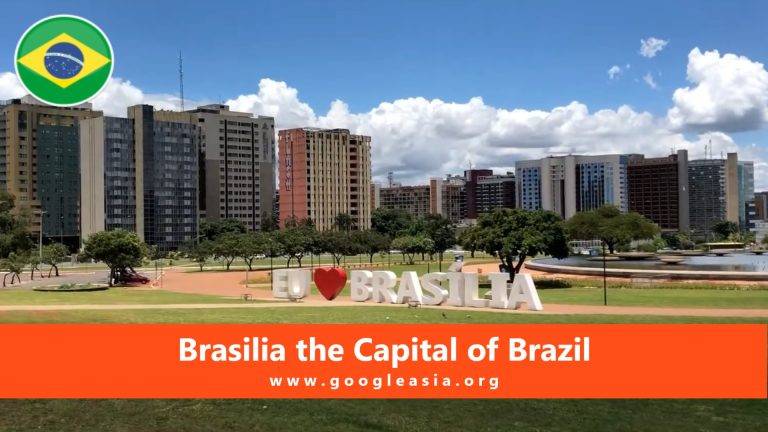
Brasilia is the capital of Brazil, located in the Federal District in the Central-West region, along the plateau known as “Planalto Central.” Established in 1960, the city was purpose-built as the country’s capital, becoming one of the most iconic cities of modernist architecture and urban planning in the world.
Brasilia, the capital of Brazil, stands as a testament to modernist architecture and urban planning. Designed by Lucio Costa and inaugurated in 1960, the city is renowned for its unique layout and striking buildings, earning UNESCO World Heritage status in 1987.
Architecture and Design
Lúcio Costa’s Vision
Brasília was inaugurated in 1960 as Brazil’s new capital, designed entirely from scratch under President Juscelino Kubitschek’s “Plano de Metas” (Goals Plan). Urban planner Lúcio Costa envisioned the city in the shape of an airplane (or bird), symbolizing progress. His modernist approach emphasized clean lines, functionality, and monumental scale.
- Monumental Axis: The central boulevard, stretching 6 km, connects key government and cultural buildings.
- Brise-Soleil: Sun-shading louvers, pioneered by Le Corbusier and adapted by Oscar Niemeyer, adorn many buildings to reduce heat and glare.
- Sectorial Planning: Brasília is divided into sectors (e.g., residential, hotel, banking), reflecting Costa’s rational urban organization.
Key Buildings in Brasília
- Palácio da Alvorada: The presidential residence, completed in 1958, showcases Niemeyer’s modernist elegance with sweeping colonnades.
- Congresso Nacional: Twin domes and two vertical towers house Brazil’s Parliament. The design symbolizes balance between legislative chambers.
- Catedral Metropolitana (Cathedral of Brasília): A striking hyperboloid structure by Niemeyer, completed in 1970, with 16 concrete columns resembling hands raised to the sky. Its stained-glass interior creates a luminous spiritual atmosphere.
Brasília’s architecture, led by Oscar Niemeyer, is considered a masterpiece of modernism and earned the city UNESCO World Heritage status in 1987.
Culture and Recreation
Nightlife
Brasília offers diverse nightlife, from samba clubs to electronic music venues. The city’s Asa Sul and Asa Norte sectors host popular bars and live music spaces.
Cultural Events
Annual festivals celebrate music, art, and literature, including the Festival de Brasília do Cinema Brasileiro, one of the country’s oldest film festivals.
Open-Air Markets
Markets such as Feira da Torre de TV sell local crafts, food, and produce, reflecting Brasília’s blend of regional traditions and modern urban life.
Activities in Brasília
City Tours
Guided tours highlight architectural landmarks along the Monumental Axis, including Niemeyer’s futuristic government buildings.
Parks and Recreation
Brasília is surrounded by natural attractions, including Parque Nacional de Brasília, with hiking trails and waterfalls. Urban green spaces like Parque da Cidade Sarah Kubitschek provide relaxation within the city.
Sports Facilities
Modern sports complexes, including Estádio Nacional Mané Garrincha, host football matches and international events.
Quality of Life and Healthcare
Healthcare Facilities
Brasília has one of Brazil’s highest concentrations of hospitals and clinics, contributing to a life expectancy above 75 years. Public and private healthcare networks serve residents and visitors.
Living in Brasília
Residential Areas
Housing ranges from modernist apartments in the “superquadras” (superblocks) to suburban homes. Costa’s design emphasized green spaces and communal living.
Education
Brasília hosts major universities, including the University of Brasília (UnB), founded in 1962, known for research and innovation.
Transportation
The city’s road network reflects Costa’s airplane-shaped plan, with efficient public buses and a metro system. However, Brasília was designed for cars, making it one of the most automobile-dependent capitals in the world.
Budget Travel $100
Exploring Brasília, Brazil’s modernist capital, on a $100 budget is very achievable thanks to its affordable public transport and free cultural attractions. The city’s bus system and metro are inexpensive, with fares averaging R$5 ($1 USD) per ride, making it easy to move between neighborhoods and landmarks.
Many of Brasília’s architectural highlights, designed by Oscar Niemeyer, such as the Cathedral of Brasília and the National Congress, can be visited for free or with minimal entrance fees of around $2–$3. Meals can be kept affordable by dining at local “comida a quilo” restaurants, where you pay by the weight of your plate, usually costing $5–$7 for a filling lunch. Street food options like pão de queijo (cheese bread) or pastel are even cheaper, often under $2.
Accommodation in Brasília ranges from budget hostels at $20–$25 per night to mid-range hotels at $40–$50, so staying in a hostel leaves plenty of room in your $100 budget for food, transport, and entrance fees. A sample day could include $25 for lodging, $20 for meals, $10 for transport, and $15 for attractions, leaving enough for bottled water or small souvenirs.
Free activities such as strolling through the Esplanada dos Ministérios, visiting the JK Memorial gardens, or enjoying the sunset at Paranoá Lake add depth to the experience without extra cost. By combining affordable lodging, local food, and free cultural sites, you can enjoy Brasília’s unique blend of modernist architecture and Brazilian culture while staying well within budget.
Tips for American Travelers
For American travelers, visiting Brasília requires both practical preparation and cultural awareness. Tickets for attractions should be purchased directly at official counters to avoid scams, and while credit cards are widely accepted, carrying cash in Brazilian reais is useful for buses, small shops, and food stalls.
Learning basic Portuguese phrases such as “entrada” (entrance) or “quanto custa?” (how much does it cost?) can make navigating the city smoother and show respect for locals. Brasília is known for its planned layout, so using maps or apps is essential, as the city’s wide avenues and monumental scale can be confusing for first-time visitors.
Safety and comfort are important considerations. While Brasília is generally safe around government and tourist areas, petty theft can occur, so keeping valuables secure is wise. Tap water is not always safe to drink, so bottled water is recommended. Americans should also be mindful of electrical outlet differences, as Brazil uses both 127V and 220V depending on the region, making a universal adapter essential.
Finally, embracing Brazil’s relaxed approach to time will make your trip more enjoyable, as schedules may not always run precisely. By combining cultural sensitivity with practical planning, American travelers can experience Brasília not only as a political capital but also as a showcase of Brazilian modernist design and national identity.
Suggested Itinerary
- 8:00 AM – Breakfast in Asa Sul (try pão de queijo and Brazilian coffee)
- 9:00 AM – 11:00 AM – Visit the National Congress of Brazil (twin towers and domes, guided tours available)
- 11:30 AM – 1:00 PM – Explore the Cathedral of Brasília (Niemeyer’s iconic hyperboloid design)
- 1:00 PM – 2:00 PM – Lunch at a local restaurant in Asa Norte (regional Brazilian cuisine)
- 2:30 PM – 4:00 PM – Walk through the Palácio da Alvorada (presidential residence, exterior viewing)
- 4:30 PM – 6:00 PM – Relax at Parque da Cidade Sarah Kubitschek (largest urban park in Latin America)
- 6:30 PM – 8:00 PM – Sunset at Pontão do Lago Sul (lakefront dining and views of Lake Paranoá)
- 8:30 PM – Dinner in Lago Sul (fine dining with international and Brazilian fusion options)
Things to Do
Tour the Planalto Palace
The Palácio do Planalto, inaugurated in 1960, is the official workplace of the President of Brazil. Designed by Oscar Niemeyer, it exemplifies modernist architecture with clean lines and functional design. The palace sits on the Monumental Axis, facing the National Congress, symbolizing the balance of power in Brazil’s government.
Activities
Guided tours showcase the palace’s design and history, including its role in governance. Visitors can also view the adjacent National Congress building, with its iconic twin domes and towers.
Visit Paranoá Lake
Paranoá Lake is an artificial reservoir created in the 1950s during Brasília’s construction to regulate the region’s climate and provide water supply. Covering 48 square kilometers, it quickly became a hub for recreation and leisure.
Activities
Visitors enjoy swimming, fishing, windsurfing, and kayaking. Boat rides offer scenic views of Brasília’s skyline, including the JK Bridge, a striking modern structure completed in 2002. Lakeside cafes serve local cuisine, making it a popular spot for relaxation and photography, especially at sunset.
Explore Catedral Metropolitana
The Cathedral of Brasília, designed by Oscar Niemeyer and inaugurated in 1970, is one of the city’s most iconic landmarks. Its hyperboloid structure consists of 16 curved concrete columns, symbolizing hands raised to heaven.
Features
Inside, stained-glass panels by artist Marianne Peretti create a luminous atmosphere. Contemporary artworks, including sculptures of the Four Evangelists by Alfredo Ceschiatti, enrich the cathedral’s spiritual and cultural significance. Guided tours provide deeper insights into its design and symbolism.
Try Feijoada at Restaurante Porcão
Feijoada, Brazil’s national dish, is a hearty stew of black beans with pork, beef, and sausages, traditionally served with rice, collard greens, orange slices, and farofa. Restaurante Porcão, a renowned churrascaria chain, offers one of the most authentic feijoada experiences in Brasília.
Experience
The restaurant’s menu includes extensive Brazilian dishes and beverages. Its elegant ambiance, often with views of Brasília’s skyline, makes it a popular choice for both locals and visitors. Reservations are recommended during weekends.
Shop at Iguatemi Shopping Center
Opened in 2008, Iguatemi Brasília is one of South America’s largest shopping malls. It combines high-end retail with entertainment and dining options.
Features
The mall hosts international and Brazilian brands, movie theaters, and family-friendly activities. Its central location and ample parking make it easily accessible. Iguatemi is also known for cultural events and seasonal markets.
Wander through Parque da Cidade
Parque da Cidade Sarah Kubitschek, inaugurated in 1978, is one of the largest urban parks in the world, covering 420 hectares.
Features
The park offers walking trails, lakes, playgrounds, and sports courts. It is a venue for cultural festivals and outdoor concerts, making it a vibrant recreational hub. Birdwatching and picnicking are popular activities amidst its diverse flora.
Visit the National Museum
The National Museum of the Republic, designed by Oscar Niemeyer and opened in 2006, is part of Brasília’s cultural complex. Its futuristic dome-shaped structure is a striking example of modernist architecture.
Highlights
Exhibits include archaeological artifacts, scientific displays, and contemporary art collections. Interactive exhibits and educational programs engage visitors of all ages. Guided tours provide deeper insights into Brazil’s cultural and natural history.
Take a Day Trip to Goiânia
Located about 200 km (three hours) from Brasília, Goiânia is the capital of Goiás state. Founded in 1933, it is known for its Art Deco architecture and vibrant cultural scene.
Activities
Visitors can explore local markets, museums, and historical sites. Goiânia is also famous for its sertanejo (Brazilian country music) culture and regional cuisine, including pequi fruit dishes. Transportation options include car rentals or guided tours.
Foods
Brasilia, Brazil, offers a delightful array of dishes that reflect the country’s rich culinary heritage. Whether you’re exploring the city’s restaurants or enjoying street food, here are some of the best foods to try:
Coxinha
Shredded chicken wrapped in a flavorful dough, shaped like a teardrop, and deep-fried until golden brown. Where to Find: Local bakeries, street food vendors, and restaurants.
Coxinha Details
- Texture: Crispy exterior with a moist and savory filling.
- Accompaniments: Often served with hot sauce or ketchup.
- Popular Snack: Enjoyed as a quick bite throughout the day.
Feijoada
A hearty black bean stew simmered with pork, sausages, and beef, served with rice, collard greens, and orange slices. Where to Find: Traditional Brazilian restaurants and buffets.
Feijoada Highlights
- Cultural Significance: Considered Brazil’s national dish, often enjoyed on weekends.
- Flavor Profile: Rich and savory with smoky undertones from the meats.
- Accompaniments: Typically served with farofa (toasted manioc flour) and orange slices.
Pão de Queijo
Chewy and cheesy Brazilian cheese bread balls made from tapioca flour and cheese. Where to Find: Bakeries, cafes, and street food vendors.
Pão de Queijo Features
- Gluten-Free: Made from tapioca flour, suitable for those with gluten intolerance.
- Snack Option: Ideal for breakfast or as a snack throughout the day.
- Variations: Sometimes filled with additional ingredients like ham or herbs.
Acarajé
Deep-fried fritters made from black-eyed peas filled with spicy shrimp, onions, and vinaigrette. Where to Find: Typically found at specialty Northeastern Brazilian food stalls.
Acarajé Insights
- Origin: Popular dish from Bahia, Brazil’s Northeast region.
- Spicy and Flavorful: Packed with aromatic spices and seafood flavors.
- Cultural Experience: Represents Afro-Brazilian culinary traditions.
Bolinho de Bacalhau
Fried codfish croquettes blended with potatoes and herbs, crispy on the outside and tender inside. Where to Find: Bars, restaurants, and street food stalls.
Bolinho de Bacalhau Details
- Appetizer Favorite: Often served as a snack or starter.
- Pairing: Enjoyed with a cold beer or caipirinha (Brazilian cocktail).
- Popular Choice: Loved for its savory flavors and crunchy texture.
Pastel
Crispy, thin pastry filled with a variety of savory ingredients such as cheese, ground meat, or palm hearts. Where to Find: Street markets, food trucks, and specialized pastelarias.
Pastel Highlights
- Versatile Snack: Available in numerous fillings catering to diverse tastes.
- Quick Bite: Perfect for a quick meal or snack on the go.
- Regional Varieties: Each region of Brazil offers unique fillings and flavors.
Empadinhas
Mini pies filled with assorted ingredients like chicken, shrimp, or hearts of palm, encased in a delicate pastry. Where to Find: Bakeries, cafes, and traditional Brazilian eateries.
Empadinhas Features
- Party Favorite: Often served at parties and gatherings.
- Variety: Available in sweet and savory versions.
- Delicate Texture: Buttery pastry complementing the flavorful fillings.
Picanha
Juicy grilled steak cut from the top sirloin cap, seasoned with rock salt and typically served with yuca (cassava) or French fries. Where to Find: Churrascarias (Brazilian steakhouses) and upscale restaurants.
Picanha Insights
- Brazilian Specialty: Known for its tender texture and robust flavor.
- Cooking Method: Grilled over open flames or on skewers.
- Accompaniments: Served with farofa (toasted manioc flour) and chimichurri sauce.
Moqueca
A traditional Brazilian fish stew cooked in a fragrant broth of tomatoes, onions, garlic, and coconut milk. Where to Find: Coastal restaurants and traditional Brazilian eateries.
Moqueca Details
- Coastal Influence: Popular in regions along Brazil’s coastline.
- Flavor Fusion: Sweetness from coconut milk balanced with tangy tomato base.
- Seafood Varieties: Prepared with different types of fish and shellfish.
Feijão Tropeiro
A hearty dish made with beans, pork, sausage, eggs, and manioc flour, often served with rice. Where to Find: Traditional Brazilian restaurants and feijoada buffets.
Feijão Tropeiro Features
- Historical Dish: Originated from Brazil’s colonial era.
- Hearty Meal: Filling combination of protein-rich ingredients.
- Cultural Significance: Represents Brazilian culinary heritage.
Hotels
Brasilia, the modernist capital of Brazil, offers a range of accommodations catering to various preferences and budgets. Whether you seek luxury or comfort, here are some of the top hotels in Brasilia:
Luxury Hotels in Brasília
Grand Mercure Eixo Monumental (5-star)
Located in the Setor Hoteleiro Norte, the Grand Mercure Eixo Monumental is one of Brasília’s most upscale hotels. It offers spacious rooms with city views and modern amenities. The Capim Dourado restaurant serves Brazilian and international cuisine, with breakfast featuring over 90 options. Facilities include a pool, fitness center, spa, sauna, and extensive conference spaces, making it ideal for both leisure and business travelers. Its central location places guests near the National Congress and Palácio do Planalto.
Sheraton Grand Hotel (5-star)
Situated in Setor Sudoeste, Sheraton Grand Hotel is known for premium comfort and exceptional service. Stylish rooms feature plush bedding, while multiple restaurants and bars offer diverse cuisine. Leisure facilities include an outdoor pool, fitness center, and spa. With extensive event space, it is a popular venue for weddings, conferences, and corporate gatherings.
Gran Meliá (5-star)
Located in Setor de Hotéis e Turismo Norte, Gran Meliá is a resort-style property offering luxurious rooms and suites with elegant décor. Facilities include fine dining restaurants, a spa, fitness center, outdoor pool, and tennis courts. VIP services and personalized concierge highlight its focus on exclusivity.
Mid-Range Comfort
Morada Juracy Hotel (4-star)
In northern Brasília, Morada Juracy Hotel is a boutique property known for personalized service and cozy ambiance. Comfortable rooms with modern décor, free Wi-Fi, breakfast, and parking make it a convenient choice. Its location provides easy access to shopping and dining options.
TRYP Eixo Monumental Hotel (4-star)
Located in central Brasília, TRYP Eixo Monumental offers contemporary rooms with city views. Dining includes Brazilian and international dishes, while facilities feature a fitness center, sauna, and business center. Its proximity to major attractions and government buildings makes it popular with business travelers.
Blue Tree Towers (4-star)
Set in Setor Hoteleiro Norte, Blue Tree Towers emphasizes guest comfort with spacious rooms and modern amenities. Dining focuses on Brazilian cuisine, and facilities include a pool, fitness center, and meeting rooms. Its location near shopping malls and cultural attractions adds convenience.
JK Brasília Hotel (4-star)
Also in Setor Hoteleiro Norte, JK Brasília Hotel is known for sleek design and excellent service. Stylish rooms offer city views, while facilities include a rooftop pool, fitness center, and business services. Its central location provides easy access to both leisure and business destinations.
Budget-Friendly Options
Polana Hotel (3-star)
Located in southern Brasília, Polana Hotel offers affordable accommodations with basic amenities. Rooms are comfortable, and services include breakfast, free Wi-Fi, and parking. Its friendly staff and budget-friendly rates make it a practical choice for travelers.
Brasília Planet (3-star)
In central Brasília, Brasília Planet is a quaint hotel known for hospitality and convenience. Simple rooms provide essential facilities, while dining includes a breakfast buffet and casual options. Services feature a 24-hour front desk, Wi-Fi, and parking. Its location near transport hubs and tourist attractions enhances accessibility.
Comfort Hotel Aeroporto (3-star)
Near Brasília International Airport, Comfort Hotel Aeroporto caters to travelers seeking convenience. Rooms feature modern amenities, and services include free airport shuttle, breakfast, Wi-Fi, fitness center, and business facilities. It is ideal for short stays and early departures.
Conclusion
Brasília is more than Brazil’s political center—it’s a living museum of modernist architecture and urban design. From Niemeyer’s futuristic buildings to tranquil parks and lakes, the city offers a unique travel experience unlike any other in Brazil. Plan ahead to explore both its cultural landmarks and natural escapes.
Summary
- Attraction: Brasilia the Capital of Brazil
- Country: Brazil
- Continent: South America
- Capital Name: Brasília
- Language: Portuguese, Spanish, English
- Currency: The Real
- Category: #Destination #SouthAmerica #BRAZIL
Contact Information
- Address: Brasília, Federal District, Brazil
- Telephone (Tourist Info): +55 (61) 3214‑2828
- Website:
www.visitbrasil.com/brasilia - E‑mail: turismo@brasilia.df.gov.br
- Entry Fee: Most landmarks are free; guided tours may charge small fees
- Business Hours: Government buildings typically open Monday–Friday, 9:00 AM – 5:00 PM; parks and lakefront areas open daily, sunrise to sunset
Frequently Asked Questions
Where is Brasilia located?
Brasília, the capital city of Brazil, is located in the central-western region of the country. It is situated on the Brazilian Highlands, specifically on a plateau known as the Planalto Central. Geographically, Brasília is located at approximately 15.8267° S latitude and 47.9218° W longitude. It was purposely built as the capital of Brazil and officially inaugurated on April 21, 1960.
How can one travel to Brasilia?
Traveling to Brasília, the capital of Brazil, can be achieved through various means:
By Air: Brasília is accessible via Presidente Juscelino Kubitschek International Airport (BSB). This airport connects Brasília with major cities across Brazil and international destinations.
Domestic Flights: Direct flights operate from major Brazilian cities like São Paulo, Rio de Janeiro, and Salvador. Airlines such as LATAM, Gol, and Azul offer frequent domestic flights to Brasília.
International Flights: Brasília also has international flights to cities in South America, North America, and Europe. Airlines like LATAM, Gol, Avianca, American Airlines, and Air France serve international routes.
By Bus: Brasília’s Rodoviária Interestadual bus terminal receives long-distance buses from various Brazilian cities. Routes include São Paulo and Rio de Janeiro, with travel times around 15-18 hours.
By Car: Road access to Brasília is available via highways from major cities like São Paulo (BR-040), Rio de Janeiro (BR-040), Goiânia (BR-060), and Belo Horizonte (BR-040).
Travel Tips:
- Booking: Secure flights or bus tickets in advance, particularly during peak travel times.
- Airport Transfers: Arrange transport from the airport to the city center, about 11 kilometers away.
- Public Transport: Brasília offers buses and taxis for local travel convenience.
Brasília provides diverse travel options, ensuring accessibility for visitors arriving from both domestic and international destinations.
What’s the climate like in Brasilia?
Brasília has a tropical savanna climate (Köppen Aw), characterized by distinct wet and dry seasons. Here are the key features of Brasília’s climate:
- Dry Season: The dry season typically spans from May to September. During this period, temperatures are generally cooler, with low humidity and clear skies. Rainfall is minimal or absent.
- Wet Season: The wet season lasts from October to April. This period brings higher temperatures and increased humidity. Most of Brasília’s annual rainfall occurs during these months, often in the form of intense afternoon thunderstorms.
- Temperature: Brasília experiences a relatively mild climate due to its higher altitude. Average temperatures range from around 15°C (59°F) in the coolest months (June and July) to 28°C (82°F) in the hottest months (September to November).
- Humidity: Humidity levels vary significantly between the dry and wet seasons. During the dry season, humidity is low, making it more comfortable for outdoor activities. In contrast, the wet season sees higher humidity levels.
- Sunshine: Brasília enjoys abundant sunshine throughout the year, especially during the dry season. This makes it a popular destination for outdoor activities and sightseeing.
- Climate Variability: While the climate is generally predictable in terms of wet and dry seasons, occasional weather anomalies can occur, affecting rainfall patterns and temperatures.
Overall, Brasília’s climate is favorable for tourism and outdoor activities, with distinct seasons that offer different experiences throughout the year. Travelers should consider the season when planning activities, with the dry season offering more predictable weather for exploring the city and surrounding attractions.
What are Brasilia’s must-visit destinations?
Brasília, the capital city of Brazil renowned for its modernist architecture and urban planning by Oscar Niemeyer and Lúcio Costa, offers several must-visit destinations that showcase its unique design, cultural richness, and natural beauty:
- Eixo Monumental:
- Palácio da Alvorada: The official residence of the President of Brazil, known for its striking modernist architecture and scenic location overlooking Lake Paranoá.
- Congresso Nacional (National Congress): Iconic twin towers representing Brazil’s legislative power, with a striking bowl-shaped structure between them.
- Esplanada dos Ministérios:
- The central axis housing Brazil’s federal ministries, characterized by modernist buildings designed by Oscar Niemeyer and Lúcio Costa, stretching along the Eixo Monumental.
- Catedral Metropolitana de Brasília (Metropolitan Cathedral):
- A modernist masterpiece featuring 16 curved concrete columns reaching towards the sky, designed by Oscar Niemeyer. Inside, beautiful stained glass windows add to the architectural splendor.
- Memorial JK (Juscelino Kubitschek Memorial):
- Dedicated to the former President Juscelino Kubitschek, this museum exhibits his life and achievements, offering insights into the history and development of Brasília.
- Praça dos Três Poderes (Three Powers Plaza):
- A monumental square where the executive, legislative, and judicial branches of the Brazilian government converge. It includes the Palácio do Planalto (Presidential Palace) and the Supremo Tribunal Federal (Supreme Federal Court).
- Parque Nacional de Brasília (Brasília National Park):
- A protected area on the outskirts of the city, offering hiking trails, wildlife viewing, and opportunities to explore the cerrado ecosystem typical of the region.
- Pontão do Lago Sul:
- A popular lakeside leisure area with restaurants, cafes, and shops, offering panoramic views of Lake Paranoá and the city skyline.
- Ponte JK (Juscelino Kubitschek Bridge):
- An architectural marvel spanning Lake Paranoá, offering stunning views and a popular spot for photography and enjoying sunsets.
- Parque da Cidade Sarah Kubitschek (City Park):
- One of the largest urban parks in Latin America, ideal for outdoor activities such as jogging, cycling, and picnicking, with beautiful vistas of the cityscape.
- Teatro Nacional Claudio Santoro (National Theater):
- A cultural hub hosting concerts, theater performances, and ballets, featuring modernist design elements and a vibrant cultural scene.
These destinations highlight Brasília’s blend of modernist architecture, cultural heritage, and natural surroundings, making it a unique and fascinating city to explore in Brazil.
What are Brasilia’s must-visit attractions or landmarks?
Brasília, Brazil’s capital city known for its modernist architecture and urban planning, offers several must-visit attractions and landmarks that highlight its unique design, cultural significance, and natural beauty:
- Catedral Metropolitana de Brasília (Metropolitan Cathedral):
- A striking modernist cathedral designed by Oscar Niemeyer, featuring 16 curved concrete columns reaching towards the sky. Inside, colorful stained glass windows enhance the architectural beauty.
- Eixo Monumental:
- The central axis of Brasília, lined with significant landmarks such as the Palácio da Alvorada (Presidential Palace), Congresso Nacional (National Congress), and the Supremo Tribunal Federal (Supreme Federal Court). These iconic structures symbolize Brazil’s political power and architectural innovation.
- Praça dos Três Poderes (Three Powers Plaza):
- A monumental square where the executive, legislative, and judicial branches of the Brazilian government converge. It includes the Palácio do Planalto (Presidential Palace), Congresso Nacional, and Supremo Tribunal Federal buildings.
- Memorial JK (Juscelino Kubitschek Memorial):
- Dedicated to President Juscelino Kubitschek, this museum showcases his life and contributions to Brasília’s creation and development. It offers historical exhibits and insights into the city’s modernist architectural movement.
- Parque da Cidade Sarah Kubitschek (City Park):
- One of the largest urban parks in Latin America, offering vast green spaces, jogging trails, recreational areas, and panoramic views of Brasília’s skyline.
- Palácio do Itamaraty (Itamaraty Palace):
- The headquarters of Brazil’s Ministry of External Relations, renowned for its stunning modernist architecture by Oscar Niemeyer. It houses diplomatic offices and hosts international events.
- Teatro Nacional Claudio Santoro (National Theater):
- A cultural landmark featuring contemporary architecture and hosting performances including theater, ballet, and concerts. It’s a hub for the arts in Brasília.
- Pontão do Lago Sul:
- A lakeside leisure area on Lake Paranoá, offering restaurants, cafes, and shops with scenic views of the lake and city skyline.
- Palácio da Justiça (Palace of Justice):
- Designed by Oscar Niemeyer, this judicial building is an architectural marvel and an important symbol of Brazil’s legal system.
- Parque Nacional de Brasília (Brasília National Park):
- A protected area on the outskirts of the city, featuring cerrado vegetation, hiking trails, and wildlife viewing opportunities.
These attractions and landmarks showcase Brasília’s blend of modernist architecture, cultural heritage, and natural surroundings, making it a unique and fascinating city to explore in Brazil.
Is Brasilia a suitable travel destination for solo adventurers, honeymooning couples, or those traveling with families?
Brasília offers something for various types of travelers, making it a suitable destination for different interests and travel styles:
- Solo Adventurers:
- Solo travelers can explore Brasília’s modernist architecture, visit museums and cultural landmarks, and enjoy outdoor activities in parks like Parque da Cidade. The city’s organized layout and efficient transportation system make it easy to navigate independently.
- Honeymooning Couples:
- Brasília’s unique architecture and scenic spots, such as the Pontão do Lago Sul with its romantic lakeside views, can be appealing to couples. The city also offers upscale dining options and cultural experiences that cater to romantic getaways.
- Families:
- Families can enjoy visiting Brasília’s educational museums, such as the Juscelino Kubitschek Memorial and the National Museum, which offer insights into Brazilian history and culture. The city’s parks provide ample space for outdoor activities and picnics, ideal for family outings.
- Cultural Enthusiasts:
- Brasília’s rich cultural scene, including theaters, art galleries, and music venues like the National Theater, appeals to those interested in arts and culture. The city’s modernist architecture and planned design offer a unique perspective on urban planning and architecture.
- Nature Lovers:
- Nature enthusiasts can explore Brasília National Park, which showcases Brazil’s cerrado ecosystem and offers hiking trails and wildlife viewing opportunities. The city’s lakes and green spaces provide a refreshing escape into nature within an urban environment.
While Brasília may not have the traditional beach and resort attractions typically associated with leisure travel, its cultural richness, architectural marvels, and natural surroundings make it a compelling destination for a diverse range of travelers seeking history, culture, and urban exploration in Brazil.
Why should you visit Brasilia?
There are several compelling reasons to visit Brasília, Brazil’s capital city renowned for its modernist architecture, cultural attractions, and unique urban planning. Here are some key reasons to consider:
- Modernist Architecture: Brasília is a masterpiece of modernist architecture, designed by renowned architects Oscar Niemeyer and Lúcio Costa. The city’s buildings, including the Cathedral, National Congress, and Palácio da Alvorada, showcase innovative designs that have become iconic symbols of Brazil’s architectural heritage.
- Cultural Landmarks: The city boasts numerous cultural landmarks and museums. Visitors can explore the Metropolitan Cathedral, the National Museum, and the Memorial JK, which honors President Juscelino Kubitschek, the visionary behind Brasília’s creation.
- Urban Planning: Brasília is celebrated for its unique urban planning and layout, designed in the shape of an airplane. The city’s organized sectors, wide avenues, and green spaces reflect a vision of modernity and functionality rarely seen in urban centers.
- Natural Beauty: Surrounding Brasília are natural attractions like Brasília National Park, offering trails through cerrado vegetation and opportunities for outdoor activities such as hiking and birdwatching. Lake Paranoá provides scenic waterfront areas for relaxation and water sports.
- Cultural Events: The city hosts a variety of cultural events, including theater performances, music concerts, and art exhibitions at venues like the National Theater and cultural centers throughout the city.
- Historical Significance: As Brazil’s capital, Brasília holds historical significance as the seat of the country’s government. Visitors can tour the Three Powers Plaza, where the executive, legislative, and judicial branches converge, and learn about Brazil’s political history.
- Food and Dining: Brasília offers diverse dining options, from traditional Brazilian cuisine to international flavors. The city’s restaurant scene includes waterfront dining at Pontão do Lago Sul and upscale eateries showcasing local ingredients and flavors.
- Accessibility: Brasília’s Presidente Juscelino Kubitschek International Airport connects the city with major Brazilian cities and international destinations, making it easily accessible for travelers.
Visiting Brasília provides a unique opportunity to immerse oneself in Brazil’s architectural innovation, cultural richness, and natural beauty, offering a memorable experience for travelers interested in history, architecture, and urban exploration.
Is it difficult to find halal food in Brasilia?
Finding halal food in Brasília may require some effort as the city does not have a large Muslim population compared to other Brazilian cities. However, there are a few options available:
- International Restaurants: Some international restaurants in Brasília may offer halal options or be willing to accommodate dietary restrictions upon request. It’s advisable to inquire directly with the restaurant about their menu and preparation methods.
- Middle Eastern Cuisine: There are a few Middle Eastern restaurants in Brasília that may serve halal dishes. These establishments typically offer traditional Middle Eastern fare like falafel, hummus, and kebabs.
- Supermarkets and Grocery Stores: Some supermarkets in Brasília, especially those in areas with a more diverse population, may carry halal-certified products or ingredients suitable for cooking halal meals at home.
- Online Resources: Websites and apps dedicated to halal food may provide listings of restaurants or stores in Brasília that offer halal options. Checking reviews and contacting the establishments beforehand can help verify their offerings.
- Local Muslim Community: Contacting the local Muslim community or Islamic centers in Brasília may provide information on where to find halal food or connect with individuals who can offer recommendations.
While it may require some research and planning, it is possible to find halal food options in Brasília to accommodate dietary preferences and restrictions.