Anne Frank House, Netherlands
The Anne Frank House is an iconic Amsterdam museum and memorial dedicated to Anne Frank, a Jewish girl whose diary chronicled her life during the Holocaust. The museum is located in a house where she and her family hid for two years during the Nazi occupation. Visitors can see the secret annex and explore exhibition rooms that document her life, Auschwitz, and other related topics.
Introduction
The Anne Frank House (Anne Frank Huis) is one of Amsterdam’s most significant cultural and historical landmarks. Located on the Prinsengracht canal, the museum preserves the Secret Annex where Anne Frank, her family, and others lived in hiding for over two years during the Nazi occupation. It was here that Anne wrote her diary, which later became one of the most widely read books in the world. Since opening as a museum in 1960, the Anne Frank House has welcomed millions of visitors, offering a powerful reminder of the human cost of war and the importance of tolerance and freedom.
Historical Background
The Anne Frank House, situated in Amsterdam, Netherlands, commemorates the life of Anne Frank, a young Jewish girl who hid with her family during the Nazi occupation of the Netherlands in World War II. The museum was established on May 3, 1957, and opened its doors to the public in 1960.
- Founded in 1957
- Opened to the public in 1960
- Dedicated to Anne Frank’s life and legacy
Visitor Information
Annual Attendance
With over one million visitors annually, the Anne Frank House is among the most visited museums in the Netherlands, reflecting its significance in commemorating the Holocaust and promoting awareness of its lessons.
- Over one million annual visitors
- Popular tourist destination
- Cultural and historical importance
Budget Travel $100
A visit to the Anne Frank House in Amsterdam can be managed on a $100 budget with some thoughtful planning. Admission tickets cost about $15, which gives you access to the historic house where Anne Frank and her family hid during World War II. Public transport in Amsterdam is efficient, and a day pass for trams, buses, and metro lines costs around $12, making it easy to reach the museum and explore other parts of the city. For food, budget travellers can enjoy Dutch street snacks like fries or stroopwafels for $5–7, while casual cafés nearby serve sandwiches or pancakes for $10–15. With this mix, $100 easily covers entry, transport, and meals, leaving a little extra for coffee by the canals or a small souvenir.
To make the most of your budget, it’s essential to book tickets online well in advance, as the Anne Frank House is one of Amsterdam’s most visited attractions and often sells out weeks ahead. The museum experience is deeply moving and takes about one to two hours, so pairing it with free activities such as strolling through the Jordaan district or exploring the canals nearby helps balance paid and free experiences. By combining the museum visit with simple meals and free sightseeing, $100 allows you to enjoy a meaningful day in Amsterdam without overspending.
Tips for USA Travellers
For visitors from the USA, one important tip is to remember that the Netherlands uses the euro, so carrying a card with low foreign transaction fees or exchanging currency beforehand is smart. Public transport tickets must be validated before use, and fines for skipping this step can be steep. English is widely spoken, but learning a few Dutch phrases such as “Dank u” (thank you) or “Alsjeblieft” (please) adds warmth to interactions and shows respect for local culture.
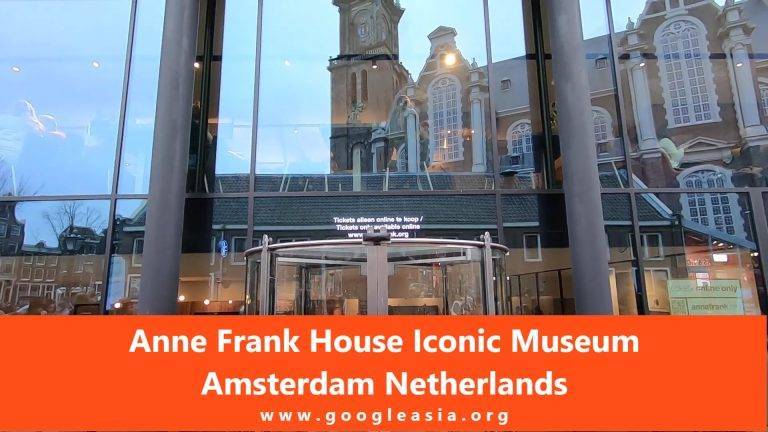
Another key point is to plan your visit to the Anne Frank House carefully, as entry is only possible with timed tickets purchased online. Tipping customs differ from the USA—rounding up the bill or leaving 5–10% is standard, rather than the higher percentages common back home. Travellers should also be mindful of cycling culture, as bikes dominate Dutch streets and ignoring bike lanes can be dangerous.
Finally, since the Anne Frank House is located in the Jordaan district, combining your visit with a walk through its charming streets and canals enriches the experience beyond the museum itself.
Attractions
Permanent Exhibitions
The Anne Frank House features permanent exhibits detailing Anne Frank’s life, the “Secret Annex” where her family hid from 1942 to 1944, and the broader context of Jewish life in wartime Amsterdam.
- Exhibits on Anne Frank’s life
- “Secret Annex” replica
- Historical context of Jewish life during WWII
Temporary Exhibitions
In addition to its permanent displays, the museum hosts temporary exhibitions that explore themes of discrimination, prejudice, and human rights relevant to Anne Frank’s experiences.
- Rotating exhibitions
- Themes of discrimination and human rights
- Contemporary relevance
Educational Activities
Tours and Activities
The Anne Frank House offers educational tours, lectures, and workshops designed to deepen visitors’ understanding of Anne Frank’s diary, the Holocaust, and the importance of tolerance in today’s world.
- Educational tours
- Lectures and workshops
- Focus on tolerance and human rights
Things to Do
Visiting the Anne Frank House in Amsterdam offers a profound journey into history and human resilience, focusing on the life and legacy of Anne Frank during World War II.
Tour the Anne Frank House
Explore the historic site where Anne Frank and her family hid from Nazi persecution. The self-guided audio tour provides insights into their daily lives and the significance of their hiding place.
- Audio tour available
- Historical insights
- Personalized exploration
Take a Pullitzer Tour
Discover Amsterdam’s Jewish history with a guided tour that includes visits to the Anne Frank House and other landmarks like the Rembrandt House Museum. Gain a deeper understanding of the cultural and historical context of Anne Frank’s life.
- Guided tour
- Jewish history exploration
- Local landmark visits
Enjoy Anne Frank Sculptures and Parks
Stroll through Amsterdam’s Anne Frankplantsoen and Anne Frankplein parks, adorned with artistic sculptures and memorials dedicated to Anne Frank. Experience a tranquil atmosphere while reflecting on her legacy.
- Sculptures and memorials
- Tranquil park settings
- Artistic representations
Visit the Anne Frank Museum
Explore the Anne Frank Museum to delve deeper into her life through photographs, films, and handwritten documents. Gain a comprehensive understanding of the challenges faced by Anne Frank and her family during their time in hiding.
- Historical museum
- Multimedia exhibits
- Life of Anne Frank depicted
Canal Cruise and Westerkerk Visit
Take a canal cruise to appreciate Amsterdam’s art, culture, and architecture from a unique perspective. Visit the historic Westerkerk, where Anne Frank and her family attended services while in hiding.
- Canal cruise experience
- Architectural and cultural insights
- Historical site visitation
Foods
Pea Soup
Pea soup, a classic Dutch dish, is hearty and typically served with smoked bacon, butter, and rye bread, making it a comforting choice.
- Hearty Dutch cuisine
- Served with smoked bacon
- Accompanied by butter and rye bread
Stroopwafel
Stroopwafels are iconic Dutch pastries filled with caramel syrup. They are enjoyed best warm, with the caramel inside slightly melted.
- Iconic Dutch treat
- Filled with caramel syrup
- Best served warm
Krokets
Krokets are crispy croquettes filled with mashed potatoes, beef, pork, cheese, or vegetables. They are popular as snacks or appetizers.
- Crispy croquettes
- Variety of fillings available
- Served as snacks or appetizers
Dutch Salmon
Dutch salmon is smoked and served with a creamy sauce, accompanied by small boiled potatoes. It offers a delicate flavor and is perfect as a light meal.
- Smoked salmon dish
- Creamy sauce
- Served with boiled potatoes
Dutch Cheese
Dutch cheese, like Gouda, is famous for its firm texture and sweet, nutty flavor. It’s enjoyed as a snack or incorporated into various dishes.
- Firm texture
- Sweet and nutty flavor
- Versatile in culinary uses
Dutch Licorice
Dutch licorice is a confection made from sugar beets, available in various shapes and flavors. It’s a unique treat for those with a sweet tooth.
- Made from sugar beets
- Diverse shapes and flavors
- Popular Dutch candy
Bitterballen
Bitterballen are bite-sized balls filled with a mixture of beef and gravy, then deep-fried until crispy. They are a favorite Dutch snack.
- Bite-sized snack
- Filled with beef and gravy
- Deep-fried for crispiness
Poffertjes
Poffertjes are mini-Dutch pancakes made from buckwheat and yeast, served with butter and powdered sugar. They are a delightful dessert or snack.
- Mini pancakes
- Made with buckwheat and yeast
- Served with butter and powdered sugar
Hotels
Amsterdam Canal Residence
Amsterdam Canal Residence offers elegant accommodations with canal views, providing a luxurious stay in proximity to Anne Frank House.
- Elegant accommodations
- Canal views
- Luxurious amenities
Renaissance Amsterdam Hotel
Renaissance Amsterdam Hotel features modern rooms and suites, ideal for travelers seeking comfort and convenience near Anne Frank House.
- Modern rooms and suites
- Central location
- Business and leisure amenities
NH Collection Amsterdam Grand Hotel Krasnapolsky
NH Collection Amsterdam Grand Hotel Krasnapolsky offers historic charm combined with modern luxury, making it a popular choice near Anne Frank House.
- Historic charm
- Modern luxury
- Prime location
Grand Hotel Amrâth Amsterdam
Grand Hotel Amrâth Amsterdam boasts a stunning Art Nouveau interior and upscale accommodations, offering a unique stay experience near Anne Frank House.
- Art Nouveau interior
- Upscale accommodations
- Exceptional service
Max Brown Hotel Canal District
Max Brown Hotel Canal District provides stylish rooms and a vibrant atmosphere, perfect for travelers looking to explore Anne Frank House and the city center.
- Stylish accommodations
- Vibrant atmosphere
- Close to city center attractions
Canal Boutique Rooms & Apartments
Canal Boutique Rooms & Apartments offers cozy rooms and self-catering apartments along Amsterdam’s picturesque canals, ideal for longer stays near Anne Frank House.
- Cozy rooms and apartments
- Self-catering options
- Picturesque canal views
Inntel Hotels Amsterdam Centre
Inntel Hotels Amsterdam Centre provides modern amenities and a central location, ensuring a comfortable stay near Anne Frank House and other attractions.
- Modern amenities
- Central location
- Business and leisure facilities
Amstel Botel
Amstel Botel offers unique accommodations aboard a floating hotel, providing panoramic views of Amsterdam’s waterfront and convenient access to Anne Frank House.
- Floating hotel experience
- Panoramic waterfront views
- Unique accommodation option
Hotel Ernst Sillem Hoeve
Hotel Ernst Sillem Hoeve offers a peaceful retreat with spacious rooms and conference facilities, perfect for business travelers near Anne Frank House.
- Peaceful retreat
- Spacious rooms
- Conference facilities
Grand Hotel Wientjes
Grand Hotel Wientjes provides classic accommodations and personalized service, offering a comfortable stay with easy access to Anne Frank House and city attractions.
- Classic accommodations
- Personalized service
- Convenient location
Conclusion
A visit to the Anne Frank House is both a historical journey and a deeply personal experience. Walking through the rooms of the Secret Annex, seeing Anne’s words brought to life, and reflecting on her legacy leaves a lasting impression on every visitor. Whether you are drawn by history, literature, or a desire to understand the past, the Anne Frank House is an essential stop in Amsterdam. Plan your visit today and connect with one of the most important stories of the 20th century.
Summary
- Attraction: Anne Frank House Iconic Museum Amsterdam
- Country: Netherlands
- Continent: Europe
- Capital Name: Amsterdam
- Language: Dutch (official)
- Currency: Euro
- Nationality: Dutch
- Category: #Destination #Europe #NETHERLANDS
Frequently Asked Questions
What are Anne Frank House’s nearby must-visit attractions or landmarks?
While visiting the Anne Frank House in Amsterdam, you’ll find several nearby attractions and landmarks that are worth exploring. Here are some must-visit places in the vicinity:
- Westerkerk (Western Church): Located near the Anne Frank House, Westerkerk is one of Amsterdam’s most prominent churches. Anne Frank mentioned the church’s clock in her diary, and it’s possible to see the church from the Secret Annex.
- Jordaan District: This charming and historic neighborhood is known for its narrow streets, picturesque canals, and vibrant atmosphere. Stroll through Jordaan to experience local cafes, boutiques, and art galleries.
- Prinsengracht Canal: The Anne Frank House is situated along the Prinsengracht canal. Take a leisurely walk along the canal to enjoy the scenic views and explore the surrounding areas.
- Dam Square: One of the main squares in Amsterdam, Dam Square is a hub of activity. It’s home to the Royal Palace, the National Monument, and the Nieuwe Kerk (New Church). The square often hosts events and festivals.
- Rijksmuseum: While a bit farther away, the Rijksmuseum is one of the most famous museums in Amsterdam, showcasing a vast collection of Dutch art and history. It’s a must-visit for art enthusiasts.
- Van Gogh Museum: Dedicated to the life and works of Vincent van Gogh, this museum is another cultural gem in Amsterdam. It’s located not far from the Anne Frank House and offers a comprehensive collection of the artist’s paintings.
- The Houseboat Museum: For a unique experience, visit the Houseboat Museum, located on a real houseboat. It provides insights into life on the city’s canals and is an interesting stop for those curious about Amsterdam’s houseboat culture.
- Anne Frank Statue: Just outside the Westerkerk, you’ll find a bronze statue of Anne Frank. It serves as a memorial and is a poignant reminder of her legacy.
Why should you visit Anne Frank House?
The Anne Frank House, located in Amsterdam, Netherlands, is a significant historical site and museum that preserves the hiding place of Anne Frank during World War II. There are several reasons why visiting the Anne Frank House is considered a meaningful and educational experience:
- Historical Significance: The Anne Frank House is where Anne Frank, a Jewish girl, and her family went into hiding during the Nazi occupation of the Netherlands. Anne documented her experiences in a diary, providing a firsthand account of life in hiding and the challenges faced by Jewish families during the Holocaust.
- Educational Value: The museum offers valuable insights into the history of the Holocaust, providing a sobering reminder of the atrocities committed during World War II. It serves as an educational resource to increase awareness and understanding of the consequences of discrimination and persecution.
- Preservation of History: The Anne Frank House has been preserved to maintain the authenticity of the Secret Annex where Anne and her family hid for over two years. Visitors can see the original rooms, hidden behind a bookcase, and gain a better understanding of the confined and challenging conditions the occupants faced.
- Anne Frank’s Diary: Anne Frank’s diary, known as “The Diary of a Young Girl,” is one of the most widely read books in the world. Visiting the Anne Frank House allows you to connect with the events described in the diary and provides context to the powerful and personal narrative.
- Reflection and Remembrance: The Anne Frank House serves as a place for reflection and remembrance. It allows visitors to contemplate the impact of prejudice, discrimination, and human rights violations, encouraging them to consider the importance of tolerance and understanding in today’s world.
- Promotion of Human Rights: The museum promotes the importance of protecting human rights and fostering a sense of responsibility to prevent history from repeating itself. It encourages visitors to actively engage in the promotion of a more just and inclusive society.
How to go to Anne Frank House?
The Anne Frank House is located in the city center of Amsterdam. Depending on your starting point, you can reach the Anne Frank House using various modes of transportation. Here are some general directions:
- From Amsterdam Central Station:
- The Anne Frank House is approximately a 20-minute walk from Amsterdam Central Station.
- Head southwest from the station, following the signs to Dam Square.
- Continue towards Dam Square, and from there, follow the signs to the Anne Frank House.
- By Tram:
- Trams are a convenient mode of transportation in Amsterdam. Tram lines that pass near the Anne Frank House include tram numbers 13, 14, and 17.
- Depending on your location, you can take a tram to the Westermarkt stop, which is close to the Anne Frank House.
- By Bus:
- Several bus lines serve the city center of Amsterdam. You can check the local bus routes to see if there is a convenient stop near the Anne Frank House.
- By Bicycle:
- Amsterdam is a bike-friendly city, and cycling is a popular means of transportation. You can rent a bicycle and explore the city, reaching the Anne Frank House easily.
- By Taxi or Ride-Sharing:
- Taxis and ride-sharing services are available in Amsterdam. You can use these services to reach the Anne Frank House from various locations in the city.
- By Boat:
- Amsterdam has canals, and some boat tours may include stops near the Anne Frank House. Check if there are boat tour options that align with your preferences.
- Guided Tours:
- Joining a guided tour is another option. Many guided tours include a visit to the Anne Frank House, providing transportation and valuable insights into the historical significance of the site.
Are there any halal food options around the Anne Frank House?
The Anne Frank House is located in the heart of Amsterdam, and the surrounding area offers a variety of dining options, including some that may cater to halal dietary preferences. While the immediate vicinity of the Anne Frank House may not have exclusively halal restaurants, you can explore nearby areas in Amsterdam for halal-friendly dining options. Here are some general tips:
- Central Amsterdam: Explore the central areas of Amsterdam, such as Dam Square or the Jordaan district, where you’ll find a diverse range of restaurants, including those serving halal cuisine.
- Leidseplein and Rembrandtplein: These popular squares in Amsterdam are known for their vibrant atmosphere and numerous dining establishments. Check for restaurants that offer halal options in these areas.
- De Pijp District: De Pijp is a multicultural neighborhood with a variety of international cuisines. You may find halal-friendly options in this district.
- Halal Restaurants: Look for specifically halal-certified or halal-friendly restaurants in Amsterdam. There are establishments that cater to various dietary preferences, including halal.
- Vegetarian and Seafood Options: Many restaurants in Amsterdam offer vegetarian and seafood dishes. If halal meat is not available, you can explore these options that align with certain dietary preferences.
- Communication with Restaurants: When dining out, it’s advisable to communicate with restaurant staff about your dietary preferences, including the request for halal preparation.
- Online Platforms: Use online platforms and apps to search for halal restaurants in Amsterdam. Websites like Zabihah or HalalTrip may provide information on halal dining options in the city.