Abu Simbel Temples, Egypt
Uncover the majesty of Abu Simbel Temples, Egypt’s ancient wonders. Marvel at colossal statues and intricate carvings that echo tales of pharaohs. Immerse yourself in a journey through time. Delve into more captivating details.
The Abu Simbel Temples are two massive rock temples in Aswan, Egypt, built by the Pharaoh Ramses II around 1264 BC. The two temples feature large statues of Ramses and various Egyptian gods, standing guard over the entrance. They are considered to be one of the greatest examples of ancient Egyptian architecture and have become a popular tourist attraction.
Introduction
Discover the awe-inspiring Abu Simbel Temples, monumental structures steeped in ancient history and cultural significance, nestled in the city of Aswan, Egypt.
A Testament to Pharaonic Grandeur
Historical Background
Built during the reign of Pharaoh Ramses II in the 13th century BCE, the Abu Simbel Temples are a testament to the grandeur and power of ancient Egypt. They were constructed to honor Ramses II himself and the gods Ptah, Re-Horakhty, and Amun-Re, reflecting the pharaoh’s divine and earthly authority.
The Great Temple
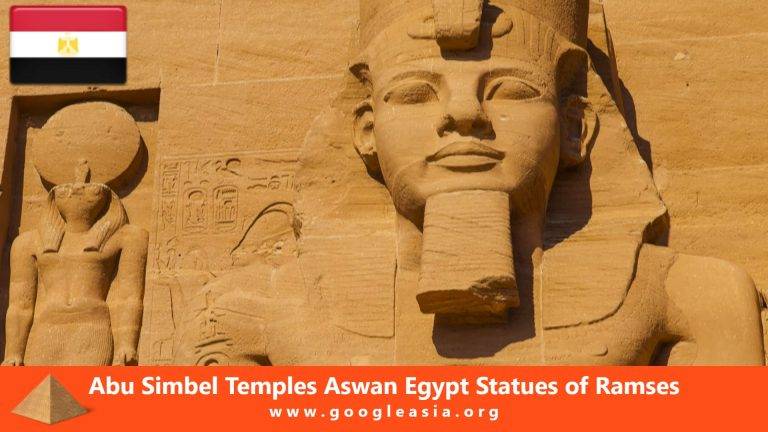
The Great Temple of Abu Simbel is the larger of the two temples, adorned with colossal statues of Ramses II standing 20 meters tall at the outer entrance. These imposing statues symbolize the pharaoh’s might and divine presence, welcoming visitors into a sanctuary dedicated to both gods and ruler.
Intricate Wall Paintings
Inside the Great Temple, intricate wall paintings depict scenes from Ramses II’s military campaigns and religious ceremonies, showcasing the pharaoh’s achievements and devotion to the gods. These detailed artworks offer a glimpse into the ancient Egyptian worldview and royal propaganda.
The Small Temple of Nefertari
Dedicated to Queen Nefertari
Adjacent to the Great Temple stands the Small Temple of Abu Simbel, dedicated to Ramses II’s beloved queen, Nefertari. Despite its smaller size, this temple is renowned for its facade featuring statues of Ramses II and Nefertari, symbolizing marital devotion and love in ancient Egypt.
Relocation Efforts
In a monumental engineering feat in 1963, the Abu Simbel Temples were relocated to higher ground to prevent their submersion under the rising waters of Lake Nasser, following the construction of the Aswan High Dam. This UNESCO-led Nubian Campaign ensured the preservation of these ancient treasures for future generations.
Modern Significance and Tourism
Tourist Attraction
Today, the Abu Simbel Temples stand as one of Egypt’s most iconic tourist attractions, drawing visitors from around the globe to marvel at their architectural splendor and historical significance. The temples serve as a poignant reminder of Egypt’s rich cultural heritage and the enduring legacy of its pharaohs.
Things to Do
Explore the Great Temple of Abu Simbel
The Great Temple of Abu Simbel, built by Pharaoh Ramesses II in the 13th century BC, stands as a monumental tribute to Egypt’s ancient glory. Carved into the cliffs of the Nubian desert, this temple complex is a marvel of engineering and artistry.
Statue Marvels
At the entrance, visitors are greeted by four colossal statues of Ramses II, each standing at over 20 meters tall. These imposing figures, known as the Colossi of Abu Simbel, symbolize the pharaoh’s divine power and authority.
Interior Splendor
Inside the temple, intricate reliefs and hieroglyphics adorn the walls, depicting scenes from Ramesses II’s military conquests and religious rituals. The central chamber is dedicated to the gods Amun, Ra-Harakhte, and Ptah, underscoring the pharaoh’s devotion and divine status.
Crypt and Sanctuary
Deep within the temple lies a sanctuary where Ramesses II’s statue once stood, believed to embody his eternal spirit. Nearby, a hidden crypt contains the pharaoh’s mummified remains, surrounded by sacred inscriptions and offerings.
Visit the Small Temple of Abu Simbel
Purpose and Design
Dedicated to the goddess Hathor, the Small Temple of Abu Simbel exudes a serene and intimate atmosphere compared to its grand counterpart. Constructed to honor Ramesses II’s beloved wife, Queen Nefertari, and the goddess Hathor herself, this temple is a testament to love and devotion.
Architectural Highlights
Two imposing statues of Ramesses II flank the entrance, accompanied by figures of Hathor and Nefertari. The temple’s inner sanctum features elegant pillars and intricately carved reliefs depicting scenes of daily life, religious ceremonies, and the queen’s divine connection.
Spiritual Significance
Throughout history, pilgrims and travelers have sought blessings from Hathor, goddess of music, dance, and fertility, within the temple’s hallowed halls. The serene ambiance invites contemplation and reflection amidst ancient wonders.
Discover the Surrounding Grounds
Scenic Beauty
Surrounded by the stark beauty of Lake Nasser and the Nubian Desert, the Abu Simbel Temples offer breathtaking panoramic views. The sun-drenched landscape enhances the temples’ natural hues of sandstone, creating a timeless tableau of nature and ancient architecture.
Museum Exploration
Adjacent to the temples, a small museum houses a collection of artifacts discovered during archaeological excavations. These treasures offer insights into daily life, religious practices, and artistic achievements of the ancient Egyptians, enriching the visitor’s understanding of Abu Simbel’s cultural legacy.
Foods
Grilled Fish
Abu Simbel’s traditional grilled fish is a local specialty, known for its fresh flavor and simple preparation. Often seasoned with local herbs and spices, it’s a must-try for visitors exploring the culinary delights of Aswan.
Lentils
Lentils are a staple in Egyptian cuisine and are commonly served as a side dish or incorporated into hearty stews. At Abu Simbel, lentils offer a nutritious and flavorful complement to any meal.
Shakshuka
Shakshuka is a beloved dish in Egypt, featuring poached eggs in a rich tomato sauce spiced with peppers, onions, and garlic. It’s a savory delight that reflects the region’s vibrant culinary heritage.
Bamia
Bamia is a flavorful stew made with tender lamb, okra, and tomatoes. This hearty dish is slow-cooked to perfection, infusing each bite with robust flavors and textures.
Fattah
Fattah is a traditional Egyptian dish that combines rice, bread, and meat (usually beef or lamb) topped with a garlic-tomato sauce and yogurt. It’s a comforting and filling meal often served during festive occasions.
Kushari
Kushari is a popular Egyptian street food made with rice, pasta, and lentils, topped with crispy fried onions and a tangy tomato sauce. Its satisfying blend of textures and flavors makes it a favorite among locals and tourists alike.
Ful Medames
Ful Medames is a classic Egyptian breakfast dish made with slow-cooked fava beans seasoned with garlic, lemon juice, and olive oil. It’s often enjoyed with freshly baked bread and makes for a nutritious start to the day.
Kebab
Kebabs in Egypt are typically made with marinated, grilled meats (such as beef or chicken) served alongside fresh vegetables and a side of salad. They offer a delicious taste of local spices and grilling techniques.
Ful Mudammas
Ful Mudammas is a flavorful appetizer made with cooked fava beans, seasoned with garlic, lemon juice, and olive oil. It’s a simple yet satisfying dish that’s perfect for sharing or enjoying on its own.
Om Ali
Om Ali is a traditional Egyptian dessert made with layers of pastry, nuts (such as almonds or pistachios), raisins, and milk or cream. Baked to golden perfection, it’s a rich and indulgent treat that’s perfect to end a meal.
Hotels
Temple View Hotel
Located near the Abu Simbel Temples, Temple View Hotel offers stunning views of the ancient monuments from its rooms and terrace. It provides comfortable accommodations with modern amenities, making it an ideal choice for travelers seeking proximity to the temples.
Hotel Ramada
Hotel Ramada is renowned for its luxurious accommodations and excellent service. Situated conveniently close to Abu Simbel Temples, it offers a range of amenities including spacious rooms, dining options, and recreational facilities.
Lake Nasser Cruise Hotel
For a unique experience, Lake Nasser Cruise Hotel offers accommodations on a cruise ship docked on Lake Nasser near Abu Simbel. Guests can enjoy breathtaking views of the lake and temples, along with comfortable cabins and onboard dining.
Sun City Abu Simbel Resort
Sun City Abu Simbel Resort is a charming hotel offering a blend of comfort and traditional Egyptian hospitality. It features well-appointed rooms, a restaurant serving local and international cuisine, and easy access to Abu Simbel Temples.
Abu Simbel Hotel & Resort
Abu Simbel Hotel & Resort provides a tranquil retreat near the temples, with spacious rooms and a range of facilities including a swimming pool and a restaurant. Its serene ambiance offers a relaxing stay amidst the desert landscape.
Abu Simbel Palace Hotel
Abu Simbel Palace Hotel combines modern comforts with Egyptian architectural elements. Its location near the temples allows guests to explore the historical site conveniently, while enjoying amenities such as a rooftop terrace with panoramic views.
New Abu Simbel Hotel
New Abu Simbel Hotel offers budget-friendly accommodations without compromising on comfort. It provides a convenient base for exploring Abu Simbel Temples, with clean rooms and essential amenities for a pleasant stay.
Hotel Oasis
Hotel Oasis offers a peaceful setting amidst the desert scenery near Abu Simbel Temples. It features comfortable rooms, a restaurant serving local specialties, and a garden area where guests can relax after a day of sightseeing.
Grand Abu Simbel Hotel
Grand Abu Simbel Hotel boasts spacious accommodations with modern furnishings and scenic views of the surrounding landscape. Its location provides easy access to the temples, making it a preferred choice for travelers seeking comfort and convenience.
Royal View Hotel
Royal View Hotel offers panoramic views of Lake Nasser and Abu Simbel Temples. It features well-appointed rooms, a restaurant serving Egyptian and international dishes, and friendly hospitality to enhance the guest experience.
Conclusion
The Abu Simbel Temples in Aswan, Egypt, epitomize the majesty and artistic prowess of ancient Egyptian civilization. From the colossal statues of Ramses II to the intricate reliefs and paintings that adorn their interiors, these temples continue to captivate and inspire visitors, offering a profound glimpse into Egypt’s glorious past. A visit to Abu Simbel promises an unforgettable journey through history and mythology, showcasing the enduring legacy of one of Egypt’s greatest pharaohs.
Summary
- Attraction Name: Abu Simbel Temples
- Country: Egypt
- Continent: African
- Capital Name: Cairo
- Language: Arabic
- Currency: Egyptian Pound
- Nationality: Egyptian
- Category: #Destination #Africa #EGYPT
Frequently Asked Questions
What are Abu Simbel’s must-visit attractions or landmarks?
The primary attractions in Abu Simbel are the two magnificent temples carved into the rock cliffs during the reign of Pharaoh Ramesses II. Here are the must-visit attractions at Abu Simbel:
- Great Temple of Ramesses II: The colossal Great Temple is dedicated to Pharaoh Ramesses II and various gods, including Ra-Harakhty, Amun, and Ptah. The facade features four seated statues of Ramesses II, each reaching 20 meters in height.
- Temple of Hathor and Nefertari: This smaller but equally impressive temple is dedicated to Queen Nefertari and the goddess Hathor. The facade displays six statues, four of Ramesses II and two of Nefertari.
- Inner Chambers and Sanctuaries: Explore the inner chambers of both temples, adorned with intricate carvings depicting religious scenes, battles, and offerings to the gods. The sanctuaries hold statues of the deities.
- Sun Festival: If visiting around February 22 or October 22, experience the Sun Festival when sunlight penetrates the temple’s inner sanctuary and illuminates the statues of the gods, including Ra-Harakhty.
- Statues of the Pharaoh: Admire the colossal statues of Pharaoh Ramesses II seated on the throne, showcasing detailed craftsmanship and symbolism. The statues depict the pharaoh’s authority and divine connection.
- Lake Nasser Scenery: Take in the scenic views of Lake Nasser, the artificial lake created by the construction of the High Dam. The temples overlook the lake, providing a picturesque backdrop.
- Sound and Light Show: Attend the evening Sound and Light Show for a dramatic retelling of the history of Abu Simbel. The temples are illuminated, creating a mesmerizing atmosphere.
- Visitor Center and Museum: Explore the Visitor Center and on-site museum, where exhibits provide additional information about the construction and relocation of the temples in the 1960s.
- Ancient Egyptian Quarry: Visit the nearby ancient quarry, known as the Northern Quarry, where some of the stone used in the construction of the temples was extracted.
Is Abu Simbel Temples a suitable travel destination for solo adventurers, honeymooning couples, or those traveling with families?
Abu Simbel Temples can be a suitable travel destination for various types of travelers, including solo adventurers, honeymooning couples, and families. Here’s a breakdown of why each group might find Abu Simbel appealing:
- Solo Adventurers:
- Historical Exploration: Solo adventurers interested in history and archaeology will find Abu Simbel captivating. The temples are a testament to ancient Egyptian civilization, offering a unique and immersive historical experience.
- Photography Opportunities: The colossal statues and intricate carvings provide excellent opportunities for solo photographers to capture the grandeur of the temples.
- Honeymooning Couples:
- Romantic Setting: Abu Simbel’s awe-inspiring temples and the scenic backdrop of Lake Nasser create a romantic atmosphere. Couples can enjoy exploring the historical site together.
- Sun Festival Experience: Timing a visit during the Sun Festival, when sunlight illuminates the inner sanctuary, can be a special and romantic experience for couples.
- Families:
- Educational Experience: Families with children can turn the visit into an educational experience, introducing them to ancient Egyptian history and culture.
- Cultural Exposure: Exposing children to historical wonders like Abu Simbel can be enriching, fostering an appreciation for different cultures and civilizations.
- Guided Tours for All:
- Educational Tours: Guided tours are available, providing valuable insights for all types of travelers. Guides can enhance the experience by sharing historical and cultural information.
- Logistical Considerations:
- Remote Location: Abu Simbel is in a remote location, so travelers should consider logistics and plan their trip well. Flights are available from major cities like Cairo and Aswan.
- Climate Awareness: Travelers should be mindful of the hot desert climate, especially during the summer months, and plan activities accordingly.
What’s the climate like in Abu Simbel?
The climate in Abu Simbel, where the famous temples are located, is characterized by its desert conditions. Here’s an overview of the climate in Abu Simbel:
- Hot Desert Climate: Abu Simbel experiences a hot desert climate, also known as a desert climate or arid climate. This means that the region is typically hot and dry throughout the year.
- Hot Summers: Summers in Abu Simbel, which typically span from May to September, are extremely hot with scorching temperatures. Daytime temperatures often exceed 40°C (104°F), and temperatures can be even higher during heatwaves.
- Mild Winters: Winters in Abu Simbel, from November to February, are milder but still warm. Daytime temperatures range from 20°C to 25°C (68°F to 77°F), making it a more comfortable time to visit compared to the scorching summer months.
- Limited Precipitation: Abu Simbel receives very little rainfall throughout the year. Rainfall is minimal, and the region is considered one of the driest places on Earth.
- Sunny Days: The region enjoys abundant sunshine year-round, with clear skies and sunny days being the norm. This makes it an ideal destination for sun-seeking travelers.
- Extreme Temperature Variations: Abu Simbel experiences significant temperature variations between day and night, with daytime temperatures being hot and nighttime temperatures dropping considerably. Travelers should be prepared for these fluctuations, especially if visiting during the cooler months.
Why should you visit Abu Simbel Temples?
Visiting the Abu Simbel Temples is a remarkable experience, and there are several compelling reasons to explore this historical site in southern Egypt:
- Architectural Marvel:Abu Simbel is renowned for its impressive rock-cut temples, especially the Great Temple of Ramesses II. The temples showcase ancient Egyptian architectural expertise and grandeur.
- Historical Significance: Built during the reign of Pharaoh Ramesses II in the 13th century BCE, the temples have immense historical importance, commemorating the victory at the Battle of Kadesh and honoring the pharaoh and his queen, Nefertari.
- Iconic Statues: The Great Temple features colossal statues of Pharaoh Ramesses II seated on the throne, with smaller statues of family members. The intricate details of the statues and carvings are awe-inspiring.
- Sun Festival: Twice a year, on February 22 and October 22, sunlight penetrates the temple’s inner sanctuary and illuminates the statues of the gods, including the sun god Ra. This event attracts tourists and photographers from around the world.
- Engineering Feat: The relocation of the temples in the 1960s to save them from submersion in Lake Nasser showcases an incredible engineering achievement. The entire complex was dismantled and reassembled in a higher location.
- Lake Nasser Scenery: The temples overlook Lake Nasser, providing a stunning backdrop. Visitors can enjoy the tranquil scenery and take boat trips on the lake.
- Cultural Insight: Exploring Abu Simbel offers insights into ancient Egyptian religion, mythology, and the significance of temples in their society. The intricate carvings depict various aspects of religious beliefs.
- UNESCO World Heritage Site: Abu Simbel is a UNESCO World Heritage Site, recognized for its cultural and historical significance. It is one of Egypt’s most iconic landmarks.
- Nefertari’s Temple: The smaller temple is dedicated to Queen Nefertari, showcasing the significance of royal women in ancient Egypt. It features elegant statues and carvings.
- Unique Sound and Light Show: Some visitors opt to attend the Sound and Light Show at Abu Simbel in the evening, where the temples are illuminated, and narrations provide a dramatic retelling of the site’s history.
How to go to Abu Simbel Temples?
Abu Simbel Temples are located in the southern part of Egypt, near Lake Nasser. The temples are a UNESCO World Heritage Site and are known for their historical and cultural significance. Here’s how you can reach Abu Simbel:
By Air:
- Flights from Cairo: The most common way to reach Abu Simbel is by taking a domestic flight from Cairo International Airport to Abu Simbel Airport. The flight duration is approximately two hours.
- Flights from Aswan: Another option is to fly from Aswan International Airport to the site. Flights are shorter, taking around 30-40 minutes.
By Road:
- From Aswan: If you prefer overland travel, you can take a road trip from Aswan to Abu Simbel. The distance is around 280 kilometers (175 miles), and the journey takes approximately 3 to 4 hours by car or bus.
- Organized Tours: Many visitors opt for organized tours that include transportation by bus or minivan from Aswan to Abu Simbel. These tours often include guided visits to the temples.
Note:
- Travelers are advised to check the current transportation options and schedules, as they may vary.
- Consider guided tours or travel packages that include transportation, especially if you’re not familiar with the region.
- The temples are situated near the border with Sudan, so it’s essential to have the necessary permits and comply with travel regulations.
Are there any halal food options around the Abu Simbel Temples?
Given the remote location of Abu Simbel Temples in southern Egypt, options for halal food directly around the temples may be limited. However, some tours or organized visits to this site may include meals or provide information about nearby dining options.