Karnak Temple in Luxor, Egypt
Embark on a mesmerizing journey at Karnak Temple, Luxor. Behold colossal columns, intricate hieroglyphs, and ancient mysteries. Uncover the grandeur of Egypt’s past. Discover more about this extraordinary historical landmark.
Karnak Temple is an ancient temple complex located in Luxor, Egypt. It is the largest religious complex in Egypt, encompassing a vast mix of temple structures, chapels and other monuments. Built over 2000 years ago, it is considered to be one of the most impressive examples of ancient Egyptian art and architecture.
Introduction
Karnak Temple, situated on the east bank of the Nile River in Luxor, Egypt, stands as a testament to the grandeur and spiritual significance of ancient Egyptian civilization. This vast complex of temples, chapels, pylons, and other structures is not only one of the largest religious sites in the ancient world but also one of the most visited archaeological sites along the Nile.
Historical Significance
Karnak Temple covers approximately 100 hectares and was dedicated primarily to the worship of Amun-Ra, the Sun God of ancient Egypt. Its construction spanned over 3000 years, with each successive pharaoh adding to its splendor, making it a reflection of evolving architectural styles and religious beliefs across different dynasties.
The Great Temple of Amun
At the heart of Karnak Temple lies the Great Temple of Amun, the largest structure within the complex. This monumental temple was dedicated to Amun-Ra, the chief deity of Thebes during the New Kingdom. It features colossal columns, massive pylons, and spacious courtyards that once hosted grand religious ceremonies and rituals.
Architectural Marvels
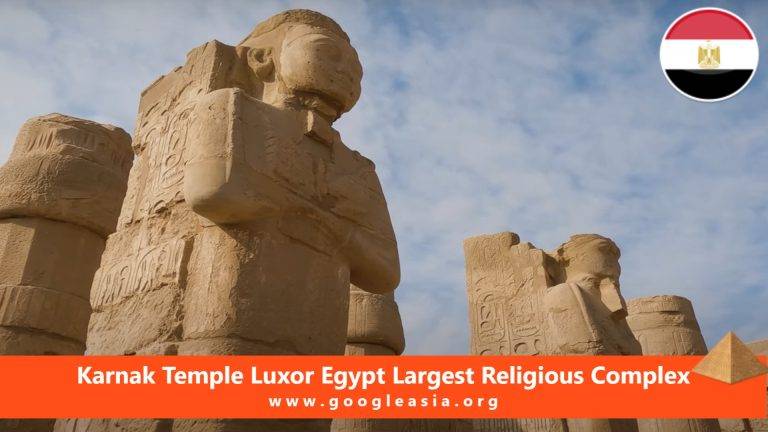
The temple complex is renowned for its architectural achievements, showcasing elements such as the famed Hypostyle Hall. This hall is adorned with towering columns—some reaching 23 meters in height—carved with intricate hieroglyphs and reliefs depicting pharaohs and gods. The precision and scale of these columns reflect the advanced engineering capabilities of ancient Egyptian craftsmen.
Religious and Symbolic Elements
Throughout Karnak Temple, visitors can explore a rich tapestry of Egyptian symbolism and religious practices. Elaborate obelisks, massive statues of gods and pharaohs, and meticulously carved reliefs on temple walls provide insights into the religious rituals, cosmology, and divine hierarchy of ancient Egypt.
Cultural Legacy and World Heritage
Karnak Temple’s significance extends beyond its architectural prowess. As a UNESCO World Heritage Site, it stands as a symbol of Egypt’s rich cultural heritage and its enduring legacy in art, religion, and architecture. The preservation efforts continue to uncover new discoveries about ancient Egyptian life and beliefs, offering scholars and visitors alike a window into the past.
Visiting Karnak Temple
Today, Karnak Temple welcomes visitors from around the world who come to marvel at its monumental structures and immerse themselves in the mysteries of ancient Egypt. Guided tours provide in-depth explanations of its history and significance, allowing visitors to appreciate the craftsmanship and spiritual devotion that went into its creation.
Things to Do
Karnak Temple in Luxor, Egypt, stands as a monumental testament to ancient Egyptian architecture, religion, and culture. Spanning an impressive 600,000 square meters, this sprawling temple complex offers visitors a glimpse into the grandeur of the ancient world.
Explore the Fallen Obelisks
Begin your journey through Karnak Temple by marveling at the fallen obelisks scattered throughout the complex. These towering monuments, once among the tallest in the world, are adorned with intricate hieroglyphs and carvings that tell stories of pharaohs and gods.
Hypostyle Hall: A Forest of Columns
Step into the Hypostyle Hall, a vast chamber supported by 134 towering sandstone columns. Admire the monumental scale of these pillars, intricately decorated with hieroglyphs and reliefs depicting scenes of ancient battles, religious rituals, and divine offerings.
Statues and Sculptures
Discover the multitude of statues and sculptures that populate Karnak Temple, some dating back over 4,000 years. These lifelike representations of pharaohs, gods, and mythical creatures provide insights into the artistic prowess and religious beliefs of ancient Egypt.
Enclosed Sanctuaries and Sacred Spaces
Visit the two enclosed sanctuaries dedicated to gods such as Amun-Ra and Montu, where priests performed sacred rituals and offerings. Experience the spiritual ambiance of these inner sanctums, adorned with symbolic carvings and statues.
Avenue of Sphinxes
Stroll along the Avenue of Sphinxes, a majestic pathway lined with 42-meter-long sphinx statues that once connected Karnak Temple to the Luxor Temple. Imagine the grand processions and religious ceremonies that once took place along this sacred route.
Sacred Lake
Reflect at the Sacred Lake, an ancient reservoir used for ceremonial purification and ritual offerings. Marvel at its tranquil waters and imagine the religious ceremonies that once took place on its shores, enhancing the spiritual significance of Karnak Temple.
Uncovering Ancient Ruins
While exploring Karnak Temple, witness ongoing archaeological excavations that continue to uncover new insights into Egypt’s ancient past. Discover hidden tombs, preserved artifacts, and structural remains that offer a glimpse into daily life and religious practices.
Foods
Karnak Temple in Luxor, Egypt, not only offers a glimpse into ancient history but also provides a variety of culinary delights that visitors can enjoy after exploring its monumental architecture and rich cultural heritage.
Tahini-Stuffed Grape Leaves
Tahini-stuffed grape leaves are a delectable Middle Eastern delicacy found near Karnak Temple. These kafta-style rolls combine nutty tahini and tender grape leaves, offering a flavorful appetizer or snack.
Shrimp and Eggplant Stew
Indulge in a comforting stew of succulent shrimp and eggplant simmered in a rich tomato sauce. This hearty dish reflects the flavors of the region and is perfect for warming up after a day of exploration.
Marinated Chicken Kabobs
Savor the succulent flavors of marinated chicken kabobs, seasoned with traditional Middle Eastern spices. Grilled to perfection, these kabobs offer a delicious and satisfying meal option near Karnak Temple.
Roasted Cauliflower
Roasted cauliflower, seasoned with a blend of lemon and garlic, is a flavorful side dish that complements any meal. Its tender texture and zesty flavors make it a popular choice among visitors.
Grilled Halloumi
Enjoy tangy halloumi cheese, grilled to perfection and served with a creamy tahini dipping sauce. This dish offers a delightful blend of textures and flavors that is sure to satisfy your palate.
Fattoush Salad
Fattoush salad combines soft pita bread with fresh vegetables, herbs, and spices, creating a refreshing and nutritious Mediterranean salad. It’s an ideal choice for a light and flavorful meal option.
Hummus Platter
Delight in smooth and creamy hummus, served with fresh pita bread and topped with olives, nuts, and feta cheese. This classic Middle Eastern dish is perfect for sharing and enjoying as an appetizer.
Tagine Platter
Enjoy a flavorful tagine, a traditional stew of vegetables, herbs, spices, and shredded chicken, served with a side of couscous. This dish offers a taste of authentic Middle Eastern cuisine near Karnak Temple.
Spiced Lentil Soup
Warm up with spiced lentil soup, made with yellow lentils and a blend of traditional Middle Eastern spices. This comforting soup is a popular choice for its hearty flavors and nourishing ingredients.
Baklava
Indulge in baklava, a classic dessert made with layers of thin pastry filled with a sweet and rich mixture of nuts and honey. This decadent treat is the perfect way to conclude your culinary journey near Karnak Temple.
Hotels
Karnak Temple in Luxor, Egypt, attracts visitors from around the world to explore its ancient wonders. For those planning a visit, here are some of the best hotels conveniently located near Karnak Temple:
Kamilah Hotel
Kamilah Hotel offers comfortable accommodations with modern amenities, making it a popular choice for travelers seeking proximity to Karnak Temple. The hotel provides easy access to the temple complex and features facilities such as a restaurant, pool, and scenic views.
Crowne Plaza Luxor Resort & Spa
Crowne Plaza Luxor Resort & Spa combines luxury with convenience, offering spacious rooms, fine dining options, and a range of leisure facilities. Located near Karnak Temple, it provides stunning views of the Nile River and easy access to historical sites.
Al Moudira
Al Moudira is a boutique hotel known for its unique architecture and tranquil ambiance. Nestled amidst lush gardens, it offers a peaceful retreat near Karnak Temple, with elegantly decorated rooms, a spa, and personalized service.
Sonesta St. George Hotel Luxor
Sonesta St. George Hotel Luxor boasts luxurious accommodations and sweeping views of the Nile River. Its proximity to Karnak Temple makes it an ideal choice for travelers looking to explore both ancient history and modern comfort.
Park Luxor Hotel
Park Luxor Hotel offers affordable accommodations without compromising on comfort. Located near Karnak Temple, it features clean rooms, friendly service, and essential amenities for a pleasant stay in Luxor.
Club Magic Life Kalawy Luxor
Club Magic Life Kalawy Luxor provides an all-inclusive resort experience with a range of activities and entertainment options. Situated close to Karnak Temple, it offers spacious accommodations, dining venues, and recreational facilities.
Holiday Village Karnak Hotels & Resort
Holiday Village Karnak Hotels & Resort is a family-friendly destination offering comfortable rooms and a variety of amenities. With its proximity to Karnak Temple, guests can enjoy easy access to historical sites and leisure activities.
Karnak Temple Villas
Karnak Temple Villas provide self-catering accommodations with privacy and flexibility. Ideal for families or groups, these villas offer modern conveniences and are located within a short distance from Karnak Temple.
Hotel In Luxor Karnak
Hotel In Luxor Karnak offers budget-friendly accommodations with a focus on comfort and convenience. Situated near Karnak Temple, it provides easy access to local attractions and services for a pleasant stay in Luxor.
Medinet Luxor Hotel & Spa
Medinet Luxor Hotel & Spa offers a relaxing retreat with its spa facilities and comfortable rooms. Located near Karnak Temple, it provides a tranquil setting amidst the bustling city, making it a popular choice for leisure travelers.
Conclusion
Karnak Temple in Luxor, Egypt, remains a masterpiece of ancient architecture and religious devotion. Its sprawling complex of temples and monuments continues to inspire awe and fascination, inviting travelers to explore the wonders of one of the greatest civilizations in history. As you walk through its sacred grounds and monumental halls, you cannot help but be captivated by the enduring legacy of Karnak Temple and its place in the cultural tapestry of Egypt.
Summary
- Attraction Name: Karnak Temple
- Country: Egypt
- Continent: African
- Capital Name: Cairo
- Language: Arabic
- Currency: Egyptian Pound
- Nationality: Egyptian
- Category: #Destination #Africa #EGYPT
Frequently Asked Questions
What are Karnak Temple’s nearby must-visit attractions or landmarks?
Karnak Temple in Luxor, Egypt, is a vast complex with numerous attractions and landmarks, showcasing the grandeur of ancient Egyptian architecture and religious practices. Here are some must-visit attractions within Karnak Temple:
- Great Hypostyle Hall: The Great Hypostyle Hall is a colossal structure with 134 towering columns, some reaching 21 meters in height. The hall served as a place of assembly and worship, and its sheer scale is awe-inspiring.
- Avenue of Sphinxes: The Avenue of Sphinxes is a long processional avenue lined with sphinx statues that once connected Karnak Temple to Luxor Temple. It provides a majestic entrance to the temple complex.
- Sacred Lake: The Sacred Lake within the temple complex was used for ritualistic purposes. Visitors can explore the serene surroundings, and the lake is often surrounded by statues and shrines.
- Obelisks: Karnak Temple features several obelisks, including the famous obelisk of Queen Hatshepsut. These tall, tapering structures are adorned with hieroglyphs and symbols.
- Temple of Amun-Re: The main temple dedicated to the god Amun-Re is the central focus of Karnak. It consists of various courts, halls, and sanctuaries, each with its unique architectural elements.
- Luxor Obelisk: The Luxor Obelisk, originally part of Karnak Temple, now stands in the Place de la Concorde in Paris. It serves as a reminder of the temple’s historical connections beyond Egypt.
- Statues of Ramesses II: Karnak is adorned with numerous statues, including those of Pharaoh Ramesses II. Colossal statues of the pharaoh seated on the throne can be found throughout the complex.
- Temple of Khonsu: The Temple of Khonsu is dedicated to the moon god Khonsu, the son of Amun and Mut. It is one of the temples within the Karnak complex and features its unique architectural elements.
- Temple of Ptah: Dedicated to the god Ptah, the Temple of Ptah is another significant structure within Karnak Temple. Ptah was associated with craftsmanship and creation.
- Chapels and Shrines: Explore various chapels and shrines dedicated to different deities within the temple complex, each showcasing unique carvings and religious significance.
- Red Chapel of Hatshepsut: The Red Chapel, dedicated to the god Amun, was built by Queen Hatshepsut. Its reliefs depict religious ceremonies and offerings.
- Sound and Light Show: Consider attending the evening Sound and Light Show at Karnak Temple, where the complex is illuminated, and a narration provides insights into its history.
Is Karnak Temple a suitable travel destination for solo adventurers, honeymooning couples, or those traveling with families?
Karnak Temple in Luxor, Egypt, is a versatile destination suitable for various types of travelers, including solo adventurers, honeymooning couples, and families. Here’s why each group might find Karnak Temple appealing:
- Solo Adventurers:
- Historical Exploration: Solo adventurers interested in history and archaeology will find Karnak Temple a fascinating site. Exploring the vast complex and learning about ancient Egyptian religious practices can be a rewarding experience.
- Photography Opportunities: Solo photographers will appreciate the intricate details, colossal columns, and statues that provide excellent subject matter for capturing unique and stunning shots.
- Honeymooning Couples:
- Romantic Setting: Karnak Temple, with its grand architecture and historical significance, can provide a unique and romantic backdrop for honeymooning couples.
- Cultural Experience: Couples can share in the cultural and historical experience of exploring Karnak Temple together, creating lasting memories.
- Families:
- Educational Value: Karnak Temple offers an educational experience for families, providing insight into ancient Egyptian history, mythology, and religious practices. It can be an enriching destination for children.
- Outdoor Exploration: Families can enjoy exploring the vast temple complex together, appreciating the grandeur of the architecture and the unique features, such as the Great Hypostyle Hall and the Sacred Lake.
- Guided Tours for All:
- Educational Tours: Guided tours are available, enhancing the experience for solo travelers, couples, and families alike. Knowledgeable guides can provide historical context and engage visitors of all ages.
- Logistical Considerations:
- Accessibility: Karnak Temple is easily accessible from Luxor, and its central location makes it convenient for travelers staying in various parts of the city.
- Cultural Sensitivity: Families should be mindful of the historical and religious significance of the site and ensure that children understand the importance of respectful behavior.
What’s the climate like in Karnak Temple?
Karnak Temple is situated in Luxor, Egypt, which experiences a desert climate. The climate in this region is characterized by hot temperatures and minimal precipitation. Here are some details about the climate in Luxor, where Karnak Temple is located:
- Hot Desert Climate: Luxor has a hot desert climate, typical of many locations in Egypt. This means that temperatures can be extremely high, especially during the summer months.
- Hot Summers: Summers in Luxor, which extend from May to September, are exceptionally hot. Daytime temperatures often surpass 40°C (104°F), and heatwaves are common.
- Mild Winters: Winters (November to February) are milder, with daytime temperatures ranging from 20°C to 25°C (68°F to 77°F). Nights can be cooler, but it remains relatively pleasant for outdoor activities.
- Limited Precipitation: Luxor experiences minimal rainfall throughout the year. Rain is infrequent, and the region is characterized by arid conditions.
- Sunny Days: Luxor enjoys abundant sunshine throughout the year. Clear skies and sunny days are the norm, making it an ideal destination for those seeking sunlight.
- Extreme Temperature Variations: Luxor, including Karnak Temple, can experience significant temperature variations between day and night. While days are hot, nights can be relatively cooler, especially during the winter.
Tips for Visitors:
- Sun Protection: Given the intense sunlight, visitors are advised to use sun protection, including sunscreen, hats, and sunglasses.
- Hydration: Staying hydrated is crucial, especially during the hot summer months. Carry a water bottle and drink plenty of fluids.
- Appropriate Clothing: Lightweight and breathable clothing is recommended, along with comfortable footwear for exploring the temple complex.
Why should you visit Karnak Temple in Egypt?
Visiting Karnak Temple in Luxor, Egypt, is a captivating experience for travelers interested in ancient history, architecture, and Egyptian mythology. Here are compelling reasons to explore Karnak Temple:
- Historical Significance: Karnak Temple is one of the most significant religious complexes from ancient Egypt. It served as the main place of worship dedicated to the god Amun, his wife Mut, and their son Khonsu.
- Architectural Grandeur: The temple complex is an architectural marvel, featuring colossal statues, towering columns, and intricate carvings. The Great Hypostyle Hall is particularly impressive with its forest of massive columns.
- Great Hypostyle Hall: Explore the Great Hypostyle Hall, a vast area with 134 towering columns, some reaching 21 meters in height. The hall served as a place of assembly and worship.
- Avenue of Sphinxes: Walk along the Avenu0e of Sphinxes, a long processional avenue lined with sphinx statues that once connected Karnak Temple to Luxor Temple.
- Sacred Lake: Visit the Sacred Lake within the temple complex, which was used for ritualistic purposes. The lake has a serene atmosphere and is surrounded by statues and shrines.
- Obelisks and Statues: Admire the obelisks and statues within the temple grounds, including the famous obelisk of Queen Hatshepsut and the massive statues of Ramesses II.
- Sound and Light Show: Attend the evening Sound and Light Show at Karnak Temple, where the complex is illuminated, and a narration provides insights into its history and significance.
- Historical Evolution: Witness the evolution of Karnak Temple over several centuries, with contributions from various pharaohs, including Amenhotep III, Tutankhamun, and Ramesses II.
- Religious Practices: Gain insight into ancient Egyptian religious practices and beliefs. Karnak was a center of pilgrimage and religious ceremonies, reflecting the significance of Amun in Egyptian theology.
- Archaeological Discoveries: Karnak continues to be a site of ongoing archaeological discoveries. Explore the mysteries of the past as researchers uncover more about the temple’s history.
- UNESCO World Heritage Site: Karnak Temple is part of the UNESCO World Heritage Site of Ancient Thebes, recognizing its cultural and historical importance.
- Educational Experience: Karnak provides an educational experience for visitors, offering a glimpse into the religious and architectural achievements of ancient Egypt.
How to go to Karnak Temple?
Karnak Temple is located in Luxor, Egypt, and it is easily accessible from various parts of Luxor. Here’s how you can reach Karnak Temple:
By Air:
- Flights to Luxor: If you’re coming from other cities in Egypt or internationally, you can take a flight to Luxor International Airport.
From Luxor International Airport:
- Taxi or Ride-sharing: Taxis and ride-sharing services are available at Luxor International Airport. You can take a taxi or use services like Uber or Careem to reach Karnak Temple.
From Luxor City:
- Taxi: Taxis are readily available in Luxor, and you can take one to Karnak Temple. Confirm the fare with the driver before starting the journey.
- Horse Carriage or Bicycle: Luxor is known for horse-drawn carriages, and you can opt for a unique experience by taking a horse carriage to Karnak Temple. Some visitors also choose to explore the city by bicycle.
- Walking: If you’re staying in Luxor city, Karnak Temple may be within walking distance, depending on your location. Luxor is a relatively compact city, and walking can be a pleasant way to explore.
- Organized Tours: Many visitors opt for organized tours that include transportation to Karnak Temple. These tours often provide additional insights from knowledgeable guides.
Tips:
- Confirm the opening hours of Karnak Temple and plan your visit accordingly.
- Consider visiting during the early morning or late afternoon to avoid the heat, especially if you plan to explore the outdoor areas of the temple complex.
- If you’re staying in a hotel, inquire about transportation options or shuttle services they may offer to popular attractions.
Are there any halal food options around the Karnak Temple?
While Karnak Temple itself may not have specific dining establishments, the city of Luxor, where Karnak Temple is located, offers various dining options, including those serving halal food. Visitors can find restaurants, cafes, and eateries in Luxor that cater to halal dietary preferences.
Here are some general tips:
- Explore Luxor City:
- Luxor has a range of restaurants serving traditional Egyptian cuisine, and many of them provide halal options. Explore the city to discover local eateries.
- Ask Locals or Guides:
- Local residents and guides can provide recommendations for halal restaurants in Luxor. They are familiar with the area and can guide you to suitable dining options.
- Check Restaurant Menus:
- Before entering a restaurant, you can check its menu to ensure that it offers halal choices. Many restaurants in Luxor are sensitive to diverse dietary needs.
- Hotel Dining:
- If you’re staying in a hotel in Luxor, the hotel’s dining facilities may include halal options. Inquire with the hotel staff about their menu offerings.
- Street Food:
- In some cases, street food vendors may offer halal options. Confirm with the vendor about the preparation methods and ingredients to ensure they align with halal standards.