Rabat, Morocco
Rabat is the capital of Morocco, located on the Atlantic Ocean coastline and Bou Regreg River. It’s known for its central Hassan Tower mosque, the Kasbah of the Udayas, & the centuries-old medina within the modern city’s sprawling walls. Rabat is a mix of old and new, a modern capital full of historic sites and monuments.
Introduction
Rabat, the vibrant capital city of Morocco, offers a blend of historical richness, cultural diversity, and modern allure.
Location and Demographics
- Location: Situated in the north-western part of Morocco, Rabat overlooks the Atlantic Ocean.
- Population: Approximately 1.7 million residents make Rabat a bustling metropolitan hub.
- Character: Known for its liberal atmosphere, Rabat welcomes visitors with its cosmopolitan charm and rich heritage.
Cultural and Historical Treasures
Rabat boasts a wealth of cultural and historical attractions that reflect its significance as the capital city.
UNESCO World Heritage Sites
- Historical City Center: Explore the ancient streets and monuments of Rabat’s historic core, designated as a UNESCO World Heritage Site.
- Kasbah of the Udayas: Wander through this picturesque fortress overlooking the Bou Regreg river, offering stunning views and a glimpse into Morocco’s past.
- Chellah: Discover the ancient Roman ruins and medieval necropolis amidst lush gardens, a serene retreat within the city.
Cultural Scene and Attractions
Rabat is a haven for art, history, and entertainment enthusiasts, offering a vibrant array of cultural venues.
Museums and Galleries
- National Museum of Archaeology and Ancient Arts: Delve into Morocco’s archaeological heritage with exhibits spanning millennia.
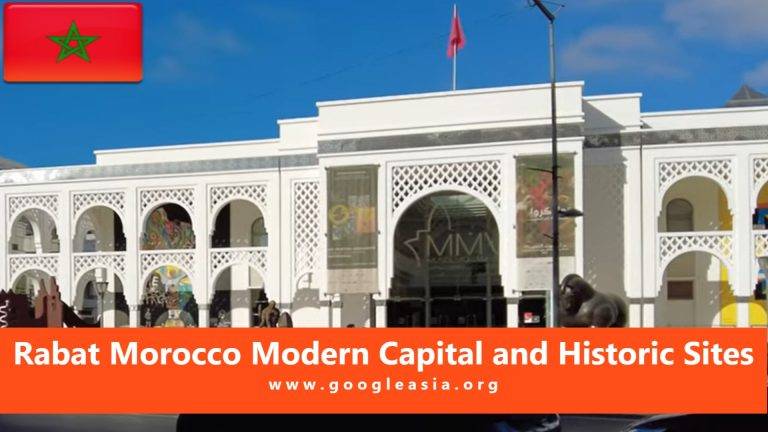
- Mohammed VI Museum of Modern and Contemporary Art: Experience modern art from Morocco and beyond in a state-of-the-art museum setting.
Theatres and Performances
- Theatre Mohamed V: Attend captivating performances ranging from traditional Moroccan theatre to international productions.
- Amphitheatre of the OLM Souissi: Enjoy cultural events and concerts in this modern amphitheater set amidst scenic surroundings.
Economic Hub and Nightlife
Rabat’s dynamic economy and vibrant nightlife contribute to its allure as a modern capital city.
- Economic Diversity: From government institutions to thriving commerce sectors, Rabat plays a pivotal role in Morocco’s economic landscape.
- Nightlife: Discover bustling cafes, trendy bars, and lively clubs where locals and visitors mingle, enjoying Rabat’s nocturnal energy.
Attractions
Rabat, the capital city of Morocco, beckons with a tapestry of historical wonders and vibrant culture. Explore the city’s top attractions and immerse yourself in its captivating ambiance.
Kasbah of the Udayas
- Description: Wander through this ancient citadel, originally a royal residence dating back to the 12th century.
- Highlights: Explore its iconic walls, lush gardens with fountains, and panoramic views of the Bou Regreg river.
Hassan Tower
- Description: Marvel at the iconic minaret, standing tall at 45 meters as a symbol of Rabat’s architectural prowess.
- Highlights: Climb to the top for stunning views of Rabat and the surrounding landscape, despite its incomplete construction.
Oudaya Museum
- Description: Delve into Moroccan history at this museum housed in a medieval palace.
- Highlights: Discover artifacts such as coins, pottery, and statues that offer insights into the region’s rich cultural heritage.
Chellah Necropolis
- Description: Explore the ruins of this ancient Roman city turned medieval necropolis.
- Highlights: Enjoy a serene walk amidst historical remnants, fortified walls, and lush gardens teeming with flora and fauna.
Andalusian Gardens
- Description: Relax in these tranquil public gardens near the Medina, showcasing a variety of trees, plants, and playful animals.
- Highlights: Stroll through beautifully landscaped grounds and enjoy the peaceful ambiance away from the city bustle.
Zoo National de Rabat
- Description: Encounter rare and endangered species in this expansive zoological park.
- Highlights: Observe animals up close, from majestic lions to exotic birds, and unwind with a picnic amidst natural surroundings.
Oued Bou Regreg Marina
- Description: Experience the river’s tranquility with boat or kayak rentals, or simply relax on the beach.
- Highlights: Watch local fishermen at work, soak in the riverside views, and savor a serene escape from urban life.
Shopping & Dining
- Description: Explore vibrant souks for traditional crafts and clothing, and indulge in Moroccan cuisine at local eateries.
- Highlights: Navigate the bustling Medina for unique souvenirs and immerse yourself in Rabat’s culinary delights, from tagines to freshly baked pastries.
Méchouar
- Description: Visit this expansive square atop Kessoubia Hill, home to the Parliament and a hub for cultural events.
- Highlights: Capture panoramic views of Rabat’s skyline, and witness the intersection of history and modern governance.
Hassan II Mosque
- Description: Marvel at Morocco’s largest mosque, an architectural masterpiece spanning nearly 500,000 square meters.
- Highlights: Admire the intricate craftsmanship, serene courtyards, and expansive prayer halls of this revered religious landmark.
Foods
Rabat, the capital city of Morocco, invites you to indulge in its rich culinary heritage, blending traditional flavors with modern influences.
Couscous
- Description: A staple Moroccan dish of fluffy semolina grains topped with meat (often lamb or chicken), vegetables, and a flavorful broth.
- Highlights: Enjoyed as a hearty meal that symbolizes Moroccan hospitality and culinary tradition.
Tajine
- Description: A delectable stew cooked slowly in a clay pot, featuring a variety of meats (such as lamb, chicken, or beef), vegetables, and aromatic spices.
- Highlights: Each tajine offers a unique blend of flavors, often accompanied by tender preserved lemons and olives.
Kefta
- Description: Moroccan-style meatballs or sausages made from ground lamb or beef, mixed with onions, garlic, and spices, then grilled or stewed.
- Highlights: Served with couscous or as part of a tajine, offering a savory and satisfying dining experience.
Pastilla
- Description: A savory pie filled with layers of shredded chicken or fish, almonds, eggs, and delicate spices such as cinnamon and saffron.
- Highlights: Combines sweet and savory flavors in a crispy pastry shell, often dusted with powdered sugar.
Makouda
- Description: Fried potato balls, seasoned with herbs and spices, served with a spicy dipping sauce and a refreshing side salad.
- Highlights: A popular street food snack, perfect for satisfying cravings with its crispy exterior and soft, flavorful interior.
Falafel
- Description: Crispy chickpea fritters seasoned with herbs and spices, served with a creamy tahini-based sauce and fresh vegetables.
- Highlights: A beloved Middle Eastern dish, enjoyed as a light and flavorful appetizer or a satisfying vegetarian main course.
Harira
- Description: A comforting tomato-based soup enriched with lentils, chickpeas, celery, and a blend of Moroccan spices.
- Highlights: Often enjoyed during Ramadan to break the fast, offering nourishment and warmth.
Harira M’krini
- Description: A heartier version of harira, featuring chunks of beef, wheat grains, and a medley of vegetables in a thicker, more substantial broth.
- Highlights: Known for its robust flavors and satisfying texture, ideal for a filling meal any time of year.
Bisteeya
- Description: A sumptuous pastry filled with spiced chicken, eggs, almonds, and a hint of cinnamon, encased in layers of thin pastry dough.
- Highlights: Balances savory and sweet notes in a delicate pastry, showcasing Morocco’s culinary finesse.
Almonds
- Description: Widely used in Moroccan cuisine, almonds are enjoyed in various forms, from savory dishes to desserts and as a popular snack.
- Highlights: Enhance dishes with their nutty flavor and crunchy texture, often paired with dates and dried fruits for a delightful Moroccan treat.
Hotels
Sofitel Rabat Jardin des Roses
- Location: Set amidst lush gardens, offering a serene oasis in the heart of Rabat.
- Features: Elegant rooms and suites with modern amenities, multiple dining options including Moroccan and international cuisine, spa and wellness facilities, outdoor pool, and easy access to nearby attractions.
The View Hotel Rabat
- Location: Overlooking the Bou Regreg River, providing stunning views of the Kasbah of the Udayas and Hassan Tower.
- Features: Contemporary rooms and suites with panoramic windows, rooftop restaurant offering Moroccan and Mediterranean dishes, fitness center, and a central location for exploring Rabat’s historic sites.
Villa Mandarine
- Location: Situated in a peaceful residential area, offering a retreat-like ambiance close to the city center.
- Features: Boutique hotel with spacious rooms and suites featuring traditional Moroccan décor, lush gardens, outdoor pool, gourmet restaurant serving organic cuisine, and personalized service.
Le Diwan Rabat – MGallery
- Location: Located in the heart of Rabat, within walking distance to the Royal Palace and Hassan Tower.
- Features: Stylish rooms blending modern comfort with Moroccan charm, rooftop terrace with city views, restaurant serving Moroccan specialties, fitness center, and conference facilities.
Hotel La Tour Hassan Palace
- Location: Near the historic landmarks of Rabat, including the Hassan Tower and Chellah Necropolis.
- Features: Grand rooms and suites with luxurious furnishings, outdoor swimming pool surrounded by gardens, multiple dining options including a gourmet restaurant, spa offering traditional Moroccan treatments, and a prestigious location.
Dar Mayssane
- Location: Nestled in the Medina of Rabat, providing an authentic Moroccan experience.
- Features: Intimate riad with beautifully decorated rooms and suites, traditional Moroccan courtyard, terrace with panoramic views, home-cooked Moroccan meals, and a tranquil atmosphere away from the city bustle.
Riad Kalaa
- Location: In the heart of Rabat’s Medina, offering easy access to the Kasbah of the Udayas and local markets.
- Features: Charming riad with individually styled rooms and suites, rooftop terrace with views of the Medina, courtyard with a fountain, Moroccan cuisine served in a cozy dining room, and personalized service.
Golden Tulip Farah Rabat
- Location: Located near the Rabat Ville train station, providing convenient access to transportation and city attractions.
- Features: Comfortable rooms and suites with modern amenities, restaurant offering international cuisine, fitness center, business center, and conference facilities.
Conclusion
Rabat, with its blend of historical splendor, cultural vibrancy, and modern amenities, invites exploration and promises a memorable Moroccan experience. Whether wandering through ancient Kasbahs, exploring world-class museums, or savoring the city’s lively ambiance, Rabat captivates with its rich tapestry of past and present.
Summary
- Attraction Name: Rabat
- Country: Morocco
- Continent: African
- Capital Name: Rabat
- Language: Arabic and Standard Moroccan Berber
- Currency: Moroccan Dirham
- Nationality: Moroccan(s)
- Category: #Destination #Asia #MOROCCO
Frequently Asked Questions
What are Rabat’s nearby must-visit attractions or landmarks?
Rabat, the capital city of Morocco, offers a rich cultural and historical experience with numerous must-visit attractions and landmarks. Here are some notable places near Rabat:
- Kasbah of the Udayas (Kasbah des Oudaias): This ancient fortress and residential area is known for its narrow winding streets, blue and white buildings, and stunning views of the Bouregreg River and the Atlantic Ocean.
- Hassan Tower (Tour Hassan): The Hassan Tower is an incomplete minaret of an intended mosque that was never finished. It stands next to the Mausoleum of Mohammed V and the remains of a mosque, creating a significant historical site.
- Mausoleum of Mohammed V: This mausoleum contains the tombs of King Mohammed V and his two sons. The architectural design reflects traditional Moroccan craftsmanship and is a revered national monument.
- Chellah Necropolis: A historical site that includes Roman and medieval ruins, Chellah features ancient walls, tombs, and a beautifully landscaped garden. It offers a serene atmosphere away from the hustle and bustle of the city.
- Royal Palace (Dar-al-Makhzen): While the Royal Palace is not open to the public, visitors can admire its grand gates, intricate architecture, and beautiful gardens from the outside.
- Andalusian Gardens (Jardin des Oudaias): These gardens are part of the Kasbah des Oudaias and offer a peaceful retreat with well-maintained greenery, fountains, and traditional Moroccan architecture.
- Museum of Oudayas (Musée des Oudaias): Located in the Kasbah des Oudaias, this small museum showcases Moroccan arts and crafts, providing insight into the country’s cultural heritage.
- National Archaeological Museum (Musée Archéologique de Rabat): The museum displays artifacts from Morocco’s archaeological sites, covering various historical periods, including Roman, Islamic, and prehistoric periods.
- Bouregreg Marina: A modern marina along the Bouregreg River, offering a pleasant waterfront area with shops, restaurants, and views of the Hassan Tower and Kasbah.
- Ville Nouvelle (New Town): Explore the modern side of Rabat in Ville Nouvelle, where you can find shops, cafes, and a lively urban atmosphere.
- Rabat Beaches: Rabat has several beaches along the Atlantic coast, such as Plage de Rabat and Plage de Salé. These beaches provide opportunities for relaxation and enjoying the sea.
Why should you visit Rabat?
Rabat, the capital city of Morocco, offers a unique blend of historical richness, cultural diversity, and modern attractions. Here are several reasons why you should consider visiting Rabat:
- Rich History and Heritage: Rabat is home to a wealth of historical sites and landmarks, including the Kasbah of the Udayas, Hassan Tower, and the Mausoleum of Mohammed V. The city’s history is intertwined with various civilizations, and its architectural treasures reflect its past.
- Charming Old Town: The Kasbah des Oudaias, with its narrow streets, blue and white buildings, and Andalusian Gardens, provides a charming glimpse into Morocco’s traditional architecture and heritage.
- Archaeological Wonders: Explore the archaeological sites in and around Rabat, including Chellah, which features Roman ruins and medieval structures. The National Archaeological Museum showcases artifacts from Morocco’s rich archaeological history.
- Cultural Diversity: Rabat’s diverse population contributes to a vibrant cultural scene. The city hosts events, festivals, and exhibits that celebrate Morocco’s cultural heritage, including traditional music, dance, and art.
- Modern Attractions: In addition to its historical sites, Rabat has a modern side with contemporary attractions. The Bouregreg Marina, Ville Nouvelle, and the Royal Theater contribute to the city’s cosmopolitan atmosphere.
- Royal Palace: While the Royal Palace is not open to the public, its grand gates and impressive architecture are worth admiring. The palace area provides a glimpse into Morocco’s monarchy and history.
- Culinary Delights: Rabat offers a diverse culinary scene, with restaurants serving traditional Moroccan cuisine, international dishes, and seafood from the Atlantic coast. Explore local markets for a taste of authentic flavors.
- Bouregreg River: Enjoy a leisurely stroll along the Bouregreg River, where you can appreciate the views of the Kasbah, Hassan Tower, and the modern skyline. The riverfront area offers a relaxing atmosphere.
- Coastal Beauty: Rabat is located along the Atlantic coast, providing access to beautiful beaches. Relax on the sandy shores of Plage de Rabat or Plage de Salé.
- Educational Opportunities: Rabat is home to several educational institutions, including Mohammed V University and the International University of Rabat, making it a hub for academic and cultural exchange.
- Gateway to Morocco: As the capital city, Rabat serves as a convenient starting point for exploring other Moroccan cities and regions. It offers good transportation connections to cities like Casablanca, Marrakech, and Fes.
How can one travel to Rabat?
Rabat, being the capital city of Morocco, is well-connected and accessible through various means of transportation. Here are common ways to travel to Rabat:
- By Air:
- Rabat-Salé Airport (RBA): Rabat has its own airport, Rabat-Salé Airport (RBA), located approximately 8 kilometers from the city center. The airport serves both domestic and international flights, providing convenient access to Rabat.
- By Train:
- Rabat-Ville Train Station: The city is well-connected by train, and Rabat-Ville is the main train station. High-speed trains (TGV) operate between Rabat and other major cities in Morocco, including Casablanca, Marrakech, and Tangier.
- By Road:
- Buses: Long-distance buses connect Rabat to various cities across Morocco. Companies like CTM and Supratours provide reliable bus services. The journey duration depends on the departure city.
- Grand Taxis: Shared taxis, known as grand taxis, also operate between cities and can be a convenient option for traveling to Rabat.
- By Car:
- Self-Drive: Rabat is accessible by road, and renting a car provides flexibility for exploring the city and its surroundings. The road network is well-maintained, and major highways connect Rabat to other cities.
- Organized Tours:
- Tour Packages: Some travelers prefer to visit Rabat as part of an organized tour, especially if they plan to explore multiple cities in Morocco. Tour packages often include transportation, accommodation, and guided excursions.
- By Sea:
- Casablanca Port: While not a common option, some travelers arriving by cruise ship at the port of Casablanca may choose to visit Rabat, which is approximately 80 kilometers away.
Are there any halal food options around the Rabat?
Yes, Rabat, being the capital city of Morocco, offers a variety of halal food options due to its predominantly Muslim population. Here are several ways you can find halal food in Rabat:
- Local Restaurants: Most restaurants in Rabat serve halal food, as it aligns with Islamic dietary laws. You can find a range of Moroccan dishes, including tagines, couscous, grilled meats, and traditional pastries.
- Street Food: Explore the local street food scene, especially around popular areas and markets. Street food vendors often offer halal options such as kebabs, grilled meats, and various snacks.
- Cafés and Bakeries: Many cafés and bakeries in Rabat serve halal pastries, sweets, and light meals. Moroccan tea houses are also popular spots to enjoy beverages and snacks.
- Seafood Restaurants: Rabat, located along the coast, has seafood restaurants that offer fresh catches. Many of these establishments provide halal options, and you can enjoy a variety of seafood dishes.
- Hotel Restaurants: If you’re staying in a hotel in Rabat, the hotel’s restaurants are likely to offer halal options. Inform the staff about your dietary preferences, and they will often accommodate your needs.
- Ask Locals: If you’re unsure about the halal status of a particular restaurant or food vendor, don’t hesitate to ask locals for recommendations. They can guide you to establishments that explicitly provide halal options.
- Check Menus: When entering a restaurant, you can check the menu for halal symbols or indications. Many establishments specify whether their offerings are halal, making it easier for customers to choose suitable dishes.