Imperial Citadel of Thang Long,Vietnam
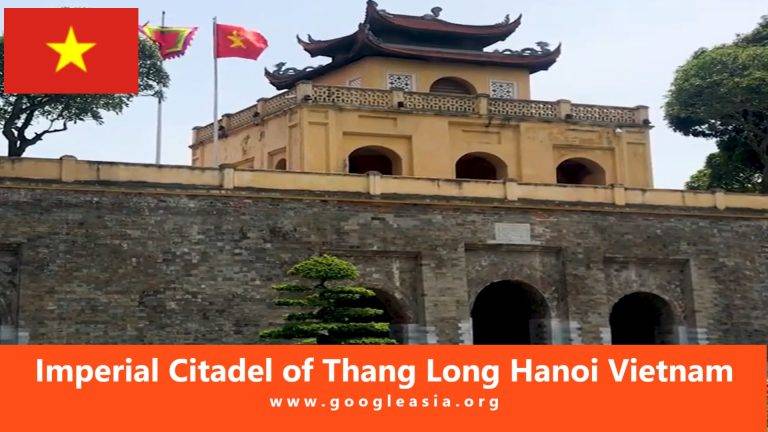
The Imperial Citadel of Thang Long, located in Hanoi, Vietnam, is a UNESCO World Heritage Site that has been standing for centuries. It consists of monuments and relics from centuries of different dynasties and cultures, indicating the great political, cultural and military importance of the site throughout history. Imperial Citadel of Thang Long Hanoi Vietnam was first constructed in the 11th century and it still remains a major symbol of Vietnamese culture and history today.
Introduction
The Imperial Citadel of Thang Long, situated in the heart of Hanoi, stands as a testament to Vietnam’s rich history and cultural heritage. Discover the secrets and significance of this ancient site, which has been pivotal in shaping the country’s past.
Historical Significance and Architecture
Constructed in the 11th century during the Ly Dynasty, the Imperial Citadel of Thang Long served as a prominent political and military center for several dynasties, including the Tran Dynasty. Recognized by UNESCO as a World Heritage Site in 2010, it showcases intricate Vietnamese architectural styles blended with influences from Chinese design principles.
Origins and Evolution
Believed to be built on the foundations of an earlier Chinese fortress dating back to the Tang Dynasty, the Citadel’s name “Thang Long,” meaning “Rising Dragon” in Vietnamese, symbolizes its historical and cultural importance. The Flag Tower of Hanoi, standing at 29 meters tall and erected in 1812 under Emperor Gia Long, remains a prominent feature within the Citadel complex.
Notable Features and Attractions
Visitors to the Imperial Citadel can explore various historical landmarks, including the Mieu Temple and Ngoc Son Temple, each offering insights into Vietnam’s spiritual traditions and imperial rituals. The Citadel also boasts an underground tunnel system used for military defense, showcasing innovative architectural techniques of the time.
Visitor Experience and Accessibility
Today, the Imperial Citadel of Thang Long welcomes visitors from around the world, offering guided tours and exhibitions that highlight its archaeological treasures. Tourists can stroll through the expansive grounds, marvel at ancient artifacts, and attend cultural events such as the National Military March, which adds vibrancy to the historical setting.
Things to Do
Explore the Historical Significance
The Imperial Citadel of Thang Long stands as a testament to Vietnam’s rich history and cultural heritage. Built over 2000 years ago and designated a UNESCO World Heritage Site, it offers visitors a glimpse into the imperial past of the region.
Guided Tours
One of the best ways to immerse yourself in the history of the Imperial Citadel is through a guided tour. Available in multiple languages including English and Vietnamese, these tours provide insights into the significance of the citadel and its role throughout various dynasties. Visitors can explore ancient ruins, discover artifacts like old cannons, and learn about the architectural marvels that define the citadel’s grandeur.
Discover Architectural Wonders
The architecture within the Imperial Citadel of Thang Long reflects the evolution of Vietnamese dynasties. From well-preserved palaces to ceremonial halls and gates, each structure tells a story of the country’s cultural and historical progression.
Flag Tower of Hanoi
A prominent feature within the citadel is the Flag Tower of Hanoi. Built in the 19th century, this 12-story tower offers panoramic views of the surrounding area, including the picturesque Red River. Guided tours of the tower provide insights into its historical significance and its role in Vietnamese history and identity.
Experience Cultural Traditions
Beyond its historical significance, the Imperial Citadel of Thang Long offers opportunities to engage with Vietnamese culture through traditional activities and performances.
Traditional Performances
Visitors can enjoy traditional Vietnamese performances that showcase the country’s rich cultural heritage. These performances often include music, dance, and theatrical displays that bring historical narratives to life.
Engage in Local Customs
To fully appreciate the cultural depth of the Imperial Citadel of Thang Long, consider participating in local customs and traditions.
Temple Visits and Offerings
Explore the nearby Bach Ma Temple, the oldest in Hanoi, and participate in traditional ceremonies such as offering incense and prayers. These rituals provide a deeper understanding of Vietnam’s spiritual practices and beliefs.
Explore Surrounding Attractions
The Imperial Citadel of Thang Long is located in Hanoi’s vibrant city center, offering easy access to other notable landmarks and cultural sites.
Hoan Kiem Lake
A short walk from the citadel leads to Hoan Kiem Lake, a tranquil oasis in the bustling city. Surrounding the lake are historic temples and pagodas, providing additional opportunities to explore Vietnamese architecture and traditions.
Shop and Dine
Complete your visit by experiencing Hanoi’s local flavors and vibrant market scenes.
Night Market
Adjacent to the Imperial Citadel is the Hanoi Night Market, where visitors can shop for souvenirs, sample street food, and immerse themselves in the lively atmosphere of Vietnamese urban life.
Foods
The Imperial Citadel of Thang Long in Hanoi, Vietnam, not only offers a rich historical experience but also tantalizes visitors with a variety of delicious local foods. Here’s a guide to some of the must-try dishes within and around this iconic site.
Banh Cuon (Steamed Rice Rolls)
Description: Banh cuon are delicate steamed rice rolls filled with minced pork, wood-ear mushrooms, and sometimes prawns, served with nuoc cham (dipping sauce).
Location: Look for local eateries or street vendors around the Citadel.
Best Time to Enjoy: Ideal for breakfast or a light lunch.
Cultural Significance: A staple of Hanoi cuisine, banh cuon reflects the city’s culinary tradition and craftsmanship.
Cha Ca La Vong (Grilled Fish)
Description: Cha ca La Vong features marinated fish (often catfish or snakehead fish) grilled with turmeric and dill, served over vermicelli noodles and garnished with peanuts and fresh herbs.
Location: Traditionally served at Cha Ca La Vong restaurant, not far from the Citadel.
Best Time to Enjoy: Lunch or dinner, as it’s a hearty dish.
Cultural Significance: Originating from a single Hanoi restaurant, Cha Ca La Vong has become a famous culinary ambassador for the city.
Bun Cha (Grilled Pork with Noodles)
Description: Bun cha consists of grilled fatty pork served with vermicelli noodles, fresh herbs, and a bowl of sweet and sour dipping sauce (nuoc mam cham).
Location: Available in local eateries and street food stalls around Hanoi, including near the Citadel.
Best Time to Enjoy: Lunchtime is perfect for enjoying this filling and flavorful dish.
Cultural Significance: Made famous globally after being enjoyed by President Obama during his visit to Vietnam.
Banh Tom (Fried Shrimp Cake)
Description: Banh tom are crispy fried shrimp cakes made from batter-coated whole shrimp and sweet potato, served with nuoc cham (fish sauce-based dipping sauce) and fresh herbs.
Location: Look for street vendors or specialty shops offering this crispy delight.
Best Time to Enjoy: A popular snack throughout the day.
Cultural Significance: A testament to Vietnam’s coastal culinary heritage, showcasing the abundance of fresh seafood.
Pho in Thang Long (Thang Long-style Noodle Soup)
Description: Thang Long-style pho features beef broth simmered for hours with spices and herbs, served with flat rice noodles, slices of beef or chicken, and fresh herbs.
Location: Numerous pho shops around Hanoi, including those near the Citadel.
Best Time to Enjoy: Breakfast or a light dinner, as it’s a comforting and nourishing dish.
Cultural Significance: Pho is Vietnam’s national dish, representing the country’s culinary prowess and cultural heritage.
Cao Lau (Salty and Sweet Noodles)
Description: Cao Lau consists of thick rice noodles, sliced pork, and greens, topped with crispy croutons and served with a savory broth.
Location: Found mainly in Hoi An, but some eateries in Hanoi offer this central Vietnamese specialty.
Best Time to Enjoy: A unique lunchtime treat when exploring Hanoi’s culinary diversity.
Cultural Significance: Reflects the cross-cultural influences in Vietnamese cuisine, blending Chinese, Japanese, and local flavors.
Bia Hoi (Fresh Beer)
Description: Bia hoi is a light, refreshing draft beer brewed daily and served in streetside cafes and bars, enjoyed for its crisp flavor and affordability.
Location: Look for bia hoi corners or makeshift bars around Hanoi, often near the Citadel.
Best Time to Enjoy: Early evening when locals gather to unwind after work.
Cultural Significance: An integral part of Hanoi’s social scene, offering a glimpse into everyday life in the city.
Hotels
The Imperial Citadel of Thang Long in Hanoi, Vietnam, is a UNESCO World Heritage site, offering a glimpse into Vietnam’s rich history and cultural heritage. For travelers exploring this historic area, choosing the right accommodation is essential to enhance the experience. Here are some of the best hotels conveniently located near the Imperial Citadel:
Sofitel Legend Metropole Hanoi
Overview
- Location: Strategically located in the heart of Hanoi, close to the Imperial Citadel.
- Highlights: Offers luxurious accommodations with a blend of French colonial and Vietnamese charm.
- Amenities: Features multiple dining options, a spa, and impeccable service.
- Why Stay: Perfect for travelers seeking a historic and luxurious stay near the Imperial Citadel.
Hanoi La Siesta Diamond Hotel & Spa
Overview
- Location: Situated within walking distance to the Imperial Citadel.
- Highlights: Known for its excellent service and cozy ambiance.
- Amenities: Offers a spa, restaurant, and comfortable rooms with modern amenities.
- Why Stay: Ideal for those looking for a boutique hotel experience near historical landmarks.
Hilton Hanoi Opera
Overview
- Location: Offers easy access to the Imperial Citadel and other major attractions.
- Highlights: Combines modern comfort with Vietnamese hospitality.
- Amenities: Features spacious rooms, a fitness center, and several dining options.
- Why Stay: Great for business and leisure travelers seeking convenience and luxury.
Hotel Nikko Hanoi
Overview
- Location: Located in a prime area near the Imperial Citadel.
- Highlights: Known for its elegant rooms and top-notch service.
- Amenities: Offers a Japanese restaurant, spa facilities, and a rooftop pool.
- Why Stay: Recommended for travelers looking for a blend of Japanese hospitality and Vietnamese charm.
Hanoi Silver Silk Hotel
Overview
- Location: Close proximity to the Imperial Citadel and other historic sites.
- Highlights: Offers comfortable accommodations with a focus on local culture.
- Amenities: Includes a rooftop bar, restaurant, and well-appointed rooms.
- Why Stay: Appeals to travelers interested in a contemporary hotel experience with local flavor.
Apricot Hotel
Overview
- Location: Overlooks the Hoan Kiem Lake, a short distance from the Imperial Citadel.
- Highlights: Features art-inspired interiors and panoramic views.
- Amenities: Offers a rooftop bar, art gallery, and luxurious rooms.
- Why Stay: Perfect for art enthusiasts and travelers seeking a stylish stay near cultural landmarks.
Melia Hanoi Hotel
Overview
- Location: Centrally located with easy access to the Imperial Citadel.
- Highlights: Offers spacious rooms and a range of dining options.
- Amenities: Includes a spa, fitness center, and outdoor pool.
- Why Stay: Appeals to both business and leisure travelers looking for comfort and convenience.
InterContinental Hanoi Landmark72
Overview
- Location: Situated in Hanoi’s business district, a short drive from the Imperial Citadel.
- Highlights: Offers modern luxury with panoramic city views.
- Amenities: Features multiple restaurants, a spa, and stylishly designed rooms.
- Why Stay: Ideal for travelers seeking contemporary luxury and excellent service.
Somerset Grand Hanoi
Overview
- Location: Offers spacious serviced apartments near the Imperial Citadel.
- Highlights: Ideal for extended stays with kitchen facilities and living areas.
- Amenities: Includes a swimming pool, gym, and children’s playroom.
- Why Stay: Perfect for families or long-term travelers seeking comfort and convenience.
Grand Plaza Hanoi Hotel & Spa
Overview
- Location: Conveniently located near the Imperial Citadel and Hoan Kiem Lake.
- Highlights: Known for its serene spa and comfortable accommodations.
- Amenities: Offers a range of dining options, a fitness center, and meeting facilities.
- Why Stay: Recommended for travelers looking for a relaxing stay with easy access to cultural attractions.
Summary
- Attraction Name: Imperial Citadel of Thang Long
- Country: Vietnam
- Continent: Asia
- Capital Name: Hanoi
- Language: Vietnamese
- Currency: Vietnamese dong
- Nationality: Vietnamese (de facto)
- Category: #Destination #Asia #VIETNAM
Frequently Asked Questions
Where is Imperial Citadel of Thang Long located?
The Imperial Citadel of Thang Long, a UNESCO World Heritage site, is located in Hanoi, the capital city of Vietnam. Specifically, it is situated in Ba Dinh District, near the city center and adjacent to the modern-day Vietnam Military History Museum. The citadel’s address is 19C Hoang Dieu Street, Thang Long Imperial Citadel, Quan Thanh Ward, Ba Dinh District, Hanoi, Vietnam.
How to go to Imperial Citadel of Thang Long?
The Imperial Citadel of Thang Long is conveniently located in central Hanoi, making it accessible by various modes of transportation. Here’s how you can reach this historical site:
By Taxi or Ride-Sharing Service
- From Hanoi Old Quarter: Taxis and ride-sharing services like Grab are readily available throughout Hanoi. A taxi ride from Hanoi Old Quarter to the Imperial Citadel takes approximately 10-15 minutes, depending on traffic conditions.
- Specify the Destination: Tell the driver “Hoàng Thành Thăng Long” or show them the written Vietnamese name “Hoàng thành Thăng Long” to ensure they understand you’re heading to the Imperial Citadel of Thang Long.
By Public Bus
- Bus Routes: Several public buses serve routes that pass near the Imperial Citadel. Buses 22, 34, and 45 are commonly used routes that stop within walking distance of the citadel.
- Bus Stops: Look for bus stops along routes that pass by or near the citadel. The closest stops are typically within a short walk, but it’s advisable to check a map or ask locals for specific guidance.
By Walking or Cycling
- From Nearby Areas: If you’re staying in Hanoi Old Quarter or other central districts, consider walking or cycling to the Imperial Citadel. It’s a pleasant journey through Hanoi’s bustling streets and neighborhoods.
- Use Maps: Utilize navigation apps like Google Maps or Maps.me to find the best walking or cycling route to the citadel. These apps provide real-time directions and estimated travel times.
Practical Tips:
- Opening Hours: Check the citadel’s opening hours before planning your visit, as it may vary depending on the season and special events.
- Entrance Fee: Be prepared to pay an entrance fee, which is nominal for both Vietnamese citizens and foreigners. Carry local currency (Vietnamese Dong) for convenience.
- Guided Tours: Consider joining a guided tour of the Imperial Citadel to gain deeper insights into its history and significance. Tours often include knowledgeable guides who provide detailed explanations.
- Accessibility: The citadel grounds are generally wheelchair and stroller accessible, though some parts may have uneven surfaces.
What are Imperial Citadel of Thang Long’s nearby must-visit attractions or landmarks?
Nearby Must-Visit Attractions and Landmarks
- Ho Chi Minh Mausoleum: Located a short distance from the Imperial Citadel, the Ho Chi Minh Mausoleum is a monumental structure where visitors can pay respects to the revered leader of Vietnam, Ho Chi Minh. The complex also includes the Presidential Palace, Ho Chi Minh’s Stilt House, and the One Pillar Pagoda.
- Hanoi Old Quarter: Just a short drive or walk from the Imperial Citadel, the Hanoi Old Quarter is a bustling area renowned for its narrow streets, historic architecture, and vibrant atmosphere. Explore traditional markets, temples, and sample local street food in this cultural hub.
- Vietnam Museum of Ethnology: This museum offers insights into Vietnam’s diverse ethnic groups through exhibits showcasing traditional artifacts, clothing, and architectural reconstructions. It’s a fascinating place to learn about the cultural diversity of Vietnam.
- Temple of Literature (Van Mieu-Quoc Tu Giam): A short distance from the citadel, this ancient temple complex served as Vietnam’s first national university. It honors Confucius and scholars with its peaceful gardens, pavilions, and stone steles.
- Hoa Lo Prison Museum: Also known as the “Hanoi Hilton,” this museum exhibits the history of the prison complex used by French colonists and later during the Vietnam War. It provides a somber look at Vietnam’s struggle for independence.
- St. Joseph’s Cathedral: Located in the heart of Hanoi, this Gothic-style cathedral dates back to the late 19th century. Its striking architecture and peaceful atmosphere offer a contrast to the bustling streets of the city.
Why should you visit Imperial Citadel of Thang Long in Vietnam?
The Imperial Citadel of Thang Long in Hanoi Vietnam is a UNESCO World Heritage Site and one of the nation’s most important cultural and historical attractions. It is also one of the best-preserved citadels in Southeast Asia.
Visitors can explore the site and learn about the history and legacy of the powerful Ly Dynasty, which ruled from the citadel from the 11th to the 19th century, and discover the unique architecture and structures that have been preserved from this time. The site also offers an insight into the everyday life and culture of the Hanoian people during the Imperial period.
Is there any halal food available in the vicinity of the Imperial Citadel of Thang Long?
While the area around the Imperial Citadel of Thang Long in Hanoi, Vietnam, predominantly offers Vietnamese cuisine, including various street food options, finding halal food specifically might require some effort. Hanoi is known for its diverse culinary scene, but halal restaurants are relatively limited in this particular area.
For those seeking halal options, it’s advisable to explore restaurants located in other parts of Hanoi that cater specifically to halal dietary requirements. Areas like the Old Quarter and Hoan Kiem District have a few halal-certified restaurants serving Vietnamese dishes, Middle Eastern cuisine, or international halal options.
Additionally, some restaurants in upscale hotels or shopping malls in Hanoi may also offer halal dishes, although they might be a taxi or a ride-sharing service away from the Imperial Citadel of Thang Long.