Mount Manaslu, Nepal
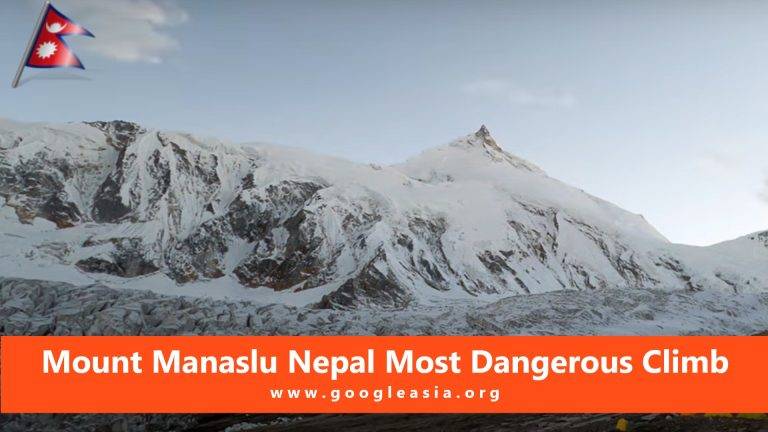
Mount Manaslu is an 8,163-meter (26,781-foot) mountain located in the Mansiri Himal, part of the Nepalese Himalayas. It is the eighth-highest mountain in the world and is located about 64 kilometers (40 mi) east of Annapurna. It is also known as ‘The Japanese Mountain’ due to the large number of Japanese climbers who attempted its summit in the 1950s and early 1960s. Mount Manaslu is technically challenging, and has been labeled as a difficult, potentially dangerous climb. Despite the dangers, climbing this mountain is becoming a popular alternative to Annapurna and Everest.
Introduction
Mount Manaslu, towering at 8,163 meters (26,781 feet), stands proudly in the Gorkha District of Nepal as a prominent member of the Himalayan mountain range. This formidable peak has captured the imagination of adventurers and nature enthusiasts alike.
Historical Significance
Mount Manaslu’s summit was first conquered in 1956 by a Japanese expedition, marking a significant milestone in the annals of mountaineering history. Since then, it has beckoned climbers from around the globe to test their skills and courage amidst its challenging terrain.
A Paradise for Trekkers
The Manaslu Circuit Trek
The Manaslu Circuit trek is renowned as one of Nepal’s finest trekking routes, offering a captivating journey through diverse landscapes and cultural encounters. Spanning approximately two weeks, this trek provides an immersive experience amidst the pristine beauty of the Himalayas.
Spectacular Landscapes
Trekkers on the Manaslu Circuit are treated to breathtaking vistas of snow-capped peaks, lush valleys, and serene alpine lakes. The trail winds through remote villages inhabited by ethnic Gurung and Tibetan communities, offering glimpses into their traditional lifestyles.
Cultural Encounters
Local Villages and Communities
Along the Manaslu Circuit, trekkers have the opportunity to visit remote villages such as Sama Gaon and Samdo, where ancient monasteries and prayer flags adorn the landscape. Interactions with locals provide insights into their rich cultural heritage and daily lives in the Himalayas.
Traditional Practices and Festivals
Visitors may witness traditional ceremonies and festivals that celebrate the region’s Buddhist and Hindu customs. These cultural experiences add depth to the trekking adventure, fostering a deeper appreciation for the spiritual significance of the mountains.
Practical Considerations
Trekking Seasons and Permits
The best time to trek around Mount Manaslu is during the spring (March-May) and autumn (September-November) seasons when weather conditions are favorable and visibility is optimal. Trekkers are required to obtain permits, including a Restricted Area Permit, due to the region’s proximity to the Tibetan border.
Accommodations and Facilities
Accommodations along the Manaslu Circuit range from teahouses offering basic amenities to more comfortable lodges in larger villages. Trekkers should be prepared for rustic accommodations and basic facilities, ensuring a genuine Himalayan trekking experience.
Mount Manaslu and the Manaslu Circuit trek offer an unforgettable adventure into the heart of the Himalayas, combining unparalleled natural beauty with cultural immersion. Whether scaling its heights or trekking its trails, Mount Manaslu invites adventurers to embrace the spirit of exploration and discovery amidst Nepal’s awe-inspiring landscapes.
Things to Do
Trekking
Trekking around Mount Manaslu offers an unparalleled adventure in the heart of the Nepalese Himalayas. The region boasts dramatic landscapes and diverse cultural encounters, making it a magnet for trekkers seeking both challenge and serenity.
Key Attributes
- Scenic Beauty: Marvel at the breathtaking vistas of snow-capped peaks and lush valleys as you trek through the Manaslu Conservation Area.
- Cultural Immersion: Encounter traditional Gurung and Tibetan villages, experiencing their unique customs and hospitality.
- Challenges: Navigate high mountain passes like Larkya La (5,160m) for a true test of trekking prowess.
- Permits: Obtain the necessary permits (Manaslu Restricted Area Permit and ACAP Entry Permit) to explore this restricted region.
Camping
Camping around Mount Manaslu provides adventurers with an immersive experience amidst pristine natural surroundings and under the vast Himalayan skies.
Essential Aspects
- Location Options: Choose campsites at lower villages or higher altitudes, each offering its own unique charm and panoramic views.
- Logistics: Prepare adequately with proper camping gear and supplies, ensuring comfort and safety throughout your stay.
- Weather Considerations: Be mindful of changing weather conditions and altitude challenges when planning your camping itinerary.
- Wilderness Experience: Immerse yourself in the tranquility and solitude of the Himalayan wilderness, away from urban distractions.
These activities offer just a glimpse into the myriad experiences awaiting travelers in the captivating realm of Mount Manaslu, Nepal. Whether trekking through rugged trails or camping beneath starlit skies, each adventure promises memories that will last a lifetime.
Foods
Nepali cuisine at Mount Manaslu offers a delightful array of flavors, reflecting the region’s rich cultural heritage and mountainous terrain.
Traditional Nepali Dishes
Dal Bhat
- Ingredients: Made with lentils (dal), boiled rice (bhat), and vegetable curry (tarkari).
- Nourishing: Provides essential sustenance for trekkers with its balanced combination of carbohydrates, protein, and vegetables.
Savory Snacks and Treats
Momo
- Varieties: Filled with minced meat or vegetables, served with a spicy dipping sauce.
- Popular Choice: A favorite snack among locals and travelers alike, perfect for replenishing energy after a day of trekking.
Thukpa
- Hearty: A warm soup with noodles, vegetables, and sometimes eggs or meat.
- Comforting: Ideal for chilly evenings, providing warmth and satisfaction.
Unique Local Specialties
Yak Cheese
- Distinctive Flavor: Hard cheese made from yak’s milk, offering a salty-sweet taste with a unique texture.
- High-altitude Production: Produced locally, showcasing the resilience of Himalayan yak herders.
Yak-Butter Tea
- Cultural Significance: Made from tea leaves and yak butter, a comforting beverage enjoyed throughout the region.
- Nutritional Boost: Provides warmth and energy, especially beneficial in high-altitude environments.
Sweet Indulgences
Gurung Rice Pudding
- Rich Flavor: Made with local rice, jaggery, coconut milk, and aromatic spices.
- Community Tradition: Often prepared for festivals and special occasions, offering a taste of local festivities.
Delightful Bites and Accompaniments
Sel Roti Bale
- Ring-shaped: A doughnut-like snack made with rice flour, sugar, cardamom, and ghee.
- Cultural Symbol: Often served during celebrations, symbolizing good fortune and happiness.
Cucumber Pickle
- Flavorful Addition: Made with cucumbers, spices, and oil, adding a tangy kick to meals.
- Versatile: Enhances the taste of traditional dishes, balancing flavors with its refreshing acidity.
Hotels
Mount Manaslu offers a range of accommodations, from luxurious resorts to cozy boutique hotels, ensuring a comfortable stay amidst breathtaking mountain views.
Luxury Retreats
Purple Macro Boutique Hotel
- Location: Strategically situated for panoramic views of Mount Manaslu.
- Luxury Amenities: Offers spacious rooms, fine dining, and personalized services.
- Unique Selling Points: Spa facilities, outdoor terrace, and cultural experiences.
Larke Himalaya Resort
- Scenic Setting: Nestled amidst serene landscapes, providing a tranquil retreat.
- Accommodation: Elegant rooms with modern amenities and mountain views.
- Activities: Guided treks, cultural programs, and local cuisine.
Boutique Charms with Himalayan Touches
The Himalaya Samai Boutique Hotel
- Boutique Elegance: Intimate setting with personalized services.
- Design Aesthetics: Reflects local culture with modern comforts.
- Dining Experience: Gourmet meals showcasing regional flavors.
The Manaslu Hotel & Spa
- Wellness Focus: Spa treatments and wellness programs.
- Comfortable Stay: Spacious rooms with mountain vistas.
- Dining Options: Restaurant serving local and international cuisines.
Serene Retreats for Nature Lovers
Hotel Coconut Root
- Nature Immersion: Eco-friendly accommodations amidst lush surroundings.
- Simple Comforts: Cozy rooms with basic amenities.
- Community Engagement: Supports local initiatives and sustainable practices.
Mountain View Himalayan Resort
- Panoramic Views: Stunning vistas of Mount Manaslu and surrounding peaks.
- Rustic Charm: Wooden cottages offering a blend of comfort and adventure.
- Adventure Activities: Trekking, bird watching, and cultural tours.
Tranquil Escapes with Local Flair
Shimnal Himalaya Resort
- Peaceful Ambiance: Tranquil setting for relaxation and rejuvenation.
- Cultural Insights: Engage in local traditions and customs.
- Hospitality: Warm hospitality with personalized attention.
Milarepa Resort
- Mountain Sanctuary: Secluded retreat with a focus on spiritual wellness.
- Spiritual Retreats: Meditation sessions and yoga retreats.
- Natural Beauty: Surrounded by pristine nature and hiking trails.
Cozy Retreats with Mountain Views
View Cottage Manaslu Trek
- Charming Accommodation: Cozy cottages with spectacular views.
- Authentic Experience: Immerse in local culture and hospitality.
- Adventure Base: Ideal for trekkers exploring the Manaslu region.
Dhotel Grandeur Manang
- Comfortable Stay: Well-appointed rooms with essential amenities.
- Convenient Location: Accessible base for exploring Mount Manaslu.
- Value for Money: Affordable lodging without compromising on comfort.
Summary
- Attraction Name: Mount Manaslu
- Country: Nepal
- Continent: Asia
- Capital Name: Kathmandu
- Language: Nepali
- Currency: Nepalese Rupee
- Nationality: Nepali
- Category: #Destination #Asia #NEPAL
Frequently Asked Questions
Where is Mount Manaslu located?
Mount Manaslu is located in the Gorkha District of Nepal, in the Mansiri Himal range of the Himalayas. It lies approximately 64 kilometers east of Annapurna and is the eighth highest mountain in the world, with an elevation of 8,163 meters (26,781 feet) above sea level.
How to go to Mount Manaslu?
To reach Mount Manaslu, you typically need to undertake a trekking expedition since it’s one of the highest peaks in the world and requires careful planning and preparation. Here’s a step-by-step guide:
- Start Point: The trek to Mount Manaslu usually begins from the town of Arughat or Soti Khola in the Gorkha district of Nepal. These towns are accessible by road from Kathmandu.
- Permits: Obtain necessary permits for trekking in the Manaslu Conservation Area. A special restricted area permit is required since Mount Manaslu is in a restricted region. You must arrange these permits through a registered trekking agency in Nepal.
- Trekking Route Options:
- Manaslu Circuit Trek: This is the most popular route, circling around the Manaslu massif. It typically takes around 14-17 days to complete and offers stunning views of Manaslu and neighboring peaks.
- Manaslu Base Camp Trek: For those interested in a shorter trek, you can trek to Manaslu Base Camp, which is also part of the circuit trek but involves a shorter duration.
- Guides and Porters: Hiring a local guide and/or porter is recommended for navigation, safety, and to enrich your experience with local knowledge.
- Accommodation: Accommodation along the trekking route ranges from basic teahouses to more comfortable lodges. You’ll need to plan your overnight stays accordingly.
- Altitude Considerations: Mount Manaslu reaches an elevation of 8,163 meters (26,781 feet), so acclimatization is crucial. The trek involves ascending gradually to higher altitudes and includes rest days to adjust to the thinner air.
- Physical Preparation: Ensure you are physically fit and prepared for trekking at high altitudes. Cardiovascular exercises and hiking practice can help.
- Best Time to Go: The ideal trekking seasons are spring (March to May) and autumn (September to November), when the weather is generally clear and stable.
- Safety and Health: Take necessary precautions for altitude sickness, pack essentials like first aid kits, and adhere to local guidelines for responsible trekking.
- Return: After completing the trek, you typically return to Kathmandu via the same route or through alternative routes depending on your itinerary.
What are Mount Manaslu’s must-visit attractions or landmarks?
Must-Visit Attractions or Landmarks in Mount Manaslu Area:
- Mount Manaslu (8,163 meters):
- As the eighth highest mountain in the world, Mount Manaslu itself is the primary attraction. Its stunning snow-capped peak and surrounding landscapes draw trekkers and mountaineers from around the globe.
- Manaslu Base Camp:
- Located at approximately 4,800 meters, Manaslu Base Camp offers spectacular views of the mountain. It’s a key destination for trekkers aiming to experience the grandeur of Manaslu up close.
- Larkya La Pass:
- Situated at an altitude of 5,160 meters, Larkya La Pass is a challenging but rewarding part of the Manaslu Circuit Trek. It offers panoramic views of the surrounding peaks and valleys, making it a highlight of the trek.
- Birendra Tal (Birendra Lake):
- This pristine glacial lake is located on the way to Manaslu Base Camp. Its turquoise waters and serene surroundings make it a picturesque spot for trekkers to rest and enjoy the natural beauty.
- Sama Gaun and Samdo Villages:
- These traditional Tibetan villages offer a glimpse into the local culture and lifestyle of the Nubri and Tsum valley people. The villages are adorned with prayer flags, monasteries, and unique architecture.
- Buddhist Monasteries:
- Throughout the Manaslu region, you’ll encounter several Buddhist monasteries and stupas that hold cultural and spiritual significance. These include monasteries like Ribung Gompa and Mu Gompa.
- Tsum Valley (Optional Side Trek):
- Known for its ancient Buddhist monasteries, remote villages, and scenic landscapes, Tsum Valley is a culturally rich area that offers a peaceful retreat from the main trekking route.
- Hot Springs at Tatopani (Optional Side Visit):
- After days of trekking, the natural hot springs at Tatopani provide a relaxing soak amidst the mountains. It’s a popular spot to rejuvenate before continuing the journey.
- Wildlife and Flora:
- The Manaslu Conservation Area is home to diverse wildlife such as snow leopards, Himalayan tahr, and various bird species. The lush forests and alpine meadows also showcase a variety of flora, including rhododendrons and junipers.
- Cultural Encounters:
- Interacting with the friendly locals, experiencing their hospitality, and learning about their traditional practices and festivals enriches the trekking experience in the Manaslu region.
What are Mount Manaslu’s nearby must-visit attractions or landmarks?
- Tsum Valley: Located to the east of Manaslu, Tsum Valley is renowned for its ancient monasteries, traditional Tibetan culture, and scenic landscapes. It offers a peaceful and culturally rich trekking experience.
- Manaslu Base Camp: Trekking to Manaslu Base Camp provides stunning views of Mount Manaslu itself, the eighth highest peak in the world. The journey to base camp traverses through picturesque villages and alpine forests.
- Larke Pass: This high mountain pass, at an altitude of 5,106 meters, offers panoramic views of the surrounding peaks and glaciers. It’s a challenging but rewarding part of the Manaslu Circuit trek.
- Birendra Tal (Birendra Lake): This beautiful glacial lake is located near the village of Samagaon. It reflects the surrounding snowy peaks, offering a serene spot for trekkers to relax and enjoy the scenery.
- Samagaon Village: A traditional Tibetan village nestled in the Manaslu Conservation Area, Samagaon offers an opportunity to experience local culture and hospitality. The village is home to monasteries and offers insights into the daily lives of the inhabitants.
- Gorkha Durbar: Although not directly adjacent to Mount Manaslu, Gorkha Durbar is historically significant as the birthplace of King Prithvi Narayan Shah, who unified Nepal in the 18th century. The palace complex offers cultural and historical insights into Nepal’s history.
Why should you visit Mount Manaslu?
- Spectacular Views: Mount Manaslu, the eighth highest mountain in the world at 8,163 meters (26,781 feet), offers stunning panoramic views of the Himalayas. Its snow-capped peaks and surrounding landscapes provide breathtaking scenery that rivals more popular peaks.
- Less Crowded: Compared to Everest and Annapurna regions, Mount Manaslu trekking routes are less crowded, offering a quieter and more serene trekking experience. This allows for a deeper connection with nature and a chance to enjoy the peaceful surroundings.
- Cultural Diversity: The trek around Mount Manaslu takes you through diverse landscapes inhabited by several ethnic groups, including the Nubri and Tsum Valley inhabitants. You can experience their unique cultures, traditions, and warm hospitality, gaining insights into their daily lives and ancient Buddhist practices.
- Challenging Trekking Trails: The Manaslu Circuit Trek offers a challenging yet rewarding adventure for trekkers seeking a mix of high-altitude passes, rugged terrain, and remote villages. The trek includes crossing the challenging Larkya La Pass (5,160 meters / 16,930 feet), providing a sense of accomplishment and adventure.
- Biodiversity: The trekking route passes through diverse ecosystems, from subtropical forests to alpine meadows, showcasing a wide variety of flora and fauna. You may encounter Himalayan wildlife such as snow leopards, musk deer, and various bird species along the way.
- Remote and Pristine Environment: Mount Manaslu and its surrounding region are relatively untouched by modern development, offering trekkers a chance to experience pristine natural beauty and tranquility. The area’s remoteness adds to the sense of exploration and adventure.
- Tea Houses and Lodging: The trekking route around Mount Manaslu is equipped with tea houses and lodges that provide basic accommodation and meals. This infrastructure supports trekkers while contributing to the local economy, offering a comfortable yet authentic Himalayan experience.
- Permit Requirements: To trek around Mount Manaslu, trekkers need a special restricted area permit, which helps regulate the number of visitors and preserve the natural and cultural heritage of the region. This ensures a sustainable tourism approach and supports conservation efforts.
- Adventure Activities: Besides trekking, the region offers opportunities for peak climbing, side trips to Tsum Valley, and exploring Buddhist monasteries and ancient villages. These activities add depth to the trekking experience, allowing for cultural immersion and adventure.
- Supporting Local Communities: By visiting Mount Manaslu, trekkers contribute to the local economy and support sustainable tourism practices. This helps preserve the cultural heritage and natural environment of the region while providing economic opportunities for local communities.
How accessible is halal food in Mount Manaslu?
Halal food options are limited in the Mount Manaslu region. The area is primarily rural with fewer amenities compared to more developed trekking regions in Nepal. Finding dedicated halal restaurants or shops that specifically cater to halal dietary requirements can be challenging. It’s advisable to bring non-perishable halal food items with you or communicate your dietary needs clearly to the local guesthouses or teahouses where you stay. They may be able to accommodate by preparing vegetarian or fish-based meals upon request. Planning ahead and discussing your dietary preferences with your trekking guide or tour operator can help ensure a smoother experience in managing your meals during your trek around Mount Manaslu.