Kinabalu Park, Malaysia
If you’re looking for a destination that offers stunning natural beauty, cultural richness, and a bit of adventure, Kinabalu Park in Sabah, Malaysia, should be on your radar. Recognized as a UNESCO World Heritage Site since 2000, this park is home to the awe-inspiring Mount Kinabalu, the highest peak in Malaysia, and a treasure trove of biodiversity. Whether you’re into hiking, wildlife spotting, or just soaking in the scenery, Kinabalu Park has something for everyone.
Introduction
Nestled in the foothills of Mount Kinabalu, this 754-square-kilometer park is not just any national park. It’s a true natural wonder, offering visitors a mix of tropical rainforests, alpine meadows, and stunning mountain views. Let’s dive into what makes this park so special.
The Majestic Kinabalu Mountain
Malaysia’s Tallest Peak
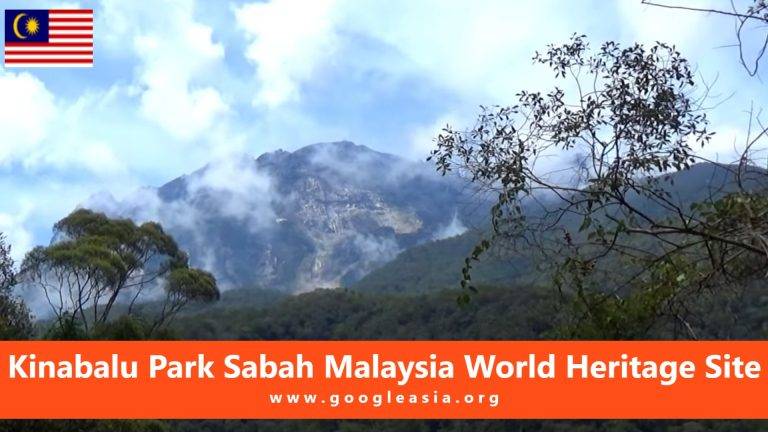
At the heart of Kinabalu Park is Mount Kinabalu, towering at 4,095 meters above sea level. It’s not only the highest peak in Malaysia but also one of Southeast Asia’s most popular climbing destinations.
- Climbing the Summit: The trek to the top is a challenging yet rewarding experience. With a climbing permit, you can enjoy the panoramic views from the summit, which offers a stunning 360-degree view of the surrounding mountains and valleys.
- Amazing Views: If you’re up for the challenge, reaching the summit offers a sense of accomplishment like no other. The views of the sunrise from the top are absolutely unforgettable!
Rich Biodiversity
A Paradise for Nature Lovers
What makes Kinabalu Park even more unique is its incredible biodiversity. With over 4,500 species of plants and over 300 bird species, it’s a true paradise for nature enthusiasts.
- Wildlife Galore: On your visit, you might spot wild boars, orangutans, and maybe even the elusive clouded leopard! You’re surrounded by nature’s most fascinating creatures at every turn.
- Endemic Plants: Some of the plants here, like certain orchids and rhododendrons, are found nowhere else in the world.
Cultural Experiences
Traditional Dusun Culture
Kinabalu Park is home to the Dusun people, an indigenous group with a rich cultural heritage. You can learn about their traditional lifestyles, try your hand at weaving, or even taste local dishes prepared the old-fashioned way.
- Cultural Activities: Participate in local rituals, observe traditional dance performances, and experience the daily life of the Dusun people.
- The Best Way to Learn: The best way to understand the culture is to talk to the locals. You’ll get firsthand insight into their history and way of life.
Attractions
Hot Springs and Caves
Need a break from all the hiking? Kinabalu Park offers some relaxing options too.
- Poring Hot Springs: These natural hot springs are the perfect place to unwind after a long day of hiking. The mineral-rich waters are believed to have therapeutic properties, so soak away your stress and enjoy the peaceful surroundings.
- Explore the Caves: Several caves within the park are open for exploration. It’s a great way to experience the park’s geological wonders up close.
Hiking Trails and Climbing Routes
Trails for Every Adventurer
Whether you’re looking for a light stroll through the park or an adrenaline-pumping adventure up Mount Kinabalu, there are plenty of trails for everyone.
- The Silau-Silau Trail: A gentle walk through the rainforest, ideal for spotting wildlife and taking in the rich biodiversity.
- The Pandanus Trail: A little more challenging, this trail rewards you with spectacular views of the park’s lush landscapes.
Climbing Mount Kinabalu
If you’re feeling adventurous, why not take on the climb to the summit of Mount Kinabalu? The journey isn’t easy—it takes about 5-6 days—but it’s one that’s worth every step.
- Preparation is Key: Make sure you’re physically prepared and book your climbing permits ahead of time. Guides are available to make the climb safer and more enjoyable.
Things to Do
Hiking and Trekking Adventures
Trek to the Summit of Mount Kinabalu
The climb to the summit is challenging, but the rewards are incredible. From stunning sunrise views to a variety of ecological zones, the trek offers an unforgettable experience.
- Diverse Ecological Zones: As you ascend, you’ll pass through different ecosystems, each more beautiful than the last.
- Spectacular Views: Imagine watching the sun rise over the park from a height of 4,095 meters—it’s nothing short of magical!
Nature Walks and Scenic Trails
If you’re more into leisurely hikes, you’ll find plenty of trails that lead you through lush rainforests and give you the chance to discover the local wildlife.
- Silau-Silau Trail: A great option for families and casual hikers, this trail offers a close-up view of the park’s flora and fauna.
Relaxation and Wellness
Poring Hot Springs
After a day of hiking, nothing beats a relaxing soak in the Poring Hot Springs. The warm, mineral-rich waters are believed to have healing properties, and the setting couldn’t be more serene.
- Canopy Walkways: Don’t forget to check out the canopy walk, where you can get a bird’s-eye view of the rainforest below. It’s an experience you won’t want to miss.
Thrilling Outdoor Activities
Canyoneering in the River
If you’re craving an adrenaline rush, try canyoneering in the nearby rivers. Explore rockslides, waterfalls, and rapids for a fun and thrilling adventure.
- Perfect for Adventurers: If you’re into water sports, this is the perfect activity for you.
Biking and Camping
If hiking and climbing aren’t your thing, how about camping or mountain biking instead? Kinabalu Park has designated camping sites where you can set up your tent and experience the wilderness up close.
- Mountain Biking: There are also plenty of biking trails that suit all skill levels, making it easy to enjoy the park’s stunning landscapes.
Foods
Savory Delights
- Laksa Sabah: A local version of the famous laksa, this dish is made with a rich coconut broth, seafood, and fresh herbs. It’s spicy, creamy, and delicious.
- Mee Goreng Mamak: A stir-fried noodle dish with shrimp, tofu, and vegetables that’s savory and slightly spicy.
Traditional Dishes You Can’t Miss
- Ayam Percik: Barbecued chicken marinated in a spicy coconut milk sauce, smoky and perfectly charred.
- Roti Canai: A crispy flatbread served with a side of curry for dipping—simple, but utterly satisfying.
Sweet Treats
- Cendol: This refreshing dessert is made from shaved ice, palm sugar syrup, and green rice flour jelly. It’s the perfect cool treat on a hot day.
- Ice Cream with Gula Melaka: Creamy, sweet ice cream topped with palm sugar syrup for an extra caramel-like kick.
Conclusion
Kinabalu Park is truly one of Malaysia’s natural gems, offering something for everyone—whether it’s an exhilarating climb, a nature walk, or simply soaking in the beauty of the landscape. With its diverse ecosystems, rich cultural heritage, and breathtaking views, a trip to Kinabalu Park will leave you with memories that last a lifetime.
Ready to Plan Your Visit?
Don’t wait—Kinabalu Park is waiting for you! Whether you’re seeking adventure, relaxation, or a bit of both, there’s no better time than now to start planning your journey to one of the world’s most beautiful and ecologically rich parks.
Summary
- Attraction Name: Kinabalu Park
- Country: Malaysia
- Continent: Asia
- Capital Name: Kuala Lumpur
- Language: Bahasa Melayu (Official), English, Mandarin, Tamil
- Currency: Malaysian Ringgit (MYR)
- Nationality: Malaysian
- Category: #Destination #Asia #MALAYSIA
Frequently Asked Questions
Where is Kinabalu Park located?
Kinabalu Park is located in the state of Sabah, Malaysia, on the island of Borneo. Specifically, it is situated in the northern part of Sabah, near the town of Kundasang and the district of Ranau. Here are the geographic coordinates for Kinabalu Park:
- Country: Malaysia
- State: Sabah
- Island: Borneo
- Latitude: Approximately 6.0752° North
- Longitude: Approximately 116.5585° East
Kinabalu Park is renowned for its biodiversity, encompassing a range of ecosystems from lowland rainforests to alpine meadows. It is home to Mount Kinabalu, Southeast Asia’s highest peak, standing at 4,095 meters (13,435 feet) above sea level. The park’s diverse flora and fauna, as well as its cultural significance, have earned it UNESCO World Heritage status, making it a popular destination for nature lovers, hikers, and those interested in exploring Malaysia’s natural heritage.
How to go to Kinabalu Park?
Getting to Kinabalu Park in Sabah, Malaysia, involves traveling to the town of Kundasang, which is near the park entrance. Here’s a guide on how to reach Kinabalu Park:
By Air:
- Fly to Kota Kinabalu International Airport (BKI):
- Kota Kinabalu is the capital city of Sabah and home to the main international airport, Kota Kinabalu International Airport (BKI).
- Numerous airlines operate flights to Kota Kinabalu from major cities in Malaysia (such as Kuala Lumpur, Penang) and international destinations.
- From Kota Kinabalu to Kinabalu Park:
- By Road: The most common way to travel from Kota Kinabalu to Kinabalu Park is by road. The journey takes approximately 1.5 to 2 hours, depending on traffic and road conditions.
- Private Transfer: Arrange a private transfer directly to your accommodation near Kinabalu Park. Many hotels and lodges offer shuttle services or can arrange transfers for guests.
- Rental Car: Renting a car gives you flexibility to explore the area at your own pace. The route from Kota Kinabalu to Kinabalu Park is well-marked and offers scenic views along the way.
- Public Transport: Alternatively, you can take a bus or shared taxi (locally known as “van”) from Kota Kinabalu to Ranau or Kundasang town. From there, you can arrange further transport to Kinabalu Park.
By Road:
- From Kota Kinabalu: Head northeast on the Kota Kinabalu-Ranau Highway (Highway A4) towards Ranau town. Kinabalu Park is located approximately 90 kilometers from Kota Kinabalu.
- From Ranau or Kundasang: Kinabalu Park is accessible via a short drive from either Ranau or Kundasang towns. Both towns offer various accommodations and amenities for travelers.
Travel Tips:
- Permits for Climbing Mount Kinabalu: If you plan to climb Mount Kinabalu, ensure you have obtained the necessary permits in advance. Permits are required and can be arranged through licensed tour operators.
- Accommodations: There are several lodges, resorts, and guesthouses in Kundasang and nearby areas that cater to visitors exploring Kinabalu Park. It’s advisable to book accommodations in advance, especially during peak seasons.
- Weather Considerations: Pack accordingly for varying weather conditions, especially if you plan to hike or engage in outdoor activities. Temperatures can be cooler at higher elevations, so bring layers of clothing.
- Local Guidance: Seek advice from your accommodation or local tourism offices for the latest information on road conditions, weather updates, and recommended activities in Kinabalu Park.
What are Kinabalu Park’s must-visit attractions or landmarks?
Kinabalu Park, located in Sabah, Malaysia, offers a variety of must-visit attractions and landmarks that showcase its natural beauty, biodiversity, and cultural richness. Here are some of the top attractions you should explore when visiting Kinabalu Park:
- Mount Kinabalu:
- Summit Climb: Mount Kinabalu is the highest peak in Southeast Asia and a prominent feature of the park. Climbing to the summit (Low’s Peak) is a major highlight, offering panoramic views and a challenging trekking experience.
- Base Camps: Explore the base camps along the summit trail, including Timpohon Gate and Laban Rata, which provide rest stops and accommodation for climbers.
- Poring Hot Springs:
- Hot Springs: Relax in natural hot springs surrounded by lush rainforest at Poring Hot Springs. The hot springs are known for their therapeutic properties and offer a refreshing experience after trekking or exploring the park.
- Botanical Gardens:
- Kinabalu Park Botanical Garden: Discover diverse plant species, including orchids, rhododendrons, and carnivorous plants, in the park’s botanical gardens. It’s an educational and scenic spot for nature enthusiasts.
- Waterfalls:
- Langanan Waterfall: Located near Poring Hot Springs, Langanan Waterfall is a picturesque cascade surrounded by tropical foliage. It’s a popular spot for picnicking and swimming in natural pools.
- Other Waterfalls: Explore other waterfalls within the park, such as Kipungit Waterfall and Kipungit Falls, each offering unique natural settings and opportunities for relaxation.
- Nature Trails:
- Various Trails: Kinabalu Park features several hiking trails of varying lengths and difficulty levels, suitable for both casual strolls and adventurous treks.
- Silau-Silau Trail: This trail is known for its diverse flora and fauna, providing opportunities to spot birds, butterflies, and endemic plant species.
- Cultural Experiences:
- Local Communities: Encounter the indigenous Dusun people, who have cultural ties to the land and offer insights into their traditional lifestyles and practices.
- Ethnobotanical Tours: Learn about the traditional uses of plants by local communities through guided tours and exhibits in the park’s visitor center.
- Viewpoints and Scenic Spots:
- Nabalu Viewpoint: Stop at Nabalu Town viewpoint on your way to or from Kinabalu Park for panoramic views of Mount Kinabalu and the surrounding landscapes.
- Sunset Views: Experience breathtaking sunset views from strategic viewpoints within the park, offering stunning vistas of the mountains and valleys.
- Wildlife Viewing:
- Birdwatching: Kinabalu Park is a haven for birdwatchers, with over 300 bird species recorded, including many endemics and rare species.
- Small Mammals: Keep an eye out for small mammals such as squirrels, civets, and possibly the elusive Bornean ferret-badger.
- UNESCO World Heritage Site:
- As a UNESCO World Heritage Site, Kinabalu Park is recognized for its outstanding universal value in terms of biodiversity, geological significance, and cultural heritage.
Tips for Visitors:
- Permits and Guides: Climbing Mount Kinabalu requires permits and is typically guided. It’s advisable to book well in advance, especially during peak seasons.
- Weather Preparedness: Be prepared for varying weather conditions, especially at higher elevations. Pack suitable clothing, rain gear, and sun protection.
- Respect for Nature and Culture: Follow park rules and guidelines, respect local communities, and contribute to conservation efforts during your visit.
Is Kinabalu Park a suitable travel destination for solo adventurers, honeymooning couples, or those traveling with families?
Kinabalu Park in Sabah, Malaysia, is a versatile travel destination that caters well to a variety of travelers, including solo adventurers, honeymooning couples, and families. Here’s why Kinabalu Park is suitable for each type of traveler:
Solo Adventurers:
- Hiking and Trekking: Mount Kinabalu offers challenging trekking routes, allowing solo adventurers to test their limits while enjoying stunning mountain views and diverse landscapes.
- Nature Exploration: The park’s numerous trails through lush rainforests and diverse ecosystems provide opportunities for solo exploration and wildlife spotting.
- Adventure Activities: Activities like canopy walks, exploring waterfalls, and visiting hot springs offer adventurous experiences for solo travelers seeking outdoor activities.
Honeymooning Couples:
- Romantic Setting: Kinabalu Park’s serene and picturesque environment, surrounded by mountains and lush vegetation, creates a romantic atmosphere ideal for couples.
- Mount Kinabalu Views: Couples can enjoy scenic viewpoints and serene moments together amidst breathtaking mountain vistas.
- Relaxation and Wellness: Poring Hot Springs provide a relaxing experience, perfect for unwinding and enjoying quality time together.
Families:
- Educational Opportunities: Kinabalu Park offers educational experiences for families, including learning about local flora and fauna, traditional uses of plants, and conservation efforts.
- Adventure for All Ages: While climbing Mount Kinabalu may be challenging for young children, the park offers plenty of family-friendly activities such as nature walks, canopy walks, and visits to the botanical gardens.
- Cultural Experiences: Families can interact with indigenous communities and learn about their culture and heritage, enriching the travel experience for children.
Considerations:
- Altitude and Fitness: Climbing Mount Kinabalu requires a reasonable level of fitness and acclimatization. Families with children should consider the altitude and physical demands before planning the ascent.
- Accommodations: There are accommodations within and around Kinabalu Park that cater to different preferences and budgets, including lodges, resorts, and homestays.
- Weather: Be prepared for changing weather conditions, especially at higher elevations. Pack suitable clothing and gear for both warm and cooler temperatures.
Why should you visit Kinabalu Park?
Kinabalu Park, located in the Malaysian state of Sabah on the island of Borneo, is a UNESCO World Heritage Site and one of Malaysia’s most iconic natural treasures. Here are compelling reasons why you should visit Kinabalu Park:
- Mount Kinabalu:
- Iconic Peak: Mount Kinabalu is Southeast Asia’s highest peak and a prominent feature of the park. Climbing Mount Kinabalu is a popular activity for adventurers and nature enthusiasts, offering stunning views and a challenging yet rewarding trekking experience.
- Biodiversity: The mountain is a hotspot for biodiversity, with thousands of plant species, including the rare and endemic Kinabalu pitcher plant and orchids, thriving in its diverse habitats.
- Natural Beauty:
- Lush Rainforests: Kinabalu Park is renowned for its rich biodiversity and pristine rainforests. Explore lush trails that lead through ancient forests, mossy forests, and montane ecosystems.
- Waterfalls and Rivers: Discover picturesque waterfalls such as Langanan Waterfall and Poring Hot Springs, where you can relax in natural hot springs surrounded by the park’s tranquil beauty.
- Flora and Fauna:
- Endemic Species: The park is home to numerous endemic species of plants and animals, including the Kinabalu giant red leech and various species of birds, frogs, and mammals. It offers opportunities for wildlife spotting and birdwatching.
- Cultural Heritage:
- Local Communities: Encounter the indigenous communities, such as the Dusun people, who have cultural ties to the land and offer insights into traditional lifestyles and practices.
- Ethnobotanical Gardens: Visit the park’s botanical gardens to learn about the traditional uses of plants by local communities and their cultural significance.
- Adventure Activities:
- Hiking and Trekking: Besides Mount Kinabalu, the park offers numerous hiking trails of varying difficulty levels, suitable for both casual hikers and experienced trekkers.
- Canopy Walkways: Experience the rainforest canopy from elevated walkways at Poring Hot Springs, providing unique views and opportunities to observe canopy-dwelling flora and fauna.
- Educational Opportunities:
- Research and Conservation: Kinabalu Park is a hub for scientific research and conservation efforts, contributing to the understanding and preservation of Borneo’s unique ecosystems.
- Visitor Centers: Learn about the park’s geology, ecology, and conservation initiatives at its visitor centers, which provide educational exhibits and information.
- Photography and Nature Appreciation:
- Scenic Views: Capture breathtaking landscapes, mountain vistas, and vibrant flora and fauna that make Kinabalu Park a paradise for photographers and nature enthusiasts.
- UNESCO World Heritage Status:
- Kinabalu Park’s designation as a UNESCO World Heritage Site recognizes its exceptional natural beauty, geological significance, and biodiversity conservation efforts, making it a globally recognized destination.
Is it difficult to find halal food in Kinabalu Park?
Finding halal food in Kinabalu Park can be challenging due to its remote location and limited dining options within and near the park. Here’s an overview of the accessibility of halal food in Kinabalu Park:
- Within the Park:
- Kinabalu Park, located in Sabah, Malaysia, primarily caters to visitors interested in hiking Mount Kinabalu and exploring its surrounding biodiversity.
- The dining options within the park are limited and may not specifically cater to halal dietary requirements. Most restaurants and cafes offer a mix of Malaysian and international cuisines, but halal certification or specific halal menus may not be readily available.
- Nearby Accommodations:
- There are lodges and accommodations near Kinabalu Park that may provide dining options, but availability of halal food can vary.
- It’s advisable to inquire with your accommodation in advance about halal food availability or to request special arrangements if needed.
- Local Surroundings:
- The nearest town with more dining options, including potential halal food choices, is Kundasang. Kundasang is located about 5 kilometers from the park entrance and offers a range of eateries, local markets, and roadside stalls where halal food options may be available.
- Preparation and Planning:
- Due to the limited availability of halal food options directly within Kinabalu Park, Muslim travelers should consider bringing along suitable food or snacks that comply with their dietary restrictions.
- It’s recommended to plan meals in advance and communicate dietary requirements clearly with accommodations or tour operators if arranging meals outside the park.