Gyeongbokgung Palace, South Korea
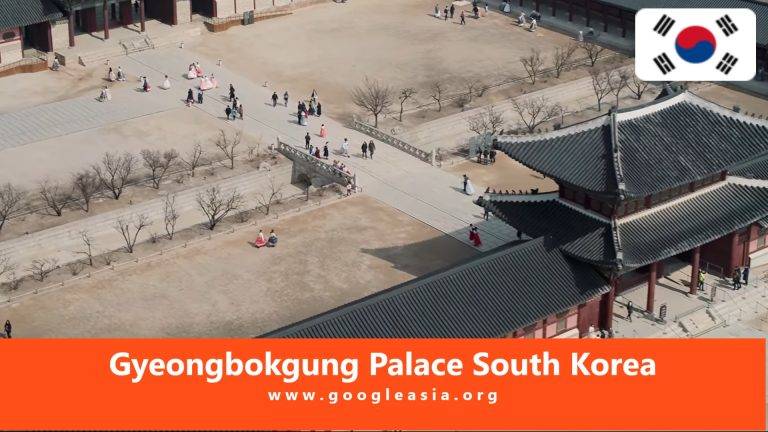
Gyeongbokgung Palace is one of the most iconic historical landmarks in South Korea. Situated at the heart of Seoul, this magnificent palace takes visitors on a journey through the country’s royal past. Built in 1395 during the Joseon Dynasty, it stands as a symbol of Korea’s rich culture and heritage. Whether you’re an architecture lover, history enthusiast, or cultural explorer, Gyeongbokgung offers an unforgettable experience for everyone.
Introduction
Architectural Splendor and Historical Significance
Covering over 270,000 square meters, Gyeongbokgung is a true marvel of traditional Korean architecture. The palace consists of over 500 structures, including courtyards, halls, gates, and pavilions. As the main royal residence during the Joseon Dynasty, it played a central role in the kingdom’s administration and culture.
Historical Significance: Gyeongbokgung was constructed as the primary palace of the Joseon Dynasty in 1395. It’s not only a beautiful structure but also a living testament to Korea’s rich history.
Visitor Tips and Recommendations
When to Visit Gyeongbokgung Palace
The best time to visit Gyeongbokgung is during the spring or fall, when the weather is mild and the gardens are at their most beautiful. However, the changing of the guard ceremony is particularly vibrant during the summer months when the guards wear traditional colorful attire.
What to Bring
Don’t forget your camera! Gyeongbokgung’s stunning architecture and lush gardens provide endless photo opportunities. Additionally, comfortable shoes are essential as you’ll be walking through expansive grounds.
How to Get There
Located in central Seoul, Gyeongbokgung is easily accessible by subway. The Gyeongbokgung Station (Line 3) is just a short walk from the main entrance, making it convenient for tourists to visit.
Attractions
Exploring the Grounds
Key Structures to Visit
Among the palace’s most notable features are its grand gates and peaceful gardens. Be sure to visit:
- Gwanghwamun Gate: The main entrance to the palace, where you can witness the traditional Changing of the Guard ceremony.
- Geoncheonggung Palace: Once the king’s private living quarters, this area showcases exquisite architecture.
- National Folk Museum: This museum located within the palace grounds offers a deeper understanding of Korean history and folk culture.
- Hyangwonjeong Pavilion: A serene, picturesque pavilion nestled beside a peaceful pond, perfect for relaxation and photography.
Beautiful Gardens and Scenic Views
The palace grounds are not only home to stunning buildings but also beautifully landscaped gardens that enhance the peaceful atmosphere. Don’t miss out on the Hyangwonji Pond, which adds to the tranquility of the place, with views framed by the majestic Bukhansan Mountain in the background.
Unique Experiences
Changing of the Guard Ceremony
A must-see event at Gyeongbokgung Palace is the Changing of the Guard Ceremony, held twice a day at the Gwanghwamun Gate. Witnessing this colorful and ceremonial event is like stepping back in time, offering a vivid display of royal customs and Korean heritage.
Guided Tours and Special Events
Enhance your visit with a guided tour to dive deeper into the history and architecture of Gyeongbokgung. For a truly magical experience, consider joining the Lantern Tour at night when the palace is illuminated with LED lights, casting a glow over its historic structures.
Discover Korean Culture
National Palace Museum of Korea
The National Palace Museum located within the palace grounds houses thousands of cultural artifacts, providing an immersive experience into Korea’s royal past. From royal attire to historical paintings, the exhibits offer a comprehensive view of Korea’s cultural heritage.
Traditional Performances and Cultural Insights
While at the palace, make sure to catch a traditional Korean performance, which could include folk dances, plays, or music. These live shows offer an engaging way to connect with the rich artistic traditions of Korea.
Foods
Traditional Korean Dishes
Food is an essential part of the cultural experience at Gyeongbokgung. The Traditional Culture Experience Center offers a variety of delicious Korean dishes, including:
- Bibimbap: A colorful and flavorful dish with rice, vegetables, and savory beef topped with spicy gochujang (chili paste).
- Japchae: Stir-fried glass noodles with vegetables and savory seasonings.
- Bulgogi: Marinated and grilled beef, known for its sweet and savory flavor.
Street-style Snacks and Desserts
For a quick snack, try Tteokbokki (spicy rice cakes) or Sweet Rice Cake, a traditional dessert filled with sweet bean paste. For something savory, Seasoned Fried Chicken is a must-try dish that combines crispy skin with Korean spices.
Conclusion
Gyeongbokgung Palace is more than just a historical site; it’s a gateway to understanding Korea’s royal past, its rich cultural heritage, and its architectural brilliance. Whether you’re exploring the stunning grounds, witnessing the Changing of the Guard ceremony, or savoring traditional Korean dishes, there’s something for everyone at this majestic palace.
Don’t miss the chance to experience one of South Korea’s most iconic landmarks. Plan your visit to Gyeongbokgung Palace today and step back in time to discover Korea’s regal beauty!
Plan Your Visit Now!
Ready to explore the history, beauty, and culture of Gyeongbokgung Palace? Book your tickets, join a guided tour, and make memories that will last a lifetime. Experience Korea’s royal legacy today!
Summary
- Attraction Name: Gyeongbokgung Palace
- Country: South Korea
- Continent: Asia
- Capital Name: Seoul
- Language: Korean
- Currency: South Korean won
- Nationality: South Korean
- Category: #Destination #Asia #SOUTHKOREA
Frequently Asked Questions
Where is Gyeongbokgung Palace located?
Gyeongbokgung Palace is located in the northern part of Seoul, South Korea. Specifically, its address is:
161 Sajik-ro, Jongno-gu, Seoul, South Korea
The palace is situated near the heart of Seoul’s historic district, with nearby attractions including Bukchon Hanok Village, Changdeokgung Palace, and Insadong. Its central location makes it easily accessible by various transportation methods, allowing visitors to explore its grand architecture and rich history within the bustling cityscape of Seoul.
How to go to Gyeongbokgung Palace?
- By Subway:
- Take Seoul Subway Line 3 to Gyeongbokgung Station (Exit 5). From there, it’s about a 5-minute walk to the palace’s main entrance, Gwanghwamun Gate.
- By Bus:
- Numerous buses stop near Gyeongbokgung Palace. Depending on your starting point, you can take buses such as 1020, 1711, or 7022 to Gyeongbokgung Station or Gwanghwamun Station.
- By Taxi:
- Taxis are widely available throughout Seoul and can drop you off directly at the entrance of Gyeongbokgung Palace. Simply tell the driver “Gyeongbokgung” (경복궁) and they will know the way.
- On Foot:
- If you’re staying nearby or exploring the area, Gyeongbokgung Palace is accessible on foot from popular neighborhoods like Insadong or Bukchon Hanok Village. Follow directional signs or use a navigation app for guidance.
- Cultural Tours:
- Consider joining a guided cultural tour of Gyeongbokgung Palace, which may provide additional historical insights and access to exclusive areas within the palace complex.
What are Gyeongbokgung Palace’s must-visit attractions or landmarks?
- Geunjeongjeon Hall: The main throne hall of the palace, notable for its imposing architecture and historical significance as the center of royal ceremonies and governance.
- Gyeonghoeru Pavilion: A picturesque pavilion set on an artificial island in Hyangwonji Pond, used for royal banquets and offering stunning views of the palace grounds.
- Gwanghwamun Gate: The main entrance to Gyeongbokgung Palace, adorned with impressive wooden doors and guards during the day. It’s a symbolic gateway to Korea’s royal history.
- National Palace Museum of Korea: Located within the palace grounds, this museum houses a vast collection of artifacts, artworks, and historical relics related to Korean royalty and palace life.
- Hyangwonjeong Pavilion: A serene pavilion surrounded by Hyangwonji Pond, offering a tranquil setting for reflection and photography amidst the palace’s architectural beauty.
- Changing of the Guard Ceremony: Witness the colorful and ceremonial Changing of the Guard Ceremony at Gwanghwamun Gate, showcasing traditional uniforms and procedures dating back to the Joseon Dynasty.
- Jagyeongjeon Hall: Explore the queen’s residence, featuring elegant architecture and furnishings that offer insights into the daily life of Joseon queens.
- Sujeongjeon Hall: The king’s study hall, known for its unique layout and historical artifacts, providing a glimpse into the scholarly pursuits of Joseon kings.
- Hyeopgildang Hall: A historic structure used for various royal functions and ceremonies, displaying intricate architectural details and cultural significance.
Is Gyeongbokgung Palace a suitable travel destination for solo adventurers, honeymooning couples, or those traveling with families?
Yes, Gyeongbokgung Palace is a suitable travel destination for various types of travelers:
- Solo Adventurers: Solo travelers can explore the expansive grounds of Gyeongbokgung Palace at their own pace, soaking in the historical ambiance, architecture, and serene surroundings. It offers opportunities for photography, cultural exploration, and learning about Korea’s royal history.
- Honeymooning Couples: Gyeongbokgung Palace is a romantic destination for couples, offering picturesque settings for walks amidst traditional Korean architecture, gardens, and ponds. It’s also a cultural experience that can be enjoyed together, with opportunities for dressing in hanbok (traditional Korean attire) for memorable photos.
- Families: Families with children can visit Gyeongbokgung Palace to learn about Korean history through interactive exhibits at the National Palace Museum of Korea. The palace grounds provide ample space for kids to explore and enjoy cultural performances, such as the Changing of the Guard Ceremony, which can be educational and entertaining.
Why should you visit Gyeongbokgung Palace?
- Historical Significance: Gyeongbokgung Palace is the largest and most iconic of Seoul’s Five Grand Palaces, offering a glimpse into Korea’s rich history and royal heritage. It served as the main royal palace during the Joseon Dynasty.
- Architectural Beauty: Explore the palace’s impressive architecture, characterized by intricate painted wooden structures, beautiful gardens, pavilions, and ornate gates such as Gwanghwamun Gate, which is the main entrance.
- Changing of the Guard Ceremony: Witness the colorful Changing of the Guard Ceremony, which takes place at Gwanghwamun Gate several times a day. It showcases traditional attire and customs dating back to the Joseon era.
- Royal Museum: Visit the National Palace Museum of Korea within the palace grounds, which houses artifacts, royal treasures, and exhibits that offer deeper insights into Korean royal life and history.
- Scenic Surroundings: Enjoy strolling through the palace gardens, including Hyangwonjeong Pavilion and the tranquil Hyangwonji Pond, which offer serene settings for relaxation and photography.
- Cultural Experience: Participate in cultural programs such as traditional Korean performances, tea ceremonies, and dressing up in hanbok (Korean traditional attire), offering immersive experiences in Korean culture.
- Central Location: Gyeongbokgung Palace is centrally located in Seoul, making it easily accessible and a convenient starting point for exploring other nearby attractions and neighborhoods.
Is there any halal food available in the vicinity of the Gyeongbokgung Palace?
Finding halal food near Gyeongbokgung Palace can be challenging as the immediate vicinity is primarily focused on traditional Korean cuisine. However, you may consider these options:
- Seoul’s Muslim Quarter (Itaewon): Itaewon, known for its international cuisine, including halal restaurants, is accessible by subway or taxi from Gyeongbokgung Palace. It offers a variety of dining options that cater to halal dietary restrictions.
- International Hotels: Some international hotels near Gyeongbokgung Palace may offer halal-certified or Muslim-friendly dining options. It’s advisable to inquire in advance or check their restaurant offerings.
- Vegetarian/Vegan Restaurants: While not halal-certified, some vegetarian or vegan restaurants in Seoul may offer dishes that are suitable for those avoiding meat products.
- Online Resources: Use online resources or apps that list halal restaurants in Seoul to find options that are accessible from Gyeongbokgung Palace.