Kinkaku-ji Temple, Japan
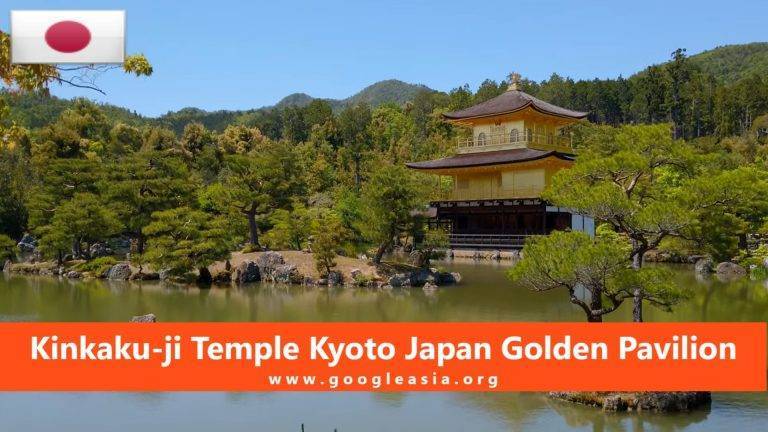
Kinkaku-ji Temple, also known as the Golden Pavilion, is one of Japan’s most iconic and serene destinations. Located in Kyoto, this stunning Zen Buddhist temple is renowned for its breathtaking golden exterior, which reflects beautifully in the surrounding pond. Visitors flock to Kinkaku-ji to experience its peaceful atmosphere, admire its exquisite gardens, and marvel at the intricate architecture. Whether you’re a history enthusiast or seeking a moment of tranquility, Kinkaku-ji offers an unforgettable experience and is a must-visit when exploring Japan’s rich cultural heritage.
The History
Kinkaku-ji Temple, also known as the Golden Pavilion, is one of Kyoto’s most iconic landmarks. This Zen Buddhist temple, covered in shimmering gold leaf, stands as a symbol of Japan’s spiritual heritage and beauty. Whether you’re a culture enthusiast or just looking to marvel at its breathtaking architecture, Kinkaku-ji is a must-see destination.
Built in the Late 14th Century
Kinkaku-ji was originally constructed in 1397 as a retirement villa for the shogun Ashikaga Yoshimitsu. After his death, the villa was converted into a Zen Buddhist temple, solidifying its importance as both a historical and religious site. Today, it stands as a UNESCO World Heritage Site, recognized for its beauty and historical significance.
The Golden Pavilion
The temple is most famous for its gleaming golden exterior. Covered in gold leaf, the two-story pavilion reflects in the serene pond below, creating a magical and serene atmosphere. The architecture is traditional, with the building divided into three levels, each representing different aspects of Buddhist philosophy:
- First Floor: Designed in a style called Shinden-zukuri, it reflects aristocratic elegance.
- Second Floor: Decorated with beautiful woodwork and a spacious viewing deck offering views of the garden and pond.
- Third Floor: A Zen-inspired top floor covered in gold, with a statue of the Buddha of the Future, symbolizing enlightenment.
Things to Do
Exploring the Yoju-do Hall
One of the highlights of Kinkaku-ji is the Yoju-do Hall, which provides a quiet space for visitors to meditate and reflect. Its tranquil atmosphere allows for an even deeper connection to the temple’s spiritual significance.
The Hojo Garden
The Hojo Garden, surrounding the temple, is a true testament to Japan’s landscaping artistry. Designed to evoke peace and balance, it features ponds, stones, and carefully placed trees that mirror the temple’s architectural beauty.
Entering the Nio-mon Gate
As you enter Kinkaku-ji, you’ll walk through the Nio-mon Gate, which is adorned with fierce guardian statues. These statues are believed to protect the temple and its visitors, adding to the spiritual aura that fills the temple grounds.
Foods
Kyoto’s Traditional Flavors
While you’re in the area, don’t miss the chance to indulge in Kyoto’s famous cuisine. Here are a few local dishes you should try:
- Sansai (Mountain Vegetables): These seasonal vegetables are a staple of Kyoto cuisine, prepared in various traditional styles that bring out their fresh, natural flavors.
- Soba (Buckwheat Noodles): A beloved dish in Japan, these delicate noodles are served hot or cold, offering a simple yet satisfying meal.
- Tempura: Crispy, deep-fried seafood or vegetables that are light, yet full of flavor.
Unique Kyoto Specialties
- Inari-zushi: Vinegared rice wrapped in a deep-fried tofu pocket—sweet, tangy, and perfect for a light meal.
- Grilled Eel: Known for its sweet glaze and tender texture, grilled eel is a must-try delicacy in Kyoto.
- Yudofu: A simple yet flavorful dish where tofu is simmered in a broth, showcasing the purity of Japanese cuisine.
Conclusion
Visiting Kinkaku-ji is like stepping into a living piece of Japanese history. Its stunning architecture, serene gardens, and spiritual significance make it one of the most memorable destinations in Kyoto. Whether you’re a history lover, architecture enthusiast, or simply someone seeking peace, Kinkaku-ji offers something for everyone.
Make your way to Kinkaku-ji Temple today and experience the serenity and magnificence of Kyoto’s Golden Pavilion. Plan your visit and immerse yourself in Japan’s timeless beauty!
Summary
- Attraction Name: Kinkaku-ji Temple
- Country: Japan
- Continent: Asia
- Capital Name: Tokyo
- Language: Japanese
- Currency: Japanese Yen
- Nationality: Japanese
- Category: #Destination #Asia #JAPAN
Frequently Asked Questions
Where is Kinkaku-ji Temple located?
Kinkaku-ji Temple, also known as the Golden Pavilion, is located in Kyoto, Japan. Specifically, it is situated in the northern part of Kyoto, in an area called Kinkaku-ji-chō. The temple is surrounded by beautiful gardens and is a prominent example of the Muromachi period (14th-16th centuries) architecture and aesthetics in Japan. The main building of the temple is covered in gold leaf, which gives it its iconic appearance and name.
How to go to Kinkaku-ji Temple?
To get to Kinkaku-ji Temple in Kyoto, Japan, you can follow these directions:
- From Kyoto Station: Take bus number 101 or 205 from Kyoto Station to Kinkaku-ji Michi bus stop. The bus ride takes approximately 40-45 minutes depending on traffic.
- From Downtown Kyoto (Gion/Shijo area): Take bus number 12 or 59 from Shijo Kawaramachi or Gion bus stops to Kinkaku-ji Michi bus stop. This journey typically takes about 30 minutes.
- By Taxi: You can also take a taxi directly to Kinkaku-ji Temple from various parts of Kyoto. It’s convenient but more expensive than taking the bus.
- Walking: Depending on where you are in Kyoto, it might be possible to walk to Kinkaku-ji if you’re staying nearby. However, this would likely be a longer walk.
What are Kinkaku-ji Temple’s must-visit attractions or landmarks?
Here are some must-visit attractions or landmarks at Kinkaku-ji Temple:
- Kinkaku (Golden Pavilion): The main highlight, a stunning golden pavilion reflecting on the pond, especially beautiful during sunrise or sunset.
- Kyōko-chi (Mirror Pond): The pond in front of the pavilion that offers picturesque reflections of Kinkaku and the surrounding garden.
- Sekkatei Teahouse: A traditional teahouse located within the temple grounds where visitors can experience a tea ceremony.
- Kannonden Hall: The hall that houses statues of Buddha and relics.
- Kyōko-chi (Mirror Pond): The garden surrounding the pavilion, which features meticulously landscaped trees, moss, and seasonal flowers.
What are Kinkaku-ji Temple’s nearby must-visit attractions or landmarks?
When visiting Kinkaku-ji Temple in Kyoto, Japan, here are some nearby must-visit attractions and landmarks:
- Ryoan-ji Temple: Known for its famous rock garden, Ryoan-ji is a serene Zen temple located close to Kinkaku-ji.
- Kinkaku-ji Garden: Apart from the iconic Golden Pavilion, the surrounding gardens of Kinkaku-ji are beautiful and worth exploring.
- Arashiyama Bamboo Grove: A short distance from central Kyoto, this bamboo forest is a stunning natural attraction.
- Nijo Castle: A UNESCO World Heritage site, Nijo Castle features beautiful gardens and historic architecture.
- Imperial Palace Kyoto: The former ruling palace of the Emperor of Japan, now offering guided tours of its grounds.
- Gion District: Known for its traditional wooden machiya houses, teahouses, and the chance to spot geisha and maiko.
Why should you visit Kinkaku-ji Temple?
Kinkaku-ji, or the Golden Pavilion, in Kyoto, Japan, is a UNESCO World Heritage site renowned for its stunning architecture and serene garden setting. Visiting Kinkaku-ji offers a glimpse into Japan’s rich history and aesthetic beauty. The temple’s top two floors are covered in shimmering gold leaf, creating a breathtaking reflection in the surrounding pond, especially stunning during sunrise and sunset. It’s a place where visitors can appreciate the harmony between nature and man-made beauty, making it a must-see for anyone exploring Kyoto’s cultural treasures.
Are there any halal food options near the Kinkaku-ji Temple?
While Kinkaku-ji Temple itself does not offer halal food options on-site, there are several restaurants and eateries nearby that cater to halal dietary requirements. You can find halal-certified or halal-friendly establishments offering Japanese cuisine within a short distance from the temple. It’s advisable to check in advance or ask locals or your accommodation staff for recommendations based on your preferences.