Grand Canyon, USA
The Grand Canyon is one of those places that never fails to amaze. Its immense size, dramatic landscapes, and stunning views make it one of the most unforgettable spots to visit in the United States. Whether you’re exploring the rim on foot, taking in a spectacular sunset, or adventuring down into the canyon itself, there’s something truly magical about this natural wonder. A visit to the Grand Canyon is a must for anyone seeking to experience the raw beauty and grandeur of the American Southwest. Don’t miss out on this iconic destination in the USA!
Introduction
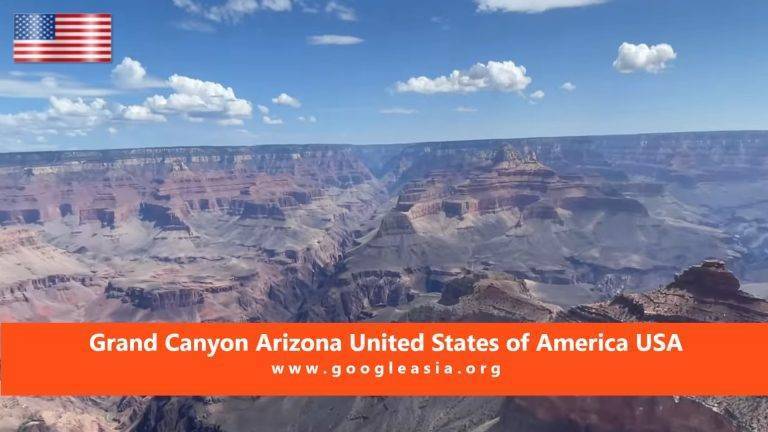
Imagine standing at the edge of a canyon so vast that it seems to stretch beyond the horizon. The colors shift with the sunlight—deep reds, golden yellows, and earthy browns, all carved by time itself. That’s the Grand Canyon, one of the most breathtaking landscapes in the world.
Located in Arizona, USA, this 277-mile-long, 18-mile-wide wonder is more than just a scenic spot—it’s an adventure waiting to happen. Whether you’re an avid hiker, a thrill-seeker, or someone who simply loves nature, the Grand Canyon offers an experience unlike any other.
Let’s explore the best things to do, the canyon’s geological wonders, and the top foods you must try while visiting!
A Geological Marvel
The Power of the Colorado River
Millions of years ago, the Colorado River began carving through layers of rock, shaping the vast canyon we see today. Over time, wind, water, and geological shifts deepened and widened the canyon, creating the rugged cliffs and mesmerizing rock formations that make it so famous.
The Canyon’s Rock Layers
The Grand Canyon isn’t just a pretty view—it’s a living history book of the Earth. The rock layers expose nearly two billion years of history, with each layer revealing a different period of the planet’s evolution. From the oldest Precambrian rocks to the more recent Kaibab Limestone, geologists consider it one of the most complete geological records in the world.
Things to Do
There’s no shortage of unforgettable experiences here. Whether you’re looking for an adrenaline rush or a peaceful moment with nature, the Grand Canyon has something for everyone.
Hike Some of the World’s Most Iconic Trails
Best Hiking Trails on the South Rim
- Bright Angel Trail – A challenging but rewarding trail that descends deep into the canyon, offering stunning views along the way.
- Rim Trail – Perfect for those who want panoramic views without the steep climbs.
- South Kaibab Trail – Known for its steep but breathtaking views.
North Rim Trails: A Less Crowded Experience
- North Kaibab Trail – Leads all the way to the Colorado River, offering spectacular inner-canyon views.
- Widforss Trail – A scenic forested trail with fewer crowds and peaceful nature views.
Take a Scenic Mule Ride
Want to explore the canyon without breaking a sweat? A mule ride is a unique way to take in the scenery. Some of the best routes include:
- Grand Canyon Village to Plateau Point – Offers incredible river views and a truly memorable experience.
- Overnight Ride to Phantom Ranch – A once-in-a-lifetime journey into the depths of the canyon.
Experience the Best Scenic Drives and Viewpoints
Hermit Road
- A 23-mile scenic drive with multiple stops at some of the best viewpoints.
- Ideal for visitors who want a leisurely way to enjoy the sights.
Desert View Drive
- Ends at the famous Desert View Watchtower, where you can see sweeping views of the canyon and the Colorado River.
Go Whitewater Rafting on the Colorado River
If you’re up for a thrill, rafting through the canyon’s powerful rapids is an unforgettable experience. Choose from:
- Half-day beginner trips for a taste of adventure.
- Multi-day expeditions for a deep dive into the heart of the canyon.
See the Canyon from Above with an Aerial Tour
For a truly jaw-dropping view, take to the skies:
- Helicopter Tours – Soar over the canyon’s vast landscapes for a perspective like no other.
- Airplane Tours – Cover a larger area and witness the Grand Canyon’s full grandeur.
Final Thoughts
The Grand Canyon is more than just a place to visit—it’s an experience that stays with you forever. From the towering cliffs and dramatic landscapes to the thrilling adventures and rich cultural history, every moment spent here is truly special.
So, whether you’re planning to hike its legendary trails, raft its wild rivers, or simply soak in the breathtaking views, one thing is for sure: The Grand Canyon is a journey you’ll never forget.
Ready to Explore? Start Planning Your Grand Canyon Trip Today
Summary
- Attraction Name: Grand Canyon, Arizona
- Country: United States of America (USA)
- Continent: North America
- Capital: Washington, D.C.
- Language: English
- Currency: United States Dollar (USD)
- Nationality: U.S. Citizen
- Category: #Destination #NorthAmerica #USA
Frequently Asked Questions
Where is Grand Canyon located?
The Grand Canyon is located in the northern part of the state of Arizona, USA. It is primarily situated within Grand Canyon National Park, which covers a vast area of over 1.2 million acres. The canyon itself was carved by the Colorado River over millions of years and is known for its immense size, breathtaking landscapes, and geological significance. The park is divided into the North Rim and South Rim, with the South Rim being the more visited and accessible side for tourists.
How can one travel to Grand Canyon?
There are several ways to travel to the Grand Canyon, depending on your starting point and preferred mode of transportation:
- By Car:
- From the South Rim (most visited): If coming from the south, take Interstate 17 north from Phoenix to Flagstaff, then head west on Interstate 40 to Williams, Arizona. From Williams, take Highway 64 north to the park’s South Entrance.
- From the North Rim: Accessible via Highway 67 south from Jacob Lake, Arizona.
- By Plane:
- The closest major airports are:
- Flagstaff Pulliam Airport (FLG) in Flagstaff, Arizona, about 80 miles from the South Rim.
- Phoenix Sky Harbor International Airport (PHX) in Phoenix, Arizona, about 230 miles from the South Rim.
- Las Vegas McCarran International Airport (LAS) in Las Vegas, Nevada, about 280 miles from the West Rim.
- From these airports, you can rent a car or arrange for shuttle services to the Grand Canyon.
- The closest major airports are:
- By Train:
- Amtrak’s Southwest Chief train stops in Flagstaff, Arizona, from where you can arrange for shuttle services or rent a car to reach the Grand Canyon.
- By Bus:
- Various tour companies and shuttle services offer guided tours or transportation to the Grand Canyon from nearby cities such as Flagstaff, Phoenix, and Las Vegas.
- Inside the Park:
- Once inside the Grand Canyon National Park, shuttle buses operate along the South Rim, offering transportation between various viewpoints, visitor centers, and lodging areas.
What’s the climate like in Grand Canyon?
The climate in the Grand Canyon varies depending on the elevation, but generally, it can be described as follows:
- South Rim (elevation 7,000 feet):
- Summer: Pleasant during the day (typically 70-80°F), but temperatures can drop significantly at night (often below freezing).
- Winter: Cold with temperatures ranging from 20-40°F. Snowfall is common, and the rim may experience occasional closures due to snow and ice.
- North Rim (elevation 8,000 feet):
- Summer: Cooler than the South Rim, with daytime temperatures averaging in the 60s-70s°F. Nighttime temperatures can drop into the 30s-40s°F.
- Winter: Cold and snowy, with temperatures often below freezing. The North Rim is closed to vehicle traffic during the winter months (typically mid-October to mid-May).
- Inner Canyon (Colorado River elevation around 2,500 feet):
- Summer: Extremely hot, with temperatures exceeding 100°F. Hiking in the inner canyon requires preparation for intense heat and limited shade.
- Winter: Mild during the day (50-60°F), but temperatures can drop below freezing at night. Snow is rare at river level but can occur on the upper rims.
What are Grand Canyon’s must-visit attractions or landmarks?
- Grand Canyon Village (South Rim): The hub of visitor activity, offering stunning views from Mather Point, Yavapai Observation Station, and the historic El Tovar Hotel.
- Hermits Rest (South Rim): A scenic viewpoint accessible by shuttle bus or hike, known for its quiet atmosphere and beautiful canyon views.
- Bright Angel Trail: One of the park’s most popular hiking trails, descending from the South Rim towards the Colorado River, offering varied landscapes and historic rest houses.
- Grand Canyon Skywalk (West Rim): Located on the Hualapai Reservation, this glass bridge extends over the canyon, providing thrilling views and experiences.
- North Rim: Known for its cooler temperatures and more remote feel, offering stunning vistas from viewpoints like Point Imperial and Cape Royal.
- Colorado River Rafting: Adventure seekers can explore the canyon’s depths by rafting through the Colorado River, experiencing its rapids and unique geological formations.
- Havasu Falls: Located within Havasupai Indian Reservation, this stunning waterfall and turquoise pools are accessible via a hike from Hualapai Hilltop.
- Desert View Watchtower: A historic structure designed by Mary Colter, offering panoramic views of the canyon and the Painted Desert.
- Grand Canyon Railway: Departing from Williams, AZ, this historic train offers a scenic journey to the South Rim, recreating the early 20th-century travel experience.
- Star Gazing: Due to its remote location and lack of light pollution, the Grand Canyon offers incredible opportunities for stargazing and observing celestial events.
Is Grand Canyon a suitable travel destination for solo adventurers, honeymooning couples, or those traveling with families?
The Grand Canyon is a versatile destination that caters well to various types of travelers:
- Solo Adventurers: Solo travelers can enjoy hiking trails, scenic viewpoints, and ranger-led programs at their own pace. It offers opportunities for solitude and self-discovery amidst breathtaking natural beauty.
- Honeymooning Couples: The Grand Canyon provides a romantic backdrop with its stunning sunsets, scenic overlooks, and unique experiences like the Grand Canyon Skywalk or private tours. It’s ideal for couples seeking adventure and unforgettable moments.
- Families: The Grand Canyon offers family-friendly activities such as easy-to-access viewpoints, Junior Ranger programs, mule rides, and short hikes suitable for all ages. It’s a great destination for introducing children to nature and exploring together as a family.
Why should you visit Grand Canyon?
Visiting the Grand Canyon offers a multitude of reasons to experience this natural wonder:
- Natural Beauty: The Grand Canyon is one of the world’s most stunning natural landscapes, carved by the Colorado River over millions of years. Its vast expanses, colorful rock formations, and dramatic vistas create a breathtaking spectacle.
- Scenic Views: Numerous viewpoints along the rim provide panoramic vistas of the canyon’s depths and colors, offering unparalleled opportunities for photography and awe-inspiring moments.
- Outdoor Activities: The Grand Canyon caters to outdoor enthusiasts with activities such as hiking, backpacking, rafting, and camping. Trails like the Bright Angel Trail and South Kaibab Trail offer diverse experiences for hikers of all levels.
- Geological Wonder: It serves as a geological textbook, showcasing rock layers that date back millions of years and offer insights into Earth’s natural history and processes.
- Cultural and Historical Significance: The Grand Canyon is rich in Native American history and culture, with connections to tribes like the Havasupai and Hualapai. Historic structures like Desert View Watchtower and ruins further enrich its cultural tapestry.
- Adventure Opportunities: Activities such as helicopter tours, mule rides to the canyon floor, and the Grand Canyon Skywalk provide unique ways to experience the canyon’s depth and grandeur.
- Educational Value: The Grand Canyon offers educational programs, ranger talks, and exhibits that delve into its geological, biological, and cultural significance, making it a fascinating destination for learning.
- Stargazing: Due to its remote location and lack of light pollution, the Grand Canyon provides exceptional opportunities for stargazing and observing the night sky.
Are there any halal food options near the Grand Canyon?
As the Grand Canyon itself is primarily a natural reserve area with limited commercial development within its boundaries, finding halal food options directly near the park can be challenging. However, some nearby towns and cities may offer halal dining options, particularly in areas with diverse culinary offerings. Here are a few suggestions for areas relatively close to the Grand Canyon where you might find halal food options:
- Flagstaff, Arizona: Flagstaff is a city located about an hour south of the South Rim entrance to the Grand Canyon. It has a more developed culinary scene and may offer halal dining options. It’s advisable to check local directories or online platforms for specific halal restaurants in Flagstaff.
- Williams, Arizona: Williams is a town located about an hour south of the South Rim entrance as well. While options may be limited, some restaurants or grocery stores in Williams might offer halal products or dishes.
- Tusayan, Arizona: This is a small town located just outside the South Entrance to the Grand Canyon. While primarily catering to tourists, it may have some dining options that could accommodate halal dietary preferences.