Margarita Island, Venezuela
Escape to Margarita Island, Venezuela’s Caribbean paradise! With white‑sand beaches, vibrant nightlife, and rich history, this destination is perfect for relaxation and adventure. Plan your trip today and book your getaway—swim, sail, shop, and explore the island’s cultural treasures!
Introduction
Known as the “Pearl of the Caribbean,” Margarita Island is Venezuela’s most famous island destination. It combines crystal‑clear waters, colonial towns, and lively beach resorts. Whether you’re seeking sun‑soaked relaxation, water sports, or cultural exploration, Margarita Island offers a diverse experience that appeals to every traveler.
Margarita Island is a beautiful paradise off the coast of Venezuela. Its pristine beaches, lush tropical flora, and vibrant culture make it an ideal destination for those looking for a relaxing and unique vacation. Visitors to Margarita Island can enjoy its white-sand beaches, go snorkeling and scuba diving, take a guided tour of its historical sites, and explore it’s amazing wildlife. This island is also a great place to shop for local arts and crafts, and its many restaurants serve delicious seafood and traditional cuisine. It truly is an island paradise with something for everyone to enjoy.
Margarita Island, located off the Caribbean coast of Venezuela, is a captivating destination celebrated for its natural beauty, vibrant culture, and lively atmosphere.
Beaches and Natural Wonders
Stunning Beaches
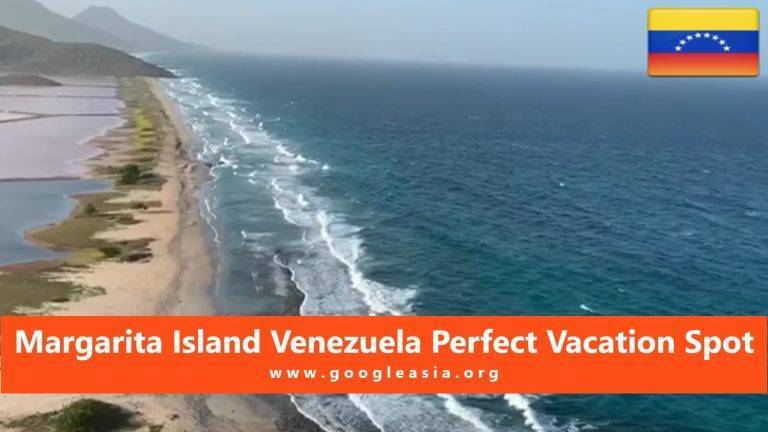
Margarita Island is celebrated for its pristine shores and crystal‑clear waters, making it one of Venezuela’s most visited destinations. Playa El Agua stretches for over 4 kilometers and is lined with palm trees and beachside restaurants, offering a lively atmosphere. Playa Parguito is popular among surfers thanks to its consistent waves, while Playa El Yaque has gained international fame as one of the world’s best spots for windsurfing and kiteboarding competitions.
Coral Reefs and Marine Life
The island’s surrounding waters are home to vibrant coral reefs teeming with marine biodiversity, including tropical fish, sea turtles, and colorful sponges. Diving and snorkeling excursions allow visitors to explore this underwater paradise. For adventure seekers, windsurfing and kiteboarding are widely available, with Playa El Yaque hosting international tournaments that attract athletes from across the globe.
Cultural Heritage
Historical Sites
Margarita Island preserves its colonial past through landmarks such as the Fortress of Santa Rosa, built in the 17th century to defend against pirates and offering panoramic views of La Asunción. The capital city, La Asunción, is rich in historical landmarks, including its cathedral and museums that highlight Venezuela’s independence history.
Art and Craftsmanship
Local culture thrives in bustling markets where visitors can browse handicrafts, jewelry, and traditional textiles crafted by artisans. The island also hosts festivals showcasing music, dance, and cuisine, reflecting the vibrant traditions of the Nueva Esparta region.
Cuisine and Dining
Authentic Flavors
Food is central to the Margarita experience. Seafood delicacies, freshly caught and prepared with local spices, dominate menus across the island. Street food staples like arepas and empanadas are widely available, offering travelers a taste of authentic Venezuelan flavors.
Dining Experiences
Beachfront restaurants provide opportunities to enjoy local specialties with stunning ocean views. The island’s nightlife scene is equally enticing, with bars and clubs offering lively entertainment, music, and dancing well into the night.
Outdoor Adventures
Ecotourism
Margarita Island is home to nature reserves that protect diverse flora and fauna, including bird species unique to the Caribbean. Scenic hiking trails lead to panoramic vistas across mountains and coastal landscapes, making it a paradise for eco‑tourism enthusiasts.
Water Activities
The Caribbean waters surrounding Margarita invite exploration through boat tours to nearby islands and secluded coves, offering a chance to discover hidden gems. Deep‑sea fishing trips are also popular, with opportunities to catch marlin, tuna, and other prized species.
Budget Travel $100
Margarita Island, located in the Caribbean Sea and part of Venezuela’s Nueva Esparta state, is the country’s largest island at about 1,020 square kilometers (394 square miles). Known as the “Pearl of the Caribbean,” it combines pristine beaches, colonial towns, and duty-free shopping. Traveling here on a $100 budget is very feasible once inside the island. Meals at local restaurants average $6–12, while street food such as arepas or empanadas costs $2–4. Public transport is inexpensive, with buses and shared taxis costing about $1–2 per ride, and short boat trips to nearby islets like Coche Island are available for $10–15.
Entrance fees to attractions such as Fort La Asunción or San Carlos de Borromeo Castle are usually under $5, while beach access is free. With $100, a traveler could allocate $30 for meals, $10 for transport, $15 for excursions, and $10 for snacks, leaving $35 for souvenirs or a special seafood dinner. The highlights—beaches like Playa El Agua and Playa Parguito, colonial towns like La Asunción, and the bustling Porlamar shopping district—are accessible at little cost, making Margarita Island one of Venezuela’s most budget-friendly Caribbean destinations.
Tips for American Travelers
For Americans visiting Margarita Island, understanding its unique blend of Caribbean culture and Venezuelan heritage enriches the experience. The island is duty-free, making it a shopping hub for goods ranging from electronics to local crafts. U.S. dollars are widely accepted, and carrying cash is strongly recommended since card payments can be unreliable. While English may be spoken in tourist areas, basic Spanish phrases are very helpful when interacting with locals. Safety is generally better on Margarita Island compared to mainland Venezuela, but travelers should still exercise caution, especially in crowded markets.
The climate is tropical, with average temperatures around 27 °C (81 °F) year-round, and the best time to visit is during the dry season (December–April), when skies are clearer and seas calmer. The island also offers cultural attractions such as the Basilica of Our Lady of El Valle, a pilgrimage site, and traditional festivals showcasing music and dance. Finally, Margarita Island is not only a beach paradise but also a cultural hub, where colonial history, Indigenous traditions, and Caribbean rhythms converge, making it a destination that balances relaxation with rich cultural immersion.
1 Day Itinerary
- 8:00 AM – Breakfast in Porlamar
- Enjoy fresh tropical fruit and Venezuelan arepas.
- Stroll through the city’s bustling streets.
- 9:30 AM – Playa El Agua
- Relax on one of the island’s most popular beaches.
- Swim, sunbathe, or try water sports.
- 12:00 PM – Lunch at Beachfront Restaurant
- Taste fresh seafood and traditional Venezuelan dishes.
- Enjoy ocean views while dining.
- 2:00 PM – Visit La Asunción
- Explore the colonial town and its historic cathedral.
- Learn about the island’s cultural heritage.
- 4:00 PM – Castillo de San Carlos de Borromeo (Pampatar)
- Tour the 17th‑century fortress overlooking the sea.
- Great spot for history lovers and photographers.
- 6:00 PM – Sunset at Playa Parguito
- Watch surfers ride waves as the sun sets.
- Perfect for evening relaxation.
- 8:00 PM – Dinner & Nightlife in Porlamar
- Enjoy local cuisine and vibrant nightlife.
- Bars, clubs, and live music for a lively evening.
Things to do
Margarita Island beckons with its stunning beaches, rich history, and diverse outdoor activities, making it an ideal destination for travelers seeking relaxation and adventure alike.
Beach Hopping
Playa El Agua is an iconic stretch of white sand and one of the island’s most visited beaches, prized for its long shoreline, beachside restaurants, and lively atmosphere that suits sunbathing and swimming; the island’s coastline offers a range of beach experiences from bustling resort fronts to quieter coves.
Secluded Beaches and Snorkeling
Las Duelas Beach and other sheltered coves provide calmer waters ideal for snorkeling and beachcombing, giving visitors a quieter alternative to the busier resort beaches and opportunities to explore nearshore reefs and tidal pools.
Explore the Island’s History
Fortin de la Galera is a historic Spanish fortification dating to the colonial era that features star‑shaped bastions and panoramic views over Juan Griego Bay, offering guided tours and interpretive panels that explain the island’s strategic role in Caribbean maritime history.
Shopping and Local Markets
Street Arts Market in Porlamar is a vibrant hub for handmade jewelry, local artwork, and souvenirs where visitors can experience street performers and sample regional snacks, while markets like La Hacienda in La Quebrada showcase fresh produce, spices, and artisanal goods that reflect Margarita’s culinary traditions.
Diving, Snorkeling, and Island Excursions
Archipiélago de Los Roques is a frequent day‑trip destination from Margarita, offering world‑class snorkeling, turquoise lagoons, and abundant marine life; organized boat excursions allow visitors to swim over coral gardens and observe seabirds and reef fish in protected cays.
Outdoor Adventures and Nature Activities
Jungle hiking on the island’s interior trails reveals pockets of lush vegetation and seasonal waterfalls, while ATV adventures and guided off‑road tours provide thrilling access to rugged viewpoints; horseback riding along beaches at sunset is a popular way to combine scenic coastal views with a relaxed outdoor experience.
Foods
Margarita Island, nestled in the Caribbean, offers a delightful array of traditional Venezuelan dishes and local specialties that capture the essence of its vibrant culinary scene.
Arepas
Arepas are a ubiquitous Venezuelan staple made from precooked cornmeal (masarepa) that forms a versatile flatbread split and stuffed with fillings like cheese, shredded beef, black beans, avocado, or seafood, tracing their origins to pre‑Columbian indigenous maize traditions and remaining central to daily Venezuelan meals.
Cachitos
Cachitos are savory pastries commonly eaten for breakfast or as a snack; they are typically filled with ham, cheese, olives, and capers and baked until golden, offering a flaky, slightly sweet dough that complements the salty filling and is widely sold in bakeries across Venezuela.
Pabellón Criollo
Pabellón Criollo is widely regarded as Venezuela’s national plate, composed of shredded stewed beef, black beans, white rice, and sweet fried plantains, a combination that reflects Indigenous, Spanish, and African culinary influences and appears in homes and restaurants as a cultural emblem.
Hallaca
Hallaca is a traditional holiday specialty prepared at Christmas: cornmeal dough is filled with a rich stew of beef, pork, or chicken plus olives, raisins, and capers, wrapped in plantain leaves and boiled, and its communal, labor‑intensive preparation is a central family ritual across Venezuela.
Empanadas
Empanadas are portable turnovers made from corn or wheat dough and fried or baked with fillings such as shredded beef, cheese, chicken, or vegetables, prized for their crisp shell and adaptability as street food, breakfast, or a quick meal.
Fish Soup
Fish soup in Venezuelan coastal and riverine regions features aromatic fish stock simmered with local vegetables, herbs, and seafood like shrimp and white fish, often seasoned with citrus and cilantro to highlight fresh catches and regional maritime flavors.
Merenguitos
Merenguitos are light, crunchy meringue cookies made from whipped egg whites and sugar, baked at low temperature until crisp, commonly dusted with cinnamon or sugar and enjoyed as a delicate sweet treat across Venezuelan households and bakeries.
Tequeños
Tequeños are iconic Venezuelan cheese sticks consisting of white cheese wrapped in wheat dough and fried until golden, served as ubiquitous party appetizers and snacks; they have become a cultural symbol and were declared a national culinary heritage item in recent years.
Yucca Fritters
Yucca fritters (bolitas de yuca) are fried cassava balls often stuffed with cheese or seasoned meat, delivering a crispy exterior and chewy interior that showcases cassava’s role as a staple starch in Venezuelan cooking.
Bollo de Pescado
Bollo de pescado is a regional favorite where plantain or corn dough is filled with seasoned white fish, wrapped and fried or steamed, reflecting coastal traditions that combine starchy wrappers with fresh, zesty seafood preparations.
Hotels
Margarita Island boasts a variety of accommodation options ranging from luxurious beachfront resorts to charming boutique hotels, ensuring a comfortable and memorable stay for every visitor.
La Samanna Beach Resort & Spa
Prime beachfront location with direct Caribbean Sea views and a full‑service thalassotherapy spa distinguish this resort; the property markets specialized sea‑water therapies alongside multiple dining venues and pool facilities, making it a notable wellness‑oriented option on the island.
JW Marriott Hotel Margarita Island
Upscale international brand standards with spacious rooms and luxury amenities are the hallmarks travelers expect from a JW Marriott property, typically including full spa services, fine‑dining outlets, and recreational programming that cater to both leisure and business guests.
Pestana Bahia Mar Beach & Spa Resort
Beachfront resort on Playa El Agua offering tropical gardens, multiple pools, and spa treatments, designed to combine resort‑style leisure with easy access to one of Margarita’s longest and most popular beaches.
Posada Casablanca Hotel
Charming boutique hotel with garden‑surrounded pool and personalized service, favored by visitors seeking a quieter base with local hospitality and a short drive to Porlamar’s shops and restaurants.
Viva Wyndham Tangerine Beach Resort
All‑inclusive beachfront resort with organized activities, water sports, and nightly entertainment, providing a turnkey family vacation experience with multiple dining options and supervised programs for children.
Posada Karina
Quaint guesthouse known for warm hospitality and intimate atmosphere, offering comfortable rooms and a relaxed pace for travelers who prefer small‑scale lodging and close contact with local hosts.
Costa Linda Beach Resort
Family‑friendly resort with apartment‑style accommodations and kitchenettes, suited to groups and families who value self‑catering options alongside beachfront pools and on‑site activities.
Posada Luna del Sur
Tranquil retreat set in lush gardens with a swimming pool and personalized service, appealing to travelers who want to escape busier tourist zones while remaining within reach of island attractions.
La Hacienda
Colonial‑style property reflecting traditional Venezuelan architecture and courtyard living, featuring regional cuisine in its restaurant and an ambiance that emphasizes cultural character and relaxed dining.
La Casa de Pancho y Lala Boutique Hotel
Small boutique hotel offering uniquely styled rooms and a cozy atmosphere, with an on‑site restaurant that highlights local flavors and a focus on individualized guest experiences.
Conclusion
Margarita Island offers sun, sea, history, and culture all in one destination. From pristine beaches to colonial towns and lively nightlife, it’s a Caribbean gem waiting to be explored. Plan your trip now and experience the Pearl of the Caribbean.
Summary
- Attraction: Margarita Island
- Country: Venezuela
- Continent: South America
- Capital Name: Caracas
- Language: Spanish
- Currency: Venezuelan Bolívares VEF
- Nationality: Venezuelan
- Category: #Destination #SouthAmerica #VENEZUELA
Contact Information
- Address: Margarita Island, Nueva Esparta State, Venezuela
- Telephone: +58 (295) 263‑1234 (Tourism Office, Porlamar)
- Website: http://www.inatur.gob.ve
- E‑mail: info@inatur.gob.ve
- Entry Fee: Free access to beaches; museums and forts may have small fees
- Business Hours: Open year‑round; best visiting hours 8:00 AM – 6:00 PM
Frequently Asked Questions
Where is Margarita Island located?
Margarita Island, also known as Isla de Margarita, is located in the Caribbean Sea, off the northeastern coast of Venezuela. It is the largest island in the state of Nueva Esparta, which is one of the 23 states of Venezuela. Margarita Island is situated approximately 40 kilometers (25 miles) north of the mainland coast of Venezuela. The island is known for its beautiful beaches, warm climate, and tourist-friendly infrastructure, making it a popular destination for both Venezuelan and international tourists seeking sun, sand, and relaxation.
How to go to Margarita Island?
Here’s how to reach Margarita Island:
- By Air: Fly into Santiago Mariño Caribbean International Airport (PMV) from major cities in Venezuela or international destinations.
- By Sea: Ferries and boats operate from mainland Venezuela (e.g., Puerto La Cruz or Cumana) to Margarita Island, offering an alternative travel option.
- Local Transport: Taxis and rental cars are available on the island for convenient exploration.
- Travel Tips: Check for flight or ferry availability ahead of time, especially during peak tourist seasons, and plan for weather conditions that may affect sea travel.
What are Margarita Island’s must-visit attractions or landmarks?
Margarita Island offers a variety of attractions and landmarks that appeal to visitors seeking beach relaxation, cultural exploration, and outdoor activities. Here are some must-visit places:
- Playa El Agua: One of the island’s most famous beaches, known for its long stretch of golden sand and clear waters, ideal for swimming and sunbathing.
- Castillo de San Carlos de Borromeo: A historic fort located in Pampatar, offering panoramic views of the coast and housing a museum with artifacts from the island’s colonial past.
- La Restinga Lagoon and National Park: A natural reserve featuring mangrove forests, saltwater channels, and diverse bird species. Visitors can take boat tours to explore the lagoon.
- Basilica Virgen del Valle: A pilgrimage site and important religious landmark, dedicated to the patron saint of Margarita Island, located in El Valle del Espíritu Santo.
- Juan Griego: A picturesque coastal town with a historic fort, Fortín La Galera, offering views of the bay and surrounding areas. It’s a great place to explore local culture and cuisine.
- Macanao Peninsula: Known for its rugged landscapes, cacti-filled deserts, and secluded beaches. It’s ideal for nature lovers and those seeking off-the-beaten-path adventures.
- Craft Markets: Visit the various craft markets around the island, such as the Mercado de Conejeros, to shop for local handicrafts, souvenirs, and traditional food items.
- Water Sports: Enjoy activities like snorkeling, diving, windsurfing, and kiteboarding at beaches like Playa El Yaque, known for its consistent winds and ideal conditions for water sports.
- Nightlife: Experience the vibrant nightlife in towns like Porlamar, where you can find bars, clubs, and restaurants offering live music and entertainment.
Is Margarita Island a suitable travel destination for solo adventurers, honeymooning couples, or those traveling with families?
Margarita Island offers something for a variety of travelers:
- Solo Adventurers: It can be suitable, especially for those interested in beach activities, water sports, and exploring the island’s cultural sites. However, solo travelers should be mindful of safety precautions and choose accommodations and activities that cater to solo travelers.
- Honeymooning Couples: Yes, Margarita Island provides a romantic setting with its beautiful beaches, secluded spots, and charming coastal towns. It’s ideal for couples seeking relaxation, water activities, and cultural exploration in a relatively serene environment.
- Families: Margarita Island can be family-friendly, offering safe beaches, water sports suitable for children, and cultural attractions like forts and markets. Families should ensure accommodations are suitable and plan activities that cater to different ages and interests.
Overall, Margarita Island’s mix of natural beauty, cultural attractions, and recreational activities makes it a versatile destination suitable for solo travelers, honeymooners, and families alike.
Why should you visit Margarita Island?There are several compelling reasons to visit Margarita Island:
- Beautiful Beaches: Margarita Island boasts stunning beaches with soft sands and clear waters, perfect for swimming, sunbathing, and water sports like snorkeling and diving.
- Cultural Richness: Explore historical sites such as Castillo de San Carlos de Borromeo in Pampatar and the Basilica Virgen del Valle in El Valle del Espíritu Santo, reflecting the island’s rich colonial heritage and religious significance.
- Natural Wonders: Discover the diverse landscapes of Margarita Island, from lush mountains and valleys to the desert-like terrain of Macanao Peninsula and the mangrove forests of La Restinga National Park.
- Water Activities: Enjoy a variety of water activities, including windsurfing, kiteboarding, fishing trips, and boat tours around the island’s scenic coastline and lagoons.
- Local Cuisine: Indulge in delicious local cuisine, including fresh seafood dishes, traditional Venezuelan arepas, and tropical fruits, available at restaurants, beachside kiosks, and markets across the island.
- Shopping: Experience vibrant markets like Mercado de Conejeros in Porlamar, where you can browse for handicrafts, souvenirs, clothing, and more.
- Nightlife: Enjoy the island’s lively nightlife scene in towns like Porlamar, offering bars, clubs, and live music venues where you can dance the night away.
- Relaxation and Serenity: Margarita Island provides a peaceful retreat with its laid-back atmosphere, serene beaches, and opportunities for relaxation and rejuvenation.
How accessible is halal food in Margarita Island?
Finding halal food in Margarita Island can be challenging as it is not a destination known for a significant Muslim population or halal-certified restaurants. Here are some considerations:
- Limited Availability: Halal food options may be limited on the island. It’s uncommon to find dedicated halal restaurants or establishments that advertise halal menus.
- Local Cuisine: While Venezuelan cuisine includes many dishes that are naturally halal (such as vegetarian options or seafood), preparation methods and ingredients may not always align with halal dietary restrictions.
- Self-Catering: If halal options are essential, consider self-catering where possible. You can purchase fresh fruits, vegetables, seafood, and other items from local markets and prepare meals yourself.
- Communication: Communication can be key. If dining out, it may help to communicate your dietary preferences clearly to restaurant staff, though understanding of halal requirements may vary.
- Research and Preparation: Before traveling to Margarita Island, research potential dining options or contact local tourism offices for advice on where to find halal-friendly establishments or suitable dining options.