Caracas, Venezuela
Explore the vibrant capital of Caracas, Venezuela, where modern city life meets natural escapes. Visit Ávila National Park, ride the famous cable car, and discover historic landmarks like Bolívar Square. Plan your trip today and immerse yourself in culture, adventure, and unforgettable city experiences!
Introduction
Caracas is a beautiful and vibrant city, offering many experiences and sites for visitors. It is filled with stunning architecture, colorful culture, and diverse cuisine. The capital of Venezuela is also home to many adventure activities, such as mountain biking, hiking, and river rafting. It is also a great destination for shopping and sight-seeing. The city of Caracas offers a wide variety of attractions, from national parks and beaches to world-class museums and entertainment venues.
The bustling capital of Venezuela, Caracas contains a unique mix of culture and history. From colonial-style churches to modern skyscrapers, Caracas is home to an array of attractions. Visit Plaza Bolivar to explore the colonial sites or take a ride on the metro to cross the city in minutes. There’s plenty to explore in Caracas, a city full of surprises.
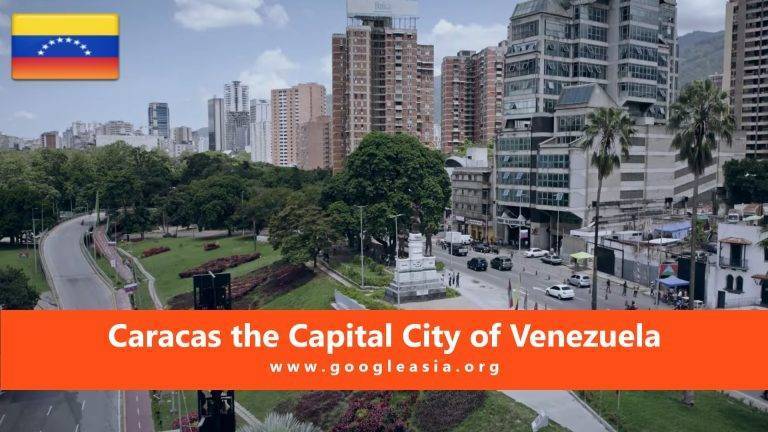
Caracas, the bustling capital city of Venezuela, offers a blend of cultural vibrancy, economic prowess, and urban charm.
Economic Powerhouse
As Venezuela’s political and financial nucleus, Caracas concentrates major commercial centers, corporate headquarters, and banking institutions, with business districts such as the financial corridor around El Rosal and Chacao driving much of the country’s formal economic activity and services.
Economic Vitality
Commercial corridors, mixed‑use developments, and conference venues support a service‑oriented urban economy that, despite national economic challenges, continues to position Caracas as the primary center for finance, trade, and professional services in Venezuela.
Educational Excellence
Caracas is an academic hub whose campuses and research centers contribute significantly to national intellectual life, producing generations of professionals in law, medicine, engineering, and the arts and serving as centers for scholarly exchange across Latin America.
Universities and Academia
The Ciudad Universitaria de Caracas, designed by Carlos Raúl Villanueva and inscribed as a UNESCO World Heritage site, exemplifies integrated modernist planning where architecture and visual arts combine in campus landmarks such as the Aula Magna and its celebrated acoustic “Clouds” by Alexander Calder.
Dynamic Entertainment
Caracas’ nightlife and cultural calendar are vibrant and varied, from salsa clubs and live‑music venues in Altamira and Chacao to large theatrical productions at the Teresa Carreño, making the city a regional influencer in music, theatre, and film programming.
Music, Theatre, and Film
Performance venues in Caracas regularly host orchestras, opera, and contemporary theater, while independent cinemas and festivals showcase Venezuelan filmmakers and international works, reinforcing the city’s role as a creative incubator and entertainment destination.
Attractions
Urban Landscape and Architecture
Caracas presents a striking contrast between modern high‑rises and preserved colonial structures, with urban development shaped by the city’s valley setting beneath El Ávila (Waraira Repano) and a grid that dates back to Spanish colonial planning; this topography has driven vertical growth in neighborhoods like El Rosal and La Castellana while preserving historic cores near Plaza Bolívar.
Skyscrapers and Landmarks
The Parque Central Complex and other towering structures symbolize Caracas’ mid‑20th‑century push toward modernization, while civic monuments such as the Federal Capitol and Paseo Los Próceres anchor national identity with neoclassical and monumental forms that remain focal points for visitors and civic ceremonies.
Cultural Riches
Caracas functions as Venezuela’s cultural epicenter, hosting major performing arts venues, contemporary museums, and public art that reflect both national history and modern creative currents; cultural tourism and local audiences converge around institutions that program opera, symphony, and contemporary exhibitions.
Museums and Galleries
The Museo de Arte Contemporáneo and the Teresa Carreño Cultural Complex are among the city’s flagship institutions, offering diverse collections and regular international exhibitions and performances that document Venezuelan artistic movements and host touring works from abroad.
Budget Travel $100
Caracas, the capital of Venezuela, was founded in 1567 as Santiago de León de Caracas and today is the country’s largest metropolitan area, with over 2 million residents in the city proper and more than 5 million in the wider metropolitan region. Nestled in a valley at about 900 meters (3,000 feet) above sea level, it is bordered by the dramatic El Ávila National Park (Waraira Repano), which dominates the skyline.
For budget travelers, $100 is more than enough to enjoy two days here. Meals at local restaurants average $6–10, while lighter options such as arepas or empanadas cost $2–4. Public buses and the Caracas Metro cost about $0.50–1 per ride, making transport very affordable.
Entrance fees to museums, such as the Museo de Arte Contemporáneo de Caracas or the National Pantheon, are typically under $5. Walking through the historic center, including Plaza Bolívar and the Caracas Cathedral, is free. With $100, a traveler could allocate $30 for meals, $10 for transport, $10 for museum entries, and $10 for snacks, leaving $40 for extras such as souvenirs or a special dinner. The city’s highlights—colonial architecture, vibrant street life, and views of El Ávila—are accessible at little cost.
Tips for American Travelers
For Americans visiting Caracas, understanding its dual identity as a bustling metropolis and a city framed by nature is key. Caracas is Venezuela’s political, cultural, and economic hub, home to institutions like the Universidad Central de Venezuela, a UNESCO World Heritage Site designed by architect Carlos Raúl Villanueva. The city also preserves history at the Casa Natal de Simón Bolívar, birthplace of the independence leader.
Dining culture differs from the U.S., with meals often starting later in the evening, so adjusting to this rhythm enhances the experience. While English may be spoken in some tourist services, basic Spanish phrases are very helpful when ordering food or navigating local transport. The local currency is the Venezuelan bolívar (VES), but due to inflation, U.S. dollars are widely accepted, and carrying cash is strongly recommended.
Safety requires attention. Caracas has faced economic and political challenges, so travelers should stay updated on advisories and rely on reputable accommodations. Tourist areas such as Plaza Bolívar, the Teresa Carreño Cultural Complex, and El Ávila cable car are generally safe, but keeping valuables secure is wise. The climate is tropical, with average temperatures around 24 °C (75 °F) year-round, though evenings can be cooler due to altitude.
The best time to visit is during the dry season (December–April), when skies are clearer and outdoor activities are more enjoyable. Finally, Caracas is not only a gateway to Venezuela’s natural wonders but also a cultural capital, offering a mix of colonial history, modernist architecture, and vibrant arts.
1 Day Itinerary
- 8:00 AM – Breakfast in Plaza Bolívar
- Enjoy traditional Venezuelan arepas and coffee.
- Explore the historic square and admire colonial architecture.
- 9:30 AM – Teleférico de Caracas (Cable Car)
- Ride up to Ávila National Park.
- Take in panoramic views of the city and mountains.
- 11:00 AM – Ávila National Park Hike
- Walk scenic trails surrounded by lush vegetation.
- Perfect for nature lovers and photographers.
- 1:00 PM – Lunch in Galipán Village
- Taste local dishes and fresh strawberries.
- Experience authentic Andean hospitality.
- 3:00 PM – National Pantheon of Venezuela
- Visit the resting place of Simón Bolívar.
- Learn about Venezuela’s independence history.
- 5:00 PM – Contemporary Art Museum
- Explore Venezuelan and international modern art.
- A cultural highlight for art enthusiasts.
- 7:00 PM – Dinner in Altamira District
- Enjoy fine dining or casual Venezuelan cuisine.
- End the day with nightlife or a relaxed evening stroll.
Things to Do
Caracas, the vibrant capital of Venezuela, beckons visitors with a rich tapestry of culture, cuisine, and activities.
Explore Colonial Architecture
Wander through the historic heart of Caracas where Plaza Bolívar anchors the colonial grid and dates back to the city’s 17th‑century origins, offering a concentrated view of Spanish colonial urban planning and nearby civic monuments.
Downtown Exploration
Stroll downtown to see Caracas Cathedral and the Federal Capitol with its 19th‑century neoclassical facades, and pause at the Palacio Municipal, a building with roots in the 1690s that now houses municipal and museum spaces.
Enjoy Vibrant Nightlife
Experience a nightlife that blends traditional bars in the old city with modern clubs and discos in neighborhoods like Altamira and Chacao, where live music, salsa venues, and late‑night dining create a lively urban after‑hours scene.
Shop ’til You Drop
Shop across a range of retail experiences from Plaza Altamira’s boutique shops and artisan markets to Sambil Caracas, one of the largest shopping centers in the country offering international brands and extensive dining options.
Immerse Yourself in Arts and Culture
Visit world‑class cultural venues such as the Teresa Carreño Cultural Complex for opera and symphonic performances and the Museo de Arte Contemporáneo for modern collections, while the University City of Caracas remains a UNESCO World Heritage site for its integrated architecture and public art.
Discover Natural Beauty
Take a day trip to Waraira Repano (Ávila) National Park via the Teleférico cable car for panoramic city views, or head north toward Henri Pittier National Park for cloud forest hikes and coastal beaches, both offering quick escapes from the urban core into Venezuela’s diverse landscapes.
Indulge in Local Cuisine
Savor Caracas’ culinary scene where street food stalls serve arepas and empanadas while traditional restaurants present regional dishes, and markets around the city provide fresh tropical fruits and local ingredients that define Venezuelan flavors.
Foods
Caracas offers a delightful array of traditional Venezuelan dishes that cater to every palate.
Arepa
The arepa is a versatile, oven‑baked or griddle‑cooked flatbread made from precooked cornmeal (often sold as masarepa) and serves as a daily staple across Venezuela; it is commonly split and stuffed with fillings such as cheese, shredded beef, avocado, black beans, or chicken, and its regional variations reflect local ingredients and eating habits.
Pabellón Criollo
Pabellón Criollo combines shredded beef (carne mechada), black beans (caraotas negras), white rice, and fried sweet plantains (tajadas) to create a savory, balanced meal that is widely regarded as Venezuela’s national dish and appears in both home cooking and restaurant menus; it also forms the filling for the popular pabellón arepa fusion.
Cachapas
Cachapas are thick, yellow corn pancakes made from fresh ground corn batter and traditionally filled with queso fresco or queso de mano, eaten for breakfast or as a street food snack, especially in western and central regions where fresh corn varieties are abundant.
Empanadas
Venezuelan empanadas are typically made from corn dough (though wheat versions exist), fried until crisp and filled with ingredients like shredded beef, cheese, chicken, or black beans; they are a ubiquitous snack sold at street stalls and breakfast counters across the country.
Tequeños
Tequeños are deep‑fried dough‑wrapped cheese sticks originally associated with Venezuelan parties and gatherings; they are commonly served with guasacaca (an avocado‑herb sauce) or other dips and are a staple appetizer in both homes and restaurants.
Asado (Asado Negro)
Asado, often encountered as Asado Negro in Venezuelan cuisine, refers to slow‑braised beef that is caramelized with sugar and spices to produce a dark, glossy sauce; it is typically served with rice, plantains, or potatoes and showcases the country’s use of sweet‑savory flavor contrasts.
Hallaca
Hallaca is a traditional holiday dish made from cornmeal dough filled with a rich stew of beef, pork, chicken, olives, capers, and raisins, wrapped in plantain leaves and boiled; it is central to Venezuelan Christmas celebrations and often prepared communally due to its labor‑intensive process.
Quesillo
Quesillo is Venezuela’s version of caramel custard or flan, made from milk, eggs, and sugar with citrus peel for aroma; it is baked or steamed and chilled, producing a silky dessert topped with a layer of caramel.
Reina Pepiada
Reina Pepiada is a celebrated arepa filling of shredded chicken mixed with avocado, mayonnaise, and seasonings, prized for its creamy texture and fresh flavors; the name commemorates a mid‑20th‑century beauty queen and the filling remains one of the most popular arepa choices.
Patacones
Patacones (also called tostones) are green plantains sliced, smashed, and fried twice to create crunchy, savory patties that serve as side dishes, snack bases, or accompaniments to stews and grilled meats throughout Venezuela and the Caribbean region.
Hotels
Lido Hotel & Suites
Centrally located in Caracas, Lido Hotel & Suites offers convenient access to major business districts and cultural attractions, making it a practical choice for both leisure and corporate travelers; guests typically praise its modern amenities and attentive service, with room types ranging from standard doubles to family suites and on‑site dining options that reflect local flavors.
Maruma Hotel & Casino
Perched to capture city and mountain views, Maruma Hotel & Casino combines luxury accommodations with an on‑site casino and entertainment venues, attracting visitors who want nightlife and gaming under the same roof; the property emphasizes spacious rooms, panoramic vistas, and multiple dining outlets that cater to international and Venezuelan tastes.
El Panama Hotel and Suites
Positioned for both business and leisure stays, El Panama Hotel and Suites features roomy suites with kitchenettes and living areas, appealing to extended‑stay guests and families; the hotel typically provides business services, meeting rooms, and easy access to nearby corporate offices and shopping centers.
Hotel Panamericano Venezuela
Set to offer sweeping views over Caracas, Hotel Panamericano Venezuela is known for elegant rooms and suites designed for comfort and relaxation, with on‑site restaurants that showcase a mix of local and international cuisine and event spaces suited for conferences and social gatherings.
Doral Suites Centro Financiero
Located in the financial district, Doral Suites Centro Financiero targets business travelers with fully equipped suites and a dedicated business center, providing meeting facilities, reliable connectivity, and proximity to corporate headquarters and banking institutions.
Hotel Marqués del Risco
Housed in a historic building that blends traditional architecture with modern comforts, Hotel Marqués del Risco offers a cozy atmosphere and personalized service, often favored by travelers seeking proximity to cultural attractions, galleries, and boutique dining in older city neighborhoods.
Hotel Tiara Inn
Tucked away from the urban bustle, Hotel Tiara Inn functions as an intimate boutique retreat with personalized attention and tranquil ambiance, making it a popular pick for guests who prioritize quiet, curated stays and local hospitality.
La Rosa Hotel & Suites
Set in a quieter sector of the city, La Rosa Hotel & Suites provides suite‑style accommodations with kitchenettes and separate living areas, complemented by leisure amenities such as an outdoor pool and fitness center that appeal to families and longer‑term visitors.
Hotel Caribe
Situated near shopping and dining hubs, Hotel Caribe is a traditional Caracas property focused on guest comfort and convenience, offering on‑site dining, recreational facilities, and straightforward access to retail centers and local attractions.
Renaissance Caracas La Castellana Hotel
Located in the upscale La Castellana neighborhood, Renaissance Caracas La Castellana is an upscale Marriott property with contemporary rooms and panoramic city views, featuring 212 rooms including suites, a rooftop pool, and a fitness center; the hotel sits within easy reach of Altamira’s restaurants, nightlife, and boutiques, and its main restaurant highlights international cuisine with specialty offerings.
Conclusion
Caracas offers a dynamic mix of culture, history, and natural beauty. From hiking in Ávila to exploring colonial landmarks and enjoying vibrant nightlife, the city provides an unforgettable experience. Plan your Caracas adventure now and discover Venezuela’s capital at its finest.
Summary
- Attraction: Caracas
- Country: Venezuela
- Continent: South America
- Capital Name: Caracas
- Language: Spanish
- Currency: Venezuelan Bolívares VEF
- Nationality: Venezuelan
- Category: #Destination #SouthAmerica #VENEZUELA
Contact Information
- Address: Caracas, Capital District, Venezuela
- Telephone: +58 (212) 408‑5111 (INPARQUES Central Office)
- Website: http://www.inparques.gob.ve
- E‑mail: info@inparques.gob.ve
- Entry Fee: Varies by attraction (cable car tickets, museums, guided tours)
- Business Hours: Most attractions open daily, 8:00 AM – 6:00 PM
Frequently Asked Questions
Where is Caracas located?
Caracas is located in northern Venezuela, situated in a valley in the Venezuelan Coastal Range (Cordillera de la Costa). It is the capital city of Venezuela and serves as its largest city and major cultural, administrative, and economic center. Caracas is positioned approximately 15 kilometers (9 miles) from the Caribbean Sea coast, making it a strategic location historically and economically for the country.
How can one travel to Caracas?
Traveling to Caracas, Venezuela, typically involves flying into the city due to its location and the country’s infrastructure. Here’s how you can travel to Caracas:
- By Air:
- International Flights: Many travelers fly into Simón Bolívar International Airport (CCS), located near the city center of Caracas. This airport serves as the primary gateway for international flights to Venezuela.
- Domestic Flights: If you are already in Venezuela, you can also fly domestically to Caracas from other cities such as Maracaibo, Valencia, or Ciudad Guayana.
- Visa Requirements:
- Check Visa Requirements: Ensure you have checked the visa requirements for Venezuela based on your nationality before planning your trip. Visa regulations may vary, so it’s essential to confirm this information beforehand.
- Travel Considerations:
- Safety and Security: Keep informed about safety and security concerns in Venezuela, as the country has experienced socio-political challenges in recent years. Check travel advisories from your country’s foreign office or consulate.
- Local Transportation:
- From the Airport: Upon arrival at Simón Bolívar International Airport, you can take taxis or arrange for hotel shuttles to reach your accommodation in Caracas.
- Within the City: Getting around Caracas involves using taxis, buses (known as “carritos” or “busetas”), or the Metro de Caracas system, which serves various parts of the city.
- Travel Tips:
- Currency: Bring cash in local currency (bolívars) as credit card acceptance may be limited.
- Language: Spanish is the official language in Venezuela. It’s helpful to learn some basic phrases or carry a translation guide if you do not speak Spanish.
- Health and Safety: Be cautious with food and water consumption, and consider travel insurance that covers health and medical emergencies.
What’s the climate like in Caracas?
Caracas has a tropical savanna climate (Köppen climate classification Aw), characterized by warm to hot temperatures throughout the year with distinct wet and dry seasons. Here are the key features of the climate in Caracas:
- Temperature:
- Year-round Warmth: Caracas experiences consistently warm temperatures due to its proximity to the equator. Average highs range from 25°C (77°F) to 30°C (86°F) throughout the year.
- Mild Evenings: Evenings are generally cooler but still pleasant, with temperatures averaging around 18°C (64°F) to 22°C (72°F).
- Rainfall:
- Wet and Dry Seasons: Caracas has a distinct wet season from May to November and a drier season from December to April.
- Rainfall: Most of the annual precipitation occurs during the wet season, with heavy rain showers and occasional thunderstorms, especially in the afternoons and evenings.
- Humidity:
- Moderate Humidity: Humidity levels vary but are generally moderate, especially during the wet season when humidity can feel higher due to rain and cloud cover.
- Climate Variability:
- El Niño and La Niña: Climate patterns such as El Niño (warmer sea surface temperatures) and La Niña (cooler sea surface temperatures) can influence rainfall patterns and temperature variations in Caracas.
- Microclimates:
- Altitude Influence: Caracas is situated in a valley surrounded by mountains, which can create microclimates with variations in temperature and precipitation depending on altitude and location within the city.
What are Caracas’s must-visit attractions or landmarks?
Caracas, the capital city of Venezuela, offers a mix of historical landmarks, cultural attractions, and natural beauty. Here are some must-visit attractions and landmarks in Caracas:
- Ávila National Park (Parque Nacional El Ávila): This mountainous park offers stunning views of Caracas and the Caribbean Sea. Visitors can hike trails, ride the Teleférico cable car for panoramic views, or enjoy picnics amidst lush greenery.
- Plaza Bolívar: The main square of Caracas, named after Simón Bolívar, features historical buildings such as the Caracas Cathedral and the Capitol. It’s a central hub for cultural events and gatherings.
- Museum of Fine Arts (Museo de Bellas Artes): Known for its impressive collection of Venezuelan and international art, including works by artists like Armando Reverón and Francisco Narváez.
- National Pantheon (Panteón Nacional): Originally a church, it now serves as a mausoleum for many of Venezuela’s national heroes, including Simón Bolívar. The architecture and historical significance make it a key cultural site.
- Teresa Carreño Cultural Complex (Complejo Cultural Teresa Carreño): One of Latin America’s largest and most important cultural centers, hosting concerts, ballets, theater performances, and art exhibitions.
- Los Proceres: A boulevard featuring monuments commemorating Venezuela’s independence heroes. It’s a popular spot for jogging, walking, and enjoying outdoor sculptures.
- Caracas Museum of Contemporary Art (Museo de Arte Contemporáneo de Caracas): Known for its modern architecture and impressive collection of contemporary art from Venezuela and around the world.
- Botanical Garden of Caracas (Jardín Botánico de Caracas): A peaceful retreat with diverse plant species, including tropical and indigenous plants, ideal for nature lovers and botanical enthusiasts.
- Altamira Square (Plaza Altamira): A bustling square surrounded by shops, cafes, and restaurants, offering a glimpse into Caracas’s vibrant urban life.
- Bulevar de Sabana Grande: A pedestrian-friendly boulevard lined with shops, eateries, and street vendors, perfect for shopping and experiencing local culture.
Is Caracas a suitable travel destination for solo adventurers, honeymooning couples, or those traveling with families?
Caracas can be a suitable travel destination depending on your travel preferences and safety considerations:
- Solo Adventurers:
- Adventure Opportunities: There are opportunities for solo adventurers to explore cultural sites, hike in Ávila National Park, and experience local cuisine and nightlife.
- Safety Concerns: Safety can be a concern due to crime rates in certain areas. It’s essential for solo travelers to research safe neighborhoods, avoid risky areas, and remain vigilant.
- Honeymooning Couples:
- Romantic Settings: Caracas offers romantic spots like Ávila National Park with its scenic views and the Teresa Carreño Cultural Complex for cultural experiences.
- Safety Considerations: Couples should prioritize safety, choosing accommodations in secure areas and using reliable transportation options.
- Families:
- Family-Friendly Attractions: Families can enjoy visits to Plaza Bolívar, museums like the Museum of Fine Arts, and outdoor spaces such as the Botanical Garden.
- Safety Awareness: Safety is crucial for families, especially with young children. Sticking to well-traveled areas and planning activities in advance can enhance safety.
Why should you visit Caracas?
Visiting Caracas, despite its challenges, offers several compelling reasons to explore Venezuela’s capital city:
- Cultural Richness: Caracas is steeped in history and cultural heritage, with landmarks like Plaza Bolívar and the National Pantheon showcasing Venezuela’s independence struggle and rich architectural legacy.
- Art and Museums: The city boasts impressive art museums such as the Museum of Fine Arts and the Caracas Museum of Contemporary Art, offering insights into Venezuelan and international art scenes.
- Natural Beauty: Nestled in the valley and surrounded by mountains, Caracas offers breathtaking views from Ávila National Park. The Teleférico cable car ride provides panoramic vistas of the city and Caribbean Sea.
- Culinary Delights: Experience Venezuelan cuisine, including arepas, empanadas, and traditional dishes, at local eateries and markets like Sabana Grande.
- Cultural Events: Enjoy concerts, ballet performances, and theater productions at the Teresa Carreño Cultural Complex, one of Latin America’s largest cultural centers.
- Shopping and Nightlife: Explore vibrant neighborhoods like Altamira and Sabana Grande for shopping, dining, and nightlife experiences, offering a blend of local flavors and modern amenities.
- Gateway to Adventure: Use Caracas as a base to explore nearby attractions like Colonia Tovar, a German-style town, or the Caribbean coast for beach getaways and outdoor activities.
- Local Hospitality: Encounter warm hospitality from locals eager to share their culture and traditions, offering visitors a genuine Venezuelan experience.
How accessible is halal food in Caracas?
Finding halal food in Caracas can be quite challenging. Venezuela, including Caracas, does not have a significant Muslim population, which limits the availability of halal-certified restaurants or food establishments. Here are some considerations:
- Limited Availability: Halal food options are scarce, as the concept of halal is not widely understood or practiced in Venezuela.
- Alternative Options: Some international cuisine restaurants might offer dishes that are naturally halal, such as vegetarian or seafood-based meals. It’s essential to inquire about ingredients and preparation methods.
- Self-Catering: Travelers who adhere strictly to halal dietary requirements may find it more convenient to prepare their meals using locally available fruits, vegetables, grains, and seafood.
- Communication: Language barriers can complicate communication regarding dietary restrictions. Having a translation or guidebook can help in explaining halal requirements to restaurant staff.
- Plan Ahead: If halal food is a priority, research and plan your meals in advance. Consider bringing non-perishable halal food items or snacks to supplement your diet.