Lake Titicaca, Bolivia
Lake Titicaca, one of Bolivia’s most beautiful and unique destinations, offers stunning views and a rich cultural experience. As the highest navigable lake in the world, it’s surrounded by breathtaking mountains and dotted with islands that have a deep cultural history. You can visit traditional villages, learn about ancient customs, and take peaceful boat rides across its clear waters. If you’re looking for something special and unforgettable in Bolivia, Lake Titicaca is definitely a place you won’t want to miss.
Introduction
The first thing you’ll notice about Lake Titicaca is its sheer size and beauty. Spanning 3,812 meters (12,507 feet) above sea level, the lake is not only a natural wonder but a place steeped in history. It’s the largest freshwater lake in South America by volume and the second-largest by surface area (after the Amazon River basin). The clear blue waters are a stunning contrast against the backdrop of snow-capped peaks—creating a postcard-worthy scene at every turn.
Cultural Significance
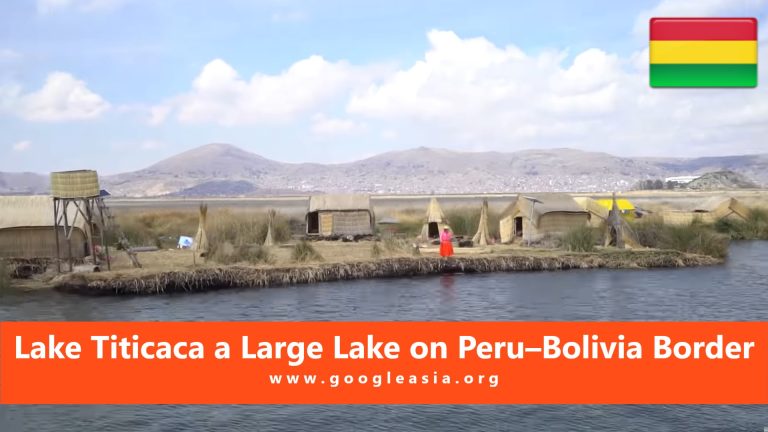
But Lake Titicaca is more than just a beautiful body of water; it’s also a place of deep cultural importance. The lake has been central to indigenous communities for thousands of years. The Uros people, for instance, live on floating islands made of totora reeds. These islands, constantly maintained and reconstructed, offer a glimpse into a way of life that has remained largely unchanged for centuries.
Nearby, you can visit the Uros Islands, where locals practice ancient crafts, fish, and follow age-old traditions. These islands seem like something straight out of a dream, and the people who live there are incredibly welcoming, offering a chance to immerse yourself in the local culture.
A Window to the Past
Not far from the lake shores lies Tiwanaku, a fascinating archaeological site that was once the heart of an ancient Andean civilization long before the Inca Empire. The ruins, including massive stone structures and intricate carvings, speak to the engineering genius of its creators and offer a glimpse into the region’s mysterious past.
Local Life and Economic Impact
Though remote in many ways, Lake Titicaca supports a thriving local economy. Fishing is a major industry, with native species like trout and the endemic Titicaca Orestias providing sustenance for local communities. Many visitors come to enjoy the lake’s natural beauty, but they also get the chance to support local businesses and experience the warmth of Bolivian culture.
Protecting the Precious Waters
Lake Titicaca’s unique ecosystem faces challenges, as pollution and climate change threaten its delicate balance. Efforts are being made by both local communities and conservation organizations to protect the lake’s biodiversity, ensuring that it remains a source of life and inspiration for future generations.
Foods
When you visit Lake Titicaca, it’s not just the scenery that will leave an impression—Bolivian cuisine is another highlight. Here are some must-try dishes that capture the essence of this beautiful region:
- Pique Macho: This hearty dish combines beef, tomatoes, onions, peppers, and crispy French fries for a satisfying meal.
- Papa Rellena: Mashed potatoes stuffed with seasoned ground beef, onions, and herbs, then fried to perfection.
- Salteñas: Bolivian-style pastries filled with savory beef, vegetables, and spices—think of them as a South American twist on a savory pastry.
- Quinoa Soup: A comforting soup packed with quinoa, beans, potatoes, and garlic—perfect for warming up after a day of exploring.
- Llama Stew: Rich, tender llama meat simmered with spices and potatoes—this dish is a Bolivian classic.
Things to do
Lake Titicaca is the perfect destination for water-based activities. You can spend your days kayaking, sailing, or simply lounging by the shores, soaking in the tranquil beauty. One of the most magical moments of your visit will be witnessing the sunrise or sunset over the lake. As the sun dips below the horizon, the sky lights up with vibrant hues, creating a surreal atmosphere perfect for photos.
Exploring by Foot and Boat
The region offers more than just scenic views. Hiking around the lake’s shores or even taking a boat ride to visit the floating islands or Isla del Sol (Island of the Sun) allows you to experience the unique landscapes firsthand. Hiking on the island provides stunning views of the lake, and you’ll be walking in the footsteps of ancient civilizations, adding to the historical charm.
Stargazing in the Clear Mountain Skies
If you’re a fan of stargazing, the nights here are magical. Due to the lake’s high-altitude location and the absence of light pollution, the sky is a perfect canvas for stargazers. Imagine camping under a sky filled with constellations, far away from city lights—an experience that feels out of this world.
Conclusion
With its unique blend of natural beauty, cultural richness, and outdoor adventure, Lake Titicaca is a destination you’ll never forget. Whether you’re exploring its ancient ruins, visiting traditional islands, or simply enjoying the serene waters, there’s something about the place that captivates everyone who steps foot here. Make sure to pack your camera (and your sense of wonder) as you embark on one of the most memorable journeys of your life.
Ready to discover Lake Titicaca for yourself? Start planning your trip to one of the world’s most stunning and culturally rich destinations today!
Summary
- Attraction: Lake Titicaca, Bolivia
- Continent: South America
- Capital City: La Paz, Sucre
- Official Language: Spanish
- Currency: Bolivian boliviano (BOB)
- Nationality: Bolivian
- Category: #Destination #SouthAmerica #BOLIVIA
Frequently Asked Questions
Where is Lake Titicaca located?
Lake Titicaca is located in the Andes Mountains on the border between Peru and Bolivia. It is the largest lake in South America by volume of water and surface area, and it is also considered the highest navigable lake in the world, sitting at an elevation of about 3,812 meters (12,507 feet) above sea level. The lake is divided roughly equally between the two countries, with notable cities like Puno in Peru and Copacabana in Bolivia situated along its shores.
How to go to Lake Titicaca?
Traveling to Lake Titicaca involves a few steps, depending on whether you are approaching from the Peruvian or Bolivian side.
From Peru:
- Fly to Juliaca:
- The nearest airport to Lake Titicaca in Peru is Inca Manco Cápac International Airport in Juliaca. You can take a direct flight from Lima, the capital of Peru.
- Travel from Juliaca to Puno:
- From Juliaca, you can take a bus or a taxi to Puno, which is about an hour’s drive away. Puno is a major city located on the shore of Lake Titicaca.
From Bolivia:
- Fly to La Paz:
- The nearest major airport to Lake Titicaca in Bolivia is El Alto International Airport in La Paz. There are direct flights to La Paz from various international destinations.
- Travel from La Paz to Copacabana:
- From La Paz, you can take a bus to Copacabana, a town located on the Bolivian side of Lake Titicaca. The bus ride typically takes about 3 to 4 hours.
- Alternative Route:
- You can also take a boat trip from Copacabana to Isla del Sol, a popular island on Lake Titicaca.
General Tips:
- Tour Packages: Consider booking a tour package that includes transportation, as this can simplify your journey and ensure a smoother travel experience.
- Accommodations: Book your accommodations in advance, especially during peak travel seasons, to secure a place to stay in either Puno or Copacabana.
- Travel Insurance: Ensure you have travel insurance that covers high-altitude destinations, as Lake Titicaca is situated at a high elevation.
What are Lake Titicaca’s must-visit attractions or landmarks?
Lake Titicaca is rich in history, culture, and natural beauty. Here are some of the must-visit attractions and landmarks around the lake:
1. Uros Floating Islands (Peru)
- Description: The Uros Floating Islands are a group of artificial islands made of totora reeds. The Uros people have lived on these islands for centuries.
- Highlights: Experience the unique way of life of the Uros people, explore the reed islands, and learn about their traditional customs and crafts.
2. Taquile Island (Peru)
- Description: Taquile Island is known for its vibrant culture and beautiful textiles.
- Highlights: Visit the local weaving cooperatives, hike to the top of the island for panoramic views, and enjoy the serene atmosphere.
3. Amantani Island (Peru)
- Description: Amantani Island offers an authentic cultural experience with its indigenous Quechua-speaking inhabitants.
- Highlights: Stay with local families, participate in traditional ceremonies, and explore ancient ruins.
4. Isla del Sol (Bolivia)
- Description: Isla del Sol, or “Island of the Sun,” is one of the largest islands on Lake Titicaca and is steeped in Incan mythology.
- Highlights: Hike the Inca trails, visit the Pilko Kaina ruins, and enjoy breathtaking views of the lake and surrounding mountains.
5. Isla de la Luna (Bolivia)
- Description: Isla de la Luna, or “Island of the Moon,” is smaller than Isla del Sol but equally significant in Incan mythology.
- Highlights: Explore the ruins of the Temple of the Moon, which is believed to have been a religious site for Incan priestesses.
6. Puno (Peru)
- Description: Puno is a major city on the Peruvian side of Lake Titicaca and serves as a gateway to the lake’s attractions.
- Highlights: Visit the Puno Cathedral, explore the Yavari ship museum, and attend the colorful festivals such as the Feast of the Virgen de la Candelaria.
7. Copacabana (Bolivia)
- Description: Copacabana is a charming town on the Bolivian side of Lake Titicaca, known for its religious significance and stunning views.
- Highlights: Visit the Basilica of Our Lady of Copacabana, hike up to the Cerro Calvario for a panoramic view of the town and lake, and take a boat trip to the nearby islands.
8. Sillustani (Peru)
- Description: Sillustani is an ancient cemetery site located on the shores of Lake Umayo, near Lake Titicaca.
- Highlights: Explore the chullpas (funeral towers) built by the pre-Incan Colla people, and enjoy the scenic beauty of the surrounding landscape.
9. Chucuito (Peru)
- Description: Chucuito is a small town near Puno, known for its Inca Uyo ruins.
- Highlights: Visit the Inca Uyo temple, believed to be an ancient fertility site, and explore the town’s colonial architecture.
Is Lake Titicaca a suitable travel destination for solo adventurers, honeymooning couples, or those traveling with families?
Yes, Lake Titicaca is a versatile travel destination that caters to various types of travelers:
1. Solo Adventurers
- Suitability: Highly suitable
- Highlights: Solo travelers will find plenty of opportunities for exploration and adventure. The islands, such as Taquile and Amantani, offer rich cultural experiences and beautiful hiking trails. The bustling markets and vibrant festivals in Puno and Copacabana are perfect for those looking to immerse themselves in local life.
- Activities: Hiking, cultural tours, boat trips, exploring ancient ruins, and interacting with local communities.
2. Honeymooning Couples
- Suitability: Highly suitable
- Highlights: The serene and picturesque landscapes of Lake Titicaca provide a romantic backdrop for honeymooners. Staying on islands like Isla del Sol or Isla de la Luna offers a peaceful retreat with stunning sunset views. The opportunity to stay with local families on Amantani Island adds a unique and intimate touch to the trip.
- Activities: Romantic boat rides, private tours of the islands, enjoying the tranquil beaches, and experiencing local traditions together.
3. Families
- Suitability: Suitable with planning
- Highlights: Families can enjoy educational and fun activities such as visiting the Uros Floating Islands, where children can learn about the unique way of life of the Uros people. The islands offer safe and engaging environments for children to explore. Family-friendly accommodations and guided tours make it easier to navigate the region.
- Activities: Family boat tours, visiting educational sites like the Uros islands, interactive cultural experiences, and exploring nature.
Key Considerations
- Safety: Lake Titicaca is generally safe for all types of travelers, but as with any travel destination, it’s important to take standard precautions, such as securing valuables and being aware of your surroundings.
- Accessibility: The region is accessible by bus and boat, and there are numerous guided tours available to help navigate the area.
- Accommodations: There are a variety of accommodation options ranging from budget-friendly hostels to mid-range hotels and more unique homestays on the islands.
Why should you visit Lake Titicaca?
ake Titicaca offers a unique blend of natural beauty, cultural richness, and historical significance, making it a must-visit destination for a variety of reasons:
1. Stunning Natural Beauty
- Highlights: As the highest navigable lake in the world, Lake Titicaca boasts breathtaking landscapes, clear blue waters, and stunning sunsets. The serene environment is perfect for relaxation and photography.
- Unique Features: The lake’s high altitude and vastness create a unique and mesmerizing vista that is unlike any other.
2. Cultural Richness
- Highlights: The area is home to indigenous communities with rich traditions and customs. Visitors can experience the unique lifestyle of the Uros people on the floating islands and the Quechua-speaking communities on Taquile and Amantani Islands.
- Activities: Cultural tours, homestays, and interactions with local artisans provide deep insights into the local way of life.
3. Historical Significance
- Highlights: Lake Titicaca is steeped in history, with numerous ancient ruins and archaeological sites. The lake is considered sacred by the Andean people and is linked to many myths and legends.
- Sites to Visit: The Inca ruins on Isla del Sol, the pre-Inca ruins on Isla de la Luna, and the archaeological sites in Puno.
4. Adventure and Exploration
- Highlights: The lake and its surroundings offer numerous opportunities for adventure. From hiking the trails on the islands to exploring the rugged landscapes and visiting remote villages, there’s plenty to satisfy the adventurous spirit.
- Activities: Boating, hiking, and exploring ancient ruins are popular activities.
5. Unique Experiences
- Highlights: Staying with local families on the islands provides an authentic and immersive experience. The traditional reed boats, colorful textiles, and vibrant festivals add to the unique charm of the region.
- Special Features: The chance to learn traditional crafts, participate in local celebrations, and taste unique Andean cuisine.
Are there any halal food options near the Lake Titicaca?
Halal food options near Lake Titicaca can be limited, especially in the smaller towns and villages around the lake. In larger cities like Puno, Peru, which is the main gateway to Lake Titicaca from the Peruvian side, you might find a few restaurants that offer halal options or are willing to accommodate halal dietary requirements upon request. It’s advisable to inquire locally or check with your accommodations for recommendations or options available during your visit.