The Nazca Lines, Peru
Uncover the mystery of Peru’s Nazca Lines, vast geoglyphs etched into desert sands. From aerial views to cultural insights, this guide highlights the best experiences and essential visitor information. Plan your Nazca Lines adventure today and witness one of archaeology’s greatest enigmas!
Introduction
The Nazca Lines Peru is a unique archaeological site that offers an unprecedented insight into the civilization that created it. The bizarre designs, which are some of the most mysterious sites in the world, were created by the Nazca people who inhabited the region from 500 BCE to 500 CE.
Visiting The Nazca Lines Peru provides visitors with the opportunity to explore this mysterious and awe-inspiring ancient civilization, as well as learn about the art, culture and beliefs of the ancient peoples who created the Lines. The site is also a great destination for ecological tourism, as its desert landscape is home to a wide variety of flora and fauna.
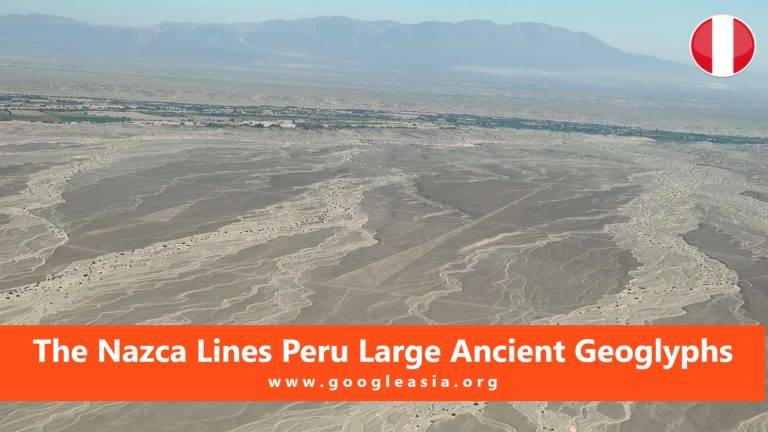
The Nazca Lines are a series of large ancient geoglyphs located in Peru’s Nazca Desert. The mysterious designs span a total of 50 miles and date back more than 2,000 years. Estimated to have been created by the Nazca culture between 400 and 650 AD, the purpose of the lines remains unknown. Scientists surmise that their creation was for religious or ritualistic purposes.
The Nazca Lines are one of Peru’s most enigmatic and captivating archaeological wonders, located in the arid Nazca Desert in southern Peru. These ancient geoglyphs, which consist of over 800 straight lines, 300 geometric shapes, and 70 animal and plant figures, create a vast desert art gallery that continues to intrigue and inspire visitors and researchers alike.
History and Construction
Origins and Theories
The Nazca Lines were created by the Nazca culture, which flourished between 200 BCE and 600 CE in southern Peru. They extend across the Pampa Colorada (Red Plain), covering nearly 500 square kilometers (190 square miles) of desert .
Construction Techniques
The geoglyphs were made by removing the top layer of reddish pebbles to expose the lighter-colored soil beneath. The dry climate and lack of wind in the Nazca Desert helped preserve them for over 1,500 years .
Purpose and Theories
Scholars propose multiple theories:
- Astronomical markers for solstices and celestial events.
- Religious rituals linked to fertility and water worship, vital in the arid desert.
- Ceremonial pathways walked during processions.
- More speculative theories suggest they were messages to deities or extraterrestrials, though mainstream archaeology emphasizes ritual and environmental functions .
Attractions
Figures & Shapes
Animal Figures
Among the most famous geoglyphs are the monkey, spider, hummingbird, and condor, each drawn with remarkable precision. These animals may symbolize fertility, water, or cosmological beliefs.
Geometric Shapes
The lines also include triangles, spirals, trapezoids, and straight lines stretching for kilometers. Some align with mountain ranges or water sources, suggesting practical or ritual significance.
Human Figures
One geoglyph, nicknamed the “Astronaut”, depicts a human-like figure with large eyes and raised arms. Its meaning remains debated, but it highlights the diversity of Nazca iconography.
Viewing From the Air
Scenic Flights
The most popular way to view the Nazca Lines is via 30-minute scenic flights in small aircraft, offering panoramic views of dozens of figures.
Best Time to Fly
The dry season, May to October, provides the clearest skies and most stable flying conditions.
Viewing From the Ground
Observation Towers
Along the Pan-American Highway, towers allow limited views of figures like the hands and tree.
Viewing Platform
Near the town of Nazca, the Mirador de las Líneas de Nazca offers elevated views of several geoglyphs, providing a ground-level perspective.
Access and Travel
The Nazca Lines are located near Nazca town, about 450 km (280 miles) south of Lima. Visitors typically travel by bus or car from Lima or Cusco.
Tips for Visitors
- Book in Advance: Scenic flights are in high demand, especially during peak tourist season.
- Bring Essentials: Sunscreen, hats, and water are crucial in the desert climate.
- Combine Experiences: Many tours include visits to the Maria Reiche Museum, dedicated to the German archaeologist who devoted her life to studying the lines.
Things to Do
The Nazca Lines, a UNESCO World Heritage Site in southern Peru, are one of the world’s most intriguing archaeological phenomena. These ancient geoglyphs etched into the desert floor offer a fascinating glimpse into the mysteries of the Nazca civilization. Whether you’re a history buff, an adventure seeker, or simply a curious traveler, there’s plenty to explore in this remarkable region. Here’s a guide to the top things to do when visiting the Nazca Lines.
Take a Flight Over the Nazca Lines
Scenic Flights
The most popular way to appreciate the scale and detail of the Nazca Lines is by taking a scenic flight. From the air, travelers can view dozens of geoglyphs, including the hummingbird, monkey, and spider, spread across the desert plain.
Flight Options
Flights typically last 30–60 minutes, depending on the package. Shorter tours focus on key figures, while longer flights cover more extensive sections of the lines.
Booking Tips
Flights are in high demand, especially during peak season (May–October). Booking in advance is recommended. Because small planes often make sharp turns to showcase the figures, passengers prone to motion sickness should prepare accordingly.
Visit the Chauchilla Cemetery
Located about 30 km (19 miles) south of Nazca, the Chauchilla Cemetery is an archaeological site dating back to around 200 CE. It was used by the Nazca culture for burials over several centuries.
Highlights
Visitors can see well-preserved mummies, skulls, and artifacts in their original graves. Many bodies are remarkably intact due to the desert’s dry climate, with hair, skin, and textiles still visible.
Tour Options
Guided tours provide historical context, explaining Nazca burial practices, including the use of ceramics, textiles, and offerings.
Explore Museo María Reiche
Dedicated to Maria Reiche, the German mathematician and archaeologist who devoted her life to studying the Nazca Lines.
The museum displays her research, maps, measuring tools, and photographs, offering insight into her decades-long work to preserve and interpret the geoglyphs.
Museo Regional Arqueológico Andrés Julio Cárdenas
Located in Nazca town, this museum provides a broader look at the region’s archaeology.
Artifacts from the Nazca, Paracas, and other pre-Columbian cultures are showcased, including ceramics, textiles, and tools, helping visitors understand the cultural context of the lines.
Take a Photo Tour
Specialized tours cater to photographers, offering aerial and ground perspectives of the geoglyphs. Guides often provide tips for capturing the lines’ scale and symmetry.
Early morning and late afternoon provide optimal lighting, with softer shadows enhancing the contrast of the figures against the desert floor.
Rock Climbing and Sandboarding
Located near Ica, about 150 km (93 miles) north of Nazca, Huacachina is a desert oasis surrounded by towering sand dunes.
Visitors can enjoy sandboarding, dune buggy rides, and even rock climbing on the dunes. It’s a popular adventure destination that complements a Nazca trip.
Tour the Huacachina Lagoon
The lagoon is a natural oasis fed by underground aquifers, historically believed to have healing properties.
Relax with a boat ride on the lagoon or hike the surrounding dunes for panoramic views of the desert landscape.
Explore Canyon de Las Palmas
Located near Nazca, Canyon de Las Palmas offers rugged desert trails and dramatic rock formations.
The canyon is ideal for hiking and photography, with views of unique geological features and desert flora. It provides a quieter, off-the-beaten-path experience compared to the Nazca Lines.
Foods
The region around the Nazca Lines in southern Peru offers a delightful array of traditional Peruvian cuisine and local specialties. Whether you’re exploring the ancient geoglyphs or relaxing in the nearby towns, here are some of the best foods to try:
Freshly Prepared Seafood Dishes
Ceviche
A quintessential Peruvian dish, ceviche is recognized as part of Peru’s Intangible Cultural Heritage. Traditionally made with Pacific fish such as sea bass, it is marinated in lime juice, chili peppers, onions, and cilantro. Inland towns like Nazca often adapt the recipe using trout or river fish. Where to Try: Local seafood restaurants in Nazca and the coastal city of Ica, often served with sweet potato and cancha (toasted corn).
Tiraditos
Similar to ceviche, tiraditos feature thinly sliced raw fish served in a spicy lime and chili sauce, but without onions. This dish reflects Japanese influence on Peruvian cuisine, particularly sashimi-style preparation. Where to Try: Specialty seafood restaurants in Ica and Nazca, highlighting regional chili varieties.
Local Andean Cuisine
Chupe de Camarones
A traditional shrimp stew from Arequipa, made with milk, potatoes, cheese, and spices. It is hearty and often prepared during festivals and family gatherings. Where to Try: Regional restaurants in Nazca and traditional Andean eateries.
Locro de Quinoa
A nutritious stew made with quinoa, potatoes, pumpkin, and vegetables. Quinoa, domesticated by the Incas over 5,000 years ago, remains a staple of Andean diets. Where to Try: Local markets and traditional restaurants in Nazca and Cusco.
Grilled Meats
Anticucho Asado
Skewers of marinated meat, often beef heart, grilled over open flames. Anticuchos date back to colonial times, blending Inca traditions with Spanish marinades. Where to Try: Street food vendors and local barbecues in Nazca and Cusco, especially during festivals.
Pollo a las Brasas
Invented in Lima in the 1950s, Pollo a la Brasa is now Peru’s most popular fast food. The chicken is marinated with garlic, cumin, and vinegar, then roasted over charcoal. Where to Try: Pollerías (chicken restaurants) and casual eateries in Nazca.
Traditional Dishes
Roast Cuy
Cuy (guinea pig) has been consumed in the Andes for over 5,000 years. Traditionally roasted whole, it is served with potatoes and corn, often during special occasions. Where to Try: Traditional restaurants in Cusco, the Sacred Valley, and nearby towns.
Refreshing Drinks
Inca Kola
Created in Lima in 1935, Inca Kola is Peru’s most iconic soft drink. Known for its sweet, fruity flavor and bright yellow color, it outsells Coca-Cola in Peru. Where to Try: Widely available in restaurants, shops, and markets throughout Nazca and the coastal region.
Sweet Treats
Alfajores
Shortbread-like cookies filled with dulce de leche (manjar blanco) and dusted with powdered sugar. They trace their origins to Spanish colonial influence but have become a beloved Peruvian dessert. Where to Try: Local bakeries and markets in Nazca and Ica.
Churros
Fried dough pastries introduced by Spanish colonists, adapted in Peru with sweet cream or chocolate fillings. Often enjoyed with hot chocolate or coffee. Where to Try: Street vendors and bakeries in Nazca, especially in the evenings.
Hotels
When visiting the Nazca Lines, you’ll find a range of accommodation options in both the nearby town of Nazca and the coastal city of Paracas. Here’s a guide to some of the best places to stay:
In Nazca
Casa Andina Select Nazca
This modern hotel offers comfortable accommodations with amenities such as a pool, restaurant, and business center. It’s a great choice for travelers looking for a blend of comfort and convenience.
- Location: Central Nazca, close to key attractions and restaurants.
Hostal Maria Antonia
A charming and affordable option, Hostal Maria Antonia provides cozy rooms and friendly service. It’s ideal for budget-conscious travelers seeking a comfortable stay.
- Location: Centrally located in Nazca, making it easy to explore the town.
Hotel Maria Reiche
Named after the renowned German mathematician and archaeologist who studied the Nazca Lines, this hotel offers a pleasant stay with well-maintained rooms and a relaxing atmosphere.
- Location: In the heart of Nazca, offering convenient access to the town’s attractions.
Posada Del Maestro Bed & Breakfast
A quaint and intimate B&B providing personalized service and a homely atmosphere. It’s an excellent choice for those seeking a more local experience.
- Location: Close to Nazca’s main attractions.
Hostal La Casa de Mis Abuelos
Known for its warm hospitality and homey feel, this hostal offers simple yet comfortable accommodations at a reasonable price.
- Location: Central Nazca, offering easy access to local sights and amenities.
Hotel Santa Maria
A well-regarded hotel offering comfortable rooms and good service. It provides a pleasant stay with all the necessary amenities.
- Location: In Nazca, close to the main attractions.
Posada El Huarango
A charming, rustic hotel that offers a cozy stay with traditional decor and a peaceful environment.
- Location: In Nazca, ideal for travelers looking for a quiet retreat.
In Paracas
Paracas Resort & Spa – A Luxury Collection Resort
A high-end resort offering luxurious accommodations, a full-service spa, and stunning views of the Paracas Bay. It’s perfect for those seeking a top-tier experience.
- Location: Paracas, providing easy access to both the ocean and the nearby Paracas National Reserve.
Tiki Beach
A laid-back beachfront property offering relaxed accommodations and a unique atmosphere. It’s a great choice for those who want to enjoy the beach and local cuisine.
- Location: Located in Paracas, right by the beach.
Sol de La Vida Hotel
This hotel offers comfortable accommodations with a focus on relaxation and wellness. It features a variety of amenities including a pool and wellness center.
- Location: Paracas, close to the beach and local attractions.
Hotel Santa Maria
A pleasant hotel offering comfortable rooms and good service. It’s an excellent choice for those visiting Paracas and exploring the nearby area.
- Location: In Paracas, close to the main attractions and the beach.
Conclusion
The Nazca Lines are more than drawings—they are a timeless puzzle carved into the desert. From their scale to their precision, they continue to inspire awe and curiosity. Start planning your Nazca Lines journey today and step into one of archaeology’s greatest mysteries.
Summary
- Attraction: The Nazca Lines
- Country: Peru
- Continent: South America
- Capital Name: Lima
- Language: Spanish (official), English
- Currency: The Sol
- Nationality: Peruvian
- Category: #Destination #SouthAmerica #PERU
Contact Information
- Address: Panamericana Sur Km 420, Nazca, Ica Region, Peru
- Telephone: +51 56 522 491
- Website: machupicchu.gob.pe (machupicchu.gob.pe in Bing) (official ticketing and cultural site info)
- E-mail: info@machupicchu.gob.pe
- Entry Fee: Approx. $10–$15 for observation tower; $80–$120 for flight tours (varies by operator)
- Business Hours: Daily, 7:00 AM – 6:00 PM (museum and tower); flight schedules vary by weather
Frequently Asked Questions
Where is the Nazca Lines located?
The Nazca Lines are located in the Nazca Desert in southern Peru, specifically in the Nazca Province between the towns of Nazca and Palpa. These geoglyphs, which are large designs created in the desert ground, are famous for their intricate patterns and figures that can only be fully appreciated from the air.
How to go to the Nazca Lines?
To visit the Nazca Lines, you typically need to travel to the town of Nazca in southern Peru. Here’s how you can get there:
- From Lima (Capital of Peru):
- By Bus: The most common way to reach Nazca from Lima is by bus. Several bus companies operate daily services between Lima and Nazca, with travel times ranging from 7 to 8 hours depending on traffic and stops.
- By Plane: Some airlines offer flights from Lima to Nazca. This option is faster but generally more expensive than taking a bus.
- From Arequipa:
- If you’re traveling from Arequipa, another major city in Peru, buses also run between Arequipa and Nazca. The journey takes around 10 to 12 hours, depending on the bus service and route.
- Local Transportation:
- Once in Nazca, you can arrange tours or transportation to the Nazca Lines from the town. These tours typically include a flight over the lines in a small aircraft, which is the only way to fully appreciate the size and detail of the geoglyphs.
- Flight Over the Nazca Lines:
- Flights over the Nazca Lines are operated by local tour companies and usually last around 30 to 45 minutes. These flights provide aerial views of the various geoglyphs, including famous figures like the hummingbird, spider, monkey, and more.
- Tour Packages:
- Many tour operators in Peru offer packages that include transportation from Lima or Arequipa to Nazca, a flight over the Nazca Lines, and sometimes additional visits to nearby attractions like the Chauchilla Cemetery or the Maria Reiche Museum.
What are the Nazca Lines’s must-visit attractions or landmarks?
The Nazca Lines themselves are the primary and most significant attraction in the area. These ancient geoglyphs, etched into the desert floor, are intricate and mysterious designs created by the Nazca culture between 500 BCE and 500 CE. Some of the must-see figures and lines include:
- The Hummingbird (Colibrí): One of the most famous and well-preserved figures, depicting a hummingbird with its long beak and distinctive wings.
- The Spider (Araña): A large spider figure, with several legs extending from its body.
- The Monkey (Mono): A figure of a monkey with a long tail and holding something in its hands.
- The Condor (Cóndor): A large bird figure resembling a condor with its wings spread.
- The Tree (Árbol): A figure that looks like a tree or a plant.
- The Hands (Manos): Several large hand figures, believed to have ceremonial or ritual significance.
- The Astronaut (El Astronauta): A humanoid figure, often debated due to its unique appearance.
These geoglyphs are spread across the desert plains of Nazca and are best viewed from the air. Visitors typically take small aircraft flights that provide an aerial perspective of the lines and figures, revealing their scale and intricacy.
In addition to the Nazca Lines themselves, other notable attractions in the area include:
- Chauchilla Cemetery: An ancient cemetery where mummified remains and artifacts from the Nazca culture are preserved.
- Maria Reiche Museum: Dedicated to the German mathematician and archaeologist Maria Reiche, who studied and preserved the Nazca Lines for many years.
- Cantalloc Aqueducts: Located near the town of Nazca, these ancient aqueducts are an impressive engineering feat built by the Nazca civilization to channel water from the Andes to the arid desert.
Is the Nazca Lines a suitable travel destination for solo adventurers, honeymooning couples, or those traveling with families?
The Nazca Lines can be a fascinating travel destination for various types of travelers:
- Solo Adventurers: Solo travelers interested in archaeology, ancient civilizations, and mysterious landmarks will find the Nazca Lines intriguing. Exploring the area and taking a flight over the geoglyphs can be a memorable and adventurous experience.
- Honeymooning Couples: For couples fascinated by history and unique experiences, visiting the Nazca Lines can add a sense of wonder and exploration to their honeymoon. The flights over the lines provide a romantic and awe-inspiring perspective of the ancient artworks.
- Families: Families with older children who are interested in history and archaeology can also enjoy a visit to the Nazca Lines. The aerial tours offer a unique educational experience, and there are nearby attractions like the Chauchilla Cemetery and Maria Reiche Museum that can enrich the visit.
However, it’s essential to consider a few factors:
- Accessibility: The flights over the Nazca Lines require a certain level of physical ability to board small aircraft.
- Safety: Ensure that the tour operators are reputable and maintain safety standards for the flights over the geoglyphs.
- Interest Level: Younger children might not fully appreciate the historical significance of the Nazca Lines, so families should gauge their interest and attention span before planning a visit.
Why should you visit the Nazca Lines?
Visiting the Nazca Lines offers a unique and captivating experience for several reasons:
- Ancient Mysteries: The Nazca Lines are one of the world’s most intriguing archaeological mysteries. These massive geoglyphs, etched into the desert floor by the Nazca culture over 1,500 years ago, depict intricate designs of animals, plants, and geometric shapes. The purpose and methods used to create these figures continue to baffle researchers and visitors alike.
- Aerial Perspective: The best way to appreciate the Nazca Lines is from the air. Taking a small aircraft flight over the lines provides a breathtaking view of these enormous figures, some of which are several hundred feet in length. This perspective allows you to see the scale and precision of the ancient artwork, which is impossible to fully grasp from ground level.
- Cultural Significance: The Nazca Lines are a testament to the creativity, ingenuity, and artistic skills of the Nazca civilization. Studying these geoglyphs offers insights into their religious beliefs, cultural practices, and relationship with the natural world.
- Historical Context: Visiting the Nazca Lines allows you to immerse yourself in the history of ancient Peru. The region around Nazca is rich in archaeological sites, including burial grounds and ceremonial centers, providing a broader understanding of the Nazca culture and their achievements.
- Natural Beauty: Beyond the cultural and historical significance, the Nazca Lines are set against the backdrop of the arid Nazca Desert. The stark contrast between the desert landscape and the intricate lines adds to the awe-inspiring experience of visiting this UNESCO World Heritage Site.
- Adventure and Exploration: For travelers seeking adventure and exploration, a visit to the Nazca Lines offers a chance to delve into a lesser-known part of Peru’s cultural heritage. The thrill of flying over these ancient mysteries and uncovering their secrets is a unique and unforgettable adventure.
Is there any halal food available in the vicinity of the the Nazca Lines?
Finding halal food near the Nazca Lines might be challenging, as the area is primarily known for its archaeological sites and desert landscape rather than culinary diversity. Peru, in general, does not have a large Muslim population, which can make finding halal-certified restaurants more difficult outside major cities.
If you require halal food, it’s advisable to plan ahead and consider options such as:
- Bring Your Own: If possible, bring packaged or homemade halal meals or snacks for your visit to the Nazca Lines.
- Ask Locals or Guides: Local guides or residents might have information about nearby towns or cities where halal food options could be available.
- Major Cities: Larger cities in Peru, such as Lima, Cusco, or Arequipa, are more likely to have restaurants offering halal dishes due to their more diverse populations and tourist infrastructure.
- Vegetarian Options: In many places, vegetarian or seafood dishes may be easier to find and can serve as alternatives if specific halal options are not available.