Tag: THAILAND

  • Visiting Doi Suthep, Thailand: Your Ultimate Travel Guide

    Visiting Doi Suthep, Thailand: Your Ultimate Travel Guide

    Doi Suthep in Chiang Mai, Thailand

    Doi Suthep Chiang Mai Thailand is a popular tourist destination for a variety of reasons. Located on a mountain west of the city, this Buddhist temple offers spectacular views of the city below, as well as the chance to experience ancient culture and customs of the area. Hikers will appreciate the numerous trails in the area and the chance to see exotic wildlife. A visit to this place is also a way to experience the traditional Chiang Mai cuisine and learn about the local customs.

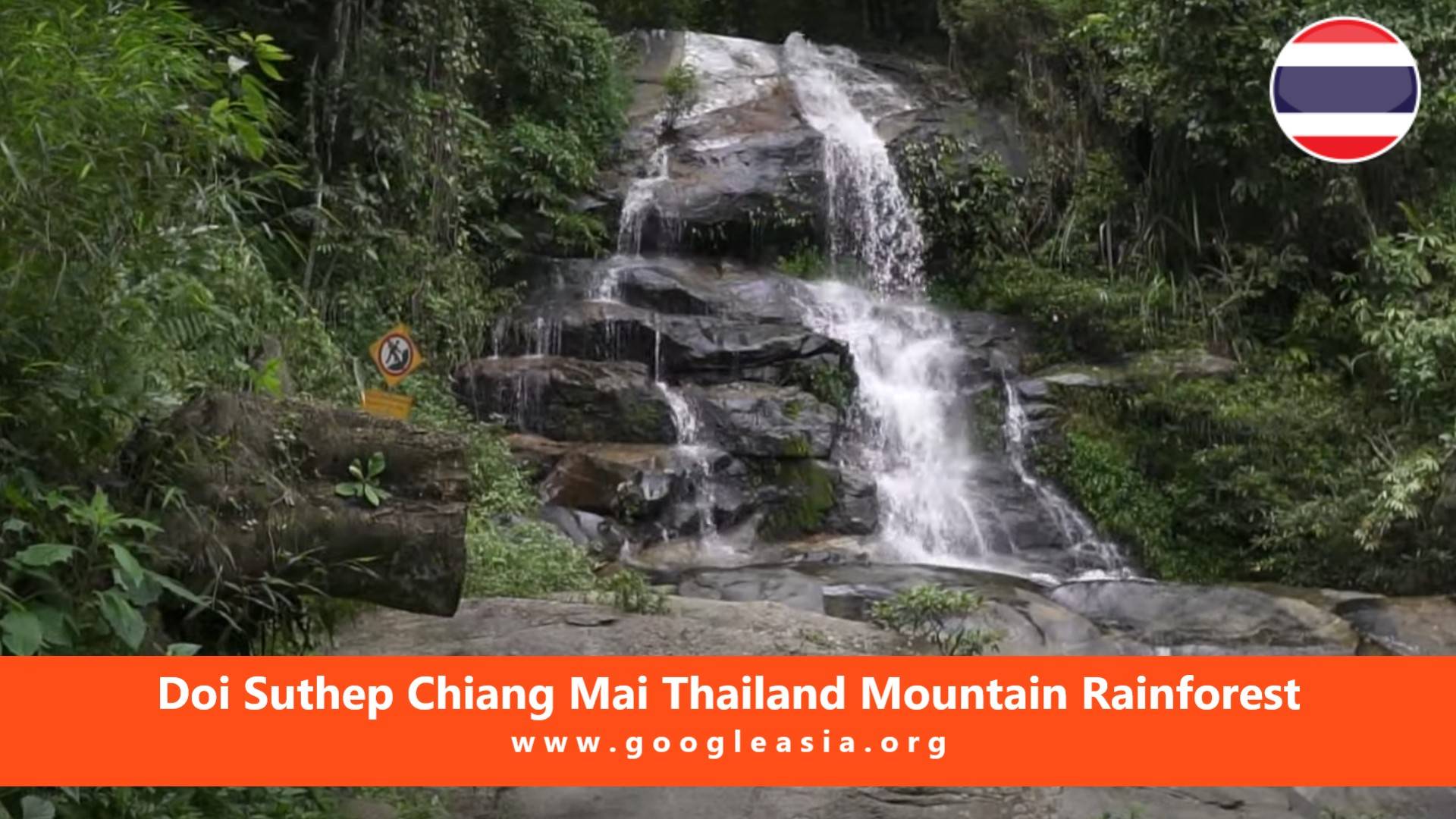
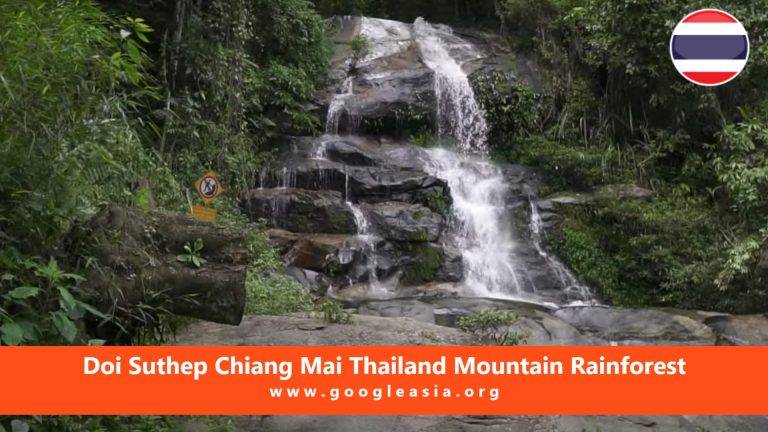
    Doi Suthep is a mountain located in the Chiang Mai province of northern Thailand. The Doi Suthep-Pui National Park covers most of the mountain and its surroundings, with an elevation of over 6,000 ft above sea level and views over the city of Chiang Mai. The park is home to many natural sights including cascading waterfalls, lush wildlife and lush rainforest. It also houses one of Thailand’s most sacred temples, Wat Phra That.

    Introduction

    Doi Suthep is a renowned mountain located in Chiang Mai, Thailand, best known for being the home of the revered Wat Phra That Doi Suthep temple. This mountain and temple hold immense spiritual significance, making it one of the most sacred sites in Thailand. Visiting Doi Suthep offers both an awe-inspiring and tranquil experience, attracting visitors with its rich cultural heritage and stunning natural beauty.

    The Climb to the Top

    Visitors often embark on the climb to the top of Doi Suthep, which rewards them with breathtaking panoramic views of Chiang Mai city below. The ascent itself is a journey of contemplation, allowing one to appreciate the natural surroundings and the historical significance of the path leading to the temple.

    Architectural Marvel

    The temple, Wat Phra That Doi Suthep, is a magnet for both locals and tourists, who come to marvel at its intricate architecture. The elaborate designs and structures reflect the rich cultural and religious history of the region. Every corner of the temple tells a story, with detailed carvings and statues that captivate the eyes and the soul.

    Cultural and Historical Significance

    Wat Phra That Doi Suthep is more than just a beautiful temple; it is a place steeped in history and cultural lessons. The temple serves as a reminder of the importance of faith and dedication. It is a symbol of the enduring spiritual traditions of Thailand, emphasizing the belief that good deeds should be continuously practiced and repeated.

    Attractions

    Awe-Inspiring Views

    One of the highlights of visiting Doi Suthep is the awe-inspiring view from the top. The vantage point offers a sweeping panorama of Chiang Mai, providing a perfect spot for reflection and photography. The serene environment enhances the sense of tranquility and spiritual fulfillment.

    Tranquil Atmosphere

    Despite being a popular tourist destination, Doi Suthep maintains a peaceful and tranquil atmosphere. The temple grounds are a place for meditation and quiet contemplation, allowing visitors to escape the hustle and bustle of everyday life. The calming presence of the temple and the surrounding nature creates a harmonious ambiance.

    Things to Do

    Doi Suthep in Chiang Mai is a popular tourist destination in Thailand, praised for its ancient temples, beautiful landscapes, and vibrant cultural heritage. It is a great place to experience both the natural and cultural aspects of the country. There is a great variety of activities to enjoy, including nature-watching, cultural walking tours, art galleries, and temples.

    Exploring Nature

    Temperate Rainforest and Sub-Tropical Forests

    For nature lovers, Doi Suthep offers temperate rainforests and sub-tropical forests scattered with exotic flowers, plants, and fauna.

    • Flora and Fauna: The area is rich in diverse plant species and wildlife, making it a haven for nature enthusiasts.
    • Bird Watching: There is an abundance of bird life on the mountain. Visitors can take guided birding tours to see some of the region’s rare species.

    Trekking and Jungle Tours

    Trekking through the jungle is a great way to experience the beauty of Doi Suthep Chiang Mai.

    • Guided Tours: Visitors can join one of many tours that pass through the lush vegetation, leading to waterfalls, streams, and hidden ancient temples.
    • Waterfalls and Streams: The trails often lead to serene waterfalls and streams, perfect for a refreshing break during a trek.

    Cultural and Historical Attractions

    Histort

    For history buffs, Doi Suthep is dotted with temples and monuments that tell the story of the region’s past.

    • Ancient Temple: The most revered of these is Wat Phra That Doi Suthep, an ancient temple located atop the mountain.
    • Architecture and Views: The gold-tipped temple is a must-see during a visit to the area, with its intricate architecture and breathtaking views overlooking the city below.

    Art Galleries and Cultural Activities

    Visitors to Doi Suthep Chiang Mai can also explore its art galleries, where they can discover traditional Thai handicrafts, modern art, and artifacts from past times.

    • Galleries: Explore various art galleries showcasing local and historical artworks.
    • Cultural Performances: Tourists can observe activities such as puppet shows, song and dance performances.
    • Workshops: Participate in art workshops to learn about the unique culture of the region.

    Relaxation and Scenic Views

    Tranquil Spots for Relaxation

    For those wanting to relax, Doi Suthep offers many stunning locations to take in the spectacular views.

    • Scenic Views: With its cool temperatures and tranquil atmosphere, this mountain retreat provides the perfect spot to relax and recharge.
    • Relaxation: Enjoy the serene environment and beautiful landscapes that offer a peaceful escape from the hustle and bustle of city life.

    Foods

    Doi Suthep, a mountain located in Chiang Mai, Thailand, is not only renowned for its stunning temple and panoramic views but also for its unique culinary offerings. Visitors to this picturesque destination can savor a variety of traditional Northern Thai dishes that reflect the region’s rich culinary heritage. Here are some of the best foods to try at Doi Suthep.

    Khao Soi (Northern Thai Curry Noodles)

    Khao Soi is a signature dish of Northern Thailand, consisting of rich, coconut-based curry served over soft egg noodles and garnished with crispy fried noodles. The curry is typically made with chicken or beef and accompanied by pickled mustard greens, shallots, lime, and a side of chili paste. This dish offers a harmonious blend of spicy, sour, and savory flavors.

    Nam Phrik Num (Green Chilli Dip with Pork and Vegetables)

    Nam Phrik Num is a popular Northern Thai dip made from roasted green chilies, garlic, shallots, and coriander, pounded together to create a chunky, flavorful paste. It is often served with boiled or steamed vegetables and crispy pork rinds (khaep mu). This dish is a perfect appetizer, providing a spicy kick that awakens the taste buds.

    Sai Ua (Northern Thai Sausage)

    Sai Ua is a flavorful sausage unique to Northern Thailand, made from minced pork, herbs, and spices such as lemongrass, kaffir lime leaves, and chili. The sausage is grilled until it is slightly charred on the outside, enhancing its smoky flavor. It is typically served with sticky rice and fresh vegetables, making it a delightful snack or meal component.

    Gaeng Hung Lay (Northern Thai Curry with Pork and Ginger)

    Gaeng Hung Lay is a rich and aromatic curry that originates from Northern Thailand. This dish features tender chunks of pork slow-cooked in a flavorful blend of ginger, garlic, tamarind, and a mix of traditional Thai spices. The result is a slightly sweet and tangy curry that pairs beautifully with steamed rice or sticky rice.

    Kaeng Khae (Northern Thai Vegetable Curry)

    Kaeng Khae is a hearty vegetable curry that highlights the freshness of local produce. This dish typically includes a variety of vegetables such as pumpkin, bamboo shoots, eggplant, and leafy greens, cooked in a fragrant broth made from herbs and spices. Kaeng Khae is a healthy and delicious option for those looking to enjoy a lighter meal.

    Lap E-sarn (Northeastern Thai Spicy Minced Meat Salad)

    Lap E-sarn, though originally from Northeastern Thailand, is also popular in the north. This spicy minced meat salad is made with finely chopped meat (usually pork or chicken), mixed with roasted rice powder, lime juice, fish sauce, and a variety of herbs. It is often served with fresh vegetables and sticky rice, offering a vibrant mix of flavors and textures.

    Hotels

    Doi Suthep, a prominent mountain in northern Thailand, is not only home to the famous Wat Phra That Doi Suthep temple but also offers various accommodation options for travelers. Here are some of the best hotels to consider when staying in Doi Suthep:

    Luxury Hotels

    Shangri-La Chiang Mai

    • Description: A luxurious resort offering exceptional comfort and service.
    • Amenities: Spa, swimming pool, fitness center, multiple dining options.
    • Ideal For: Couples, families, and business travelers seeking luxury and convenience.

    Four Seasons Resort Chiang Mai

    • Description: A high-end resort set amidst rice paddies and mountains.
    • Amenities: Spa, yoga classes, cooking school, infinity pool.
    • Ideal For: Honeymooners, couples, and those looking for a serene and luxurious retreat.

    137 Pillars House Chiang Mai

    • Description: A boutique hotel with historical charm and modern comforts.
    • Amenities: Outdoor pool, spa, restaurant, library.
    • Ideal For: History enthusiasts, couples, and luxury travelers.

    Mid-Range Hotels

    Dong Lee Residence

    • Description: A cozy residence offering a blend of comfort and affordability.
    • Amenities: Free Wi-Fi, breakfast, garden, terrace.
    • Ideal For: Solo travelers, couples, and families looking for a budget-friendly stay.

    Baansuan Doi Resort

    • Description: A resort set in a beautiful natural setting with lush gardens.
    • Amenities: Outdoor pool, restaurant, bike rental, barbecue facilities.
    • Ideal For: Nature lovers, families, and travelers seeking a peaceful environment.

    Le Meridien Chiang Mai

    • Description: A stylish hotel with modern amenities and stunning views.
    • Amenities: Spa, rooftop pool, fitness center, multiple dining options.
    • Ideal For: Business travelers, couples, and families.

    Budget Hotels

    BED By Siri

    • Description: A budget-friendly hotel with clean and comfortable rooms.
    • Amenities: Free breakfast, Wi-Fi, parking, 24-hour front desk.
    • Ideal For: Solo travelers, backpackers, and budget-conscious travelers.

    Chiangmai Hill Resort

    • Description: An affordable resort with basic amenities and comfortable rooms.
    • Amenities: Swimming pool, restaurant, fitness center, free Wi-Fi.
    • Ideal For: Families, couples, and budget travelers.

    The Met Gallery Chiang Mai

    • Description: A charming hotel with artistic decor and a cozy atmosphere.
    • Amenities: Art gallery, cafe, garden, free Wi-Fi.
    • Ideal For: Art enthusiasts, solo travelers, and couples.

    Villa Duang Chiang Mai

    • Description: A budget hotel offering a homely feel and friendly service.
    • Amenities: Free breakfast, Wi-Fi, parking, terrace.
    • Ideal For: Families, solo travelers, and budget-conscious visitors.

    Conclusion

    Doi Suthep offers a wide range of accommodation options catering to different preferences and budgets. Whether you are seeking luxury, mid-range comfort, or budget-friendly stays, these hotels provide excellent choices for a memorable visit to this beautiful region in northern Thailand.
    Doi Suthep Chiang Mai Thailand Mountain Rainforest

    Summary

    • Attraction Name: Doi Suthep Chiang Mai
    • Country: Thailand
    • Continent: Asia
    • Capital Name: Bangkok
    • Language: Thai
    • Currency: Thai Baht
    • Nationality: Thai
    • Category:  #Destination #Asia #THAILAND 

    Frequently Asked Questions

    Where is Doi Suthep located?

    Doi Suthep is located in northern Thailand, near the city of Chiang Mai. Specifically, it is part of the Doi Suthep-Pui National Park, which is situated about 15 kilometers (approximately 9 miles) west of Chiang Mai’s old city. The mountain is a prominent landmark in the region and is easily accessible from Chiang Mai, making it a popular destination for both tourists and locals.

    How to go to Doi Suthep?

    Getting to Doi Suthep from Chiang Mai is relatively straightforward, with several transportation options available:

    1. Songthaew (Red Truck)

    • Description: The most common and budget-friendly way to reach Doi Suthep is by songthaew, a shared red truck that serves as a public taxi.
    • How to Use: You can catch a songthaew from various points in Chiang Mai, particularly near the old city and Chiang Mai University. The fare usually ranges from 40-60 THB per person.
    • Tip: If you’re traveling with a group, you can negotiate a private hire for around 400-600 THB round trip.

    2. Motorbike

    • Description: Renting a motorbike gives you the freedom to explore at your own pace.
    • How to Use: Motorbike rentals are widely available in Chiang Mai, with daily rates around 200-300 THB.
    • Tip: Ensure you have a valid driving license and wear a helmet. The road to Doi Suthep is steep and winding, so confident driving skills are necessary.

    3. Taxi or Grab

    • Description: For a more comfortable and private option, you can hire a taxi or use the Grab app (similar to Uber).
    • How to Use: Taxis can be hailed on the street or booked via your hotel. Grab rides can be booked through the app.
    • Cost: Expect to pay around 500-700 THB for a round trip.
    • Tip: Confirm the fare with the driver before starting the journey, and consider negotiating a waiting time at the temple.

    4. Bicycle

    • Description: Adventurous travelers might consider biking to Doi Suthep.
    • How to Use: Rent a bicycle in Chiang Mai for around 100-200 THB per day.
    • Tip: This option is only recommended for experienced cyclists due to the steep and challenging climb.

    5. Tour Packages

    • Description: Many tour companies offer half-day or full-day trips to Doi Suthep, often combined with other attractions.
    • How to Use: Book a tour through your hotel, a travel agency, or online.
    • Cost: Prices vary but typically range from 800-1,500 THB per person.
    • Tip: Check the itinerary to ensure it covers all the sights you want to see and that it includes entrance fees and other costs.

    Directions

    • From Chiang Mai Old City: Head west on Huay Kaew Road (Highway 1004). Follow the signs for Doi Suthep. The road will lead you through Chiang Mai University and then up the mountain to Wat Phra That Doi Suthep.

    Important Considerations

    • Time: Early mornings or late afternoons are the best times to visit to avoid crowds and enjoy cooler temperatures.
    • Entrance Fees: Wat Phra That Doi Suthep has a small entrance fee for foreigners (around 30 THB).
    • Dress Code: When visiting temples, dress modestly with shoulders and knees covered.

    What are Doi Suthep’s must-visit attractions or landmarks?

    Doi Suthep, a mountain located west of Chiang Mai, Thailand, is home to several must-visit attractions and landmarks. Here are some highlights:

    1. Wat Phra That Doi Suthep

    • Description: This is the most famous and important temple in Chiang Mai, known for its stunning golden pagoda (chedi) and panoramic views of the city.
    • Highlights: The temple complex includes intricately carved buildings, statues, and a large terrace with a view of Chiang Mai. The climb to the temple involves 309 steps, although a tram is available for those who prefer not to walk.

    2. Bhubing Palace

    • Description: A royal winter residence located further up the mountain from Wat Phra That Doi Suthep.
    • Highlights: The palace is surrounded by beautifully landscaped gardens and is open to the public when the royal family is not in residence. The gardens are particularly famous for their roses.

    3. Doi Pui Hmong Village

    • Description: A traditional Hmong village that offers a glimpse into the culture and lifestyle of the Hmong people.
    • Highlights: Visitors can explore traditional Hmong houses, try on traditional clothing, and purchase handmade crafts. There are also beautiful gardens and a small museum.

    4. Huay Kaew Waterfall

    • Description: A scenic waterfall located at the base of Doi Suthep.
    • Highlights: The waterfall is a popular spot for picnics and short hikes. It’s an ideal place to relax and enjoy nature.

    5. Wat Pha Lat

    • Description: Often called the “Hidden Temple,” Wat Pha Lat is a peaceful temple located in the forest.
    • Highlights: The temple features beautiful stone carvings and offers serene surroundings. It’s less crowded than Wat Phra That Doi Suthep and is accessible via a short hike known as the Monk’s Trail.

    6. Kruba Srivichai Monument

    • Description: A monument dedicated to the monk Kruba Srivichai, who was instrumental in the construction of the road to Wat Phra That Doi Suthep.
    • Highlights: The monument is a place of respect and admiration for the monk’s contributions and is often visited by locals who come to pay their respects.

    7. Doi Suthep-Pui National Park

    • Description: The national park encompasses the entire Doi Suthep area and includes several natural attractions.
    • Highlights: The park is great for hiking, bird watching, and enjoying the natural beauty of northern Thailand. The summit of Doi Pui offers even more spectacular views.

    Why should you visit Doi Suthep?

    1. Wat Phra That Doi Suthep: The most famous landmark is the Wat Phra That Doi Suthep temple, a sacred site with stunning architecture, a beautiful golden stupa, and panoramic views of Chiang Mai city. The temple’s cultural and spiritual significance makes it a must-visit.
    2. Scenic Views: The temple is situated on a mountain, offering breathtaking views of Chiang Mai and the surrounding countryside. The viewpoint at Doi Suthep provides a spectacular vista, especially at sunrise or sunset.
    3. Cultural Experience: Visiting Doi Suthep offers a deep dive into Thai culture and Buddhism. You can witness traditional rituals, explore intricate temple decorations, and learn about the history and legends associated with the temple.
    4. Nature and Hiking: The area around Doi Suthep is part of Doi Suthep-Pui National Park, which features lush forests, waterfalls, and hiking trails. It’s a great destination for nature lovers and those looking to enjoy outdoor activities.
    5. Tranquility and Spiritual Atmosphere: The serene environment of Doi Suthep provides a peaceful retreat from the hustle and bustle of city life. The spiritual ambiance of the temple and the natural beauty of the surroundings create a perfect setting for relaxation and reflection.
    6. Cultural Events: Doi Suthep hosts various cultural and religious events throughout the year, such as the annual pilgrimage during the Buddhist festival of Visakha Bucha. These events offer unique insights into local traditions and practices.
    7. Accessibility: Doi Suthep is easily accessible from Chiang Mai, making it a convenient day trip. You can reach the temple by car, songthaew (shared taxi), or by taking a guided tour.

    How accessible is halal food in Doi Suthep?

    Halal food accessibility in Doi Suthep:

    1. In Chiang Mai City:
      • Chiang Mai city, located near Doi Suthep, offers several halal restaurants and Muslim-friendly dining options. You can find a variety of halal food in areas such as the Night Bazaar, Chang Klan Road, and near the Chiang Mai Islamic Center.
    2. At Doi Suthep:
      • Doi Suthep itself, being a mountain area with a focus on cultural and natural attractions, may have limited halal food options. It’s advisable to bring your own snacks or meals if you have specific dietary requirements.
    3. Online Resources and Apps:
      • Use apps like Zabihah, HappyCow, or local halal food directories to locate halal restaurants in Chiang Mai. These resources can help you find the nearest halal food options to Doi Suthep.
    4. Ask Locals or Tour Guides:
      • Inquire with local residents or tour guides about halal food options. They might direct you to lesser-known halal eateries or provide tips on where to find suitable meals.
    5. Vegetarian/Vegan Options:
      • If halal-specific options are scarce, consider vegetarian or vegan restaurants, which can be more readily available. While not halal-certified, they offer meals that avoid meat products.
  • Visiting Ayutthaya Historical Park, Thailand: Travel Guide

    Visiting Ayutthaya Historical Park, Thailand: Travel Guide

    Ayutthaya Historical Park, Thailand

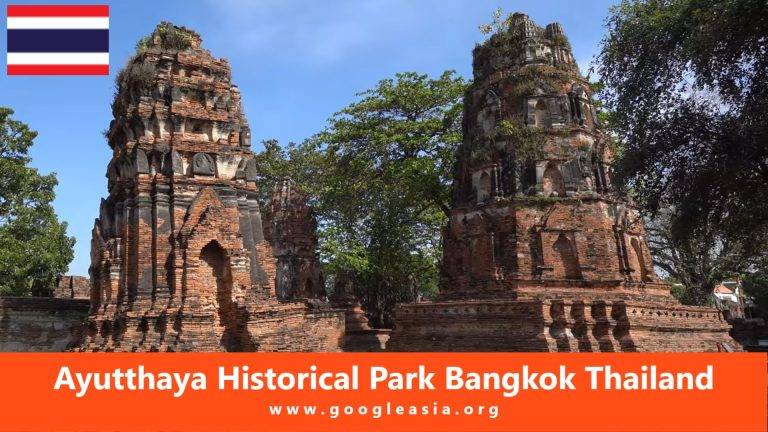
    Ayutthaya Historical Park in Bangkok, Thailand is a must-visit for its spectacular ruins and historical importance. The park is home to many ancient Buddhist monuments, temples, and stupas as well as ruins of the old royal palace. It is said that the city was destroyed by the Burmese in 1767, leading to its abandonment and rediscovery in the 1950s. Visiting Ayutthaya Historical Park is the perfect way to learn more about Thai history, explore the beautiful landscapes and immerse oneself in the history and culture of this remarkable country.

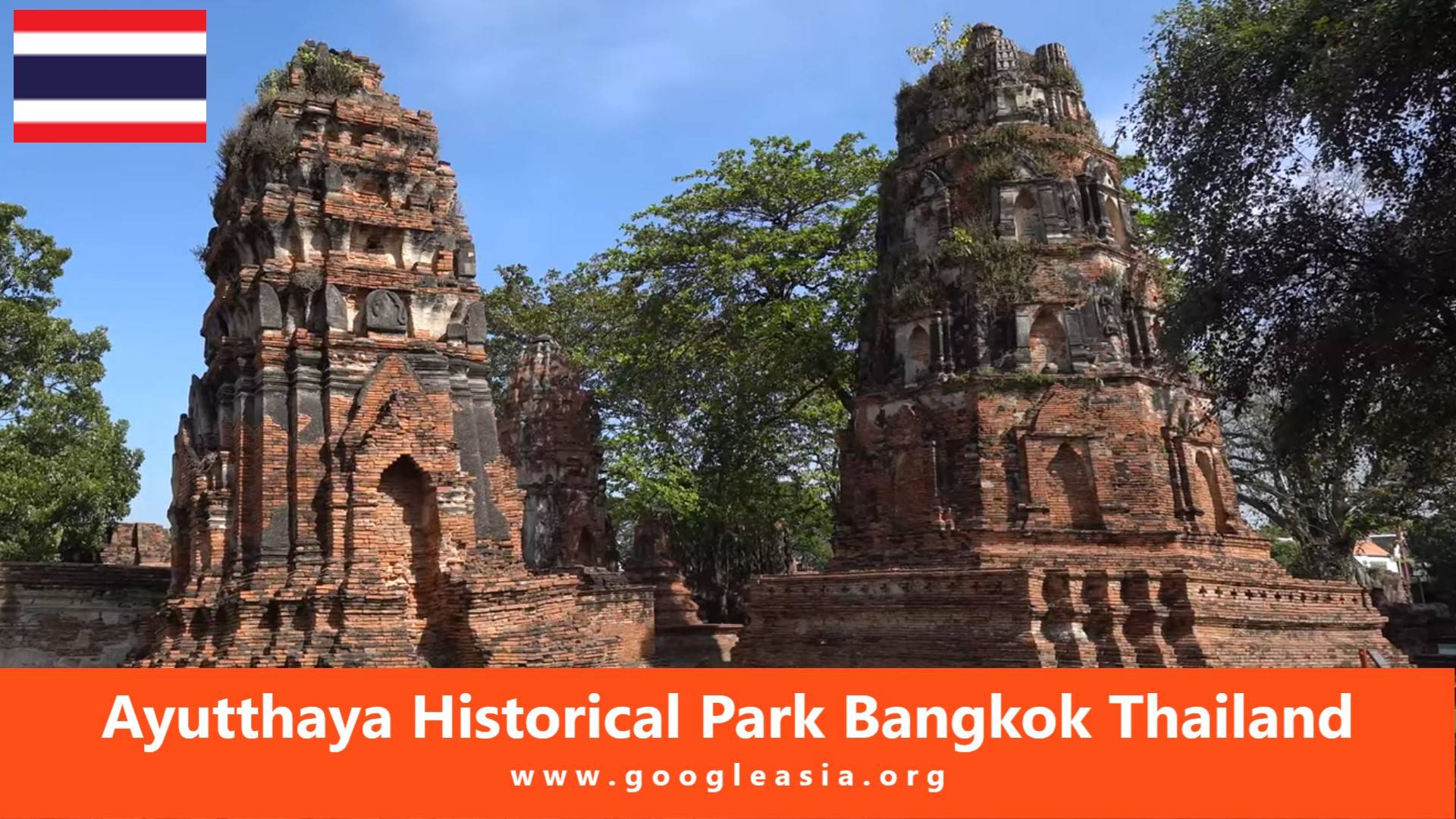
    Ayutthaya Historical Park is an archaeological site containing remains of the ancient city of Ayutthaya, which was formerly the capital of the Kingdom of Siam. The park features hundreds of ancient ruins, including temples, statues, and other important historical artifacts, providing a unique window into Thailand’s past. It is now a UNESCO World Heritage Site, and one of the most popular tourist attractions near Bangkok.

    Introduction

    The Ayutthaya Historical Park, a UNESCO World Heritage Site, is located in the city of Ayutthaya, Thailand. Situated 87 kilometers north of Bangkok, the park spans over 2,500 acres and is renowned for its extensive historical sites and ruins from the ancient city of Ayutthaya. This park is a major tourist attraction, drawing over 1 million visitors each year who come to marvel at the remnants of a once-glorious city.

    Historical Significance and Major Attractions

    Ruins of Ancient Palaces and Temples

    Ayutthaya Historical Park contains ruins from many old palaces, temples, and other structures that used to comprise the city’s architectural landscape. Notable among these are:

    • Wat Phra Si Sanphet: Once the most important temple in Ayutthaya, it served as the royal chapel within the Grand Palace compound.
    • Wat Ratchaburana: Known for its impressive prang (tower), which is richly decorated and houses many significant relics.
    • Wat Phra Mahathat: Famous for the iconic Buddha head entwined in tree roots, this temple offers a fascinating glimpse into the past.

    Additional Attractions within the Park

    The park is not only about ruins; it also offers visitors various other attractions that enhance the experience:

    • Ayutthaya Floating Market: A charming market where visitors can enjoy traditional Thai cuisine, shop for souvenirs, and experience local culture.
    • Bang Pa-In Summer Palace: A beautiful palace complex used by Thai kings as a summer retreat, showcasing a mix of European and Thai architectural styles.
    • Ancient Artifacts: The park houses a variety of ancient artifacts from the Ayutthaya era, offering insight into the historical and cultural heritage of the region.

    Things to Do

    Ayutthaya Historical Park in Ayutthaya (not Bangkok) is more than just a tourist attraction – it’s a cultural jewel of all Thailand, full of ancient ruins and reminders of a glorious past. Despite the devastation that followed the Burmese invasion in 1767, there are still many sites and artifacts to explore in this park, making it the perfect place to spend the day.

    Visit Wat Mahathat

    Explore the Iconic Buddha Head

    Wat Mahathat is one of the most iconic sites in Ayutthaya, famous for the Buddha head entwined in the roots of a tree. This image has become a symbol of Ayutthaya’s historical significance and is a must-see for any visitor.

    Discover Ancient Temples and Pavilions

    In addition to the Buddha head, visitors can explore various temples, pavilions, and walled compounds within the Wat Mahathat complex. These structures provide a glimpse into the architectural styles and religious practices of ancient Thailand.

    Go on a Historic Tour

    Learn from Guided Tours

    Ayutthaya Historical Park offers numerous historic sites, and guided tours are available for those who want to explore them all. These tours provide insightful information about the history of the ancient capital and the legendary kings who ruled here.

    Check Out Wat Ratchaburana

    Admire Well-Preserved Ruins

    This royal temple complex from the 15th century boasts some of the best-preserved ruins in all of Ayutthaya. Its many spires and towers are a testament to the grandeur of the past and offer a fascinating exploration experience.

    Climb the Buddha Picture Hill

    Enjoy Scenic Views

    Located in the center of the park, this hilltop has been the site of a large Buddha image since the 16th century. Visitors can climb the hill to enjoy scenic views of the ruins and canals nearby, providing a unique perspective on the historical park.

    Visit the Chao Sam Phraya Museum

    Explore an Impressive Collection

    The Chao Sam Phraya Museum, located on the grounds of Wat Thammikarat, houses an impressive collection of artifacts and art from throughout Ayutthaya. This museum offers an in-depth look into the empire’s art, culture, and history.

    Explore Wat Phra Sri Sanphet

    Discover the Spiritual Center

    Wat Phra Sri Sanphet, located near the Grand Palace, was the most important temple in Ayutthaya and served as the spiritual center for both locals and the ruling monarchy. Its grand structures and historical significance make it a key highlight of the park.

    Go Shopping

    Find Unique Souvenirs

    The area around Ayutthaya Historical Park has many art and souvenir shops offering traditional wooden carvings, textiles, and handicrafts. Shopping here provides a chance to take home a piece of Ayutthaya’s rich cultural heritage.

    Foods

    Ayutthaya Historical Park, a UNESCO World Heritage Site, not only offers a glimpse into Thailand’s rich history but also a taste of its vibrant culinary heritage. Here are some of the best foods you must try when visiting Ayutthaya Historical Park.

    Thai Traditional Delicacies

    Yum Woonsen (Thai-Style Glass Noodle Salad)

    Description: Yum Woonsen is a light and refreshing salad made with glass noodles, mixed with minced pork, shrimp, herbs, and a tangy lime dressing.

    Why Try It: This dish is a perfect balance of flavors – spicy, sour, salty, and slightly sweet – making it a delightful appetizer or light meal.

    Miang Kham (Thai Betel Leaf Wraps)

    Description: Miang Kham is a traditional Thai snack where you wrap ingredients like dried shrimp, roasted coconut, peanuts, ginger, and shallots in a betel leaf, topped with a sweet and tangy sauce.

    Why Try It: It offers a burst of flavors and textures in every bite, representing the complexity of Thai cuisine.

    Popular Thai Main Courses

    Pad Kra Pao (Thai Fried Holy Basil Minced Chicken)

    Description: A savory dish made with minced chicken stir-fried with holy basil, chili, and garlic, often served over rice and topped with a fried egg.

    Why Try It: It’s one of Thailand’s most beloved street foods, known for its aromatic and spicy kick.

    Khao Chae (Thai Rice Soup)

    Description: Khao Chae consists of rice soaked in cool jasmine-scented water, served with various side dishes like stuffed peppers, shredded pork, and fried shrimp paste balls.

    Why Try It: This dish is particularly popular in the hot season, offering a refreshing and unique culinary experience.

    Sweet Treats and Snacks

    Khao Niew Mu-saeb (Thai Sticky Rice with Mango)

    Description: A classic Thai dessert made with sweet sticky rice, fresh mango slices, and a drizzle of coconut milk.

    Why Try It: It’s a perfect balance of sweet and creamy, and a must-try for anyone visiting Thailand.

    Kanom Pang Na Moo (Fried Pork Bun)

    Description: Kanom Pang Na Moo are bite-sized pieces of bread topped with seasoned minced pork, then fried to golden perfection.

    Why Try It: These are crispy, savory snacks that are perfect for a quick bite while exploring the park.

    Hearty Soups

    Khao Tom Pla (Fish and Sticky Rice Soup)

    Description: A comforting soup made with fish, sticky rice, and fragrant herbs, often enjoyed as a breakfast dish in Thailand.

    Why Try It: It’s a nourishing and flavorful dish that’s light yet satisfying.

    Khao Soi (Thai Curry Noodle Soup)

    Description: Khao Soi is a Northern Thai dish featuring a rich and creamy coconut curry broth, served with egg noodles and topped with crispy noodles, pickled mustard greens, and lime.

    Why Try It: This dish offers a delicious blend of creamy, spicy, and tangy flavors.

    Khao Poon (Thai Curry Rice Vermicelli Soup)

    Description: A hearty soup made with rice vermicelli noodles, coconut milk, and a variety of meats or seafood, flavored with a blend of spices and herbs.

    Why Try It: It’s a comforting and aromatic dish that highlights the diverse flavors of Thai cuisine.

    Hoi Tod (Mussel Omelet)

    Description: Hoi Tod is a crispy Thai-style mussel omelet, often served with a side of chili sauce for dipping.

    Why Try It: It’s a popular street food that combines the savory taste of mussels with a crispy, eggy batter.

    Hotels

    Ayutthaya Historical Park, a UNESCO World Heritage Site, offers visitors a glimpse into Thailand’s rich history and cultural heritage. Located in the heart of Ayutthaya, the park is home to ancient ruins, stunning temples, and a unique blend of Thai architecture and art. For those planning to explore this historic site, staying in a nearby hotel can provide both comfort and convenience. Here are some of the best hotels to consider for your stay.

    The Legendha Ayutthaya

    Attributes:

    • Location: Situated close to the historical park, offering easy access to major attractions.
    • Amenities: Features a beautiful garden, traditional Thai decor, an outdoor pool, and a restaurant serving authentic Thai cuisine.
    • Highlights: Known for its serene ambiance and proximity to Wat Chaiwatthanaram.

    The Ayutthaya Riverside Boutique Hotel

    Attributes:

    • Location: Overlooking the Chao Phraya River, providing scenic views and a tranquil atmosphere.
    • Amenities: Offers spacious rooms, a riverside restaurant, and free Wi-Fi.
    • Highlights: Ideal for those looking to combine historical exploration with riverside relaxation.

    The Manor Ayutthaya-Lopburi

    Attributes:

    • Location: Conveniently located between Ayutthaya and Lopburi, making it a great base for exploring both areas.
    • Amenities: Includes modern rooms, an outdoor swimming pool, and a fitness center.
    • Highlights: Known for its stylish decor and excellent service.

    The Aiyara Grand Palace Hotel & Spa

    Attributes:

    • Location: A short drive from Ayutthaya Historical Park, offering easy access to the park and other local attractions.
    • Amenities: Features a luxurious spa, an outdoor pool, and a restaurant with international cuisine.
    • Highlights: Perfect for travelers seeking a mix of luxury and convenience.

    Wora Bura Riverside Resort & Spa

    Attributes:

    • Location: Nestled along the river, providing beautiful views and a peaceful environment.
    • Amenities: Boasts a spa, an outdoor pool, and a restaurant with riverside dining.
    • Highlights: Ideal for those looking to unwind in a serene, natural setting.

    Ayutthaya Grand Hotel

    Attributes:

    • Location: Centrally located in Ayutthaya, making it easy to reach the historical park and other attractions.
    • Amenities: Offers comfortable rooms, a swimming pool, and a restaurant.
    • Highlights: Known for its convenience and value for money.

    Kijja Collection @ Suan Sonchompu

    Attributes:

    • Location: Situated in a lush garden setting, providing a tranquil retreat.
    • Amenities: Features cozy bungalows, a swimming pool, and an on-site restaurant.
    • Highlights: Great for nature lovers and those seeking a quiet escape.

    Siriyothin Riverside Resort

    Attributes:

    • Location: Located by the river, offering picturesque views and a calm environment.
    • Amenities: Includes well-appointed rooms, a restaurant, and free Wi-Fi.
    • Highlights: Ideal for those wanting a riverside retreat with modern comforts.

    The Oriental Village Ayutthaya

    Attributes:

    • Location: Close to the historical park, providing easy access to the main attractions.
    • Amenities: Offers traditional Thai-style villas, an outdoor pool, and a restaurant.
    • Highlights: Known for its cultural charm and excellent location.

    Ayutthaya River Lodge

    Attributes:

    • Location: Situated along the Chao Phraya River, providing beautiful views and a relaxing atmosphere.
    • Amenities: Features spacious rooms, a riverside restaurant, and free parking.
    • Highlights: Perfect for travelers looking to combine sightseeing with riverside relaxation.

    Conclusion

    Ayutthaya Historical Park is a destination that offers a blend of history, culture, and natural beauty. Choosing the right hotel can enhance your experience, providing comfort and easy access to the park’s attractions. Whether you’re looking for luxury, convenience, or a serene retreat, these hotels offer excellent options for all types of travelers.

    Ayutthaya Historical Park Bangkok Thailand

    Summary

    • Attraction Name: Ayutthaya Historical Park
    • Country: Thailand
    • Continent: Asia
    • Capital Name: Bangkok
    • Language: Thai
    • Currency: Thai Baht
    • Nationality: Thai
    • Category:  #Destination #Asia #THAILAND 

    Frequently Asked Questions

    Where is Ayutthaya Historical Park located?

    Ayutthaya Historical Park is situated in central Thailand, about 80 kilometers (50 miles) north of Bangkok. Here are the specific details about its location:

    • Province: Ayutthaya Province
    • Region: Central Thailand
    • Distance from Bangkok: Approximately 80 kilometers (50 miles) north of Bangkok.
    • Geographic Coordinates: Ayutthaya Historical Park encompasses the central area of Ayutthaya city, which is situated along the Chao Phraya River.

    How to go to Ayutthaya Historical Park?

    Traveling to Ayutthaya Historical Park is convenient and accessible from various points in Thailand. Here’s how you can get there:

    From Bangkok:

    1. By Train:
      • Description: The most convenient and scenic option.
      • How to Use: Take a train from Bangkok’s Hua Lamphong Station to Ayutthaya Station. Trains run frequently throughout the day, and the journey takes approximately 1.5 to 2 hours.
      • Cost: Tickets are affordable, starting from around 15-100 THB depending on the class of service.
    2. By Bus:
      • Description: Offers flexibility with multiple departure points in Bangkok.
      • How to Use: Buses depart from Bangkok’s Northern Bus Terminal (Mo Chit) and take around 1.5 to 2 hours depending on traffic. Buses are frequent, and tickets can be purchased at the terminal or online.
      • Cost: Prices range from 50-100 THB, depending on the type of bus and amenities.
    3. By Car or Taxi:
      • Description: Provides flexibility and privacy.
      • How to Use: Ayutthaya is about 80 kilometers north of Bangkok, accessible via Highway 1 (Phahonyothin Road). The journey typically takes around 1.5 to 2 hours depending on traffic conditions.
      • Cost: Taxis or private cars can be hired for a round-trip or one-way journey, with prices varying.

    From Chiang Mai or Other Cities:

    • By Train or Bus: If traveling from other cities in Thailand, such as Chiang Mai, Phitsanulok, or Sukhothai, you can take trains or buses to Bangkok first and then follow the instructions from Bangkok to Ayutthaya.

    Additional Tips:

    • Local Transportation: Upon arrival in Ayutthaya, rent a bicycle, hire a tuk-tuk, or use local taxis to navigate between the historical sites within the park.
    • Guided Tours: Consider joining a guided tour from Bangkok, which often includes transportation, entry fees, and a knowledgeable guide.

    What are the must-visit attractions or landmarks in Ayutthaya Historical Park?

    Ayutthaya Historical Park is home to numerous significant and fascinating attractions. Here are some must-visit sites:

    1. Wat Mahathat

    • Description: One of Ayutthaya’s oldest and most significant temples.
    • Highlights: Famous for the Buddha head entwined in the roots of a banyan tree. The temple complex also features impressive ruins and relics.

    2. Wat Phra Si Sanphet

    • Description: The most important temple within the royal palace grounds in the old capital.
    • Highlights: Known for its three large chedis (stupas), which contain the ashes of three Ayutthaya kings. The site represents the grandeur of Ayutthaya architecture.

    3. Wat Ratchaburana

    • Description: Built by King Borommarachathirat II to honor his two brothers who died in a duel.
    • Highlights: Features a large prang (tower) with intricate carvings and a crypt that houses well-preserved murals and relics.

    4. Wat Yai Chai Mongkhon

    • Description: A working monastery that was originally established in 1357.
    • Highlights: Notable for its enormous reclining Buddha statue and the large central chedi that offers panoramic views from the top.

    5. Wat Chaiwatthanaram

    • Description: A stunning riverside temple built in 1630 by King Prasat Thong.
    • Highlights: Known for its impressive architecture and alignment with the Khmer style. The site is particularly beautiful at sunset.

    6. Wat Lokayasutharam

    • Description: Known for its massive reclining Buddha statue.
    • Highlights: The statue is 37 meters long and 8 meters high, making it one of the largest reclining Buddhas in Thailand.

    7. Wat Phanan Choeng

    • Description: A temple that predates the founding of Ayutthaya and remains a significant religious site.
    • Highlights: Home to a 19-meter-high gilded Buddha image that is highly revered by locals and visitors.

    8. Bang Pa-In Royal Palace

    • Description: Located a short distance from the main historical park, this summer palace was used by Thai kings.
    • Highlights: Features a mix of Thai, Chinese, and European architectural styles. The beautifully landscaped gardens and tranquil setting are worth exploring.

    9. Ayutthaya Historical Study Centre

    • Description: Provides detailed exhibits about Ayutthaya’s history and culture.
    • Highlights: Interactive displays and artifacts give visitors a deeper understanding of the significance of Ayutthaya.

    10. Chao Sam Phraya National Museum

    • Description: Houses a collection of artifacts recovered from the ruins of Ayutthaya.
    • Highlights: Includes gold treasures, Buddha images, and other significant historical items.

    Additional Tips:

    • Transportation: Rent a bicycle or take a tuk-tuk to navigate the park conveniently.
    • Guided Tours: Consider hiring a guide or joining a tour to gain deeper insights into the history and significance of each site.
    • Best Time to Visit: Early morning or late afternoon to avoid the heat and enjoy the sites with fewer crowds.

    Is Ayutthaya Historical Park a good travel destination for different types of travelers such as solo adventurers, honeymooning couples, and families?

    Yes, Ayutthaya Historical Park is a versatile destination that caters to a wide range of travelers, including solo adventurers, honeymooning couples, and families. Here’s why it suits each group:

    Solo Adventurers:

    • Exploration and Adventure: The vast expanse of the park offers endless opportunities for exploration. Solo travelers can wander through ancient ruins, take photographs, and soak in the history at their own pace.
    • Cultural Immersion: Engage with local culture and history by visiting museums, interacting with locals, and possibly joining guided tours.
    • Independence: The ease of renting bicycles or scooters allows solo travelers to navigate the park and surrounding areas independently.
    • Social Opportunities: Meeting fellow travelers at hostels, cafes, and tours can provide social interaction and potential travel companions.

    Honeymooning Couples:

    • Romantic Atmosphere: The serene and picturesque setting of the historical ruins and lush landscapes offers a romantic backdrop for couples.
    • Private Tours: Enjoy private guided tours that can provide intimate insights into the history and culture while allowing for a personalized experience.
    • Scenic Spots: Perfect for couple’s photography, the park offers numerous scenic spots to capture memorable moments together.
    • Relaxation and Tranquility: Couples can find peaceful spots within the park to relax and enjoy each other’s company amidst the historical surroundings.

    Families:

    • Educational Experience: The historical park provides a rich educational experience for children, teaching them about Thai history, culture, and architecture.
    • Interactive Activities: Activities such as boat tours, elephant rides, and visiting interactive museums can keep children engaged and entertained.
    • Family-friendly Facilities: Many areas within the park are family-friendly, with accessible paths, rest areas, and nearby amenities.
    • Picnic Areas: The park has several shaded areas perfect for family picnics, allowing for a relaxed and enjoyable family outing.

    Additional Considerations:

    • Safety: The park is generally safe for all types of travelers, but it’s always good to stay hydrated, wear comfortable clothing, and apply sunscreen.
    • Amenities: Restaurants, cafes, and convenience stores around the park offer a range of dining options, including halal food for Muslim travelers.
    • Accessibility: The park is easily accessible from Bangkok, making it a convenient destination for a day trip or a short stay.

    Why should you visit Ayutthaya Historical Park?

    Ayutthaya Historical Park is a UNESCO World Heritage Site that offers a rich blend of history, culture, and stunning architecture. Here are several reasons why you should visit:

    1. Historical Significance:
      • Ancient Capital: Ayutthaya was the capital of the Kingdom of Siam from 1350 until its destruction in 1767. It was one of the world’s largest and most cosmopolitan urban areas and a center of global diplomacy and commerce.
      • UNESCO World Heritage Site: Recognized for its historical and cultural importance, the park preserves the ruins of this once-thriving city.
    2. Architectural Marvels:
      • Temples and Monasteries: The park is home to many well-preserved temples and monasteries, such as Wat Mahathat, Wat Ratchaburana, and Wat Phra Si Sanphet, showcasing impressive examples of Thai architecture and art.
      • Buddha Statues: The famous Buddha head entwined in tree roots at Wat Mahathat and the large reclining Buddha at Wat Lokayasutharam are iconic sights.
    3. Cultural Insights:
      • Local Traditions: Visiting the park provides insights into Thai culture, religion, and history through its monuments, artifacts, and ongoing cultural practices.
      • Museums: The nearby Chao Sam Phraya National Museum and Ayutthaya Historical Study Centre offer additional context and displays of artifacts recovered from the ruins.
    4. Scenic Beauty:
      • Natural Surroundings: The park is set amidst lush greenery and waterways, making it a peaceful and picturesque location for exploration.
      • Photo Opportunities: The combination of ancient ruins and natural beauty provides stunning backdrops for photography.
    5. Accessibility:
      • Proximity to Bangkok: Ayutthaya is conveniently located just about 80 kilometers north of Bangkok, making it an easy day trip or weekend getaway from the capital.
      • Transport Options: Accessible by train, bus, or car, the journey to Ayutthaya is straightforward and scenic.
    6. Engaging Activities:
      • Biking Tours: Renting a bicycle to explore the ruins offers a fun and immersive way to see the park.
      • Boat Tours: River tours around Ayutthaya provide a unique perspective of the historical sites and the city’s layout.

    How accessible is halal food in Ayutthaya Historical Park?

    Halal food is relatively accessible in and around Ayutthaya Historical Park, as Ayutthaya is a popular tourist destination with a diverse range of visitors, including Muslims. Here are some tips and options for finding halal food in the area:

    1. Halal Restaurants in Ayutthaya

    • Kao Mok Nei
      • Description: Known for its delicious halal Thai cuisine, including biryani and other local dishes.
      • Location: Near Wat Phanan Choeng, not far from the historical park.
    • Ayutthaya Halal Food
      • Description: A small eatery offering a variety of halal Thai dishes.
      • Location: Close to the Ayutthaya Railway Station, which is a short distance from the historical park.
    • Sri Ayutthaya Halal Food
      • Description: Popular for its tasty and affordable halal meals.
      • Location: Near the central part of Ayutthaya town, accessible from the historical park.

    2. Street Food and Markets

    • Night Market
      • Description: Some stalls at the Ayutthaya night market offer halal options. Look for signs or ask vendors if the food is halal.
      • Location: Along the main streets near the historical park.
    • Muslim Quarter
      • Description: There is a small Muslim community in Ayutthaya with halal food stalls and small restaurants.
      • Location: Typically found around the mosque areas or specific neighborhoods known for their Muslim population.

    3. Supermarkets and Convenience Stores

    • Big C Supercenter
      • Description: Offers a selection of halal products, including ready-to-eat meals, snacks, and ingredients.
      • Location: Located in Ayutthaya town, a short drive from the historical park.
    • 7-Eleven and Family Mart
      • Description: These convenience stores often carry halal-certified snacks and instant meals.
      • Location: Scattered throughout Ayutthaya, including areas close to the historical park.

    4. Online Resources

    • HalalTrip and Zabihah
      • Description: Websites and apps that list halal restaurants and eateries.
      • Use: Check these platforms for updated information on halal food options in Ayutthaya.

    Tips for Finding Halal Food:

    • Look for Halal Signs: Many halal restaurants and food stalls display halal certification or signs indicating their food is halal.
    • Ask Locals: Local residents, especially those from the Muslim community, can often provide recommendations for halal food.
    • Prepare Snacks: If you’re unsure about finding halal food, bringing some snacks or ready-to-eat halal meals can be a good backup.
  • Chiang Mai Night Bazaar: A Shopper’s Paradise in Thailand

    Chiang Mai Night Bazaar: A Shopper’s Paradise in Thailand

    Chiang Mai Night Bazaar, Thailand

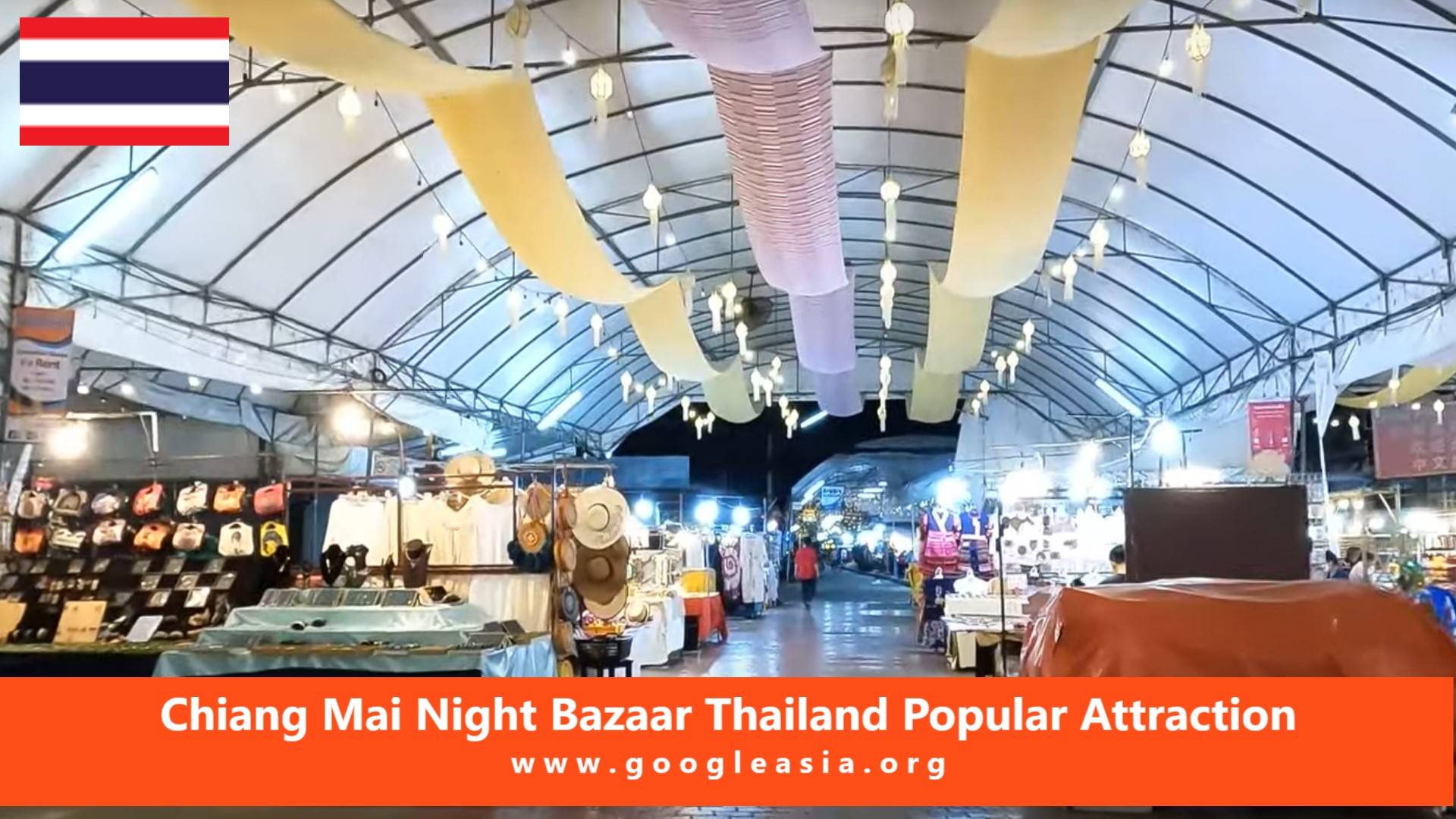
    The Chiang Mai Night Bazaar is one of the city’s most popular attractions. Located in the heart of the old city, it’s transformed every night with hundreds of vendors selling items such as souvenirs, crafts, clothes, and food. Bargaining is expected, so don’t forget to haggle for the best prices! Come and explore the wonderful Chiang Mai Night Bazaar and take in the sights, sounds, and smells of Thailand.

    Chiang Mai Night Bazaar is a great place to experience the culture of Thailand. It is an atmospheric place to bargain hunt for souvenirs and try some delicious local dishes. There are also many local entertainment and nightlife activities to be found at the night bazaar, such as live music, street food stalls, street performances and even a small amusement park. Chiang Mai Night Bazaar also provides a great opportunity to mingle with locals and get to know the culture and customs of the city.

    Introduction

    The Chiang Mai Night Bazaar stands as one of Thailand’s premier shopping destinations, renowned for its vibrant atmosphere and diverse offerings. Located in downtown Chiang Mai, this bustling market remains open late into the night, catering to both locals and tourists seeking an array of goods and entertainment.

    Attractions and Activities

    Shopping Extravaganza

    The heart of the Chiang Mai Night Bazaar beats with an eclectic mix of vendors offering everything from Thai silk scarves and intricate wood carvings to modern gadgets and fashionable accessories. Bargaining is a common practice here, allowing shoppers to snag great deals on their favorite finds.

    Cultural Delights and Entertainment

    Beyond shopping, the bazaar pulses with cultural performances, street musicians, and live entertainment that add to its lively ambiance. Visitors can enjoy traditional Thai music, dance shows, and occasional festive events that celebrate local culture and traditions.

    Festivals and Seasonal Celebrations

    Seasonal Highlights

    Throughout the year, the Chiang Mai Night Bazaar hosts various large festivals and celebrations that attract crowds from near and far. These events showcase the rich cultural heritage of Thailand through themed exhibitions, parades, and culinary delights.

    Things to Do

    Chiang Mai Night Bazaar is an exciting and vibrant market located in the heart of the old city of Chiang Mai, Thailand. Known for its bustling atmosphere and diverse offerings, it is a favorite destination for both tourists and locals alike. Here’s a guide to the top activities and experiences you can enjoy at the Night Bazaar.

    Shopping Extravaganza

    Shop Till You Drop

    • Description: Explore over 1,000 stalls offering a wide array of goods including souvenirs, handicrafts, clothing, jewelry, antiques, and more.
    • Experience: Bargain hunters will delight in the opportunity to find unique items and great deals amidst the lively market setting.

    Culinary Delights

    Sample the Street Food

    • Description: Indulge in the vibrant street food scene, featuring freshly grilled BBQ dishes, delicious fried noodles, and refreshing fruity smoothies.
    • Experience: Taste the flavors of Thailand while exploring the Night Bazaar’s culinary offerings that cater to every palate and preference.

    Cultural Immersion

    Learn About Local Life

    • Description: Immerse yourself in the local culture and atmosphere of the Night Bazaar, where you can observe Thais and tourists mingling amidst traditional music, vibrant decor, and street performances.
    • Experience: Take in the sights and sounds of nightly entertainment and local interactions that define the market’s unique ambiance.

    Entertainment Galore

    Watch a Show

    • Description: Enjoy nightly live performances ranging from traditional Thai cultural shows to modern acoustic performances.
    • Experience: Be captivated by talented performers, including occasional fire dancers, who enhance the vibrant nightlife experience at the Night Bazaar.

    Treasure Hunting

    Find Unique Bargains

    • Description: Exercise your haggling skills to discover one-of-a-kind bargains, from local crafts to vintage clothing and eclectic souvenirs.
    • Experience: Navigate through the market’s maze of stalls to uncover hidden gems and take home memorable finds at unbeatable prices.

    Foods

    Chiang Mai Night Bazaar is not only renowned for its bustling atmosphere and vibrant nightlife but also for its rich culinary offerings. From traditional Northern Thai dishes to international flavors, the Night Bazaar is a paradise for food lovers. Here’s a guide to some of the must-try foods you should sample when exploring this iconic market.

    Must-Try Foods

    Khao Soi

    • Description: A creamy, yellow-colored noodle dish steeped in rich coconut curry broth.
    • Flavor: Combines savory and slightly sweet flavors with a hint of tanginess.
    • Ingredients: Typically includes egg noodles, tender meat (chicken or beef), crispy noodles, shallots, and pickled mustard greens.

    Sai Ua

    • Description: Spicy pork sausage with a distinctive blend of herbs and spices.
    • Flavor: Offers a bold, spicy kick balanced with aromatic herbs like lemongrass, galangal, and kaffir lime leaves.
    • Serving: Often grilled and served with fresh vegetables, sticky rice, and chili sauce.

    Ping Gai

    • Description: Succulent grilled chicken marinated in a mix of Thai spices and herbs.
    • Flavor: Char-grilled to perfection, resulting in tender meat with smoky and savory flavors.
    • Accompaniments: Served with sticky rice and a spicy dipping sauce.

    Khanom Pang Na Gai

    • Description: Crispy fried chicken served with a garlic sauce.
    • Texture: Crunchy on the outside, juicy on the inside, with a savory garlic-infused sauce adding depth to the dish.
    • Popular Snack: Ideal for enjoying as a quick snack or appetizer while exploring the market stalls.

    More Delights to Explore

    Gaeng Hang Lay

    • Description: Sweet and sour pork curry influenced by Northern Thai flavors.
    • Characteristics: Known for its tender pork, tangy tamarind, and fragrant spices like ginger and turmeric.
    • Serving: Best enjoyed with steamed rice to soak up the flavorful curry sauce.

    Noodle Soups

    • Varieties: Includes kuai tiao (Thai noodle soup) and pad Thai (stir-fried rice noodles).
    • Options: Customize with choice of meat, tofu, or seafood, and adjust spiciness with condiments like chili flakes and fish sauce.

    Fried Rice

    • Types: Green-curry fried rice stands out with its aromatic blend of Thai green curry paste, vegetables, and your choice of protein.
    • Flavor: Offers a spicy and herbaceous kick, complemented by the fragrance of jasmine rice.

    Gai Yang

    • Description: Spicy grilled chicken marinated in a mixture of Thai spices.
    • Preparation: Grilled over open flames, imparting a smoky flavor that enhances the aromatic marinade.
    • Accompaniments: Typically served with sticky rice and a side of fresh vegetables.

    Sweet Endings

    Bua Loy

    • Description: Coconut rice dumplings in sweetened coconut milk.
    • Texture: Soft and chewy rice dumplings with a creamy coconut broth, often garnished with toasted sesame seeds.
    • Flavor: Offers a delightful blend of coconut sweetness and a hint of saltiness from the dumplings.

    Khanom Bua Loi

    • Description: Sweet pandan-flavored cakes served in warm coconut milk.
    • Characteristics: Features soft, chewy cakes infused with fragrant pandan essence, immersed in a comforting coconut broth.
    • Popular Dessert: Enjoyed as a comforting dessert to cap off a flavorful culinary journey.

    Hotels

    Chiang Mai Night Bazaar is a vibrant and bustling area in the heart of Chiang Mai, Thailand, renowned for its lively markets, cultural attractions, and proximity to historical sites. Choosing the right accommodation in this area ensures convenient access to shopping, dining, and exploring local attractions. Here’s a guide to some of the best hotels to consider for your stay in Chiang Mai Night Bazaar.

    Mandarin Oriental Dhara Dhevi

    • Location: 51/4 Chiang Mai – Sankampaeng Road, Moo 1, Tasala, Muang, Chiang Mai 50000, Thailand
    • Features: Luxurious accommodations, traditional Lanna-style architecture, extensive spa facilities, multiple dining options.
    • Highlights: Private villas, lush gardens, cultural experiences, and unique Thai architecture.

    Rachamankha Hotel

    • Location: 6 Rachamankha 9, Phra Singh, Muang, Chiang Mai 50200, Thailand
    • Features: Boutique hotel, tranquil setting, elegant Thai decor, courtyard gardens, fine dining restaurant.
    • Highlights: Cultural ambiance, proximity to temples, personalized service.

    Le Meridien Chiang Mai

    • Location: 108 Chang Klan Road, Tambol Chang Klan, Amphur Muang, Chiang Mai 50100, Thailand
    • Features: Contemporary design, panoramic views of Doi Suthep mountain, rooftop pool, spa, international cuisine.
    • Highlights: Central location, modern amenities, convenient for shopping and nightlife.

    Anantara Chiang Mai Resort & Spa

    • Location: 123-123/1 Charoen Prathet Road, Changklan, Muang, Chiang Mai 50100, Thailand
    • Features: Riverside location, luxurious rooms and suites, infinity pool, spa with traditional Thai treatments.
    • Highlights: River views, fine dining options, cultural activities, close to Night Bazaar.

    The Dhara Dhevi

    • Location: 51/4 Chiang Mai – Sankampaeng Road, Moo 1, Tasala, Muang, Chiang Mai 50000, Thailand
    • Features: Grand resort, colonial-style villas, extensive grounds, spa, multiple dining venues.
    • Highlights: Historical architecture, cultural programs, serene atmosphere.

    U Chiang Mai

    • Location: 70 Ratchadamnoen Road, Tambon Sri Phum, Amphoe Mueang, Chiang Mai 50200, Thailand
    • Features: Boutique hotel, modern Thai design, rooftop pool, library, close to Night Bazaar.
    • Highlights: Personalized service, cultural experiences, central location.

    Shangri La Hotel

    • Location: 89/8 Chang Klan Road, Muang, Chiang Mai 50100, Thailand
    • Features: Elegant rooms and suites, landscaped gardens, riverside dining, spa, family-friendly facilities.
    • Highlights: River views, luxurious accommodations, extensive amenities.

    The Queen House Boutique Hotel

    • Location: 54/4 Charoenmuang Road, Soi 4, T. Watgate, A. Muang, Chiang Mai 50000, Thailand
    • Features: Boutique charm, stylish rooms, rooftop terrace, cafe, proximity to local markets.
    • Highlights: Unique decor, intimate atmosphere, local experiences.

    Sala Mae Rim Resort

    • Location: 135/2 Moo 5, T. Baan Pong, A. Hang Dong, Chiang Mai 50230, Thailand
    • Features: Resort setting, private villas with pool, organic farm, Thai and international cuisine.
    • Highlights: Serene environment, nature activities, culinary experiences.

    Chiang Mai Old Town Hostel

    • Location: 184 Ratchadamnoen Road, Phra Singh, Muang, Chiang Mai 50200, Thailand
    • Features: Budget accommodation, dormitory and private rooms, communal areas, friendly atmosphere.
    • Highlights: Affordable stay, proximity to cultural sites, ideal for backpackers.

    Conclusion

    Choosing a hotel in Chiang Mai Night Bazaar depends on your preferences for luxury, location, and cultural immersion. Whether you seek a lavish resort experience, or a charming boutique stay, these hotels offer a range of amenities and proximity to the vibrant Night Bazaar, ensuring a memorable stay in Chiang Mai.

    Chiang Mai Night Bazaar Thailand Popular Attraction

    Summary

    • Attraction Name: Chiang Mai Night Bazaar
    • Country: Thailand
    • Continent: Asia
    • Capital Name: Bangkok
    • Language: Thai
    • Currency: Thai Baht
    • Nationality: Thai
    • Category:  #Destination #Asia #THAILAND 

    Frequently Asked Questions

    Where is Chiang Mai Night Bazaar located?

    Chiang Mai Night Bazaar is located in the heart of Chiang Mai, Thailand. Here are the specific details about its location:

    • City: Chiang Mai
    • Province: Chiang Mai Province
    • Country: Thailand
    • Location: The Night Bazaar is situated along Chang Khlan Road, a major thoroughfare in central Chiang Mai.

    Geographic Coordinates:

    • Latitude: Approximately 18.7877° N
    • Longitude: Approximately 98.9931° E

    How to go to Chiang Mai Night Bazaar?

    Chiang Mai Night Bazaar is a popular evening market located in the heart of Chiang Mai. Here’s how you can get there:

    From Central Chiang Mai:

    1. Walking or Tuk-Tuk:
      • Description: If you’re staying in central Chiang Mai, especially around the Old City or Nimmanhaemin area, you can reach the Night Bazaar by walking or taking a short tuk-tuk ride.
      • Distance: The Night Bazaar is centrally located and easily accessible from most parts of downtown Chiang Mai.
    2. Taxi or Grab:
      • Description: Taxis and Grab (ride-hailing service) are readily available in Chiang Mai.
      • Location: Simply request a taxi or Grab to take you directly to Chiang Mai Night Bazaar.
      • Convenience: This option offers convenience and comfort, especially if you prefer door-to-door service.

    From Outside Central Chiang Mai:

    1. Songthaew (Red Truck):
      • Description: Songthaews are shared or private red-colored trucks that serve as a popular mode of transportation in Chiang Mai.
      • Route: Look for a songthaew heading towards the Night Bazaar area. You can catch one from various points around the city.
      • Cost: Songthaew fares are usually affordable and can vary based on distance and negotiation.
    2. Taxis and Grab:
      • Description: If you’re coming from outside the central area of Chiang Mai, taxis and Grab are convenient options.
      • Accessibility: Arrange for transportation to take you directly to Chiang Mai Night Bazaar.

    Additional Tips:

    • Timing: Chiang Mai Night Bazaar typically starts setting up in the late afternoon and is fully operational by early evening. Plan your visit to enjoy the market’s bustling atmosphere and activities.
    • Exploration: Once at the Night Bazaar, explore the maze of stalls and alleys to discover shopping, dining, and entertainment options.
    • Local Advice: If unsure about transportation or directions, ask locals or your accommodation staff for assistance and recommendations.

    What are Chiang Mai Night Bazaar’s must-visit attractions or landmarks?

    Chiang Mai Night Bazaar is a bustling market known for its vibrant atmosphere and diverse offerings. Here are some key attractions and landmarks to explore:

    1. Shopping Stalls and Market Area

    • Description: The heart of the Night Bazaar is its sprawling market area filled with stalls and shops.
    • Highlights: Browse through a wide range of products including clothing, handicrafts, jewelry, artwork, souvenirs, and more.
    • Tip: Don’t miss bargaining with vendors to get the best deals on unique items.

    2. Food Stalls and Street Food

    • Description: Alongside shopping, the Night Bazaar offers a delightful culinary experience.
    • Highlights: Sample a variety of Thai street food such as pad thai, grilled meats, fresh fruit smoothies, and northern Thai specialties like khao soi (curry noodle soup) and sai ua (spicy sausage).
    • Tip: Explore the alleys and stalls for hidden culinary gems and local delicacies.

    3. Live Music and Entertainment

    • Description: Enjoy live music performances and cultural shows that add to the lively atmosphere of the market.
    • Highlights: Experience traditional Thai music and dance performances, as well as contemporary music by local artists.
    • Tip: Check the schedule for nightly performances and entertainment options.

    4. Bars and Cafés

    • Description: Numerous bars, cafés, and restaurants offer a relaxing environment amidst the bustling market.
    • Highlights: Enjoy a drink or a meal while soaking in the vibrant ambiance of the Night Bazaar.
    • Tip: Some venues feature rooftop bars or outdoor seating areas with views of the market below.

    5. Local Artisans and Craftsmen

    • Description: Discover traditional Thai handicrafts and witness artisans at work.
    • Highlights: Watch demonstrations of umbrella painting, silk weaving, wood carving, and silverware making.
    • Tip: Engage with artisans to learn about their craft and purchase authentic handmade products.

    6. Cultural Performances and Shows

    • Description: Experience the richness of Thai culture through various performances and shows.
    • Highlights: Traditional dance performances, puppet shows, and cultural displays provide insights into Thailand’s heritage.
    • Tip: Look for scheduled performances to plan your visit around cultural entertainment.

    Additional Tips:

    • Timing: Visit in the early evening to avoid crowds and enjoy a leisurely exploration of the market.
    • Exploration: Wander through the maze of stalls and side alleys to discover hidden treasures and unique finds.
    • Interaction: Engage with vendors and locals for a deeper cultural experience and insider tips.

    Why should you visit Chiang Mai Night Bazaar?

    Chiang Mai Night Bazaar is a vibrant and bustling market that offers a unique blend of shopping, dining, and cultural experiences. Here are several compelling reasons to visit:

    1. Shopping Extravaganza:
      • Variety: The market is renowned for its vast array of products, including handicrafts, clothing, jewelry, artwork, and souvenirs.
      • Bargaining: Enjoy the thrill of bargaining with vendors to get the best deals on unique items.
      • Local Crafts: Discover traditional Thai handicrafts such as silk products, wood carvings, and ceramics, as well as contemporary art pieces.
    2. Cultural Experience:
      • Thai Culture: Immerse yourself in Thai culture through the market’s lively atmosphere, traditional music performances, and cultural shows.
      • Local Cuisine: Sample a diverse range of Thai street food and snacks, including northern Thai specialties like khao soi (curry noodle soup) and sai ua (spicy sausage).
      • Handicraft Demonstrations: Witness demonstrations of traditional crafts such as umbrella painting, silverware making, and silk weaving.
    3. Nightlife and Entertainment:
      • Live Music: Enjoy live music performances and entertainment shows that add to the vibrant ambiance of the market.
      • Bars and Cafés: Numerous bars, cafés, and food stalls offer a relaxing environment to unwind and enjoy the evening.
    4. Local Hospitality:
      • Friendly Atmosphere: Experience the warm hospitality of the local vendors and artisans, who are often eager to share stories about their products and culture.
      • Interaction: Engage with locals and fellow travelers, creating memorable connections and cultural exchanges.
    5. Convenience and Accessibility:
      • Location: Situated in the heart of Chiang Mai, the Night Bazaar is easily accessible from various parts of the city, making it a convenient evening destination.
      • Opening Hours: Open daily in the evenings, allowing visitors to explore and shop after daytime activities.

    Tips for Visiting:

    • Timing: Visit in the early evening to avoid crowds and enjoy a leisurely shopping and dining experience.
    • Bargaining: Practice your bargaining skills, but remember to do so respectfully and with a smile.
    • Exploration: Wander through the market’s maze of stalls and side alleys to discover hidden gems and lesser-known treasures.

    How accessible is halal food in Chiang Mai Night Bazaar?

    Finding halal food options at Chiang Mai Night Bazaar can be relatively accessible due to the area’s popularity and diverse visitor demographic. Here’s what you can expect:

    1. Halal Restaurants and Stalls:
      • Local Cuisine: Several restaurants and food stalls around the Night Bazaar offer halal-certified Thai dishes such as grilled meats, curries, and rice dishes.
      • Location: Look for halal signs or ask vendors directly about their halal certification.
    2. Middle Eastern and International Cuisine:
      • Variety: You can find Middle Eastern restaurants offering halal options, including kebabs, falafel, and hummus.
      • Popular Spots: Some stalls and eateries specialize in international cuisine that includes halal choices, catering to a diverse range of tastes.
    3. Food Courts and Buffets:
      • Convenience: Food courts within shopping centers near the Night Bazaar often have halal sections or restaurants.
      • Variety: Buffet-style dining can offer a wide range of halal dishes, providing options for families and groups.
    4. Muslim-Friendly Services:
      • Assurance: Some vendors are aware of halal requirements and can confirm the ingredients used in their dishes upon request.
      • Communication: It’s helpful to communicate any dietary preferences or restrictions clearly to ensure a suitable dining experience.

    Additional Tips:

    • Research and Ask: Prioritize stalls or restaurants known for halal offerings by checking online reviews or asking locals for recommendations.
    • Plan Ahead: If uncertain, consider preparing snacks or small meals to supplement your dining options.
    • Flexibility: While halal options are available, it’s essential to be flexible and open to exploring different culinary experiences.
  • Visiting Doi Inthanon National Park, Thailand: Travel Guide

    Visiting Doi Inthanon National Park, Thailand: Travel Guide

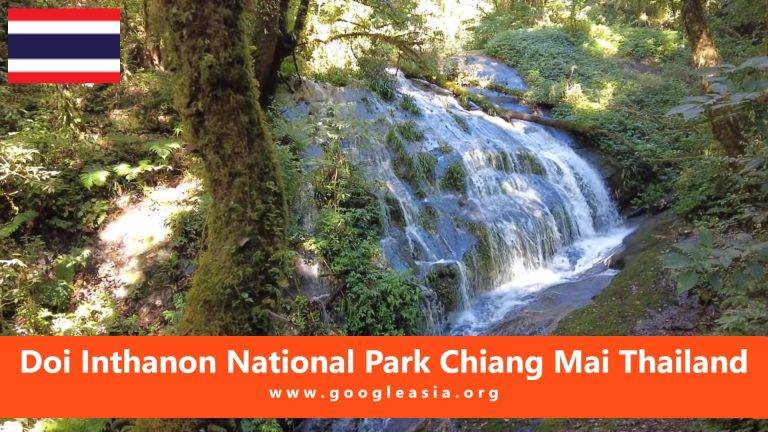
    Doi Inthanon National Park, Thailand

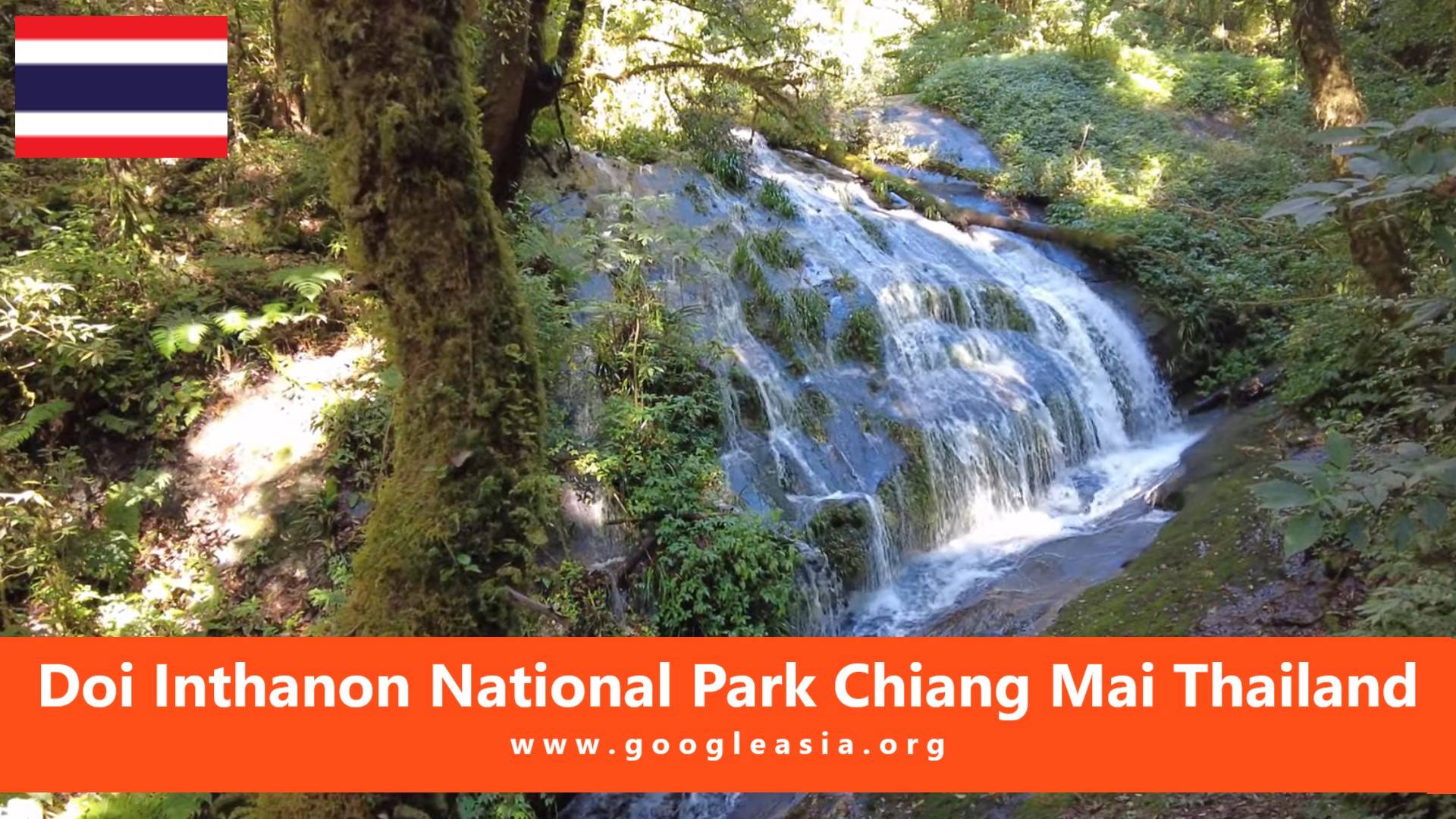
    Doi Inthanon National Park in Thailand is one of the most beautiful and unique natural areas in the world. The park is home to a huge array of wildlife, including tigers and rare birds, and has some of the most stunning waterfalls and lush forests in the area. The park is also home to the highest peak in Thailand, Doi Inthanon, and is a great place to spend time exploring and trekking, with plenty of activities to suit all ages and abilities. Visitors can also enjoy learning about the traditional culture and beliefs of the hillside tribes that call Doi Inthanon home, while discovering the area’s incredible biodiversity.

    Doi Inthanon National Park is located in Chiang Mai, Thailand. It is the highest mountain in Thailand, standing at 2,565 meters (8,415 ft) and offering stunning views of the surrounding area. The park is home to a vast array of wildlife and plants, rare orchids, and ancient temple ruins. Hiking trails, waterfalls, and viewpoints set the scene for an unforgettable adventure.

    Introduction

    Doi Inthanon National Park, located in Chiang Mai, Thailand, proudly boasts the title of being the highest mountain in the country, towering at 2,565 meters above sea level. Nestled 50 km southwest of Chiang Mai city, this expansive park is renowned for its rich biodiversity, stunning natural landscapes, and cultural heritage.

    Natural Beauty and Wildlife

    Landscape and Climate

    Encompassing 482 square kilometers of evergreen jungle and diverse nature trails, Doi Inthanon National Park experiences distinct seasons, offering cooler temperatures near its summit. This temperate climate nurtures a lush environment, supporting a wide array of flora and fauna. Visitors can explore dense rainforests, cascading waterfalls, and serene villages inhabited by local hilltribes.

    Biodiversity

    The park is a sanctuary for diverse wildlife, including vibrant bird species, rare insects, and notable populations of Thailand’s remaining wild elephants. This biodiversity makes it a haven for nature enthusiasts, bird watchers, and wildlife photographers seeking unique encounters amidst pristine natural habitats.

    Cultural Sites

    In addition to its natural wonders, Doi Inthanon is home to cultural landmarks like ancient temples and hilltribe villages. Visitors can immerse themselves in local traditions, explore royal pagodas, and engage with the vibrant cultures of the Karen and Hmong communities that call the park home.

    Visitor Information

    Accessibility and Facilities

    Access to Doi Inthanon National Park is primarily via road from Chiang Mai, offering scenic drives and easy navigation. The park provides visitor centers, accommodations, and guided tours to enhance the visitor experience and ensure comfort during exploration.

    Conservation and Sustainability

    The park emphasizes conservation efforts to preserve its ecological integrity and cultural heritage. Educational programs and sustainable tourism initiatives promote responsible travel practices, encouraging visitors to appreciate and protect this natural treasure for future generations.

    Things to Do

    Doi Inthanon National Park, located in the Chom Thong District of Chiang Mai, is Thailand’s highest mountain, soaring to 8,448 feet. This pristine natural reserve offers a plethora of activities amidst its lush jungles, majestic peaks, and cultural landmarks.

    Trekking and Hiking Trails

    Explore Scenic Trekking Trails

    Visitors can embark on various trekking trails catering to all skill levels, from leisurely strolls to challenging hikes. These trails lead adventurers through hillside waterfalls, rustic farms, and panoramic vistas of the mountainous terrain and verdant jungle landscapes.

    Wildlife and Nature Exploration

    Encounter Diverse Wildlife

    Nature enthusiasts can marvel at Doi Inthanon’s rich biodiversity, home to over 400 species of birds, including exotic species, wild tigers, elephants, and other indigenous wildlife. Bird watching and wildlife spotting opportunities abound in the park’s inner-forested areas.

    Camping and Outdoor Activities

    Rustic Camping Experience

    Campers can enjoy a rustic mountain village stay, immersing themselves in the tranquility of rural life surrounded by natural beauty. The park’s creeks, rivers, and lagoons offer idyllic settings for picnicking and swimming during the summer months.

    Cultural and Historical Sites

    Explore Ancient Ruins

    Visit the Doi Inthanon Historical Park, an ancient archaeological site that preserves remnants of pre-Thai civilization from the Quaternary Age. Certified Thai guides provide insights into the area’s historical significance and cultural heritage.

    Indigenous Hill Tribes

    Discover Hmong Hill Tribe Villages

    A highlight of any visit is exploring the Hmong Hill Tribe villages. These self-sufficient communities are renowned for their agricultural prowess, cultivating coffee, flowers, and producing intricate handicrafts. Visitors can purchase these local products at village shops.

    Temples and Sacred Sites

    Visit Temple Complexes

    Admire the majestic Doi Inthanon Royal Chedi and the serene Wat Sri Chomtong, where annual commemorations for the King and Crown Prince of Thailand take place. These temples offer cultural insights and breathtaking architectural beauty amidst natural splendor.

    Foods

    Doi Inthanon National Park in Chiang Mai is not only renowned for its breathtaking natural beauty but also for its rich culinary offerings. Visitors to this mountainous paradise can indulge in a variety of dishes that highlight the flavors of Northern Thai cuisine.

    Must-Try Dishes and Local Delicacies

    Doi Inthanon National Park offers a culinary journey that blends fresh local ingredients with traditional Northern Thai recipes. Here are some of the best foods to try:

    • Som Tam (Papaya Salad): A spicy and tangy salad made with shredded green papaya, chili, lime juice, fish sauce, and peanuts.
    • Khao Soi (Curry Noodle Soup): A fragrant coconut curry soup served with egg noodles, topped with crispy noodles, and often accompanied by lime and pickled vegetables.
    • Kai Yang (Grilled Chicken): Tender and juicy grilled chicken marinated in a blend of herbs and spices, served with sticky rice and dipping sauces.
    • Khao Man Gai (Chicken Rice): Poached chicken served over aromatic rice, accompanied by a flavorful ginger dipping sauce and clear soup.
    • Kanom Jeen Nam Ngiew (Rice Noodles with Pork and Tomato Broth): Rice noodles in a savory broth made with pork, tomatoes, and herbs, topped with fresh vegetables and herbs.
    • Khunna Pla (Spicy Fish in Herb Broth): Fresh fish simmered in a spicy and aromatic herb-infused broth, served with rice or noodles.

    For the Adventurous Palate

    For those seeking bold flavors and unique culinary experiences, Doi Inthanon National Park offers:

    • Kaeng Hang Lay (Spicy Pork Curry): A Northern Thai curry known for its rich flavors of pork, ginger, tamarind, and spices.
    • Lab Moo (Minced Pork Fried Balls): Spicy minced pork shaped into balls, deep-fried until crispy, and served with a tangy dipping sauce.

    Sweet Treats and Desserts

    Complete your culinary journey with delightful Northern Thai sweets:

    • Khanom Tuay (Thai Custard): A creamy and sweet coconut custard topped with coconut cream and sometimes sprinkled with shredded coconut.
    • Thong Yip (Golden Egg Yolk Drops): Intricately shaped golden desserts made from egg yolks and sugar syrup.
    • Tub Tim Krob (Water Chestnuts in Syrup): Refreshing and sweet, water chestnuts served in chilled coconut milk syrup with ice.

    Hotels

    When planning a visit to Doi Inthanon National Park in Chiang Mai, Thailand, choosing the right accommodation can significantly enhance your experience amidst the park’s natural beauty and cultural richness. Here are some of the best hotels and resorts to consider for your stay:

    Grandview Resort Doi Inthanon (Chiang Mai)

    • Location: Doi Inthanon National Park, Chiang Mai
    • Description: Grandview Resort offers comfortable lodgings with stunning views of the surrounding mountains. The resort is known for its tranquil atmosphere and proximity to park attractions.
    • Features: Amenities include spacious rooms, a restaurant serving local cuisine, and guided tours of nearby natural sites.

    Doi Inthanon National Park Retreat (Chiang Mai)

    • Location: Doi Inthanon National Park, Chiang Mai
    • Description: This retreat provides a serene getaway amidst the park’s lush forests. Ideal for nature lovers seeking peace and relaxation, it offers cozy accommodations and eco-friendly practices.
    • Features: Eco-lodges, nature trails, and organic dining options highlight the retreat’s commitment to sustainable tourism.

    Pine Grove Resort (Doi Inthanon National Park)

    • Location: Doi Inthanon National Park, Chiang Mai
    • Description: Pine Grove Resort blends modern comfort with natural surroundings. It is popular among visitors for its scenic location and easy access to hiking trails and waterfalls.
    • Features: Chalet-style accommodations, a swimming pool, and organized treks to nearby attractions make it a favorite among outdoor enthusiasts.

    Mae Klang Riverside Campsite (Doi Inthanon National Park)

    • Location: Doi Inthanon National Park, Chiang Mai
    • Description: For a unique camping experience by the Mae Klang River, this campsite offers tents with basic amenities amidst serene natural surroundings.
    • Features: Riverside views, campfire evenings, and opportunities for birdwatching and stargazing enhance the camping experience.

    Hilltribe Holidays (Doi Inthanon National Park)

    • Location: Doi Inthanon National Park, Chiang Mai
    • Description: Hilltribe Holidays provides cultural immersion with stays in traditional hill tribe villages. Guests can participate in local activities and learn about indigenous customs.
    • Features: Homestay accommodations, cultural tours, and handicraft workshops offer an authentic glimpse into hill tribe life.

    Baan Silatham (Doi Inthanon National Park)

    • Location: Doi Inthanon National Park, Chiang Mai
    • Description: Baan Silatham offers cozy guesthouses amidst peaceful surroundings. It is known for its warm hospitality and personalized service, ideal for those seeking a retreat.
    • Features: Comfortable rooms, organic farm-to-table meals, and yoga sessions promote relaxation and well-being.

    Pong Yaeng Resort (Doi Inthanon National Park)

    • Location: Doi Inthanon National Park, Chiang Mai
    • Description: Nestled in a serene valley, Pong Yaeng Resort offers luxury cottages surrounded by mountains and rice fields. It caters to travelers looking for comfort and tranquility.
    • Features: Spa facilities, organic gardens, and panoramic views make it a perfect escape for rejuvenation and exploration.

    Boonchoo Resort (Doi Inthanon)

    • Location: Doi Inthanon, Chiang Mai
    • Description: Boonchoo Resort provides a peaceful retreat with easy access to Doi Inthanon’s natural wonders. It is known for its friendly ambiance and personalized service.
    • Features: Bungalow accommodations, Thai massage services, and proximity to local markets enhance the resort’s appeal for cultural immersion.

    Ban Jaroen Phu (Doi Inthanon)

    • Location: Doi Inthanon, Chiang Mai
    • Description: Set amidst scenic landscapes, Ban Jaroen Phu offers rustic cottages with modern amenities. It appeals to travelers seeking a blend of comfort and adventure.
    • Features: Organic farm tours, mountain biking trails, and traditional Thai cooking classes provide engaging activities for guests.

    Camp Himalaya (Doi Inthanon National Park)

    • Location: Doi Inthanon National Park, Chiang Mai
    • Description: Camp Himalaya offers tented accommodations with panoramic mountain views. It is a favorite among adventure seekers and nature enthusiasts.
    • Features: Camping facilities, guided hikes, and nighttime bonfires create an immersive outdoor experience in the heart of Doi Inthanon National Park.

    Conclusion

    Choosing the right accommodation in Doi Inthanon National Park can elevate your stay, providing comfort, convenience, and opportunities to explore Thailand’s natural wonders. Whether you prefer luxury resorts, eco-friendly retreats, or cultural homestays, these options cater to diverse preferences, ensuring a memorable and enriching experience amidst the park’s scenic beauty.

    Doi Inthanon National Park Chiang Mai Thailand

    Summary

    • Attraction Name: Doi Inthanon National Park
    • Country: Thailand
    • Continent: Asia
    • Capital Name: Bangkok
    • Language: Thai
    • Currency: Thai Baht
    • Nationality: Thai
    • Category:  #Destination #Asia #THAILAND 

    Frequently Asked Questions

    Where is Doi Inthanon National Park located?

    Doi Inthanon National Park is located in northern Thailand, specifically in the province of Chiang Mai. Here are the specific details about its location:

    • Province: Chiang Mai Province
    • Country: Thailand
    • Geographical Coordinates:
      • Latitude: Approximately 18.5853° N
      • Longitude: Approximately 98.4970° E

    Directions to Doi Inthanon National Park:

    • From Chiang Mai: Drive south from Chiang Mai on Highway 108 towards Chom Thong, then follow signs leading to the park’s entrances.
    • From Mae Hong Son or Mae Chaem: Travel eastward on Highway 108 towards the park’s southern entrances.

    Nearby Points of Interest:

    • Chom Thong: A town near the park’s entrance, offering local amenities and accommodations.
    • Mae Chaem: Another town providing access to the park’s southern areas, known for its scenic landscapes and local markets.

    Accessibility:

    • Transportation: Accessible by car, motorbike, or public transportation (such as songthaews or buses) from Chiang Mai and nearby towns.
    • Navigation: Use maps or GPS navigation to guide you to the park’s various attractions and entrance points.

    How to go to Doi Inthanon National Park?

    Doi Inthanon National Park, located in northern Thailand, can be accessed from various directions. Here’s how you can reach this natural wonder:

    From Chiang Mai:

    1. By Car or Motorbike:
      • Route: Drive south from Chiang Mai on Highway 108 towards Chom Thong.
      • Distance: The park entrance is approximately 70 kilometers (about 1.5 to 2 hours’ drive) from Chiang Mai city center.
      • Scenic Route: Enjoy scenic views of rural landscapes and local villages along the way.
    2. Public Transportation (Songthaew or Bus):
      • Songthaew: Take a red songthaew (shared taxi truck) from Chiang Mai Arcade Bus Station (Terminal 3) heading towards Chom Thong.
      • Bus: Alternatively, take a public bus from Chiang Mai’s Arcade Bus Station to Chom Thong, and then transfer to a local songthaew or taxi to reach the park entrance.
      • Duration: Public transportation options may take longer than driving, depending on schedules and stops.

    From Mae Hong Son or Mae Chaem:

    • Scenic Route: If traveling from Mae Hong Son or Mae Chaem, follow Highway 108 to the park’s southern entrance.
    • Local Transportation: Public buses or local transportation options from these regions can provide access to the park’s nearby areas.

    Navigation Tips:

    • Maps and GPS: Use maps or GPS navigation to navigate from Chiang Mai or nearby towns to Doi Inthanon National Park.
    • Local Advice: Seek advice from local accommodations or tourism offices for current road conditions, transportation options, and directions.

    Park Entrance and Fees:

    • Entrance Points: There are multiple entrance points to the park, including the main entrances near Chom Thong and Mae Chaem.
    • Fees: Check current park entrance fees, which may vary for foreigners and Thai nationals. Fees contribute to conservation efforts and park maintenance.

    Additional Recommendations:

    • Timing: Plan your visit early in the day to explore the park’s attractions comfortably and to avoid crowds, especially during peak tourist seasons.
    • Weather Considerations: Be prepared for varying weather conditions, as the park’s higher elevations can be cooler and more humid compared to lower altitudes.

    What are Doi Inthanon National Park’s must-visit attractions or landmarks?

    Doi Inthanon National Park, known for its natural beauty and cultural attractions, offers several must-visit landmarks and points of interest that showcase the diversity and charm of northern Thailand. Here are some key attractions:

    1. Doi Inthanon Peak:
      • Description: The highest point in Thailand, offering stunning panoramic views of the surrounding mountains and valleys.
      • Activities: Hiking to the summit, enjoying the cool climate, and visiting the nearby Royal Twin Pagodas.
    2. Royal Twin Pagodas (Phra Mahathat Napha Methanidon and Phra Mahathat Naphaphon Bhumisiri):
      • Description: Two beautiful pagodas built to honor the 60th birthdays of King Bhumibol Adulyadej and Queen Sirikit.
      • Highlights: Intricate architecture, picturesque gardens, and expansive views overlooking the mountains.
    3. Waterfalls:
      • Wachirathan Waterfall: A picturesque waterfall with multiple cascades and lush surroundings.
      • Siriphum Waterfall: Known for its scenic beauty and tranquil atmosphere, ideal for photography and relaxation.
    4. Karen Hill Tribe Village:
      • Cultural Experience: Encounter the Karen hill tribe community, known for their traditional way of life, handicrafts, and hospitality.
      • Activities: Learn about their customs, visit local markets, and purchase handmade souvenirs.
    5. Kew Mae Pan Nature Trail:
      • Scenic Trail: A popular hiking trail offering panoramic views of the surrounding mountains and valleys.
      • Flora and Fauna: Experience diverse plant species, including rare orchids, and spot various bird species along the trail.
    6. Pha Dok Siew Nature Trail:
      • Nature Exploration: An easy trail through mossy forests and waterfalls, offering opportunities for bird watching and peaceful nature walks.
    7. Doi Inthanon Royal Project:
      • Botanical Garden: Explore gardens showcasing a variety of flowers, fruits, and vegetables grown in the highlands.
      • Local Products: Purchase fresh produce and support sustainable farming practices promoted by the Royal Project.

    Tips for Visiting:

    • Timing: Visit early in the morning to avoid crowds and enjoy cooler temperatures, especially during the hot season.
    • Transportation: Consider renting a car or joining a guided tour to explore the park’s attractions comfortably.
    • Weather: Be prepared for changing weather conditions, as the park’s higher elevations can be cooler and more humid.

    Is Doi Inthanon National Park a suitable travel destination for solo adventurers, honeymooning couples, or those traveling with families?

    Doi Inthanon National Park offers a diverse range of experiences that cater to various types of travelers:

    1. Solo Adventurers:
      • Hiking and Trekking: Solo travelers can explore numerous hiking trails that vary in difficulty, providing opportunities to immerse themselves in nature and enjoy solitude.
      • Photography: Ideal for photographers seeking stunning landscapes, vibrant flora, and unique wildlife photography opportunities.
      • Cultural Exploration: Encounter local hill tribes and visit cultural sites independently to learn about the region’s heritage.
    2. Honeymooning Couples:
      • Romantic Scenery: Enjoy breathtaking panoramic views from the park’s highest peaks and the romantic atmosphere of mist-covered mountains.
      • Private Escapes: Stay in secluded accommodations or eco-lodges surrounded by lush greenery for a tranquil and intimate retreat.
      • Cultural Experiences: Visit the royal pagodas and explore local markets to discover unique handicrafts and cultural traditions together.
    3. Families:
      • Educational Opportunities: Learn about biodiversity and conservation efforts through interactive exhibits at visitor centers.
      • Outdoor Activities: Engage in family-friendly activities such as nature walks, bird watching, and picnicking amidst scenic surroundings.
      • Cultural Immersion: Introduce children to local hill tribe communities and their customs, providing educational and enriching experiences.

    Additional Tips:

    • Accommodations: Choose accommodations that suit your preferences, ranging from budget-friendly options to eco-friendly resorts and comfortable lodges.
    • Seasonal Considerations: Plan your visit according to the season for optimal weather conditions and to enjoy specific activities such as bird watching during migratory periods.
    • Safety and Preparation: Prepare adequately for outdoor excursions, including carrying essentials such as water, snacks, insect repellent, and appropriate footwear.

    Why should you visit Doi Inthanon National Park?

    Doi Inthanon National Park, located in northern Thailand, offers a wealth of natural beauty, cultural richness, and outdoor activities. Here are several compelling reasons to visit:

    1. Natural Beauty and Scenic Landscapes:
      • Highest Peak: Doi Inthanon is Thailand’s highest mountain, offering stunning panoramic views from its summit.
      • Waterfalls: Explore picturesque waterfalls such as Wachirathan and Siriphum, known for their scenic beauty and refreshing pools.
      • Flora and Fauna: Rich biodiversity with diverse ecosystems, including lush forests, rare bird species, and unique plant life.
    2. Cultural Heritage:
      • Local Hill Tribes: Encounter traditional hill tribe communities like the Karen and Hmong, known for their unique cultures and handicrafts.
      • Royal Pagodas: Visit the twin pagodas of King and Queen on the summit, offering intricate architecture and expansive views of the surrounding landscape.
      • Cultural Sites: Explore ancient temples and archaeological sites that reflect the region’s historical and cultural significance.
    3. Outdoor Activities:
      • Hiking and Trekking: Numerous trails cater to various fitness levels, offering opportunities to explore the park’s diverse terrain and wildlife.
      • Bird Watching: A paradise for bird watchers, with sightings of rare species such as the Green-tailed Sunbird and Chestnut-tailed Minla.
      • Photography: Capture breathtaking landscapes, vibrant flora, and wildlife amidst the park’s natural splendor.
    4. Climate and Refreshing Atmosphere:
      • Cool Temperatures: Enjoy cooler temperatures due to the park’s high altitude, providing a refreshing escape from Thailand’s tropical heat.
      • Scenic Drives: Scenic routes lead through mist-covered mountains, providing memorable drives and opportunities for leisurely exploration.
    5. Educational and Conservation Efforts:
      • Environmental Awareness: Learn about conservation efforts aimed at preserving Doi Inthanon’s natural heritage and biodiversity.
      • Visitor Centers: Informational exhibits and guided tours offer insights into the park’s ecology, history, and ongoing conservation initiatives.

    Tips for Visitors:

    • Accessibility: The park is accessible year-round, though some areas may be closed during certain seasons due to weather conditions.
    • Planning: Consider visiting early in the day to avoid crowds and to maximize your exploration time.
    • Respect Nature and Culture: Respect park rules, wildlife, and local traditions during your visit to ensure a harmonious experience.

    How accessible is halal food in Doi Inthanon National Park?

    Finding halal food options directly within Doi Inthanon National Park itself can be challenging due to its natural setting and limited commercial infrastructure. However, there are a few considerations and options you can explore:

    Accessibility to Halal Food in and around Doi Inthanon National Park:

    1. Before Entering the Park:
      • Local Restaurants: Before entering the park, in towns like Chom Thong or other nearby areas, you may find local restaurants or eateries that offer halal-certified Thai dishes or vegetarian options.
      • Packaged Food: Consider bringing packed meals or snacks that are certified halal or vegetarian to ensure dietary preferences are met.
    2. Within the Park:
      • Limited Options: Inside Doi Inthanon National Park itself, food options are typically limited to basic snacks and drinks available at visitor centers or small shops. These may not always cater specifically to halal dietary requirements.
      • Convenience Stores: Some visitor centers might have convenience stores where you can find packaged snacks and beverages.
    3. Nearby Towns and Areas:
      • Chom Thong: This town, near the park’s entrance, may have local restaurants or markets where you can inquire about halal food options.
      • Further Surroundings: As you travel towards or away from the park, towns like Mae Chaem or San Pa Tong may offer more dining choices, including restaurants that can accommodate halal requests.
    4. Planning Ahead:
      • Research and Inquire: Before visiting, research local dining options or contact nearby accommodations for recommendations on where to find halal food.
      • Pack Accordingly: If halal food availability is a concern, pack sufficient snacks or meals that comply with dietary needs to ensure you have options during your visit.

    Cultural Considerations:

    • Respect Local Customs: When visiting rural or less-commercialized areas like national parks, understanding and respecting local food customs and preferences is important.
    • Communication: If unsure about ingredients or food preparation methods, politely inquire with local vendors or staff for clarification.
  • Khao Yai National Park: Exploring Thailand’s Natural Treasure

    Khao Yai National Park: Exploring Thailand’s Natural Treasure

    Khao Yai National Park, Thailand

    Khao Yai National Park is one of the oldest and largest national parks in Thailand. It is a unique haven for wildlife and home to an incredible array of beautiful landscapes and stunning biodiversity. Visitors can experience a variety of outdoor activities including trekking, camping, mountain biking, bird-watching and wildlife watching. The stunning array of flora and fauna make Khao Yai National Park a great destination for nature lovers and outdoor enthusiasts alike.

    Khao Yai National Park is a beautiful nature preserve in Nakhon Ratchasima, Thailand. Encompassing over 2,000 square kilometers of lush evergreen forests, waterfalls, and grassland savannahs, it is home to many rare species of plants and animals. Visitors can explore caves, trek through the forests, or witness amazing wildlife in its natural habitat. Come explore the wonders of Khao Yai and discover why it is Thailand’s oldest and most famous National Park.

    Introduction

    Khao Yai National Park, situated in Nakhon Ratchasima Province, Thailand, stands as the third largest national park in the country. Recognized as a UNESCO World Heritage Site, this expansive park covers over 2,000 square kilometers of pristine tropical forest, boasting an average elevation of 650 meters above sea level.

    Key Attributes

    • Location: Nakhon Ratchasima Province, Thailand
    • Size: Over 2,000 square kilometers
    • Elevation: Average of 650 meters above sea level
    • UNESCO Status: World Heritage Site

    Wildlife and Natural Diversity

    Khao Yai National Park is renowned for its rich biodiversity, housing a diverse array of flora and fauna. The park is home to more than 300 species of birds and an impressive variety of rare wildlife, including elephants, tigers, and bears. Visitors can explore the park’s dense forests and encounter these majestic creatures in their natural habitat.

    Facilities and Amenities

    Khao Yai National Park provides essential facilities to enhance visitors’ experiences:

    • Lodges: Several lodges and accommodations are available within and near the park, offering comfortable stays amidst nature.
    • Restaurants: Enjoy local cuisine and refreshments at restaurants located within the park, providing a taste of Thai flavors.
    • Waterfalls: Discover captivating waterfalls scattered throughout the park, perfect for cooling off and photography.
    • Viewpoints: Capture breathtaking vistas from designated viewpoints, offering panoramic scenes of Khao Yai’s natural beauty.

    Things to Do

    Khao Yai National Park, nestled in Nakhon Ratchasima province of Thailand, stands out as one of the country’s most beloved natural treasures. Renowned for its breathtaking landscapes and diverse wildlife, the park offers an array of activities and attractions that cater to nature enthusiasts and adventure seekers alike.

    Jungle Trekking Adventures

    Trekking Trails for All Levels

    Khao Yai National Park beckons adventurers to explore its lush jungle trails, catering to varying levels of accessibility from easy walks to challenging hikes. Trekkers can immerse themselves in the natural splendor of the park while encountering diverse wildlife such as wild boars, monkeys, gibbons, and bears along the way.

    Birdwatching Haven

    Discover the Avian Wonders

    Home to nearly 300 bird species, including woodpeckers, hornbills, parakeets, and pheasants, Khao Yai National Park is a paradise for birdwatchers. Numerous boardwalks across wetlands offer ideal vantage points for observing these feathered inhabitants in their natural habitat.

    Majestic Waterfalls

    Spectacular Cascades to Explore

    Among the park’s notable attractions are the magnificent Haew Narok Waterfall and Haew Suwat Waterfall. Visitors can marvel at the impressive cascades and cool off in the refreshing pools beneath the rushing waters, making for an unforgettable natural experience.

    Kayaking Adventures

    Tranquil Excursions on the Lake

    For those seeking a serene experience on the water, kayaking in Khao Yai National Park is an ideal choice. Paddle along the tranquil lake waters amidst stunning surroundings, soaking in the serenity and beauty of the park’s natural landscapes.

    Behind-the-Scenes Safaris

    Get Closer to Wildlife

    Embark on thrilling behind-the-scenes safaris to encounter Khao Yai’s wildlife up close. Elephant trekking offers a unique opportunity to observe these majestic creatures in their habitat. Additionally, safaris via ATV, jeep, or horseback provide an adventurous way to explore the expansive park comfortably.

    Foods

    Nestled in the province of Nakhon Ratchasima, Khao Yai National Park boasts a vibrant culinary scene showcasing a delightful variety of local dishes. From aromatic noodles to spicy pork delicacies, the park offers a taste of authentic Thai cuisine amidst its natural wonders.

    Must-Try Dishes

    Khao Yai National Park is renowned for its diverse range of local delicacies that cater to every palate. Here are some must-try dishes:

    • Khanom Jeen Nam Ya
      • Description: Vermicelli noodles bathed in a fragrant fish-based coconut cream.
      • Flavor Profile: Rich and creamy with a hint of sweetness from coconut and depth from fish.
    • Moo Gratiem
      • Description: Crispy pork fried to perfection with garlic and black pepper.
      • Flavor Profile: Savory with a robust garlic and peppery kick.
    • Khao Pad Khua Khao
      • Description: Stir-fried mixed vegetables bursting with flavors.
      • Flavor Profile: Fresh and vibrant, highlighting the natural sweetness of vegetables.
    • Nam Prik Kaeng Kua
      • Description: Fried chili dip offering a spicy and tangy kick.
      • Flavor Profile: Bold and aromatic, perfect for dipping or as a condiment.
    • Moo Nam Tok
      • Description: Spicy pork salad infused with lemongrass, lime, and shallots.
      • Flavor Profile: Tangy and spicy, balanced with aromatic herbs and citrus notes.

    Sweet

    No culinary journey is complete without exploring the sweet offerings of Khao Yai National Park. Indulge in delightful desserts that capture the essence of Thai sweets:

    • Kluai Khaek
      • Description: Banana custard offering a creamy and comforting finish.
      • Flavor Profile: Sweet and velvety, with a hint of banana essence.
    • Bua Loy Nam Kati
      • Description: Tapioca pearls soaked in coconut milk, sweetened to perfection.
      • Flavor Profile: Silky smooth with a delicate coconut sweetness.
    • Kanom Pang Na Moo
      • Description: Steamed banana-flavored cake, a traditional Thai treat.
      • Flavor Profile: Light and fluffy, with a delightful banana aroma.

    Hotels

    Khao Yai National Park, located in Nakhon Ratchasima Province, Thailand, is renowned for its lush landscapes, diverse wildlife, and outdoor activities. Visitors flock here to explore its rich biodiversity and enjoy the tranquility of nature.

    Avista Grande Khao Yai

    • Location: Situated amidst the serene hills of Khao Yai.
    • Features: Offers luxurious rooms with modern amenities, spa facilities, and scenic views of the surrounding mountains.
    • Highlights: Ideal for couples and families seeking a tranquil retreat close to nature.

    Kirimaya Golf Resort & Spa

    • Location: Nestled within a lush golf course setting in Khao Yai.
    • Features: Features elegant villas and suites, an award-winning golf course, spa treatments, and outdoor activities like trekking and birdwatching.
    • Highlights: Perfect for golf enthusiasts and travelers looking for upscale accommodation with recreational amenities.

    Greenleaf Khao Yai

    • Location: Set amidst greenery and gardens, offering a peaceful environment.
    • Features: Provides comfortable rooms, a swimming pool, and wellness services.
    • Highlights: Known for its relaxing ambiance and proximity to Khao Yai’s attractions.

    Paradies Khao Yai

    • Location: Located in a scenic spot overlooking Khao Yai National Park.
    • Features: Offers stylish rooms, a restaurant serving Thai and international cuisine, and an outdoor pool.
    • Highlights: Great for travelers wanting a blend of comfort and nature exploration.

    Khao Yai Gateway Residence & Resort

    • Location: Close to the park’s entrance, making it convenient for exploring.
    • Features: Provides spacious accommodations, a restaurant, and facilities for leisure activities.
    • Highlights: Suitable for families and groups looking for a convenient base near Khao Yai National Park.

    Silver Oaks Khaoyai Hotel & Residence

    • Location: Offers a tranquil setting amidst Khao Yai’s landscapes.
    • Features: Includes spacious rooms, a swimming pool, and dining options.
    • Highlights: Appeals to guests seeking a peaceful stay with access to nearby attractions.

    Primo Piazza Khaoyai

    • Location: Inspired by Italian architecture, providing a unique stay experience.
    • Features: Features themed rooms, cafes, and shops within the resort.
    • Highlights: Perfect for travelers interested in a themed and cultural experience in Khao Yai.

    Pung Kaew Resort

    • Location: Surrounded by gardens and greenery, offering a serene environment.
    • Features: Provides cozy rooms, an outdoor pool, and facilities for relaxation.
    • Highlights: Known for its peaceful atmosphere and proximity to natural attractions.

    Khao Yai Villa

    • Location: Offers villas and accommodations with views of Khao Yai’s landscapes.
    • Features: Includes private villas, a restaurant, and recreational facilities.
    • Highlights: Ideal for families and groups wanting privacy and comfort in Khao Yai.

    DeFry Khao Yai Hotel & Resort

    • Location: Located in a strategic spot for exploring Khao Yai’s attractions.
    • Features: Offers comfortable rooms, a restaurant serving local cuisine, and outdoor activities.
    • Highlights: Recommended for budget-conscious travelers seeking a convenient stay option.

    Conclusion

    Whether you’re visiting Khao Yai National Park for its wildlife, outdoor adventures, or simply to unwind amidst nature, these hotels provide excellent accommodation options catering to various preferences and budgets. Choose from luxurious resorts with spa services, family-friendly hotels with recreational facilities, or cozy retreats offering peace and tranquility amid the park’s stunning scenery. Plan your stay to make the most of your Khao Yai experience and enjoy Thailand’s natural beauty at its best.

    Khao Yai National Park Nakhon Ratchasima Thailand

    Summary

    • Attraction Name: Khao Yai National Park
    • Country: Thailand
    • Continent: Asia
    • Capital Name: Bangkok
    • Language: Thai
    • Currency: Thai Baht
    • Nationality: Thai
    • Category:  #Destination #Asia #THAILAND 

    Frequently Asked Questions

    Where exactly is Khao Yai National Park situated?

    Khao Yai National Park is located in central Thailand. Here are the specific details about its location:

    • Provinces: The park spans four provinces: Nakhon Ratchasima (Korat), Prachinburi, Saraburi, and Nakhon Nayok.
    • Country: Thailand
    • Geographical Coordinates:
      • Latitude: Approximately 14.4394° N
      • Longitude: Approximately 101.3725° E

    How to go to Khao Yai National Park?

    Khao Yai National Park is one of Thailand’s most popular national parks, located in the central region of the country. Here are several ways to reach the park:

    From Bangkok:

    1. By Car:
      • Route: Drive northeast from Bangkok on Highway 1 (Phahonyothin Road) until you reach Saraburi. Then take Highway 2 (Mittraphap Road) towards Pak Chong, where you’ll find signs leading to the park.
      • Distance: Approximately 175 kilometers (about 2.5 to 3 hours’ drive) from Bangkok to the park’s main entrance.
      • Convenience: Renting a car or driving your own vehicle offers the flexibility to explore the park at your own pace.
    2. By Bus:
      • Route: Take a bus from Bangkok’s Mo Chit Bus Terminal to Pak Chong. From Pak Chong, you can hire a taxi or songthaew (local shared truck) to reach the park’s entrance.
      • Duration: The bus journey takes around 3 to 4 hours, depending on traffic and stops.
    3. By Train:
      • Route: Board a train from Bangkok’s Hua Lamphong Railway Station to Pak Chong. Once in Pak Chong, hire a taxi or songthaew to the park.
      • Duration: The train ride takes about 4 to 5 hours, with scenic views of the countryside.
    4. By Private Tour or Shuttle Service:
      • Tours: Several tour operators in Bangkok offer day trips and multi-day tours to Khao Yai National Park, providing transportation and guided experiences.
      • Shuttle Services: Some accommodations and travel agencies offer shuttle services directly to the park.

    From Other Regions:

    1. From Ayutthaya:
      • Route: Drive southeast on Highway 1 towards Saraburi, then take Highway 2 to Pak Chong.
      • Distance: Approximately 140 kilometers (about 2 to 2.5 hours’ drive).
    2. From Nakhon Ratchasima (Korat):
      • Route: Drive southwest on Highway 2 towards Pak Chong, then follow signs to the park.
      • Distance: About 100 kilometers (approximately 1.5 to 2 hours’ drive).

    Additional Tips:

    • Entrance Points: The park has several entrance points, with the main one being near Pak Chong.
    • Navigation: Use GPS or a map for accurate navigation to the park’s entrances and various attractions within the park.
    • Preparation: Ensure your vehicle is in good condition and filled with fuel, as services within the park are limited.

    What are Khao Yai National Park’s must-visit destinations?

    Khao Yai National Park, located in central Thailand, is renowned for its diverse ecosystems, wildlife, and natural beauty. Here are some key attractions and landmarks to explore:

    1. Haew Narok Waterfall:
      • Description: The park’s largest and most impressive waterfall, featuring a multi-tiered cascade.
      • Activities: Hike to the viewpoint for stunning views of the waterfall and surrounding jungle.
    2. Haew Suwat Waterfall:
      • Description: A picturesque waterfall made famous by the movie “The Beach.”
      • Activities: Enjoy a short hike to the waterfall and take in the serene surroundings.
    3. Khao Yai Viewpoints:
      • Description: Several viewpoints throughout the park offer panoramic views of the lush landscape.
      • Notable Spots: Pa Deo Die Cliff and Nong Pak Chi Watchtower are popular for sunrise and sunset views.
    4. Pha Diao Dai Cliff:
      • Description: A scenic cliff offering breathtaking views of the park’s forested valleys.
      • Activities: Enjoy the short walk to the cliff and take in the expansive views.
    5. Khao Yai Wildlife Watching:
      • Description: The park is home to a variety of wildlife, including elephants, gibbons, hornbills, and deer.
      • Best Spots: Visit the park’s salt licks, wildlife observation towers, and night safari tours for the best chances of wildlife sightings.
    6. Visitor Centers:
      • Description: The park has several visitor centers providing information, exhibits, and maps.
      • Activities: Learn about the park’s history, ecosystems, and conservation efforts.
    7. Khao Rom:
      • Description: The highest peak in Khao Yai National Park, offering challenging hiking trails.
      • Activities: Hike to the summit for rewarding views and a sense of accomplishment.
    8. Nature Trails:
      • Description: Numerous trails cater to different skill levels, from easy walks to more strenuous hikes.
      • Popular Trails: The Khao Yai Trail and the Heo Suwat Trail are great for experiencing the park’s flora and fauna.
    9. Lam Ta Khong Campground:
      • Description: A popular camping site within the park.
      • Activities: Enjoy camping under the stars, with facilities available for a comfortable stay.

    Additional Tips:

    • Timing: Visit early in the day to avoid crowds and maximize your exploration time.
    • Guided Tours: Consider joining a guided tour to enhance your experience and increase your chances of wildlife sightings.
    • Preparation: Bring appropriate gear such as sturdy footwear, insect repellent, and plenty of water.

    Is Khao Yai National Park a suitable travel destination for solo adventurers, honeymooning couples, or those traveling with families?

    Yes, Khao Yai National Park is an excellent destination for a variety of travelers, including solo adventurers, honeymooning couples, and families. Here’s how the park caters to each type of visitor:

    Solo Adventurers

    1. Hiking and Trekking:
      • Description: Numerous trails ranging from easy walks to challenging treks.
      • Experience: Explore diverse ecosystems, spot wildlife, and enjoy solitude in nature.
    2. Wildlife Watching:
      • Description: Home to elephants, gibbons, hornbills, and more.
      • Activities: Join guided wildlife tours or explore independently to observe animals in their natural habitat.
    3. Photography:
      • Opportunities: Capture stunning landscapes, waterfalls, and wildlife.
      • Locations: Scenic viewpoints and diverse terrain offer excellent photo opportunities.

    Honeymooning Couples

    1. Romantic Scenery:
      • Description: Breathtaking views, lush forests, and serene waterfalls.
      • Experience: Enjoy the park’s natural beauty and tranquil atmosphere.
    2. Private Escapes:
      • Accommodation: Stay in cozy lodges or luxury resorts within or near the park.
      • Activities: Take private tours, enjoy picnics by waterfalls, and stargaze at night.
    3. Couple’s Activities:
      • Description: Romantic walks, wildlife safaris, and boat rides.
      • Experience: Share unique experiences and create lasting memories together.

    Families

    1. Educational Opportunities:
      • Visitor Centers: Learn about the park’s biodiversity and conservation efforts.
      • Guided Tours: Family-friendly tours focusing on wildlife and nature education.
    2. Outdoor Activities:
      • Hiking Trails: Easy trails suitable for children.
      • Waterfalls: Visit family-friendly waterfalls like Haew Suwat for picnics and play.
    3. Accommodation:
      • Options: Family-friendly resorts, lodges, and campgrounds.
      • Facilities: Many accommodations offer amenities and activities suitable for children.

    Additional Tips:

    • Planning: Research and plan activities that suit your interests and travel style.
    • Packing: Bring appropriate gear for outdoor activities, including comfortable walking shoes, insect repellent, and weather-appropriate clothing.
    • Safety: Follow park guidelines and stay informed about wildlife safety rules.

    Why should you visit Khao Yai National Park?

    Khao Yai National Park, located in Thailand, offers a unique blend of natural beauty, wildlife, and outdoor activities. Here are several reasons why it’s worth visiting:

    1. Biodiversity and Wildlife:
      • Rich Fauna: Home to diverse wildlife including elephants, gibbons, bears, and numerous bird species.
      • Night Safari: Experience nocturnal wildlife on guided night safaris, offering opportunities to spot elusive creatures.
    2. Scenic Landscapes:
      • Waterfalls: Discover picturesque waterfalls such as Haew Narok and Haew Suwat, known for their beauty and accessibility.
      • Lush Forests: Explore dense forests and hiking trails amidst scenic landscapes, ideal for nature enthusiasts and photographers.
    3. Outdoor Activities:
      • Hiking and Trekking: Numerous trails cater to various fitness levels, offering opportunities to explore the park’s diverse ecosystems.
      • Camping: Enjoy camping under starlit skies at designated campsites, surrounded by nature’s tranquility.
    4. Cultural and Historical Sites:
      • Prachinburi Province: Explore nearby attractions in Prachinburi, known for cultural landmarks and local markets.
      • Khao Yai Art Museum: Visit art galleries showcasing local and international works, offering cultural insights.
    5. Accessibility and Amenities:
      • Proximity to Bangkok: Located within a few hours’ drive from Bangkok, making it accessible for day trips or longer stays.
      • Visitor Facilities: Well-maintained visitor centers, accommodation options, and guided tours ensure a comfortable and informative visit.

    Tips for Visitors:

    • Planning: Check weather conditions and seasonal attractions before planning your visit to Khao Yai National Park.
    • Guided Tours: Consider joining guided tours or hiring local guides to enhance your wildlife viewing and hiking experiences.
    • Conservation: Respect park rules and contribute to conservation efforts by minimizing your environmental impact.

    Is it difficult to find halal food in Khao Yai National Park?

    Finding halal food in Khao Yai National Park can be challenging due to its primarily natural and rural setting. Here are some considerations:

    • Limited Options: The park’s remote location and focus on natural preservation mean there are few commercial establishments within or near the park that cater specifically to halal dietary requirements.
    • Before Entering the Park: It’s advisable to plan ahead and purchase or pack suitable snacks or meals that comply with halal guidelines.
    • Nearby Areas: You may find more dining options in towns and villages near Khao Yai National Park, such as Pak Chong, which offer a variety of local and international cuisine. However, halal-certified restaurants may still be limited.
    • Accommodation: Some accommodations within or near the park may provide halal food options upon request, but it’s recommended to inquire in advance.
    • Local Advice: Seek advice from local tourism offices or accommodations for recommendations on nearby dining options that can accommodate halal dietary preferences.
  • Visiting Wat Phra Kaew, Thailand: Travel Guide

    Visiting Wat Phra Kaew, Thailand: Travel Guide

    Wat Phra Kaew, Thailand

    Wat Phra Kaew, located in Bangkok, Thailand, stands as one of the country’s most sacred Buddhist temple complexes, renowned for housing the revered Emerald Buddha. This iconic statue symbolizes national protection and is central to Thailand’s religious identity. The temple complex is a treasure trove of Thai Buddhist artifacts and features stunning murals illustrating episodes from the Ramakian, Thailand’s adaptation of the Ramayana epic. Beyond its spiritual significance, Wat Phra Kaew offers visitors a glimpse into Thailand’s rich cultural heritage through its traditional temple architecture and serene ambiance, making it a must-visit for those seeking spiritual enlightenment and cultural immersion.

    Introduction

    Wat Phra Kaew is revered as the most important Buddhist temple in Thailand, located within the Grand Palace grounds in Bangkok. Built in 1782, it holds significant cultural and religious importance, housing the renowned emerald green Buddha statue. Known as the “Geological Crown of Thailand,” this temple complex is a masterpiece of Thai architecture and craftsmanship.

    Key Features and Structures

    Viharn

    The Viharn of Wat Phra Kaew serves as the main assembly hall, where monks gather for religious ceremonies and where visitors can admire intricate architectural details and traditional Thai artistry.

    Bot

    The Bot, or Ubosot, is the holiest prayer room where important Buddhist rituals and ordinations take place. Its design reflects classical Thai architecture with elaborate decorations and serene ambiance.

    Phra Mondop

    The Phra Mondop houses sacred scriptures and religious texts, often adorned with intricate carvings and embellishments, symbolizing the spiritual heart of the temple complex.

    Golden Umbrella

    Symbolizing royal and religious authority, the Golden Umbrella within Wat Phra Kaew signifies the spiritual protection and reverence accorded to the Buddha and his teachings.

    Artifacts and Relics

    Wat Phra Kaew is home to a myriad of invaluable Buddhist artifacts and relics, including the revered emerald Buddha statue. These treasures highlight the temple’s role as a custodian of Thailand’s religious heritage and cultural identity.

    Visitor Experience

    Visiting Wat Phra Kaew offers a profound cultural and spiritual journey. The temple’s opulent architecture, serene courtyards, and sacred atmosphere draw millions of visitors annually, making it a centerpiece of Bangkok’s cultural tapestry.

    Things to Do

    Wat Phra Kaew, situated within the Grand Palace grounds in Bangkok, stands as Thailand’s most sacred Buddhist temple. Housing the revered Emerald Buddha, this temple is steeped in history and cultural significance, attracting visitors from around the globe.

    Admire the Emerald Buddha

    Description

    The Emerald Buddha, a carved figure of Buddha crafted from a single jade stone, resides on the 5th floor of the temple. Symbolizing the Chakri Dynasty, it is meticulously guarded and can be admired from a respectful distance.

    Explore the Grounds

    Description

    While the Emerald Buddha commands attention, Wat Phra Kaew’s grounds are adorned with intricate designs, colorful motifs, and small shrines, each carrying profound symbolism. The temple’s murals vividly depict historical narratives, offering deeper insights into its cultural importance.

    Visit the Museum

    Description

    Wat Phra Kaew features a museum showcasing a diverse collection of artifacts including textiles, jade, ancient coins, and manuscripts. Delve into Bangkok and Thailand’s rich history through these exhibits, providing context to the temple’s significance.

    Attend a Ceremony

    Description

    Throughout the year, Wat Phra Kaew hosts religious ceremonies and rituals open to the public. These events offer a firsthand experience of Thai Buddhist traditions and customs, highlighting the spiritual essence of the temple.

    Attend a Cultural Show

    Description

    Immerse yourself in Thai culture by attending cultural shows at Wat Phra Kaew. These performances feature traditional Thai music and dance, providing a captivating glimpse into the country’s artistic heritage.

    Shop for Souvenirs

    Description

    Explore the temple grounds’ array of souvenir shops offering traditional Thai items such as clothing, jewelry, and local delicacies. Purchase keepsakes to commemorate your visit and support local artisans.

    Enjoy Traditional Thai Food

    Description

    Nearby restaurants offer an opportunity to savor authentic Thai cuisine, including delicious vegetarian dishes. Indulge in the flavors of Thailand while enjoying the ambiance surrounding Wat Phra Kaew.

    Foods

    Culinary Delights

    Wat Phra Kaew Bangkok offers a tantalizing array of traditional Thai dishes that delight the senses. Whether you’re exploring the temple’s cultural treasures or simply indulging in its culinary offerings, here are some of the must-try dishes:

    Pad Thai

    Description: A beloved Thai classic, Pad Thai is a stir-fried noodle dish featuring shrimp, eggs, garlic, and bean sprouts. It’s known for its savory flavors and satisfying textures, making it a favorite among locals and tourists alike.

    Khao Soi

    Description: Originating from northern Thailand, Khao Soi is a coconut-based soup served with both soft-boiled and crispy egg noodles. The rich broth, flavored with curry and aromatic spices, offers a delightful contrast of flavors and textures.

    Tom Yum Goong

    Description: Tom Yum Goong is a quintessential Thai soup known for its spicy, sour, and fragrant profile. Made with lemongrass, galangal, kaffir lime leaves, lime juice, and chili, it features succulent shrimp (goong) and is a popular choice for its bold and refreshing taste.

    Gaeng Daeng

    Description: Gaeng Daeng, or red curry, is a flavorful Thai curry dish prepared with coconut milk, tender meat (often beef or chicken), and a blend of aromatic spices. Its creamy texture and robust flavors make it a staple in Thai cuisine.

    Kai Med Ma Muang

    Description: This traditional Thai chicken dish is stir-fried with cashew nuts, onions, and a savory sauce, offering a delightful combination of crunchy nuts and tender chicken.

    Som Tum

    Description: Som Tum, or green papaya salad, is a spicy and tangy dish that features shredded green papaya mixed with chili, garlic, tomatoes, lime juice, fish sauce, and peanuts. It’s a refreshing and zesty salad that complements any Thai meal.

    Thai Desserts

    After savoring the savory delights, don’t miss out on the delectable Thai desserts available at Wat Phra Kaew Bangkok:

    • Mango Sticky Rice: Sweet glutinous rice paired with ripe mango slices and drizzled with coconut milk.
    • Fried Bananas: Crispy and caramelized bananas, often served with a sprinkle of sesame seeds.
    • Fried Banana with Sesame and Honey: A delightful treat combining the sweetness of bananas with crunchy sesame seeds and honey.
    • Coconut Ice Cream: Creamy coconut-flavored ice cream served in a coconut shell, offering a cool and refreshing conclusion to your culinary journey.

    Hotels

    The Siam Bangkok

    Located along the Chao Phraya River, The Siam Bangkok offers luxurious accommodations with a blend of traditional Thai and Art Deco influences. Guests can enjoy private pool villas, spa treatments, and gourmet dining options.

    Mandarin Oriental, Bangkok

    A legendary hotel renowned for its timeless elegance and impeccable service. Mandarin Oriental, Bangkok, situated on the banks of the Chao Phraya River, features luxurious rooms and suites, award-winning restaurants, and a tranquil spa.

    Anantara Riverside Bangkok Resort

    Set amidst lush gardens along the Chao Phraya River, Anantara Riverside Bangkok Resort offers a peaceful retreat with spacious rooms, multiple dining venues, a tropical swimming pool, and a rejuvenating spa.

    Shangri-La Hotel Bangkok

    A riverside sanctuary offering panoramic views of the city and the Chao Phraya River. Shangri-La Hotel Bangkok features spacious rooms, fine dining restaurants, a full-service spa, and extensive leisure facilities.

    The Peninsula Bangkok

    Located on the west bank of the Chao Phraya River, The Peninsula Bangkok boasts luxurious rooms with breathtaking river views. Guests can indulge in gourmet dining, relax at the spa, or take a dip in the infinity pool.

    The Sukhothai Bangkok

    A tranquil oasis in the heart of Bangkok, The Sukhothai Bangkok combines contemporary elegance with traditional Thai design. The hotel features spacious rooms, fine dining options, a luxurious spa, and lush gardens.

    Jasmine Grand Hotel & Residence

    Offering modern accommodations near Wat Phra Kaew, Jasmine Grand Hotel & Residence provides comfortable rooms, a rooftop pool with city views, a fitness center, and dining options showcasing Thai and international cuisine.

    Sukhumvit Suites Hotel

    Located in Sukhumvit, within easy reach of Wat Phra Kaew, Sukhumvit Suites Hotel offers stylish rooms, a rooftop swimming pool, a fitness center, and personalized service in a vibrant neighborhood known for shopping and dining.

    The St. Regis Bangkok

    An epitome of luxury in Bangkok, The St. Regis Bangkok offers opulent rooms and suites with panoramic city views. Guests can enjoy bespoke service, exquisite dining options, a spa, and a signature afternoon tea experience.

    The Sukhothai Residences – Lumphini

    Combining residential comfort with luxury amenities, The Sukhothai Residences – Lumphini offers spacious serviced apartments with access to The Sukhothai Bangkok’s facilities. It provides a tranquil escape in the bustling city center.

    Wat Phra Kaew Bangkok Thailand Temple of Emerald Buddha

    Summary

    • Attraction Name: Wat Phra Kaew
    • Country: Thailand
    • Continent: Asia
    • Capital Name: Bangkok
    • Language: Thai
    • Currency: Thai Baht
    • Nationality: Thai
    • Category:  #Destination #Asia #THAILAND 

    Frequently Asked Questions

    Where is Wat Phra Kaew located?

    Wat Phra Kaew, also known as the Temple of the Emerald Buddha, is located in the heart of Bangkok, Thailand. Here are the specific details about its location:

    • City: Bangkok
    • Province: Bangkok
    • Country: Thailand
    • Address: Na Phra Lan Road, Phra Borom Maha Ratchawang, Phra Nakhon, Bangkok 10200, Thailand
    • Geographical Coordinates:
      • Latitude: Approximately 13.7516° N
      • Longitude: Approximately 100.4929° E

    What are the best ways to travel to Wat Phra Kaew?

    Wat Phra Kaew, also known as the Temple of the Emerald Buddha, is located in the heart of Bangkok, Thailand. Here’s how you can reach this iconic temple:

    From Suvarnabhumi Airport (BKK):

    1. Airport Rail Link and BTS Skytrain:
      • Route: Take the Airport Rail Link (ARL) to Phaya Thai Station. Transfer to the BTS Skytrain (Sukhumvit Line) and travel to Siam Station. Then, transfer to the Silom Line and travel to Saphan Taksin Station.
      • From Saphan Taksin: Take a Chao Phraya Express Boat to Tha Chang Pier, which is a short walk to Wat Phra Kaew.
    2. Taxi or Grab:
      • Convenience: Direct taxi or Grab ride from the airport to Wat Phra Kaew. Ensure the driver uses the meter or agree on a fare beforehand.
      • Duration: Approximately 30-45 minutes, depending on traffic.

    From Don Mueang Airport (DMK):

    1. Bus and BTS Skytrain:
      • Route: Take the A1 or A2 bus to Mo Chit BTS Station. Board the BTS Skytrain (Sukhumvit Line) to Siam Station. Transfer to the Silom Line and travel to Saphan Taksin Station.
      • From Saphan Taksin: Take a Chao Phraya Express Boat to Tha Chang Pier.
    2. Taxi or Grab:
      • Convenience: Direct taxi or Grab ride from the airport to Wat Phra Kaew.
      • Duration: Approximately 30-45 minutes, depending on traffic.

    From Central Bangkok:

    1. BTS Skytrain and Chao Phraya Express Boat:
      • Route: Travel on the BTS Skytrain to Saphan Taksin Station (Silom Line). From there, take the Chao Phraya Express Boat to Tha Chang Pier.
    2. Taxi or Tuk-Tuk:
      • Convenience: Direct taxi or tuk-tuk ride from various parts of central Bangkok to Wat Phra Kaew.
      • Tip: Ensure the taxi driver uses the meter or agree on a fare beforehand for tuk-tuks.
    3. Bus:
      • Routes: Several public bus routes serve the area around Wat Phra Kaew, including bus numbers 1, 25, 44, 82, and 503.

    Nearby Landmarks:

    • Grand Palace: Wat Phra Kaew is located within the Grand Palace complex.
    • Sanam Luang: A large open field and public square located near the temple.

    Tips for Visiting:

    • Opening Hours: Wat Phra Kaew is open daily from 8:30 AM to 3:30 PM.
    • Dress Code: Visitors must dress modestly. Long pants, skirts, and covered shoulders are required.
    • Avoid Scams: Beware of individuals who might tell you the temple is closed or offer guided tours at inflated prices.

    What are the must-visit attractions or landmarks at Wat Phra Kaew (Temple of the Emerald Buddha)?

    Wat Phra Kaew, located in the Grand Palace complex in Bangkok, Thailand, is one of the most revered and significant temples in the country. Here are the must-visit attractions within Wat Phra Kaew:

    1. The Emerald Buddha (Phra Kaew Morakot):
      • Description: The most sacred and revered Buddha image in Thailand, carved from a single block of jade.
      • Highlights: Housed in the main ordination hall (ubosot), the Emerald Buddha is dressed in seasonal costumes that are changed three times a year by the King of Thailand.
    2. The Ubosot (Ordination Hall):
      • Description: The main building where the Emerald Buddha is enshrined.
      • Architecture: Known for its exquisite architectural design, intricate murals, and beautiful golden decorations.
    3. Phra Mondop (Library):
      • Description: A repository for Buddhist scriptures and texts.
      • Highlights: Notable for its richly decorated exterior and interior, including gilded walls and intricate carvings.
    4. The Golden Chedi (Phra Si Ratana Chedi):
      • Description: A large, golden stupa located in the outer courtyard.
      • Significance: Believed to house relics of the Buddha, it is an important site for Buddhist worship.
    5. The Royal Pantheon (Prasat Phra Thep Bidon):
      • Description: Originally built to house the Emerald Buddha, it now displays statues of past Chakri dynasty kings.
      • Architecture: Known for its beautiful design and royal significance.
    6. Statues and Mythical Creatures:
      • Description: The temple grounds are adorned with various statues and mythical creatures, such as garudas, nagas, and kinnaris.
      • Highlights: These statues add to the mystical and sacred atmosphere of the temple complex.
    7. The Murals:
      • Description: The walls of the gallery surrounding the temple are covered with detailed murals depicting the Ramakien, the Thai version of the Ramayana epic.
      • Artistry: These murals are renowned for their intricate detail and vibrant colors.
    8. The Demon Guardians (Yakshas):
      • Description: Giant statues of mythical demon guardians stand at the entrances of the temple.
      • Symbolism: These figures are believed to protect the temple from evil spirits.

    Additional Tips:

    • Dress Code: Visitors must adhere to a strict dress code. Shoulders and knees must be covered, and appropriate attire is required to enter the temple grounds.
    • Timing: Arrive early in the morning to avoid crowds and to fully appreciate the beauty and serenity of the temple.
    • Guided Tours: Consider taking a guided tour to learn more about the history, significance, and details of the various attractions within Wat Phra Kaew.

    Why should you visit Wat Phra Kaew?

    Wat Phra Kaew, also known as the Temple of the Emerald Buddha, is one of the most revered and significant temples in Thailand. Here are several compelling reasons to visit:

    1. Cultural and Historical Significance:
      • Sacred Temple: Wat Phra Kaew is considered the most sacred Buddhist temple in Thailand, housing the Emerald Buddha, a highly revered statue with a rich history.
      • Historical Landmark: The temple complex has played a central role in Thai history and continues to be an important site for religious ceremonies and royal events.
    2. Architectural Beauty:
      • Intricate Design: The temple complex features stunning architecture, including elaborate carvings, gilded decorations, and intricate murals depicting scenes from Buddhist mythology.
      • Emerald Buddha: The Emerald Buddha statue, carved from a single piece of jade, is adorned with seasonal costumes changed by the King of Thailand during ceremonies.
    3. Cultural Experience:
      • Royal Grand Palace: Wat Phra Kaew is located within the grounds of the Grand Palace, offering visitors a chance to explore the opulent buildings and rich history of Thailand’s monarchy.
      • Cultural Insight: Visiting the temple provides a deep insight into Thai culture, spirituality, and artistic heritage.
    4. Spiritual Atmosphere:
      • Pilgrimage Site: Many Buddhists visit Wat Phra Kaew for pilgrimage, seeking blessings and spiritual enlightenment.
      • Peaceful Retreat: The serene environment within the temple grounds offers a peaceful retreat from the bustling city of Bangkok.
    5. Photographic Opportunities:
      • Visual Splendor: The vibrant colors, intricate details, and majestic structures provide excellent opportunities for photography, capturing the essence of Thai culture and artistry.
      • Iconic Landmarks: The Grand Palace and Wat Phra Kaew are among the most iconic landmarks in Bangkok, making them must-visit sites for any traveler.

    Tips for Visiting:

    • Dress Code: Visitors are required to dress modestly, covering shoulders and knees, as a sign of respect when entering the temple and palace grounds.
    • Timing: Visit early in the day to avoid crowds and enjoy a more peaceful experience.
    • Guided Tours: Consider joining a guided tour to gain deeper insights into the history, architecture, and significance of the temple and its artifacts.

    Is there any halal food available in the vicinity of the Wat Phra Kaew?

    Yes, there are several options for halal food near Wat Phra Kaew (Temple of the Emerald Buddha) in Bangkok. Here are some tips to find halal food in the area:

    Nearby Halal Restaurants and Eateries:

    1. Al-Hussain Restaurant:
      • Location: Near Khao San Road, a short distance from Wat Phra Kaew.
      • Cuisine: Offers a variety of Indian, Thai, and Middle Eastern dishes.
      • Highlight: Known for its delicious halal food and cozy ambiance.
    2. Saman Islam:
      • Location: Within the Banglamphu area, close to Khao San Road.
      • Cuisine: Traditional Thai food with halal certification.
      • Highlight: Popular among locals and tourists for authentic Thai flavors.
    3. Hana Restaurant:
      • Location: Near the Grand Palace area.
      • Cuisine: Serves a mix of Thai and international halal dishes.
      • Highlight: Offers a comfortable dining environment and a diverse menu.

    Street Food and Markets:

    1. Pratunam Market:
      • Location: A bit further away, but offers a variety of halal food stalls.
      • Cuisine: Street food including Thai snacks, grilled meats, and desserts.
      • Highlight: Great for sampling different types of halal street food.
    2. Soi Ramkhamhaeng 24:
      • Location: Known for a higher concentration of halal food vendors.
      • Cuisine: Offers a range of Thai and Middle Eastern halal foods.
      • Highlight: A bit of a journey but worth it for the variety of options.

    Tips for Finding Halal Food:

    • Look for Halal Certification: Check for halal certification signs in restaurant windows or on menus.
    • Ask Locals: Inquire with local Muslims or staff at nearby mosques for recommendations on halal food options.
    • Use Apps: Use mobile apps like Zabihah or HalalTrip to find halal restaurants and eateries in Bangkok.
  • Sukhothai Historical Park: Exploring Thailand’s Ancient Capital

    Sukhothai Historical Park: Exploring Thailand’s Ancient Capital

    Sukhothai Historical Park, Thailand

    Sukhothai Historical Park is one of Thailand’s most important and beautiful historical and archaeological sites. Located in the heart of Thailand’s ancient capital, Sukhothai is a UNESCO World Heritage Site and home to more than 200 structures and ruins, ranging from temples, monasteries, and palaces to monumental Buddha sculptures and statues. Visitors to the park can explore the history of Thailand through its impressive art, architecture, and monuments, providing an insight into the life and culture of peoples living centuries before.

    Sukhothai Historical Park is an incredibly important cultural site in Thailand. It was the birthplace of the Thai kingdom and is home to dozens of temples, as well as royal palaces, fortified city walls, and an ancient canal. Visitors can explore the ruins and experience the beauty and grandeur of this ancient kingdom.

    Introduction

    Sukhothai Historical Park, located approximately 440 km north of Bangkok, Thailand, is a UNESCO World Heritage Site renowned for its historical significance and architectural marvels. Also known as Sukhothai National Park or the Old Sukhothai City Centre, this expansive park spans 70 square kilometers and encompasses the remnants of the Sukhothai Kingdom, which thrived from the 13th to the 15th centuries.

    Historical Significance and Cultural Heritage

    Architectural Marvels

    The park boasts a remarkable collection of ancient structures, including grand temples, royal palaces, city walls, and intricate water systems such as man-made reservoirs and canals. These architectural remnants provide a vivid glimpse into Thailand’s rich cultural and historical past, reflecting the kingdom’s zenith as a center of art, architecture, and governance in Southeast Asia.

    Natural Beauty and Wildlife

    Beyond its historical treasures, Sukhothai Historical Park is nestled amidst serene natural surroundings. Visitors can encounter local flora and fauna, making it an ideal destination for nature enthusiasts and photographers seeking to capture the park’s tranquil landscapes.

    Planning Your Visit

    Practical Information

    • Location: Sukhothai Historical Park is located in Sukhothai Province, accessible by road from Bangkok or nearby provinces.
    • Entrance Fees: Check current entrance fees, which may vary for foreigners and Thai nationals. Fees contribute to the park’s conservation and maintenance efforts.
    • Accommodation: Nearby accommodations range from budget-friendly guesthouses to comfortable resorts, offering convenient access to the park’s attractions.

    Cultural Immersion

    To fully appreciate Sukhothai Historical Park, consider participating in cultural activities or attending local festivals that celebrate the region’s heritage. Engage with friendly locals and sample traditional Thai cuisine available in nearby eateries.

    Things to Do

    Sukhothai Historical Park, nestled in the northern part of Thailand’s Sukhothai province, is a UNESCO World Heritage Site renowned for its golden age temples and palaces dating back to the 13th to 15th centuries. This ancient park offers visitors a captivating journey through the cultural and historical legacy of the Sukhothai Kingdom.

    Exploring the Park’s Attractions

    City Wall and Wat Mahathat Temple Complex

    One of the main highlights of Sukhothai Historical Park is the impressive City Wall and the Wat Mahathat temple complex. This site features a stunning array of Buddha images and sculptures, providing a glimpse into the religious and architectural brilliance of ancient Sukhothai.

    Wat Sa Si

    Wat Sa Si, another significant temple within the park, showcases the architectural style and spiritual significance of the Sukhothai Kingdom. Its ruins stand as a testament to the kingdom’s cultural richness and historical importance.

    Outdoor Activities

    Guided Tours

    To fully appreciate the historical and cultural significance of the park, guided tours are highly recommended. Local tour operators offer various tour types tailored to different interests, providing insightful narratives and historical context to enhance your visit.

    Cycling Tours

    Explore Sukhothai Historical Park at your own pace by renting a bicycle and following designated bike paths. Cycling allows you to leisurely navigate the park’s expansive grounds, offering close-up views of temples, statues, and the serene natural landscapes of Sukhothai.

    Festivals and Cultural Events

    Sukhothai Historical Park hosts several annual festivals that celebrate its cultural heritage. Events such as the Loy Krathong Festival, Loi Krathong Lantern Festival (February or March), and Sukhothai Boat Racing Festival (May or June) provide vibrant opportunities to witness traditional customs and festivities.

    Loy Krathong Festival

    Experience the enchanting Loy Krathong Festival, where locals float beautifully decorated krathongs (lotus-shaped vessels) on waterways, symbolizing the release of negativity and offering prayers for good fortune.

    Foods

    Sukhothai Historical Park, nestled in northern Thailand, not only captivates visitors with its ancient ruins and historical significance but also delights food enthusiasts with its diverse culinary offerings. From traditional Thai delicacies to regional specialties, the park offers a flavorful journey through Thailand’s rich culinary heritage.

    Must-Try Dishes

    Phad Thai

    • Description: A quintessential Thai dish featuring stir-fried rice noodles with shrimp, eggs, shallots, bean sprouts, dried shrimp, and peanuts.
    • Flavor Profile: Balancing sweet, sour, and savory flavors, enhanced by the crunch of peanuts and freshness of bean sprouts.

    Tom Yum Kung

    • Description: A spicy and tangy soup made with fresh prawns, galangal, kaffir lime leaves, dried chili, lemongrass, and lime juice.
    • Flavor Profile: Known for its bold flavors and aromatic herbs, Tom Yum Kung is a Thai culinary staple enjoyed for its invigorating taste.

    Khao Gliew

    • Description: Sweet and savory sticky rice served with a topping of coconut milk and fresh fruits, offering a delightful blend of textures and flavors.
    • Flavor Profile: Rich with coconut milk sweetness and complemented by the natural sweetness of fresh fruits, making it a popular dessert choice.

    Additional Delicacies to Explore

    Coconut and Shrimp Crepes

    • Description: Thin pancakes filled with a mixture of shredded coconut and small shrimp, pan-fried to a crispy perfection.
    • Flavor Profile: Savory-sweet with a crunchy texture, showcasing the unique combination of coconut and seafood flavors.

    Chili Omelettes

    • Description: Spicy omelettes infused with chopped chilies and herbs, providing a zesty kick to traditional egg-based dishes.
    • Flavor Profile: Spicy and aromatic, ideal for those seeking bold flavors typical of Thai cuisine.

    Sesame Pancakes

    • Description: Light and fluffy pancakes sprinkled with sesame seeds, often served with sweet syrup or condensed milk.
    • Flavor Profile: Delicately sweet with a nutty undertone from sesame seeds, offering a delightful snack or dessert option.

    Hotels

    Sukhothai Historical Park, located in northern Thailand, is renowned for its ancient temples, historical ruins, and serene surroundings. When visiting this UNESCO World Heritage Site, choosing the right accommodation can greatly enhance your experience. Here are some of the best hotels to consider for your stay in Sukhothai Historical Park:

    Aya Boutique Hotel

    • Location: Conveniently situated near Sukhothai Historical Park.
    • Amenities: Offers comfortable rooms, an outdoor pool, and a restaurant serving Thai and international cuisine.
    • Unique Features: Known for its boutique charm and proximity to historical attractions.

    Sukhothai Heritage Resort

    • Location: Nestled amidst lush greenery, providing a tranquil ambiance.
    • Amenities: Features spacious rooms, a spa, and a restaurant with scenic views.
    • Unique Features: Offers a blend of modern comfort and traditional Thai architecture.

    The Sukhothai Thani Hotel

    • Location: Close to both the historical park and Sukhothai city center.
    • Amenities: Includes luxurious rooms, multiple dining options, and a fitness center.
    • Unique Features: Known for its elegant ambiance and attentive service.

    Sukhothai Village Resort

    • Location: Set in a peaceful countryside setting near Sukhothai Historical Park.
    • Amenities: Offers traditional Thai-style accommodations, a swimming pool, and a garden.
    • Unique Features: Provides a serene retreat with cultural authenticity.

    The Legendha Sukhothai Hotel

    • Location: Located within a short drive from Sukhothai Historical Park.
    • Amenities: Features wooden cottages, an outdoor pool, and a restaurant serving Thai specialties.
    • Unique Features: Offers a charming atmosphere inspired by traditional Thai village life.

    Sukhothai Garden Home Resort

    • Location: Situated amidst gardens, offering a peaceful environment.
    • Amenities: Provides comfortable rooms, a restaurant, and bicycle rental services.
    • Unique Features: Emphasizes a homely atmosphere and close proximity to local markets.

    Sukhothai Residence

    • Location: Within easy reach of Sukhothai Historical Park and other attractions.
    • Amenities: Offers modern accommodations, a rooftop terrace, and a coffee shop.
    • Unique Features: Known for its convenient location and contemporary design.

    Baan Chan Tharn

    • Location: Offers a quiet retreat away from the hustle and bustle.
    • Amenities: Features cozy rooms, a garden, and personalized hospitality.
    • Unique Features: Provides a homestay experience with a focus on local culture.

    Sukhothai Thepaporn Resort

    • Location: Set amidst rice fields, offering scenic views of the countryside.
    • Amenities: Includes comfortable bungalows, an outdoor pool, and a Thai restaurant.
    • Unique Features: Provides a relaxing ambiance with close proximity to nature.

    Le Méridien Sukhothai Bangkok Hotel

    • Location: Combines luxury with cultural heritage near Sukhothai Historical Park.
    • Amenities: Offers spacious rooms, a spa, multiple dining options, and recreational facilities.
    • Unique Features: Known for its international standards and historical charm.

    Conclusion

    Choosing the right hotel in Sukhothai Historical Park depends on your preferences for location, amenities, and ambiance. Whether you seek luxury, cultural immersion, or a tranquil retreat, these hotels offer a range of options to ensure a memorable stay amidst Thailand’s ancient history.

    Sukhothai Historical Park Thailand Ancient Kingdom

    Summary

    • Attraction Name: Sukhothai Historical Park
    • Country: Thailand
    • Continent: Asia
    • Capital Name: Bangkok
    • Language: Thai
    • Currency: Thai Baht
    • Nationality: Thai
    • Category:  #Destination #Asia #THAILAND 

    Frequently Asked Questions

    Where is Sukhothai Historical Park located?

    Sukhothai Historical Park is located in central Thailand, specifically in the province of Sukhothai. Here are the specific details about its location:

    • Province: Sukhothai Province
    • Country: Thailand
    • Geographical Coordinates:
      • Latitude: Approximately 17.0119° N
      • Longitude: Approximately 99.7043° E

    Directions to Sukhothai Historical Park:

    • From Bangkok: Travel north by car, bus, or train to Sukhothai Province. The park is accessible from both New Sukhothai City and Old Sukhothai City.
    • From Chiang Mai: Head south towards Sukhothai Province via Highway 11, then connect to Highway 12 or Highway 101 to reach the park.

    How to go to Sukhothai Historical Park?

    Sukhothai Historical Park, a UNESCO World Heritage site in Thailand, can be reached using several transportation options. Here’s how you can visit this historic site:

    From Bangkok:

    1. By Air:
      • Flight: Fly from Bangkok to Sukhothai Airport (THS).
      • Duration: The flight takes approximately 1 hour.
      • Distance: Sukhothai Airport is located about 30 minutes away from Sukhothai Historical Park by car or taxi.
    2. By Train:
      • Train to Phitsanulok: Take a train from Bangkok to Phitsanulok Railway Station.
      • Bus to Sukhothai: From Phitsanulok, transfer to a bus heading to Sukhothai.
      • Duration: The train journey takes around 5-6 hours, followed by a bus ride of about 1.5 hours to Sukhothai.

    From Chiang Mai:

    • By Bus:
      • Bus: Direct buses are available from Chiang Mai Arcade Bus Station to Sukhothai.
      • Duration: The bus journey takes approximately 5-6 hours.

    Local Transportation:

    • To the Historical Park: Upon arriving in Sukhothai city, take a local taxi, tuk-tuk, or rented bicycle to Sukhothai Historical Park.
    • Distance: The park is located a short distance from Sukhothai city center, making it accessible by various local transportation options.

    Additional Tips:

    • Entrance Fees: Check current entrance fees for foreign visitors and Thai nationals at Sukhothai Historical Park.
    • Guided Tours: Consider joining guided tours offered at the park for informative insights into its history and architecture.
    • Timing: Plan your visit during early morning or late afternoon to avoid midday heat and to enjoy the park’s tranquility.

    What are Sukhothai Historical Park’s must-visit attractions or landmarks?

    Sukhothai Historical Park, a UNESCO World Heritage site in Thailand, boasts numerous ancient ruins and architectural wonders from the Sukhothai Kingdom. Here are some key attractions to explore:

    1. Central Zone (Historic Park):
      • Wat Mahathat: The park’s centerpiece with its iconic Buddha statues and towering prang (tower).
      • Wat Si Sawai: A Khmer-style temple complex known for its three prangs and ancient inscriptions.
      • Royal Palace (Ancient Palace): Former residence of the kings of Sukhothai, offering insights into the kingdom’s governance and lifestyle.
    2. Northern Zone:
      • Wat Phra Phai Luang: One of the oldest temples in Sukhothai, featuring a large seated Buddha statue and restored chedis.
      • Wat Si Chum: Famous for its giant seated Buddha image, accessed through a narrow entrance.
    3. Western Zone:
      • Wat Saphan Hin: A hilltop temple with panoramic views and a large standing Buddha statue, reached via a scenic trail.
    4. Eastern Zone:
      • Wat Chedi Jet Thaew: Known for its seven rows of stupas, each containing Buddha relics.
      • Wat Sa Si: Situated by a lotus pond, featuring a serene Buddha statue and scenic surroundings.

    Tips for Visitors:

    • Exploration: Rent bicycles or walk to explore the expansive park and its various zones comfortably.
    • Timing: Visit early morning or late afternoon for cooler temperatures and fewer crowds.
    • Guided Tours: Consider guided tours to learn about the historical and cultural significance of each site.
    • Entry Fees: Check entry fees and operating hours, as they may vary for foreigners and Thai nationals.

    What are Sukhothai Historical Park’s nearby must-visit attractions or landmarks?

    Sukhothai Historical Park, located in central Thailand, offers several nearby attractions and landmarks that complement its historical significance. Here are some must-visit places nearby:

    1. Sukhothai Old Town (Sukhothai City):
      • Description: Explore the remains of the ancient city of Sukhothai, which was the capital of the Sukhothai Kingdom.
      • Highlights: Visit the ruins of temples, palaces, and city walls within the old town area, showcasing the kingdom’s architectural and cultural heritage.
    2. Sukhothai Historical Park Museums:
      • Ramkhamhaeng National Museum: Learn about Sukhothai’s history and artifacts, including ancient sculptures, ceramics, and inscriptions.
      • San Ta Pha Daeng Archaeological Site Museum: Discover more archaeological finds and historical context related to the Sukhothai Kingdom.
    3. Wat Si Chum:
      • Description: Located just outside Sukhothai Historical Park, this temple is famous for its massive seated Buddha statue.
      • Highlights: Admire the serene atmosphere and intricate details of the Buddha image, which is a revered symbol of Sukhothai’s religious and artistic heritage.
    4. Sukhothai Historical Park Cycling Routes:
      • Description: Rent a bicycle and explore the scenic landscapes and temple ruins around Sukhothai Historical Park.
      • Highlights: Follow designated cycling routes that take you through lush greenery, ancient stupas, and picturesque ponds within the park and its surroundings.
    5. Sukhothai Night Market:
      • Description: Experience local cuisine, handicrafts, and cultural performances at the night market in modern Sukhothai town.
      • Highlights: Sample traditional Thai dishes, shop for souvenirs, and enjoy live music and dance shows in the evening ambiance.

    Tips for Exploring:

    • Accessibility: Most nearby attractions are easily accessible by bicycle, rental scooter, or local transportation from Sukhothai Historical Park.
    • Historical Context: Take time to learn about the history of the Sukhothai Kingdom and its significance as a cultural and political center in ancient Thailand.
    • Local Guidance: Consult park staff or local guides for recommendations on hidden gems and lesser-known historical sites nearby.

    Is Sukhothai Historical Park a suitable travel destination for solo adventurers, honeymooning couples, or those traveling with families?

    Sukhothai Historical Park offers a blend of history, culture, and natural beauty that appeals to various types of travelers:

    1. Solo Adventurers:
      • Exploration: Ideal for solo travelers interested in historical sites and archaeological exploration.
      • Photography: Plenty of opportunities to capture ancient ruins, temples, and serene landscapes.
      • Cultural Immersion: Engage with local history and architecture while enjoying the peaceful ambiance of the park.
    2. Honeymooning Couples:
      • Romantic Atmosphere: The park’s ancient temples and scenic surroundings provide a romantic backdrop for couples.
      • Private Experiences: Enjoy leisurely walks or bicycle rides around the park’s expansive grounds, exploring together at your own pace.
      • Cultural Experiences: Discover the rich history and architecture of Sukhothai, and participate in cultural activities such as traditional Thai performances.
    3. Families:
      • Educational Opportunities: Learn about Thailand’s history through guided tours or self-guided exploration of temple ruins and historical artifacts.
      • Bicycle Tours: Families can rent bicycles to explore the park’s vast area comfortably.
      • Picnicking: Enjoy family picnics amidst the park’s scenic surroundings, providing a relaxing break between exploring historical sites.

    Additional Tips:

    • Accessibility: The park is generally accessible for all ages and fitness levels, with paved paths and signage to guide visitors.
    • Timing: Visit early in the morning or late afternoon to avoid the midday heat and larger crowds, especially during peak tourist seasons.
    • Local Cuisine: Explore nearby restaurants or markets for authentic Thai cuisine after exploring the park’s attractions.

    Why should you visit Sukhothai Historical Park?

    Sukhothai Historical Park, a UNESCO World Heritage Site, offers a compelling blend of historical significance, architectural wonders, and cultural insights. Here are several reasons to visit:

    1. Historical Significance:
      • Ancient Capital: Explore the ruins of the first capital of the Kingdom of Siam, dating back to the 13th and 14th centuries.
      • Historic Monuments: Discover well-preserved temples, Buddha statues, and royal palaces that reflect the glory of the Sukhothai Kingdom.
    2. Architectural Wonders:
      • Sukhothai Style: Admire the unique Sukhothai architectural style characterized by lotus-bud stupas, Buddha images with graceful features, and intricate stone carvings.
      • Wat Mahathat: Visit the central and most impressive temple complex, featuring a large seated Buddha statue and stunning pagodas.
    3. Cultural Insights:
      • Buddhist Heritage: Learn about the early spread of Theravada Buddhism in Thailand through the park’s religious monuments and inscriptions.
      • Museum Exhibits: Explore artifacts and exhibits at the Ramkhamhaeng National Museum to deepen your understanding of Sukhothai’s cultural heritage.
    4. Natural Beauty and Serenity:
      • Park Setting: Enjoy the peaceful ambiance of landscaped gardens, lotus ponds, and shaded walkways within the park’s expansive grounds.
      • Photography: Capture stunning sunrise or sunset views over the ancient ruins, offering memorable photographic opportunities.
    5. Educational Experience:
      • Guided Tours: Join guided tours or hire local guides to gain insights into the historical and cultural significance of each site.
      • Interactive Displays: Engage with interactive displays and historical reconstructions that bring Sukhothai’s history to life.

    Tips for Visitors:

    • Accessibility: Rent bicycles or hire tuk-tuks to explore the park’s extensive grounds comfortably.
    • Timing: Visit early morning or late afternoon to avoid crowds and experience the temples in softer light.
    • Respect: Respect local customs and religious sites during your visit to maintain the park’s cultural and historical integrity.

    Is there any halal food available in the vicinity of the Sukhothai Historical Park?

    Yes, halal food can be found near Sukhothai Historical Park, although options may be limited. Here are some suggestions and tips to find halal food in the area:

    1. Halal Restaurants and Eateries:

    • Local Halal Restaurants: While Sukhothai is not known for a large Muslim population, there are some halal restaurants and eateries. You might find small family-run halal food stalls or restaurants in the nearby town areas.
    • Google Maps and TripAdvisor: Use apps like Google Maps and TripAdvisor to search for halal restaurants in the Sukhothai area. Look for reviews and ratings from other travelers for guidance.

    2. Nearby Towns and Cities:

    • Sukhothai New City (New Sukhothai): This area has more dining options compared to the historical park area. You might find halal restaurants or eateries catering to the needs of Muslim travelers.
    • Phitsanulok: If you are traveling from Phitsanulok, which is about an hour’s drive from Sukhothai, there are more halal food options available in this larger city.

    3. Markets and Food Stalls:

    • Local Markets: Visit local markets in Sukhothai New City where you may find vendors selling halal food items, especially during market days or night markets.
    • Street Food: Look for street food vendors who can confirm if their food is halal. Stick to vegetarian options if you are unsure about meat-based dishes.

    4. Self-Catering Options:

    • Supermarkets and Convenience Stores: Buy fresh ingredients and prepare your own meals if you have access to cooking facilities. Many supermarkets carry halal-certified products.
    • Halal Packaged Food: Bring along halal-certified packaged food or snacks if you prefer to have guaranteed halal options.

    Tips for Finding Halal Food:

    • Ask Locals: Inquire at your accommodation or with local residents about halal food options. They may know of hidden gems or specific eateries that cater to Muslim dietary requirements.
    • Look for Certifications: Check for halal certifications or signs at restaurants and food stalls to ensure the food meets halal standards.
  • Phang Nga Bay: Exploring Thailand’s Natural Wonder

    Phang Nga Bay: Exploring Thailand’s Natural Wonder

    Phang Nga Bay in Phuket, Thailand

    Phang Nga Bay is a stunning location in Phuket, Thailand. Its dazzling limestone karsts and islands make it a perfect place for exploration and adventure. Cruise throughout the bay, visit the famous ‘James Bond Island’, or kayak through its mangrove forest and explore the magical caves. With its spectacular scenery, Phang Nga Bay is a feast for the senses and must be experienced in person.

    Phang Nga Bay is renowned for its breathtaking natural beauty. It is a thrilling place to explore, with limestone cliffs, caves and lagoons, as well as its famous James Bond Island and spectacular seascapes. The bay is also home to world-class hotels, restaurants, and other tourist attractions. Visitors can join boat tours to explore the islands, sample delicious seafood and fresh produce, go kayaking and explore ancient temples and other historical sites.

    Introduction

    Phang Nga Bay, located near Phuket, Thailand, is renowned for its breathtaking natural scenery and iconic limestone formations. This stunning bay attracts visitors from around the globe with its crystal-clear emerald waters, lush jungle surroundings, and unique geological features. Whether you seek relaxation, adventure, or a deep dive into nature’s wonders, Phang Nga Bay promises an unforgettable experience.

    Key Attributes

    • Location: Situated near Phuket in southern Thailand.
    • Natural Features: Known for its towering limestone cliffs, hidden caves, and picturesque mangrove forests.
    • Accessibility: Accessible by boat from various points along the Phuket coastline.

    Attractions

    Phang Nga Bay stands out as one of Thailand’s most captivating destinations, offering a diverse range of activities and sights for travelers of all interests.

    Limestone Formations and Sea Caves

    • Iconic Karst Formations: Marvel at the dramatic limestone karsts rising vertically from the sea, creating a stunning backdrop against the azure waters.
    • Sea Caves Exploration: Explore hidden sea caves and tunnels formed over millions of years, accessible by kayak or long-tail boat tours.

    Marine Life and Coral Reefs

    • Rich Marine Biodiversity: Encounter diverse marine life, including colorful fish and vibrant coral reefs beneath the bay’s surface.
    • Snorkeling and Diving: Dive into the clear waters to snorkel or dive among the coral gardens and underwater landscapes.

    James Bond Island and Koh Panyee

    • Famous Landmarks: Visit James Bond Island (Khao Phing Kan), made famous by the James Bond movie “The Man with the Golden Gun.”
    • Floating Village: Explore Koh Panyee, a unique floating village built on stilts by sea gypsies, offering a glimpse into local culture and daily life.


    Things to Do

    Phang Nga Bay in Phuket, Thailand, is renowned for its stunning landscapes and diverse range of activities that cater to every traveler’s preferences. Whether you seek adventure, relaxation, or cultural immersion, this destination promises unforgettable experiences.

    James Bond Island Tours

    Embark on a James Bond Island tour to explore the iconic filming location from “The Man with the Golden Gun.” Cruise through breathtaking lagoons and marvel at towering limestone cliffs that define this cinematic setting.

    Swim and Snorkel in Crystal Waters

    Dip into the clear blue waters of Phang Nga Bay for a refreshing swim or snorkeling adventure. Discover vibrant coral reefs teeming with exotic marine life beneath the surface.

    Kayak or Canoe Amidst Limestone Karsts

    Enjoy an up-close encounter with Phang Nga Bay’s limestone karsts by kayaking or canoeing. Navigate through hidden caves, serene lagoons, and picturesque islands that dot the bay’s landscape.

    Visit Fishing Villages and Serene Beaches

    Immerse yourself in local culture by visiting traditional fishing villages nestled on the bay’s islands. Experience authentic Thai hospitality and relax on pristine beaches ideal for swimming and sunbathing.

    Explore the Mangrove Forests

    Embark on a boat trip through Phang Nga Bay’s mangrove forests to witness diverse wildlife, including playful monkeys and colorful birds. Experience the tranquility of these unique ecosystems.

    Fishing Excursions and Scenic Boat Trips

    Engage in deep-sea fishing with local experts or opt for leisurely boat trips around Phang Nga Bay. Discover secluded coves, hidden caves, and panoramic vistas of the bay’s natural beauty.

    Island Hopping Adventures

    Embark on a personalized island-hopping adventure, chartering a boat to visit various islands scattered across Phang Nga Bay. Explore pristine beaches, limestone caves, and tranquil bays at your own pace.

    Day Trips to Historical Sites

    Take a day trip to explore the Laem Hin Pisai Monument and Tham Lod Caves, two historically significant sites near Phang Nga Bay. Delve into their cultural and archaeological significance.

    Rock Climbing Thrills

    For adrenaline seekers, Phang Nga Bay offers opportunities for rock climbing amidst stunning limestone formations. Test your skills and enjoy panoramic views from atop these natural wonders.

    Discover Nearby Attractions

    Extend your exploration beyond Phang Nga Bay to nearby attractions such as Khao Lak National Park, the Elephant Trekking Center, and Khao Sok National Park. Each offers unique natural beauty and cultural experiences to enrich your journey.

    Foods

    Phang Nga Bay, located near Phuket in Thailand, is renowned not only for its stunning natural beauty but also for its rich culinary offerings. Visitors to this picturesque region can indulge in a diverse array of Thai dishes that reflect the vibrant flavors and freshness of local ingredients.

    Thai Cuisine Highlights

    Phang Nga Bay Phuket offers a tantalizing selection of Thai dishes that are must-tries for any food enthusiast:

    • Tom Yum Kung: A spicy and tangy hot soup featuring prawns, lemongrass, and chili.
    • Gaeng Daeng: Red curry infused with tender duck and an assortment of vegetables.
    • Pad Thai: Stir-fried rice noodles combined with eggs, shrimp, and a medley of flavors.
    • Som Tam: A zesty papaya salad bursting with chili, lime, and peanuts.
    • Khao Pad: Fragrant fried rice mixed with vegetables and eggs, perfect as a staple dish.
    • Pla Rad Prik: Crispy fish served with a sweet and tangy chili sauce.
    • Kua Kling: Dry curry prepared with pork, peppercorns, and aromatic spices.
    • Laab: Minced pork salad seasoned with red curry paste and fresh herbs.
    • Gai Op Gluay: Crispy shredded chicken that delights with its crunchy texture and savory taste.
    • Yam Som O: Pomelo salad enhanced with succulent prawns, creating a refreshing and flavorful dish.

    Seafood Extravaganza

    In addition to these tantalizing Thai dishes, Phang Nga Bay is celebrated for its exquisite seafood offerings:

    • Fresh Seafood Delights: Indulge in a variety of seafood delicacies such as prawns, squids, crabs, and lobster.
    • Preparation: Seafood is expertly prepared using traditional Thai cooking methods and served with a range of flavorful Thai sauces that complement the natural taste of the seafood.

    Hotels

    Phang Nga Bay, located in the southern part of Thailand near Phuket, is renowned for its stunning limestone cliffs, emerald-green waters, and picturesque islands. For travelers looking to experience the beauty of this region, there are several luxurious and comfortable accommodation options to consider.

    Here are some of the best hotels that offer exceptional stays amidst the natural splendor of Phang Nga Bay:

    Aleenta Phuket-Phang Nga

    • Location: Aleenta Phuket-Phang Nga is situated in a secluded area of Phang Nga, offering privacy and tranquility.
    • Features: This boutique resort features luxurious villas and suites with private pools, beachfront access, and stunning views of the Andaman Sea.
    • Facilities: Enjoy fine dining at the resort’s restaurant, spa treatments, and various water sports activities.

    Amatara Wellness Resort

    • Location: Located on the southeastern coast of Phuket, Amatara Wellness Resort overlooks the serene Cape Panwa Beach.
    • Features: Known for its wellness programs and holistic treatments, Amatara offers spacious suites and villas with ocean views and private balconies.
    • Facilities: Guests can indulge in healthy cuisine, yoga sessions, spa treatments, and rejuvenating wellness activities.

    Andara Resort & Villas

    • Location: Andara Resort & Villas is perched on a hillside overlooking Kamala Beach on Phuket’s west coast.
    • Features: The resort offers luxurious suites and villas with modern Thai décor, infinity pools, and expansive terraces with panoramic views.
    • Facilities: Enjoy world-class dining, a full-service spa, fitness center, and personalized concierge services.

    Boathouse by Montara

    • Location: Boathouse by Montara is located on Kata Beach, known for its white sands and clear waters.
    • Features: This boutique hotel offers stylish rooms and suites with contemporary décor, beachfront access, and direct views of the Andaman Sea.
    • Facilities: Guests can dine at the award-winning restaurant, relax at the beachfront bar, and enjoy water sports activities.

    Anantara Phuket Layan Resort & Spa

    • Location: Nestled on a tranquil hillside overlooking Layan Beach, Anantara Phuket Layan Resort offers a serene retreat.
    • Features: The resort features spacious rooms and pool villas, each with a private terrace or pool, Thai-inspired décor, and modern amenities.
    • Facilities: Indulge in authentic Thai cuisine, rejuvenating spa treatments, yoga sessions, and cultural activities arranged by the resort.

    Khao Lak Orchid Resort & Spa

    • Location: Situated in Khao Lak, north of Phang Nga Bay, Khao Lak Orchid Resort & Spa offers a peaceful beachfront setting.
    • Features: The resort offers comfortable rooms and villas surrounded by lush gardens, with direct access to the beach and views of the Andaman Sea.
    • Facilities: Enjoy Thai and international cuisine, spa treatments, outdoor pools, and activities such as snorkeling and diving.

    InterContinental Phuket Resort

    • Location: Located on Kamala Beach, InterContinental Phuket Resort offers a luxurious beachfront experience.
    • Features: The resort boasts modern rooms and suites with private balconies, infinity pools, and stunning views of the Andaman Sea.
    • Facilities: Guests can savor diverse dining options, relax at the spa, participate in water sports, and explore nearby cultural attractions.

    JW Marriott Khao Lak Resort & Spa

    • Location: JW Marriott Khao Lak Resort & Spa is set on Khuk Khak Beach, offering a serene escape in Khao Lak.
    • Features: The resort features elegant rooms and private pool villas with Thai-inspired décor, direct beach access, and breathtaking ocean views.
    • Facilities: Indulge in gourmet dining, spa treatments, fitness activities, and explore nearby national parks and cultural sites.

    The Naka Island, a Luxury Collection Resort & Spa

    • Location: The Naka Island Resort is located on Naka Yai Island, accessible by a short boat ride from Phuket.
    • Features: The resort offers luxurious villas with private pools, stunning beachfront views, and a blend of modern and traditional Thai design.
    • Facilities: Guests can enjoy private dining experiences, water sports, wellness treatments, and excursions to nearby islands.

    Le Méridien Khao Lak Beach and Spa Resort

    • Location: Le Méridien Khao Lak Beach and Spa Resort is set on Bangsak Beach in Khao Lak, offering a serene beachfront setting.
    • Features: The resort features contemporary rooms and pool villas, each with spacious balconies or terraces overlooking the ocean or gardens.
    • Facilities: Relax at the spa, dine at diverse restaurants, participate in water sports, and explore nearby attractions like Khao Sok National Park.

    Conclusion

    Each of these hotels in Phang Nga Bay, Phuket, offers unique experiences and luxurious accommodations, making them ideal choices for travelers seeking comfort, relaxation, and breathtaking views amidst Thailand’s stunning natural landscapes. Whether you prefer serene beachfront retreats, wellness-focused stays, or luxurious villas with private pools, these hotels cater to various preferences and ensure a memorable stay in Phang Nga Bay.

    Phang Nga Bay Phuket Thailand James Bond Island

    Summary

    • Attraction Name: Phang Nga Bay
    • Country: Thailand
    • Continent: Asia
    • Capital Name: Bangkok
    • Language: Thai
    • Currency: Thai Baht
    • Nationality: Thai
    • Category:  #Destination #Asia #THAILAND 

    Frequently Asked Questions

    Where exactly is Phang Nga Bay situated?

    Phang Nga Bay is located in southern Thailand, between the island of Phuket and the mainland. Here are the specific details about its location:

    • Country: Thailand
    • Region: Southern Thailand
    • Geographical Coordinates:
      • Latitude: Approximately 8.3135° N
      • Longitude: Approximately 98.5286° E

    Directions to Phang Nga Bay:

    • From Phuket: Phang Nga Bay is easily accessible by boat from various points on Phuket Island, such as Ao Po Pier or Phang Nga Pier.
    • From Krabi or Ao Nang: Travel by boat or join guided tours that depart from Krabi or Ao Nang, offering scenic routes to the bay’s attractions.

    What are the best ways to travel to Phang Nga Bay?

    Phang Nga Bay, renowned for its stunning limestone cliffs and emerald-green waters, is accessible from several points in southern Thailand. Here’s how you can reach this picturesque destination:

    From Phuket:

    1. Boat Tours from Phuket Town or Ao Po Pier:
      • Description: Many tour operators offer day trips and boat tours departing from Phuket Town or Ao Po Pier.
      • Boat Types: Choose from speedboats, longtail boats, or traditional Thai junk boats for your excursion.
      • Highlights: Explore iconic attractions like James Bond Island (Khao Phing Kan), sea caves, and hidden lagoons.
    2. Private Charter or Tour Packages:
      • Options: Consider booking a private charter or joining organized tour packages that include transportation, guides, and activities.
      • Convenience: Private charters offer flexibility in itinerary and duration, ideal for personalized experiences.

    From Krabi:

    1. Boat Tours from Ao Nang or Krabi Town:
      • Departures: Join boat tours departing from Ao Nang or Krabi Town to Phang Nga Bay.
      • Activities: Enjoy sightseeing, snorkeling, and visits to secluded beaches and limestone formations.
      • Popular Stops: Explore locations like Hong Island, Koh Panyee (a floating fishing village), and the famous limestone cliffs.
    2. Speedboat or Longtail Boat Options:
      • Availability: Choose between speedboats for faster travel or traditional longtail boats for a more leisurely experience.
      • Scenic Routes: Sail through scenic routes with opportunities for wildlife spotting and photo opportunities.

    Additional Tips:

    • Tour Packages: Research and compare tour packages from reputable operators for inclusive options and competitive pricing.
    • Weather Considerations: Check weather conditions and sea forecasts, especially during monsoon seasons, to ensure safe and enjoyable travel.
    • Local Advice: Seek recommendations from local accommodations or tourism offices for the best tour operators and current travel information.

    What are the must-visit attractions or landmarks in Phang Nga Bay?

    Phang Nga Bay, located in southern Thailand, is renowned for its stunning natural beauty and unique limestone karsts. Here are some key attractions to explore:

    1. James Bond Island (Khao Phing Kan):
      • Description: Famous for its distinctive rocky pinnacle that featured in the James Bond movie “The Man with the Golden Gun.”
      • Activities: Take boat tours to explore the island, enjoy sea kayaking around its limestone formations, and visit the nearby Muslim fishing village.
    2. Limestone Caves and Hongs:
      • Description: Explore hidden lagoons (hongs) surrounded by towering limestone cliffs and lush mangrove forests.
      • Activities: Join guided tours that include cave explorations, kayaking, and wildlife spotting in these secluded natural habitats.
    3. Koh Panyee Floating Village:
      • Description: A unique fishing village built entirely on stilts over the water.
      • Highlights: Discover local culture, visit the village’s mosque, explore its markets, and savor fresh seafood at floating restaurants.
    4. Panak Island and Hong Island:
      • Description: Panak Island offers caves and hidden lagoons to explore, while Hong Island features enclosed tidal lagoons surrounded by cliffs.
      • Activities: Enjoy canoeing or kayaking through the caves and hongs, and swim or snorkel in the crystal-clear waters.
    5. Phang Nga Bay Marine National Park:
      • Description: A protected area known for its diverse marine life, coral reefs, and scenic landscapes.
      • Activities: Snorkel or dive to explore underwater ecosystems, relax on secluded beaches, and enjoy bird watching amid the park’s natural beauty.

    Tips for Visitors:

    • Boat Tours: Opt for guided boat tours from Phuket or Krabi, which often include visits to multiple attractions within Phang Nga Bay.
    • Photography: Capture the stunning karst formations, vibrant marine life, and picturesque landscapes during your visit.
    • Environmental Awareness: Respect local marine life and ecosystems by following responsible tourism practices.

    Is Phang Nga Bay a suitable travel destination for different types of travelers?

    Phang Nga Bay offers diverse experiences that cater to solo adventurers, honeymooning couples, and families alike:

    1. Solo Adventurers:
      • Exploration: Solo travelers can explore the bay’s iconic limestone cliffs, caves, and hidden lagoons by kayak or boat.
      • Adventure Activities: Engage in activities like snorkeling, hiking, and exploring nearby islands such as James Bond Island.
      • Scenic Beauty: Capture stunning landscapes and wildlife encounters amidst the bay’s natural splendor.
    2. Honeymooning Couples:
      • Romantic Escapes: Enjoy private boat tours, sunset cruises, and secluded beach visits for intimate moments.
      • Luxury Accommodations: Stay in luxurious resorts or private villas with breathtaking views of the bay.
      • Cultural Excursions: Explore local fishing villages, temples, and markets to immerse yourselves in Thai culture.
    3. Families:
      • Family-Friendly Activities: Take part in family-friendly boat tours, snorkeling adventures, and visits to kid-friendly beaches.
      • Educational Experiences: Learn about marine life and conservation efforts through guided tours and interactive experiences.
      • Safety Considerations: Ensure safety during water activities and choose tours suitable for children and elderly family members.

    Additional Tips:

    • Accessibility: Phang Nga Bay is easily accessible from Phuket and Krabi, with tour operators offering day trips and overnight stays.
    • Weather Considerations: Visit during the dry season (November to April) for ideal weather conditions and calm seas.
    • Local Cuisine: Sample fresh seafood and local Thai dishes at restaurants or during boat excursions for a complete cultural experience.

    What makes Phang Nga Bay a compelling destination to visit?

    Phang Nga Bay, located in southern Thailand, is renowned for its natural beauty and unique geological formations. Here are several reasons why it’s worth a visit:

    1. Limestone Karsts and Scenic Landscapes:
      • Iconic Scenery: Phang Nga Bay is famous for its towering limestone karsts that jut vertically out of the emerald-green waters.
      • Photography: Perfect for capturing stunning vistas and dramatic landscapes, making it a photographer’s paradise.
    2. James Bond Island (Khao Phing Kan):
      • Cultural Icon: Known for its appearance in the James Bond movie “The Man with the Golden Gun.”
      • Sightseeing: Explore the island’s unique rock formations and caves, accessible by boat tours from nearby mainland hubs.
    3. Sea Kayaking and Boat Tours:
      • Adventure Opportunities: Discover hidden lagoons, caves, and secluded beaches via guided sea kayak tours or long-tail boat excursions.
      • Marine Life: Encounter diverse marine life, including colorful fish and possibly dolphins, in the bay’s clear waters.
    4. Floating Muslim Village (Koh Panyee):
      • Cultural Insight: Visit the unique Muslim fishing village built entirely on stilts over the water.
      • Local Cuisine: Sample fresh seafood dishes and experience the local way of life amidst breathtaking surroundings.
    5. Mangrove Forests and Eco-Tourism:
      • Environmental Diversity: Explore the region’s mangrove forests, home to various bird species and marine habitats.
      • Educational Tours: Participate in eco-tours to learn about conservation efforts and the importance of preserving coastal ecosystems.
    6. Relaxation and Serenity:
      • Peaceful Retreat: Enjoy tranquil moments amidst the bay’s serene waters and secluded islands, away from the hustle and bustle of mainland tourist areas.

    Tips for Visitors:

    • Accessibility: Phang Nga Bay is accessible from Phuket and Krabi provinces, with tours departing from Phuket’s Ao Phang Nga National Park Pier and Krabi’s Ao Nang Beach.
    • Best Time to Visit: Consider visiting during the dry season (November to April) for favorable weather and calm seas ideal for water activities.
    • Local Guides: Opt for guided tours to fully appreciate the bay’s highlights and to access restricted areas safely.

    Are there any halal food options near the Phang Nga Bay?

    Finding halal food options near Phang Nga Bay can be somewhat limited due to its coastal and tourist-oriented nature. Here are some considerations:

    • Local Cuisine: While halal-specific restaurants may be scarce, many local eateries in nearby towns like Phang Nga Town or Krabi offer seafood and vegetarian dishes that can accommodate halal dietary preferences.
    • Seafood Options: Fresh seafood, including fish and shellfish, is commonly available in restaurants around Phang Nga Bay. Ensure to inquire about preparation methods to ensure compliance with halal standards.
    • Accommodations: Some hotels and resorts in the region, especially those catering to international guests, may offer halal-certified or halal-friendly dining options upon request. It’s advisable to check with your accommodation beforehand.
    • Planning Ahead: If halal food availability is a concern, consider packing snacks or ready-to-eat meals that adhere to your dietary requirements. This ensures you have options while exploring the beautiful attractions around Phang Nga Bay.

    Additional Tips:

    • Local Advice: Seek recommendations from locals or hotel staff for nearby restaurants that may offer halal options or can customize dishes.
    • Exploration: Enjoy exploring local markets and trying fresh fruits or vegetarian dishes that are readily available in the area.
  • Temple of Dawn: Best Destination to Visit in Thailand

    Temple of Dawn: Best Destination to Visit in Thailand

    Temple of Dawn, Thailand

    Wat Arun, known as the Temple of Dawn, is one of Bangkok’s most stunning sights. Sitting along the Chao Phraya River, the temple is a true beauty, especially when the sun rises and lights up its incredible spires. Whether you’re admiring the detailed architecture or just soaking in the peaceful atmosphere, Wat Arun offers a unique chance to experience Thailand’s rich cultural heritage. It’s definitely a must-see spot for anyone visiting Bangkok.

    Introduction

    If you’re looking to experience the best of Bangkok’s heritage, there’s no place more captivating than the Temple of Dawn, or Wat Arun. Standing proudly on the banks of the Chao Phraya River, this architectural masterpiece is a symbol of Thailand’s rich culture and history. Dating back to the 13th century, Wat Arun continues to attract visitors from around the globe, offering them a glimpse into the country’s spiritual core. Whether you’re a history buff, a photographer, or someone simply seeking serenity, Wat Arun promises to leave a lasting impression.

    Architectural Beauty

    The Stunning Design

    One of the most striking features of Wat Arun is its architecture. The temple’s design is like nothing you’ve ever seen before. With its delicate porcelain tiles, intricate carvings, and towering spires, the temple exudes an air of ancient grandeur. The centerpiece is the central prang, which reaches nearly 82 meters high—offering stunning views of the city and river. This iconic structure symbolizes Mount Meru, a central figure in Buddhist cosmology, representing the heart of the universe.

    The Central Prang

    As you make your way up the steep steps of the central prang, you’ll be rewarded with panoramic views that showcase the city in all its glory. From this height, you can witness the beautiful contrast between Bangkok’s modern skyline and the serene river, making it a perfect spot for some unforgettable photographs.

    The History and Significance

    A Glimpse into the Past

    The construction of Wat Arun goes back to the Ayutthaya period, an era full of cultural and religious development. The temple has undergone several renovations, but it still retains its historical charm and significance. Over the years, it has become not only a spiritual center but also an important cultural landmark for Thailand.

    Visitor Information

    What to Expect When You Arrive

    When you step onto the temple grounds, you’ll be welcomed by a calm, peaceful ambiance. The intricate designs on the temple’s walls and the gentle sound of monks chanting create an atmosphere of serenity. Whether you’re there to admire the art, reflect, or simply wander through the peaceful surroundings, Wat Arun is a place that invites introspection and awe.

    Tips for Your Visit

    • Dress Modestly: As Wat Arun is an active place of worship, make sure to cover your shoulders and knees. Dressing modestly respects the sacred nature of the site.
    • Best Time to Visit: Early morning or late afternoon is ideal to avoid the heat and crowds, and you’ll experience the temple in its best light during these hours.

    Things to Do

    Explore the Temple Grounds

    • Monastery: Wat Arun is still home to monks who follow daily rituals. You may even see them preparing offerings or engaging in prayer. The monastery setting offers a tranquil experience that can help you connect with Thai spiritual practices.
    • Shrines and Statues: Wander through the grounds and explore the beautiful shrines, statues, and religious art. Each piece tells its own story and offers a glimpse into Thailand’s spiritual heritage.

    Climb to the Top for Unmatched Views

    One of the highlights of visiting Wat Arun is the opportunity to climb to the top of the central prang. The breathtaking views over the Chao Phraya River and Bangkok are absolutely worth the climb. It’s the perfect moment to snap some photos, enjoy the scenery, and feel the peaceful energy of the temple.

    Shop for Souvenirs

    Don’t forget to visit the gift shop at the temple, where you can find handcrafted goods and local souvenirs. From traditional Thai pottery to vibrant scarves, it’s a great place to pick up a memento to remember your visit.

    Take a Cultural Class

    If you’re interested in diving deeper into Thai culture, consider joining one of the workshops offered at Wat Arun. Learn the art of kite-making, flower arranging, or Thai painting. These classes provide a unique and personal way to experience Thai culture firsthand.

    Foods

    A Culinary Journey

    No trip to Wat Arun would be complete without savoring some of the incredible local cuisine. The area around the temple offers an array of street food stalls and restaurants serving authentic Thai dishes. From savory to sweet, the food here perfectly complements the temple’s tranquil atmosphere.

    Must-Try Dishes at Wat Arun

    • Pad Thai: Stir-fried noodles with egg, tamarind, and fish sauce, topped with crushed peanuts—this classic dish is a must-try for anyone visiting Thailand.
    • Tom Yum Koong: A spicy shrimp soup bursting with aromatic herbs like lemongrass and kaffir lime, offering a delightful kick of flavor.
    • Gang Hung Lay: A rich and creamy pork curry that blends coconut milk, galangal, and tamarind for a truly comforting meal.

    Sweet Treats and Snacks

    • Moo Ping: Grilled pork skewers paired with sticky rice—a delicious and easy-to-eat snack that captures the essence of Thai street food.
    • Gai Yang: Grilled chicken served with spicy dipping sauces, perfect for those who crave smoky, savory flavors.

    More to Explore

    • Yam Talay: A seafood salad with shrimp, squid, and mussels, mixed with chilies, lime, and herbs—this dish is a true reflection of Thailand’s love for bold flavors.

    Conclusion

    The Temple of Dawn is a living piece of Thai culture that continues to inspire both locals and visitors alike. From its awe-inspiring architecture and historic significance to the serene atmosphere and delicious food, Wat Arun offers an experience like no other. Whether you’re there to explore its spiritual side, admire its intricate details, or indulge in Thai cuisine, a visit to Wat Arun is sure to be one of the most memorable experiences in your travels.

    Ready to Visit?

    Don’t miss the chance to explore one of Thailand’s most iconic and spiritual landmarks. Whether you’re admiring its beauty from a distance or immersing yourself in its rich history, Wat Arun promises to be a journey worth taking. Plan your visit today and discover the heart of Thai culture firsthand.

    Wat Arun Temple of Dawn Bangkok Thailand

    Summary

    • Attraction Name: Wat Arun Temple of Dawn
    • Country: Thailand
    • Continent: Asia
    • Capital Name: Bangkok
    • Language: Thai
    • Currency: Thai Baht
    • Nationality: Thai
    • Category: #Destination #Asia #THAILAND 

    Frequently Asked Questions

    Where is Wat Arun Temple of Dawn located?

    Wat Arun, also known as the Temple of Dawn, is a prominent temple located in Bangkok, Thailand. Here are the specific details about its location:

    • City: Bangkok
    • District: Bangkok Yai
    • Country: Thailand
    • Geographical Coordinates:
      • Latitude: Approximately 13.7437° N
      • Longitude: Approximately 100.4889° E

    How can one travel to Wat Arun, the Temple of Dawn, in Bangkok, Thailand?

    Wat Arun, also known as the Temple of Dawn, is one of Bangkok’s most iconic landmarks. Here are the various ways to travel to this beautiful temple:

    By Boat:

    1. Chao Phraya Express Boat:
      • Route: Take the Chao Phraya Express Boat and get off at Tha Tien Pier (N8).
      • Transfer: From Tha Tien Pier, take a cross-river ferry to Wat Arun. The ferry ride is short and provides a scenic view of the temple.
      • Convenience: This is one of the most scenic and popular ways to reach Wat Arun.

    By BTS (Skytrain) and Boat:

    1. BTS Skytrain:
      • Route: Take the BTS Skytrain to Saphan Taksin Station (S6) on the Silom Line.
      • Transfer: From Saphan Taksin Station, walk to the nearby Sathorn Pier (Central Pier).
    2. Chao Phraya Express Boat:
      • Route: From Sathorn Pier, take the Chao Phraya Express Boat to Tha Tien Pier (N8).
      • Transfer: Cross the river using the ferry from Tha Tien Pier to Wat Arun.

    By Taxi or Grab:

    1. Direct Route:
      • Description: Taxis and Grab (ride-hailing service) are readily available throughout Bangkok and can take you directly to Wat Arun.
      • Convenience: This option offers door-to-door service, making it convenient, especially if you prefer not to navigate public transportation.

    By Bus:

    1. Public Buses:
      • Route: Several public buses pass near Wat Arun. Common routes include Bus No. 1, 25, 44, 47, 62, and 91.
      • Stop: Check the latest bus routes and stops as they can change. Buses are a budget-friendly option, though they may take longer due to traffic.

    Walking:

    1. From Nearby Attractions:
      • Description: If you are visiting nearby attractions such as the Grand Palace or Wat Pho, you can walk to Tha Tien Pier and take the ferry across to Wat Arun.
      • Distance: The walk from Wat Pho to Tha Tien Pier is short and easy.

    Additional Tips:

    • Best Time to Visit: Early morning or late afternoon to avoid the heat and crowds. Sunset views are particularly beautiful.
    • Dress Code: As Wat Arun is a sacred site, dress modestly. Shoulders and knees should be covered.
    • Tickets and Entrance Fees: Check the latest entrance fees and opening hours before your visit.

    What are the must-visit attractions or landmarks at Wat Arun Temple of Dawn?

    Wat Arun, also known as the Temple of Dawn, is one of Bangkok’s most iconic temples. Here are the key attractions and landmarks within Wat Arun that you should not miss:

    1. Central Prang (Main Spire):
      • Description: The towering central spire, or prang, is the most prominent feature of Wat Arun, standing at about 70 meters high.
      • Highlights: Decorated with intricate designs made from colorful porcelain and seashells, the central prang offers breathtaking views of the Chao Phraya River and surrounding areas.
      • Activities: Climb the steep steps for a closer look at the detailed craftsmanship and panoramic vistas.
    2. Four Smaller Prangs:
      • Description: Surrounding the central prang are four smaller spires, each representing the wind god Phra Phai.
      • Highlights: These prangs are similarly decorated with elaborate mosaics and add to the temple’s grandeur.
    3. Ordination Hall (Ubosot):
      • Description: The main hall for Buddhist rituals, located near the central prang.
      • Highlights: The ordination hall features a magnificent golden Buddha image and murals depicting scenes from the Buddha’s life.
      • Activities: Observe the intricate interior decorations and participate in or witness religious ceremonies.
    4. Statues and Gardens:
      • Description: The temple grounds are adorned with statues of mythical creatures and beautiful gardens.
      • Highlights: Look for the statues of guardian demons, known as Yaksha, and enjoy the serene garden settings.
      • Activities: Stroll through the gardens and appreciate the peaceful ambiance.
    5. Pavilions and Mondops:
      • Description: Various pavilions and small buildings, known as mondops, are scattered throughout the temple complex.
      • Highlights: These structures often contain Buddha images and offer spots for meditation and reflection.
    6. Museum:
      • Description: Wat Arun has a small museum that houses historical artifacts and information about the temple’s history.
      • Highlights: Learn about the temple’s construction, its significance in Thai culture, and the art and artifacts on display.

    Tips for Visiting Wat Arun:

    • Timing: Visit early in the morning or late in the afternoon to avoid crowds and enjoy the temple during the cooler parts of the day.
    • Dress Code: As a religious site, modest dress is required. Ensure shoulders and knees are covered.
    • Photography: Photography is allowed in most areas, but be respectful of worshippers and avoid using flash in sacred spaces.
    • Accessibility: The temple is easily accessible by ferry from the Tha Tien Pier on the opposite side of the Chao Phraya River.

    Why should you visit Wat Arun Temple of Dawn?

    Wat Arun, also known as the Temple of Dawn, is one of Bangkok’s most iconic and stunning landmarks. Here are several reasons why it’s a must-visit destination:

    1. Architectural Beauty:
      • Unique Design: Wat Arun is renowned for its striking architectural style, characterized by its towering central spire (prang) and intricate decorations.
      • Intricate Details: The temple is adorned with colorful porcelain and seashells, creating a visually captivating mosaic that reflects sunlight beautifully.
    2. Historical Significance:
      • Cultural Heritage: Wat Arun is a significant historical and cultural site, dating back to the Ayutthaya period and later renovated during the reign of King Rama II.
      • Religious Importance: It serves as an important religious site for Thai Buddhists and is named after Aruna, the Indian god of dawn.
    3. Scenic Views:
      • Riverside Location: Situated on the west bank of the Chao Phraya River, the temple offers stunning views of the river and the Bangkok skyline.
      • Sunset and Night Views: Visiting at sunset or nighttime provides a spectacular view of the temple illuminated against the night sky, creating a magical ambiance.
    4. Climbing the Central Prang:
      • Adventure: Visitors can climb the steep steps of the central prang for a breathtaking panoramic view of Bangkok and the Chao Phraya River.
      • Experience: The climb is an exhilarating experience, offering a unique perspective and a sense of accomplishment.
    5. Cultural Experiences:
      • Traditional Ceremonies: Witness or participate in traditional Buddhist ceremonies and rituals held at the temple.
      • Local Life: Explore the surrounding area to experience local markets, food stalls, and the vibrant culture of Bangkok.
    6. Photography Opportunities:
      • Iconic Shots: The temple’s unique architecture and riverside location provide numerous opportunities for capturing memorable photographs.
      • Best Times: Early morning or late afternoon are ideal times for photography to avoid crowds and enjoy the best lighting conditions.

    Additional Tips:

    • Dress Code: As Wat Arun is a religious site, visitors should dress modestly. Shoulders and knees should be covered.
    • Ferry Access: The temple can be easily accessed by taking a ferry across the Chao Phraya River from Tha Tien Pier.
    • Timing: Visit early in the morning or late afternoon to avoid the heat and crowds, and to experience the temple’s serene atmosphere.

    How accessible is halal food in Wat Arun Temple of Dawn?

    Halal food options around Wat Arun Temple of Dawn are available but may require some planning. Here are the details:

    Within the Temple Area:

    • Limited Options: Inside the temple complex, food options are limited, and halal food is not readily available.
    • Recommendation: It is advisable to plan ahead and eat before visiting or bring snacks that comply with halal dietary requirements.

    Nearby Areas:

    • Street Food and Restaurants: The area surrounding Wat Arun has various street food vendors and restaurants. While not all will have halal certification, some may offer vegetarian or seafood options that can be suitable for halal diets.
    • Checking for Halal Certification: Look for signs or ask vendors if they have halal certification to ensure compliance.

    Across the River:

    • Tha Tien Market: Located across the river near Wat Pho, Tha Tien Market has a wider selection of food stalls and restaurants. While halal options are not guaranteed, you may find some suitable choices or vegetarian alternatives.
    • Ferry Ride: A short ferry ride can take you across the Chao Phraya River, where you can explore more dining options.

    Other Areas in Bangkok:

    • Halal Restaurants: For guaranteed halal food, consider traveling to areas with known halal restaurants, such as Silom, Sukhumvit, or near major mosques in Bangkok.
    • Halal Apps and Websites: Use halal food apps or websites to locate nearby halal restaurants and eateries in Bangkok.

    Tips for Finding Halal Food:

    • Ask Locals: Local Muslims or vendors can provide recommendations for halal food in the area.
    • Vegetarian and Seafood: When in doubt, opt for vegetarian or seafood dishes which are more likely to align with halal dietary practices.
  • The Grand Palace: A Jewel in Thailand’s Heart

    The Grand Palace: A Jewel in Thailand’s Heart

    Grand Palace, Thailand

    The Grand Palace is one of Thailand’s most incredible landmarks, offering a glimpse into the country’s royal history and culture. Located in the heart of Bangkok, this breathtaking palace is home to stunning architecture, including the sacred Temple of the Emerald Buddha. Whether you’re wandering through its intricate halls or simply admiring the beauty of the surroundings, visiting The Grand Palace is an unforgettable experience for anyone exploring Thailand. It’s truly a must-see destination for travelers wanting to connect with Thailand’s rich heritage.

    The Grand Palace in Bangkok, Thailand, is nothing short of a masterpiece. With a history spanning over 200 years, this stunning palace complex is one of the most breathtaking and significant landmarks in the world. Trust me, it’s one of those places that will leave you speechless and amazed from the moment you step onto the grounds.

    Introduction

    Located right in the heart of Bangkok, the Grand Palace isn’t just a tourist attraction—it’s a piece of history. It served as the home of Thailand’s kings for over 150 years and remains a center of political, cultural, and religious significance to this day.

    Key Features

    • Historical Significance: The Grand Palace has been home to Thai kings since the late 18th century. When you walk through these halls, you’re literally walking in the footsteps of royal history.
    • Architectural Splendor: The intricate designs, vibrant colors, and fusion of European, Chinese, and traditional Thai architectural styles will completely blow your mind.
    • Cultural Experience: It’s not just a palace; it’s a window into the rich culture and art of Thailand. The buildings, the art, and the temples speak volumes about the country’s history and spirituality.

    Attractions

    Architectural Marvels

    The Throne Hall

    The Throne Hall stands out as one of the most majestic spots in the entire Grand Palace complex. It’s been the venue for royal ceremonies, coronations, and state events for centuries, making it a place of immense historical significance.

    Why the Throne Hall Stands Out:

    • Stunning Detail: From the golden carvings to the regal chandeliers, every inch of the Throne Hall showcases the grandeur of Thailand’s monarchy.
    • Royal Ceremonies: It’s hard not to feel awe-struck imagining the coronation ceremonies that took place here, as you stand within this magnificent space.

    Coronation Ceremonial Halls

    The Coronation Ceremonial Halls are where Thailand’s kings were formally crowned. The richness of the gold leaf, the intricacy of the art, and the elegant surroundings really make it a breathtaking experience.

    Government Offices

    The Grand Palace also houses several government offices, making it not just a symbol of monarchy but also a hub of state power. It’s fascinating to see how the royals and the government have worked hand-in-hand in such an iconic place.

    Religious Monuments

    Wat Phra Kaew (Temple of the Emerald Buddha)

    Wat Phra Kaew, the Temple of the Emerald Buddha, is without a doubt the most sacred temple in Thailand. This is where the Emerald Buddha—a statue carved from a single block of jade—is housed. It’s hard to put into words the spiritual energy you feel here.

    Highlights of Wat Phra Kaew:

    • The Emerald Buddha: This iconic statue is more than just a piece of art; it’s a deeply revered symbol for Thai Buddhists. Its presence in the temple is awe-inspiring.
    • Stunning Architecture: The ornate details, golden statues, and beautifully tiled floors add to the temple’s sacred and almost magical atmosphere.

    Wat Pho (Temple of the Reclining Buddha)

    If you’re in the area, you can’t miss Wat Pho, which is just a short walk from the Grand Palace. Home to the famous Reclining Buddha, this temple is a must-see. The enormous Buddha statue, stretching 46 meters, represents Buddha’s passage into Nirvana.

    Artistic and Cultural

    Thai-Style Art and Sculpture

    As you wander the halls of the Grand Palace, you’ll notice the walls are adorned with exquisite Thai-style art and sculptures. Each piece tells a story—whether it’s an ancient myth, a royal story, or a significant moment in Thai history. It’s like walking through a living, breathing museum.

    Parks, Gardens, and Riverside Walks

    After all the cultural immersion, take a stroll through the palace’s gardens or walk along the serene riverside paths. These areas offer a peaceful escape where you can relax and enjoy the tranquility of the surroundings. It’s a perfect moment to reflect on your visit and soak in the beauty of nature.

    Things to Do

    Witness the Magnificence

    The Grand Palace is the embodiment of Thai history, and the craftsmanship and artistry on display are absolutely mesmerizing. As you take in the intricate designs and detailed sculptures, it’s hard not to feel like you’re part of something much bigger than yourself.

    Visit the Iconic Temple

    The Temple of the Emerald Buddha is definitely the crown jewel of the Grand Palace. The statue itself, carved from a single block of jade, is revered by people around the world. It’s not just a statue; it’s a cultural icon that holds deep spiritual meaning for all of Thailand.

    Explore Neighboring Temples

    Don’t forget to explore the other temples around the Grand Palace. Whether it’s Wat Benchamabophit, Wat Rakang, or Wat Pho, each temple brings something unique to the table. They offer incredible architecture and rich cultural insights that will enhance your experience.

    Admire the Extensive Art Collection

    The Grand Palace is not only a historical site but also a treasure trove of artistic masterpieces. Inside, you’ll find incredible paintings, sculptures, and relics that represent Thailand’s rich heritage.

    Learn About the Chakri Dynasty

    Near the entrance to the palace, the Royal Court Theatre holds reenactments of the grand lives of the Chakri Dynasty kings. It’s an educational and fascinating way to learn more about Thailand’s royal history.

    Relax on the Elegant Grounds

    If you’re feeling like taking a break, the grounds of the Grand Palace offer the perfect opportunity to relax. Grab some traditional Thai cuisine at a nearby restaurant or take a leisurely walk around the beautiful gardens—either way, you’ll be immersed in the beauty and elegance of the palace.

    Shopping at the Grand Palace Market

    Before you leave, make sure to visit the Grand Palace Market, which is full of unique and authentic Thai crafts, textiles, and souvenirs. Whether you’re picking up handmade jewelry or beautiful artwork, you’ll find the perfect memento to remember your visit.

    Foods

    Top Thai Dishes to Enjoy

    • Pad Thai: You can’t visit Thailand without trying this classic dish. Stir-fried rice noodles with shrimp, tofu, and a tangy tamarind sauce—pure perfection!
    • Khao Soi: This northern Thai specialty, with its coconut curry broth and egg noodles, is comforting and full of flavor.
    • Tom Yum Soup: Spicy, sour, and totally delicious, this broth-based soup features shrimp, mushrooms, and a burst of fresh herbs.
    • Som Tam: If you like things spicy, you’ll love Som Tam, a tangy green papaya salad that’s as flavorful as it is refreshing.

    Conclusion

    The Grand Palace is more than just a historical site; it’s a living testament to the culture, art, and spiritual heritage of Thailand. From the jaw-dropping architecture to the sacred temples, every corner of the palace tells a story.

    Whether you’re a history buff, a culture enthusiast, or just someone looking to experience something truly magical, the Grand Palace is an absolute must-see on your Bangkok itinerary.

    Ready to Explore?

    Don’t miss out on this unforgettable experience! Book your visit to the Grand Palace today, and immerse yourself in Thailand’s royal history and vibrant culture. Trust me, it’s an experience you won’t forget.

    Grand Palace Bangkok Thailand Must-See Attraction

    Summary

    • Attraction Name: Grand Palace
    • Country: Thailand
    • Continent: Asia
    • Capital Name: Bangkok
    • Language: Thai
    • Currency: Thai Baht
    • Nationality: Thai
    • Category: #Destination #Asia #THAILAND 
  • Thailand: A Captivating Destination in Asia

    Thailand: A Captivating Destination in Asia

    Thailand

    Thailand offers a perfect blend of stunning beaches, vibrant cities, and rich cultural experiences. From the bustling streets of Bangkok to the serene beaches of Phuket, Thailand is a destination that caters to all types of travelers. Explore iconic temples, indulge in world-class cuisine, and immerse yourself in breathtaking natural beauty.

    Introduction

    Discover Thailand, a vibrant and diverse destination in Southeast Asia, renowned for its stunning beaches, rich culture, and delectable cuisine. Bangkok, the bustling capital, is famous for its lively street markets, majestic temples, and energetic nightlife. From the peaceful islands like Phuket to the cultural treasures of Chiang Mai, Thailand offers something for every traveler—from adventure seekers to those seeking relaxation.

    Hot & Trending Destination

    Click below to start exploring and find your next destination.

    Thailand Best Asia Countries to Visit

    Summary

    • Country: Thailand
    • Continent: Asia
    • Capital: Bangkok
    • Official Language: Thai
    • Currency: Thai Baht (THB)
    • Nationality: Thai
    • Categories: #Destination #Asia #Thailand 

    Frequently Asked Questions

    What are Thailand’s must-visit cities?

    Thailand boasts diverse cities, each offering unique experiences. Here are some must-visit cities in Thailand:

    1. Bangkok: The bustling capital known for its vibrant street life, cultural landmarks like the Grand Palace, and modern shopping districts.
    2. Chiang Mai: Nestled in the mountains, this city is famous for its ancient temples, vibrant night markets, and a relaxed atmosphere.
    3. Phuket City: The main city on Phuket Island, offering a mix of beaches, shopping, and nightlife in areas like Patong.
    4. Pattaya: A coastal city known for its beaches, water activities, and vibrant entertainment scene, particularly along Walking Street.
    5. Chiang Rai: Home to unique temples like the White Temple (Wat Rong Khun) and the Blue Temple (Wat Rong Suea Ten).
    6. Ayutthaya: A historical city with UNESCO-listed ruins and temples, showcasing Thailand’s rich cultural heritage.
    7. Hua Hin: A charming seaside town with a royal palace, long beaches, and a relaxed atmosphere.
    8. Krabi Town: Serving as a gateway to the stunning islands of the Andaman Sea, Krabi Town is a hub for outdoor activities and exploration.
    9. Nakhon Ratchasima (Korat): A vibrant city with historical sites, parks, and a gateway to the northeastern region of Thailand.
    10. Udon Thani: Known for its archaeological sites, including Ban Chiang, and a lively nightlife scene.
    11. Surat Thani: A gateway to the Gulf Islands and the Samui Archipelago, offering a taste of southern Thailand.
    12. Nakhon Sawan: A city at the confluence of rivers, known for its viewpoints and cultural attractions.
    13. Sukhothai: A historical city with well-preserved ruins from the Sukhothai Kingdom, showcasing ancient Thai architecture.
    14. Trang: A coastal city in southern Thailand known for its islands, caves, and vibrant street markets.
    15. Kanchanaburi: Famous for the Bridge over the River Kwai, Erawan National Park, and historical World War II sites.

    What are Thailand’s must-visit destinations?

    Thailand is a diverse and enchanting country with a range of must-visit destinations offering unique experiences. Here are some top destinations in Thailand:

    1. Bangkok: The vibrant capital with a mix of modern and traditional attractions, bustling markets, and a lively nightlife.
    2. Chiang Mai: Nestled in the mountains, Chiang Mai is known for its ancient temples, cultural festivals, and the picturesque Old City.
    3. Phuket: Thailand’s largest island, renowned for its stunning beaches, vibrant nightlife in Patong, and water activities.
    4. Ayutthaya: A UNESCO World Heritage Site with ancient ruins and temples, showcasing the historical grandeur of Thailand.
    5. Krabi Province: Home to breathtaking limestone cliffs, clear waters, and iconic destinations like Railay Beach and the Phi Phi Islands.
    6. Koh Samui: An island paradise featuring palm-fringed beaches, coconut groves, and lively nightlife in Chaweng.
    7. Pattaya: Known for its beaches, water activities, and vibrant entertainment, including the bustling Walking Street.
    8. Sukhothai: The first capital of Thailand, now an archaeological site with well-preserved temples and historical landmarks.
    9. Hua Hin: A seaside resort town known for its long beaches, golf courses, and the royal palace.
    10. Kanchanaburi: Famous for the Bridge over the River Kwai, Erawan National Park, and historical World War II sites.
    11. Pai: A charming town in the mountains known for its relaxed atmosphere, hot springs, and natural beauty.
    12. Ko Phi Phi Islands: A group of islands with crystal-clear waters, vibrant coral reefs, and the famous Maya Bay.
    13. Sukhothai: A UNESCO-listed historical park featuring well-preserved temples and ancient sculptures.
    14. Chiang Rai: Home to the White Temple (Wat Rong Khun), the Blue Temple (Wat Rong Suea Ten), and unique art installations.
    15. Trang Province: Off the beaten path, Trang offers beautiful islands, like Koh Muk and Koh Kradan, with pristine beaches and caves.

    What are Thailand’s must-visit attractions or landmarks?

    Thailand is a country rich in cultural heritage, natural beauty, and vibrant city life. Here are some must-visit attractions and landmarks in Thailand:

    1. Bangkok:
      • Grand Palace and Wat Phra Kaew: The iconic royal palace and temple housing the Emerald Buddha.
      • Wat Arun: A stunning riverside temple known for its intricate design.
      • Chatuchak Weekend Market: One of the world’s largest markets with diverse shopping options.
    2. Ayutthaya:
      • Historical Park: A UNESCO World Heritage Site featuring ancient ruins and temples.
    3. Chiang Mai:
      • Doi Suthep: A temple on a mountain offering panoramic views of Chiang Mai.
      • Old City: Explore ancient temples, markets, and the moat surrounding the historic center.
    4. Phuket:
      • Patong Beach: A vibrant beach destination with nightlife and water activities.
      • Big Buddha: A towering white marble statue overlooking the island.
    5. Krabi:
      • Railay Beach: A stunning limestone peninsula with beautiful beaches and rock formations.
      • Four Islands Tour: Explore nearby islands like Phi Phi and Hong Islands.
    6. Koh Samui:
      • Chaweng Beach: A popular beach with a lively atmosphere and entertainment options.
      • Angthong Marine Park: A group of islands with emerald lagoons and diverse marine life.
    7. Sukhothai:
      • Historical Park: Another UNESCO site, known for its well-preserved ancient temples and Buddha statues.
    8. Hua Hin:
      • Hua Hin Beach: A resort town with a long and picturesque beach.
      • Hua Hin Railway Station: A charming, well-preserved train station.
    9. Pattaya:
      • Walking Street: A bustling nightlife district.
      • Sanctuary of Truth: A wooden temple showcasing traditional Thai architecture.
    10. Damnoen Saduak Floating Market:
      • Experience the vibrant atmosphere of a traditional floating market.
    11. Erawan National Park:
      • Home to the stunning Erawan Waterfalls and diverse wildlife.
    12. Golden Triangle:
      • The meeting point of Thailand, Laos, and Myanmar, known for its scenic landscapes.
    13. Jim Thompson House (Bangkok):
      • A museum showcasing traditional Thai architecture and art.
    14. Siam Park City (Bangkok):
      • A large amusement and water park with a variety of attractions.
    15. Sukhumvit Road (Bangkok):
      • A bustling street known for shopping, dining, and entertainment.

    Is Thailand a suitable travel destination for solo adventurers, honeymooning couples, or those traveling with families?

    Indeed, Thailand is an incredibly versatile travel destination suitable for various types of travelers:

    1. Solo Adventurers:
      • Diverse Experiences: Solo travelers can explore bustling markets, historic temples, and vibrant street life. Islands like Koh Phi Phi offer opportunities for adventure.
    2. Honeymooning Couples:
      • Romantic Getaways: Thailand’s picturesque islands (Phuket, Krabi), luxury resorts, and cultural experiences create an ideal setting for romantic getaways.
    3. Families:
      • Family-Friendly Destinations: The country caters to families with its family-friendly resorts, theme parks (Siam Park City), and interactive cultural experiences.
    4. All Travelers:
      • Cultural Richness: Everyone can enjoy Thailand’s rich cultural heritage, from exploring ancient temples in Chiang Mai to witnessing traditional performances in Bangkok.
      • Beach Escapes: With stunning beaches like Railay and Koh Samui, the country provides a perfect backdrop for relaxation and water activities.
      • Diverse Cuisine: Thailand’s renowned cuisine offers a delightful experience for all, from street food enthusiasts to those seeking fine dining.
error: Content is protected !!