Tag: PANAMA

  • Santa Catalina Beach, Panama: Travel Guide & Tips

    Santa Catalina Beach, Panama: Travel Guide & Tips

    Santa Catalina Beach, Panama

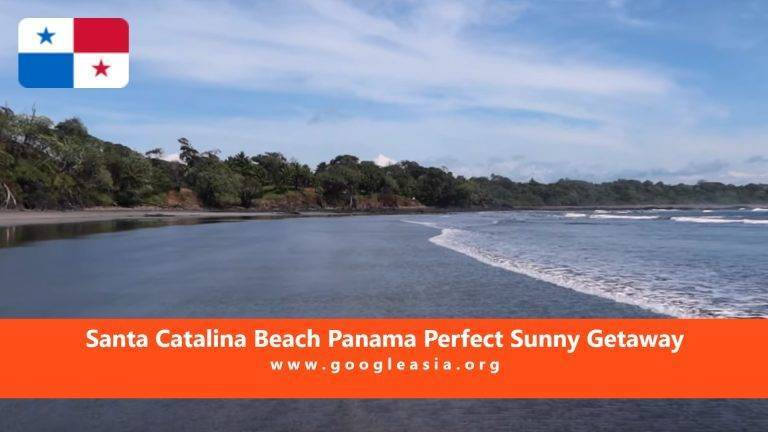
    Santa Catalina Beach in Panama is a must-see destination for travelers looking for an adventure in the Caribbean. With its beautiful white sand, crystal-clear waters, and stunning coral reefs, this beach is the perfect spot for snorkeling and diving. The beach is also an excellent spot for relaxation, with plenty of bars and restaurants overlooking the ocean. Finally, its stunning sunsets make it an ideal spot to watch the day turn to night.

    Santa Catalina is a small beach town in Panama, located on the Pacific Ocean. It is known for its pristine beaches, incredible surfing, and clear, blue waters. Home to multiple resorts, restaurants, and bars, Santa Catalina is the perfect place for a sunny getaway!

    Introduction

    Santa Catalina Beach, nestled along Panama’s Pacific Coast within the Gulf of Chiriquí, offers a blend of natural beauty and thrilling activities for travelers seeking a coastal retreat.

    Location and Scenery

    Pacific Coast Gem

    Santa Catalina Beach is situated on Panama’s Pacific Coast, offering picturesque views of the Gulf of Chiriquí. The beach features soft sands and tranquil turquoise waters, perfect for relaxation and water-based adventures.

    Attractions

    Island Escapes

    Scenic Vistas

    From Santa Catalina Beach, one can savor panoramic views of nearby islands such as Isla Coiba and Isla Paridas, both renowned for their beauty and ecological significance.

    Accommodations and Stays

    Stay Options

    Lodging Choices

    Travelers to Santa Catalina can choose from a variety of accommodations, including local hotels, village rentals, and camping facilities, catering to different preferences and budgets.

    Things to Do

    Santa Catalina Beach, nestled along Panama’s Pacific Coast in the Veraguas region, offers a plethora of activities that cater to diverse interests. From adventurous pursuits to leisurely relaxation, this idyllic Caribbean destination promises an unforgettable experience for all visitors.

    Surfing Adventures

    El Torito and El Estero: Santa Catalina is renowned for its challenging waves, making it a hotspot for surfing enthusiasts. Whether you’re a novice or an experienced surfer, spots like El Torito and El Estero offer consistent breaks that cater to various skill levels.

    Exploring Nature and Wildlife

    La Yeguada Natural Reserve: Embark on guided hikes through the lush tropical rainforest of La Yeguada. Discover diverse flora and fauna, and take in panoramic views from scenic viewpoints along the trails.

    Marino La Gamba National Park: Explore mangrove swamps and enjoy kayaking or riverboat cruises that offer serene views of the park’s natural beauty. Guided tours provide insights into local wildlife and ecosystems.

    Fishing Excursions

    Deep Sea Fishing: Set sail with experienced captains for deep-sea fishing adventures off Santa Catalina’s coast. Target local species such as Dorado, Marlin, and Snapper, promising an exciting day on the water for fishing enthusiasts.

    Relaxation and Beach Activities

    Beach Lounging and Swimming: Unwind on the soft white sands of Santa Catalina Beach. Soak up the sun, take refreshing dips in the azure waters, or simply indulge in a leisurely beach day amidst stunning coastal scenery.

    Nightlife and Cultural Exploration

    Exploring Las Lajas: Venture into the nearby town of Las Lajas to immerse yourself in local culture. Discover traditional Panamanian eateries, browse through artisan markets, and admire the vibrant architecture of this charming town.

    Local Entertainment: Experience the lively nightlife of Santa Catalina with its assortment of bars, clubs, and restaurants. Enjoy evening festivities and mingle with locals and fellow travelers alike, creating lasting memories of your visit.

    Underwater Exploration

    Snorkeling and Diving

    The area around Santa Catalina Beach is rich in marine life and coral reefs, making it an ideal spot for snorkeling and diving enthusiasts to explore vibrant underwater ecosystems.

    Foods

    Santa Catalina Beach in Panama offers a delightful culinary experience, showcasing a blend of local flavors and fresh ingredients. From seafood specialties to traditional dishes, here are some must-try foods that embody the essence of this coastal paradise.

    Ceviche

    Description: Fresh, raw fish marinated in tangy lime juice, infused with garlic, cilantro, jalapeño, and onion for a burst of flavors.

    Fish Tacos

    Description: Deep-fried fish fillet served in your choice of soft flour or crispy corn tortillas, accompanied by fresh toppings and zesty salsa.

    Fried Plantains

    Description: Sweet plantains sliced and fried to perfection, offering a delicious complement to any meal with their crispy texture.

    Coconut Shrimp

    Description: Juicy shrimp coated in a crunchy coconut batter, fried to golden perfection, and served with a spicy sauce for a delightful tropical twist.

    Yuca Frita

    Description: Yuca (cassava) sliced and fried until crispy, served with garlic aioli or guacamole for a savory and satisfying treat.

    Ensalada de Pulpo

    Description: A refreshing salad featuring tender chunks of octopus, combined with onions, bell peppers, and a medley of fresh vegetables for a light yet satisfying dish.

    Raspao de Coco

    Description: Shaved fresh coconut, a traditional Panamanian dessert originating from Bocas del Toro, served with condensed milk or a scoop of ice cream for a sweet and refreshing treat.

    Hotels

    Santa Catalina Beach in Panama offers a range of accommodations that cater to different preferences and budgets. Whether you’re looking for luxury, beachfront views, or a cozy retreat, here are some of the best hotels to consider for your stay:

    Bahia del Sol Beach Resort & Suites

    Location: Situated on the beachfront, offering stunning views of the ocean. Amenities: Includes a restaurant, outdoor pool, spa services, and comfortable suites with modern amenities.

    Playa Blanca Beach Resort

    Location: Beachfront location with direct access to Santa Catalina Beach. Amenities: Features spacious rooms, swimming pools, a beach bar, and activities such as snorkeling and diving.

    Las Olas Resort & Beach Club

    Location: Overlooks the Pacific Ocean, providing panoramic views. Amenities: Offers beachfront villas, a restaurant, infinity pool, and access to surfing and other water activities.

    Los Pueblos Resort

    Location: Located near the beach, offering a tranquil atmosphere. Amenities: Provides comfortable rooms, a restaurant, and easy access to local attractions and beaches.

    Hotel Chirikal Portobelo

    Location: Close proximity to Santa Catalina Beach and other attractions. Amenities: A boutique-style hotel with personalized service, comfortable rooms, and a restaurant serving local cuisine.

    Coco Beach Hotel

    Location: Steps away from the beach, offering a laid-back atmosphere. Amenities: Provides cozy rooms, a restaurant, and a bar, ideal for relaxation and enjoying beach activities.

    Xiadani Beach Resort

    Location: Beachfront property with scenic views and peaceful surroundings. Amenities: Offers spacious accommodations, a restaurant, and access to water sports and excursions.

    Playa Venao Eco Resort

    Location: Located a short drive from Santa Catalina Beach, nestled in a natural setting. Amenities: Focuses on sustainability, offering eco-friendly accommodations, a restaurant with organic cuisine, and activities like yoga and hiking.

    Palma Real Beach Resort

    Location: Beachfront resort with tropical gardens and direct beach access. Amenities: Features comfortable rooms, a swimming pool, restaurant, and activities such as kayaking and fishing.

    El Faro Beach Hotel & Resort

    Location: Offers beachfront accommodations with picturesque views. Amenities: Includes spacious rooms, a restaurant, outdoor pool, and services for organizing excursions and activities.

    Conclusion

    These hotels provide a variety of options to enhance your stay in Santa Catalina Beach, ensuring comfort, convenience, and memorable experiences. Whether you’re planning a romantic getaway, family vacation, or adventure-filled trip, you’ll find suitable accommodations to complement your visit to this scenic coastal destination in Panama.
    Santa Catalina Beach Panama Perfect Sunny Getaway

    Summary

    • Attraction Name: Santa Catalina Beach
    • Country: Panama
    • Continent: North America
    • Capital Name: Panama City
    • Language: Spanish
    • Currency: United States Dollar (USD)
    • Nationality: Panamanian
    • Category:  #Destination #NorthAmerica #PANAMA 

    Frequently Asked Questions

    Where is Santa Catalina Beach located?

    Santa Catalina Beach is located near the city of Trinidad on the southern coast of Cuba, specifically in the province of Sancti Spíritus. It is situated along the Caribbean Sea, offering visitors stunning views of turquoise waters and white sandy beaches typical of the Cuban coastline. The beach is known for its tranquil atmosphere and natural beauty, making it a popular destination for travelers seeking relaxation and outdoor activities such as swimming, snorkeling, and sunbathing.

    How to go to Santa Catalina Beach?

    To reach Santa Catalina Beach near Trinidad, Cuba, you have several options depending on your starting point:

    1. From Trinidad:
      • Taxi: The most convenient way to reach Santa Catalina Beach from Trinidad is by taking a taxi. Taxis can be arranged through your accommodation or found at taxi stands in the city center. The ride typically takes around 15-20 minutes.
      • Bicycle or Scooter: For a more adventurous approach, you can rent a bicycle or scooter in Trinidad and ride to Santa Catalina Beach. This option allows you to explore the scenic countryside along the way.
    2. From Varadero or Havana:
      • Viazul Bus: If you’re traveling from Varadero or Havana, you can take a Viazul bus to Trinidad. Viazul offers comfortable and affordable bus services between major cities in Cuba. Once in Trinidad, you can arrange local transportation (taxi or rental) to Santa Catalina Beach.
    3. Private Transfer or Tour: Many hotels and tour operators in Trinidad offer private transfers or guided tours to Santa Catalina Beach. This option provides convenience and often includes stops at other nearby attractions.
    4. Rental Car: If you have a rental car, driving from Trinidad to Santa Catalina Beach is straightforward. The beach is well-marked and accessible via paved roads. Keep in mind that gas stations can be limited outside of major cities, so it’s wise to fill up before heading out.
    5. Cruise Ship: If you arrive in Trinidad via cruise ship, some cruise lines offer excursions or shuttle services to nearby beaches, including Santa Catalina Beach. Check with your cruise operator for available options.

    What are Santa Catalina Beach’s must-visit attractions or landmarks?

    Santa Catalina Beach near Trinidad, Cuba, is known for its natural beauty and tranquil environment, offering a relaxing getaway. While it primarily attracts visitors for its pristine beaches and scenic coastline, there are several nearby attractions and activities that enhance the overall experience:

    1. Santa Catalina Beach: The main attraction itself, Santa Catalina Beach, is a stunning stretch of white sand with clear turquoise waters ideal for swimming and sunbathing. Visitors can relax on the beach, enjoy water activities like snorkeling or diving, or simply take in the picturesque views.
    2. Playa Ancón: Located nearby, Playa Ancón is another beautiful beach popular among travelers. It offers similar amenities and activities as Santa Catalina Beach, including water sports and beachside relaxation.
    3. Trinidad: The historic town of Trinidad, a UNESCO World Heritage site, is a short drive from Santa Catalina Beach. Must-visit attractions in Trinidad include:
      • Plaza Mayor: The main square surrounded by colonial-era buildings, cafes, and museums.
      • Museo Romántico: A museum housed in a former colonial mansion showcasing 19th-century life in Trinidad.
      • Casa de la Música: A lively venue for traditional Cuban music and dancing.
    4. Topes de Collantes: This nature reserve located in the Sierra del Escambray mountains offers hiking trails, waterfalls, and scenic viewpoints. It’s a great destination for outdoor enthusiasts and nature lovers.
    5. Valle de los Ingenios: Also known as the Valley of the Sugar Mills, this UNESCO-listed site near Trinidad features historical sugar plantations, old mills, and panoramic views of the surrounding countryside.
    6. Cueva del Diablo: A cave located near Trinidad known for its intriguing stalactite and stalagmite formations. Guided tours are available for visitors interested in exploring the cave’s natural beauty and geological history.
    7. El Nicho Waterfalls: Located within the Topes de Collantes nature reserve, El Nicho is a series of cascading waterfalls and natural pools surrounded by lush vegetation. It’s a popular spot for hiking, swimming, and photography.

    Is Santa Catalina Beach a suitable travel destination for solo adventurers, honeymooning couples, or those traveling with families?

    Santa Catalina Beach near Trinidad, Cuba, can cater to different types of travelers, offering varied experiences that appeal to solo adventurers, honeymooning couples, and families:

    1. Solo Adventurers:
      • Exploration: Solo travelers can explore the tranquil beach and nearby attractions at their own pace. Activities such as snorkeling, hiking, and exploring local culture in Trinidad provide opportunities for adventure and discovery.
      • Local Interaction: Engaging with locals in Trinidad and nearby areas allows solo adventurers to learn about Cuban culture, history, and daily life firsthand.
    2. Honeymooning Couples:
      • Romantic Setting: Santa Catalina Beach’s secluded and picturesque environment offers a romantic backdrop for honeymooners. Quiet beach walks, sunset views, and intimate dinners by the sea create memorable moments.
      • Adventure and Relaxation: Couples can enjoy snorkeling, diving, or simply lounging on the beach together. Exploring Trinidad’s historic streets and enjoying local cuisine add to the honeymoon experience.
    3. Families:
      • Beach Activities: Santa Catalina Beach’s calm waters and soft sands are ideal for families with children. Swimming, building sandcastles, and beach picnics are enjoyable activities for all ages.
      • Educational Opportunities: Visiting Trinidad provides families with cultural and historical insights through museums, colonial architecture, and local tours. Activities like hiking to nearby waterfalls or exploring caves offer adventure for children and adults alike.

    Why should you visit Santa Catalina Beach?

    Santa Catalina Beach, located near Trinidad in Cuba, offers a serene and picturesque destination that attracts visitors for several compelling reasons:

    1. Natural Beauty: Santa Catalina Beach is known for its pristine white sands, clear turquoise waters, and stunning coastal scenery. The beach is nestled amidst lush vegetation and offers breathtaking views of the Caribbean Sea, making it a perfect spot for relaxation and photography.
    2. Secluded Atmosphere: Unlike more crowded beaches in tourist hubs, Santa Catalina Beach maintains a quieter and more secluded ambiance. Visitors can enjoy peaceful sunbathing, swimming in calm waters, and leisurely walks along the shore without large crowds.
    3. Snorkeling and Diving: The waters around Santa Catalina Beach are ideal for snorkeling and diving enthusiasts. The coral reefs and marine life provide opportunities to explore underwater ecosystems and encounter colorful fish and other marine species.
    4. Historical Significance: Nearby, the town of Trinidad offers a glimpse into Cuba’s colonial past with its well-preserved architecture and cobblestone streets. Visitors can explore historic sites, museums, and cultural landmarks in Trinidad, enhancing their overall experience.
    5. Local Culture and Cuisine: Travelers can immerse themselves in Cuban culture by interacting with locals, sampling traditional cuisine at local restaurants (including seafood dishes), and experiencing local hospitality in Trinidad.
    6. Adventure Activities: Beyond beach lounging, Santa Catalina Beach and the surrounding area offer opportunities for hiking, horseback riding, and exploring nearby natural attractions like waterfalls and caves.
    7. Peaceful Retreat: For those seeking a quiet retreat away from the hustle and bustle of city life, Santa Catalina Beach provides a peaceful environment to unwind, read a book, or simply enjoy the natural beauty of the Caribbean coastline.

    How accessible is halal food in Santa Catalina Beach?

    Santa Catalina Beach, located near Trinidad in Cuba, may have limited options for strictly halal food. Cuban cuisine typically includes pork and non-halal meats, and halal options are generally not widely available throughout the country, especially in more remote or less tourist-oriented areas like Santa Catalina Beach.

    If you’re visiting Santa Catalina Beach and adhere to a halal diet, here are some suggestions:

    1. Vegetarian Options: Look for restaurants or eateries that offer vegetarian dishes. Cuban cuisine includes many vegetable-based dishes such as rice and beans, plantains, and salads, which can be suitable for vegetarians and sometimes for halal diets.
    2. Seafood: Seafood is commonly served in Cuban cuisine and is generally considered halal. Look for restaurants or paladares (family-run eateries) that specialize in seafood dishes like grilled fish or shrimp.
    3. Self-Catering: Consider bringing or purchasing halal-certified food items from larger cities like Havana or Trinidad before traveling to Santa Catalina Beach. Self-catering allows you to prepare meals according to your dietary requirements.
    4. Local Advice: Upon arrival in Trinidad or Santa Catalina Beach, inquire with locals or the staff at your accommodation about any restaurants or eateries that may accommodate dietary restrictions. They may be able to provide recommendations based on local knowledge.
  • Isla Iguana, Panama: Your Ultimate Travel Guide & Tips

    Isla Iguana, Panama: Your Ultimate Travel Guide & Tips

    Isla Iguana, Panama

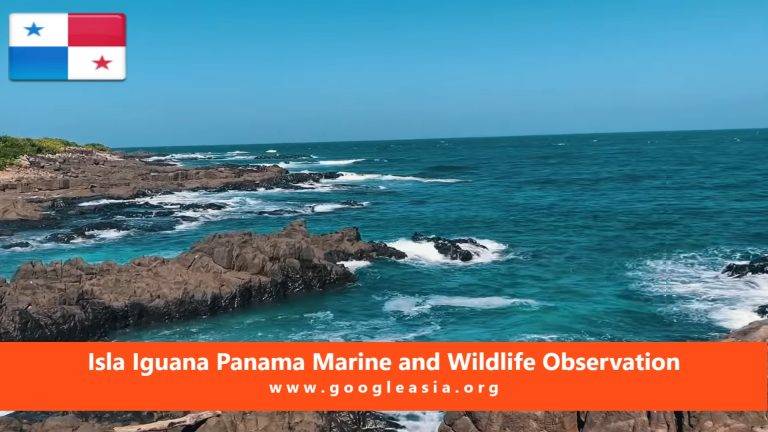
    Isla Iguana in Panama is a unique destination, with its stunning white sand beaches and crystal-clear waters, that offers a plethora of activities and experiences. It is famous for its abundant marine life, including sea turtles, dolphins, and over 170 species of fish. Snorkellers and divers alike will delight in the colourful coral gardens and deep reefs.

    Nature lovers can explore the island’s untouched tropical rainforest and visit the rocky shore during low tide to observe the numerous birds and iguanas. Visitors can also enjoy swimming, kayaking, stand-up paddle boarding, and more. It is the perfect place for a tranquil and unspoiled getaway.

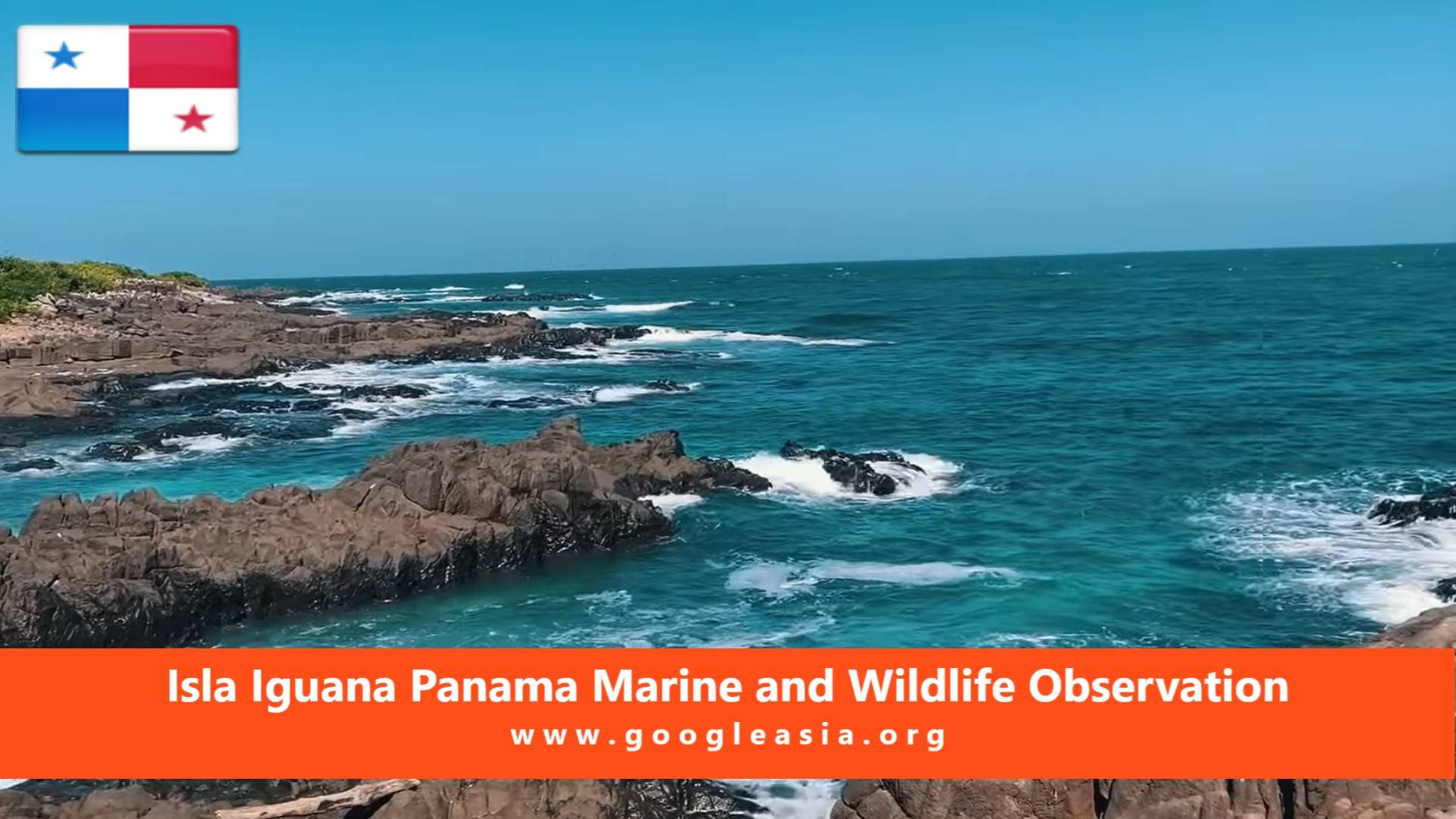
    An oasis of nature, Isla Iguana is located in Panama’s Pacific Coast, a two-mile-long island home to a variety of wildlife including iguana, pelicans, blue herons, and countless other exotic species, making it a popular go-to for marine and wildlife observation. Its crystal-clear waters and wide stretches of white sand beaches also make it a destination for surfers, scuba divers, and sunbathers alike.

    Introduction

    Location and Overview

    Isla Iguana is a pristine tropical island situated just off the coast of Panama, renowned for its secluded beaches and vibrant marine life. This remote paradise beckons travelers seeking a serene escape amidst natural beauty.

    Attributes:

    Remote, tropical island, secluded beaches, vibrant marine life.

    Wildlife and Nature

    Isla Iguana is teeming with diverse flora and fauna, including sea turtles that nest on its beaches and colorful fish that inhabit its waters.

    Attributes:

    Sea turtles, nesting sites, colorful fish, diverse flora and fauna.

    Things to Do

    Snorkeling and Diving

    Isla Iguana Panama is renowned for its remarkably clear waters, making it an ideal destination for snorkeling and diving enthusiasts. Explore vibrant coral reefs teeming with sea turtles and various species of fish.

    Attributes:

    Crystal clear waters, snorkeling, diving, sea turtles, coral reefs.

    Fishing

    Fishing is a popular activity on Isla Iguana, offering opportunities for both amateurs and seasoned anglers to enjoy deep-sea fishing and coastal fishing.

    Attributes:

    Fishing charters, deep-sea fishing, coastal fishing.

    Beach Activities

    Enjoy the sun and sea on the island’s stunning beaches like Playa de Chiriqui, Papagonio, and Redondo. Swim in gentle waves, sunbathe on soft white sands, or join a game of beach volleyball.

    Attributes:

    Playa de Chiriqui, Papagonio, Redondo, swimming, sunbathing, beach volleyball.

    Adventure in Nature

    Hiking and Mountain Biking

    Explore Isla Iguana’s rainforest trails on foot or by bike, discovering diverse flora, fauna, and scenic viewpoints along the way.

    Attributes:

    Hiking trails, mountain biking, rainforest exploration, scenic viewpoints.

    Eco-Tours

    Island Tours

    Participate in eco-tours offered by Island Management Services, combining snorkeling, birdwatching, and turtle identification with educational nature lectures and interactive activities.

    Attributes:

    Eco-tours, Island Management Services, birdwatching, turtle identification, educational lectures.

    Foods

    Fresh Seafood

    Fresh seafood is a highlight of dining on Isla Iguana, Panama. With its abundance of marine life and skilled local fishermen, the island offers a variety of delicious seafood dishes:

    Attributes:

    • Taste: Delicate flavors enhanced by fresh, local ingredients.
    • Texture: Tender and succulent, depending on the preparation.
    • Presentation: Often served grilled, fried, or in ceviche form.
    • Ingredients: Includes fish like snapper and tuna, and shellfish like shrimp and lobster.

    Sancocho

    A traditional Panamanian stew that’s hearty and full of flavor, Sancocho is a staple on Isla Iguana:

    Attributes:

    • Taste: Rich and savory with a blend of meats and vegetables.
    • Texture: Chunky with tender meat and vegetables.
    • Presentation: Served hot, often with a side of rice.
    • Ingredients: Typically includes chicken, beef, or pork, with yams, corn, and other local vegetables.

    Fried Plantains

    Fried plantains are a beloved side dish or snack in Panama, and Isla Iguana is no exception:

    Attributes:

    • Taste: Sweet and slightly caramelized.
    • Texture: Crispy on the outside and tender inside.
    • Presentation: Served sliced or smashed, often with a sprinkle of salt.
    • Ingredients: Ripe plantains, fried until golden brown.

    Ceviche

    Ceviche is a refreshing and popular seafood dish enjoyed throughout Panama, including Isla Iguana:

    Attributes:

    • Taste: Tangy and citrusy, with fresh seafood flavors.
    • Texture: Tender and marinated in lime juice.
    • Presentation: Served cold, garnished with onions, cilantro, and sometimes avocado.
    • Ingredients: Fresh fish, typically snapper or sea bass, marinated in lime juice with onions and cilantro.

    Empanadas

    Empanadas are a favorite snack or light meal on Isla Iguana, offering a variety of fillings and flavors:

    Attributes:

    • Taste: Savory, with options for meat, cheese, or vegetable fillings.
    • Texture: Crispy crust with a warm, flavorful interior.
    • Presentation: Deep-fried pastry, served hot.
    • Ingredients: Fillings can vary from ground beef, chicken, or cheese to vegetables like spinach or potatoes.

    Mixed Fruits

    Panama’s tropical climate yields a bounty of exotic fruits, enjoyed fresh on Isla Iguana:

    Attributes:

    • Taste: Sweet and juicy, bursting with tropical flavors.
    • Texture: Smooth and refreshing.
    • Presentation: Served fresh, sliced, or in fruit salads.
    • Ingredients: Includes papaya, guava, passionfruit, pineapple, and mango, depending on seasonal availability.

    Hotels

    Isla Iguana, located off the Pacific coast of Panama, is renowned for its pristine beaches, diverse marine life, and natural beauty. For travelers seeking a comfortable stay near this idyllic island, several excellent hotels offer a range of amenities and experiences.

    Islas Secas Resort & Spa

    Overview

    Islas Secas Resort & Spa is a luxury eco-resort located on a private archipelago, offering exclusive access to guests seeking seclusion and natural beauty.

    Amenities

    • Private villas with ocean views
    • Spa and wellness center
    • Gourmet dining with local cuisine
    • Guided excursions for snorkeling and wildlife encounters

    Location

    Islas Secas is approximately 25 kilometers from Isla Iguana, accessible by boat.

    Pearl Islands Resort

    Overview

    Pearl Islands Resort is a luxurious retreat nestled within the Pearl Islands archipelago, offering a blend of luxury and natural beauty.

    Amenities

    • Beachfront villas and suites
    • Infinity pool overlooking the ocean
    • Fine dining restaurants
    • Activities include sailing and diving

    Location

    Located on Contadora Island, about 70 kilometers from Isla Iguana, accessible via boat or plane.

    Fairmont Panama

    Overview

    Fairmont Panama is a sophisticated hotel in Panama City, offering a luxurious base before or after visiting Isla Iguana.

    Amenities

    • Elegant rooms and suites
    • Rooftop pool with skyline views
    • Spa and fitness center
    • Gourmet dining options

    Location

    Fairmont Panama is situated in Panama City, approximately 300 kilometers from Isla Iguana, accessible via domestic flights.

    Kuna Yala Eco Lodge

    Overview

    Kuna Yala Eco Lodge offers an immersive cultural experience on the mainland near Isla Iguana, showcasing indigenous traditions.

    Amenities

    • Traditional thatched-roof cabanas
    • Cultural activities and workshops
    • Fresh seafood meals
    • Guided tours to nearby islands and rainforest

    Location

    Located on the mainland near Carti Sugtupu, about 80 kilometers from Isla Iguana, accessible by road and boat.

    Cayo Corona Lodge

    Overview

    Cayo Corona Lodge offers a peaceful retreat on the coast, ideal for travelers seeking tranquility and natural surroundings.

    Amenities

    • Comfortable cabins with ocean views
    • Restaurant serving local dishes
    • Fishing and kayaking expeditions
    • Nature trails and birdwatching

    Location

    Cayo Corona Lodge is situated approximately 15 kilometers from Isla Iguana, accessible by boat.

    Isla Iguana Eco Lodge

    Overview

    Isla Iguana Eco Lodge offers rustic accommodations in a scenic setting, perfect for eco-conscious travelers.

    Amenities

    • Eco-friendly bungalows with ocean views
    • Organic farm-to-table dining
    • Yoga and wellness activities
    • Guided tours to Isla Iguana and nearby reefs

    Location

    Located directly adjacent to Isla Iguana, accessible by a short boat ride.

    Isla Iguana Panama Resort

    Overview

    Isla Iguana Panama Resort provides comfortable lodging with easy access to Isla Iguana’s natural attractions.

    Amenities

    • Beachfront rooms and suites
    • Restaurant serving Panamanian cuisine
    • Water sports equipment rentals
    • Snorkeling and diving tours

    Location

    Situated on the mainland near Pedasi, approximately 8 kilometers from Isla Iguana, accessible by road and boat.

    Sea Blue Boutique Hotel

    Overview

    Sea Blue Boutique Hotel offers boutique-style accommodations with personalized service in a tranquil setting.

    Amenities

    • Stylish rooms with sea views
    • Rooftop terrace with sunset views
    • Breakfast with local ingredients
    • Concierge services for excursions

    Location

    Located in Pedasi, about 10 kilometers from Isla Iguana, accessible by road and boat.

    Jenewin Isla Iguana Resort

    Overview

    Jenewin Isla Iguana Resort provides a relaxed atmosphere with easy access to nearby beaches and natural reserves.

    Amenities

    • Cozy rooms with garden views
    • Restaurant and bar
    • Outdoor pool with loungers
    • Bicycles for exploring the area

    Location

    Located in Pedasi, approximately 8 kilometers from Isla Iguana, accessible by road and boat.

    Paraiso Casa Lluvia Hostel & Resort

    Overview

    Paraiso Casa Lluvia Hostel & Resort offers budget-friendly accommodations with a focus on community and nature.

    Amenities

    • Dormitory-style rooms and private cabins
    • Communal kitchen and BBQ area
    • Hammocks and lounging areas
    • Cultural events and workshops

    Location

    Located in Pedasi, about 10 kilometers from Isla Iguana, accessible by road and boat.

    Conclusion

    Choosing the best hotel near Isla Iguana in Panama depends on your preferences for luxury, proximity to the island, and the type of experience you seek. Whether you opt for the secluded luxury of Islas Secas Resort & Spa or the eco-friendly charm of Isla Iguana Eco Lodge, each accommodation offers unique amenities and access to the natural wonders of the region. Consider your priorities—be it relaxation, adventure, or cultural immersion—when selecting the perfect place to stay near Isla Iguana.

    Isla Iguana Panama Marine and Wildlife Observation

    Summary

    • Attraction Name: Isla Iguana
    • Country: Panama
    • Continent: North America
    • Capital Name: Panama City
    • Language: Spanish
    • Currency: United States Dollar (USD)
    • Nationality: Panamanian
    • Category:  #Destination #NorthAmerica #PANAMA 

    Frequently Asked Questions

    Where is Isla Iguana located?

    Isla Iguana, also known as Iguana Island, is located off the southern coast of Panama in the Pacific Ocean. Specifically, it is part of the Gulf of Panama, near the Azuero Peninsula. Isla Iguana is known for its pristine beaches, diverse marine life, and as a protected wildlife refuge, making it a popular destination for ecotourism and snorkeling.

    How to go to Isla Iguana?

    To reach Isla Iguana in Panama, you typically need to travel to the town of Pedasí on the Azuero Peninsula, as it serves as the primary departure point for tours to the island. Here’s how you can go to Isla Iguana:

    1. From Panama City:
      • By Air: Fly from Panama City to Chitré or Pedasí. Chitré is closer to Pedasí, and from there, you can take a taxi or arrange a shuttle to Pedasí.
      • By Bus: Take a bus from Panama City to Chitré or Las Tablas. From Chitré or Las Tablas, take another bus or a taxi to Pedasí.
    2. From Pedasí:
      • Boat Tour: Most visitors reach Isla Iguana by joining a boat tour from Pedasí. These tours are typically organized by local tour operators or hotels in Pedasí. The boat ride to Isla Iguana takes about 15-20 minutes, depending on sea conditions.
    3. Tour Packages: Many tour operators in Panama City and Pedasí offer packages that include transportation, guided tours, and sometimes meals. These packages provide a convenient way to visit Isla Iguana and ensure a smooth trip.
    4. Private Boat: If you prefer a more personalized experience, you can arrange a private boat charter from Pedasí or nearby coastal areas. This option allows for flexibility in scheduling and exploration around the island.

    What are Isla Iguana’s must-visit attractions or landmarks?

    Isla Iguana in Panama is renowned for its natural beauty, diverse wildlife, and pristine beaches. While it’s a relatively small island, there are several key attractions and activities that make it a must-visit destination for travelers:

    1. Beaches: Isla Iguana boasts stunning white sand beaches surrounded by crystal-clear turquoise waters. Visitors can relax on the beach, swim in the calm waters, and enjoy sunbathing in a serene and picturesque setting.
    2. Snorkeling and Diving: The island is surrounded by coral reefs and abundant marine life, making it an excellent spot for snorkeling and diving. Visitors can explore colorful coral formations, swim alongside tropical fish, and possibly encounter sea turtles and other marine species.
    3. Wildlife Watching: Isla Iguana is a protected wildlife refuge, home to various bird species, including frigatebirds, pelicans, and brown boobies. The island is also known for its large population of iguanas, after which it is named. Birdwatching and observing iguanas in their natural habitat are popular activities on the island.
    4. Nature Trails: The island features nature trails that lead through its lush vegetation and along its coastline. Walking these trails offers opportunities to observe flora and fauna unique to the island and enjoy panoramic views of the Pacific Ocean.
    5. Photography: Isla Iguana’s natural beauty and biodiversity provide endless opportunities for photography enthusiasts. From stunning beach landscapes to close-up shots of wildlife, the island offers picturesque settings for capturing memorable moments.
    6. Conservation Efforts: Visitors can learn about the island’s conservation efforts and the importance of protecting its fragile ecosystem. Informational signs and guided tours often highlight conservation initiatives and the significance of preserving Isla Iguana’s natural habitats.

    Why should you visit Isla Iguana?

    Visiting Isla Iguana in Panama offers a unique and rewarding experience for travelers interested in nature, wildlife, and pristine beaches. Here are compelling reasons why you should consider visiting Isla Iguana:

    1. Natural Beauty: Isla Iguana is renowned for its stunning white sand beaches and clear turquoise waters. The island’s picturesque landscapes, framed by lush greenery and coral reefs, provide a perfect backdrop for relaxation and outdoor activities.
    2. Marine Life: The waters surrounding Isla Iguana are rich in marine biodiversity, making it an excellent destination for snorkeling and diving. Visitors can explore vibrant coral reefs teeming with tropical fish, and with luck, encounter sea turtles, rays, and other marine creatures.
    3. Birdwatching: As a protected wildlife refuge, Isla Iguana is home to diverse bird species, including frigatebirds, pelicans, and brown boobies. Birdwatchers can observe these majestic birds in their natural habitat and capture unique sightings with their cameras.
    4. Iguana Sanctuary: The island is named after its large population of iguanas. Visitors can observe these fascinating reptiles up close and learn about their behavior and conservation efforts aimed at protecting their habitat.
    5. Photography Opportunities: Whether you’re capturing scenic beach views, underwater landscapes, or close-up shots of wildlife, Isla Iguana offers endless opportunities for photography enthusiasts to capture stunning images.
    6. Ecotourism and Conservation: By visiting Isla Iguana, you support ecotourism initiatives and conservation efforts aimed at preserving the island’s natural beauty and biodiversity. Learning about the island’s conservation challenges and successes can deepen your appreciation for its ecosystem.
    7. Tranquil Escape: Isla Iguana’s remote location and limited visitor access ensure a tranquil and peaceful environment. It’s an ideal destination for travelers seeking relaxation away from crowded tourist areas.
    8. Outdoor Activities: Beyond snorkeling and wildlife observation, visitors can enjoy hiking nature trails, beachcombing, and simply soaking up the sun on pristine beaches. The island’s natural attractions cater to a variety of interests and preferences.

    Is it difficult to find halal food in Isla Iguana?

    Finding halal food on Isla Iguana can be challenging due to its remote and natural setting. As a small island primarily known for its beaches, marine life, and wildlife, Isla Iguana does not typically have dedicated dining establishments or facilities that cater specifically to halal dietary requirements.

    Here are some considerations if you’re visiting Isla Iguana and follow a halal diet:

    1. Bring Your Own Food: Consider bringing packaged halal meals, snacks, and drinks with you to the island. This ensures that you have suitable food options that meet your dietary needs.
    2. Local Cuisine Awareness: While local food on the island may not be certified halal, vegetarian options like fruits, vegetables, rice, and beans are often available. Communicating your dietary restrictions clearly to any local guides or tour operators may help them provide suitable meal options.
    3. Plan Ahead: If you’re traveling to Isla Iguana as part of a guided tour or excursion from nearby Pedasí or Panama City, inquire with tour operators or accommodations beforehand about any possible options for halal food or places where you can safely consume your own food.
    4. Flexibility: Be prepared to adapt and make the best choices available while respecting local customs and practices. Understanding that halal food may not be readily available in remote or non-touristic areas like Isla Iguana can help manage expectations.
  • Boquete, Panama: Your Ultimate Travel Guide & Tips

    Boquete, Panama: Your Ultimate Travel Guide & Tips

    Boquete, Panama

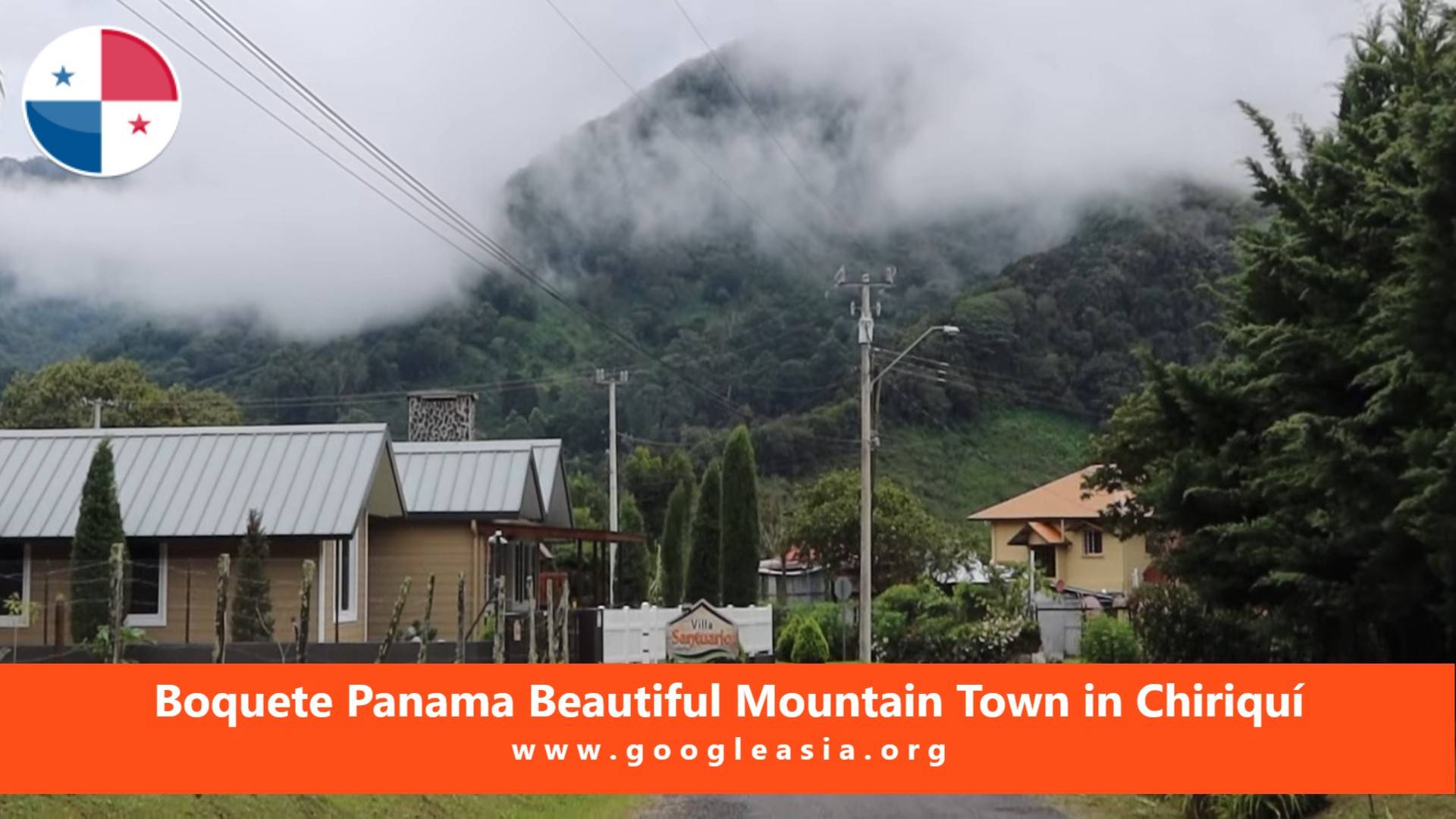
    Boquete is a beautiful mountain town located in the Chiriquí province of Panama. It is a popular destination among tourists, drawn to its lush landscape, stunning views of Volcan Baru, and unique activities like Whitewater Rafting and Ziplining. An outdoor enthusiast paradise, Boquete is perfect for birdwatching, hiking, cycling, and many other outdoor pursuits. There is something here for everyone!

    There are many reasons to visit Boquete. Located in the highlands of Chiriqui province, Boquete offers stunning natural beauty and plenty of activities for nature lovers and adventurers alike. From breathtaking hikes and waterfalls to unique local culture, there is something for everyone! This place is also known for its excellent coffee, organic farms, and UNESCO World Heritage sites. Lastly, this place also home to some of the best hot springs and thermal baths in the country.

    Introduction

    Boquete, nestled in Panama’s Chiriquí Province, is a gem of a town renowned for its breathtaking natural beauty, thriving coffee industry, and welcoming community. Whether you’re seeking outdoor adventures, cultural experiences, or simply a serene retreat, Boquete offers something for everyone.

    Panoramic Views

    • Baru Volcano: Dominates the skyline with its majestic presence.
    • Jaramillo Mountain: Offers stunning hiking trails and panoramic vistas.

    Coffee Culture

    Coffee Plantations

    • Rich Varieties: Experience the unique flavors of Boquete’s renowned coffee.
    • Tours: Visit local plantations for tours and tastings to learn about coffee production.

    Culinary Delights

    • Local Cuisine: Sample traditional Panamanian dishes infused with local flavors.
    • Fresh Produce: Enjoy farm-to-table dining experiences with organic ingredients.

    Cultural Charms

    Community Spirit

    • Friendly Locals: Embrace the warm hospitality of Boquete’s residents.
    • Artisan Crafts: Explore local markets for handmade crafts and souvenirs.

    Festivals and Events

    • Boquete Flower and Coffee Festival: Celebrates the region’s agricultural heritage annually.

    Things to Do

    Boquete, Panama, nestled in the scenic Chiriquí Highlands, is a haven for adventure enthusiasts and nature lovers alike. With its stunning landscapes, temperate climate, and rich cultural offerings, Boquete promises an unforgettable experience. Here are some top activities to enjoy during your visit:

    Coffee Tours and Tastings

    Baru Volcano National Park

    • Coffee Plantation Tours: Explore the lush coffee farms nestled in the foothills of Baru Volcano.
    • Coffee Tastings: Sample freshly brewed local coffee and learn about the cultivation and roasting processes.

    Nature and Outdoor Activities

    Gardens and Waterfalls

    • El Salto and La Fortuna Waterfalls: Marvel at the natural beauty of these cascading waterfalls.
    • Botanical Gardens: Visit Danta, El Bajo de Toro, and La Casa de Los Abuelos gardens for a glimpse of native flora.

    Hiking Adventures

    • Baru Volcano Hike: Embark on a challenging hike to the summit of Panama’s tallest peak for panoramic views.
    • Quetzal Trail: Trek through cloud forests and spot the elusive resplendent quetzal bird.

    Thrilling Adventures

    • Horseback Riding: Explore scenic trails on horseback amidst lush landscapes.
    • Zip Lining: Experience the adrenaline rush of ziplining through the forest canopy at Boquete Adventure Park.

    Wildlife and Nature Reserves

    Fortuna Nature Reserve

    • Birdwatching: Discover diverse bird species in their natural habitat, especially during the wet season.
    • Wildlife Viewing: Spot unique flora and fauna including orchids, butterflies, and mammals.

    Cultural and Shopping Experiences

    Craft Markets

    • Boquete Craft Markets: Browse local markets for handmade crafts, including wood sculptures, jewelry, and textiles.

    Foods

    Boquete, Panama, nestled in the Chiriquí Highlands, offers a delightful array of culinary delights that reflect its cultural richness and natural bounty. Here are some of the must-try dishes when exploring the gastronomic scene in Boquete:

    Tamales

    Description:

    Tamales are a beloved dish in Boquete, consisting of chicken, beef, pork, or cheese wrapped in banana leaves and steamed.

    Attributes:

    Hearty, traditional, wrapped in banana leaves, savory or sweet fillings.

    Best Places to Try:

    Local markets, traditional restaurants, street vendors.

    Empanadas de Platano

    Description:

    Similar to tamales, these empanadas are made with mashed plantains, cheese, and spices.

    Attributes:

    Sweet and savory, stuffed with cheese, mashed plantains, and spices.

    Best Places to Try:

    Local bakeries, street food stalls.

    Raspao

    Description:

    A refreshing shaved ice treat topped with fruit syrup and condensed milk.

    Attributes:

    Cooling, sweet, topped with fruit syrup and condensed milk.

    Best Places to Try:

    Raspao carts, dessert shops.

    Carne Asada

    Description:

    Flavorful grilled beef marinated with onions, tomatoes, and peppers.

    Attributes:

    Grilled, marinated, smoky flavors, served with vegetables.

    Best Places to Try:

    Local grills, street food vendors.

    Chicha de Maíz

    Description:

    Traditional beverage made from fermented corn and spices.

    Attributes:

    Fermented, corn-based, regional variations in flavor and strength.

    Best Places to Try:

    Local markets, traditional eateries.

    Sancocho de Gallina

    Description:

    Hearty chicken and vegetable stew, often served with fried plantains.

    Attributes:

    Hearty, stewed chicken, vegetables, served with fried plantains.

    Best Places to Try:

    Local diners, traditional restaurants.

    Ceviche

    Description:

    Fresh fish cured in lime juice, cilantro, and onions.

    Attributes:

    Fresh seafood, tangy lime juice, cilantro and onions.

    Best Places to Try:

    Seafood restaurants, coastal eateries.

    Patacones

    Description:

    Fried green plantains smashed flat, served sweet or savory.

    Attributes:

    Crispy, fried plantains, pounded flat, versatile.

    Best Places to Try:

    Street food stalls, local eateries.

    Arroz con Pollo

    Description:

    Classic dish of chicken and rice, cooked with spices and vegetables.

    Attributes:

    Comforting, chicken and rice, staple dish.

    Best Places to Try:

    Family-owned restaurants, local diners.

    Pan de Coco

    Description:

    Sweet bread made with shredded coconut.

    Attributes:

    Sweet, coconut-infused, found in local bakeries.

    Best Places to Try:

    Panaderías, bakeries in Boquete.

    Hotels

    Here are some of the best hotels to stay in Boquete, Panama:

    Panamonte Inn & Spa

    Description:

    A historic inn offering luxury accommodations and spa services in a serene mountain setting.

    Attributes:

    Luxury, spa services, historic, mountain views.

    Location:

    Main street, close to downtown Boquete.

    Boquete Tree Trek Eco Lodge

    Description:

    An eco-friendly lodge nestled in the lush rainforest offering treehouse-style accommodations.

    Attributes:

    Eco-friendly, treehouse lodgings, rainforest setting.

    Location:

    Near Boquete, surrounded by nature trails.

    The Hummingbird Inn

    Description:

    A cozy inn known for its personalized service and tranquil ambiance.

    Attributes:

    Cozy, personalized service, tranquil ambiance.

    Location:

    In the heart of Boquete, close to shops and restaurants.

    Cala Mia Boutique Hotel

    Description:

    A boutique hotel offering luxurious accommodations and a private beach experience.

    Attributes:

    Boutique, luxurious, private beach.

    Location:

    Nearby beachfront area, a short drive from Boquete.

    Volcano View Hotel

    Description:

    A hotel offering breathtaking views of the Baru Volcano and comfortable accommodations.

    Attributes:

    Scenic views, comfortable accommodations, volcano vistas.

    Location:

    Scenic area, close to hiking trails and natural attractions.

    Hotel Nube de Osa

    Description:

    A charming hotel featuring colorful rooms and a relaxing atmosphere.

    Attributes:

    Charming, colorful rooms, relaxing atmosphere.

    Location:

    Central location, convenient for exploring Boquete.

    El Santuario

    Description:

    A boutique hotel known for its serene setting and panoramic views of the surrounding mountains.

    Attributes:

    Boutique, serene setting, panoramic views.

    Location:

    Mountain setting, tranquil environment.

    Hostel Boquete House

    Description:

    A budget-friendly hostel offering shared and private rooms for travelers.

    Attributes:

    Budget-friendly, shared and private rooms.

    Location:

    Centrally located, ideal for backpackers and budget travelers.

    Casa Verde Lodge

    Description:

    A lodge featuring comfortable accommodations and a friendly atmosphere.

    Attributes:

    Comfortable, friendly atmosphere, lodge style.

    Location:

    Peaceful location, close to nature trails.

    Valle Escondido Resort, Golf & Spa

    Description:

    A resort offering golf, spa services, and luxurious accommodations in a gated community.

    Attributes:

    Resort amenities, golf, spa services, gated community.

    Location:

    Exclusive area, scenic surroundings.

    Conclusion

    Boquete, Panama, offers a range of accommodations to suit every traveler’s preferences, from luxury resorts and boutique hotels to cozy inns and eco-friendly lodges. Whether you’re seeking stunning mountain views, serene rainforest surroundings, or easy access to downtown attractions, these top hotels in Boquete ensure a memorable stay amidst the natural beauty and charm of this highland town.

    Boquete Panama Beautiful Mountain Town in Chiriquí

    Summary

    • Attraction Name: Boquete
    • Country: Panama
    • Continent: North America
    • Capital Name: Panama City
    • Language: Spanish
    • Currency: United States Dollar (USD)
    • Nationality: Panamanian
    • Category:  #Destination #NorthAmerica #PANAMA  

    Frequently Asked Questions

    Where is Boquete located?

    Boquete is a town located in the western highlands of Panama, specifically in the Chiriquí Province. It is situated in a mountainous region known as the Cordillera Central, near the border with Costa Rica. Boquete is known for its cool climate, lush coffee plantations, and stunning natural scenery, including the Barú Volcano National Park. It is a popular destination for ecotourism, hiking, birdwatching, and exploring the surrounding cloud forests and waterfalls.

    How to go to Boquete?

    To get to Boquete, you have a few options depending on your starting point:

    1. From Panama City:
      • By Air: Fly from Panama City to David City, which is the closest major city to Boquete. From David, you can take a bus or arrange for a taxi to Boquete. The flight takes approximately 1 hour.
      • By Bus: Take a bus from Panama City to David City. Buses depart regularly from the Albrook Bus Terminal in Panama City. From David, take a local bus or taxi to Boquete, which is about a 40-minute drive away.
    2. From David City:
      • By Bus or Taxi: From David City, you can take a local bus or taxi to Boquete. Taxis are readily available and provide a convenient option for direct travel.
    3. From Costa Rica (San José):
      • By Bus: Take a bus from San José, Costa Rica, to David City in Panama. The journey includes crossing the border at Paso Canoas. Once in David, continue by local bus or taxi to Boquete.
    4. Rental Car: Renting a car gives you flexibility and convenience to explore the area around Boquete at your own pace. Roads are generally well-maintained, but it’s advisable to check current road conditions and consider the mountainous terrain.
    5. Tour Packages: Some tour operators offer packages that include transportation from Panama City or David City to Boquete, along with guided tours and activities.

    What are Boquete’s must-visit attractions or landmarks?

    Boquete, located in Panama’s Chiriquí Highlands, offers a variety of attractions and landmarks that cater to nature lovers, adventurers, and those seeking relaxation amidst stunning landscapes. Here are some must-visit attractions in Boquete:

    1. Barú Volcano: The Barú Volcano, Panama’s highest peak, is a prominent landmark visible from Boquete. Adventurous travelers can hike to the summit for panoramic views of both the Pacific Ocean and Caribbean Sea on clear days.
    2. Los Quetzales Trail: This scenic hiking trail winds through cloud forests, offering opportunities to spot the elusive resplendent quetzal, Panama’s national bird, and other unique flora and fauna.
    3. Boquete Tree Trek: A popular eco-adventure park where visitors can experience thrilling activities such as ziplining through the canopy, swinging bridges, and enjoying panoramic views of the surrounding mountains.
    4. Coffee Plantations: Boquete is renowned for its coffee production. Take a tour of a local coffee plantation to learn about the coffee-making process, from bean to cup, and sample some of the world-class coffee produced in the region.
    5. Mi Jardín es Su Jardín: Translating to “My Garden is Your Garden,” this privately-owned garden offers a peaceful retreat with beautifully landscaped grounds showcasing a variety of tropical plants, flowers, and scenic views.
    6. Hot Springs: Relax and rejuvenate in natural hot springs located near Boquete. These thermal pools are nestled in lush surroundings, providing a soothing experience after a day of hiking or exploring.
    7. Boquete Tuesday Market: Held every Tuesday in the town center, this vibrant market offers a variety of local produce, crafts, and artisanal products. It’s a great place to sample fresh fruits, vegetables, and traditional snacks.
    8. Sendero de los Quetzales National Park: Located near Boquete, this national park features several trails through cloud forests, waterfalls, and rivers. It’s an excellent spot for birdwatching and exploring Panama’s diverse flora and fauna.
    9. Casa de la Cultura: This cultural center in Boquete hosts exhibitions, workshops, and events showcasing local art, music, and traditional Panamanian culture.
    10. Bajo Mono Loop Trail: A scenic hiking trail that offers views of the nearby waterfalls and lush greenery. It’s an excellent choice for nature enthusiasts looking to explore the natural beauty of Boquete.

    Is Boquete a suitable travel destination for solo adventurers, honeymooning couples, or those traveling with families?

    Boquete in Panama caters well to a variety of travelers, offering activities and experiences suitable for solo adventurers, honeymooning couples, and families alike:

    1. Solo Adventurers:
      • Hiking and Adventure: Boquete is a paradise for solo adventurers interested in hiking, exploring cloud forests, and summiting the Barú Volcano. The region offers challenging trails like the Quetzales Trail and opportunities for outdoor activities such as ziplining and rock climbing.
      • Cultural Exploration: Solo travelers can immerse themselves in the local culture by visiting coffee plantations, exploring markets, and participating in cultural events at Casa de la Cultura.
    2. Honeymooning Couples:
      • Romantic Escapes: Boquete’s cool mountain climate, scenic vistas, and charming accommodations provide an ideal setting for honeymooners seeking relaxation and intimacy.
      • Adventure and Nature: Couples can enjoy romantic hikes to waterfalls, coffee plantation tours, and stargazing at night. The tranquil atmosphere and natural beauty of Boquete offer memorable experiences for couples.
    3. Families:
      • Nature and Wildlife: Boquete’s family-friendly activities include hiking trails suitable for children, visiting animal sanctuaries, and exploring natural hot springs.
      • Educational Opportunities: Families can learn about coffee production, visit local gardens, and participate in guided tours that cater to all ages.
      • Outdoor Adventures: Adventure parks like Boquete Tree Trek offer activities such as ziplining and canopy tours suitable for older children and teenagers.

    Why should you visit Boquete?

    There are several compelling reasons why you should visit Boquete, Panama:

    1. Natural Beauty: Boquete is nestled in the Chiriquí Highlands, offering breathtaking views of lush green mountains, coffee plantations, and the Barú Volcano. Its cool, temperate climate and stunning landscapes make it a haven for nature lovers and outdoor enthusiasts.
    2. Outdoor Activities: The region is renowned for its adventure sports and outdoor activities. From hiking trails like the Quetzales Trail and the Barú Volcano summit to ziplining, rock climbing, and birdwatching, Boquete offers diverse opportunities for adventure seekers.
    3. Coffee Culture: Boquete is famous for its coffee production. Visitors can tour local coffee farms, learn about the coffee-making process, and sample some of the world’s best Arabica coffee beans grown in the region.
    4. Hot Springs and Wellness: Natural hot springs near Boquete provide a relaxing retreat amidst the mountains. These thermal pools are perfect for unwinding after a day of exploring or hiking.
    5. Cultural Experiences: Explore Boquete’s local markets, such as the Tuesday Market, where you can find fresh produce, handmade crafts, and traditional Panamanian snacks. The town also hosts cultural events and art exhibitions at Casa de la Cultura.
    6. Birdwatching: Boquete is a hotspot for birdwatchers, especially for spotting the resplendent quetzal and other rare bird species in the cloud forests of the region.
    7. Tranquil Atmosphere: Compared to Panama City and coastal areas, Boquete offers a peaceful and serene atmosphere. It’s an ideal destination for relaxation, rejuvenation, and connecting with nature.
    8. Accessibility: Boquete is easily accessible from Panama City via a short flight to David or a scenic bus ride through Panama’s countryside. Once in David, it’s a short drive to Boquete, making it a convenient destination for both short getaways and longer stays.

    Is there any halal food available in the vicinity of the Boquete?

    Finding halal food in Boquete, Panama, can be quite challenging due to its predominantly non-Muslim population and limited international culinary options. The region’s cuisine primarily revolves around local Panamanian dishes and international flavors influenced by expatriates and tourists. Here are some considerations:

    1. Self-Catering: If you follow a halal diet, consider preparing your meals or snacks with ingredients from local markets or grocery stores. This approach allows you to ensure compliance with your dietary requirements.
    2. Vegetarian Options: Many restaurants in Boquete offer vegetarian dishes that may align with halal dietary guidelines, such as fresh fruits, vegetables, grains, and plant-based proteins. Communicating your dietary restrictions clearly to restaurant staff can help in identifying suitable options.
    3. International Cuisines: Some cafes and eateries in Boquete may offer dishes from international cuisines like Mediterranean, Indian, or Middle Eastern, which sometimes include halal choices. It’s advisable to inquire directly with restaurants about their ingredients and preparation methods.
    4. Local Recommendations: Asking locals or expatriates in Boquete for recommendations on halal-friendly dining options can provide insights into where to find suitable meals.
    5. Special Requests: In certain cases, restaurants may accommodate special dietary requests if informed in advance. Calling ahead or discussing your dietary needs upon arrival can sometimes lead to tailored meal options.
  • El Valle de Anton, Panama: Complete Travel Guide & Tips

    El Valle de Anton, Panama: Complete Travel Guide & Tips

    El Valle de Anton, Panama

    El Valle de Anton is a great choice for travelers who want to escape the hustle and bustle of city life and experience a peaceful rural atmosphere. There are many different activities and attractions located within this small village and its surrounding region, such as the El Nispero Zoo, El Nispero Park, La India Dormida (The Sleeping Indian), The Sunday Market, the Hot Springs, and many other mountain trails with plenty of wildlife viewing opportunities. El Valle de Anton is also well known for its excellent restaurants, accommodating hotels and exquisite handicrafts that can be purchased in the local shops.

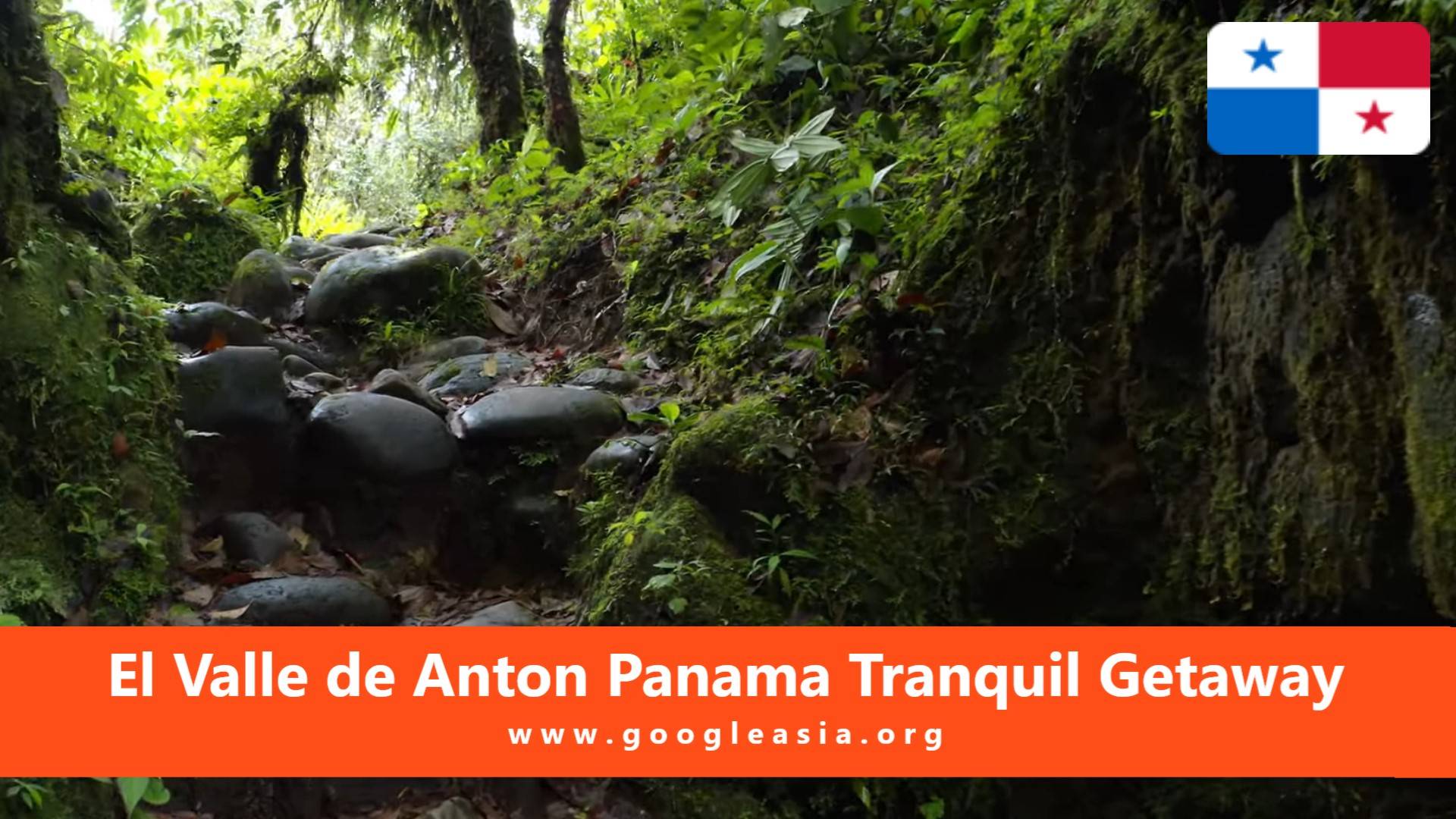
    El Valle de Anton is a picturesque mountain town in central Panama. Featuring lush jungle, streams, rivers, waterfalls, and idyllic villages, This place is a perfect destination for those looking for a tranquil getaway. From eco-adventures and hiking to spa treatments and hot springs, El Valle de Anton offers something for everyone.

    Introduction

    El Valle de Anton, also known as Anton Valley, is a captivating mountain town nestled in Panama’s Coclé province. Its unique blend of temperate climate, cultural diversity, and breathtaking scenery makes it a perfect getaway from urban life.

    Cultural and Historical Sites

    Nata and Chepo Archeological Dig Sites

    • Historic Treasures: Explore ancient ruins and artifacts, providing insights into Panama’s pre-Columbian civilizations.
    • Significance: Archaeological sites preserving cultural heritage.

    Wildlife and Nature

    Biodiversity Galore

    • Rich Flora and Fauna: Abundant wildlife including exotic birds, insects, plants, reptiles, amphibians, and mammals.
    • Nature Reserves: Opportunities for eco-tourism and wildlife observation in protected areas.

    Local Culture and Activities

    Artisan Markets

    • Craftsmanship: Visit local markets featuring handmade crafts and traditional Panamanian souvenirs.
    • Cultural Immersion: Experience local artistry and cultural expressions.

    Gastronomy

    • Traditional Cuisine: Sample local dishes at eateries, showcasing regional flavors and ingredients.
    • Delicacies: Culinary delights reflecting Panama’s diverse culinary heritage.

    Attractions

    Baru Volcano: A Semi-Active Wonder

    • Location: Situated in El Valle de Anton, offering scenic hiking trails and panoramic views.
    • Features: Geological wonder attracting adventurers and nature enthusiasts alike.

    Tranquil Hot Springs

    • Natural Relaxation: Numerous hot springs dotting the valley, ideal for relaxation amidst natural surroundings.
    • Attributes: Therapeutic properties and serene ambiance.

    Lush Canyons and Waterfalls

    • Scenic Marvels: Verdant canyons and cascading waterfalls, perfect for hiking and nature exploration.
    • Highlights: Opportunities for photography and birdwatching in pristine habitats.

    Things to Do

    El Valle de Anton, located amidst lush rainforests and diverse terrains, offers visitors a blend of natural beauty and historical intrigue. Whether you’re an adventure seeker, a nature enthusiast, or a cultural explorer, there’s something for everyone in this charming mountain town.

    Outdoor Adventures

    Hiking and Panoramic Views

    • La India Dormida Trail: Embark on a scenic hike along the famous “Sleeping Indian” mountain trail, offering breathtaking views of the valley and surrounding landscapes.
    • El Gaital National Park: Explore diverse trails leading to volcanic peaks, providing panoramic vistas of the valley and opportunities for birdwatching.

    Waterfalls and Volcanic Lagoons

    • Chorro El Macho: Discover the impressive El Macho waterfall, surrounded by lush vegetation and accessible via a scenic trail.
    • Gaital Natural Monument: Visit the volcanic lagoon and marvel at its natural beauty and serene ambiance.

    Cultural and Historical Sites

    El Nispero Zoo and Botanical Gardens

    • Wildlife and Botanical Exploration: Explore Panama’s rich biodiversity with over 200 species of plants and animals, including exotic birds, amphibians, and mammals.
    • Family-friendly Attractions: Enjoy attractions like the mini train and petting zoo, making it a delightful experience for all ages.

    Nearby Attractions

    Boquete Valley Nature Reserve

    • Nature Trails and Birdwatching: Discover diverse tropical birds and animals along well-maintained trails and visit the butterfly garden to observe colorful butterflies in their natural habitat.

    National Coffee Museum

    • Panama’s Coffee Culture: Learn about Panama’s renowned coffee industry through interactive displays showcasing coffee cultivation, harvesting methods, and the journey from bean to cup.

    El Cope Archaeological Park

    • Indian Petroglyphs: Take a guided tour of this archaeological site near Boquete Valley, where ancient petroglyphs carved by indigenous people over 500 years ago offer insights into their culture and history.

    Relaxation and Leisure

    Thermal Pools

    • Natural Hot Springs: Indulge in a relaxing soak in natural thermal pools unique to El Valle de Anton, offering rejuvenation amidst serene surroundings.

    Sunday Market

    • Local Culture and Cuisine: Experience the vibrant atmosphere of the Sunday market, where you can shop for handmade crafts, locally grown produce, and sample traditional snacks while interacting with local vendors.

    Foods

    El Valle de Anton, nestled in the picturesque Coclé province of Panama, offers a delightful array of culinary delights. Here are the must-try dishes that highlight the flavors of this charming mountain town:

    Patacones

    Description:

    • Origin: Traditional Panamanian dish made from green plantains.
    • Preparation: Plantains are sliced, fried, smashed, and fried again until crispy.
    • Attributes: Served as a side dish or appetizer with various sauces like garlic sauce or spicy salsa.

    Casado

    Description:

    • Typical Meal: A staple in Panamanian cuisine consisting of rice, beans, and a choice of meat.
    • Components: Often includes plantains, salad, and sometimes a fried egg on top.
    • Attributes: Provides a balanced and hearty meal, popular among locals and visitors alike.

    Carne Frita

    Description:

    • Delicacy: Fried pork or beef, typically seasoned with local spices.
    • Accompaniments: Served alongside crispy yucca fries and tangy pickled cabbage.
    • Attributes: Offers a savory and crunchy texture with a hint of acidity from the pickles.

    Empanadas

    Description:

    • Variety: Cornmeal pastry filled with a variety of ingredients such as chicken, pork, cheese, or seafood.
    • Cooking Method: Deep-fried until golden brown and crispy.
    • Attributes: Perfect as a quick snack or a light meal, showcasing diverse flavors in every bite.

    Chorreras

    Description:

    • Traditional Dish: A hearty soup or broth enriched with a mix of meats, seafood, and seasonal vegetables.
    • Preparation: Slow-cooked to enhance flavors and meld ingredients together.
    • Attributes: Comforting and nutritious, reflecting the culinary heritage of Panama.

    Yucca Frita

    Description:

    • Preparation: Yucca (cassava) roots peeled, sliced, and deep-fried until golden and crispy.
    • Serving Style: Topped with crunchy pork cracklings (chicharrones) and accompanied by a flavorful tomato-based sauce.
    • Attributes: Offers a satisfying crunch with a savory and slightly tangy taste profile.

    Arepas

    Description:

    • Popular Snack: Corn cake often stuffed with cheese, chorizo, and refried beans.
    • Cooking Technique: Grilled or baked until crisp on the outside and soft on the inside.
    • Attributes: Versatile and delicious, enjoyed for breakfast or as a savory snack throughout the day.

    Pollo Asado

    Description:

    • Grilled Chicken: Chicken marinated in garlic, citrus juice, cumin, and other spices.
    • Accompaniments: Served with a side salad for a refreshing contrast.
    • Attributes: Juicy and flavorful, highlighting the vibrant spices and marinade.

    Tamales

    Description:

    • Traditional Delight: Steamed masa (corn dough) filled with a savory mixture of meat, vegetables, and spices.
    • Wrapping: Wrapped and steamed in banana leaves for added flavor and aroma.
    • Attributes: A festive dish enjoyed during special occasions, showcasing rich flavors and textures.

    Ceviche

    Description:

    • Seafood Delicacy: Fresh seafood (typically fish or shrimp) marinated in lime juice, cilantro, onions, and peppers.
    • Serving Style: Served chilled with ripe plantain chips on the side.
    • Attributes: Refreshing and tangy, a perfect appetizer or light meal that captures the essence of Panama’s coastal flavors.

    Hotels

    El Valle de Anton, nestled in the serene landscapes of Panama’s Coclé province, offers a variety of accommodations that cater to different tastes and preferences. Whether you seek luxury, tranquility, or adventure, these hotels provide an excellent base for exploring the natural beauty of the area.

    Hotel el Cedro

    Overview:

    • Location: Centrally located in El Valle de Anton.
    • Features: Offers comfortable rooms, a restaurant serving local cuisine, and a garden area.
    • Amenities: Free Wi-Fi, parking, and proximity to local attractions.

    Hotel Granada

    Overview:

    • Location: Close to the town center with easy access to shops and restaurants.
    • Features: Cozy rooms with rustic decor, an outdoor pool, and a terrace.
    • Amenities: On-site restaurant, bar, and breakfast included.

    Hotel La Posada

    Overview:

    • Location: Set in a tranquil area surrounded by gardens.
    • Features: Colonial-style architecture, spacious rooms, and personalized service.
    • Amenities: Restaurant serving local and international dishes, swimming pool, and spa services.

    Hotel Gaviota

    Overview:

    • Location: Nestled amidst lush greenery and scenic views.
    • Features: Eco-friendly accommodations with a focus on sustainability.
    • Amenities: Comfortable rooms, restaurant offering organic cuisine, and guided eco-tours.

    El Valle de Anton Adventure Lodge

    Overview:

    • Location: Provides a secluded retreat amidst nature.
    • Features: Rustic cabins or lodges with panoramic views of the mountains.
    • Amenities: Outdoor activities such as hiking, birdwatching, and horseback riding organized by the lodge.

    Hotel Casa Nueva

    Overview:

    • Location: Located in a peaceful area, ideal for relaxation.
    • Features: Modern rooms with minimalist decor, a garden, and hammock areas.
    • Amenities: Breakfast included, free Wi-Fi, and personalized service.

    Hotel Casa de Campo

    Overview:

    • Location: Offers a countryside setting with easy access to hiking trails.
    • Features: Quaint rooms with traditional Panamanian charm.
    • Amenities: Outdoor pool, restaurant serving local cuisine, and a cozy atmosphere.

    Viña Las Estrellas

    Overview:

    • Location: Surrounded by vineyards and gardens, providing a tranquil environment.
    • Features: Boutique accommodations with elegant decor and personalized service.
    • Amenities: Wine tasting tours, gourmet dining experiences, and spa treatments available.

    Los Establos Luxury Resort

    Overview:

    • Location: Set on expansive grounds with stunning views of the mountains.
    • Features: Luxurious suites with modern amenities and private balconies.
    • Amenities: Fine dining restaurant, outdoor pool, spa, and fitness center.

    Las Uvas Eco Resort

    Overview:

    • Location: Offers an eco-friendly experience in a natural setting.
    • Features: Sustainable accommodations with emphasis on conservation.
    • Amenities: Organic gardens, yoga classes, and nature trails for hiking and birdwatching.

    Conclusion

    Whether you’re seeking a luxurious retreat, an eco-friendly experience, or a cozy stay surrounded by nature, El Valle de Anton, Panama, provides a range of accommodations to suit every traveler’s preferences. From charming boutique hotels to eco resorts and adventure lodges, these options ensure a memorable stay while exploring the beauty and tranquility of this mountainous region in Panama.

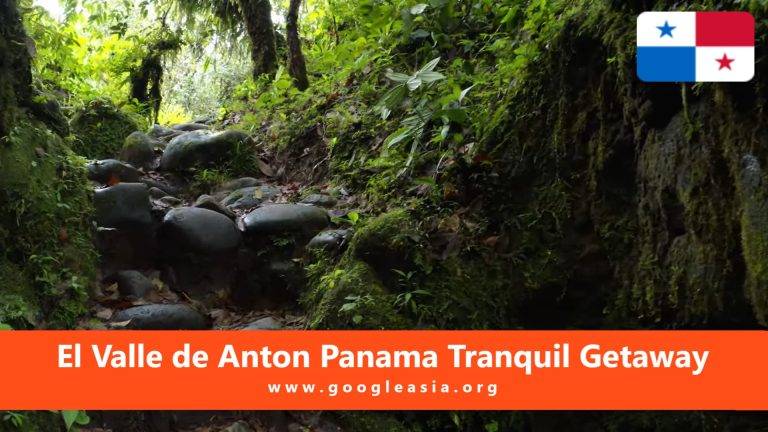
    El Valle de Anton Panama Tranquil Getaway

    Summary

    • Attraction Name: El Valle de Anton
    • Country: Panama
    • Continent: North America
    • Capital Name: Panama City
    • Language: Spanish
    • Currency: United States Dollar (USD)
    • Nationality: Panamanian
    • Category:  #Destination #NorthAmerica #PANAMA 

    Frequently Asked Questions

    Where is El Valle de Anton located?

    El Valle de Antón, often referred to simply as El Valle, is located in the Cocle Province of Panama. It is situated within the crater of a dormant volcano, approximately 600 meters (2,000 feet) above sea level. The town of El Valle de Antón is surrounded by mountains and lush forests, offering a cooler climate compared to Panama City and coastal areas. It is known for its natural beauty, thermal springs, hiking trails, and diverse wildlife, making it a popular destination for both locals and tourists seeking relaxation and outdoor activities.

    How to go to El Valle de Anton?

    To travel to El Valle de Antón in Panama, you have several transportation options depending on your starting point:

    1. From Panama City:
      • By Car: The most convenient way to reach El Valle de Antón from Panama City is by car. The journey takes approximately 2 to 2.5 hours, depending on traffic and road conditions. Take the Pan-American Highway (Route 1) westbound from Panama City towards La Chorrera. Then, continue on Route 1 until you reach the El Valle de Antón turnoff near the town of Coronado. Follow signs to El Valle de Antón.
      • By Bus: Buses depart from the Albrook Bus Terminal in Panama City to El Valle de Antón. The journey takes around 3 to 4 hours, depending on traffic and the number of stops. It’s recommended to take an express or direct bus to minimize travel time.
    2. From Coronado or Other Locations:
      • If you are traveling from Coronado or other towns along the Pan-American Highway, you can drive directly to El Valle de Antón following signs and local directions. Taxis and private transportation options are also available from nearby areas.
    3. Tour Packages:
      • Many tour operators in Panama City offer day trips or packages to El Valle de Antón, which include transportation, guided tours, and sometimes meals. This option provides convenience and ensures you don’t have to worry about transportation logistics.

    What are El Valle de Anton’s must-visit attractions or landmarks?

    El Valle de Antón in Panama offers a variety of attractions and landmarks that showcase its natural beauty, outdoor activities, and cultural heritage. Here are some must-visit attractions in El Valle de Antón:

    1. El Nispero Zoo and Botanical Garden: This zoo and botanical garden is home to a variety of native and exotic species, including the golden frog (a symbol of Panama), butterflies, orchids, and more. It’s a great place for families and nature enthusiasts.
    2. La Piedra Pintada: A large rock formation featuring pre-Columbian petroglyphs, believed to be created by indigenous peoples thousands of years ago. It offers insights into the region’s early inhabitants and their cultural practices.
    3. El Macho Waterfall: Located within a private nature reserve, El Macho is one of the tallest waterfalls in El Valle de Antón. Visitors can hike through lush forest trails to reach the waterfall and enjoy swimming in its natural pool.
    4. El Valle Market: Held on Sundays, this colorful market offers a variety of local produce, handicrafts, souvenirs, and traditional Panamanian snacks. It’s a great place to experience local culture and taste fresh fruits and snacks.
    5. Chorro El Macho Adventure Park: This park offers activities such as canopy ziplining over the forest canopy, hiking trails, and birdwatching. It’s an ideal spot for adventure seekers and those wanting to explore the natural surroundings.
    6. Gaital National Park: A protected area known for its biodiversity and hiking trails. The park features cloud forests, scenic viewpoints, and opportunities to spot diverse flora and fauna, including birds like the resplendent quetzal.
    7. Hot Springs: Several thermal springs in and around El Valle de Antón offer relaxing bathing experiences in natural mineral-rich waters, believed to have therapeutic properties.
    8. Cultural and Artisan Workshops: Visit local workshops and galleries to learn about traditional crafts such as pottery and weaving. These workshops often offer hands-on experiences and opportunities to purchase locally-made souvenirs.
    9. El Serpentario: A reptile zoo and educational center where visitors can see various snakes and other reptiles native to Panama. Guided tours provide insights into the importance of reptiles in the ecosystem.
    10. Hiking and Nature Trails: Explore the surrounding mountains and forests through various hiking trails, which offer opportunities for birdwatching, photography, and enjoying panoramic views of the valley.

    Is El Valle de Anton a suitable travel destination for solo adventurers, honeymooning couples, or those traveling with families?

    El Valle de Antón in Panama is indeed a versatile travel destination that caters well to different types of travelers:

    1. Solo Adventurers:
      • Outdoor Activities: Solo adventurers can explore hiking trails like those in Gaital National Park or Chorro El Macho Adventure Park, offering opportunities for nature exploration and adventure activities like ziplining.
      • Cultural Exploration: Visiting local markets, artisan workshops, and historical sites such as La Piedra Pintada provides insights into Panamanian culture and history.
    2. Honeymooning Couples:
      • Romantic Escapes: The tranquil environment, cooler climate, and scenic landscapes make El Valle de Antón ideal for honeymooning couples seeking relaxation and intimacy.
      • Natural Beauty: Couples can enjoy romantic walks through botanical gardens, visits to waterfalls like El Macho, and relaxing dips in thermal springs.
    3. Families:
      • Family-Friendly Activities: El Valle de Antón offers attractions such as El Nispero Zoo and Botanical Garden, which are enjoyable for children and adults alike. Exploring nature trails, visiting the zoo, and experiencing local markets create memorable family experiences.
      • Educational Opportunities: Kids can learn about wildlife at the zoo, discover indigenous history at La Piedra Pintada, and enjoy outdoor adventures suitable for all ages.

    Why should you visit El Valle de Anton?

    There are several compelling reasons why you should consider visiting El Valle de Antón in Panama:

    1. Natural Beauty: Nestled within the crater of a dormant volcano, El Valle de Antón offers stunning natural landscapes, including lush forests, mountains, and waterfalls. The cooler climate provides a refreshing escape from Panama’s tropical heat.
    2. Outdoor Activities: The region is a paradise for outdoor enthusiasts. You can explore hiking trails through cloud forests, visit waterfalls like El Macho, go birdwatching to spot the elusive quetzal, or enjoy adventurous activities such as ziplining and canopy tours.
    3. Cultural and Historical Sites: Discover indigenous petroglyphs at La Piedra Pintada, explore local markets on Sundays to experience Panamanian culture, and visit El Nispero Zoo and Botanical Garden to learn about the region’s biodiversity.
    4. Relaxation and Wellness: El Valle de Antón is known for its natural thermal springs, where you can relax and unwind in mineral-rich waters believed to have therapeutic properties. It’s an ideal spot for rejuvenation and relaxation amidst nature.
    5. Local Cuisine and Artisanal Crafts: Taste fresh local produce at the Sunday market, sample traditional Panamanian snacks, and visit artisan workshops to see pottery and weaving demonstrations. The region’s cuisine reflects its agricultural heritage and diverse influences.
    6. Accessibility: Located just a few hours’ drive from Panama City, El Valle de Antón offers a convenient getaway for both short trips and longer stays. It’s accessible by car or bus, making it a popular destination for day trips and weekend retreats.
    7. Community and Hospitality: Experience the warmth of local hospitality and the community’s dedication to preserving their natural and cultural heritage. Whether you’re exploring independently or joining guided tours, locals are often eager to share their knowledge and traditions.

    Is there any halal food available in the vicinity of the El Valle de Anton?

    Finding halal food in the vicinity of El Valle de Antón can be challenging due to its predominantly non-Muslim population and limited international culinary options. The region’s cuisine primarily revolves around local Panamanian dishes and international flavors influenced by expatriates and tourists. Here are some considerations:

    1. Self-Catering: If you follow a halal diet, consider preparing your meals or snacks with ingredients from local markets or grocery stores in El Valle de Antón. This approach allows you to ensure compliance with your dietary requirements.
    2. Vegetarian Options: Many restaurants in El Valle de Antón offer vegetarian dishes that may align with halal dietary guidelines, such as fresh fruits, vegetables, grains, and plant-based proteins. Communicating your dietary restrictions clearly to restaurant staff can help in identifying suitable options.
    3. International Cuisines: Some cafes and eateries in El Valle de Antón may offer dishes from international cuisines like Mediterranean, Indian, or Middle Eastern, which sometimes include halal choices. It’s advisable to inquire directly with restaurants about their ingredients and preparation methods.
    4. Local Recommendations: Asking locals or expatriates in El Valle de Antón for recommendations on halal-friendly dining options can provide insights into where to find suitable meals.
    5. Special Requests: In certain cases, restaurants may accommodate special dietary requests if informed in advance. Calling ahead or discussing your dietary needs upon arrival can sometimes lead to tailored meal options.
  • Panama Viejo: Your Ultimate Travel Guide & Tips

    Panama Viejo: Your Ultimate Travel Guide & Tips

    Panama Viejo

    Panama Viejo, founded in 1519, is known as the first European settlement on the Pacific side of the Americas. It was the first permanent important settlement of the Spanish in the continent and located in the province of Panama. The city was destroyed by the pirate, Henry Morgan in 1671. It is now an archaeological site, visited by thousands of tourists each year.

    Panama Viejo is the oldest surviving European settlement on the Pacific coast of the Americas. The ruins of the historic city, which was settled in 1519 and destroyed by the pirate Henry Morgan in 1671, are the most important monuments in the country and a reminder of the sacrifice of its colonial founders. Visiting Panama Viejo is a must for any tourist who wishes to learn more about Panama’s history and its rich cultural heritage.

    Introduction

    Panama Viejo, nestled on the outskirts of Panama City, stands as a testament to the early days of Spanish colonization in the Americas. Founded in 1519 by Spanish conquistadors, Panama Viejo was the first European settlement on the Pacific coast of the Americas and served as Panama’s capital until it was sacked by the infamous English pirate Henry Morgan in 1671.

    Historical Significance

    Panama Viejo holds immense historical significance as it marks the beginning of Spain’s influence in the region and its role as a crucial hub for transatlantic trade. The city thrived as a gateway for transporting gold and silver from South America to Europe, cementing its place in the annals of global commerce.

    Architectural Remnants

    Today, visitors to Panama Viejo can explore the ruins of the original city, which include remnants of churches, administrative buildings, and defensive fortifications. The archaeological site offers a glimpse into the layout and structure of a 16th-century colonial city, with sections of the old stone walls still standing against the backdrop of modern Panama City’s skyline.

    Museo Panama Viejo

    The Museo Panama Viejo enriches the visitor experience with its collection of artifacts recovered from the archaeological digs at the site. Exhibits showcase pottery, tools, and other items that provide insights into daily life during Panama Viejo’s heyday. The museum also offers detailed exhibits on the city’s history, its strategic importance, and its eventual decline after the pirate attack.

    Tourism and Excavations

    Panama Viejo is not only a historical site but also a thriving tourist destination. Visitors flock to explore the ruins, learn about Panama’s colonial past, and appreciate the strategic significance of the site in global trade routes. Ongoing archaeological excavations continue to uncover new findings, shedding light on the city’s complex history and adding to its allure as a cultural and historical landmark.

    Things to Do

    Panama Viejo, steeped in history and cultural heritage, offers visitors a multitude of experiences that showcase its rich past and vibrant present. Located on the Pacific coast of Panama, this historic site beckons travelers to explore its ruins, museums, markets, and more.

    Explore the Ruins

    Historical Significance

    • Founded by Governor Pedrarias de Avila: Established in 1519, it was the first European settlement on the Pacific coast of the Americas.
    • Original Buildings: Visit remnants like the Cathedral of Panama and the Old Fortress, witnessing architectural relics of the city’s colonial past.

    Tour the Museums

    Cultural Insights

    • Museum of Natural History: Discover exhibits showcasing Panama’s diverse flora and fauna.
    • Biodiversity and Cultural Heritage Museum: Explore artifacts and displays that delve into the cultural tapestry of Panama Viejo.

    Wander Through Colorful Streets and Markets

    Local Flavor

    • Cobblestone Streets: Take a leisurely stroll through the vibrant streets lined with colorful stalls and shops.
    • Panamanian Souvenirs: Shop for unique mementos and local crafts that capture the essence of Panama’s culture.

    Experience the Lively Nightlife

    Cultural Entertainment

    • Cultural Park Performances: Enjoy outdoor performances amidst a picturesque setting.
    • National Theater: Attend shows ranging from traditional Panamanian performances to international productions.

    Visit Local Villages

    Authentic Encounters

    • Local Activities: Participate in daily activities such as fishing and gathering fruits with the locals.
    • Chucho Cloth Spinning: Learn about traditional craftsmanship and the making of Chucho cloth, a local textile.

    See the Eternal Flame

    Symbol of Remembrance

    • Memorial Landmark: Visit the Eternal Flame, a poignant symbol commemorating Panama Viejo’s historical significance.
    • Nighttime Illumination: Witness the city skyline illuminated by the Eternal Flame, creating a captivating evening view.

    Discover Huaca Indian Museum

    Archaeological Marvels

    • Archaeological Artifacts: Explore artifacts found in the region, offering insights into Panama Viejo’s indigenous heritage.
    • Educational Experience: Learn about the ancient civilizations that once thrived in the area.

    Unwind in Lounge Bars and Clubs

    Nightlife Hotspots

    • Luxurious Settings: Relax in upscale lounge bars and clubs, enjoying cocktails and music for a memorable evening.

    Foods

    Panama Viejo, with its rich culinary heritage influenced by Caribbean, Latin American, and indigenous flavors, offers a variety of dishes that tantalize the taste buds. Here are some of the best foods to try when visiting this historic destination:

    Patacones

    Crispy Plantain Delight

    • Description: Fried green plantains served as a popular appetizer or side dish.
    • Attributes: Crunchy texture, often served with garlic sauce or as a base for toppings like ceviche.

    Ceviche

    Fresh and Flavorful

    • Description: Raw fish or seafood marinated in citrus juices, with onions, tomatoes, and cilantro.
    • Attributes: Refreshing and tangy, perfect for a light and zesty meal.

    Shrimp Creole

    Seafood Extravaganza

    • Description: Shrimp cooked in a tomato-based sauce with bell peppers, onions, and spices.
    • Attributes: Spicy and savory, served over rice, showcasing Panama’s seafood delicacies.

    Arroz con Pollo

    Classic Comfort

    • Description: Chicken and rice cooked with vegetables and seasoned with Latin American spices.
    • Attributes: Hearty and flavorful, a staple dish that embodies Panama’s culinary tradition.

    Carimañola

    Yucca Fritter Delight

    • Description: Ground beef-stuffed yucca fritters, deep-fried to golden perfection.
    • Attributes: Crispy exterior with a savory filling, often enjoyed as a snack or appetizer.

    Fried and Grilled Seafood

    Ocean’s Bounty

    • Description: Fresh seafood, including fish, shrimp, and squid, prepared fried or grilled.
    • Attributes: Succulent and flavorful, highlighting Panama’s coastal cuisine.

    Empanadas

    Savory Hand Pies

    • Description: Pastry filled with various ingredients such as beef, chicken, or cheese.
    • Attributes: Portable and satisfying, a favorite street food offering savory fillings wrapped in a crispy shell.

    Tamales

    Traditional Comfort

    • Description: Steamed corn dough filled with meats, wrapped in banana leaves.
    • Attributes: Rich and comforting, offering a blend of flavors and textures.

    Soups and Stews

    Hearty Comfort

    • Description: Olla de carne (beef and vegetable stew), sancocho (chicken or beef stew), and other hearty soups.
    • Attributes: Nourishing and flavorful, often served with rice or bread, perfect for a satisfying meal.

    Hotels

    Panama Viejo, steeped in history and cultural significance, offers a range of accommodations to suit every traveler’s preferences. Whether you seek luxury, comfort, or proximity to historical sites, these hotels provide excellent options for your stay.

    Amerian Hotel Panama (4.5 Stars)

    Luxurious Comfort

    • Rating: 4.5 stars
    • Location: Convenient access to Panama Viejo and modern amenities.
    • Features: Spacious rooms, upscale dining options, and top-notch service.

    Radisson Decapolis Hotel Panama (4.5 Stars)

    Contemporary Elegance

    • Rating: 4.5 stars
    • Location: Central location with easy access to Panama Viejo and Panama City’s attractions.
    • Features: Modern rooms, rooftop pool, and diverse dining choices.

    Playa Bonita Resort & Spa (4 Stars)

    Tranquil Retreat

    • Rating: 4 stars
    • Location: Serene setting near Panama Viejo, overlooking the Pacific Ocean.
    • Features: Spa services, beach access, and luxurious accommodations.

    Las Clementinas (4 Stars)

    Boutique Charm

    • Rating: 4 stars
    • Location: Historic Casco Viejo district, offering a blend of history and modern comfort.
    • Features: Boutique-style apartments, personalized service, and proximity to cultural attractions.

    Tantalo Hotel & Restaurant (4 Stars)

    Artistic Ambiance

    • Rating: 4 stars
    • Location: Casco Viejo neighborhood, known for its artistic vibe and vibrant nightlife.
    • Features: Rooftop bar, contemporary rooms, and a focus on local art and culture.

    Waldorf Astoria Panama (4 Stars)

    Elegant Luxury

    • Rating: 4 stars
    • Location: Modern Panama City, offering luxury amenities and stunning views.
    • Features: Elegant rooms, fine dining options, and impeccable service.

    InterContinental Miramar Panama (4 Stars)

    Panoramic Views

    • Rating: 4 stars
    • Location: Overlooking the Pacific Ocean, close to Panama Viejo and downtown Panama City.
    • Features: Spacious rooms, waterfront dining, and panoramic city views.

    Occidental Panama City (4 Stars)

    Urban Comfort

    • Rating: 4 stars
    • Location: Central Panama City, ideal for business and leisure travelers.
    • Features: Modern rooms, fitness center, and convenient access to Panama Viejo and shopping districts.

    Tryp Panama Centro Hotel & Conference Center (3 Stars)

    Contemporary Convenience

    • Rating: 3 stars
    • Location: Downtown Panama City, offering comfort and affordability.
    • Features: Conference facilities, rooftop pool, and easy access to historical and cultural sites.

    Country Inn & Suites By Radisson (3 Stars)

    Comfortable Retreat

    • Rating: 3 stars
    • Location: Near Panama Viejo, offering a relaxed atmosphere and friendly service.
    • Features: Cozy rooms, complimentary breakfast, and a welcoming ambiance.

    Palacio Royal Hotel Boutique & Spa

    Boutique Elegance

    • Location: Central Panama City, blending historic charm with modern amenities.

    Le Meridien Panama

    Contemporary Sophistication

    • Location: Stylish accommodations in the heart of Panama City.

    Canopy by Hilton

    Vibrant Atmosphere

    • Location: Modern hotel offering a refreshing stay experience.

    Hotel El Panama Convention Center & Casino

    Entertainment and Comfort

    • Location: Convenient for both business and leisure travelers.

    Riu Plaza Panama

    Luxury and Convenience

    • Location: High-end accommodations with easy access to Panama Viejo.

    Sortis Hotel, Spa & Casino

    Entertainment and Relaxation

    • Location: Offers a blend of luxury and excitement.

    Bellini Luxury Suites Hotel

    Exclusive Comfort

    • Location: Luxury accommodations with personalized service.

    Veneto Hotel, Casino & Plaza

    Entertainment and Hospitality

    • Location: Offers a mix of gaming and relaxation.

    The Santa Maria, a Luxury Collection Hotel

    Ultimate Luxury

    • Location: Provides unparalleled luxury and comfort.

    Conclusion

    Whether you prefer luxury, boutique charm, or modern conveniences, Panama Viejo and its surroundings offer a diverse selection of hotels to enhance your stay. From historic landmarks to vibrant neighborhoods, these accommodations provide comfort, style, and proximity to Panama’s rich cultural heritage. Choose your ideal hotel and embark on a memorable journey through Panama Viejo’s fascinating history and modern attractions.

    Panama Viejo First European Settlement on Pacific

    Summary

    • Attraction Name: Panama Viejo
    • Country: Panama
    • Continent: North America
    • Capital Name: Panama City
    • Language: Spanish
    • Currency: United States Dollar (USD)
    • Nationality: Panamanian
    • Category:  #Destination #NorthAmerica #PANAMA 

    Frequently Asked Questions

    Where is Panama Viejo located?

    Panama Viejo, also known as Panama La Vieja, is located in Panama City, Panama. It is the oldest European settlement on the Pacific coast of the Americas, established in 1519 by the Spanish explorer Pedro Arias de Ávila. The site is situated near the modern-day city center of Panama City, specifically in the neighborhood of San Felipe. Panama Viejo holds significant historical and cultural importance as it was the original location of Panama City before it was destroyed in the 17th century. Today, the ruins of Panama Viejo are a UNESCO World Heritage Site and a popular attraction for visitors interested in Panama’s colonial history.

    How to go to Panama Viejo?

    To visit Panama Viejo, you can reach the site by following these directions from Panama City:

    1. By Taxi or Car:
      • The most convenient way to reach Panama Viejo is by taxi or car. From Panama City, you can take Avenida Balboa or any main street heading towards the east (Avenida de los Mártires). Look for signs directing you towards Panama Viejo or Panama La Vieja.
      • The drive should take about 15-20 minutes, depending on traffic conditions. Once you arrive, there are parking facilities available near the entrance to Panama Viejo.
    2. By Public Transportation:
      • Metro and Metrobus: While Panama Viejo is not directly accessible by metro, you can take Line 1 of the Panama Metro to the 5 de Mayo station or the Lotería station. From there, you can transfer to a Metrobus (usually Route T-3) that goes towards Tocumen or Ciudad Radial. Inform the driver that you want to get off at Panama Viejo.
      • Metrobus Direct: Some Metrobus routes may go directly to Panama Viejo. Check with the Panama Metro or Metrobus services for the most current routes and schedules.
    3. Guided Tours:
      • Many tour companies in Panama City offer guided tours to Panama Viejo, often combined with other nearby attractions or historical sites. This option provides transportation and informative guides who can explain the history and significance of Panama Viejo.

    What are Panama Viejo’s must-visit attractions or landmarks?

    Panama Viejo, also known as Panama La Vieja, is a historic site in Panama City that offers a glimpse into the early colonial history of the Americas. Here are some must-visit attractions and landmarks within Panama Viejo:

    1. Cathedral Tower: The ruins of the Cathedral Tower (Torre de la Catedral) are one of the most iconic features of Panama Viejo. Originally built in the early 16th century, it offers panoramic views of the surrounding area from its remaining height.
    2. The Stone Bridge: This ancient stone bridge (Puente de Piedra) once connected the city to the mainland. It is one of the oldest bridges in the Americas and a testament to the engineering skills of its time.
    3. Presidential Palace: The remains of the Presidential Palace (Palacio Presidencial) showcase the grandeur and architecture of colonial-era buildings. It was once the residence of the Spanish governors and is now an archaeological site.
    4. Church of the Convent of the Nuns: This church (Iglesia del Convento de las Monjas) was part of a convent complex and features ruins that reflect the religious and cultural life of early settlers.
    5. Visitor Center and Museum: The onsite visitor center provides historical context and information about Panama Viejo’s significance. It includes artifacts, exhibits, and explanations of the archaeological excavations ongoing at the site.
    6. Fortifications and Walls: Explore the remnants of defensive walls and fortifications that protected the city from pirate attacks and other threats during its colonial period.
    7. Archaeological Park: The entire area of Panama Viejo is an archaeological park, offering visitors the chance to walk among the ruins and imagine life in this early Spanish settlement.
    8. Gardens and Open Spaces: Enjoy strolling through the gardens and open spaces within the park, which provide a peaceful contrast to the historical ruins.

    Why should you visit Panama Viejo?

    Visiting Panama Viejo offers a unique and enriching experience for several compelling reasons:

    1. Historical Significance: Panama Viejo is the oldest European settlement on the Pacific coast of the Americas, founded in 1519. It holds immense historical importance as a UNESCO World Heritage Site, showcasing the early colonial history of Panama and its role in Spanish colonial expansion.
    2. Archaeological Marvels: The ruins of Panama Viejo feature impressive remnants of early Spanish architecture, including the iconic Cathedral Tower and the stone bridge. These structures provide insights into the urban planning and engineering of the early colonial period.
    3. Cultural Exploration: Explore the cultural heritage of Panama through the remnants of churches, convents, and other buildings that once defined the city. The site offers a glimpse into the religious, social, and economic life of the settlers who inhabited Panama Viejo centuries ago.
    4. Panoramic Views: Climb the Cathedral Tower for panoramic views of Panama City and the surrounding area. It’s a great vantage point to appreciate the layout of the original settlement and its strategic location along the Pacific coast.
    5. Educational Experience: The visitor center and museum at Panama Viejo provide educational exhibits and information about the site’s history, archaeological discoveries, and ongoing preservation efforts. It’s an opportunity to learn about Panama’s past in a hands-on and immersive way.
    6. Photography Opportunities: Capture stunning photographs of ancient ruins juxtaposed against modern skyscrapers of Panama City. The contrast between old and new makes for compelling visual storytelling.
    7. Natural Setting: Panama Viejo is set amidst lush greenery and gardens, offering a peaceful retreat within the bustling city. It’s a place to unwind, reflect, and appreciate the natural beauty surrounding the historical ruins.
    8. Accessibility: Located near the heart of Panama City, Panama Viejo is easily accessible by car, taxi, or public transportation. It’s a convenient destination for both locals and tourists looking to explore Panama’s colonial past without venturing far from urban amenities.

    Is it difficult to find halal food in Panama Viejo?

    Finding halal food specifically within the vicinity of Panama Viejo can be challenging due to the area’s historical and cultural context, which predominantly reflects Panamanian and international cuisines that may not cater specifically to halal dietary requirements. Here are some considerations:

    1. Local Cuisine: Panamanian cuisine typically includes dishes that may not adhere to halal standards, such as pork and non-halal meats. Traditional dishes often feature seafood, chicken, rice, and beans, but it’s essential to inquire about ingredients and preparation methods.
    2. Vegetarian Options: Some restaurants in Panama City and its surroundings offer vegetarian dishes that may align with halal dietary guidelines, such as fresh fruits, vegetables, grains, and plant-based proteins. These options can be found in more cosmopolitan areas and modern eateries.
    3. International Cuisines: Restaurants serving international cuisines like Middle Eastern, Mediterranean, or Indian may sometimes offer halal-certified dishes or options suitable for halal diets. It’s recommended to inquire directly with restaurants about their menu offerings and preparation practices.
    4. Self-Catering: If adhering strictly to halal dietary guidelines, consider self-catering by purchasing ingredients from supermarkets or grocery stores in Panama City where halal-certified products may be available.
    5. Local Recommendations: Asking locals or residents of Panama City for recommendations on halal-friendly dining options can provide insights into where to find suitable meals or ingredients.
  • The Embera-Wounaan: Indigenous Cultures of Panama

    The Embera-Wounaan: Indigenous Cultures of Panama

    The Embera-Wounaan, Panama

    The Embera-Wounaan people of Panama are a culturally distinct tribal group that have managed to keep their indigenous customs and traditions alive despite centuries of cultural encroachment. For many years, their traditional form of governance and decision-making has been based on their unique approach to consensus and inclusion, and it remain deeply connected to their natural environment.

    Visiting this place is a unique opportunity to learn from a people who have successfully preserved the ancient secrets of living in harmony with nature. It is also an excellent opportunity to witness the vibrant and colorful cultural celebrations which the Embera-Wounaan regularly host and participate in, such as traditional dances, spiritual ceremonies and ancient storytelling. As an experience, visiting the Embera-Wounaan is one of the most rewarding and unforgettable that a person can have.

    The Embera-Wounaan are an indigenous people of Panama. They live in small, dispersed settlements of round thatched palenques, built on stilts over clear rivers and streams. They continue to maintain traditional beliefs, practices, and language, using natural materials to make products like bowls, baskets, and jewelry.

    Introduction

    The Embera-Wounaan are an indigenous group residing in the eastern lowland rainforest region of Panama. This fascinating community, comprising the Embera and Wounaan peoples, has preserved a rich cultural heritage deeply intertwined with their natural environment. Here’s a closer look at their way of life, traditions, and modern adaptations.

    Cultural and Geographic Context

    Location

    The Embera-Wounaan primarily inhabit the dense rainforests of eastern Panama, including areas along the Chagres and Gatun rivers. Their villages are situated in remote, lush environments that offer both natural resources and a degree of isolation from the outside world.

    Traditional Settlements

    • Housing: The Embera-Wounaan live in traditional huts called bohíos, which are elevated on stilts. This design helps protect against flooding and pests while providing ventilation in the humid rainforest climate.
    • Community Layout: Villages are often organized in a semi-circular pattern, with communal spaces at the center and individual family huts surrounding them.

    Way of Life

    Subsistence Activities

    • Hunting: The Embera-Wounaan engage in hunting for local game such as monkeys, birds, and deer. Traditional hunting techniques are passed down through generations and are closely linked to their spiritual practices.
    • Fishing: Fishing is a critical part of their diet and economy. They use traditional methods, including fish traps and spears, to catch a variety of fish from rivers and streams.
    • Agriculture: Slash-and-burn agriculture is practiced to cultivate crops such as plantains, yuca (cassava), and corn. This method involves clearing a small area of forest, planting crops, and then allowing the land to regenerate.

    Spiritual and Cultural Practices

    • Connection to Nature: The Embera-Wounaan maintain a profound spiritual connection to their natural surroundings. Their beliefs are centered around animism, where natural elements and animals are seen as imbued with spiritual significance.
    • Ceremonies: Traditional ceremonies and rituals are integral to their culture, often involving music, dance, and elaborate body paint. These rituals are performed to honor ancestors, seek blessings, or celebrate significant life events.

    Art and Craftsmanship

    Body Art and Decorations

    • Body Painting: The Embera-Wounaan are renowned for their intricate body paintings, which often feature vibrant geometric patterns and symbols. These designs hold cultural significance and are applied using natural dyes made from plants and fruits.
    • Jewelry: The community is also known for its craftsmanship in creating beautiful jewelry. They use materials such as seeds, beads, and shells to make necklaces, bracelets, and earrings.

    Traditional Crafts

    • Basketry and Weaving: Skilled artisans produce woven baskets, mats, and hats using natural fibers from palm leaves and other plants. These items are both functional and decorative, reflecting the community’s deep connection to their environment.

    Knowledge and Adaptation

    Medicinal Plants

    • Herbal Medicine: The Embera-Wounaan possess extensive knowledge of medicinal plants found in the rainforest. They use these plants to treat various ailments and maintain health, relying on traditional remedies passed down through generations.
    • Cultural Preservation: This traditional knowledge is preserved through oral history and is an important aspect of their cultural identity.

    Modern Adaptations

    • Cultural Integration: While maintaining their traditional ways, the Embera-Wounaan have adapted to modern life by incorporating elements of Western culture. This includes using modern tools and participating in economic activities outside their traditional practices.
    • Tourism: The community has opened up to eco-tourism, allowing visitors to experience their culture firsthand. This interaction provides economic benefits while also fostering cultural exchange.

    Challenges and Opportunities

    Environmental and Social Issues

    • Land Rights: Like many indigenous communities, the Embera-Wounaan face challenges related to land rights and environmental conservation. Encroachment and deforestation pose threats to their traditional way of life and the natural resources they rely on.
    • Cultural Preservation: Balancing modern influences with the preservation of traditional practices is an ongoing challenge. The community works to maintain their cultural heritage while adapting to contemporary pressures.

    Future Prospects

    • Empowerment and Advocacy: Efforts to support the Embera-Wounaan include initiatives to empower the community through education, advocacy for land rights, and sustainable development projects.
    • Cultural Exchange: Increased awareness and respectful tourism can contribute to preserving and celebrating their unique cultural heritage.

    Things to Do

    Exploring the Embera-Wounaan region in Panama offers a rich blend of cultural immersion, natural beauty, and adventurous activities. Here’s a guide to the top experiences you can enjoy in this unique part of the world:

    Tour the Traditional Villages

    Overview

    Visiting the traditional Embera-Wounaan villages provides an authentic glimpse into the daily lives of these indigenous people. This experience offers valuable insights into their social structures, customs, and traditions.

    Activities

    • Village Tour: Walk through the villages with local guides who explain traditional customs, housing, and community life.
    • Cultural Demonstrations: Witness traditional ceremonies, dances, and rituals that are integral to Embera-Wounaan culture.

    Visit the Stunning Rainforest

    Overview

    The lush rainforests of the Embera-Wounaan region are home to incredible biodiversity. Guided rainforest tours allow you to experience this vibrant ecosystem up close.

    Activities

    • Guided Rainforest Tours: Explore the dense foliage with knowledgeable guides who can point out various plant and animal species.
    • Wildlife Spotting: Look out for exotic wildlife, including monkeys, sloths, and a variety of bird species.

    Meet the Chagres National Park Communities

    Overview

    Chagres National Park is a significant area within the Embera-Wounaan territory, and it’s home to several Embera-Wounaan communities. Spending time here provides a deeper understanding of their way of life.

    Activities

    • Community Visits: Engage with locals to learn about their traditions, crafts, and daily activities.
    • Cultural Exchange: Participate in local customs and ceremonies to gain firsthand experience of their culture.

    Go Rafting or Kayaking

    Overview

    For those seeking adventure, the rivers of the Embera-Wounaan region offer thrilling opportunities for water sports.

    Activities

    • White Water Rafting: Experience the excitement of navigating through rapids on a guided rafting trip.
    • Kayaking: Paddle through serene and scenic rivers and creeks, taking in the surrounding natural beauty.

    Birdwatching

    Overview

    The Embera-Wounaan region is a paradise for birdwatchers, with numerous species inhabiting the area.

    Activities

    • Birdwatching Tours: Join a guided tour to spot a diverse range of bird species, including colorful and rare ones.
    • Photography: Capture the beauty of tropical birds and their natural habitats.

    Nature Walk in the Rainforest

    Overview

    For a more peaceful exploration, a nature walk through the rainforest allows you to connect deeply with the environment.

    Activities

    • Guided Walks: Explore various trails with a guide who can identify local flora and fauna.
    • Relaxation: Enjoy the tranquility of the rainforest while observing its unique ecosystem.

    Swim in the River

    Overview

    The rivers in the Embera-Wounaan area offer refreshing swimming spots, ideal for cooling off after an adventurous day.

    Activities

    • Eco-Friendly Swimming: Swim in crystal-clear rivers while using biodegradable sunblock to protect the environment.
    • Relaxation: Enjoy the natural beauty and serenity of the river while taking a refreshing dip.

    Listen to Traditional Music

    Overview

    Traditional Embera-Wounaan music is a vibrant expression of their cultural heritage. Attending a local festival or music event provides a unique auditory experience.

    Activities

    • Music Festivals: Participate in or attend local festivals where traditional music is performed.
    • Cultural Performances: Enjoy live performances featuring traditional songs and instruments.

    Eat a Traditional Meal

    Overview

    Sampling traditional Embera-Wounaan cuisine offers a delicious insight into their culinary practices and ingredients.

    Activities

    • Traditional Meals: Enjoy dishes prepared using traditional methods, such as cooking in bamboo tubes or over open fires.
    • Modern Twists: Experience contemporary takes on traditional recipes that incorporate local ingredients.

    Take a Boat Tour

    Overview

    Boat tours provide a unique perspective on the Embera-Wounaan region, offering opportunities to observe wildlife and visit remote villages.

    Activities

    • Village Visits: Travel by boat to visit remote Embera-Wounaan villages and interact with the locals.
    • Wildlife Viewing: Spot various wildlife, including birds, reptiles, and amphibians, along the waterways.

    Foods

    The Embera-Wounaan people of Panama are known for their rich culinary traditions that reflect their deep connection to the land and natural resources. Here’s a guide to some of the most distinctive and delicious dishes you can experience in the Embera-Wounaan region:

    Casabe

    Description

    Casabe is a traditional flatbread made from cassava, a root vegetable that is a staple in Embera-Wounaan cuisine.

    Preparation

    • Cooking Method: The cassava is grated and pressed to remove excess moisture, then baked in a clay oven until it becomes a crispy, dry flatbread.
    • Serving: Casabe is often served as an accompaniment to various dishes, providing a crunchy texture and a subtle, earthy flavor.

    Caribe

    Description

    Caribe is a hearty fish stew that combines a mix of tropical ingredients for a rich and flavorful dish.

    Ingredients

    • Fish: Fresh fish is the main component.
    • Vegetables: Bananas, tomatoes, and chiles are added for sweetness, acidity, and spice.
    • Rice: Served with coconut rice to complement the stew.

    Preparation

    • Cooking Method: The fish and vegetables are simmered together to create a robust and flavorful stew.

    Guachi

    Description

    Guachi is a traditional dish of fish cooked in a banana leaf broth, which imparts a unique flavor to the dish.

    Ingredients

    • Fish: Typically a firm, white fish.
    • Broth: Flavored with onions and tomatoes.
    • Banana Leaf: Used for wrapping and cooking the fish, adding an aromatic touch.

    Preparation

    • Cooking Method: The fish is wrapped in banana leaves and cooked in a broth made from onions and tomatoes, creating a moist and flavorful dish.

    Yosoco

    Description

    Yosoco are corn cakes that are often enjoyed with a cheese filling and a fresh, cilantro-based sauce.

    Ingredients

    • Corn: Ground corn is used to make the cakes.
    • Cheese: Adds a creamy texture.
    • Sauce: A cilantro-based sauce enhances the flavor.

    Preparation

    • Cooking Method: The corn mixture is shaped into cakes, filled with cheese, and cooked until golden brown.

    Tapado de Carne

    Description

    Tapado de Carne is a savory stew featuring beef and root vegetables wrapped in a banana leaf parcel.

    Ingredients

    • Beef: Tender cuts of beef.
    • Vegetables: Root vegetables like yuca and potatoes.
    • Banana Leaf: Used for wrapping and cooking.

    Preparation

    • Cooking Method: The beef and vegetables are wrapped in banana leaves and cooked slowly, allowing the flavors to meld together.

    Corvina

    Description

    Corvina is a popular dish made from fresh sea bass, known for its delicate flavor and tender texture.

    Preparation

    • Cooking Method: The sea bass is grilled over an open fire, which imparts a smoky flavor and crispy skin.

    Patacones

    Description

    Patacones are fried green plantains that are a common snack or side dish in Embera-Wounaan cuisine.

    Preparation

    • Cooking Method: The green plantains are sliced, fried, and then flattened before being fried again to achieve a crispy texture.
    • Serving: Often served with a variety of dipping sauces or as an accompaniment to main dishes.

    Boca de Caiman

    Description

    Boca de Caiman is a traditional dish made from alligator ribs, offering a unique and exotic flavor.

    Ingredients

    • Alligator Ribs: Stewed to tender perfection.
    • Seasonings: Typically seasoned with local spices and herbs.

    Preparation

    • Cooking Method: The ribs are stewed until tender, and often served with side dishes.

    Uvito de Pescado

    Description

    Uvito de Pescado is a fish soup that is both nourishing and flavorful, with a combination of vegetables and fish.

    Ingredients

    • Fish: A mild white fish.
    • Vegetables: Carrots and potatoes add heartiness.

    Preparation

    • Cooking Method: The fish and vegetables are simmered together to create a flavorful and comforting soup.

    Vigoron

    Description

    Vigoron is a savory dish featuring fried pork rinds paired with a spicy salsa.

    Ingredients

    • Pork Rinds: Fried until crispy.
    • Salsa: Typically made with tomatoes, onions, and spicy peppers.

    Preparation

    • Serving: The pork rinds are served with the salsa on the side, providing a crunchy and spicy flavor experience.

    Hotels

    The Embera-Wounaan region of Panama is known for its lush rainforests, vibrant culture, and unique experiences. When visiting this area, choosing the right accommodation can enhance your experience. Here’s a guide to some of the best hotels and lodges in and around the Embera-Wounaan region:

    Eco Lodge Tapanti (Las Nubes)

    Overview

    Eco Lodge Tapanti offers an immersive experience in the heart of the rainforest, providing a blend of comfort and nature.

    Features

    • Location: Situated in Las Nubes, it provides easy access to the surrounding natural beauty.
    • Amenities: Comfortable lodgings with stunning rainforest views, guided nature tours, and eco-friendly practices.

    Waterfall Eco-Lodge (Bugaba)

    Overview

    The Waterfall Eco-Lodge is known for its serene setting and proximity to beautiful waterfalls.

    Features

    • Location: Located in Bugaba, the lodge offers breathtaking views of waterfalls and lush landscapes.
    • Amenities: Rustic yet comfortable accommodations, guided waterfall tours, and a focus on sustainable tourism.

    Avila Lodge (Río Cangandi, Panama)

    Overview

    Avila Lodge is a great option for those seeking tranquility and a connection to nature.

    Features

    • Location: Positioned along the Río Cangandi, providing a peaceful retreat.
    • Amenities: Private lodges with river views, nature excursions, and a focus on local culture.

    Nispero Lodge (Pedasi, Panama)

    Overview

    Nispero Lodge combines natural beauty with comfort and is ideal for exploring the surrounding area.

    Features

    • Location: Located in Pedasi, offering access to both the rainforest and local attractions.
    • Amenities: Comfortable lodgings, on-site dining, and organized tours to explore the natural environment.

    Green Leaf Jungle Lodge (Ciriza, Panama)

    Overview

    Green Leaf Jungle Lodge provides a unique rainforest experience with a focus on eco-friendly practices.

    Features

    • Location: Nestled in Ciriza, surrounded by dense jungle.
    • Amenities: Eco-friendly accommodations, guided jungle tours, and opportunities to learn about local wildlife and plant life.

    Las Aventuras de Kiki Eco Lodge (Nata, Panama)

    Overview

    Las Aventuras de Kiki Eco Lodge offers adventure and nature in a secluded setting.

    Features

    • Location: Located in Nata, it provides a gateway to various natural and cultural attractions.
    • Amenities: Adventure tours, comfortable lodging, and a focus on sustainable tourism practices.

    Kuna Yala Eco Lodge (Yaviza)

    Overview

    Kuna Yala Eco Lodge provides an authentic experience with a strong focus on cultural immersion.

    Features

    • Location: Situated in Yaviza, ideal for exploring the Kuna Yala region.
    • Amenities: Traditional accommodations, cultural experiences, and eco-tourism activities.

    Parita Bay Eco Lodge (Parita, Panama)

    Overview

    Parita Bay Eco Lodge offers a blend of comfort and nature with stunning views of Parita Bay.

    Features

    • Location: Located in Parita, providing beautiful bay views and access to local wildlife.
    • Amenities: Eco-friendly lodgings, guided tours, and a focus on preserving the natural environment.

    Udará Lodge (Parrita)

    Overview

    Udará Lodge provides a cozy and immersive rainforest experience in Parrita.

    Features

    • Location: Set in a picturesque area of Parrita, surrounded by lush vegetation.
    • Amenities: Comfortable lodgings, nature tours, and a commitment to sustainable practices.

    Emberá Village Lodge (Parrita)

    Overview

    Emberá Village Lodge offers a unique opportunity to experience Embera-Wounaan culture firsthand.

    Features

    • Location: Situated in Parrita, close to traditional Embera-Wounaan villages.
    • Amenities: Authentic cultural experiences, comfortable accommodations, and guided tours of local attractions.

    Conclusion

    Choosing the right accommodation in the Embera-Wounaan region can significantly enhance your experience, offering comfort while immersing you in the natural beauty and cultural richness of the area. Whether you prefer a secluded eco-lodge surrounded by rainforest or a lodge that provides direct access to traditional Embera-Wounaan villages, these options offer a range of experiences tailored to various interests and preferences. From eco-friendly practices to cultural immersion, these lodges provide memorable stays that connect you with the essence of Panama’s indigenous heritage and stunning landscapes.

    The Embera-Wounaan Panama 7 Indigenous Tribes

    Summary

    • Attraction Name: The Embera-Wounaan
    • Country: Panama
    • Continent: North America
    • Capital Name: Panama City
    • Language: Spanish
    • Currency: United States Dollar (USD)
    • Nationality: Panamanian
    • Category:  #Destination #NorthAmerica #PANAMA 

    Frequently Asked Questions

    Where is the Embera-Wounaan located?

    The Emberá-Wounaan indigenous people reside primarily in the eastern regions of Panama, specifically in the Darién Province and parts of the eastern Panama Canal watershed. These communities are often situated along rivers such as the Chagres River and Tuira River, in remote areas that are largely accessible only by boat or foot due to the dense rainforest terrain.

    How to go to the Embera-Wounaan?

    To visit the Emberá-Wounaan indigenous communities in Panama, you typically need to arrange your visit through organized tours or with local guides, as these communities are often located in remote areas accessible primarily by river. Here’s how you can plan your visit:

    1. Book a Tour: The most common way to visit Emberá-Wounaan communities is by booking a guided tour through a tour operator or travel agency in Panama City or nearby towns. Many tour companies specialize in cultural and eco-tourism and offer packages that include transportation, guided activities, and meals.
    2. Travel by River: Most Emberá-Wounaan communities are situated along rivers in the Darién Province or other remote regions of eastern Panama. Tours typically involve traveling by motorized canoe or dugout canoe (piragua) along rivers like the Chagres River or Tuira River, depending on the community’s location.
    3. Departure Point: Tours usually depart from Panama City or nearby towns such as Gamboa or El Real. From Panama City, you’ll likely travel by road to the river departure point, where you’ll transfer to a boat for the journey to the Emberá-Wounaan community.
    4. Travel Time: The travel time to reach Emberá-Wounaan communities can vary significantly depending on the specific community and river conditions. It may take several hours to a full day of travel each way, so be prepared for a journey that involves both road travel and river navigation.
    5. Accommodation: Some tours offer day trips, while others include overnight stays in the community. Accommodations are typically rustic, with options such as traditional thatched-roof huts or eco-lodges that provide basic amenities.
    6. Guided Activities: Once at the community, guided activities may include cultural demonstrations, artisanal workshops, rainforest hikes, canoe rides, and opportunities to learn about traditional Emberá-Wounaan customs and daily life.
    7. Respect Local Customs: It’s important to respect the cultural norms and traditions of the Emberá-Wounaan communities during your visit. This includes following guidelines provided by your tour guide regarding photography, interactions with community members, and participation in cultural activities.

    What are the Embera-Wounaan’s must-visit attractions or landmarks?

    The Emberá-Wounaan indigenous communities in Panama offer a unique cultural experience surrounded by natural beauty. While they may not have traditional “attractions” in the conventional sense, here are some highlights and activities that visitors often find compelling:

    1. Village Visits: Explore the traditional villages of the Emberá-Wounaan people, which typically feature thatched-roof houses (bohíos), communal gathering areas, and artisan workshops where traditional crafts like woven baskets and woodcarvings are made.
    2. Cultural Demonstrations: Witness traditional dances, music performances, and rituals that highlight the Emberá-Wounaan culture. These demonstrations often include storytelling that preserves the community’s oral history and spiritual beliefs.
    3. Artisanal Crafts: Purchase authentic handicrafts directly from local artisans. These crafts include intricately woven baskets, colorful textiles, pottery, and jewelry made from natural materials sourced from the rainforest.
    4. Rainforest Experience: Take guided tours through the rainforest with community members who share their knowledge of medicinal plants, traditional hunting and fishing techniques, and the diverse flora and fauna of the region.
    5. Canoe Rides: Enjoy canoe trips along scenic rivers, offering a peaceful and immersive way to experience the natural surroundings and observe wildlife such as birds, monkeys, and reptiles.
    6. Waterfalls and Natural Pools: Some communities offer visits to nearby waterfalls and natural pools where visitors can swim, relax, and enjoy the pristine beauty of the rainforest environment.
    7. Traditional Cuisine: Sample traditional Emberá-Wounaan dishes prepared with locally sourced ingredients. Meals often include fresh fish, plantains, yams, and fruits, providing a taste of authentic indigenous cuisine.
    8. Spiritual and Healing Practices: Learn about traditional spiritual beliefs and healing practices of the Emberá-Wounaan people, which are deeply rooted in their connection to nature and ancestral wisdom.
    9. Community Engagement: Engage in meaningful interactions with community members, participate in cultural exchange activities, and gain insights into the challenges and aspirations of indigenous communities in Panama.

    Why should you visit the Embera-Wounaan?

    Visiting the Emberá-Wounaan indigenous communities in Panama offers a unique and enriching experience for several compelling reasons:

    1. Cultural Immersion: The Emberá-Wounaan communities have preserved their traditional lifestyles, customs, and cultural practices for generations. Visiting allows you to immerse yourself in their rich cultural heritage, including traditional music, dance, handicrafts, and storytelling.
    2. Natural Beauty: The communities are often located in pristine natural settings, surrounded by lush rainforests, rivers, and waterfalls. It’s an opportunity to explore and appreciate Panama’s biodiversity and stunning landscapes.
    3. Authenticity: Experience authentic encounters with Emberá-Wounaan people, who are known for their hospitality and warmth. Learn about their daily lives, traditions, and spiritual beliefs directly from community members.
    4. Artisanal Crafts: The Emberá-Wounaan are renowned for their intricate craftsmanship, particularly in woven baskets, textiles, and woodcarvings. Visiting allows you to witness these traditional arts firsthand and purchase unique handmade souvenirs.
    5. Educational Experience: Gain insights into sustainable living practices and traditional knowledge of the rainforest ecosystem. Learn about medicinal plants, traditional fishing techniques, and the importance of environmental conservation.
    6. Community Support: By visiting Emberá-Wounaan communities, you contribute to sustainable tourism practices that support local economies and help preserve indigenous cultures. Your visit can have a positive impact on community development and empowerment.
    7. Adventure and Activities: Depending on the community and location, you may have opportunities for adventure activities such as canoeing, hiking, and birdwatching in the rainforest. These activities offer a deeper connection to nature and the cultural landscape.
    8. Photography: Capture stunning photographs of traditional Emberá-Wounaan attire, villages, and natural surroundings. The vibrant colors, unique architecture, and natural beauty provide excellent photographic opportunities.

    Is there any halal food available in the vicinity of the Embera-Wounaan?

    Finding halal food specifically in the vicinity of the Emberá-Wounaan indigenous territory in Panama can be quite challenging. The Emberá-Wounaan communities primarily rely on traditional diets that include fish, plantains, yams, and other locally sourced foods, which may not always align with halal dietary requirements. Here are some considerations:

    1. Local Cuisine: The traditional diet of the Emberá-Wounaan people typically consists of foods sourced from the surrounding rainforest and rivers. These may include fish and other protein sources that are not necessarily prepared according to halal standards.
    2. Vegetarian Options: While vegetarian options may be available, they may not always be strictly halal-certified. Vegetables, fruits, and grains can be part of the local diet and may offer alternatives for those seeking halal-friendly options.
    3. Self-Catering: If adhering strictly to halal dietary guidelines, consider bringing your own halal-certified food supplies or purchasing ingredients from larger towns or cities before visiting Emberá-Wounaan communities.
    4. Communication: When visiting Emberá-Wounaan communities, it’s essential to communicate dietary restrictions clearly and respectfully. Local hosts may be accommodating and may offer alternatives when possible.
    5. Local Recommendations: Seeking advice from tour operators, guides, or individuals familiar with the area may provide insights into any available halal-friendly dining options or suitable alternatives.
  • The Panama Canal: A Marvel of Engineering and Trade

    The Panama Canal: A Marvel of Engineering and Trade

    The Panama Canal

    The Panama Canal is an important historical and engineering marvel, and one of the world’s most important waterways. A visit to the canal offers an opportunity to explore the site’s incredible history and appreciate the vast engineering undertaking necessary to complete the canal. Visitors can also witness the impressive operations of the canal’s locks and marvel at the vast ships that pass through the canal every day. The canal is also surrounded by lush tropical rainforests and many animal species, making it a must-see attraction for nature-lovers.

    The Panama Canal is a 48-mile-long man-made waterway that connects the Atlantic and Pacific oceans, providing passage for ships between the Caribbean and Pacific regions. Completed in 1914, its locks, dams and artificial lakes have enabled one of the world’s most efficient waterways.

    Introduction

    The Panama Canal is one of the most remarkable achievements in engineering and a vital conduit for global trade. Stretching over 50 miles (80 km) across the Isthmus of Panama, this manmade waterway connects the Atlantic and Pacific Oceans, dramatically reducing the maritime journey between the two by eliminating the need for ships to navigate around the southern tip of South America. This shortcut has had profound implications for international commerce and has become a symbol of human ingenuity.

    Historical Context

    The Vision and Challenges

    The idea of a canal across Central America dates back to the early 16th century when explorers first identified the strategic potential of such a passage. However, it was not until the late 19th and early 20th centuries that serious efforts were made to realize this vision.

    • Early Proposals: Initial proposals faced numerous obstacles, including challenging terrain, tropical diseases, and political complexities.
    • French Attempt: In the 1880s, French engineers led by Ferdinand de Lesseps, who had overseen the construction of the Suez Canal, attempted to build the canal. Their efforts were thwarted by disease and financial difficulties.

    The American Initiative

    • Construction Begins: Construction began under U.S. control in 1904, following the U.S. acquisition of the rights to build the canal after supporting Panama’s independence from Colombia.
    • Completion: After overcoming significant engineering and health challenges, including the management of malaria and yellow fever, the canal was officially opened on August 15, 1914.

    Engineering Feat

    Locks and Lake

    • Lock System: The canal utilizes a system of locks to lift ships over the Isthmus of Panama. Each lock chamber can raise or lower ships by up to 85 feet (26 meters), allowing vessels to traverse the canal’s varying elevations.
    • Gatun Lake: A manmade lake, Gatun Lake, plays a critical role in the canal’s operation by providing the necessary water to operate the locks. The lake was created by damming the Chagres River and is one of the largest artificial lakes in the world.

    Technological Innovations

    • Dredging and Excavation: Massive excavation and dredging efforts were required to create the canal’s deep, wide channels and to handle the significant volume of water.
    • Structural Integrity: The canal’s construction required the development of advanced engineering techniques and materials to ensure its durability and functionality.

    Economic Impact

    Global Trade

    • Shipping Shortcut: The Panama Canal has revolutionized global trade by providing a faster route for maritime shipping. Ships that would otherwise have to navigate around the southern tip of South America can now save thousands of miles and reduce travel time significantly.
    • Trade Volume: The canal handles a substantial portion of the world’s maritime trade, with thousands of ships passing through annually, carrying goods ranging from oil and minerals to manufactured products.

    Revenue and Growth

    • Economic Benefits: The canal generates significant revenue through tolls and has been a crucial source of income for Panama.
    • Expansion Projects: To accommodate larger vessels and increased traffic, the canal underwent a major expansion project, completed in 2016, which included the construction of a new set of larger locks known as the Panama Canal Expansion or Third Set of Locks.

    Tourism and Culture

    Visitor Experience

    • Tourist Attractions: The canal has become a major tourist destination, with visitors able to experience its grandeur through guided tours, boat rides through the locks, and observation centers.
    • Cultural Significance: The canal is celebrated not only as a feat of engineering but also as a symbol of international cooperation and innovation.

    Educational Opportunities

    • Museum and Visitor Centers: Several museums and visitor centers along the canal provide educational exhibits about its history, construction, and impact on global trade.

    Things to Do

    The Panama Canal is more than just a marvel of engineering; it’s a gateway to a host of exciting and unique experiences. Whether you’re interested in its historical significance, natural beauty, or vibrant local culture, there are plenty of activities to enjoy in and around this iconic waterway. Here are some of the top things to do when visiting the Panama Canal:

    Miraflores Locks

    Overview

    Miraflores Locks are the most popular spot for visitors to witness the Panama Canal in action. This location provides a comprehensive understanding of how the canal operates.

    Activities

    • Guided Tours: Take a guided tour to learn about the history, engineering, and daily operations of the canal.
    • Observation Decks: Watch ships pass through the locks from the observation decks.
    • Interactive Exhibits: Explore interactive displays and models that illustrate the canal’s mechanics.
    • Museum: Visit the on-site museum to delve into the canal’s history and significance.

    Gatun Lake Cruise

    Overview

    A cruise on Gatun Lake offers a serene and scenic way to experience the natural beauty of Panama. This expansive artificial lake is a key component of the canal system.

    Activities

    • Scenic Views: Enjoy breathtaking views of the lush rainforest and expansive lake.
    • Wildlife Spotting: Observe a diverse array of wildlife, including monkeys, birds, and crocodiles.
    • Photography: Capture stunning photographs of the lake’s serene environment and the Panama City skyline.

    Visit Casco Viejo

    Overview

    Casco Viejo, Panama City’s historic district, is a charming area known for its colonial architecture and vibrant cultural scene.

    Activities

    • Walking Tours: Stroll through cobblestone streets lined with historic buildings, churches, and plazas.
    • Shopping: Browse local shops and markets for unique souvenirs and artisanal goods.
    • Dining: Enjoy traditional Panamanian cuisine in one of the area’s many restaurants and cafes.

    Cruise the Panama Canal

    Overview

    Cruising the Panama Canal provides an immersive experience of its operations and surrounding scenery.

    Activities

    • Boat Cruises: Choose from full-day, partial-day, or overnight cruises through the canal.
    • Helicopter Tours: Get a bird’s-eye view of the canal and its impressive infrastructure.
    • Lock Observation: Observe the intricate process of ships navigating through the locks.

    Experience the Fourth Bridge

    Overview

    The Fourth Bridge is a remarkable engineering feat and offers spectacular views of the canal and its surroundings.

    Activities

    • Scenic Views: Admire panoramic views from one of the tallest bridges in the region.
    • Photography: Capture the impressive structure and the expansive canal below.

    Cross the Bridge of the Americas

    Overview

    The Bridge of the Americas is a vital crossing point over the Panama Canal and a key landmark in Central American engineering.

    Activities

    • Driving: Experience crossing this major bridge that spans the canal’s entrance.
    • Viewing Points: Stop at designated viewpoints to appreciate the bridge’s design and its role in connecting the Americas.

    Tour the Panama Canal Museum

    Overview

    Located at Miraflores Locks, the Panama Canal Museum offers an in-depth look at the canal’s history and its impact on Panama and global trade.

    Activities

    • Exhibits: Explore exhibits detailing the canal’s construction, challenges, and significance.
    • Educational Programs: Participate in educational programs and lectures to gain a deeper understanding of the canal.

    Cycle Through Panama City

    Overview

    Cycling through Panama City provides a dynamic way to explore both historic and modern attractions.

    Activities

    • City Tours: Join a cycling tour to visit landmarks such as Casco Viejo and the National Theatre.
    • Modern Attractions: Explore contemporary sites like the Biomuseo, designed by Frank Gehry.

    Spot the Wildlife

    Overview

    Nature enthusiasts can embark on boat tours to explore the canal’s rich biodiversity.

    Activities

    • Wildlife Tours: Take guided boat tours to spot over 500 species of birds, monkeys, sloths, and other wildlife.
    • Photography: Capture images of unique and diverse wildlife in their natural habitat.

    Visit Panama’s Beaches

    Overview

    Panama’s Pacific coastline offers beautiful beaches for relaxation and recreation.

    Activities

    • Beachcombing: Enjoy leisurely strolls along sandy shores and swim in the crystal-clear waters.
    • Boat Trips: Take boat trips to secluded islands for a more private beach experience.
    • Water Sports: Engage in activities such as snorkeling, surfing, or kayaking.

    Foods

    Visiting the Panama Canal offers not only a glimpse into one of the world’s greatest engineering feats but also an opportunity to indulge in a variety of delicious local foods. The region’s cuisine is a vibrant reflection of its cultural and geographical diversity, with a focus on fresh, tropical ingredients and flavorful dishes. Here’s a guide to some of the best foods you can enjoy around the Panama Canal.

    Fresh Tropical Fruits

    Overview

    Panama’s tropical climate produces an array of delicious fruits that are integral to the local cuisine. These fruits are often enjoyed fresh or incorporated into various dishes and beverages.

    • Pineapple: Sweet and juicy, often used in fruit salads or as a garnish.
    • Banana: Commonly found in both sweet and savory dishes, including desserts and as a side.
    • Mango: A tropical favorite, used in salads, salsas, or simply enjoyed fresh.
    • Papaya: Mildly sweet and often used in smoothies or fruit salads.
    • Watermelon: Refreshing and hydrating, perfect for hot weather.

    Local Seafood Dishes

    Overview

    The proximity to both the Atlantic and Pacific Oceans means that Panama’s seafood is incredibly fresh and diverse. Here are some must-try seafood dishes:

    • Ceviche: Raw seafood marinated in lime juice and mixed with onions, cilantro, and peppers. It’s a refreshing and tangy dish that can include various types of fish or shellfish.
    • Fried Snapper: A popular local dish, where snapper is seasoned and fried until crispy, often served with rice and plantains.
    • Crab Cakes: Made from fresh crab meat and seasoned with local spices, these are a delicious treat typically enjoyed as an appetizer or main course.

    Traditional Panamanian Dishes

    Sancocho

    • Description: A hearty stew made with beef, pork, yucca (cassava), plantains, and various vegetables. It’s a comforting dish often enjoyed on special occasions or as a hearty meal.
    • Flavor Profile: Rich and savory, with a robust flavor from the slow-cooked meats and aromatic herbs.

    Arroz con Pollo

    • Description: A classic Latin American dish consisting of rice cooked with chicken, vegetables, and spices. It’s a staple in Panamanian cuisine and is both filling and flavorful.
    • Flavor Profile: Savory and spiced, with the rice absorbing the flavors of the chicken and seasonings.

    Patacones

    • Description: Fried green plantain slices, typically served as a side dish or snack. They are crunchy on the outside and tender on the inside.
    • Flavor Profile: Slightly salty with a crisp texture, often served with dips or as a base for other toppings.

    Caribbean-Style Empanadas

    Overview

    Empanadas are a popular snack or meal throughout Latin America, and Panama offers its own Caribbean twist on this dish.

    • Filling Options: Empanadas can be filled with beef, chicken, cheese, or a combination of these ingredients.
    • Flavor Profile: Crispy pastry filled with savory ingredients, often accompanied by a spicy or tangy sauce.

    Traditional Panamanian Desserts

    Tres Leches Cake

    • Description: A rich, moist cake made with three types of milk—evaporated, condensed, and heavy cream. It’s a beloved dessert in Panama and throughout Latin America.
    • Flavor Profile: Sweet and creamy, with a light, spongy texture.

    Dining Options

    Canal Zone Restaurants

    • Local Eateries: Within the Canal Zone, you’ll find a range of dining options that showcase local cuisine. Many of these places offer stunning views of the canal, adding to the dining experience.

    Panama City and Neighboring Towns

    • Variety of Restaurants: Panama City boasts numerous restaurants serving a mix of local and international cuisines. From casual street food to fine dining, there are plenty of options to explore.
    • Local Markets: Visiting local markets can also be a great way to sample fresh fruits, street food, and traditional dishes.

    Hotels

    Whether you’re visiting the Panama Canal for its remarkable engineering or exploring the surrounding natural beauty, choosing the right accommodation can enhance your experience. Here’s a guide to some of the best hotels in and around the Panama Canal, offering a range of options from luxury stays to charming retreats.

    The American Trade Hotel

    Overview

    Located in the historic Casco Viejo district of Panama City, The American Trade Hotel blends modern luxury with historic charm. Its central location makes it an excellent base for exploring the city’s vibrant culture and the Panama Canal.

    Accommodations

    • Rooms: Stylish rooms with a mix of contemporary and classic design elements.
    • Suites: Spacious suites with luxury amenities and views of the city.

    Amenities

    • Swimming Pool: Enjoy a dip in the rooftop pool with panoramic city views.
    • Restaurant: Dine at the on-site restaurant offering gourmet dishes.
    • Fitness Center: Stay active with the hotel’s well-equipped fitness facilities.

    Waldorf Astoria Panama

    Overview

    Waldorf Astoria Panama offers luxury and sophistication in the heart of Panama City. The hotel’s elegant design and exceptional service make it a top choice for discerning travelers.

    Accommodations

    • Rooms: Elegantly appointed rooms with modern amenities.
    • Suites: Spacious suites featuring luxurious furnishings and exclusive services.

    Amenities

    • Spa: Indulge in treatments at the luxurious spa.
    • Dining: Multiple dining options, including fine dining and casual eateries.
    • Pool: Relax by the outdoor pool with beautiful city views.

    Las Pergolas Hotel & Suites (Gatun Lake)

    Overview

    Situated near Gatun Lake, Las Pergolas Hotel & Suites offers a more relaxed, nature-centric stay. It’s an ideal location for those looking to explore the natural beauty of the canal region.

    Accommodations

    • Rooms: Comfortable and well-furnished rooms with views of the lake.
    • Suites: Larger suites with additional space and amenities.

    Amenities

    • Restaurant: On-site dining with a focus on local and international cuisine.
    • Outdoor Activities: Opportunities for kayaking and nature tours on Gatun Lake.

    The Westin Playa Bonita

    Overview

    The Westin Playa Bonita provides a luxurious beachfront experience just outside Panama City. Its proximity to the ocean and excellent facilities make it a great choice for a relaxing getaway.

    Accommodations

    • Rooms: Elegant rooms with ocean or garden views.
    • Suites: Spacious suites with upgraded amenities and additional space.

    Amenities

    • Beach Access: Direct access to a beautiful sandy beach.
    • Multiple Pools: Enjoy several outdoor pools, including a swim-up bar.
    • Dining Options: Multiple restaurants offering diverse culinary experiences.

    Casa Bonita Tropical Lodge & Garden (Colon)

    Overview

    Located in Colon, Casa Bonita Tropical Lodge & Garden offers a unique and intimate experience in a lush tropical setting. It’s perfect for those seeking tranquility and nature.

    Accommodations

    • Lodges: Cozy lodges surrounded by tropical gardens.
    • Suites: Spacious suites with scenic views and private balconies.

    Amenities

    • Restaurant: On-site dining featuring fresh, local ingredients.
    • Nature Tours: Guided tours to explore the surrounding natural beauty.
    • Relaxation Areas: Hammocks and lounge areas for relaxation.

    Mono Loco Beach House (Colon)

    Overview

    Mono Loco Beach House offers a more laid-back, beach-focused stay in Colon. Its casual atmosphere and beachfront location make it a popular choice for a relaxed retreat.

    Accommodations

    • Rooms: Comfortable rooms with beach views.
    • Shared Spaces: Common areas designed for socializing and relaxation.

    Amenities

    • Beach Access: Direct access to a quiet and beautiful beach.
    • Barbecue Facilities: Outdoor grilling options for casual dining.

    Isla Verde Beach Hotel (Cristobal)

    Overview

    Isla Verde Beach Hotel provides a serene escape on the Caribbean coast, near Cristobal. It’s an ideal location for those who want to combine beach relaxation with visits to the Panama Canal.

    Accommodations

    • Rooms: Beachfront rooms with stunning ocean views.
    • Suites: Larger suites with additional space and amenities.

    Amenities

    • Swimming Pool: Outdoor pool with ocean views.
    • Restaurant: On-site dining with Caribbean and international cuisine.

    InterContinental Miramar

    Overview

    Located in Panama City, InterContinental Miramar offers upscale accommodations with beautiful views of the Pacific Ocean. It’s well-suited for both business and leisure travelers.

    Accommodations

    • Rooms: Modern rooms with ocean or city views.
    • Suites: Luxurious suites with enhanced amenities and additional space.

    Amenities

    • Fitness Center: State-of-the-art gym facilities.
    • Spa: Full-service spa for relaxation and wellness.
    • Dining: Multiple dining options, including a seafood restaurant.

    The Bristol Panama

    Overview

    The Bristol Panama is a five-star hotel in Panama City known for its sophisticated design and exceptional service. It offers a blend of luxury and convenience.

    Accommodations

    • Rooms: Elegantly designed rooms with upscale amenities.
    • Suites: Spacious suites with high-end furnishings and city views.

    Amenities

    • Spa: Full-service spa for a range of treatments.
    • Restaurant: Gourmet dining with a focus on local and international cuisine.
    • Business Center: Comprehensive facilities for business travelers.

    The Buenaventura Golf & Beach Resort (Buenaventura)

    Overview

    Situated in Buenaventura, this resort offers a blend of luxury and leisure with golf and beach access. It’s a perfect choice for those looking to combine relaxation with recreational activities.

    Accommodations

    • Rooms: Comfortable and stylish rooms with golf course or ocean views.
    • Villas: Spacious villas with private amenities and additional space.

    Amenities

    • Golf Course: An 18-hole championship golf course.
    • Beach Club: Exclusive beach access and facilities.
    • Spa and Wellness: A full-service spa and wellness center.

    Conclusion

    The Panama Canal region offers a range of exceptional hotels, each providing a unique experience to suit different preferences and needs. From luxury city hotels with stunning views and top-notch amenities to tranquil retreats near lush landscapes and pristine beaches, there’s an ideal option for every traveler. Whether you’re in Panama for business, leisure, or adventure, these accommodations will ensure a comfortable and memorable stay.

    The Panama Canal World's Most Efficient Waterways

    Summary

    • Attraction Name: The Panama Canal
    • Country: Panama
    • Continent: North America
    • Capital Name: Panama City
    • Language: Spanish
    • Currency: United States Dollar (USD)
    • Nationality: Panamanian
    • Category:  #Destination #NorthAmerica #PANAMA 

    Frequently Asked Questions

    Where is Panama Canal located?

    The Panama Canal is located in the Republic of Panama, a country in Central America. The canal stretches across the Isthmus of Panama, connecting the Atlantic Ocean (via the Caribbean Sea) to the Pacific Ocean. The key locations and cities along the Panama Canal include:

    1. Colón: Situated at the Atlantic (Caribbean) entrance of the Panama Canal.
    2. Balboa: Located at the Pacific entrance of the Panama Canal, near Panama City.
    3. Panama City: The capital of Panama, located near the Pacific entrance of the canal.

    How to go to Panama Canal?

    Visiting the Panama Canal is a must-do when in Panama. Here’s how you can get there:

    1. From Panama City:
      • By Taxi or Ride-Share: The easiest and most convenient way to visit the Panama Canal from Panama City is by taking a taxi or using ride-share services like Uber. The trip to the Miraflores Visitor Center takes about 20-30 minutes, depending on traffic.
      • By Public Bus: You can take a public bus from Albrook Bus Terminal in Panama City. Look for buses heading towards Miraflores or Clayton. It’s a more affordable option, but it might take longer.
    2. Miraflores Visitor Center:
      • Address: Via Ricardo J. Alfaro, Panama City, Panama
      • Details: This is one of the most popular spots to view the canal’s operations. It has an observation deck, museum, and theater showing a documentary about the canal’s history and functioning.
    3. Gatun Locks:
      • Location: Near Colón, on the Atlantic side of the canal.
      • Travel: You can take a taxi or drive from Panama City, which takes around 1.5-2 hours. There are also guided tours available that include transportation.
    4. Agua Clara Visitor Center:
      • Location: Near Colón, offering views of the expanded Panama Canal locks.
      • Travel: Similar to visiting the Gatun Locks, a taxi or a guided tour from Panama City can get you there.
    5. By Train:
      • Panama Canal Railway: Take a scenic train ride from Panama City to Colón. This journey offers stunning views of the canal and surrounding rainforest. Once in Colón, you can visit the Gatun or Agua Clara Locks.
    6. Guided Tours:
      • Half-Day or Full-Day Tours: Numerous tour operators offer guided tours to the Panama Canal. These tours often include transportation, entrance fees, and a guide to provide detailed information about the canal’s history and operations.

    What are Panama Canal’s must-visit attractions or landmarks?

    Visiting the Panama Canal is a must-do when in Panama. Here’s how you can get there:

    1. From Panama City:
      • By Taxi or Ride-Share: The easiest and most convenient way to visit the Panama Canal from Panama City is by taking a taxi or using ride-share services like Uber. The trip to the Miraflores Visitor Center takes about 20-30 minutes, depending on traffic.
      • By Public Bus: You can take a public bus from Albrook Bus Terminal in Panama City. Look for buses heading towards Miraflores or Clayton. It’s a more affordable option, but it might take longer.
    2. Miraflores Visitor Center:
      • Address: Via Ricardo J. Alfaro, Panama City, Panama
      • Details: This is one of the most popular spots to view the canal’s operations. It has an observation deck, museum, and theater showing a documentary about the canal’s history and functioning.
    3. Gatun Locks:
      • Location: Near Colón, on the Atlantic side of the canal.
      • Travel: You can take a taxi or drive from Panama City, which takes around 1.5-2 hours. There are also guided tours available that include transportation.
    4. Agua Clara Visitor Center:
      • Location: Near Colón, offering views of the expanded Panama Canal locks.
      • Travel: Similar to visiting the Gatun Locks, a taxi or a guided tour from Panama City can get you there.
    5. By Train:
      • Panama Canal Railway: Take a scenic train ride from Panama City to Colón. This journey offers stunning views of the canal and surrounding rainforest. Once in Colón, you can visit the Gatun or Agua Clara Locks.
    6. Guided Tours:
      • Half-Day or Full-Day Tours: Numerous tour operators offer guided tours to the Panama Canal. These tours often include transportation, entrance fees, and a guide to provide detailed information about the canal’s history and operations.

    Is Panama Canal a suitable travel destination for solo adventurers, honeymooning couples, or those traveling with families?

    Solo Adventurers:

    • Why Visit: The Panama Canal offers a rich historical and cultural experience, perfect for solo travelers looking to explore one of the world’s greatest engineering feats. The area is safe and well-organized for solo adventurers.
    • Activities: Solo travelers can enjoy guided tours, explore the visitor centers, take a scenic train ride on the Panama Canal Railway, and even take a boat tour on Gatun Lake. The informational exhibits and museums provide ample opportunities for solo exploration and learning.
    • Convenience: Public transportation and guided tours make it easy for solo travelers to navigate the area without needing a companion.

    Honeymooning Couples:

    • Why Visit: The Panama Canal offers a unique and memorable experience for couples. Its blend of history, stunning engineering, and beautiful natural surroundings provides a romantic and adventurous setting.
    • Activities: Couples can enjoy a romantic dinner at the Miraflores Visitor Center restaurant with views of the canal, take a scenic train ride together, or enjoy a private boat tour on Gatun Lake. Exploring the canal and its surrounding areas can be a unique bonding experience.
    • Special Experiences: Many tour operators offer personalized and private tours for couples, enhancing the romantic experience.

    Families:

    • Why Visit: The Panama Canal is educational and fascinating, making it a great destination for families with children. It offers a mix of interactive exhibits, historical insights, and outdoor activities that can engage all age groups.
    • Activities: Families can visit the various visitor centers with interactive exhibits, take a boat ride on the canal, and explore the Panama Canal Railway. The educational aspects of the visit can be both fun and informative for children.
    • Family-Friendly Facilities: The visitor centers are equipped with amenities like restaurants, restrooms, and gift shops, making it convenient for families. Many tours are designed to be family-friendly, ensuring that children and adults alike can enjoy the experience.

    Why should you visit Panama Canal?

    Visiting the Panama Canal offers a unique and enriching experience for a variety of reasons:

    1. Engineering Marvel:
      • Significance: The Panama Canal is one of the greatest engineering achievements of the 20th century. Its construction revolutionized global trade by connecting the Atlantic and Pacific Oceans, drastically reducing travel time for ships.
      • Complexity: Witnessing the lock system in operation, where ships are lifted and lowered, provides insight into the canal’s sophisticated engineering and operational complexity.
    2. Historical Importance:
      • Construction History: The canal’s construction is a fascinating story of human ingenuity, perseverance, and international cooperation. Learning about the challenges faced during its construction offers a deep appreciation for this monumental task.
      • Cultural Impact: The canal has played a pivotal role in the history and development of Panama, influencing its economy, culture, and international relations.
    3. Educational Experience:
      • Visitor Centers: Places like the Miraflores Visitor Center and Agua Clara Visitor Center offer interactive exhibits, informative displays, and documentaries that provide a comprehensive understanding of the canal’s history, operation, and impact on global trade.
      • Guided Tours: Expert guides provide detailed explanations of the canal’s functioning, its historical context, and its significance in today’s world.
    4. Natural Beauty:
      • Gatun Lake: The man-made Gatun Lake, a crucial component of the canal, is surrounded by lush rainforest teeming with wildlife. Boat tours on the lake offer opportunities to see exotic birds, monkeys, and other wildlife.
      • Scenic Views: The canal’s surrounding areas, including the Centennial Bridge and Culebra Cut, offer stunning landscapes and photo opportunities.
    5. Cultural Enrichment:
      • Local Communities: Visiting nearby communities, such as those of the Emberá-Wounaan people, provides insights into the indigenous cultures of Panama and their way of life.
      • Panama City: Proximity to Panama City allows visitors to explore its vibrant culture, historic districts like Casco Viejo, and modern attractions.
    6. Unique Experiences:
      • Panama Canal Railway: A scenic train ride along the canal provides a unique perspective and an enjoyable way to see the canal and its surroundings.
      • Boat Tours: Experiencing a partial or full transit of the canal by boat offers a firsthand look at the canal’s operations and the opportunity to pass through its locks.
    7. Global Significance:
      • Trade and Economy: The canal remains a critical artery for international maritime trade, influencing global shipping routes and economies. Understanding its role enhances one’s appreciation for its global impact.
    8. Personal Growth:
      • Inspiration: Witnessing the canal’s scale and the effort behind its creation can be deeply inspiring, showcasing what humanity can achieve through collaboration and determination.
      • Broadened Horizons: Learning about the canal’s global significance and its role in connecting different parts of the world can broaden one’s perspective on international trade and cultural exchange.

    Is it difficult to find halal food in Panama Canal?

    Finding halal food near the Panama Canal can be somewhat challenging but not impossible. Here’s what you need to know:

    1. Panama City Proximity:
      • Availability: Panama City, located near the Pacific entrance of the Panama Canal, has a more diverse culinary scene where halal food can be found. There are a few restaurants and stores that cater to the halal dietary requirements.
      • Options: Some Middle Eastern, Indian, and Pakistani restaurants in Panama City offer halal options. Checking online reviews or using apps like Zabihah can help locate these restaurants.
    2. Visitor Centers and Tourist Areas:
      • Limited Options: The visitor centers at Miraflores and Agua Clara, as well as other tourist spots around the canal, typically have restaurants and cafes that serve a variety of cuisines, but halal-specific options might be limited.
      • Special Requests: When dining at these locations, it’s advisable to inquire with the staff if they can accommodate halal dietary needs, although it might not always be possible.
    3. Self-Catering:
      • Grocery Stores: If staying in Panama City, you can visit grocery stores that sell halal meat and prepare your meals if you have access to a kitchen.
      • Preparation: This option gives you control over your dietary requirements and ensures that your meals meet halal standards.
    4. Guided Tours:
      • Customization: If you are taking a guided tour to the Panama Canal, you can request in advance for halal food options. Some tour operators may be able to arrange meals that cater to your dietary needs.
  • Bocas del Toro, Panama: Ultimate Travel Guide & Tips

    Bocas del Toro, Panama: Ultimate Travel Guide & Tips

    Bocas del Toro, Panama

    Bocas del Toro is a beautiful destination to explore, offering undeniable natural beauty and great outdoor activities. It is a haven for outdoor adventure seekers, with activities such as snorkeling, diving, kayaking, and swimming in crystal clear waters. There is an abundance of picturesque Caribbean beaches, while its spice plantations and national forests offer stunning scenery. Bocas del Toro is also home to a great cultural scene, with lots of fun-filled activities and events throughout the year. With such a unique mix of natural beauty, culture and activities, there are many reasons to visit Bocas del Toro.

    Bocas del Toro is an archipelago in Panama made up of over 50 islands, islets, and cays. It boasts stunning Caribbean waters, lush rainforest, white sand beaches, and a unique culture and cuisine. Visitors can explore the islands’ coral reefs, kayak through mangrove swamps, and hike to nearby waterfalls. Get ready for relaxation and adventure – Bocas awaits!

    Introduction

    Bocas del Toro is a stunning archipelago located on the north shore of Panama’s Caribbean Sea, near the Costa Rican border. This picturesque destination is renowned for its vibrant culture, breathtaking landscapes, and an array of outdoor activities that appeal to adventurers and relaxation seekers alike. With its lush rainforests, pristine beaches, and rich marine life, Bocas del Toro is a tropical paradise perfect for a memorable getaway.

    Attractions

    Bocas Town

    Overview Bocas Town is the bustling hub of the Bocas del Toro Archipelago. Situated on Isla Colón, it serves as the main port and offers a variety of accommodations, dining options, and cultural experiences.

    Highlights

    • Local Markets: Explore colorful markets offering local crafts and fresh produce.
    • Nightlife: Enjoy vibrant nightlife with bars, live music, and dancing.
    • Cultural Experiences: Learn about the local Afro-Caribbean culture and traditions.

    Dolphin Bay

    Overview Dolphin Bay is a scenic area known for its resident population of bottlenose dolphins. It is a popular spot for boat tours and dolphin-watching excursions.

    Highlights

    • Dolphin Watching: Take a guided boat tour to see dolphins in their natural habitat.
    • Scenic Views: Enjoy picturesque views of the bay and surrounding islands.

    Starfish Beach

    Overview Starfish Beach, located on Isla Colón, is renowned for its shallow, clear waters and the abundance of starfish that can be seen in the sandy shallows.

    Highlights

    • Snorkeling: Snorkel in the calm waters to view vibrant marine life and starfish.
    • Relaxation: Spend the day lounging on the white sand and swimming in the turquoise waters.

    Bastimentos Island

    Overview Bastimentos Island is one of the largest islands in the archipelago and is home to several natural attractions, including the famous Red Frog Beach.

    Highlights

    • Red Frog Beach: Known for its red poison dart frogs and beautiful surf.
    • Nature Reserves: Explore the island’s diverse wildlife and rainforests in nature reserves like Bastimentos National Marine Park.

    Eco-Tourism

    Overview Bocas del Toro is a hotspot for eco-tourism, with opportunities to explore pristine rainforests, mangroves, and protected marine areas.

    Highlights

    • Wildlife Tours: Spot exotic wildlife such as sloths, monkeys, and tropical birds.
    • Mangrove Tours: Paddle through mangrove forests and observe unique ecosystems.

    Things to Do

    Bocas del Toro, a stunning archipelago on Panama’s Caribbean coast, offers a wealth of activities for adventure seekers, nature enthusiasts, and relaxation aficionados alike. From surfing and diving to exploring vibrant local cultures, there’s something for everyone in this tropical paradise.

    Surfing Adventures

    Brasilito Beach

    Overview Brasilito Beach in Bocas Town is a popular surfing destination known for its consistent waves and warm waters.

    Highlights

    • Year-Round Waves: Perfect for both beginners and seasoned surfers.
    • Surf Schools: Available for those looking to take lessons.

    Isla Carenero Beach

    Overview Isla Carenero Beach is a great spot for experienced surfers looking for a more challenging surf experience.

    Highlights

    • Powerful Waves: Suitable for advanced surfers seeking thrilling rides.
    • Local Surf Culture: Experience the vibrant local surf scene.

    Thrilling Outdoor Activities

    Kayaking and Whitewater Rafting

    Overview For an adrenaline rush, kayaking and whitewater rafting are excellent options in Bocas del Toro.

    Highlights

    • Rio Changuinola: Experience the excitement of whitewater rafting on this scenic river.
    • Kayaking: Explore mangroves and calm waters around the islands.

    Horseback Riding

    Overview Enjoy a relaxing horseback ride across the beautiful landscapes of the islands.

    Highlights

    • Scenic Trails: Ride through picturesque settings and along stunning beaches.
    • Local Guides: Available for guided tours through the islands.

    Marine Exploration

    Snorkeling and Diving

    Overview The clear waters of Bocas del Toro offer exceptional snorkeling and diving opportunities.

    Highlights

    • Boca del Drago: A prime snorkeling spot with vibrant marine life and coral reefs.
    • Dolphin Bay: Swim with dolphins and explore underwater ecosystems.

    Whale Watching

    Overview Seasonal whale watching tours provide the chance to witness these majestic creatures up close.

    Highlights

    • Humpback Whales: Best viewed during the migration season from July to October.
    • Guided Tours: Expert guides provide information and ensure a memorable experience.

    Cultural and Nature Tours

    Zapatilla Cay

    Overview Zapatilla Cay, part of Bastimentos Island National Marine Park, offers a pristine environment for exploration.

    Highlights

    • Unspoiled Beaches: Perfect for relaxing and enjoying the natural beauty.
    • Nature Trails: Explore the lush surroundings and pristine waters.

    Birdwatching at Bluff Beach

    Overview Bluff Beach is renowned for its diverse bird species, making it a must-visit for bird enthusiasts.

    Highlights

    • Bird Species: Over 25 species can be observed in this birding hotspot.
    • Scenic Walks: Enjoy nature trails with excellent birdwatching opportunities.

    Cultural Visits

    Overview Explore the local culture by visiting traditional villages on Isla Solarte and Isla Bastimentos.

    Highlights

    • Local Crafts: Discover handmade goods and local artwork.
    • Cultural Immersion: Learn about the traditions and lifestyle of the island communities.

    Relaxation and Leisure

    Beach Lounging

    Overview For those seeking relaxation, Bocas del Toro’s white sand beaches offer the perfect escape.

    Highlights

    • Endless Beaches: Find a quiet spot to sunbathe or take a refreshing swim.
    • Beachside Bars: Enjoy tropical drinks and local cuisine.

    Boat Tours

    Overview A leisurely boat ride around the islands provides a relaxing way to take in the stunning scenery.

    Highlights

    • Island Hopping: Visit multiple islands and enjoy their unique features.
    • Party Boats: Join in a lively boat party for a social and fun experience.

    Foods

    Bocas del Toro, Panama, is not just a paradise of stunning beaches and vibrant marine life; it’s also a haven for food lovers. The region’s culinary scene reflects its Caribbean influences and local ingredients, offering a range of delicious dishes and snacks. Here are some of the best foods to try in Bocas del Toro:

    Traditional Caribbean Dishes

    Mofongo

    Overview Mofongo is a classic Caribbean dish made from mashed fried plantains mixed with garlic, onions, and tomatoes, and typically served with a choice of meat or fish.

    Highlights

    • Flavor Profile: Savory and garlicky with a rich, satisfying texture.
    • Variety: Can be served with pork, chicken, or seafood.

    Fresh Seafood

    Ceviche

    Overview Ceviche is a refreshing dish made from raw seafood marinated in lemon or lime juice, mixed with fresh cilantro and hot peppers.

    Highlights

    • Seafood Choices: Often made with fish, shrimp, or a mix of seafood.
    • Accompaniments: Typically served with plantain chips or crackers.

    Pescado Frito (Fried Fish)

    Overview Pescado Frito is a popular local dish featuring whole fish that’s seasoned, battered, and fried until crispy.

    Highlights

    • Serving Style: Often served with a side of coconut rice and salad.
    • Local Specialties: Depending on the catch of the day.

    Shrimp with Coconut Rice

    Overview This dish features succulent shrimp cooked in a rich coconut sauce, served with fragrant coconut rice.

    Highlights

    • Flavor Profile: Sweet and savory, with a tropical twist from the coconut.
    • Popular Variations: Can be found in various local eateries.

    Homemade Empanadas

    Overview Empanadas are fried pastries filled with a variety of ingredients like cheese, plantain, or meat.

    Highlights

    • Types: Cheese-filled, plantain-stuffed, or with a ground meat filling.
    • Serving Style: Often enjoyed as a snack or light meal.

    Rondon

    Overview Rondon is a traditional Panamanian soup made with seafood, plantains, and yucca, perfect for warming up on a cooler evening.

    Highlights

    • Ingredients: Typically includes fish, shellfish, and a mix of root vegetables.
    • Flavor Profile: Hearty and flavorful, with a rich broth.

    Fresh Fruit

    Overview The fruit vendors in Bocas del Toro offer some of the sweetest and juiciest tropical fruits you can find.

    Highlights

    • Varieties: Mangoes, pineapples, bananas, and more.
    • Serving Style: Often enjoyed fresh or in fruit salads.

    Chocolate Milkshakes

    Overview Chocolate de Panamá is a traditional milkshake made with milk, cocoa, and a hint of cinnamon, creating a creamy and indulgent treat.

    Highlights

    • Flavor Profile: Rich chocolate with a hint of spice from cinnamon.
    • Serving Style: Perfect for a refreshing dessert or snack.

    Fried Platanitos

    Overview Fried platanitos are thin slices of plantain that are fried until crispy and served with cheese and sour cream.

    Highlights

    • Snack Appeal: Crispy and flavorful, often enjoyed as a side dish or snack.
    • Accompaniments: Cheese and sour cream add richness and tang.

    Hotels

    Bocas del Toro, Panama, is a stunning archipelago known for its vibrant culture, pristine beaches, and lush landscapes. Whether you’re seeking a luxury escape or a cozy retreat, Bocas del Toro offers a diverse range of hotels to suit every traveler’s needs. Here’s a guide to some of the best hotels you can stay at in this picturesque paradise.

    Hotel Bocas del Toro

    Overview

    Located on Isla Colon, Hotel Bocas del Toro is a popular choice for those looking to be in the heart of Bocas Town. Its prime location makes it easy to explore local shops, restaurants, and attractions.

    Accommodations

    The hotel offers a variety of rooms, from standard to deluxe suites, all designed with comfort and style in mind. Many rooms come with stunning views of the surrounding waters.

    Amenities

    • Free Wi-Fi: Stay connected with complimentary high-speed internet.
    • Restaurant & Bar: Enjoy local and international cuisine right on the property.
    • Swimming Pool: Relax and cool off in the hotel’s outdoor pool.

    Hotel Panamonte

    Overview

    Situated in nearby Boquete, Hotel Panamonte is a short trip from Bocas del Toro and offers a luxurious stay in a lush mountain setting. Known for its charming colonial architecture and serene atmosphere, it provides a perfect contrast to the tropical vibes of Bocas.

    Accommodations

    Rooms at Hotel Panamonte are elegantly furnished with a touch of old-world charm and modern amenities.

    Amenities

    • Fine Dining: Savor gourmet meals at the hotel’s renowned restaurant.
    • Spa Services: Indulge in a range of relaxation treatments.
    • Garden Views: Enjoy tranquil views of manicured gardens.

    Soto’s Resort (Bastimentos)

    Overview

    Soto’s Resort on Isla Bastimentos offers a more secluded and intimate experience. Surrounded by lush jungle and pristine beaches, it’s ideal for those looking to escape the hustle and bustle.

    Accommodations

    The resort features charming, rustic bungalows that blend seamlessly with the natural environment.

    Amenities

    • Private Beach Access: Enjoy exclusive access to a beautiful, quiet beach.
    • On-Site Dining: Relish fresh seafood and local dishes prepared with local ingredients.
    • Eco-Friendly Practices: The resort emphasizes sustainability and environmental conservation.

    Blu Inn (Bastimentos)

    Overview

    Blu Inn, also located on Isla Bastimentos, provides a cozy and modern retreat. Its unique design and comfortable accommodations make it a favorite among travelers seeking a blend of luxury and simplicity.

    Accommodations

    Blu Inn offers stylish, well-appointed rooms with contemporary décor and excellent amenities.

    Amenities

    • Outdoor Pool: Dive into the pool with views of the surrounding nature.
    • Restaurant & Lounge: Enjoy casual dining and relaxing at the bar.
    • Free Wi-Fi: Stay connected with fast internet service.

    Iguana Lodge (Colon Island)

    Overview

    Iguana Lodge, located on Isla Colon, offers a more exclusive and luxury-oriented experience. Its spacious grounds and upscale amenities make it perfect for a relaxing getaway.

    Accommodations

    The lodge features beautifully designed villas and suites with ample space and high-end finishes.

    Amenities

    • Private Pools: Enjoy your own pool in select accommodations.
    • On-Site Restaurant: Taste gourmet dishes made from local ingredients.
    • Spa and Wellness: Pamper yourself with various spa treatments and wellness programs.

    Lost & Found (Crawl Cay)

    Overview

    Lost & Found on Crawl Cay is a hidden gem that caters to adventurous travelers and nature lovers. Its remote location provides a unique and tranquil escape from the typical tourist spots.

    Accommodations

    The lodge offers rustic and charming rooms, perfect for those who appreciate a back-to-nature experience.

    Amenities

    • Guided Tours: Explore the surrounding nature with organized tours.
    • Common Areas: Relax in communal spaces designed for socializing and enjoying the views.
    • Organic Food: Dine on meals prepared with fresh, organic ingredients.

    Barefoot Resort (Carenero)

    Overview

    Barefoot Resort, located on Isla Carenero, combines comfort with a laid-back, beachy vibe. Its proximity to Bocas Town makes it a convenient choice for those wanting a blend of relaxation and accessibility.

    Accommodations

    Guests can choose from a variety of cozy, well-designed bungalows and suites.

    Amenities

    • Beachfront Location: Step right onto the sand from your accommodation.
    • Bar & Grill: Enjoy drinks and casual meals with an ocean view.
    • Water Sports: Participate in various water activities like snorkeling and kayaking.

    Casa Sol (Cara La Vista)

    Overview

    Casa Sol offers a boutique experience with personalized service and breathtaking views. Located on Isla Solarte, it’s perfect for those seeking a tranquil, high-end stay.

    Accommodations

    The hotel features beautifully designed rooms with modern amenities and stunning views.

    Amenities

    • Infinity Pool: Take in panoramic views while swimming in the infinity pool.
    • Gourmet Restaurant: Delight in fine dining with a focus on local flavors.
    • Personalized Service: Enjoy attentive service tailored to your preferences.

    Bluff Beach Retreat (Bluff Beach)

    Overview

    Bluff Beach Retreat offers a serene and secluded experience on the western side of Isla Colon. Its location is ideal for those who love the beach and want to get away from the crowds.

    Accommodations

    The retreat provides comfortable and stylish beachfront accommodations.

    Amenities

    • Beach Access: Direct access to the pristine Bluff Beach.
    • Restaurant: Enjoy meals featuring local and international dishes.
    • Outdoor Activities: Participate in activities such as surfing and hiking.

    Red Frog Beach Resort (Red Frog Beach)

    Overview

    Red Frog Beach Resort is one of the most well-known luxury resorts in Bocas del Toro, situated on the exclusive Red Frog Beach. It’s perfect for those looking for a high-end, all-inclusive experience.

    Accommodations

    The resort offers luxurious villas and spacious rooms with modern amenities and stunning views.

    Amenities

    • All-Inclusive: Enjoy meals, drinks, and activities as part of your stay.
    • Private Beach: Relax on the resort’s beautiful, private beach.
    • Activities and Excursions: Take advantage of various organized activities and excursions.

    Conclusion

    Whether you’re drawn to the vibrant culture of Bocas Town, the secluded beaches of Bastimentos, or the luxury of Red Frog Beach, Bocas del Toro has a hotel to match your needs. From eco-friendly resorts and intimate lodges to luxurious retreats and beachfront bungalows, the archipelago offers a diverse array of options to ensure a memorable stay. Choose the hotel that best fits your style and preferences and get ready to experience the natural beauty and warm hospitality of Bocas del Toro, Panama.

    Bocas del Toro Panama Stunning Rainforest Beaches

    Summary

    • Attraction Name: Bocas del Toro
    • Country: Panama
    • Continent: North America
    • Capital Name: Panama City
    • Language: Spanish
    • Currency: United States Dollar (USD)
    • Nationality: Panamanian
    • Category:  #Destination #NorthAmerica #PANAMA 

    Frequently Asked Questions

    Where is Bocas del Toro located?

    Bocas del Toro is an archipelago located in the Caribbean Sea in the northwest of Panama. It is part of the Bocas del Toro Province and consists of several islands, the largest and most visited being Isla Colón. The town of Bocas del Toro, also known as Bocas Town, is situated on Isla Colón and serves as the main hub for tourists and transportation in the region.

    Key Points:

    • Country: Panama
    • Province: Bocas del Toro
    • Main Island: Isla Colón
    • Main Town: Bocas Town

    How to go to Bocas del Toro?

    Bocas del Toro is a beautiful archipelago located in Panama’s Caribbean Sea. Here’s how you can get there:

    1. By Air:
      • From Panama City: The most common way to reach Bocas del Toro is by flying from Panama City to Bocas del Toro “Isla Colón” International Airport (BOC). Several airlines operate daily flights, and the flight takes approximately 1 hour.
      • From other cities in Panama: Flights from other cities like David (Chiriquí) to Bocas del Toro are also available, although less frequent.
    2. By Bus and Boat:
      • From Panama City: Take a bus from Albrook Bus Terminal to Almirante (approximately 10-11 hours). From Almirante, catch a boat or ferry to Bocas Town on Isla Colón (approximately 30-40 minutes).
    3. By Private Transfer or Tour:
      • Custom Tours: Some travel agencies offer packages that include transportation from Panama City to Bocas del Toro by combining flights, ground transfers, and boat rides.
    4. From Costa Rica:
      • Crossing the Border: If traveling from Costa Rica, you can reach Bocas del Toro by crossing the border at Sixaola/Guabito and then taking a bus to Almirante followed by a boat to Bocas Town.

    What are Bocas del Toro’s must-visit attractions or landmarks?

    Bocas del Toro offers a variety of attractions and landmarks that cater to nature lovers, beach enthusiasts, and those seeking a relaxed island vibe. Here are some must-visit attractions in Bocas del Toro:

    1. Starfish Beach (Playa Estrella):
      • Location: Isla Colón
      • Highlights: Known for its crystal-clear waters and abundance of starfish. It’s a great spot for swimming, snorkeling, and relaxing on the beach.
    2. Red Frog Beach:
      • Location: Isla Bastimentos
      • Highlights: Famous for its red poison dart frogs (which are harmless to humans). The beach itself is beautiful, with golden sands and clear waters, perfect for swimming and sunbathing.
    3. Bocas del Toro Town (Bocas Town):
      • Location: Isla Colón
      • Highlights: The main hub of the archipelago, offering colorful Caribbean-style buildings, bars, restaurants, and shops. It’s a lively spot with a relaxed atmosphere.
    4. Cayo Zapatilla:
      • Location: Part of the Bastimentos Island National Marine Park
      • Highlights: A pair of uninhabited islands surrounded by coral reefs. It’s a paradise for snorkelers and beach lovers due to its pristine beauty and marine life.
    5. Bastimentos National Marine Park:
      • Location: Includes portions of Isla Bastimentos and surrounding waters
      • Highlights: Offers opportunities for hiking through rainforests, exploring mangroves, and wildlife spotting, including sloths, monkeys, and various bird species.
    6. Dolphin Bay:
      • Location: Between Isla Colón and Isla Cristóbal
      • Highlights: A natural habitat for bottlenose dolphins. Boat tours often visit this area for dolphin watching and to explore the mangrove-lined shores.
    7. Wizard Beach:
      • Location: Isla Bastimentos
      • Highlights: A secluded beach known for its powerful waves, making it popular among surfers. It’s also a peaceful spot for beach walks and sunsets.
    8. Bocas del Toro Smithsonian Tropical Research Institute:
      • Location: Isla Colón
      • Highlights: Offers educational programs and exhibits on the region’s biodiversity and conservation efforts. It’s a great place to learn about the unique ecosystems of Bocas del Toro.

    Is Bocas del Toro a suitable travel destination for solo adventurers, honeymooning couples, or those traveling with families?

    Bocas del Toro offers a diverse range of experiences that cater to different types of travelers:

    Solo Adventurers:

    • Why Visit: Bocas del Toro is an ideal destination for solo adventurers seeking both relaxation and adventure in a tropical setting.
    • Activities: Solo travelers can explore the islands’ pristine beaches, hike through rainforests, take boat tours for wildlife spotting, and enjoy water sports such as snorkeling and surfing.
    • Social Atmosphere: Bocas Town offers a vibrant social scene with bars, restaurants, and accommodations that make it easy to meet other travelers.

    Honeymooning Couples:

    • Why Visit: The romantic ambiance of Bocas del Toro makes it a perfect honeymoon destination.
    • Activities: Couples can enjoy secluded beaches, sunset cruises, private boat tours, and romantic dinners overlooking the Caribbean Sea.
    • Luxury Options: Several resorts and boutique hotels offer honeymoon packages with special amenities, ensuring a memorable and intimate stay.

    Families:

    • Why Visit: Bocas del Toro is suitable for families looking to explore nature, relax on beautiful beaches, and engage in outdoor activities together.
    • Activities: Families can visit wildlife sanctuaries, go kayaking in mangroves, take boat tours for dolphin watching, and enjoy snorkeling in clear waters.
    • Child-Friendly: Many accommodations and tour operators cater to families, providing amenities and activities suitable for children of all ages.

    Why should you visit Bocas del Toro?

    Bocas del Toro, located in Panama, is renowned for its stunning natural beauty and vibrant culture. Here are a few reasons why you should consider visiting:

    1. Pristine Beaches: Bocas del Toro boasts some of the most beautiful beaches in Panama, perfect for relaxing, snorkeling, and surfing.
    2. Biodiversity: It’s a hub for biodiversity with lush rainforests, mangroves, and diverse marine life, making it ideal for nature enthusiasts and eco-tourists.
    3. Island Hopping: The archipelago offers numerous islands to explore, each with its own unique charm and activities, from tranquil retreats to lively nightlife.
    4. Water Activities: Whether it’s diving into crystal-clear waters, kayaking through mangrove forests, or spotting dolphins and sea turtles, Bocas del Toro offers endless water-based activities.
    5. Cultural Experience: Experience the local Afro-Caribbean culture and cuisine, influenced by indigenous traditions and colonial history, adding a rich cultural layer to your visit.
    6. Accessibility: With regular flights and boat services from Panama City and other parts of Panama, Bocas del Toro is relatively accessible for travelers seeking both adventure and relaxation.

    Is it difficult to find halal food in Bocas del Toro?

    Finding halal food in Bocas del Toro, Panama, can indeed be challenging. The region doesn’t have a large Muslim population or dedicated halal eateries. Here are some tips to consider:

    1. Local Cuisine Awareness: Many local dishes in Bocas del Toro include seafood and meats that may not be prepared according to halal standards. It’s essential to inquire about ingredients and cooking methods when dining out.
    2. Self-Catering Options: Consider staying in accommodations that allow self-catering, such as apartments or vacation rentals with kitchen facilities. This allows you to prepare meals according to your dietary requirements.
    3. Communication with Restaurants: Some restaurants may be able to accommodate dietary requests if informed in advance. It’s advisable to call ahead and discuss your needs with restaurant staff.
    4. Grocery Stores: Look for grocery stores in Bocas Town (Isla Colón) where you can purchase halal-certified products or ingredients to cook your meals.
    5. Online Resources: Use online platforms and travel forums to connect with other travelers or locals who may have advice or recommendations on halal dining options in Bocas del Toro.
  • Casco Viejo, Must-Visit UNESCO Site in Panama

    Casco Viejo, Must-Visit UNESCO Site in Panama

    Casco Viejo, Panama

    Casco Viejo, the historic heart of Panama City, is a place where history and culture come alive. With its charming cobblestone streets, colorful colonial buildings, and vibrant plazas, it’s easy to see why this UNESCO World Heritage site is such a must-visit. Take a stroll through the area to discover stunning architecture, cozy cafes, and rooftop bars with breathtaking views. Whether you’re admiring the historic churches, sampling local flavors, or simply soaking in the atmosphere, Casco Viejo offers an unforgettable experience in Panama. It’s truly one of the most unique places you can explore in the city.

    Introduction

    Casco Viejo is one of those places where time seems to stand still, yet life buzzes with vibrant energy. Nestled in the heart of Panama City, this historic district offers a mix of colonial charm, rich culture, and plenty of modern-day vibes. Whether you’re a history lover, foodie, or simply someone who enjoys a good stroll through cobblestone streets, Casco Viejo is a destination you won’t want to miss.

    History

    Casco Viejo, also known as Casco Antiguo, is Panama City’s historic neighborhood, brimming with stories of the past. Established in 1673 after pirates (yes, pirates!) destroyed the original city of Panama La Vieja, Casco Viejo is the city’s cultural heart, combining European colonial architecture with Latin American flair. Today, it stands as a UNESCO World Heritage Site and an unforgettable part of Panama’s history.

    Why It’s More Than Just a Pretty Neighborhood

    • Foundation: After Panama La Vieja was destroyed by the infamous pirate Henry Morgan in 1671, the new city was strategically built for better protection, which is why Casco Viejo’s narrow streets and defensive walls were created.
    • Architecture: As you wander through the neighborhood, you’ll notice everything from classic Baroque and Neoclassical designs to Art Deco and even French influences – it’s a visual feast that tells the city’s multicultural story.

    Attractions

    The Charm of Colonial Architecture

    • Baroque Meets Neoclassical: The streets of Casco Viejo are lined with buildings that showcase both Baroque grandeur and Neoclassical symmetry, creating an eclectic and elegant atmosphere.
    • Art Deco and French Flair: As the neighborhood evolved, some Art Deco and French architectural elements were added, giving the area a unique charm that sets it apart from other historical districts.

    Must-See Monuments and Churches

    • Cathedral Basilica of Santa María la Antigua: This 17th-century church is a prime example of the city’s colonial heritage, with intricate details and a sense of serenity that’s hard to match.
    • Palacio de las Garzas: Not just a beautiful building, this is where Panama’s president lives. Its lush gardens and grand design reflect the elegance of the city’s past.
    • Church of San José: Don’t miss this church, which houses a famous golden altar. Its beauty and history will leave you in awe.

    Things to Do

    Stroll Through Panama’s Old Quarter

    Walking around Casco Viejo is like stepping back in time. As you wander through the narrow, cobblestone streets, you’ll pass by beautiful plazas, colonial buildings, and hidden gems that tell the story of Panama’s evolution.

    • Plaza de la Independencia: A key historical spot where Panama’s independence was declared.
    • San Felipe de Bastidas Fort: Explore the old fortifications built to protect the city from pirates (those pesky pirates again!).

    Dive Into the Local Museums

    • Museum of Natural History: Get an inside look at Panama’s rich biodiversity and ecosystems.
    • Museum of Religious Art: Learn about Panama’s religious history through its stunning collection of artifacts.
    • Museo Ermita de la Merced: A small but important museum showcasing Panama’s early colonial period.

    Shop for Unique Souvenirs in Casco Viejo

    Casco Viejo is full of quirky shops and markets where you can pick up some unique souvenirs. Whether it’s handmade jewelry or locally crafted textiles, there’s something special here for everyone.

    What to Look For:

    • Handmade Jewelry: Local artisans create beautiful pieces that reflect Panama’s natural beauty.
    • Molas: Intricate, colorful embroidered textiles created by the indigenous Guna people. A must-have for anyone who loves unique art.
    • Farmers’ Market: This weekly market is the place to find fresh produce, local goods, and artisan crafts.

    Experience the Nightlife in Casco Viejo

    As the sun sets, Casco Viejo comes alive with music, dancing, and nightlife. Whether you’re looking for a relaxed bar with a view or a lively club, you’ll find it here.

    • Rooftop Bars: Sip a cocktail while gazing at the stunning skyline of Panama City.
    • Live Music: From jazz to salsa, the area offers a variety of live performances, perfect for unwinding after a day of exploration.
    • Restaurants and Cafes: Whether you’re in the mood for a fancy dinner or a casual bite, Casco Viejo’s food scene has something for every taste.

    Enjoy Scenic Views of Panama City

    One of the best parts of visiting Casco Viejo is the stunning views of both the historic neighborhood and the modern city around it.

    Best Scenic Spots:

    • Casco Viejo’s Seafront: Take a leisurely walk along the water’s edge and enjoy the view of the Pacific Ocean and Panama City’s skyline.
    • Plaza Francia: A beautiful park with panoramic views that’s perfect for snapping a few photos.

    Foods

    If you’re a food lover, Casco Viejo is like a playground. From street vendors to top-tier restaurants, you’ll find a blend of traditional Panamanian dishes and modern takes on local flavors.

    Don’t Miss These Local Dishes

    • Ceviche: Fresh fish or shrimp marinated in citrus juice. It’s light, refreshing, and perfect for a hot day.
    • Tamales: Steamed corn dough wrapped in banana leaves and filled with meat or veggies. Simple but oh-so-satisfying.
    • Chicharrón: Fried pork cracklings, crunchy and salty—one of the local favorites.
    • Patacones: Fried green plantains that are crispy, slightly sweet, and perfect with a dip.
    • Sancocho: A hearty, comforting stew made with beef, vegetables, and aromatic herbs—a true taste of Panama.

    Conclusion

    Casco Viejo is much more than just a historic district—it’s a living, breathing part of Panama’s soul. The combination of its fascinating history, stunning architecture, and lively cultural scene makes it a must-see destination for any traveler. Whether you’re exploring the winding streets, tasting local dishes, or enjoying a drink with a view, there’s no shortage of things to see and do in this charming neighborhood.

    Ready to Explore Casco Viejo? Book your trip today and experience the magic of Panama’s most iconic district. From its colonial churches to its vibrant nightlife, Casco Viejo promises an unforgettable adventure.

    Casco Viejo Panama City UNESCO World Heritage Site

    Summary

    • Attraction Name: Casco Viejo
    • Country: Panama
    • Continent: North America
    • Capital Name: Panama City
    • Language: Spanish
    • Currency: United States Dollar (USD)
    • Nationality: Panamanian
    • Category: #Destination #NorthAmerica #PANAMA 

    Frequently Asked Questions

    Where is Casco Viejo located?

    Casco Viejo, also known as Casco Antiguo, is located in Panama City, Panama. It is the historic district of Panama City and is situated on a small peninsula jutting into the Pacific Ocean. Casco Viejo is renowned for its colonial architecture, cobblestone streets, and vibrant atmosphere, making it a popular destination for tourists exploring Panama’s cultural and historical heritage.

    How to go to Casco Viejo?

    To get to Casco Viejo in Panama City, you have a few options depending on where you are coming from:

    1. From Tocumen International Airport (PTY):
      • Taxi: Taxis are readily available at the airport. It’s about a 30-minute drive to Casco Viejo depending on traffic.
      • Private Transfer: Many hotels and tour operators offer private transfers from the airport to Casco Viejo.
    2. From Panama City Center:
      • Taxi: Taxis are the most convenient way to get to Casco Viejo from other parts of Panama City. It’s a short ride, typically around 10-15 minutes depending on traffic.
      • Uber: Uber operates in Panama City and can be a convenient and sometimes cheaper alternative to taxis.
      • Public Bus: Public buses also connect different parts of Panama City, including Casco Viejo. You can inquire locally about the best bus routes to take.
    3. By Rental Car: If you have a rental car, you can drive to Casco Viejo. However, note that parking can be limited and navigating through narrow streets may be challenging.
    4. Walking or Cycling: If you’re staying nearby in Panama City, Casco Viejo is walkable or cyclable depending on your location. It’s a great way to explore the district at your own pace.

    What are Casco Viejo’s must-visit attractions or landmarks?

    Casco Viejo in Panama City is rich in history and culture, offering several must-visit attractions and landmarks. Here are some highlights:

    1. Panama Canal Museum: Located in Plaza de la Independencia, this museum offers insights into the history and construction of the Panama Canal, a pivotal engineering feat.
    2. Catedral Metropolitana: The Metropolitan Cathedral is a beautiful example of colonial architecture and an important religious site in Panama City.
    3. Plaza de Francia: This square commemorates the French efforts in building the Panama Canal. It offers panoramic views of the modern city skyline and the Amador Causeway.
    4. Iglesia de San José: Known for its stunning golden altar, this church is a gem of Casco Viejo and a must-see for its historical and architectural significance.
    5. Teatro Nacional: Panama’s national theater, located near Casco Viejo, is renowned for its neoclassical architecture and hosts various performances and events.
    6. Presidential Palace (Palacio de las Garzas): While not always open to the public, the Presidential Palace is an impressive building visible from the outside, often with guards in traditional attire.
    7. Plaza de la Independencia: Also known as Plaza Mayor, this central square is surrounded by historical buildings and is a hub of activity in Casco Viejo.
    8. Amador Causeway: While technically not in Casco Viejo, the nearby Amador Causeway offers stunning views of Panama City skyline and is a popular spot for walking, cycling, and dining.
    9. Las Bóvedas: These old vaults, originally used for storing gold, now house shops and offer fantastic views over the sea and Panama City skyline.
    10. Street Art and Murals: Casco Viejo is known for its vibrant street art scene, with colorful murals adorning many walls. Exploring these artworks adds a modern twist to the historical setting.

    Is Casco Viejo a suitable travel destination for solo adventurers, honeymooning couples, or those traveling with families?

    Casco Viejo in Panama City is a versatile destination that can cater to different types of travelers:

    1. Solo Adventurers: Casco Viejo is a great destination for solo travelers interested in history, culture, and exploring on foot. The area is compact and walkable, with plenty of cafes, bars, and cultural sites to discover. Safety-wise, it’s generally considered safe during the day, but like any urban area, travelers should exercise caution at night.
    2. Honeymooning Couples: Casco Viejo offers a romantic atmosphere with its charming colonial architecture, scenic views, and intimate dining options. Couples can enjoy leisurely walks along cobblestone streets, sunset views over the bay, and cozy evenings in boutique hotels or waterfront restaurants.
    3. Families: While Casco Viejo may not have as many kid-specific attractions, families can still enjoy exploring the historical sites, visiting museums like the Canal Museum, and strolling through plazas and parks. It’s advisable to plan activities that suit family interests and ensure accommodations can accommodate family needs.

    Why should you visit Casco Viejo?

    There are several compelling reasons to visit Casco Viejo in Panama City:

    1. Historical Charm: Casco Viejo is Panama City’s historic district, filled with well-preserved colonial architecture, cobblestone streets, and centuries-old buildings. It offers a glimpse into Panama’s rich history and cultural heritage.
    2. Cultural Experience: The district is home to numerous churches, museums, and cultural institutions, such as the Panama Canal Museum and the Metropolitan Cathedral, offering insights into Panama’s past and present.
    3. Scenic Views: Casco Viejo’s location on a peninsula offers stunning views of the modern Panama City skyline, the Pacific Ocean, and nearby landmarks like the Amador Causeway.
    4. Dining and Nightlife: The area boasts a vibrant culinary scene with restaurants serving both traditional Panamanian dishes and international cuisine. It’s also a hub for nightlife, with bars, cafes, and rooftop lounges offering entertainment and relaxation.
    5. Art and Shopping: Casco Viejo is known for its art galleries, street art, and boutiques, making it a great place to explore local crafts, fashion, and artistic expression.
    6. Accessibility: Located close to Panama City’s downtown area, Casco Viejo is easily accessible by taxi, Uber, or even on foot if you’re staying nearby.

    Is there any halal food available in the vicinity of the Casco Viejo?

    Finding halal food near Casco Viejo in Panama City can indeed be challenging, as the area doesn’t have dedicated halal restaurants. However, you can explore the following options:

    1. International Cuisine Restaurants: Some restaurants in Panama City, including those near Casco Viejo, may serve Middle Eastern or Mediterranean cuisine that could offer halal options. It’s best to inquire about specific ingredients and preparation methods to ensure they meet halal standards.
    2. Hotel Restaurants: Some hotels in Panama City, including those in the vicinity of Casco Viejo, may offer halal options upon request. It’s advisable to contact the hotel in advance to discuss your dietary preferences.
    3. Self-Catering: Consider staying in accommodations with kitchen facilities or nearby grocery stores where you can purchase halal-certified products or ingredients to prepare your meals.
    4. Online Resources: Utilize online platforms and travel forums to connect with other travelers or locals who may have recommendations or insights into halal dining options near Casco Viejo.
  • San Blas Islands: A Must-Visit Natural Beauty in Panama

    San Blas Islands: A Must-Visit Natural Beauty in Panama

    San Blas Islands, Panama

    Discover the hidden paradise of the San Blas Islands, located off the coast of Panama. Enjoy pristine beaches, crystal-clear waters, and the rich Kuna culture. Book your trip now!

    Introduction

    The San Blas Islands in Panama are often described as one of the most pristine, untouched places in the Caribbean. Known for their breathtaking natural beauty, the islands offer a unique blend of white-sand beaches, crystal-clear waters, and vibrant indigenous culture. Located off the northeastern coast of Panama, this archipelago of over 365 islands promises an unforgettable escape from the everyday hustle and bustle.

    Whether you’re looking for adventure, cultural immersion, or simply a tranquil getaway, San Blas is a destination that will exceed your expectations.

    Getting There

    To reach the San Blas Islands, you can take a small plane from Panama City, which is a short, scenic flight. Alternatively, you can reach the islands by boat from the mainland, which is an adventure in itself.

    What to Bring

    • Essentials: Sunscreen, insect repellent, snorkeling gear, and cash (many islands do not accept credit cards)
    • Respect Local Customs: When visiting the Kuna villages, it’s important to respect their traditions. Ask for permission before taking photos and be mindful of their cultural practices.

    Attractions

    Unspoiled Natural Beauty

    The San Blas Islands are a nature lover’s dream come true. With over 365 islands scattered across the Caribbean Sea, the archipelago offers a variety of landscapes, from lush jungles to pristine white-sand beaches. The crystal-clear waters are perfect for snorkeling and diving, making it an ideal destination for underwater enthusiasts.

    White-Sand Beaches

    One of the highlights of the San Blas Islands is their immaculate white-sand beaches. These beaches stretch for miles, offering plenty of space for sunbathing, swimming, and simply relaxing while surrounded by the beauty of the Caribbean. The powdery sand and vibrant turquoise waters create postcard-perfect views at every turn.

    Crystal-Clear Waters

    The clarity of the water in San Blas is exceptional. The clear turquoise waters make it one of the best places in Panama for water activities such as snorkeling, scuba diving, and swimming. Dive into the coral reefs to discover a thriving ecosystem filled with colorful fish, sea turtles, and other marine life.

    Things to Do

    Snorkeling and Scuba Diving

    The San Blas Islands are a snorkeler’s paradise. The warm, clear waters and vibrant coral reefs create the perfect conditions for underwater exploration. If you’re more experienced, you can also take a scuba diving tour to dive deeper and witness the vibrant marine life up close.

    Highlights:

    • See colorful fish, sea turtles, and coral gardens
    • Enjoy exceptional visibility for both snorkeling and scuba diving

    Sailing and Fishing

    The calm waters of the islands make it an excellent location for sailing. Many visitors rent sailboats to explore the islands at their own pace. For those interested in fishing, the rich waters around the islands offer abundant opportunities for both deep-sea and fly fishing.

    Highlights:

    • Charter a sailboat to explore the islands
    • Try your hand at deep-sea fishing or fly fishing for species like marlin, snapper, and tuna

    Island Hopping

    With over 365 islands to explore, island hopping is one of the best ways to experience the San Blas Archipelago. Each island has its own charm, from secluded beaches to lush jungles and friendly local villages. You can paddle a canoe, sail, or join a guided tour to discover these hidden gems.

    Visiting Kuna Villages

    The Kuna people are the indigenous inhabitants of the San Blas Islands, and their rich culture is an integral part of the region’s appeal. Visiting a Kuna village gives you a chance to learn about their traditional lifestyle, handicrafts, and the famous molas (intricate hand-sewn textile art) that they are known for.

    Highlights:

    • Explore Kuna customs, including their unique handmade textiles and vibrant clothing
    • Gain insight into the Kuna’s way of life and their sustainable living practices

    Relax and Unwind in Paradise

    If you’re in need of relaxation, San Blas Islands offer the perfect sanctuary. The serene environment, combined with the unspoiled natural beauty, provides a peaceful escape from the stress of daily life. You can relax on the beach, swim in the warm waters, or enjoy a beach picnic on one of the many deserted islands.

    Highlights:

    • Secluded beaches perfect for relaxation and sunbathing
    • A serene atmosphere free from crowds and noise

    Foods

    Fresh Seafood

    San Blas is renowned for its fresh seafood, with options like fried fish, ceviche, and mussels served at local eateries. The cuisine features simple, yet flavorful dishes that showcase the best of the region’s seafood.

    Must-Try Dishes:

    • Fried Fish: A local favorite, often served with rice and plantains
    • Ceviche: Fresh seafood marinated in citrus juices and served with onions, cilantro, and peppers
    • Rondón: A delicious stew made with seafood, coconut milk, and spices

    Traditional Panamanian Dishes

    In addition to seafood, you’ll find a variety of Panamanian delicacies such as sancocho (a traditional stew), tamales, and coconut rice. These dishes are perfect for experiencing the full range of local flavors.

    Highlights:

    • Tamales: Corn-based dishes often filled with meats or vegetables
    • Sancocho: A rich stew that will warm you up after a day of exploring

    Conclusion

    The San Blas Islands offer everything you could want from a tropical paradise: natural beauty, rich culture, endless outdoor activities, and peaceful beaches. Whether you’re there for the stunning landscapes, the vibrant underwater world, or to immerse yourself in Kuna culture, this archipelago promises an unforgettable experience.

    Ready for your next adventure? The San Blas Islands await! Don’t miss out on this tropical paradise. Book your San Blas Islands adventure now and experience the natural beauty and culture of Panama!

    San Blas Islands Panama Earliest Human Settlement

    Summary

    • Attraction Name: San Blas Island
    • Country: Panama
    • Continent: North America
    • Capital Name: Panama City
    • Language: Spanish
    • Currency: United States Dollar (USD)
    • Nationality: Panamanian
    • Category: #Destination #NorthAmerica #PANAMA 

    Frequently Asked Questions

    Where is San Blas Islands located?

    The San Blas Islands, also known as Guna Yala, are located off the northeastern coast of Panama in the Caribbean Sea. This archipelago consists of approximately 365 islands and cays, of which about 49 are inhabited by the indigenous Guna people. The islands stretch along the coast from the Gulf of San Blas to the Colombian border and are known for their stunning natural beauty, clear turquoise waters, and vibrant coral reefs.

    How to go to San Blas Islands?

    Traveling to the San Blas Islands, located off the northeastern coast of Panama in the Caribbean Sea, involves a combination of road and sea transport. Here’s a step-by-step guide:

    1. From Panama City to Port (Carti):
      • By Car: The most common way to reach the port in Carti is by car. You can either rent a car or book a 4×4 transport service. The drive takes approximately 2.5 to 3 hours. The road is paved but can be steep and winding, so a 4×4 vehicle is recommended.
      • Transport Service: Many tour operators offer transport services from Panama City to the port. These services typically include pickup from your hotel and a ride in a 4×4 vehicle.
    2. From Port (Carti) to San Blas Islands:
      • Boat Transfer: Once you arrive at the port, you will need to take a boat to the San Blas Islands. Boat rides are usually organized by tour operators or your accommodation provider in the islands. The boat trip can take anywhere from 30 minutes to 1 hour, depending on which island you are visiting.
    3. Direct Flights:
      • Charter Flights: Some islands have small airstrips, and it’s possible to charter small planes from Panama City’s Albrook Airport directly to the San Blas Islands. This option is more expensive but offers a quicker and more scenic route.

    Tips:

    • Booking in Advance: It’s advisable to book your transportation and accommodation in advance, especially during the high season.
    • Guna Yala Entrance Fee: Be prepared to pay an entrance fee to enter the Guna Yala territory, which is usually collected at a checkpoint on the way to the port.
    • Pack Light: Boats have limited space, so pack light and waterproof your belongings.
    • Cash: Bring enough cash, as there are no ATMs on the islands.

    What are San Blas Islands’s must-visit attractions or landmarks?

    The San Blas Islands, known for their pristine beauty and rich cultural heritage, offer several must-visit attractions and landmarks. Here are some highlights:

    1. El Porvenir: Often the entry point for visitors, this island is home to an airstrip, a small museum, and the main administrative center of the Guna Yala region. It’s a great place to learn about Guna culture and history.
    2. Carti Islands: Comprising four main islands, Carti is one of the most populated areas in San Blas. Visitors can experience Guna daily life and purchase traditional crafts and molas (handmade textiles).
    3. Cayos Holandeses (Dutch Cays): Known for their stunning coral reefs, the Dutch Cays are perfect for snorkeling and diving. The clear waters and abundant marine life make it a favorite spot for underwater enthusiasts.
    4. Isla Perro (Dog Island): Famous for its shipwreck just off the shore, Isla Perro offers excellent snorkeling opportunities. The shallow waters and vibrant marine life around the wreck make it a popular destination.
    5. Isla Pelicano: This tiny island gained fame after being featured in the popular Netflix series “Money Heist.” It’s known for its picturesque scenery and is ideal for a day trip or a relaxing beach day.
    6. Cayo Limón: A secluded and tranquil spot, Cayo Limón is perfect for those seeking solitude and natural beauty. The island offers pristine beaches and clear waters, making it ideal for swimming and relaxing.
    7. Isla Diablo: Known for its beautiful beaches and vibrant underwater world, Isla Diablo is another great spot for snorkeling and diving. The island is less crowded, offering a peaceful environment for visitors.
    8. Traditional Guna Villages: Visiting traditional Guna villages such as Nargana or Soledad Miria provides an authentic cultural experience. You can interact with the locals, learn about their customs, and see their traditional way of life.

    Tips for Visiting:

    • Respect Local Culture: The Guna people have their own customs and traditions. Always ask for permission before taking photos of the locals and be respectful of their cultural norms.
    • Eco-Tourism: The islands are committed to sustainable tourism. Be mindful of your environmental impact, avoid single-use plastics, and respect the natural surroundings.
    • Accommodation: Most accommodations on the islands are rustic eco-lodges or basic cabins. It’s advisable to book in advance, especially during peak travel seasons.

    Is San Blas Islands a suitable travel destination for solo adventurers, honeymooning couples, or those traveling with families?

    The San Blas Islands are a versatile travel destination that can cater to a variety of travelers, including solo adventurers, honeymooning couples, and families. Here’s how:

    1. Solo Adventurers:
      • Adventure and Exploration: The islands offer numerous opportunities for snorkeling, diving, and exploring pristine beaches and coral reefs. Solo travelers can enjoy island hopping and discovering the natural beauty of the archipelago.
      • Cultural Immersion: Engaging with the local Guna community provides a unique cultural experience. Solo adventurers can learn about Guna traditions, crafts, and way of life.
      • Relaxation: For those seeking solitude and tranquility, the less populated islands provide a peaceful retreat away from the hustle and bustle of city life.
    2. Honeymooning Couples:
      • Romantic Getaway: The idyllic scenery, with white sandy beaches and crystal-clear waters, creates a perfect romantic setting. Couples can enjoy private bungalows, sunset walks, and intimate dinners on the beach.
      • Exclusive Experiences: Many islands offer secluded spots where couples can spend quality time together, snorkel in vibrant reefs, or simply relax in hammocks by the sea.
      • Memorable Activities: Couples can embark on sailing trips, kayaking adventures, or guided tours to explore the beauty of the archipelago together.
    3. Families:
      • Family-Friendly Beaches: The calm, shallow waters around many of the islands are safe for children to swim and play. Families can enjoy beach activities, picnics, and exploring the marine life.
      • Educational Experience: Visiting Guna villages offers an educational opportunity for children to learn about a different culture and way of life. The interaction with the Guna community can be both informative and enriching.
      • Activities for All Ages: From snorkeling and boat trips to exploring nature trails, there are activities suitable for all age groups, ensuring that everyone in the family has a memorable experience.

    Considerations:

    • Accommodations: Lodging options range from basic eco-lodges to more comfortable cabins. It’s essential to check the amenities and choose accommodations that best suit your needs.
    • Preparation: Ensure you bring necessary supplies such as sunscreen, insect repellent, and any specific items needed for children or special dietary requirements, as the islands have limited shopping options.

    Why should you visit San Blas Islands?

    The San Blas Islands, an archipelago off the northeastern coast of Panama in the Caribbean Sea, offer a unique and captivating destination for travelers. Here are several reasons why you should visit:

    1. Pristine Natural Beauty:
      • Stunning Beaches: The islands boast some of the most beautiful beaches in the Caribbean, with white sand, turquoise waters, and swaying palm trees.
      • Vibrant Marine Life: The crystal-clear waters are perfect for snorkeling and diving, offering a chance to see colorful coral reefs, tropical fish, and other marine creatures.
    2. Cultural Immersion:
      • Guna People: The San Blas Islands are home to the indigenous Guna people, who have preserved their traditional way of life. Visiting the islands offers a unique opportunity to learn about their customs, crafts, and daily life.
      • Handicrafts: The Guna are known for their intricate molas, handmade textiles that are a significant part of their culture and make for unique souvenirs.
    3. Adventure and Exploration:
      • Island Hopping: With over 365 islands, there’s plenty to explore. Each island has its own charm and attractions, from secluded beaches to vibrant reefs.
      • Water Activities: Enjoy kayaking, sailing, and fishing in the pristine waters surrounding the islands. The calm seas and diverse marine environments make it an adventurer’s paradise.
    4. Tranquility and Relaxation:
      • Escape from the Hustle: The remote location and lack of commercial development mean the islands are free from crowds and noise. It’s the perfect place to unwind and disconnect from the stress of daily life.
      • Eco-Friendly Lodging: Many accommodations on the islands are eco-lodges that offer a simple, rustic experience in harmony with nature.
    5. Accessible Yet Remote:
      • Close to Panama City: Despite their remote feel, the San Blas Islands are relatively easy to reach from Panama City, making them an accessible getaway for those looking to escape the city for a few days.
    6. Scenic Beauty:
      • Unspoiled Landscapes: The islands offer picturesque views and unspoiled natural landscapes that are perfect for photography and creating lasting memories.

    Considerations for Your Visit:

    • Limited Amenities: The islands maintain their natural state, meaning modern amenities can be limited. Be prepared for a rustic experience.
    • Respect Local Culture: The Guna people have their own customs and traditions. It’s important to respect their way of life and seek permission before taking photographs.

    Is there any halal food available in the vicinity of the San Blas Islands?

    Finding halal food in the San Blas Islands can be quite challenging due to the remote and undeveloped nature of the area. The islands are inhabited primarily by the Guna people, and their local cuisine is typically centered around seafood, coconut, and plantains, without specific consideration for halal dietary requirements. Here are some tips for managing your dietary needs:

    1. Plan Ahead:
      • Bring Your Own Food: If you have strict dietary requirements, it’s advisable to bring your own supply of halal food from Panama City. Pack non-perishable items that can last the duration of your stay.
    2. Self-Catering:
      • Cooking Facilities: Check if your accommodation has cooking facilities. Bringing your own ingredients and preparing meals can ensure you adhere to halal dietary guidelines.
    3. Communicate with Hosts:
      • Request in Advance: Some lodges or hosts might be able to accommodate special dietary requests if informed well in advance. It’s worth asking about the possibility of preparing halal-friendly meals.
    4. Focus on Vegetarian Options:
      • Seafood and Vegetarian: Many traditional dishes in the San Blas Islands are seafood-based, which might be acceptable for some halal practitioners. Alternatively, focus on vegetarian dishes to avoid non-halal meat.
    5. Stock Up in Panama City:
      • Halal Markets: Panama City has a few halal markets and restaurants where you can purchase supplies before heading to the islands. Make sure to stock up on necessary items.
  • Panama: Best Destinations and Must-See Attractions

    Panama: Best Destinations and Must-See Attractions

    Panama

    Panama offers a perfect blend of natural beauty, vibrant culture, and rich history. From the iconic Panama Canal to stunning beaches, lush rainforests, and vibrant cities, this Central American gem is packed with must-see attractions for every traveler. Whether you’re exploring the cosmopolitan capital of Panama City, discovering wildlife in national parks, or relaxing on pristine islands, Panama promises an unforgettable experience. Dive into our guide to uncover the best destinations and top attractions you can’t miss on your visit to this dynamic country!

    Hot & Trending Destination

    Click below to start exploring and find your next destination.

    Panama Best North America Countries to Visit

    Summary

    • Country: Panama
    • Continent: North America
    • Capital: Panama City
    • Language: Spanish (official)
    • Currency: United States Dollar (USD)
    • Nationality: Panamanian
    • Popular Hashtags: #Destination #NorthAmerica #Panama 

    Frequently Asked Questions

    What are Panama’s must-visit cities?

    Panama boasts diverse cities, each offering a unique blend of history, culture, and modernity. Here are some must-visit cities in Panama:

    1. Panama City: The capital and largest city, known for its modern skyline, historic Casco Viejo district, and the iconic Panama Canal. Explore museums, shopping, and vibrant nightlife.
    2. Casco Viejo: A historic district within Panama City, known for its well-preserved colonial architecture, charming plazas, and cultural attractions.
    3. David: The second-largest city in Panama, located in the Chiriquí Province. Use it as a gateway to explore the nearby highlands, including Boquete and Volcán.
    4. Colon: Situated near the Caribbean entrance of the Panama Canal, Colon has historical significance and offers access to the Gatun Locks and Fort San Lorenzo.
    5. Bocas del Toro: A group of islands on the Caribbean coast, known for their stunning beaches, water activities, and vibrant nightlife. Bocas Town is the main hub.
    6. Boquete: Nestled in the highlands, Boquete is famous for its coffee plantations, hiking trails, and cool climate. It’s a popular destination for nature lovers and adventure seekers.
    7. Chitré: The capital of the Herrera Province, Chitré offers a mix of history, culture, and regional cuisine. Explore the town’s squares, churches, and museums.
    8. Santiago: A central hub in the Veraguas Province, Santiago provides access to natural attractions like Santa Fé National Park and the beaches of the Pacific coast.
    9. Penonomé: The capital of the Coclé Province, Penonomé is known for its agricultural production and offers a glimpse into the country’s rural life.
    10. Las Tablas: A town in the Azuero Peninsula known for its lively Carnival celebration, traditional festivals, and charming atmosphere.

    What are Panama’s must-visit destinations?

    Panama offers a diverse range of must-visit destinations, showcasing its natural beauty, historical significance, and modern attractions. Here are some notable destinations:

    1. Panama Canal: Witness the engineering marvel of the Panama Canal, a vital waterway connecting the Pacific and Atlantic Oceans. Visit the Miraflores Locks and the Panama Canal Museum.
    2. San Blas Islands: Explore the stunning archipelago of the San Blas Islands, home to the indigenous Guna people. Enjoy pristine beaches, crystal-clear waters, and vibrant coral reefs.
    3. Boquete: Nestled in the highlands, Boquete is a haven for nature lovers. Explore coffee plantations, embark on hiking trails in the cloud forests, and enjoy outdoor adventures.
    4. Bocas del Toro: A tropical paradise on the Caribbean coast, Bocas del Toro offers beautiful islands, diverse marine life, and a laid-back atmosphere. Ideal for water activities and relaxation.
    5. Casco Viejo: The historic district of Panama City, Casco Viejo features colonial architecture, cobblestone streets, and a vibrant cultural scene. Explore historic churches, plazas, and boutique shops.
    6. Pearl Islands: A group of islands in the Gulf of Panama, known for their white-sand beaches and luxurious resorts. Contadora Island is a popular destination for relaxation and water sports.
    7. Chiriquí Highlands: Besides Boquete, this region offers lush landscapes, hiking trails, and the impressive Barú Volcano. Visit the charming town of Volcán and enjoy the cool mountain climate.
    8. Gulf of Chiriquí: Explore this coastal area known for its marine biodiversity. Discover secluded beaches, go snorkeling, and take boat trips to Coiba National Park.
    9. El Valle de Antón: A volcanic crater town surrounded by mountains, offering hot springs, waterfalls, and the El Nispero Zoo. It’s a retreat for nature lovers.
    10. Santa Catalina: A laid-back beach town on the Pacific coast, Santa Catalina is renowned for its surfing opportunities and proximity to Coiba Island, a UNESCO World Heritage site.
    11. Darien National Park: Explore the pristine rainforest of Darien, a UNESCO World Heritage site, known for its biodiversity and indigenous communities.

    What are Panama’s must-visit attractions or landmarks?

    Panama is home to a variety of must-visit attractions and landmarks, ranging from historical sites to natural wonders. Here are some notable ones:

    1. Panama Canal: A marvel of engineering, the Panama Canal is a must-visit. Witness the operations at the Miraflores Locks and learn about the canal’s history at the Panama Canal Museum.
    2. Casco Viejo: The historic district of Panama City, known for its colonial architecture, lively plazas, and historic landmarks. Explore attractions like Plaza de la Independencia and the Metropolitan Cathedral.
    3. San Blas Islands: Discover the beauty of the San Blas archipelago, home to the indigenous Guna people. Enjoy pristine beaches, turquoise waters, and vibrant coral reefs.
    4. Coiba National Park: A UNESCO World Heritage site, Coiba Island is known for its diverse marine life, coral reefs, and white-sand beaches. It’s a paradise for snorkeling and diving enthusiasts.
    5. Pearl Islands: Escape to the Pearl Islands, known for their stunning beaches and luxury resorts. Contadora Island is a popular destination for relaxation and water activities.
    6. Bocas del Toro: This Caribbean paradise offers beautiful islands, mangrove forests, and vibrant marine life. Visit Red Frog Beach, explore Starfish Beach, and enjoy the laid-back atmosphere.
    7. Boquete: Nestled in the Chiriquí Highlands, Boquete is famous for its coffee plantations, hiking trails, and the annual Boquete Flower and Coffee Festival.
    8. Gulf of Chiriquí: A coastal region known for its biodiversity, the Gulf of Chiriquí is ideal for whale watching, snorkeling, and exploring secluded beaches.
    9. El Valle de Antón: A volcanic crater town surrounded by mountains, El Valle de Antón offers hot springs, waterfalls, and the El Nispero Zoo.
    10. Amador Causeway: Enjoy scenic views of Panama City and the Pacific Ocean from this causeway. It connects four small islands and is a popular spot for walking, cycling, and dining.
    11. Barro Colorado Island: Located in Gatun Lake, this island is a nature reserve and research site. Take guided tours to explore the rich biodiversity of the rainforest.

    Is Panama a suitable travel destination for solo adventurers, honeymooning couples, or those traveling with families?

    Panama is a versatile travel destination that caters to various preferences and travel styles, making it suitable for different types of travelers:

    1. Solo Adventurers: The country offers a range of experiences for solo travelers, from exploring the historic streets of Casco Viejo in Panama City to hiking in the highlands of Boquete. The friendly locals, diverse landscapes, and cultural attractions provide ample opportunities for solo adventures.
    2. Honeymooning Couples: Panama provides a romantic setting for honeymooners, especially in places like Bocas del Toro with its pristine beaches and intimate resorts. The charming colonial architecture of Casco Viejo and the natural beauty of destinations like the San Blas Islands offer a romantic backdrop.
    3. Families: The country is family-friendly, offering a mix of activities for all ages. Families can enjoy the beaches of Bocas del Toro, explore the wildlife in national parks, and learn about the Panama Canal’s engineering marvel. Family-friendly resorts and accommodations are available in various regions.
error: Content is protected !!